Germany · Mecklenburg-Western Pomerania · Schwerin
Zippendorf, Schwerin — Area Guide & Where to Stay
Zippendorf is a lakeside Stadtteil of Schwerin on the south shore of the Schweriner See, recorded in 1282 as villa Zuppucendorp.
Hotel links are affiliate links: booking through them may earn us a commission, at no extra cost to you. It never affects how places are ranked. How this works


Where to stay in Zippendorf
The practical side of choosing where to sleep.
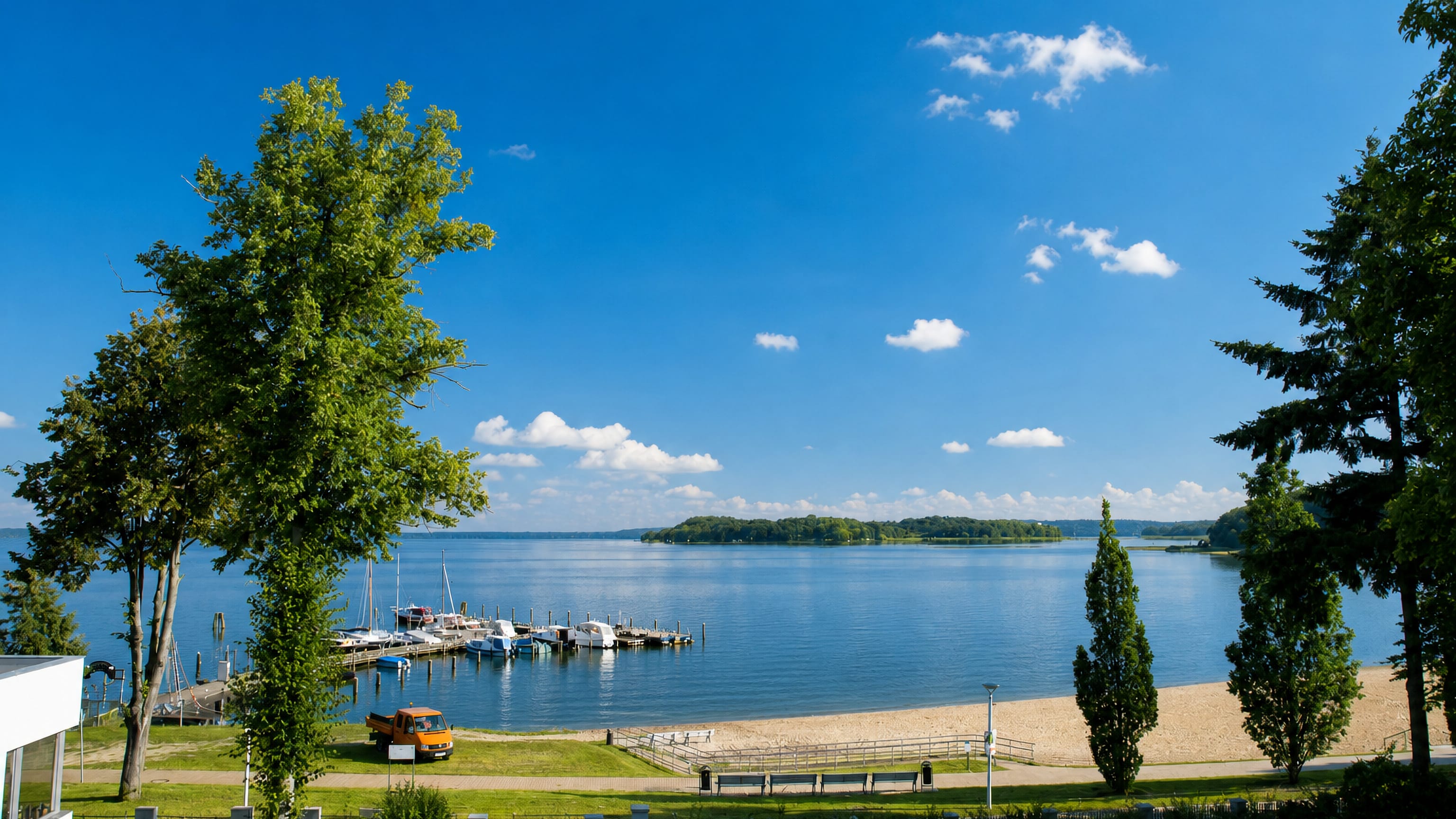
This one really is a resort. The promenade carries villas and hotels built in spa architecture, the Strandbad lies below them, and the Schweriner Zoo, the nature conservation station and the Kletterwald are all inside the Stadtteil, which is why people come. The Kurhaus is the oldest of them.
It stands at the Bornberg near the beach, and the Strandhotel went up beside it, both raised in 1910 by a company local citizens had formed the year before. Mueß and Ostorf are the near neighbours.
About Zippendorf
What are the main landmarks in Zippendorf?
Two hotels of 1910 anchor the shore. The Kurhaus GmbH, formed by local citizens in 1909, put up the Strandhotel with thirty-two beds where a burned-out inn had stood and the Kurhaus with sixty-three, though the surroundings stayed rough, with three earth walls for the steamers blocking the bay and the beach used as a tip. A summer theatre came earlier and went sooner.
It opened in 1865, drew crowds enough to set drovers against visitors, and was bankrupt by 1876. The Hexenberg is the one named hill. It reaches forty-nine metres near the Fauler See at the eastern end, and the ground falls from there to thirty-eight metres at the lake shore, which is the whole of the relief here.
What is the history of Zippendorf?
A count gave the village to the town. Helmold handed Zippendorf, Göhren and Ostorf to Schwerin in 1282, the same year the place appears as villa Zuppucendorp, and it stayed a Kämmereidorf of the town afterwards. The name is disputed.
It may come from the Old Slavic sopotŭ for the rushing of water, or from the Serbian personal name Čup, in which case it means the village of the Čupić. Farming here was poor. Bad soil and game damage kept the rents low, so the magistrate regulated the field mark in 1820 alongside the end of serfdom, cut the hides in 1859 to let the surplus out separately, and put the last six farms on hereditary lease in 1877.
The visitors arrived by way of a princess. A walk was laid out for princess Charlotta between Zippendorf and Mueß in 1775 and briefly barred to outsiders, and through the 19th century the place became the excursion ground of Schwerin, with well-off pensioners, officials and officers building villas along a lake that had served as a cattle trough.
Where is Zippendorf?
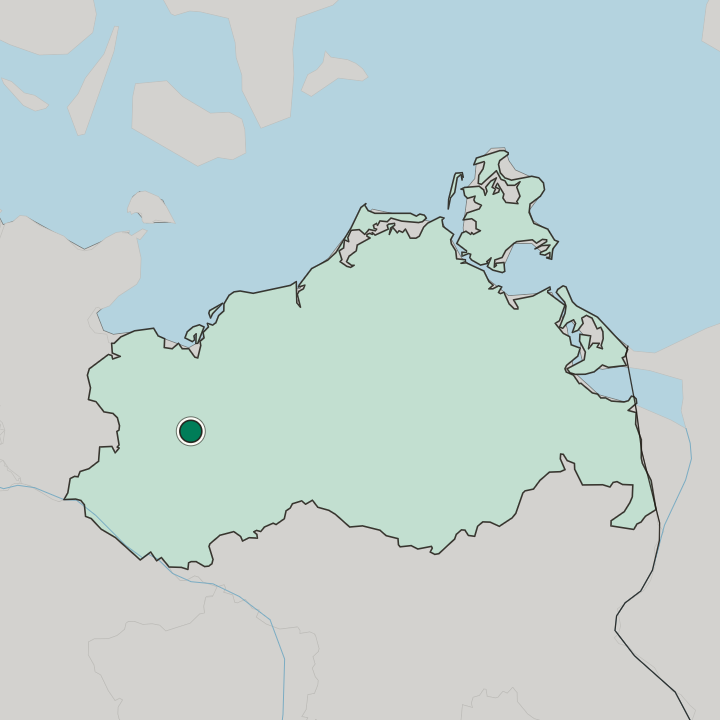
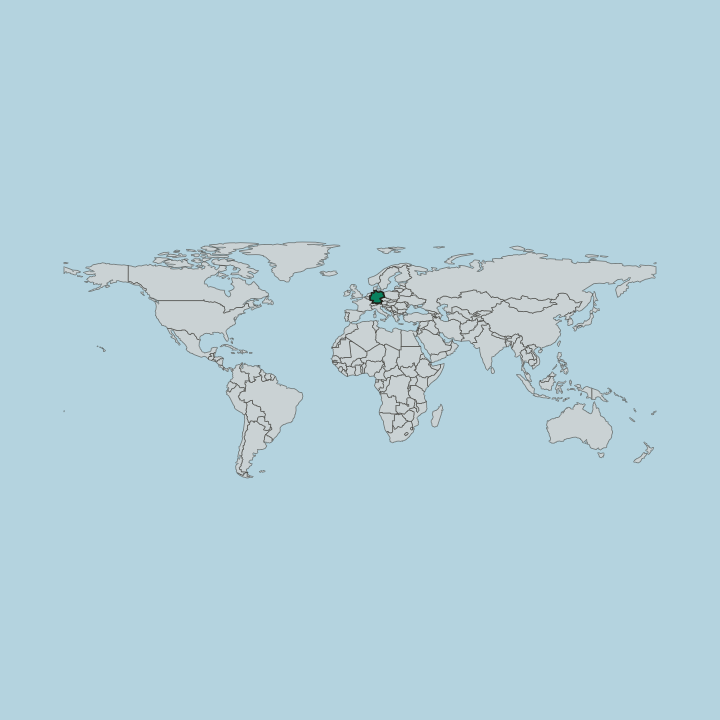
Zippendorf covers 147 hectares on the south shore of the Schweriner See, with Mueß to the east, Ostorf to the west and Großer Dreesch, Neu Zippendorf and Mueßer Holz to the south, its ground rising from the water to over seventy metres.
More areas in Schwerin
Updated September 2026