Germany · Nordrhein-Westfalen · Duisburg
Ruhrort, Duisburg — Area Guide & Where to Stay
Ruhrort is Duisburg's harbour district, north of the confluence of the Ruhr and the Rhine, with the German Inland Waterways Museum on its quays.
Hotel links are affiliate links: booking through them may earn us a commission, at no extra cost to you. It never affects how places are ranked. How this works


Where to stay in Ruhrort
The practical side of choosing where to sleep.
Ruhrort's beds sit inside a working port. The German Inland Waterways Museum and the Haniel Museum stand within the district, and the Rhine Orange marks the water at a point where the quays run for nearly 40 kilometres along the river. Kasteel Ruhrort gives another fixed name, and Duisburg's wider borough of Homberg/Ruhrort/Baerl accounts for the ground beyond.
Find hotels in Ruhrort
Direct booking searches for these neighbourhoods.
The museum blocks
The German Inland Waterways Museum and the Haniel Museum sit in the same part of Ruhrort, which puts two collections within one walk of a harbour-side bed.Find hotels in The museum blocksRooms facing the quays near the Rhine OrangeToward the Rhine Orange
The Rhine Orange stands over the water, and the walk from it follows quays that carry on for nearly 40 kilometres along the Rhine.Find hotels in Toward the Rhine OrangeHotel links are affiliate links: booking through them may earn us a commission, at no extra cost to you. It never affects how places are ranked. How this works
Things to do in and around Duisburg
Ranked by global recognition; descriptions from Wikidata (CC0).
Museums & Galleries
2- German Inland Waterways Museum Heritage
- Haniel Museum Heritage
Churches & Religious Sites
3- St. Maximilian Heritage
- St. Jakobus Heritage
- St Ewaldi's Church
Castles & Historic Sites
1- Kasteel Ruhrort Heritage
Landmarks & Notable Places
1- Rhine Orange
worth knowingacross 4 categories in and around Duisburg
About Ruhrort
What are the main landmarks in Ruhrort?
Museums outnumber churches here, just. The German Inland Waterways Museum takes the harbour theme head on, the Haniel Museum and the Radiomuseum Duisburg fill out the collections, and the Rhine Orange stands as the one piece of sculpture on the register. Three churches follow.
St. Maximilian is one, with St. Jakobus and St Ewaldi's Church beside it, while Kasteel Ruhrort and the Friedhof Eisenbahnstraße complete what the district has recorded.
What is the history of Ruhrort?
Shipping wrote the record here. Ruhrort holds the largest river harbour in the world, with quays that extend for nearly 40 kilometres along the river, and it stands as the principal inland shipping port in Germany. Quays, not dates, are what Ruhrort has on record.
The Haniel Museum and the German Inland Waterways Museum are where that account is kept, while Kasteel Ruhrort and the Friedhof Eisenbahnstraße are the other named survivals within the borough of Homberg/Ruhrort/Baerl.
Where is Ruhrort?
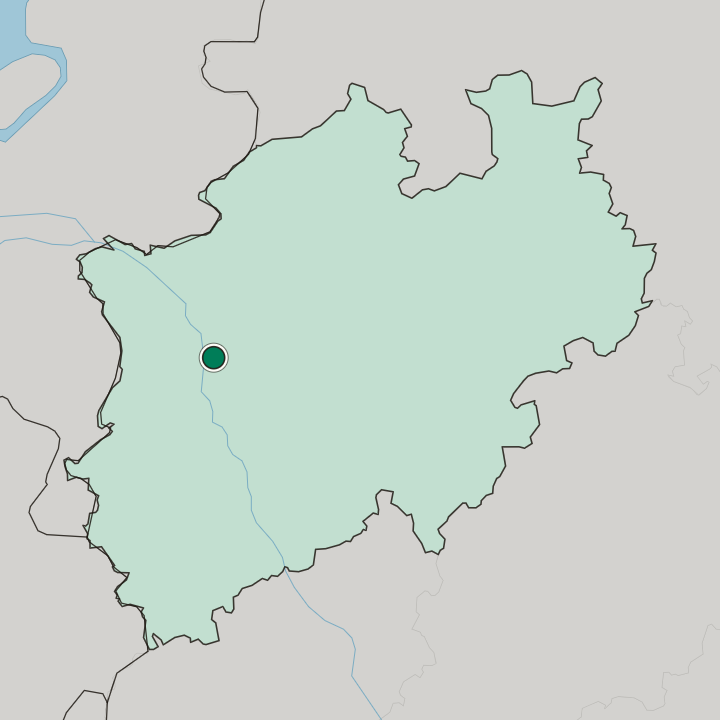
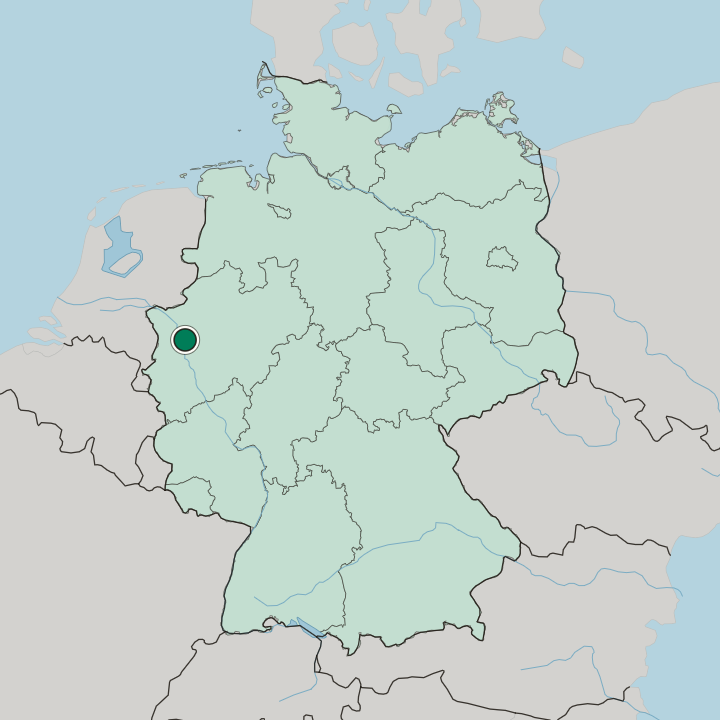
Ruhrort lies north of the confluence of the Ruhr and the Rhine, in the western part of the Ruhr area. Quays line the water.
Common questions
What is the best area to stay in Ruhrort?
The museum blocks: Stays built around the German Inland Waterways Museum. Toward the Rhine Orange: Rooms facing the quays near the Rhine Orange.
Good for
More areas in Duisburg
Updated October 2026