Germany · Nordrhein-Westfalen
Where to Stay in Duisburg, Nordrhein-Westfalen
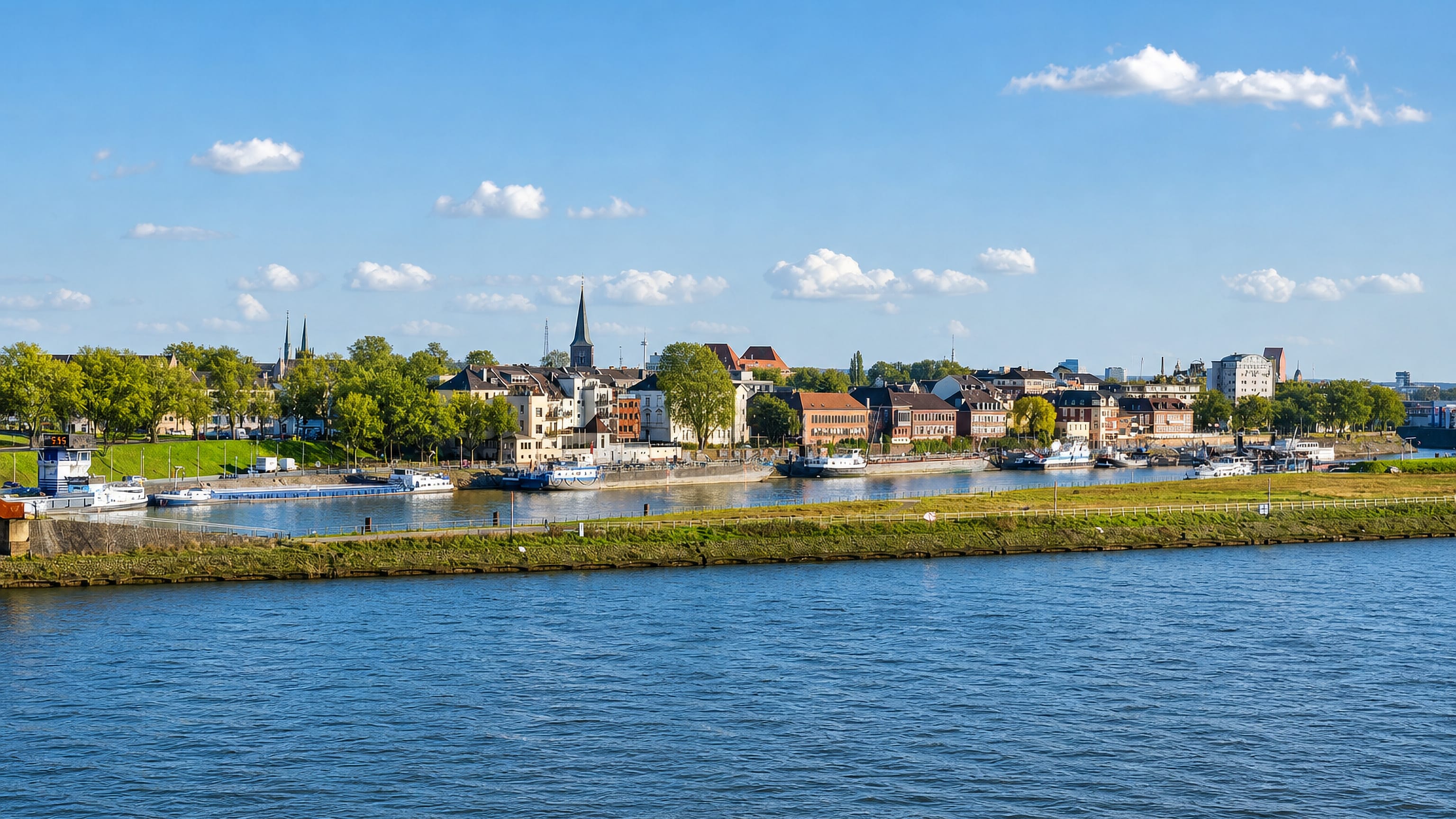
Duisburg stands where the Ruhr meets the Rhine, an independent city built around the Port of Duisburg and the sculpture of the Lehmbruck Museum.
Hotel links are affiliate links: booking through them may earn us a commission, at no extra cost to you. It never affects how places are ranked. How this works


Where to stay in Duisburg
Where you base yourself shapes the visit — here's the character of each area.

 DuisburgGermanyHarbour nights beside Kasteel Ruhrort
Ruhrort
Kasteel Ruhrort and the German Inland Waterways Museum stand in the harbour quarter, where the Port of Duisburg keeps working long after the shops shut. Rooms are few around here — worth securing early.Ruhrort →DuisburgGermany
Meiderich
The Evangelische Kirche Meiderich marks a quarter well out from the middle of Duisburg, where beds come with parking rather than a walk to the Rhine. Few places to stay nearby — book ahead.Meiderich →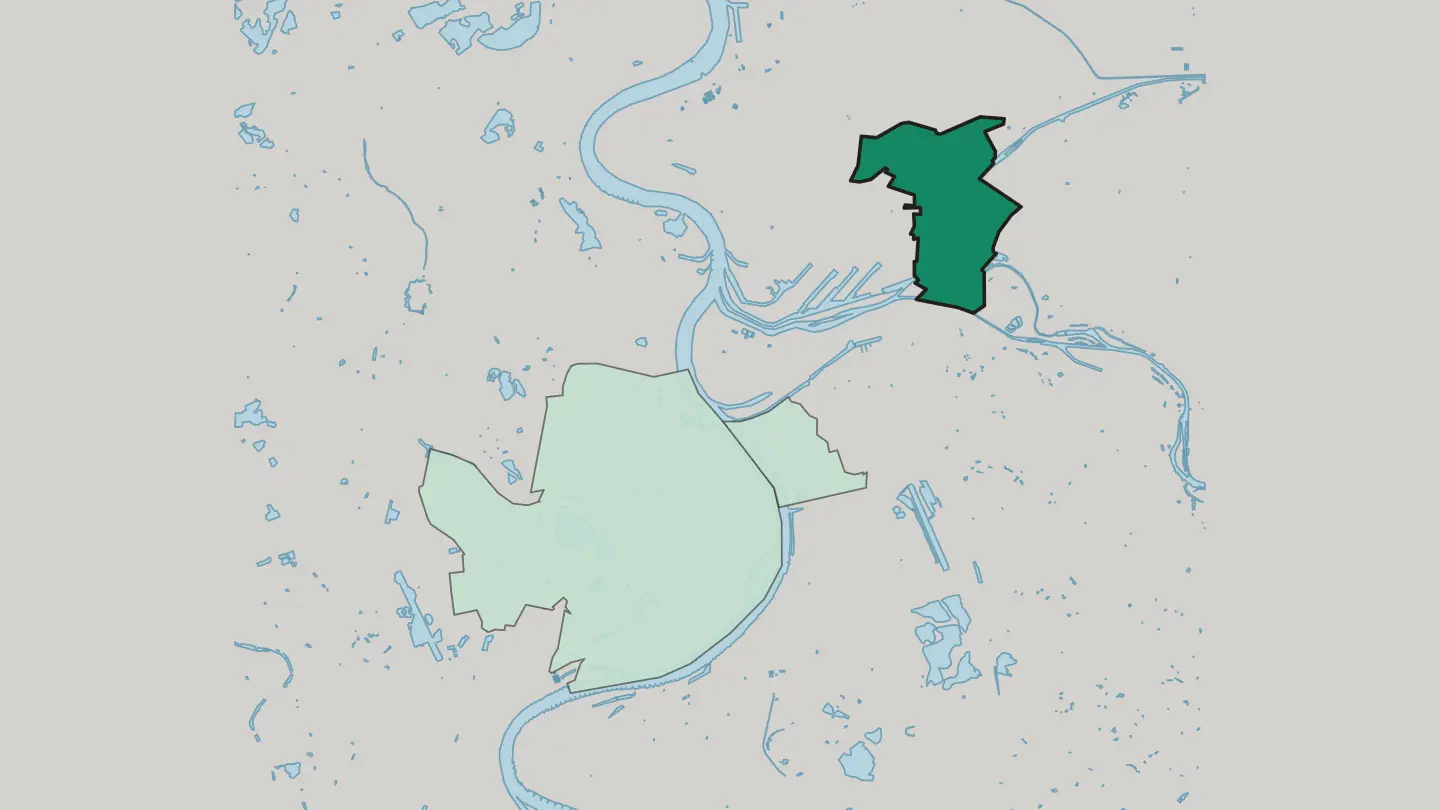 DuisburgGermany
Hochfeld
Hochfeld is a Stadtteil of the Duisburg Stadtbezirk Mitte on the right bank of the Rhine, named for high ground that stayed clear of the river's floods.Where to stay →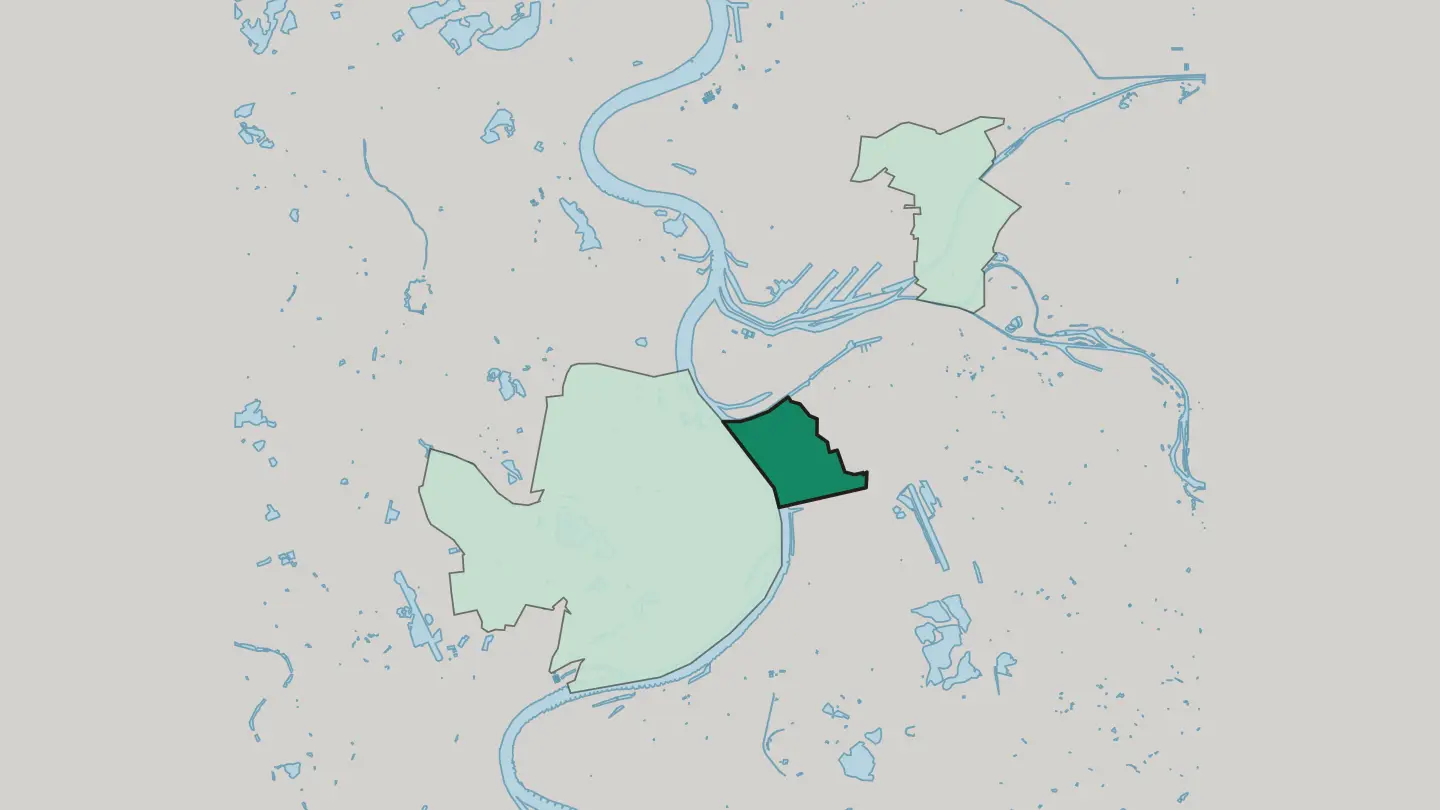 DuisburgGermany
Wanheimerort
Wanheimerort is a Duisburg district whose record holds the MSV Museum, the Haus der Naturfreunde and two churches, St. Michael and St. Petrus Canisius.Where to stay →DuisburgGermany
Rheinhausen
Rheinhausen is a Bezirk of Duisburg on the Rhine's left bank, a Kreis Moers town until the Ruhrgebiet-Gesetz took it into the city in 1975.Where to stay →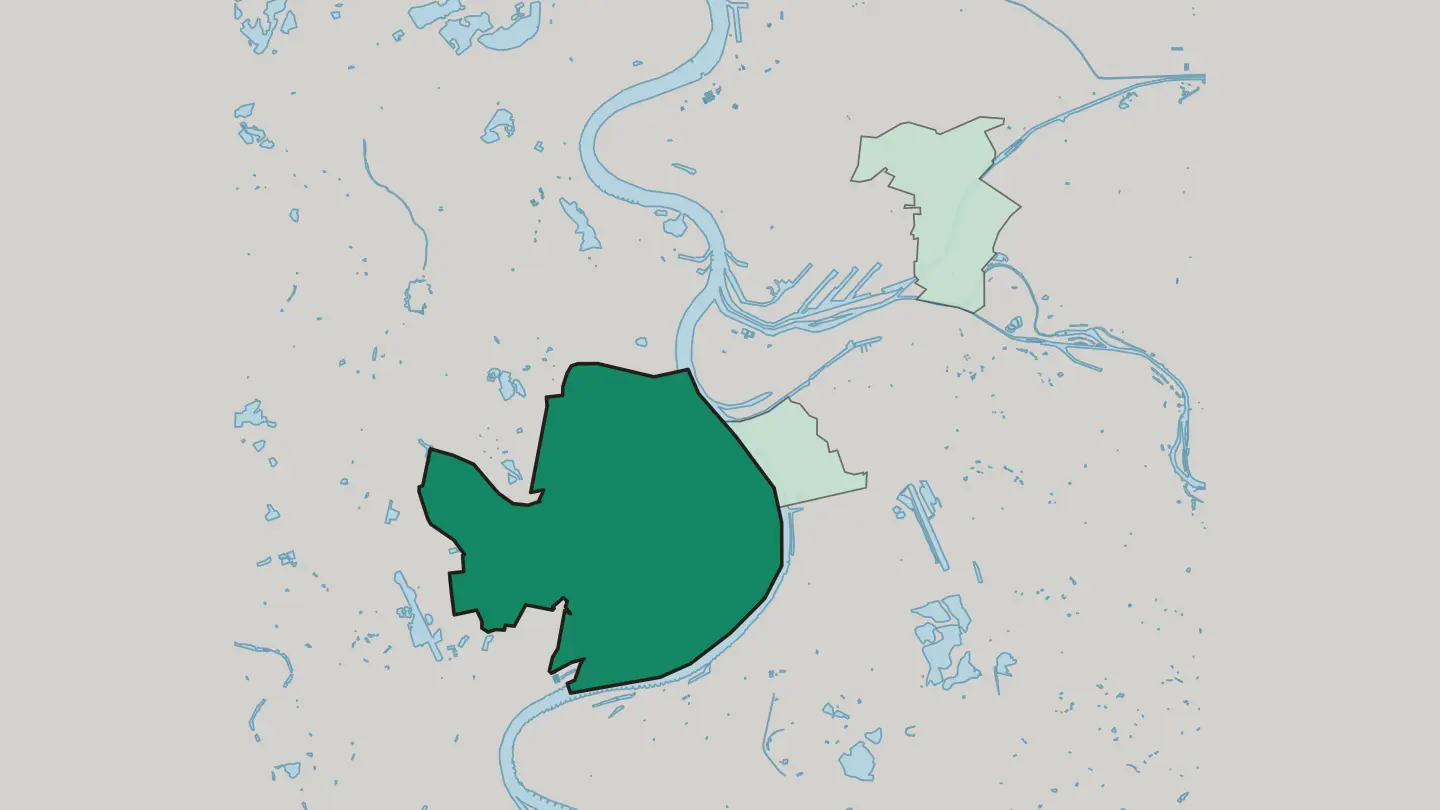
 DuisburgGermany
Wedau
Wedau is a district of Duisburg, and its record runs to three names: the Naturwissenschaftliches Museum Duisburg, the Kirche am See and St. Raphael.Where to stay →DuisburgGermanyWanheim
Wanheim is a district of Duisburg, paired with Angerhausen in the borough name Wanheim-Angerhausen, where Haus Angerort stands.Where to stay →Hotel links are affiliate links: booking through them may earn us a commission, at no extra cost to you. It never affects how places are ranked. How this works
Find hotels in Duisburg
Direct booking search for this neighbourhood.
Hotel links are affiliate links: booking through them may earn us a commission, at no extra cost to you. It never affects how places are ranked. How this works
Things to do in Duisburg
Ranked by global recognition; descriptions from Wikidata (CC0).
Museums & Galleries
4- Museum Küppersmühle Heritage
- Lehmbruck Museum Heritage
- German Inland Waterways Museum Heritage
- Haniel Museum Heritage
Churches & Religious Sites
8- Church of Our Saviour Heritage
- St. Ludger Heritage
- St. Joseph Heritage
- Karmelkirche Heritage
- St. Michael Heritage
Show 3 more →
- St. Maximilian Heritage
- Church of St Jude Thaddeus Heritage
- St. Jakobus Heritage
Castles & Historic Sites
3- Port of Duisburg Heritage
- Haus Angerort Heritage
- Kasteel Ruhrort Heritage
Nature & Outdoors
1- Skulpturenpark Lehmbruck-Museum Duisburg
Landmarks & Notable Places
2- Dreigiebelhaus Heritage
- Rhine Orange
worth knowingacross 5 categories in Duisburg
About Duisburg
Water runs the economy.
What is Duisburg known for?
The Port of Duisburg is the largest inland harbour anywhere, and the German Inland Waterways Museum sets out the barge traffic that turned the city into a centre of commerce and steel production. Art answers the cranes. The Lehmbruck Museum and its Skulpturenpark Lehmbruck-Museum Duisburg hold the sculpture collection, while the Museum Küppersmühle, the Museum DKM and the Duisburg Zoo carry most of the rest of what visitors come for.
What are the main landmarks in Duisburg?
Museums outnumber the churches. The Lehmbruck Museum leads them, with the Museum Küppersmühle, the Museum DKM, the Haniel Museum, the Radiomuseum Duisburg and the Kultur- und Stadthistorisches Museum Duisburg all on the same register. Some of the older city still stands.
The Dreigiebelhaus, the Karmelkirche, the Marienkirche, the Church of Our Saviour and Burg Lakum carry the pre-industrial names, while the Rhine Orange marks the riverside as a thoroughly modern one.
What is the history of Duisburg?
The rivers came first. Duisburg grew at the confluence of the Ruhr and the Rhine, and that position made it a place of trade, industry and transport long before the modern harbour took its present form. Burg Lakum recalls the older ground.
The Dreigiebelhaus and the Marienkirche belong to the same early layer, together with the Karmelkirche and the Church of Our Saviour. Industry took over. Steel production and the Port of Duisburg turned the city into one of the largest places in the Ruhr area, and the Haniel Museum sits among the collections that grew out of that period.
Ruhrort worked the water. Kasteel Ruhrort and the German Inland Waterways Museum keep the record of the harbour quarter, the part of the city where barge trade is written most plainly. Art arrived with the newer century.
The Lehmbruck Museum and its Skulpturenpark Lehmbruck-Museum Duisburg gave the city a sculpture collection, and the Museum Küppersmühle, the Museum DKM and the Cubus Kunsthalle followed with more. The Rhine Orange marks the water. Duisburg holds independent-city status within Nordrhein-Westfalen, and its record runs from Burg Lakum through the steel years to a harbour that handles more inland freight than any other.
Where is Duisburg?
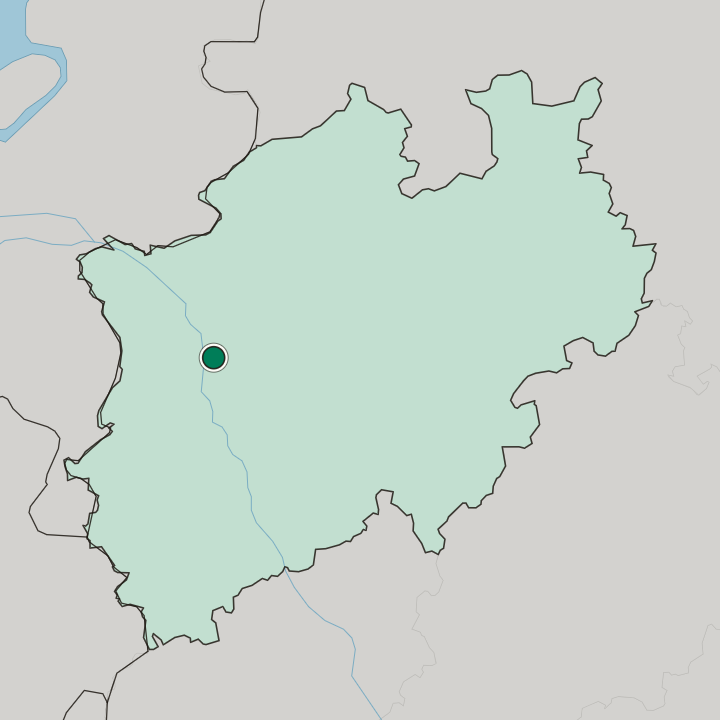
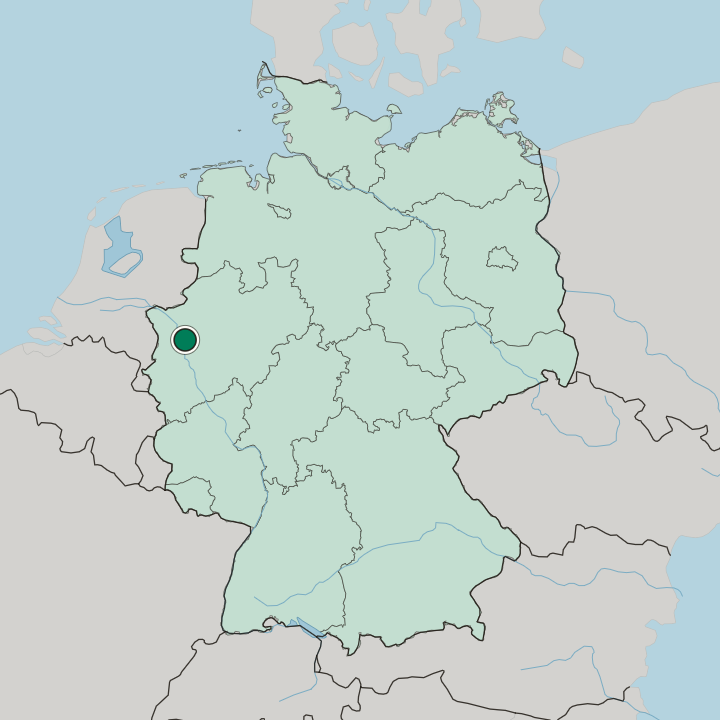
The Ruhr empties into the Rhine here. Duisburg covers about 233 square kilometres at that confluence, ground that carries the Port of Duisburg, the Duisburg Zoo and quarters as far apart as Ruhrort and Meiderich. Rivers and docks set the layout.
The harbour takes a large share of the municipality, which is why the Rhine Orange and the German Inland Waterways Museum read as landmarks here rather than curiosities.
What is the climate of Duisburg?
The Rhine valley holds the weather steady. Temperate air moves along the water, so neither season pushes Duisburg far from the middle and a walk by the harbour works in most months. Cloud cover is the norm.
Rain sends visitors into the Lehmbruck Museum, the Museum Küppersmühle or the Kultur- und Stadthistorisches Museum Duisburg, each of which suits an afternoon that the Duisburg Zoo would not.
How do you get to Duisburg?
Düsseldorf Airport sits close by. That proximity, together with a place inside the Rhine-Ruhr metropolitan region, makes Duisburg one of the simpler arrivals in Nordrhein-Westfalen for anyone coming from beyond Europe. Freight arrives by water.
The Port of Duisburg takes barges off the Rhine and the Ruhr, and once inside the city the Lehmbruck Museum and the Rhine Orange serve as the fixed points to steer by.
Common questions
What is the best area to stay in Duisburg?
Around the Lehmbruck Museum: Gallery days at the Lehmbruck Museum and the Cubus Kunsthalle. Ruhrort: Harbour nights beside Kasteel Ruhrort. Meiderich: Quiet edges near the Evangelische Kirche Meiderich.
Good for
More cities in Nordrhein-Westfalen
Updated October 2026