Germany · Nordrhein-Westfalen · Wuppertal
Ronsdorf, Wuppertal — Area Guide & Where to Stay
Elias Eller founded Ronsdorf for the Zionites; a town charter followed in 1745. It joined Wuppertal in 1929.
Hotel links are affiliate links: booking through them may earn us a commission, at no extra cost to you. It never affects how places are ranked. How this works


Where to stay in Ronsdorf
Where the beds are, and what that means for the visit.
The Bandwirkermuseum Ronsdorf is the reason to sleep out here rather than in the middle of Wuppertal, and the Lutherkirche, the Reformierte Kirche and Sankt Joseph fill out a short walking circuit around the old charter town. Ronsdorf does not sprawl. Its 16.05 square kilometres are residential ground more than hotel ground, so travellers wanting a wider pick take a base in the city centre and come out for the museum.
Find hotels in Ronsdorf
Direct booking search for this neighbourhood.
Hotel links are affiliate links: booking through them may earn us a commission, at no extra cost to you. It never affects how places are ranked. How this works
About Ronsdorf
What are the main landmarks in Ronsdorf?
Three churches and one museum. The Lutherkirche and the Reformierte Kirche carry the names of two church traditions in a town that began as a Zionite settlement, while Sankt Joseph carries a third. The Bandwirkermuseum Ronsdorf completes the four, a museum rather than a church.
Wuppertal holds far longer lists elsewhere, but Ronsdorf's four belong to the compact charter town of 1745 and can be seen in one walk.
What is the history of Ronsdorf?
Ronsdorf appears in the record in 1494. Elias Eller founded the place proper a few years before 1745, when he moved the Zionites here from Elberfeld and the settlement received its town charter. Town status lasted until 1929, the year Ronsdorf was made part of Wuppertal.
The names on the ground are the Lutherkirche, the Reformierte Kirche, Sankt Joseph and the Bandwirkermuseum Ronsdorf, on the 16.05 square kilometres the old town brought with it.
Where is Ronsdorf?
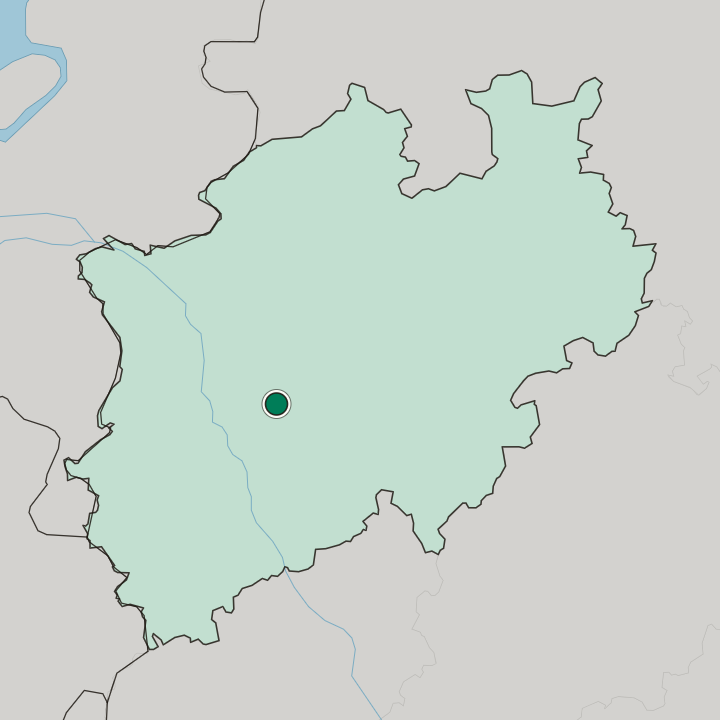
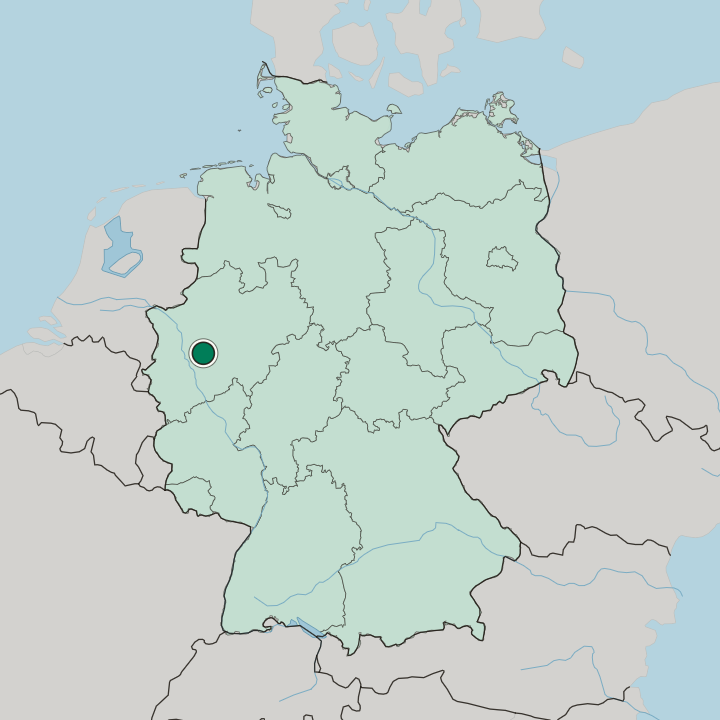
Ronsdorf takes up 16.05 square kilometres of Wuppertal, the ground Elias Eller settled the Zionites on. Sankt Joseph stands there.
Common questions
What is the best area to stay in Ronsdorf?
Ronsdorf: Trips centred on the Bandwirkermuseum Ronsdorf and the old charter town.
Good for
More areas in Wuppertal
Updated October 2026