Germany · Schleswig-Holstein
Where to Stay in Lübeck, Schleswig-Holstein
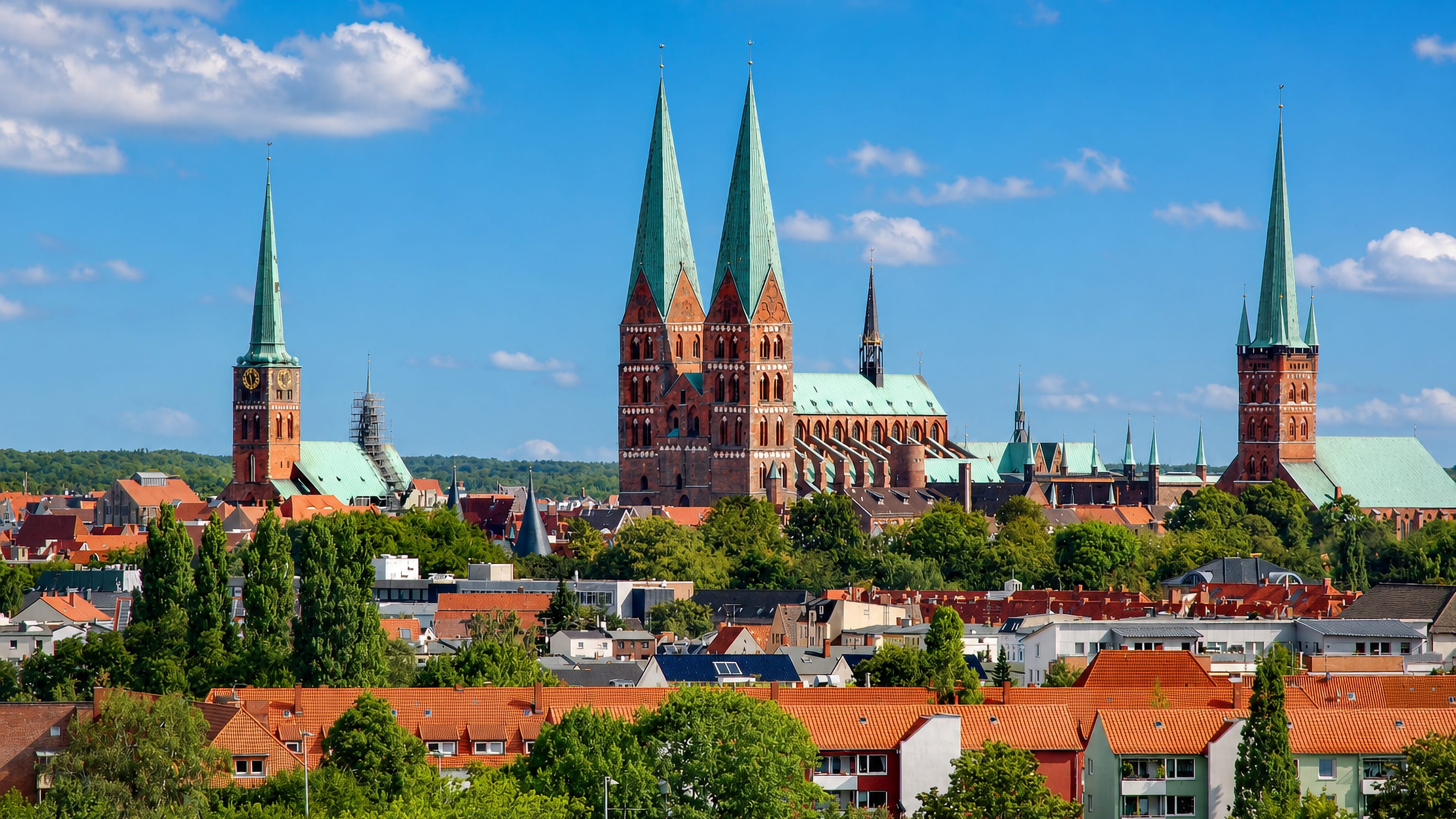
Lübeck stands at the mouth of the Trave on the Baltic Sea, a Hanseatic port whose old town still begins at the Holstentor.
Hotel links are affiliate links: booking through them may earn us a commission, at no extra cost to you. It never affects how places are ranked. How this works


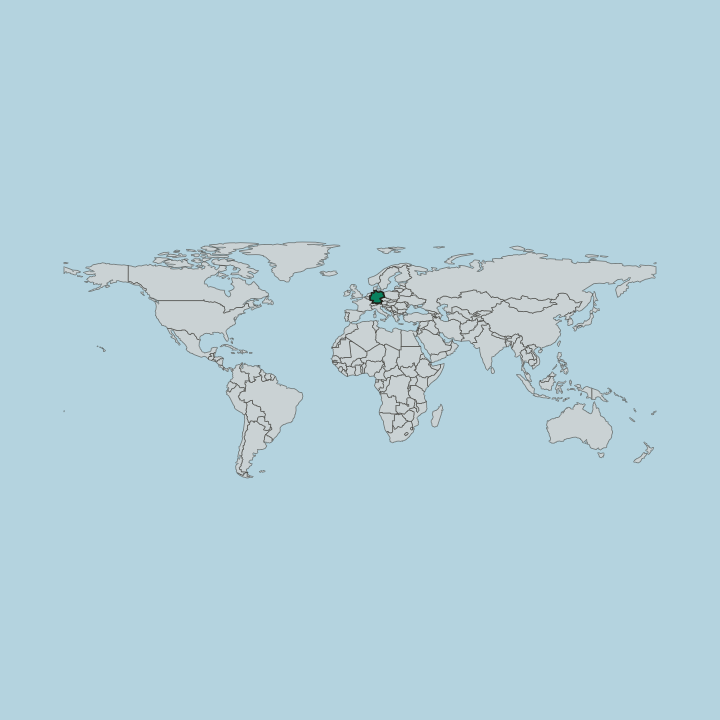
Where to stay in Lübeck
One neighbourhood here has its own guide — here's what it is best for.

 LübeckGermany
Travemünde
Travemünde is the Lübeck borough at the mouth of the Trave, a Baltic seaside resort with a lighthouse and the four-masted Passat.Where to stay →Hotel links are affiliate links: booking through them may earn us a commission, at no extra cost to you. It never affects how places are ranked. How this works
Find hotels in Lübeck
Direct booking searches for these neighbourhoods.
Inside the Holstentor
beyond the Holstentor the old lanes reach Lübeck Cathedral, the Buddenbrookhaus, and the Museum Behnhaus Drägerhaus without transportFind hotels in Inside the Holstentorrooms that look across the Trave at the Museumshafen LübeckThe Trave frontage
the Trave puts the moored craft of the Museumshafen Lübeck opposite the old town's working quaysFind hotels in The Trave frontagefamilies pairing the Bürgergärten with the Museum für Natur und Umwelt LübeckBy the Bürgergärten
the Bürgergärten give Lübeck a green address for stays that need a park more than another church. Few places to stay nearby — book ahead.Find hotels in By the Bürgergärtentravellers heading on to the Baltic Sea after the museumsDownstream towards the Baltic
ground along the lower Trave points away from Lübeck's old town and towards the open coast. Beds are limited here, so book early.Find hotels in Downstream towards the BalticHotel links are affiliate links: booking through them may earn us a commission, at no extra cost to you. It never affects how places are ranked. How this works
Things to do in Lübeck
Ranked by global recognition; descriptions from Wikidata (CC0).
Museums & Galleries
5- Buddenbrookhaus Heritage
- St. Anne's Museum Quarter Heritage
- Leuchtturm Travemünde Heritage
- Willy Brandt House Heritage
- Museum Behnhaus Drägerhaus Heritage
Churches & Religious Sites
8- St. Mary's Church Lübeck Heritage
- Lübeck Cathedral Heritage
- St. Jakobi Heritage
- St. Peter's Church (Lübeck) Heritage
- St. Catherine's Church Heritage
Show 3 more →
- Kulturforum Burgkloster Heritage
- St.Lawrence church Heritage
- St. Lorenz Heritage
Landmarks & Notable Places
1- Holstentor Heritage
worth knowingacross 3 categories in Lübeck
About Lübeck
Marzipan and the Hanseatic League share the billing.
What is Lübeck known for?
Together with nearby Hamburg the city founded what grew into that league of ports and trading towns, and the Europäisches Hansemuseum sets out the whole account a few streets from the Holstentor, which is the gate every photograph of Lübeck seems to start from. Writers hold the other half. The Buddenbrookhaus and the Günter Grass House stand within a short walk of each other, and the Brahms-Institut brings music into the same reckoning.
What are the main landmarks in Lübeck?
The Holstentor is the one everybody knows, and Lübeck Cathedral, the Lutherkirche, and the Kulturforum Burgkloster carry the rest of the old skyline. Houses count for as much. The Buddenbrookhaus, the Günter Grass House, and the Willy Brandt House each hold a name the city keeps, while the Europäisches Hansemuseum, the Museum Behnhaus Drägerhaus, and the Lübeck Museum of Theatre Puppets range from trade to painting to marionettes.
What is the history of Lübeck?
The port came first, and everything else followed the ships. Lübeck has worked as an important harbour since the 12th century, when the Trave gave merchants a way from the Baltic Sea to a safe berth, and the wealth that came off those decks paid for the churches and merchant houses that still fill the old town. The Holstentor guarded the landward side.
Kulturforum Burgkloster belongs to the same medieval city, as does Lübeck Cathedral, and both stand from the era when the harbour was making its name. Alliance turned the town into a power. Together with Hamburg it founded what became the Hanseatic League, the network of ports and trading towns whose reach the Europäisches Hansemuseum now traces, and the official title Freie und Hansestadt Lübeck records the standing that came with it.
Sweetness followed the salt trade. Marzipan carried the city's name where its ships did not, and later centuries added names of another kind, kept at the Buddenbrookhaus, the Günter Grass House, and the Willy Brandt House. The Brahms-Institut takes that record into music, and the Lübeck Museum of Theatre Puppets keeps a stranger corner of it.
Where is Lübeck?
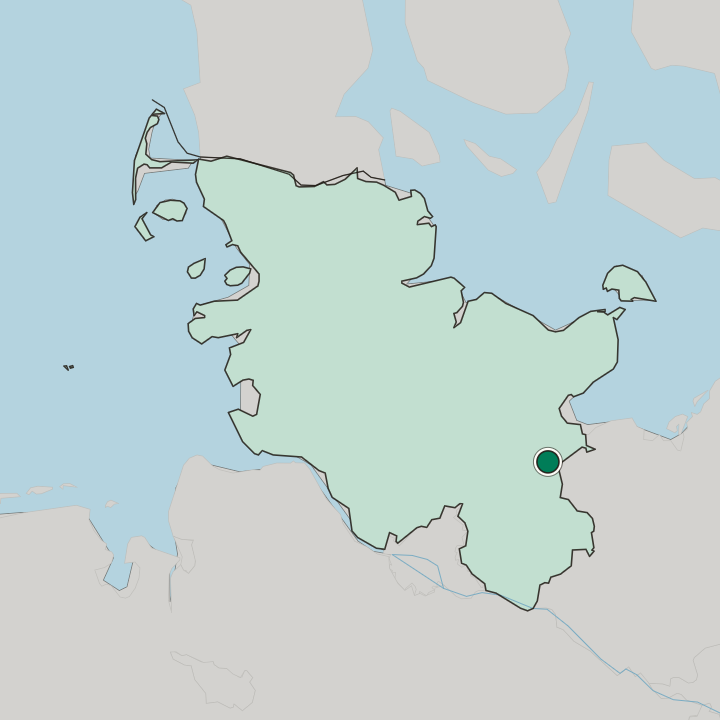
The Trave reaches the Baltic Sea here, and Lübeck sits where the river widens towards its mouth. Its layout answers to the water. Quays and channels cut through the built-up ground so that the old town keeps its brick above the river, and the coast of Schleswig-Holstein runs off in both directions beyond the harbour.
Kiel holds the state capital further along that shore. Hamburg lies inland to the south-west.
What is the climate of Lübeck?
The Baltic Sea sets the terms in Lübeck. Sharp swings are uncommon. Winter arrives damp rather than fierce because the sea gives up its stored warmth slowly, and the Trave carries that softened air right into the middle of the old town, where the streets hold it a little longer.
Summer heat seldom lasts.
How do you get to Lübeck?
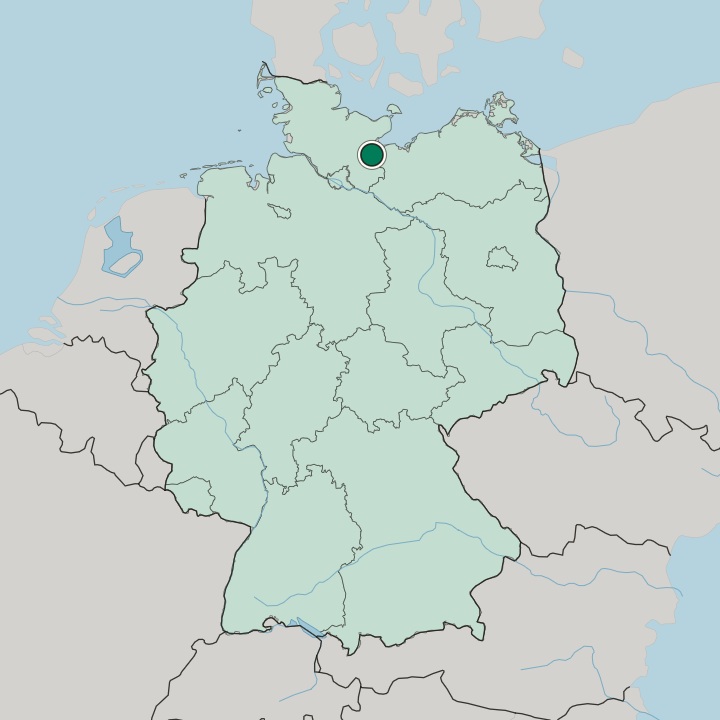
Hamburg is the neighbour that matters. The bulk of arrivals come up from that side by rail or motorway, a short enough hop that a day trip works in either direction, and travellers heading the other way reach Kiel along the coast of Schleswig-Holstein. Ships still call here.
Lübeck ranks among the major German ports on the Baltic Sea, and cargo works the Trave below the old town.
Common questions
What is the best area to stay in Lübeck?
Inside the Holstentor: first visits that want Lübeck Cathedral and the Buddenbrookhaus on foot from the gate. The Trave frontage: rooms that look across the Trave at the Museumshafen Lübeck. By the Bürgergärten: families pairing the Bürgergärten with the Museum für Natur und Umwelt Lübeck. Downstream towards the Baltic: travellers heading on to the Baltic Sea after the museums.
Good for
More cities in Schleswig-Holstein
Updated October 2026