Germany · Schleswig-Holstein
Where to Stay in Flensburg, Schleswig-Holstein
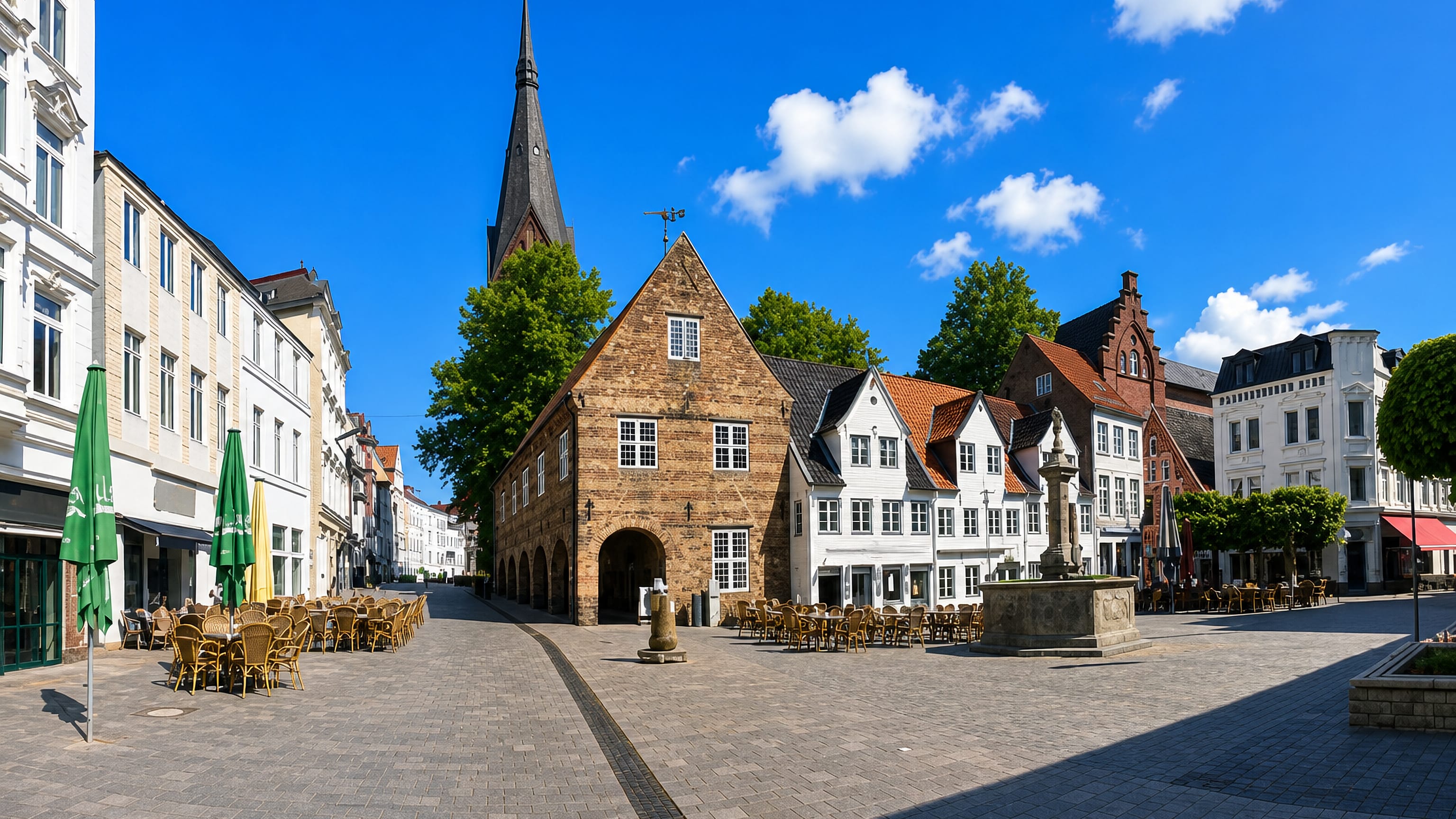
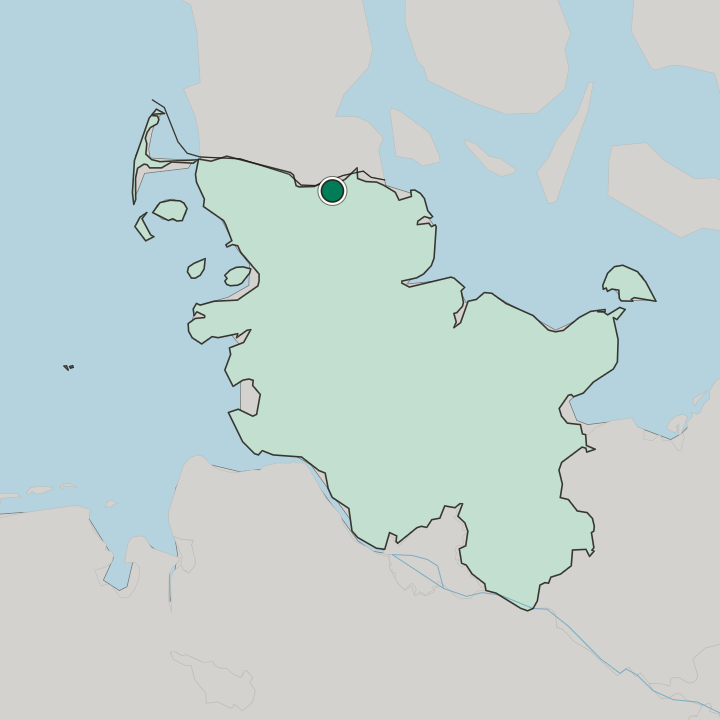
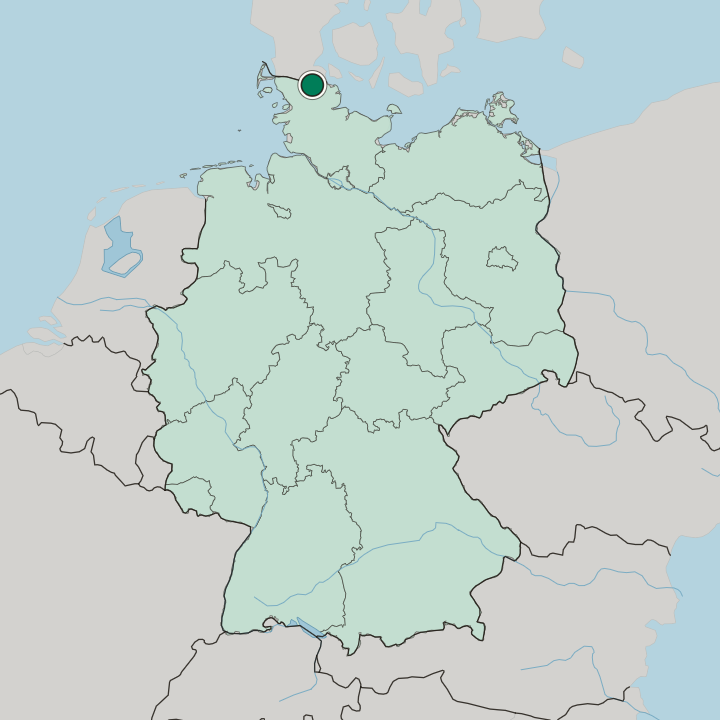
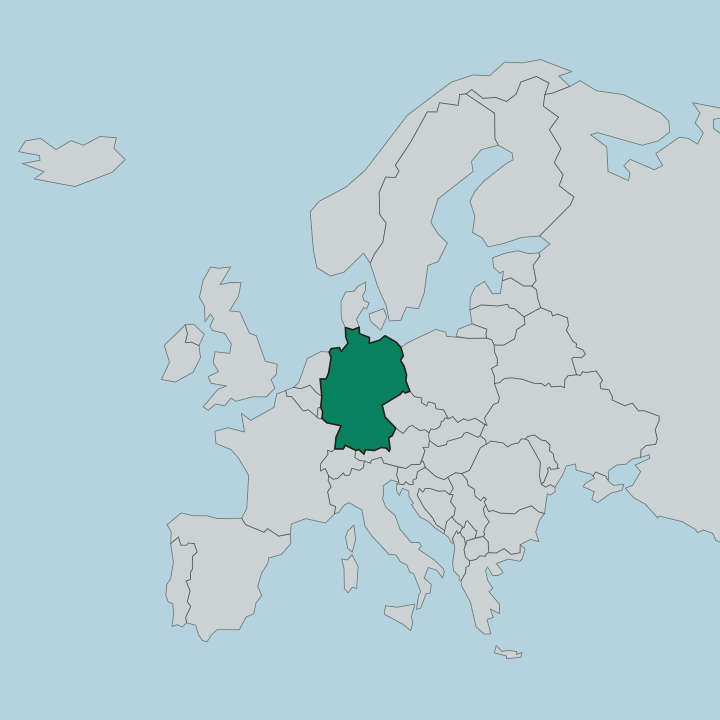
Flensburg lines the water of the Flensburger Förde in Schleswig-Holstein, a harbour town whose quays lie minutes from the Danish border.
Hotel links are affiliate links: booking through them may earn us a commission, at no extra cost to you. It never affects how places are ranked. How this works


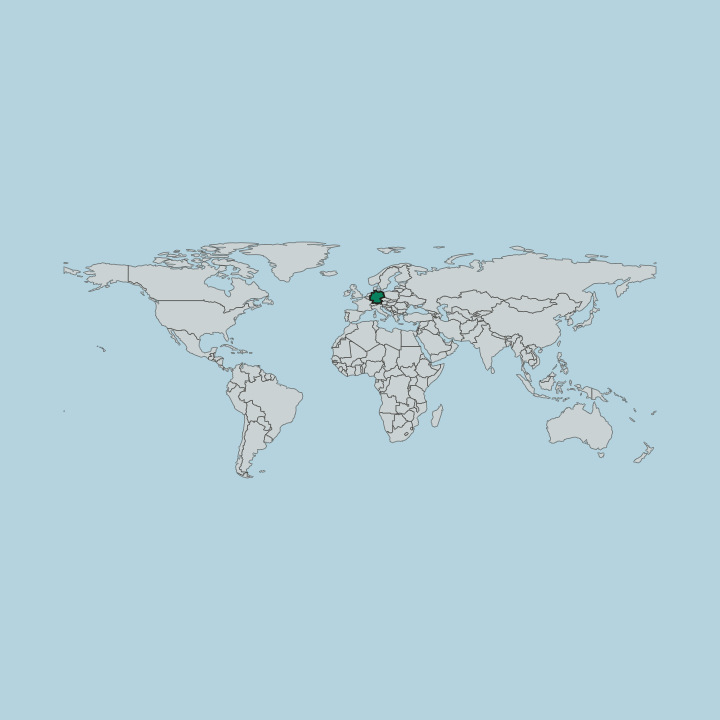
Where to stay in Flensburg
Where you base yourself shapes the visit — here's the character of each area.

 FlensburgGermany
Westliche Höhe
Westliche Höhe is a Flensburg quarter whose register runs to named housing settlements, Tietjekolonie, Monokelsiedlung, Siedlung Marienhof, and villas.Where to stay → FlensburgGermany
Friesischer Berg
Friesischer Berg is the Flensburg quarter that holds Museumsberg Flensburg, the Nikolaikirche and the Isted Lion.Where to stay → FlensburgGermany
Duburg
Duburg is the Flensburg quarter that carries Duborg Castle, the Museumshafen Flensburg and the Phänomenta among its listed sites.Where to stay → FlensburgGermany
Jürgensby
Jürgensby is a quarter of Flensburg, listed for Johanniskirche, the Schwarzer Walfisch and a memorial to the victims of National Socialist rule.Where to stay → FlensburgGermany
Sudstadt
Sudstadt is a residential quarter of Flensburg, in Germany, holding the Katharinenkirche and the Paulus Church among its streets.Where to stay →FlensburgGermanyBlasberg
Blasberg is a small old settlement in Flensburg first mentioned in 1759, incorporated at the start of the 20th century, and its name is read as windy rise.Where to stay →FlensburgGermanyKielseng
Kielseng, a quarter of Flensburg in Germany, is known through one listed institution: the Robbe & Berking Yachting Heritage Centre.Where to stay →FlensburgGermanyEngelsby
Engelsby is a Stadtteil on the east side of Flensburg, in the Angeln region. Its Danish name is the same.Where to stay → FlensburgGermany
Nordstadt
Nordstadt is a quarter of Flensburg in Schleswig-Holstein whose whole heritage list is one building, the St. Gertrud-Kapelle.Where to stay →FlensburgGermanyTwedt
Twedt lies within Flensburg, a former Landgemeinde of Kreis Flensburg-Land taken into the city on 1 May 1910. It sits four kilometres east of the Altstadt.Where to stay →FlensburgGermanyMürwik
Mürwik is a community of Flensburg on the east side of the Flensburg Firth, seat of the Naval Academy at Mürwik.Where to stay →FlensburgGermanyKlues
A quarter name on the Flensburg map, Klues sits within that city in Germany and carries no museum, church or castle of its own.Where to stay →All neighbourhoods (17)
FlensburgGermanyKauslund
Flensburg counts Kauslund among its quarters: an address in Germany made of houses and streets rather than of monuments.Where to stay →FlensburgGermanyFriedheim
Friedheim is the largest Stadtbezirk of the Flensburg Stadtteil Mürwik, grown from a farm and a cooperative settlement whose first houses went up in 1919.Where to stay →FlensburgGermanySchäferhaus
Schäferhaus carries a name of its own inside Flensburg, though the record in Germany gives the quarter no listed landmark to go with it.Where to stay →FlensburgGermanyWeiche
Weiche is a district of Flensburg in Schleswig-Holstein, its documented fabric two churches: St. Michaelkirche and the Friedenskirche.Where to stay →FlensburgGermanyWaldeshöh
Waldeshöh sits among the quarters that make up Flensburg in Schleswig-Holstein, carried in the registers by name alone.Where to stay →Hotel links are affiliate links: booking through them may earn us a commission, at no extra cost to you. It never affects how places are ranked. How this works
Find hotels in Flensburg
Direct booking searches for these neighbourhoods.
The Museumshafen quay
the quay ties the Museumshafen Flensburg to the Museumswerft Flensburg along one stretch of the Flensburger FördeFind hotels in The Museumshafen quayshoppers working the streets between the Nikolaikirche and the JohanniskircheThe lanes by the Nikolaikirche
these lanes carry the cross-border trade that the Danish border sends into Flensburg, with both churches as markersFind hotels in The lanes by the Nikolaikirchegallery mornings at the Museumsberg Flensburg followed by the Eiszeit-HausUp at the Museumsberg
the raised ground at the Museumsberg Flensburg keeps the collections close and the harbour crowds at a distance. Lodging is scarce in this area; reserve in advance.Find hotels in Up at the Museumsbergdrivers who plan to cross into Denmark before breakfastThe edge nearest Denmark
residential Flensburg runs out towards the crossing, with the Christuskirche as its one real landmark. Lodging is scarce in this area; reserve in advance.Find hotels in The edge nearest DenmarkHotel links are affiliate links: booking through them may earn us a commission, at no extra cost to you. It never affects how places are ranked. How this works
Things to do in Flensburg
Ranked by global recognition; descriptions from Wikidata (CC0).
Museums & Galleries
3- Museumsberg Flensburg
- Phänomenta
- Naturwissenschaftliches Museum Flensburg
Churches & Religious Sites
8- Nikolaikirche Heritage
- St. Mary's Church Heritage
- Johanniskirche Heritage
- St. Jürgen-Kirche Heritage
- St. Michaelkirche Heritage
Show 3 more →
- St. Johanniskirche Heritage
- Schmerzhafte Mutter St. Maria-Kirche Heritage
- Christuskirche Heritage
Castles & Historic Sites
2- Isted Lion Heritage
- Athena Heritage
Landmarks & Notable Places
3- Onkel Jule Heritage
- Logenhaus Heritage
- Schwarzer Walfisch Heritage
worth knowingacross 4 categories in Flensburg
About Flensburg
Two things pull people here.
What is Flensburg known for?
The border with Denmark runs close enough that shopping accounts for a large share of the arrivals, and the water accounts for most of the rest, since the Museumshafen Flensburg keeps old craft moored along the quay and the Museumswerft Flensburg puts the shipbuilding trades on show beside them. Museums are thick on the ground. The Flensburger Schifffahrtsmuseum, the Museumsberg Flensburg, and the Phänomenta divide the sea, the art, and the sciences between them.
What are the main landmarks in Flensburg?
Churches came first, and the Nikolaikirche, the Johanniskirche, and the Church of the Holy Spirit still hold the older streets, with the Franziskanerkloster Flensburg and what remains of Duborg Castle behind them. The Isted Lion stands apart. Ships take the rest of the attention, from the Robbe & Berking Yachting Heritage Centre and the Flensburger Schifffahrtsmuseum to the Museumshafen Flensburg, while the Eiszeit-Haus, the Phänomenta, and the Logenhaus round out an unusually long list for the size of the place.
What is the history of Flensburg?
Flensburg grew up around its inlet. Duborg Castle and the Franziskanerkloster Flensburg date from the centuries when a stronghold and a friary were the two fixed points of a northern harbour town, and the Nikolaikirche, the Johanniskirche, and the Church of the Holy Spirit were raised for the merchant families who worked the water below them. Trade paid for the churches.
Cargo moved along the Flensburger Förde long before any modern frontier was drawn across the land at its head, and the town has faced both German and Danish ways of doing business for as long as records exist. The border settled where it now runs. Flensburg's centre ended up only a short distance from Denmark, near enough for daily crossings, and the Isted Lion remains the monument most closely bound to that shared past.
Shipping carried the town into the modern age. The Flensburger Schifffahrtsmuseum and the Museumswerft Flensburg keep the record of the yards and crews, while the Museumshafen Flensburg holds the vessels themselves and the Robbe & Berking Yachting Heritage Centre follows the same craft into an age of yachts. Older ground still shows through, as the Eiszeit-Haus explains.
Where is Flensburg?
Everything here bends around the Flensburger Förde. The inlet reaches inland from the sea and the town wraps its head, so streets climb away from the quays on both flanks and the water stays in view from most of them. Schleswig-Holstein ends close by.
The Danish border lies a few kilometres out from the centre, which leaves Flensburg with less land around it than Kiel or Lübeck have. Slopes do the rest.
What is the climate of Flensburg?
The Flensburger Förde keeps the weather on a short leash. Breezes off the förde rarely let up. Water in the inlet blunts the summer heat and holds off the hardest frost, so Flensburg swings less than places further from any coast, and grey days with rain in the air can run one into the next for most of a week.
Bright spells arrive fast.
How do you get to Flensburg?
Roads come up from Kiel and Lübeck. Flensburg sits at the end of that run, close enough to the Danish border that a crossing into Denmark counts as an errand rather than a journey, which is why so much of the traffic through the town is doing exactly that. Boats use the Förde as well.
The Museumshafen Flensburg still takes vessels in under sail.
Common questions
What is the best area to stay in Flensburg?
The Museumshafen quay: guests who want the Museumshafen Flensburg and its rigging outside the window. The lanes by the Nikolaikirche: shoppers working the streets between the Nikolaikirche and the Johanniskirche. Up at the Museumsberg: gallery mornings at the Museumsberg Flensburg followed by the Eiszeit-Haus. The edge nearest Denmark: drivers who plan to cross into Denmark before breakfast.
Good for
More cities in Schleswig-Holstein
Updated October 2026