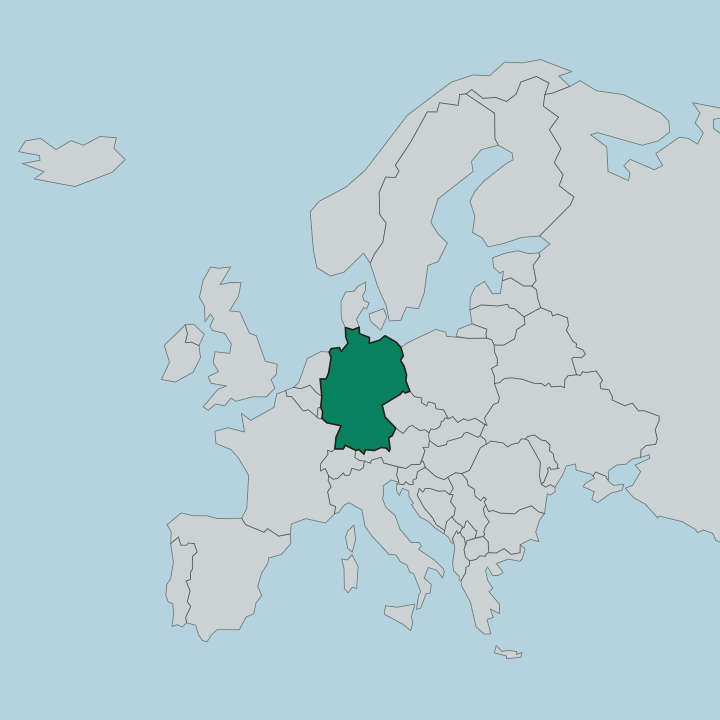
Germany · Thuringia
Where to Stay in Gera, Thuringia
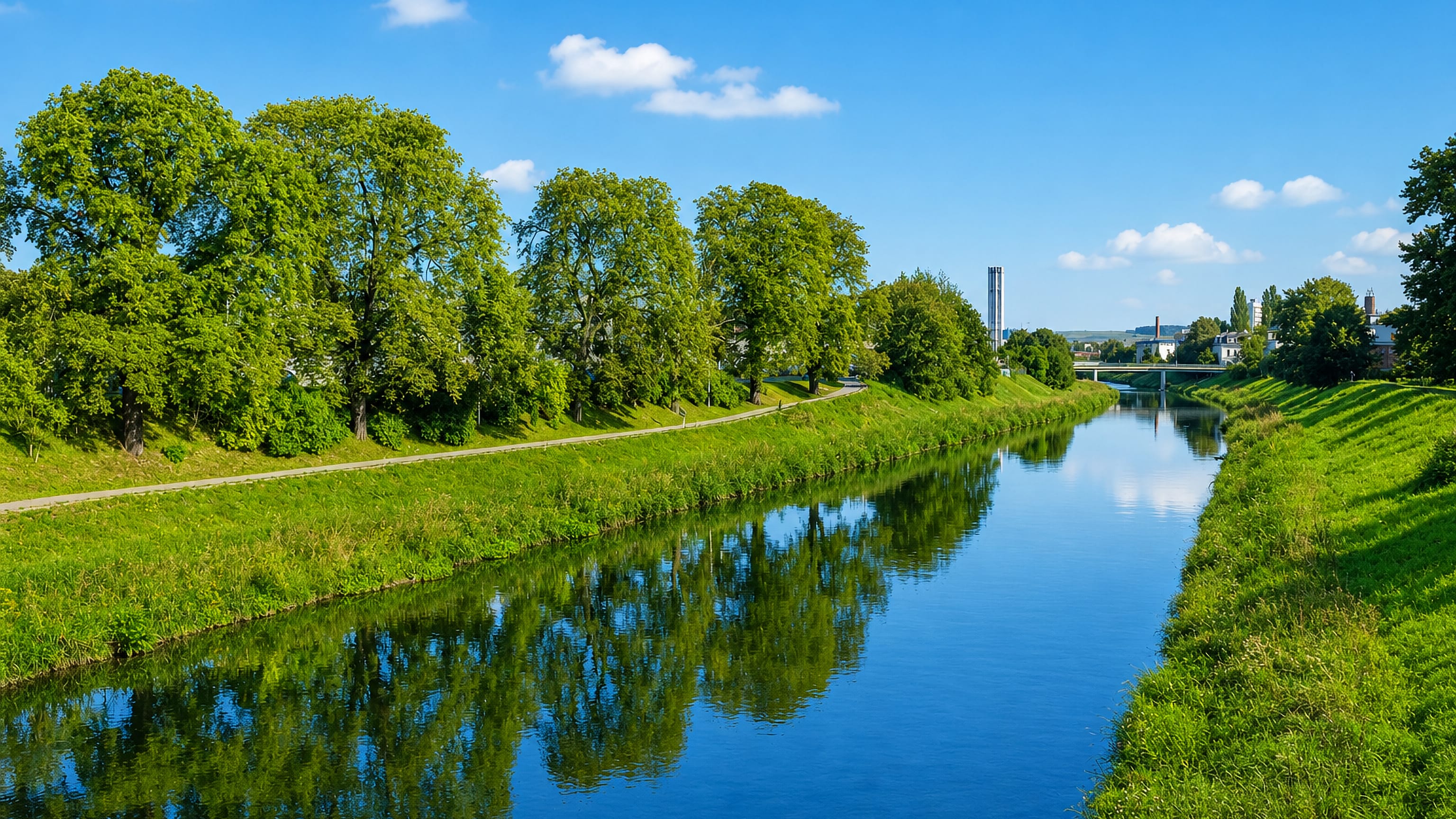
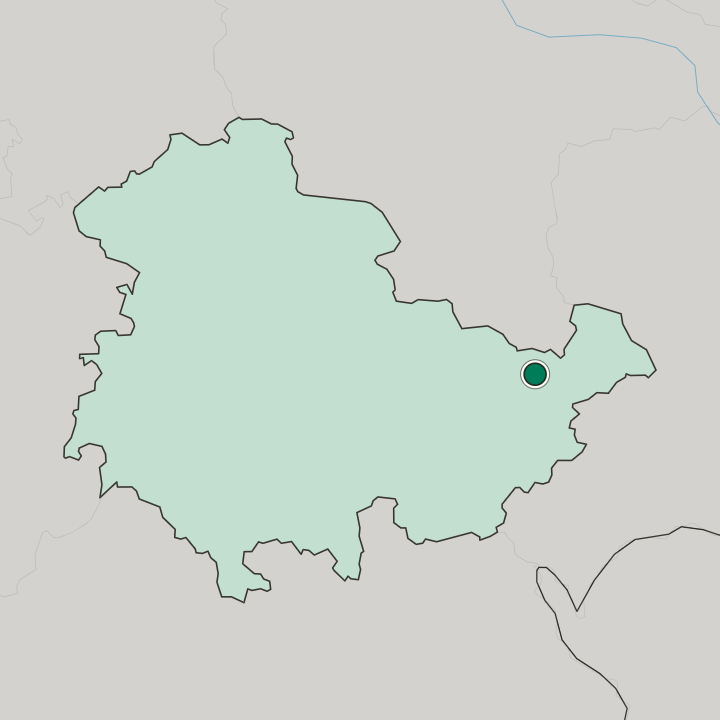
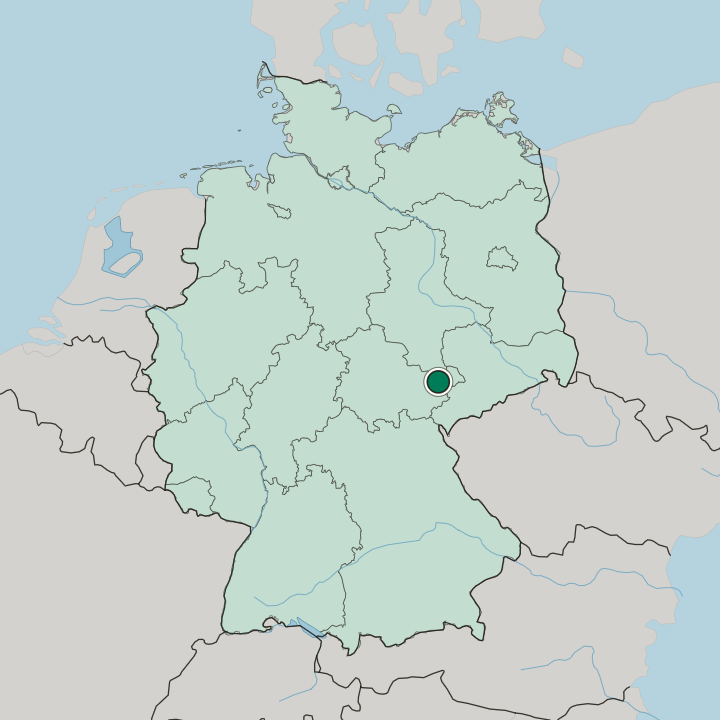
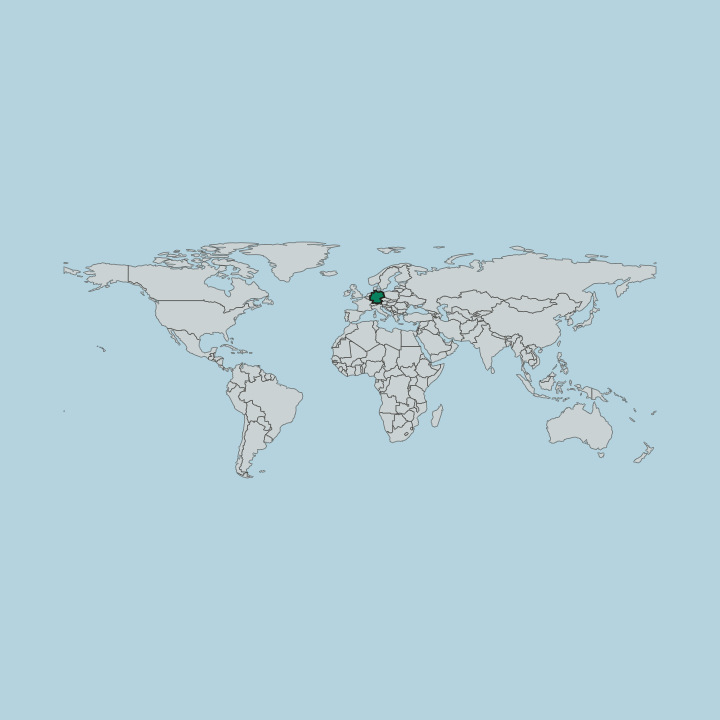
Gera lies in the wide valley of the White Elster in Thuringia, the largest city of the Vogtland and the eastern end of the Thüringer Städtekette.
Hotel links are affiliate links: booking through them may earn us a commission, at no extra cost to you. It never affects how places are ranked. How this works


Where to stay in Gera
One neighbourhood here has its own guide — here's what it is best for.

 GeraGermany
Lusan
Lusan is a district of Gera in Thuringia, its record made up of three parish churches and the Fuchs-Tower.Where to stay →Hotel links are affiliate links: booking through them may earn us a commission, at no extra cost to you. It never affects how places are ranked. How this works
Find hotels in Gera
Direct booking searches for these neighbourhoods.
The museum centre
the Stadtmuseum Gera, the Museum für Angewandte Kunst, and the Museum für Naturkunde Gera fall inside a single walking roundFind hotels in The museum centrestays that want the White Elster and an older village core over shopping streetsUntermhaus
Untermhaus grew from a village on the White Elster and keeps a slower footing than Gera's central blocksFind hotels in Untermhausfamilies pairing the Tierpark Gera with a walk to the FerberturmTowards the Tierpark Gera
the outer edge of Gera puts the Tierpark Gera and the Ferberturm ahead of museums, at the cost of a trip into the centre. Few places to stay nearby — book ahead.Find hotels in Towards the Tierpark Geradrivers wanting residential quiet and a quick road out of the White Elster valleyTinz, Zwötzen and Lusan
these outlying quarters of Gera keep their old parish churches but almost no visitor rooms. Lodging is scarce in this area; reserve in advance.Find hotels in Tinz, Zwötzen and LusanHotel links are affiliate links: booking through them may earn us a commission, at no extra cost to you. It never affects how places are ranked. How this works
Things to do in Gera
Ranked by global recognition; descriptions from Wikidata (CC0).
Museums & Galleries
4- Otto-Dix-Haus Heritage
- Haus Schulenburg Heritage
- Stadtmuseum Gera Heritage
- Museum für Angewandte Kunst Heritage
Churches & Religious Sites
8- St. Salvator Heritage
- St. Johannis Heritage
- St. Marien (Untermhaus) Heritage
- St. Trinitatis (Gera) Heritage
- St. Michael (Pforten) Heritage
Show 3 more →
- St. Margarethen (Tinz) Heritage
- St. Ursula (Lusan) Heritage
- St. Martini (Zwötzen) Heritage
Castles & Historic Sites
2- Lindenthaler Hyänenhöhle
- Statue of Pushkin, Gera
Landmarks & Notable Places
3- Museum für Naturkunde Gera Heritage
- Ferberturm Heritage
- Gladitschturm
worth knowingacross 4 categories in Gera
About Gera
What is Gera known for?
Gera counts among the most important travel destinations in Thuringia. Two building eras explain why. Houses kept from the era of the princely residence stand alongside the public and private architecture of the economic heyday between 1870 and 1930, and much of what draws a visitor to Gera dates from one or the other.
Haus Schulenburg belongs to the later wave, while the Otto-Dix-Haus, the Stadtmuseum Gera, and the Museum für Angewandte Kunst hold the collections.
What are the main landmarks in Gera?
The Ferberturm and the Gladitschturm rise as towers above the city, and the Orangerie carries the residence era forward. Collections fill the rest. Haus Schulenburg, the Stadtmuseum Gera, the Museum für Angewandte Kunst, and the Museum für Naturkunde Gera each hold a different part of the record, while the Tierpark Gera and the Lindenthaler Hyänenhöhle belong to another kind of afternoon altogether.
What is the history of Gera?
Gera's past is written in what it kept. The city ranks among the historical capitals of the Vogtland, sharing that role with Plauen, Greiz, and Weida, and the buildings retained from its time as a princely residence remain the clearest evidence of the centuries when the valley of the White Elster was governed from here. It ranks as the largest city of the Vogtland.
The Orangerie belongs to that period. Later the balance shifted from court to commerce, and the decades between 1870 and 1930 left the public and private buildings that visitors still come to see. Villages became quarters.
Untermhaus, Tinz, Zwötzen, and Lusan carry names older than the built-up ground that joins them to the centre, and each kept a parish church of its own as the growing city closed around it. The Bahnbetriebswerk Gera dates from the railway decades that carried the same growth. Haus Schulenburg belongs to the private building of that era, while the Otto-Dix-Haus and the Stadtmuseum Gera keep the record of both the residence years and the industrial ones.
The Statue of Pushkin stands among the city's public monuments.
Where is Gera?
The White Elster does the shaping here. Gera spreads along the river's wide valley in the East Thuringian Hill Country, with Greiz upstream and Leipzig far downstream, while the hills that give the Vogtland its character rise on either side of the water. Quarters run out from the centre.
Untermhaus, Tinz, and Zwötzen lie along the valley floor and the slopes above it, and the city's boundaries reach well past the built-up middle.
What is the climate of Gera?
Gera keeps a temperate inland rhythm in the valley of the White Elster. Seasons swing clearly. Warmth settles on the low ground by the river through summer, and the colder months bring grey, raw spells to the East Thuringian Hill Country, where distance from any sea leaves winter with the upper hand.
Rain spreads across the year.
How do you get to Gera?
Approaches come from the west. Gera closes the eastern end of the Thüringer Städtekette, the near-straight run of Thuringia's six largest cities that starts at Eisenach and passes through Gotha, Erfurt, Weimar, and Jena before it reaches the White Elster. The Bahnbetriebswerk Gera marks how deep the railway sits in the city.
Leipzig stands to the north and Dresden well to the east, and the valley roads carry traffic up and down the river.
Common questions
What is the best area to stay in Gera?
The museum centre: visitors pacing a stay around the Stadtmuseum Gera and the Museum für Angewandte Kunst. Untermhaus: stays that want the White Elster and an older village core over shopping streets. Towards the Tierpark Gera: families pairing the Tierpark Gera with a walk to the Ferberturm. Tinz, Zwötzen and Lusan: drivers wanting residential quiet and a quick road out of the White Elster valley.
Good for
More cities in Thuringia
Updated October 2026