Germany
Thuringia, Germany — Towns & Travel Guide
Thuringia is the centremost state of Germany, a landlocked upland of forest and river valleys between Erfurt and the Werra.
Hotel links are affiliate links: booking through them may earn us a commission, at no extra cost to you. It never affects how places are ranked. How this works


Towns & cities in Thuringia
Pick a town or city — each links to where to stay.

 Germany
Erfurt
Timbered shops still stand on the Krämerbrücke in Erfurt, capital of Thuringia in the valley of the Gera, known for its cathedral hill and Luther.Where to stay →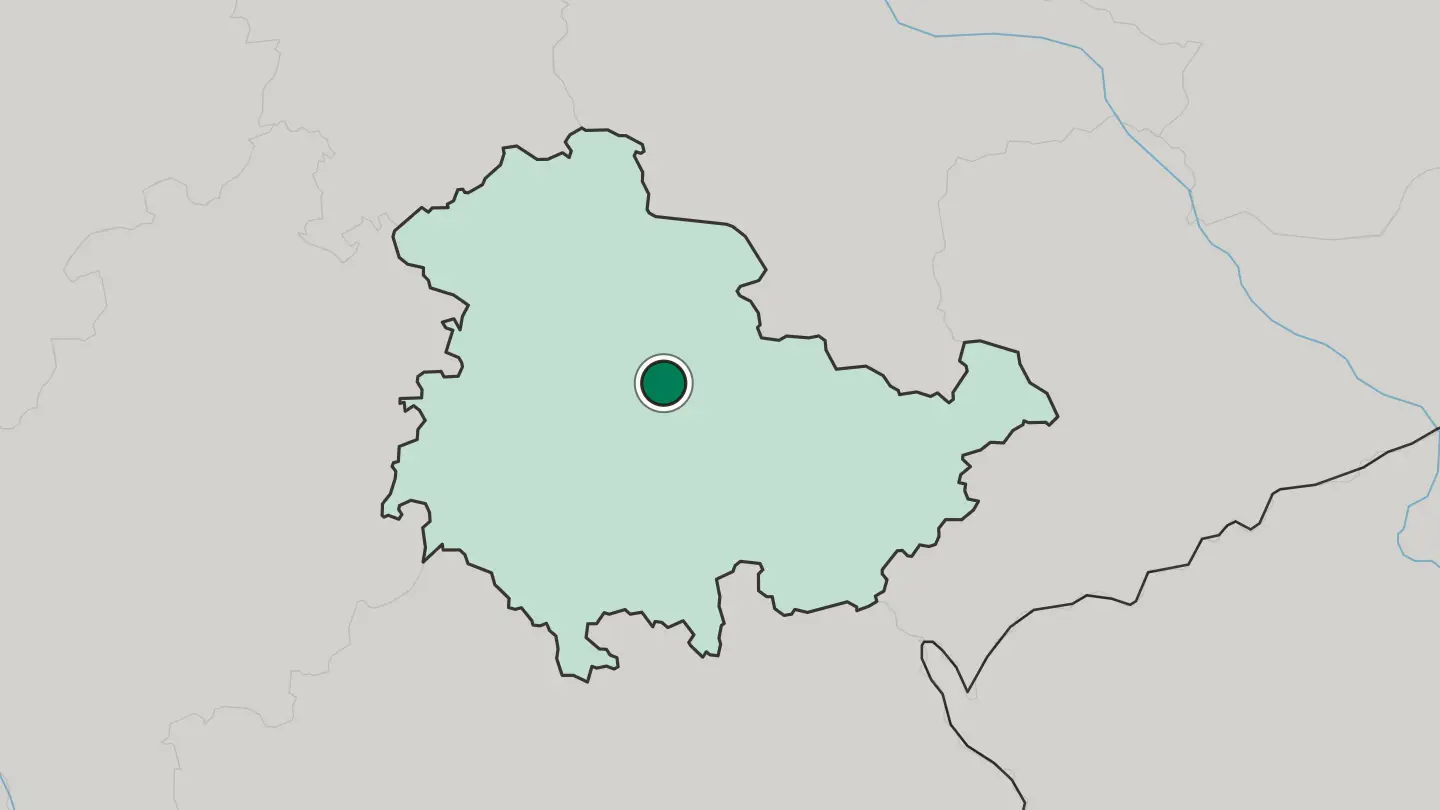
 Germany
Jena
Jena, the second city of Thuringia, works in optics and research around a university founded in 1558 and the Optical Museum Jena.Where to stay →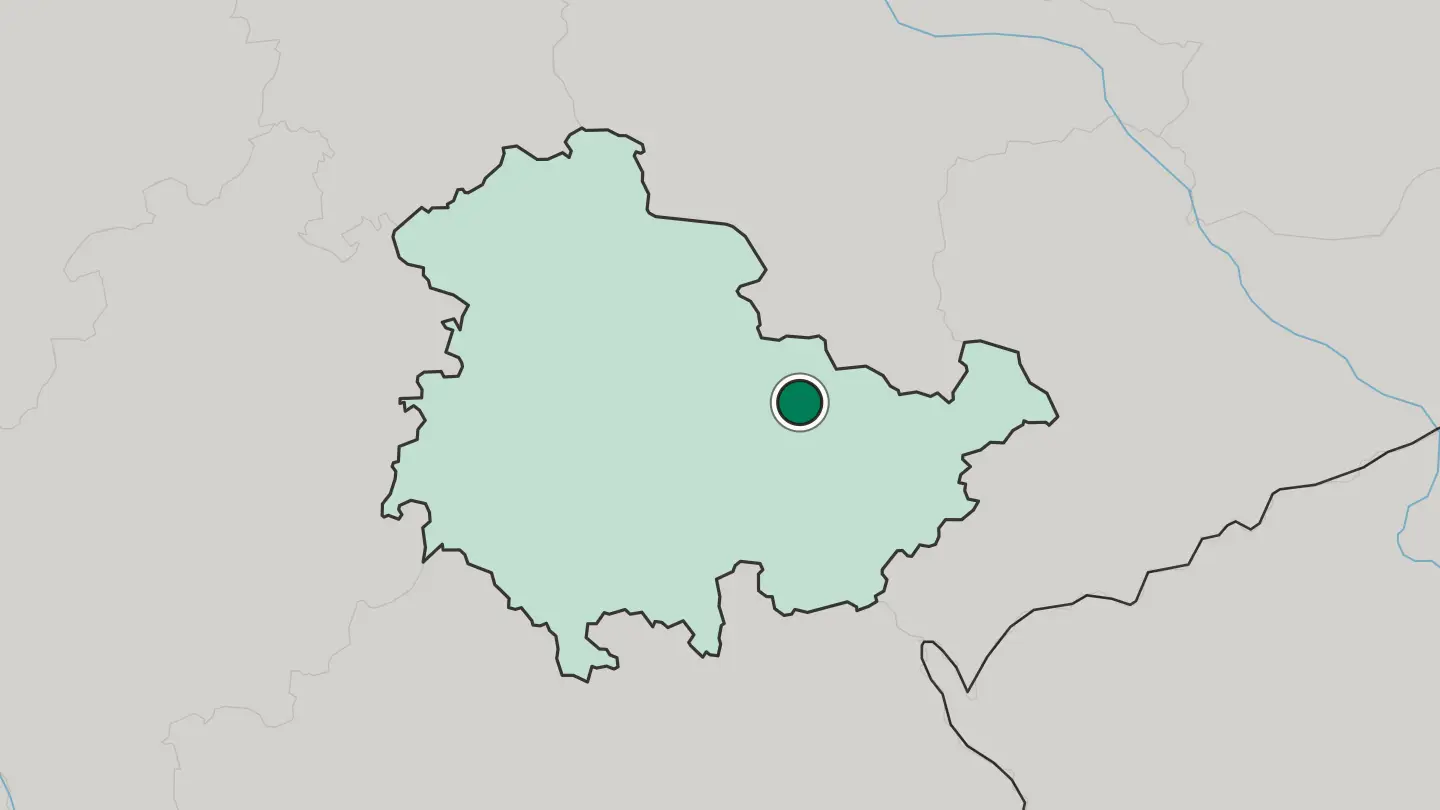
 Germany
Gera
Gera lies in the wide valley of the White Elster in Thuringia, the largest city of the Vogtland and the eastern end of the Thüringer Städtekette.Where to stay →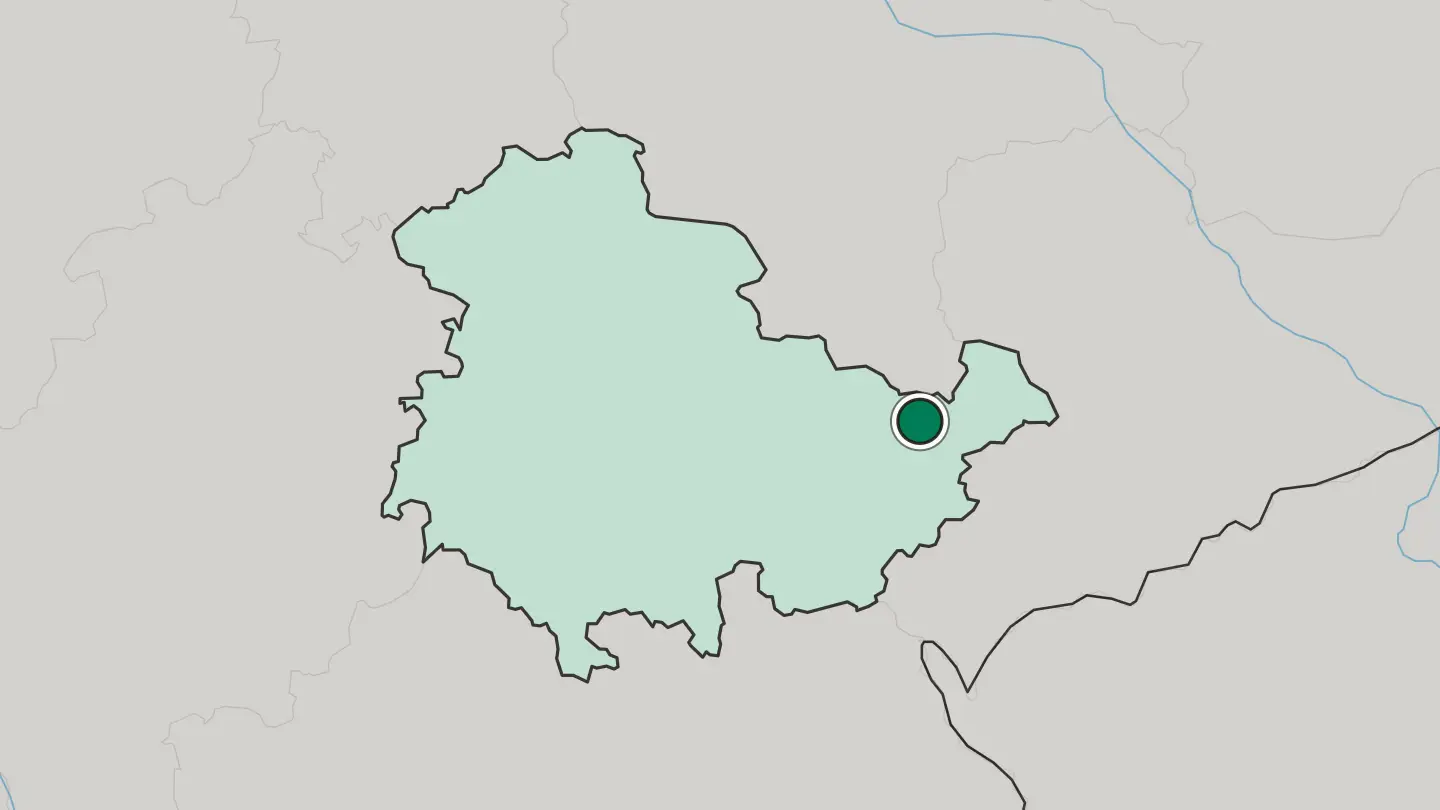
 Germany
Weimar
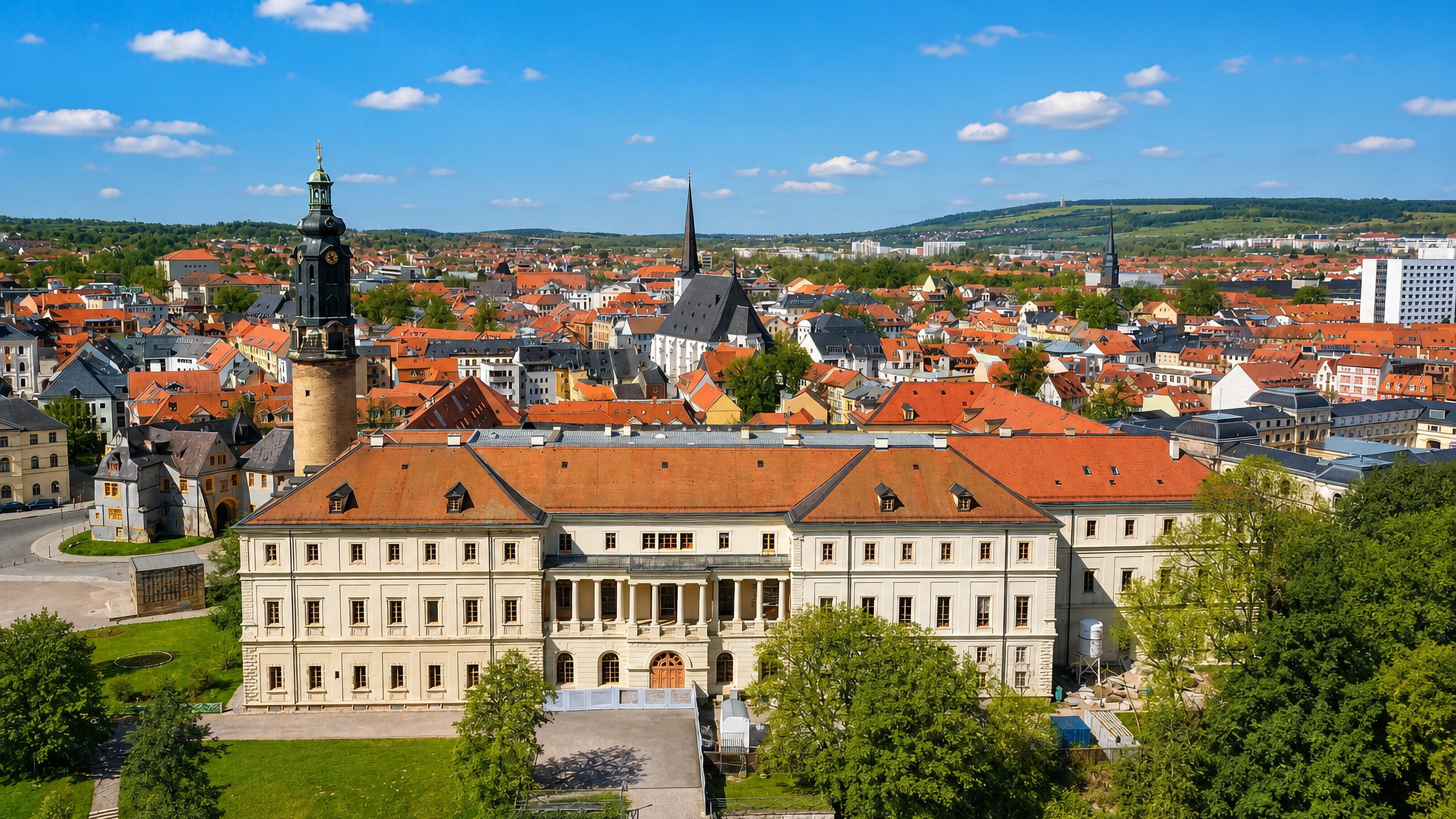
Weimar carries the names of Goethe and Schiller through a small Thuringian city where Schloss Weimar and the Bauhaus Museum stand streets apart.Where to stay →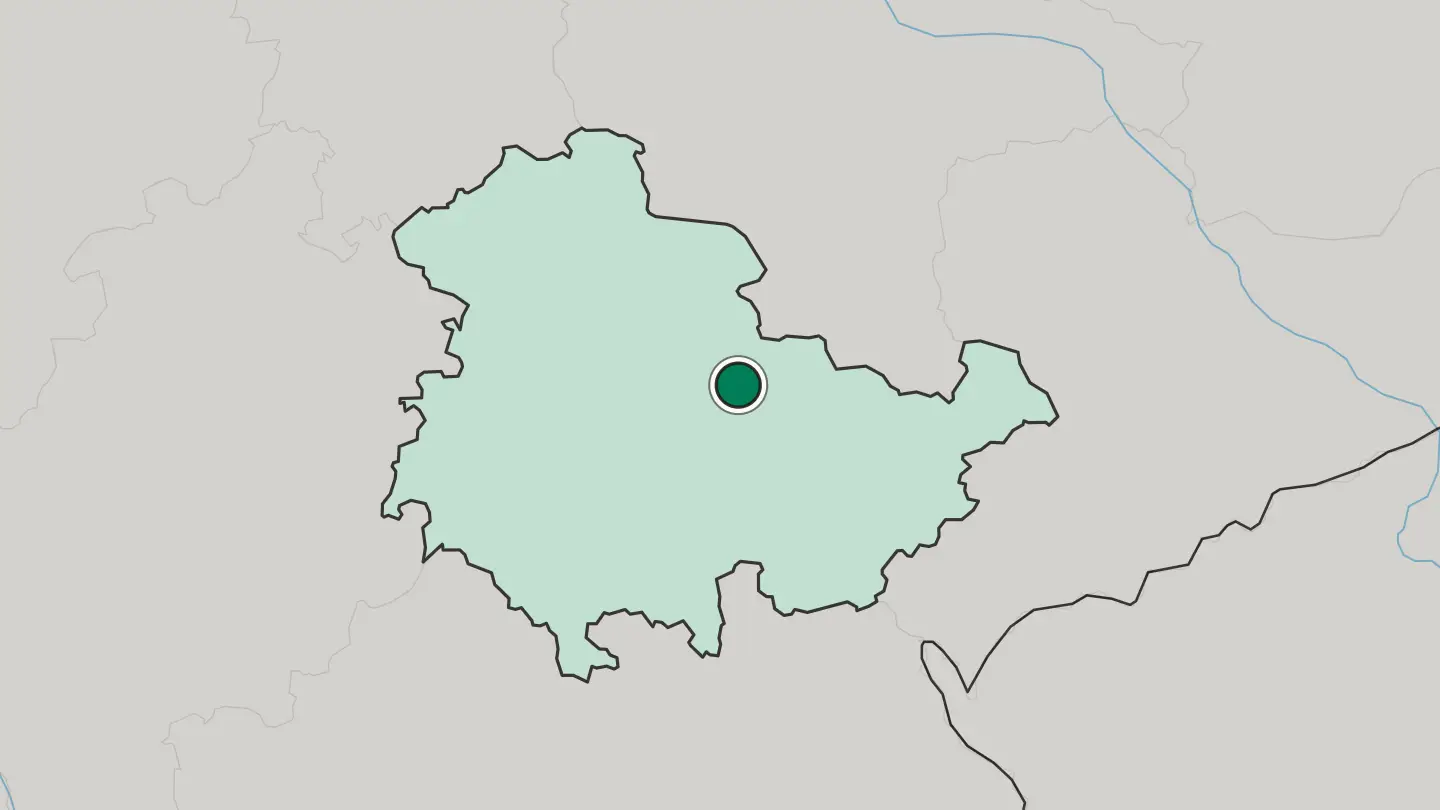
Hotel links are affiliate links: booking through them may earn us a commission, at no extra cost to you. It never affects how places are ranked. How this works
About Thuringia
What is Thuringia known for?
Thuringia is Germany's green heart. Its name carries the Thuringian Forest, the wooded ridge that runs across the south of the state and gives the region its walking country. Above Eisenach stands the Wartburg, the castle where Martin Luther hid as Junker Jörg and translated the New Testament into German.
Weimar holds the other half of the reputation, the town of Goethe and Schiller and the birthplace of the Bauhaus. Erfurt anchors it all in the centre, capital and largest city on the River Gera.
Where is Thuringia?
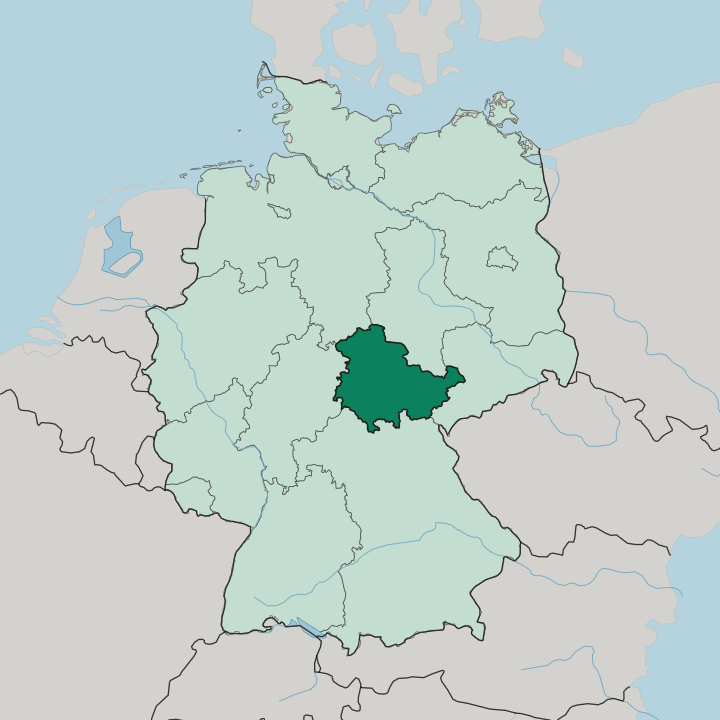
Thuringia sits in the middle of Germany, the country's centremost state and one without a coast. It shares borders with five neighbours: Lower Saxony and Saxony-Anhalt to the north, Saxony to the east, Bavaria to the south, and Hesse to the west. The land divides into two.
Across the south runs the Thuringian Forest, a wooded mountain ridge climbing to the Großer Beerberg at 982 metres, with the well-known Kickelhahn rising to 861 metres above Ilmenau. North of that forest opens the Thuringian Basin, a broad fertile lowland that holds Erfurt in the wide valley of the River Gera. Rivers order the rest of the state.
The Saale drains most of Thuringia eastward toward the Elbe, gathering the Unstrut, the Ilm and the Gera on the way. The Werra takes the south-west, running out toward the Weser it helps to form. Along the crest of the southern forest runs the Rennsteig, a ridge trail of about 169 kilometres from Hörschel on the Werra to Blankenstein on the Saale.
Its position at the country's centre makes Thuringia a crossing point rather than an edge.
What is Thuringia like?
Weimar is where Thuringia's culture concentrates. The small town on the Ilm drew Johann Wolfgang von Goethe and Friedrich Schiller, and their years there turned a ducal residence into a centre of the German Enlightenment. Their houses and the parkland along the river survive as a working memory of that age.
The same town later reinvented itself. Walter Gropius founded the Bauhaus in Weimar in 1919, and the school reshaped how the twentieth century built and designed before the world had heard the word. Names carry the story.
Goethe, Schiller, Gropius, and before them Luther at the Wartburg above Eisenach. Music belongs here too, in the organ lofts and court chapels where the Bach family worked across generations. Eisenach was Johann Sebastian Bach's birthplace.
The German spoken in Thuringia is the everyday language of the state, threaded with a soft central-German accent. Away from the towns, the culture is a rural one of forest villages, upland pasture, and the smoked Thüringer sausage that every market grills. Between the classical weight of Weimar and the quiet of the Thuringian Forest, the state holds two moods at once.
What is the history of Thuringia?
Thuringia took its modern shape in 1920, when a patchwork of small Saxon duchies and principalities merged into a single state. Its deeper past reaches much further back. In 1521 Martin Luther was hidden at the Wartburg above Eisenach and, sheltered there under a false name, translated the New Testament into German that helped fix the written language.
The land later scattered into the many little courts that made Weimar and its neighbours such dense cultural ground. The unification of 1920 finally drew those threads into one Thuringia.
What is the climate of Thuringia?
Thuringia has a humid continental climate, shaped by its inland position at the country's centre. Winters are cold and often snowy on the heights of the Thuringian Forest, where the Rennsteig can lie under snow for months. Summers are warm and green in the sheltered Thuringian Basin around Erfurt, which sits in the rain shadow of the forest and stays drier than the uplands to its south.
Rain and cloud favour the ridges. Seasons swing wide between the two.
How do you get to Thuringia?
Most visitors reach Thuringia by train. Erfurt is the way in, a main junction on Germany's high-speed network where fast ICE services from Frankfurt, Berlin, Munich and Leipzig converge on the Hauptbahnhof. Erfurt-Weimar Airport sits just outside the capital and links to it by tram, though larger hubs at Leipzig, Frankfurt and Nuremberg carry most international arrivals.
From those airports the ICE finishes the journey. Inside the state, road and rail thread the string of cities from Eisenach through Erfurt and Weimar to Jena.
Common questions
What is the best area to stay in Thuringia?
Erfurt: a first base in central Thuringia. Weimar: classical Weimar and Bauhaus history. Eisenach: the Wartburg and Thuringian Forest walks. Jena: the Saale valley and academic Jena.
Good for
More regions in Germany
Updated September 2026