Germany · Thuringia
Where to Stay in Jena, Thuringia
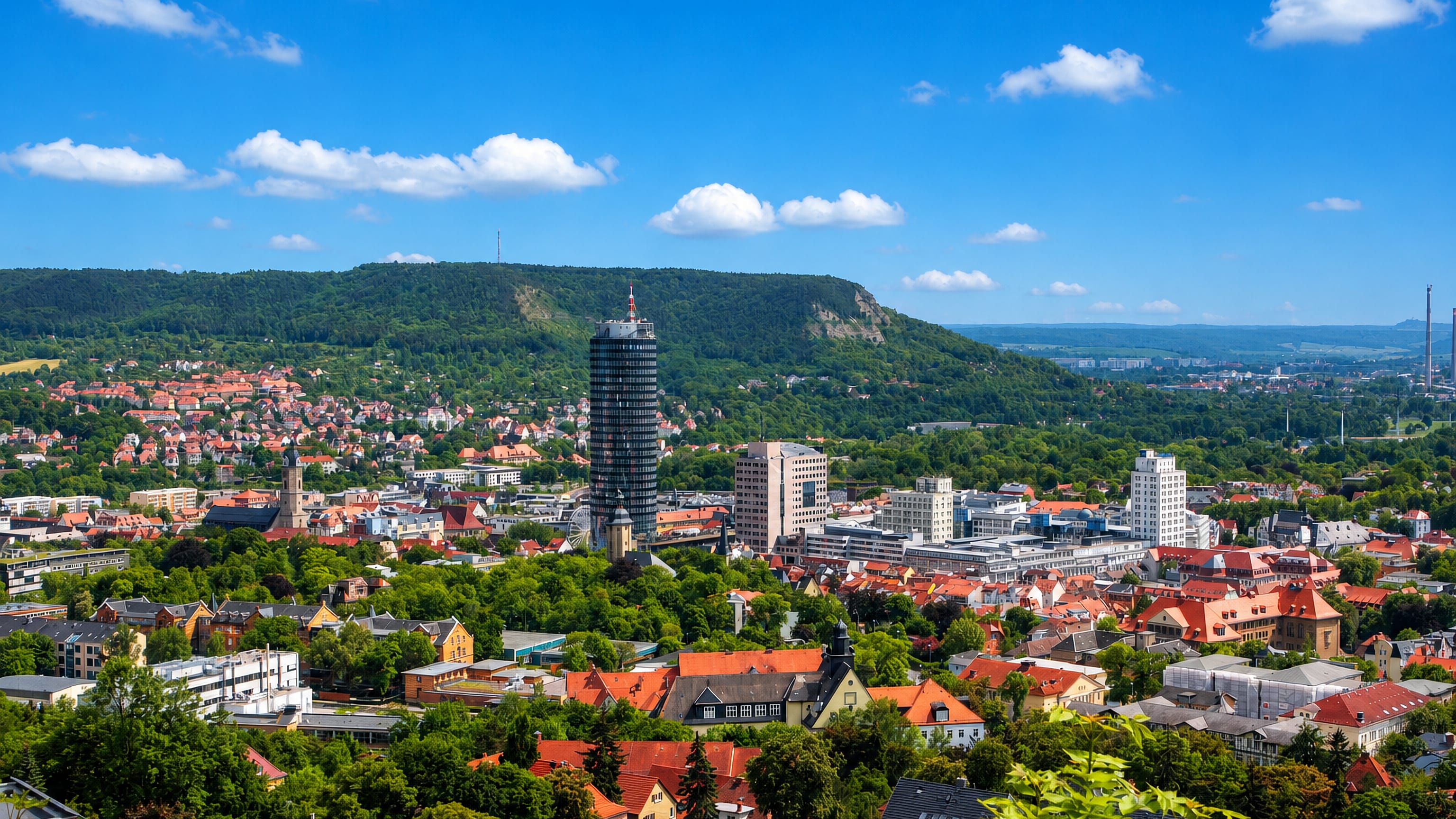
Jena, the second city of Thuringia, works in optics and research around a university founded in 1558 and the Optical Museum Jena.
Hotel links are affiliate links: booking through them may earn us a commission, at no extra cost to you. It never affects how places are ranked. How this works


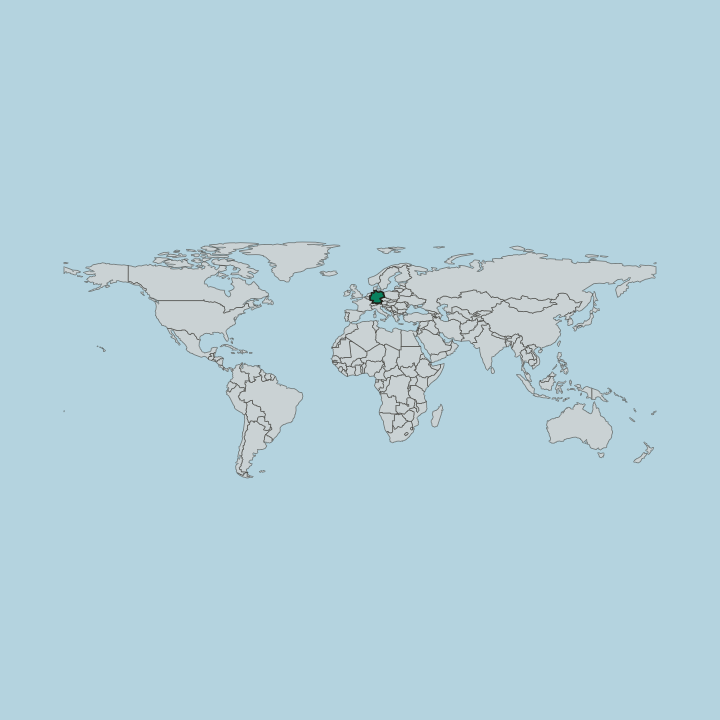
Where to stay in Jena
Each area has its own feel; here's who each one suits.

 JenaGermanyquieter nights a short walk from Jena's student streets
Wenigenjena
the Schillerkirche gives Wenigenjena a landmark of its own away from the busiest part of the cityWenigenjena → JenaGermany
Burgau
Burgau is a Stadtteil in the south of Jena, named for a castle the lords of Lobdeburg founded in the Saale meadows about 1140.Where to stay →Hotel links are affiliate links: booking through them may earn us a commission, at no extra cost to you. It never affects how places are ranked. How this works
Find hotels in Jena
Direct booking searches for these neighbourhoods.
The old core by the Göhre
the Göhre, the Marienkirche, and the Hanfried stand within a few streets of one another in the middle of JenaFind hotels in The old core by the Göhrewalkers who want the climb to the Fuchsturm before the museums openThe Fuchsturm side
the upland edge of Jena puts the Fuchsturm path first and the Optical Museum Jena a bus ride away. Beds are limited here, so book early.Find hotels in The Fuchsturm sidedrivers content to commute in from village-scale quarters of JenaBurgau, Wöllnitz and Ammerbach
these outer quarters keep old churches such as the Dreifaltigkeitskirche, and almost nothing in the way of visitor rooms. Rooms are few around here — worth securing early.Find hotels in Burgau, Wöllnitz and AmmerbachHotel links are affiliate links: booking through them may earn us a commission, at no extra cost to you. It never affects how places are ranked. How this works
Things to do in Jena
Ranked by global recognition; descriptions from Wikidata (CC0).
Museums & Galleries
3- Optical Museum Jena Heritage
- Schiller's garden house Heritage
- Göhre Heritage
Churches & Religious Sites
8- Schillerkirche (Wenigenjena) Heritage
- Dorfkirche Winzerla Heritage
- Friedenskirche (Jena) Heritage
- Marienkirche Heritage
- St. Peter (Lobeda) Heritage
Show 3 more →
- Karmeliterkloster Jena Heritage
- Dreifaltigkeitskirche (Burgau) Heritage
- Ammerbach church Heritage
Castles & Historic Sites
5- Planetarium Jena Heritage
- Erlkönig Heritage
- Hanfried Heritage
- Ernst-Abbe-Denkmal Heritage
- Burschenschaftsdenkmal Jena Heritage
Landmarks & Notable Places
2- Fuchsturm Heritage
- Phyletic Museum Heritage
worth knowingacross 4 categories in Jena
About Jena
What is Jena known for?
Optics made Jena's name. The Optical Museum Jena and the Ernst-Abbe-Denkmal point back to the precision mechanics the city traded on, while the Planetarium Jena and the Phyletic Museum give its sciences buildings of their own. Research runs beside teaching here.
The University of Jena and the Ernst-Abbe-Hochschule Jena fill the streets with students, and institutes of the leading German research societies keep laboratories alongside them.
What are the main landmarks in Jena?
Museums come first, and the Optical Museum Jena, the Phyletic Museum, and the Planetarium Jena between them cover optics, natural history, and the sky. Monuments crowd the rest. The Ernst-Abbe-Denkmal, the Burschenschaftsdenkmal Jena, the Napoleonstein, the Erlkönig, and the Blinkerdenkmal are scattered across the city, while the Fuchsturm, the Karmeliterkloster Jena, and Schiller's garden house each keep an older piece of Jena standing.
What is the history of Jena?
The University of Jena was founded in 1558, and almost everything since has followed from that. Church buildings came before it. The Karmeliterkloster Jena and the Lutherhaus Jena carry names from the religious history that preceded the teaching, and the Marienkirche stood at the centre of the town while the first scholars were still arriving.
Learning then set the shape of the place. Writers followed the lecture halls, which is why the Romantikerhaus and Schiller's garden house sit among the ordinary streets rather than in any grand quarter, and why the Schillerkirche in Wenigenjena carries the same name across the city. Students left monuments of their own.
The Burschenschaftsdenkmal Jena marks the student associations that grew up around the university, while the Napoleonstein and the Hanfried record other names the city chose to keep in stone. Industry arrived with the sciences. Precision mechanics and optics turned the university's work into trade, and the Ernst-Abbe-Denkmal together with the Optical Museum Jena hold that chapter, which the Ernst-Abbe-Hochschule Jena continues in teaching.
Villages were absorbed as the built-up area spread. Closewitz, Cospeda, Wöllnitz, and Löbstedt each brought a church older than the streets that reached them.
Where is Jena?
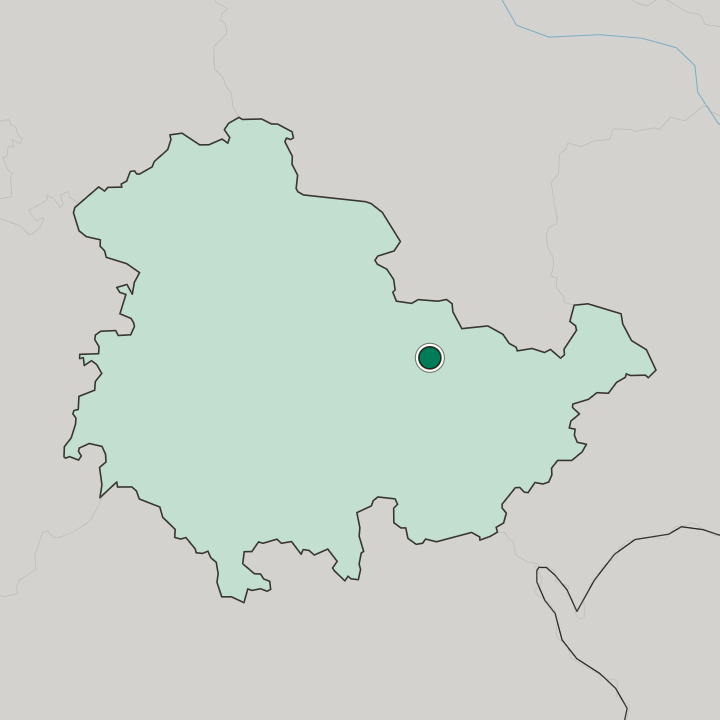
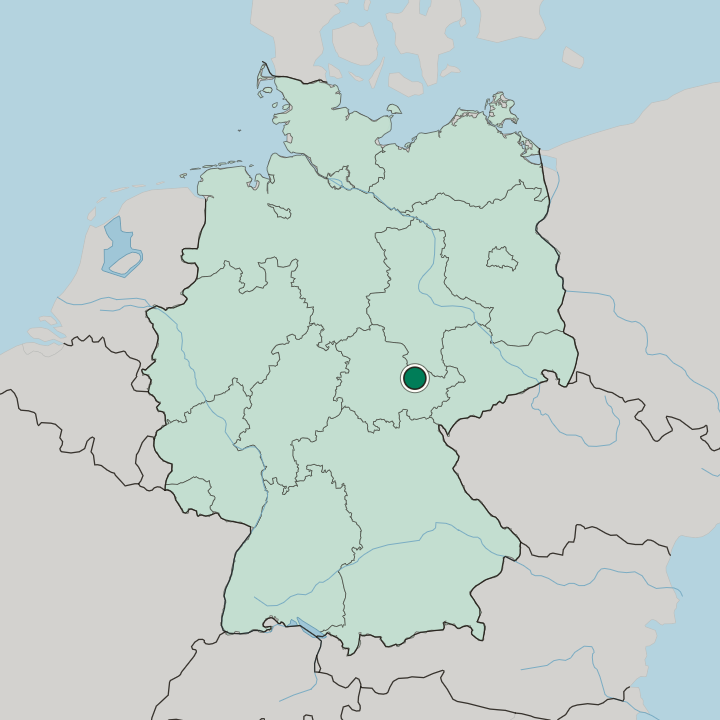
Jena holds the eastern side of the belt of cities that Thuringia keeps at its centre, close enough to Erfurt and Weimar that the three are counted as one metropolitan area. The built-up part is compact. Beyond it the city limits take in a scatter of former villages, Closewitz and Cospeda among them, along with Burgau, Ammerbach, and Löbstedt on the outer ground.
Fields begin quickly.
What is the climate of Jena?
Weather in Jena follows the interior of the continent rather than any coast. Frost is a winter regular. Summer heat builds over the built-up ground and reaches Erfurt and Weimar in the same spell, since all three lie in one inland stretch of Thuringia where no sea arrives to soften either end of the year, and rain is spread thinly across all twelve months.
How do you get to Jena?
Weimar and Erfurt are the usual way in. Jena shares its metropolitan area with both, so the routes that serve them serve it too, and a traveller changing at either one finishes the journey in well under an hour on a road and rail corridor that has linked the three for generations. Arrivals cluster in term.
The University of Jena and the Ernst-Abbe-Hochschule Jena account for much of the movement in and out.
Common questions
What is the best area to stay in Jena?
The old core by the Göhre: museum days that start at the Romantikerhaus and end at the Lutherhaus Jena. Wenigenjena: quieter nights a short walk from Jena's student streets. The Fuchsturm side: walkers who want the climb to the Fuchsturm before the museums open. Burgau, Wöllnitz and Ammerbach: drivers content to commute in from village-scale quarters of Jena.
Good for
More cities in Thuringia
Updated October 2026