Germany · Thuringia
Where to Stay in Weimar, Thuringia
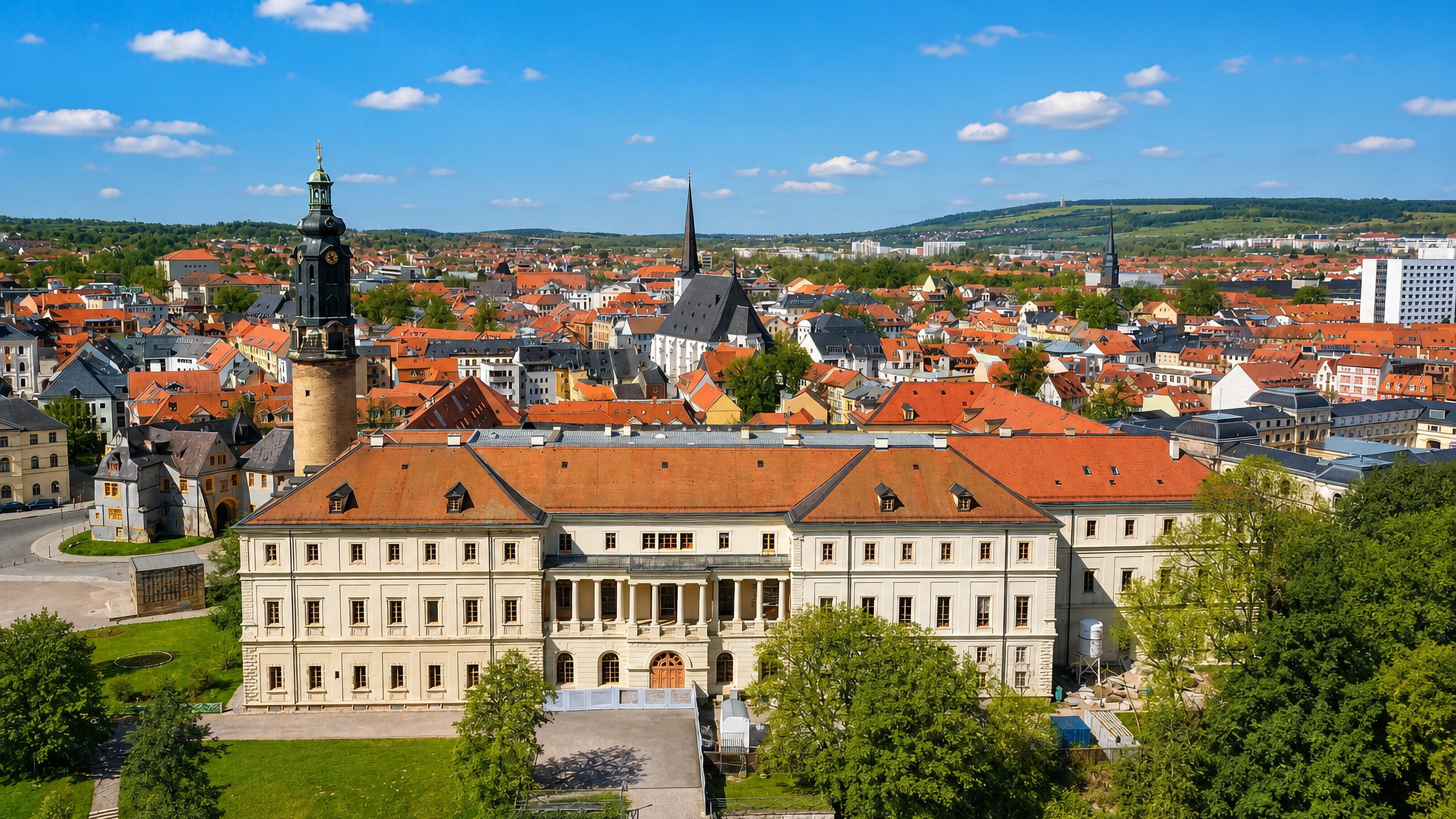
Weimar carries the names of Goethe and Schiller through a small Thuringian city where Schloss Weimar and the Bauhaus Museum stand streets apart.
Hotel links are affiliate links: booking through them may earn us a commission, at no extra cost to you. It never affects how places are ranked. How this works


Where to stay in Weimar
How the choice of base plays out on the ground.
Schloss Weimar and the Jakobskirche bracket the streets where nearly every visitor ends up sleeping. Distances here are tiny. A room in that middle ground leaves the Goethe-Nationalmuseum, the Stadtmuseum Weimar, and the Neues Museum Weimar within a walk of a few minutes each, and the Kasseturm stands close enough that evenings need no transport at all.
Park ground offers the alternative. Goethes Gartenhaus and the Haus am Horn sit on the green side of town, which suits mornings that begin outdoors rather than in a queue. Beyond that the town thins quickly.
Schöndorf lies out on the ordinary residential edge, useful mainly to drivers who want parking and a fast road towards Erfurt or Jena, and the same goes for the scattered ground where the Deutsches Bienenmuseum Weimar and the Eisenbahnmuseum Weimar sit apart from the literary houses. Gelmeroda is a village, not a base. Its church is the reason to go, and beds out there are few.
The Bauhaus Museum is never far in a town this size, and a central room saves the same half-hour twice a day. If you want the museums, stay central and walk.
Find hotels in Weimar
Direct booking searches for these neighbourhoods.
Between Schloss Weimar and the Jakobskirche
the blocks between Schloss Weimar and the Jakobskirche hold most of Weimar's museum doors, the Kasseturm includedFind hotels in Between Schloss Weimar and the Jakobskirchemornings that start outdoors at Goethes Gartenhaus before the museums openThe park side by Goethes Gartenhaus
green ground links Goethes Gartenhaus with the Haus am Horn on Weimar's quieter flankFind hotels in The park side by Goethes Gartenhausdrivers making Weimar a base for day trips to Erfurt and JenaSchöndorf
Schöndorf is residential ground on the town's edge, chosen for parking and the road out rather than for the literary houses. Rooms are few around here — worth securing early.Find hotels in Schöndorfa night in a village whose church is the reason for goingGelmeroda
Gelmeroda lies outside Weimar's built-up area with the Church Gelmeroda and very little else. Beds are limited here, so book early.Find hotels in GelmerodaHotel links are affiliate links: booking through them may earn us a commission, at no extra cost to you. It never affects how places are ranked. How this works
Things to do in Weimar
Ranked by global recognition; descriptions from Wikidata (CC0).
Museums & Galleries
4- Haus am Horn Heritage
- Goethes Gartenhaus Heritage
- Schillerhaus Weimar Heritage
- Deutsches Bienenmuseum Weimar Heritage
Churches & Religious Sites
5- St. Peter und Paul Heritage
- Jakobskirche Heritage
- Church Gelmeroda Heritage
- St. Bonifatius (Schöndorf) Heritage
- Christuskirche Heritage
Castles & Historic Sites
3- Schloss Weimar Heritage
- Monument to the March Dead Heritage
- Johannes Daniel Falk memorial Heritage
Landmarks & Notable Places
1- Kasseturm
worth knowingacross 4 categories in Weimar
About Weimar
School parties come here for a reason.
What is Weimar known for?
The Goethe-Nationalmuseum, the Schillerhaus Weimar, and Goethes Gartenhaus gather the two writers the town is named for into a single afternoon of walking, and that density of cultural and historic sights is what keeps Weimar on every German school itinerary. Design has its own quarter of the story. The Haus am Horn and the Bauhaus Museum carry it, while the Nietzsche Archive and the museum for Franz Liszt add further names.
What are the main landmarks in Weimar?
Writers' houses lead the list, from the Goethe-Nationalmuseum and the Schillerhaus Weimar to Goethes Gartenhaus and the Nietzsche Archive, with Schloss Weimar holding the courtly end of it. Monuments fill the gaps. The Monument to the March Dead, the Alexander Puschkin Monument, and the Johannes Daniel Falk memorial stand about the town, while the Russian Orthodox Chapel, the Jakobskirche, and the Christuskirche account for the churches worth a detour.
What is the history of Weimar?
Weimar's weight comes from who lived here. Goethe and Schiller worked in the town, and the houses kept in their names, the Goethe-Nationalmuseum and the Schillerhaus Weimar among them, turned a modest Thuringian seat into a place with cultural standing far beyond its size. Schloss Weimar held the court.
Around it the Jakobskirche and the older parish buildings served a town that was small even at the height of its literary fame, while the Museum für Ur- und Frühgeschichte Thüringens now reaches back past all of it to the region's earliest settlement. Later names attached themselves to the same streets. Franz Liszt and the Nietzsche Archive belong to the century after the writers, and the Russian Orthodox Chapel and the Alexander Puschkin Monument show how far the town's connections ran.
The republic took the city's name. The Haus der Weimarer Republik records that chapter of German history, and the Monument to the March Dead stands from the unsettled years that followed it, while the Haus am Horn and the Bauhaus Museum keep the design work of the same period. Railways reached Weimar too, as the Eisenbahnmuseum Weimar remembers.
Where is Weimar?
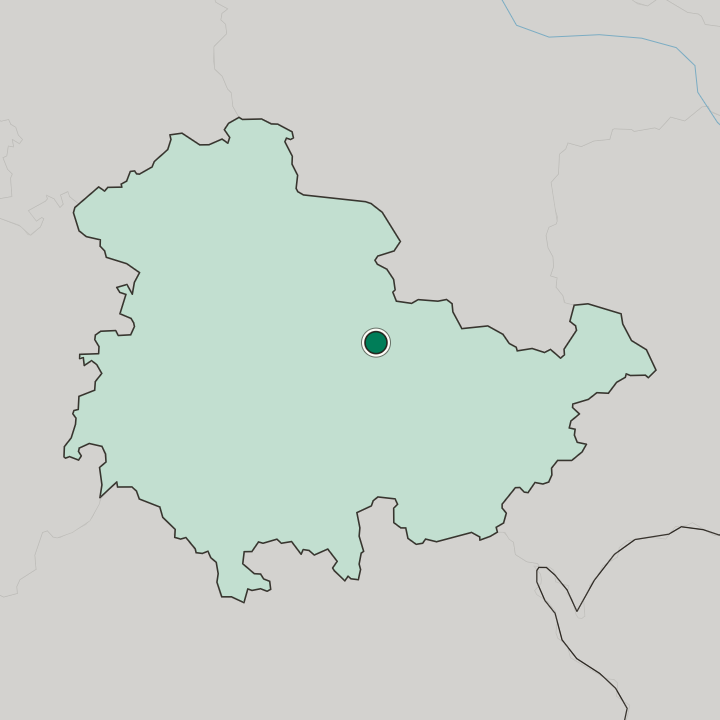
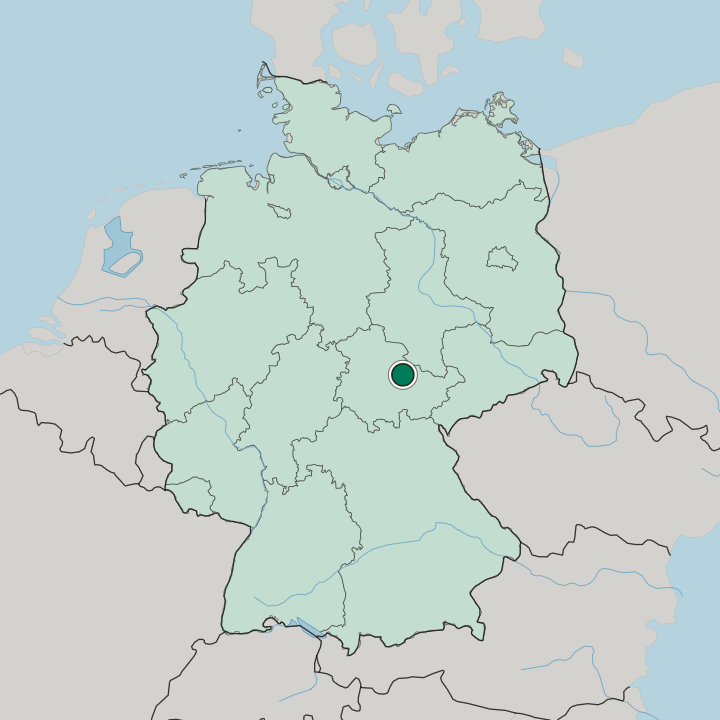
Erfurt stands to the west and Jena to the east, and Weimar keeps a small footprint between the two. The town ends soon. Its limits reach out to villages like Gelmeroda and Schöndorf, and the three cities together make up the metropolitan middle of Thuringia, which leaves short distances in every direction and no great emptiness between them.
Leipzig lies away to the north-east.
What is the climate of Weimar?
Gardens mark the seasons in Weimar. No sea reaches this far inland to blunt the extremes, so the cold months settle in early and hold, and the warm ones can turn dry enough that the parkland around Goethes Gartenhaus browns before autumn. Cloud is common in between.
The same continental pattern governs Erfurt and Jena a short way off.
How do you get to Weimar?
Rail does most of the work. The corridor that ties Erfurt to Jena runs straight through Weimar, so arrivals from either neighbour take minutes rather than hours, and the Eisenbahnmuseum Weimar is a reminder of how long that line has been part of the town's working life. Leipzig sits away to the north-east.
Nuremberg lies to the south and Dresden further east, both a longer haul by road or rail.
Common questions
What is the best area to stay in Weimar?
Between Schloss Weimar and the Jakobskirche: guests who want the Goethe-Nationalmuseum and Schloss Weimar on the same short walk. The park side by Goethes Gartenhaus: mornings that start outdoors at Goethes Gartenhaus before the museums open. Schöndorf: drivers making Weimar a base for day trips to Erfurt and Jena. Gelmeroda: a night in a village whose church is the reason for going.
Good for
More cities in Thuringia
Updated October 2026