Estonia · Pärnumaa
Where to Stay in Pärnu, Pärnumaa
Pärnu is Estonia's main seaside resort, a spa town of parks and pale sand on the Gulf of Riga.
Hotel links are affiliate links: booking through them may earn us a commission, at no extra cost to you. It never affects how places are ranked. How this works


Where to stay in Pärnu
How the choice of base plays out on the ground.
Most visitors base themselves between the beach and the old town, a walkable wedge of Pärnu where the villa districts give way to shops and cafés. The streets nearest the sand hold the spa hotels and the timber summer houses that were built for exactly this purpose, and they suit anyone who wants the water within a few minutes on foot. Rooms fill fast in July.
The old town proper sits inland, tighter and quieter, gathered around St. Catherine's Church and the low remains of Pärnu Castle. It suits travellers who would rather walk to a restaurant than to a beach chair. Along the Pärnu River the mood changes again, with the small harbour and the working quays giving the eastern edge a plainer, more everyday feel.
Out past the villa parks the town thins into the coastal meadow, where the Pärnu Coastal Meadow Hiking Trail runs and the buildings stop. Choose the meadow edge for quiet. You will trade the short walk to the cafés for birds and open sky.
Things to do in Pärnu
Ranked by global recognition; descriptions from Wikidata (CC0).
Churches & Religious Sites
3- St. Elizabeth's Church Heritage
- St. Catherine's Church Heritage
- Pärnu Advent Church
Castles & Historic Sites
3- Lydia Koidula Monument Heritage
- August Jakobsoni monument Heritage
- Vanapargi monument Heritage
worth knowingacross 2 categories in Pärnu
About Pärnu
Pärnu is known for its beach.
What is Pärnu known for?
A shallow, gently shelving stretch of pale sand runs west from the mouth of the Pärnu River, backed by pine woods and the villa parks that spa guests have walked since the first bathing houses opened. Mud baths made the name. Summer brings festivals, open-air concerts, and crowds that swell the harbour town far beyond its winter self.
What are the main landmarks in Pärnu?
St. Catherine's Church carries the finest Baroque interior in Estonia, its tiered tower visible from several streets away. St. Elizabeth's Church answers it from a few blocks off. Little survives of Pärnu Castle beyond earthworks and a gate, but the line of the old defences still shapes how the streets run, and the Lydia Koidula Monument honours the poet who grew up here.
What is the history of Pärnu?
Pärnu was founded in 1251, at a river mouth that gave the Hanseatic traders a usable harbour on the Gulf of Riga. Two settlements grew on the opposite banks before they became one town. War came often.
Orders, kingdoms and empires took the place in turn, and the fortifications that each of them raised were slighted by the next, which is why the castle survives as ground rather than as walls. The town's second life began with the water. Sea bathing and mud treatment turned a modest port into a resort, and by the late imperial decades the villa quarters, the bathing establishments and the parks had taken the shape a visitor still walks through.
The poet Lydia Koidula spent her childhood here, and the Estonian Declaration of Independence was first read aloud in Pärnu in 1918. Both facts sit lightly on a town that mostly wants to be on holiday. Fire and shelling took much of the old fabric in the twentieth century.
What was rebuilt kept the low scale.
Where is Pärnu?
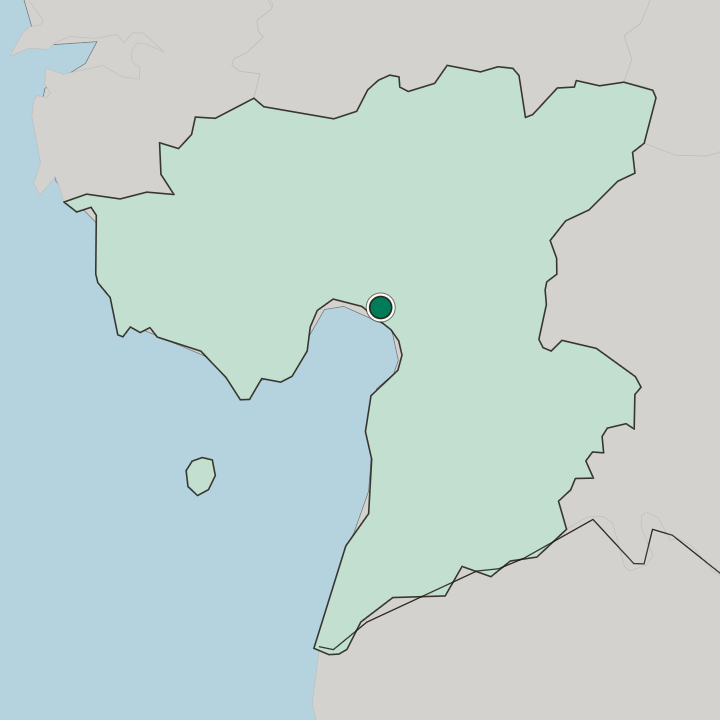
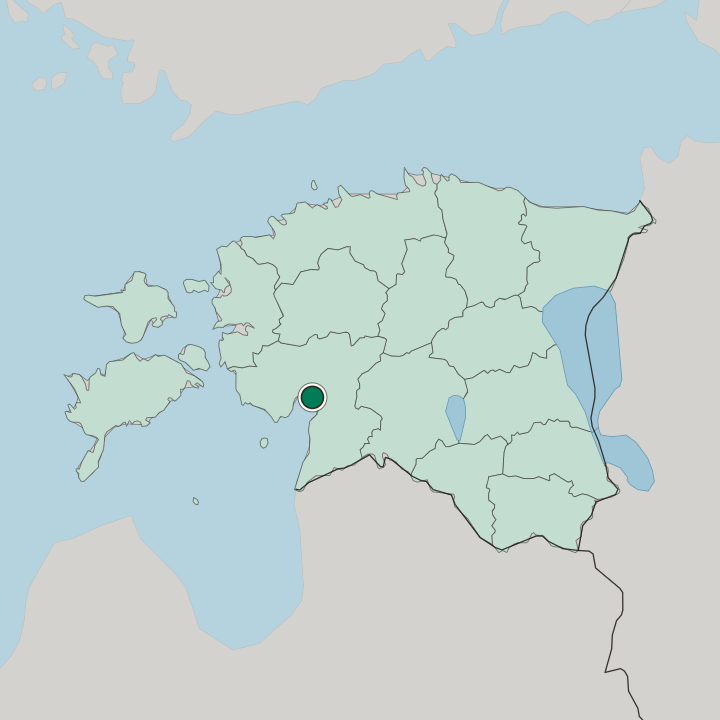
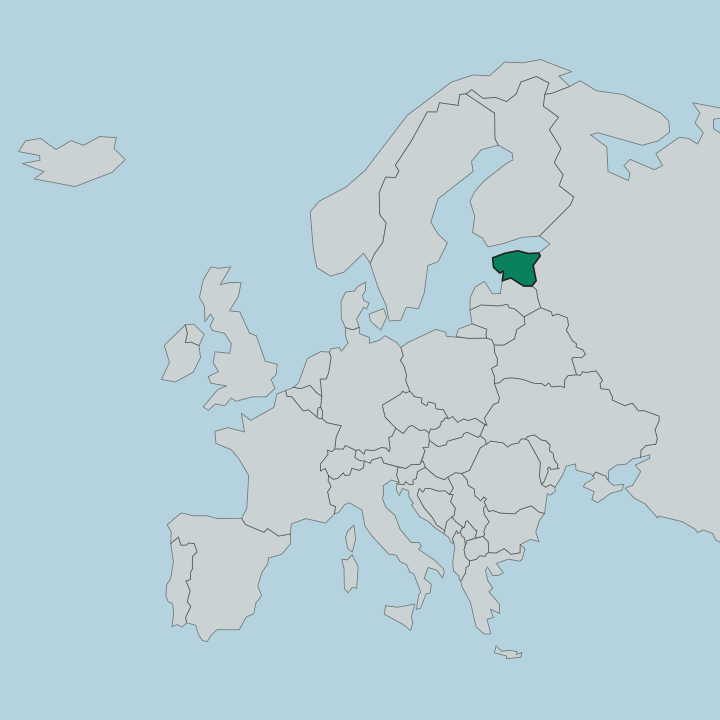
The town stands where the Pärnu River drains into Pärnu Bay, an inlet of the Gulf of Riga on Estonia's south-western coast. The land is flat. Sand runs for a long shallow arc west of the river mouth, and behind it lie pine woods, drained meadow and the wet coastal grassland that floods each spring and draws migrating birds. Tallinn lies to the north, Tartu to the east.
What is the climate of Pärnu?
Summers here are mild and busy, with long northern evenings that keep the beach in use well after the water has cooled. The sea moderates both ends of the year, so winters are less severe than inland Estonia and the snow is less reliable. Autumn turns grey and windy.
Storm surges push into Pärnu Bay and occasionally over the low ground behind the sand, which is one reason the coastal meadow stays undeveloped.
How do you get to Pärnu?
The road from Tallinn runs south in about two hours, and buses take it all day. Trains reach the town from the capital as well. A small airport sits outside Pärnu, used mainly for flights to the islands rather than for visitors arriving from abroad.
Most people drive. From Riga the coast road brings you up from the south in a comparable stretch.
Good for
Updated October 2026