Estonia
Pärnumaa, Estonia — Towns & Travel Guide
Pärnumaa is Estonia's largest county, a low coastal land on the Gulf of Riga built around the beach city of Pärnu.
Hotel links are affiliate links: booking through them may earn us a commission, at no extra cost to you. It never affects how places are ranked. How this works


Towns & cities in Pärnumaa
One town here has its own guide — it links to where to stay.
 Estonia
Pärnu
Pärnu is Estonia's main seaside resort, a spa town of parks and pale sand on the Gulf of Riga.Where to stay →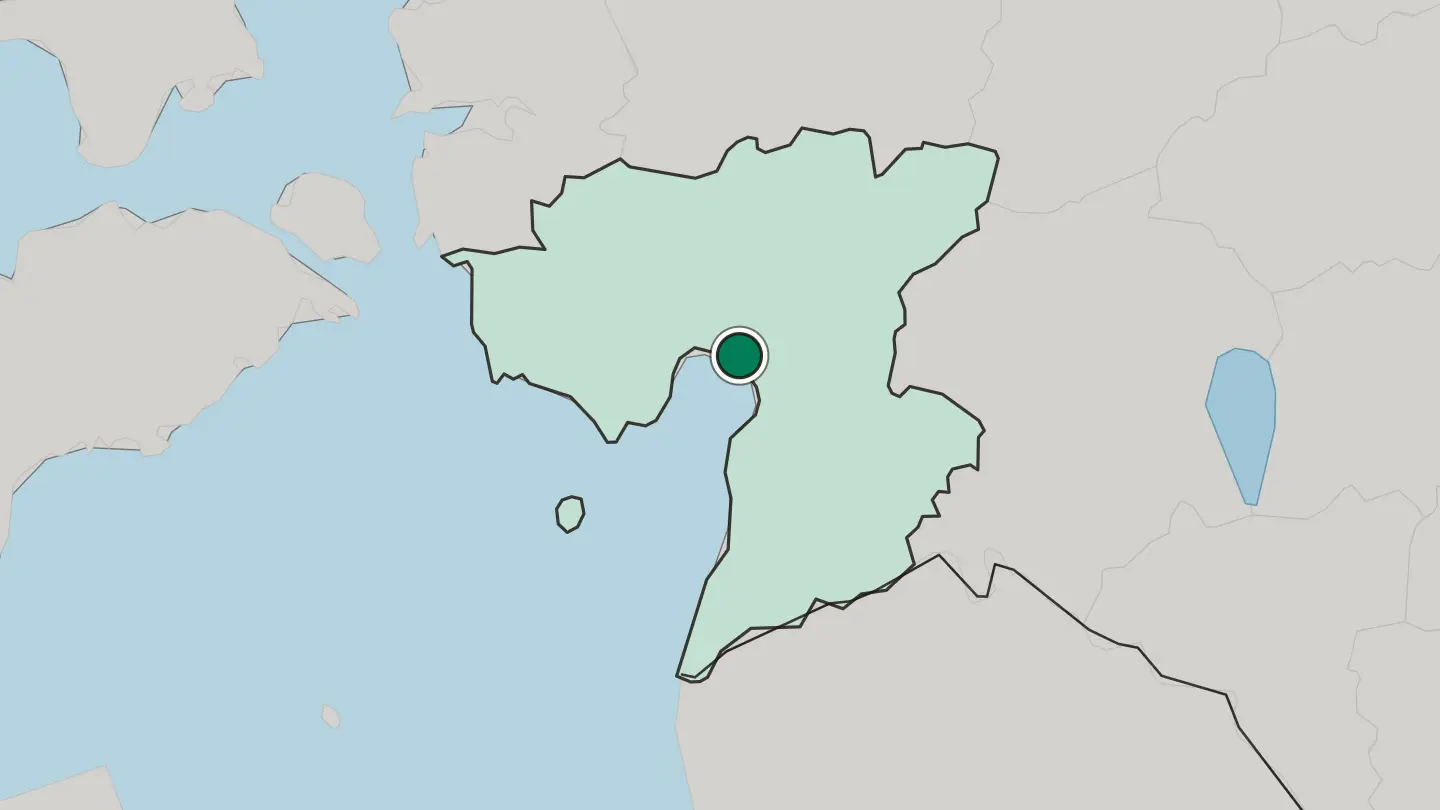
Hotel links are affiliate links: booking through them may earn us a commission, at no extra cost to you. It never affects how places are ranked. How this works
About Pärnumaa
What is Pärnumaa known for?
This is Estonia's summer coast. The draw is Pärnu, a resort town whose wide sand beach and spa houses have pulled bathers off the Gulf of Riga for close to two centuries. Away from the shore, the land turns to bog and floodplain.
Soomaa National Park spreads across the eastern county, famous for the spring flood locals name the fifth season, when meltwater drowns whole forests. Offshore lies Kihnu, a small island whose folk culture the women there still keep alive.
Where is Pärnumaa?
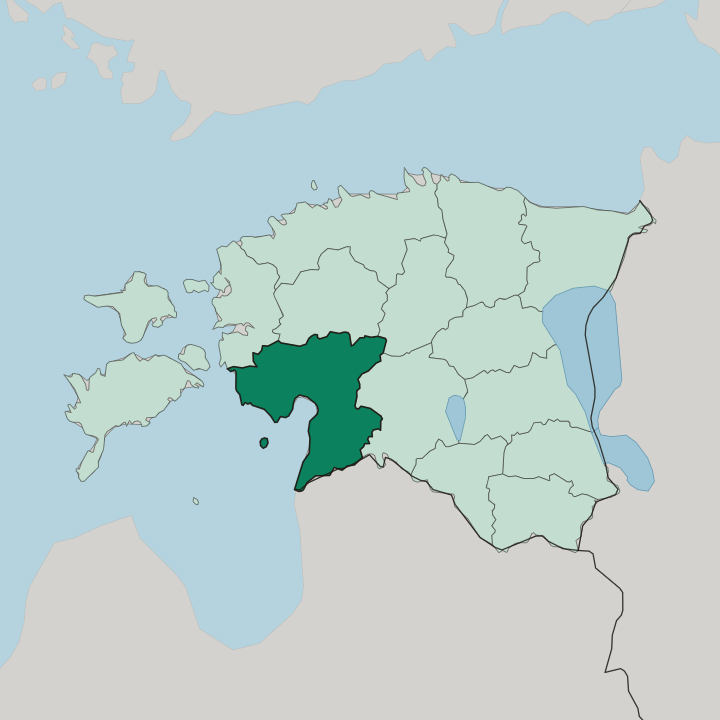
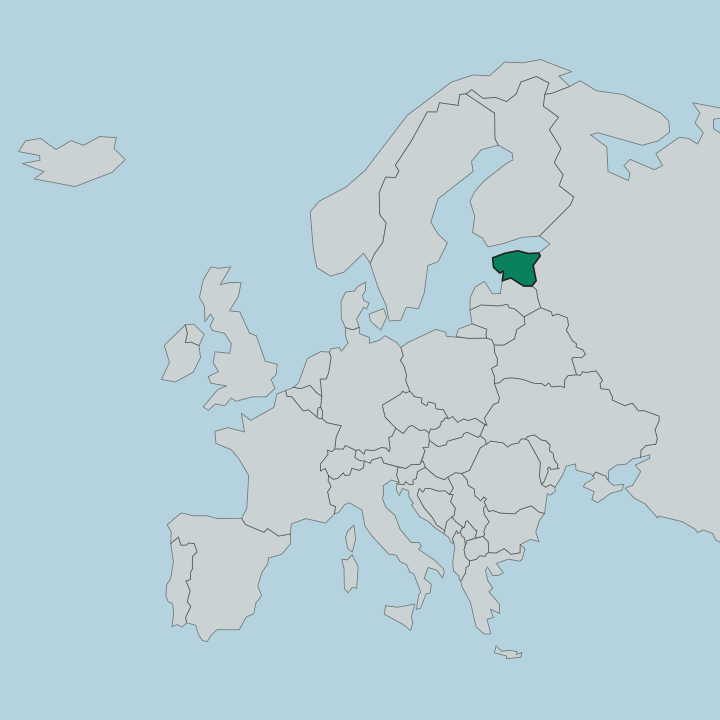
Pärnumaa fills the south-western corner of Estonia, the largest of the country's counties by land. Its whole southern and western flank meets the Gulf of Riga, the shallow arm of the Baltic Sea that reaches up between Estonia and Latvia. The border with Latvia runs along the county's southern edge.
Inland the ground barely rises. This is a low country of forest, mire and floodplain, and the wet ground is as much its character as the coast. The Pärnu River gives the county its spine and its name.
Estonia's second-longest river, it gathers the inland waters and carries them south-west to the Gulf of Riga, meeting the sea at the town of Pärnu. In the east the river's basin broadens into the bogs of Soomaa National Park, where five great raised mires stand like islands between the channels. Each spring the meltwater turns them into a flood.
Offshore, in the gulf itself, sit the low islands of the county, chief among them Kihnu. Sand, reed and shallow water edge almost the whole shore.
What is Pärnumaa like?
Two cultures share the county. On the mainland the beach town of Pärnu sets the tone, a leisured resort culture of sea bathing and mud cures that grew up when the first bathing house opened in the eighteen-thirties. Summer brings music festivals and open-air stages to its parks and old timber villas.
The rhythm is that of a spa town. People come to slow down. Out in the Gulf of Riga, Kihnu keeps a far older thread.
The island's men long went to sea to fish and hunt seal, leaving the women to farm, run the households and carry the customs, so that the striped woollen skirts, the songs and the wedding rites became the women's inheritance. UNESCO lists the Kihnu cultural space as intangible heritage of humanity, one of the last living matriarchal folk cultures in the Baltic. Across the whole county the common tongue is Estonian.
The land itself shapes the culture as much as any town, from the bog paths of Soomaa National Park to the small harbours strung along the gulf.
What is the history of Pärnumaa?
People settled this river early. On the banks of the Pärnu River near Pulli lies the oldest known human settlement in all of Estonia, a hunters' camp left by reindeer-followers not long after the ice withdrew. Thousands of years later the town of Pärnu grew into a Hanseatic trading port on the Gulf of Riga, changing hands between Danish, German, Swedish, Polish and Russian masters as control of the eastern Baltic shifted.
Estonia won its independence in the twentieth century, and Pärnumaa settled into its present role as the country's summer coast.
What is the climate of Pärnumaa?
Pärnumaa has a cool, damp maritime climate softened by the Gulf of Riga. Summers are short and mild, and it is those warm weeks that fill the Pärnu beach and give the county its season. In Pärnumaa the winter is a cold and grey stretch.
Snow and ice hold the coast. The real climate signature here is water: each spring, snowmelt and rain swell the Pärnu River until the bogs of Soomaa National Park overflow into the wide sheet of flood the locals call the fifth season.
How do you get to Pärnumaa?
Most travellers arrive in Pärnumaa by road. The town of Pärnu sits on the main highway that runs down Estonia's coast between Tallinn and Riga, so buses arrive from either capital in a couple of hours. Trains from Tallinn also serve the county on their way south.
To reach Kihnu you change to a ferry across the Gulf of Riga, sailing from the mainland harbours to the island. Once here, a car opens up the bogs of Soomaa National Park and the small coast roads.
Common questions
What is the best area to stay in Pärnumaa?
Pärnu: beach days and spa hotels. Vändra: the bogland interior. Kihnu: a night on the folk-culture island. Lihula: the county's northern edge.
Good for
More regions in Estonia
Updated September 2026