Spain · Aragon
Where to Stay in Huesca, Aragon
A provincial capital in north-eastern Spain, Huesca keeps a Romanesque cathedral and stands on the approach to the Pyrenees from Aragon.
Hotel links are affiliate links: booking through them may earn us a commission, at no extra cost to you. It never affects how places are ranked. How this works


Where to stay in Huesca
The practical side of choosing where to sleep.
The old town around the Catedral - Museo Diocesano is the compact part, and much of what a short stay covers, the Museum of Huesca, the Church of Santo Domingo and San Martín, the Iglesia de San Vicente el Real, falls inside it. Part of that quarter was demolished. What remains is a smaller historic core than the age of the city would suggest, so the walking is quick and the buildings that survived carry more weight for it.
Rooms sit close by. The comarca of Hoya de Huesca supplies the country around. Beyond the core, the Centro de Arte y Naturaleza Fundación Beulas marks the newer edge, where hotels have more space and parking is easier for anyone driving on towards the Pyrenees.
Skiers treat the city as a staging post. A night here before the mountain roads is a common pattern, and the Institute of High Aragon Studies and the Museo Pedagógico de Aragón give the evening something the resorts cannot. The Church of San Miguel and the Iglesia de San Vicente Mártir stand among the quieter streets, which suits a stay that wants distance from the main squares.
Find hotels in Huesca
Direct booking searches for these neighbourhoods.
Catedral
The lanes around the Catedral - Museo Diocesano put the Museum of Huesca and the Church of Santo Domingo and San Martín within a few minutes on foot.Find hotels in CatedralQuieter blocks near the Church of San Miguel and the Iglesia de San Vicente MártirSan Miguel
Off the main squares, the streets by the Church of San Miguel keep the Iglesia de San Vicente Mártir in reach and the noise well down. Few places to stay nearby — book ahead.Find hotels in San MiguelDrivers bound for the Pyrenees who want parking by the Centro de Arte y Naturaleza Fundación BeulasFundación Beulas
The newer edge around the Centro de Arte y Naturaleza Fundación Beulas has room for larger hotels and an easier start on the road up into the ranges.Find hotels in Fundación BeulasHotel links are affiliate links: booking through them may earn us a commission, at no extra cost to you. It never affects how places are ranked. How this works
Things to do in Huesca
Ranked by global recognition; descriptions from Wikidata (CC0).
Museums & Galleries
3- Museum of Huesca Heritage
- Centro de Arte y Naturaleza Fundación Beulas
- Institute of High Aragon Studies
Churches & Religious Sites
3- Church of Santo Domingo and San Martín, Huesca Heritage
- Iglesia de San Vicente el Real Heritage
- Iglesia de Santa María Inforis Heritage
Castles & Historic Sites
1- Church of San Miguel, Huesca Heritage
Landmarks & Notable Places
1- Estrecho Quinto Mediumwave Transmitter
worth knowingacross 4 categories in Huesca
About Huesca
What is Huesca known for?
The Romanesque cathedral is the building the city is known by, typical of the province and the core of the Catedral - Museo Diocesano. Huesca's museums take it from there. The Museum of Huesca, the Diocesan Museum of Huesca, the Museo Pedagógico de Aragón and the Centro de Arte y Naturaleza Fundación Beulas divide the collections between archaeology, church art, schooling and contemporary work.
Skiing pulls people through as well, since the Pyrenees begin within reach and the city works as a base on the way up.
What are the main landmarks in Huesca?
The Romanesque cathedral anchors the Catedral - Museo Diocesano, and the Diocesan Museum of Huesca holds the church art that belongs with it. Parish churches fill in the rest. The Church of Santo Domingo and San Martín, the Church of San Miguel, the Iglesia de San Vicente Mártir, the Iglesia de San Vicente el Real and the Iglesia de Santa María Inforis stand across the old quarter and its edges.
The Museum of Huesca and the Estrecho Quinto Mediumwave Transmitter mark the two ends of the register, one civic and one technical.
What is the history of Huesca?
Huesca was the capital of the Kingdom of Aragon between 1096 and 1118, a short spell that left the city with more standing than its later size would explain. The cathedral belongs to that world. Romanesque work of the kind found across the province marks the churches, and the Iglesia de Santa María Inforis and the Iglesia de San Vicente el Real carry names from the same medieval layer.
Aragon kept the city as a provincial capital afterwards. Not all of the old town survived. A part of it was knocked down, which is why the historic quarter reads as a set of individual buildings rather than a continuous fabric, and why the Museum of Huesca matters as much as the streets outside it.
Scholarship stayed. The Institute of High Aragon Studies and the Museo Pedagógico de Aragón keep the research and teaching record of the region in the city, and the Centro de Arte y Naturaleza Fundación Beulas added a contemporary collection to that line. Hoya de Huesca takes its name from the city, and the province does the same, which fixes Huesca as the administrative centre for a large piece of Aragon.
Where is Huesca?
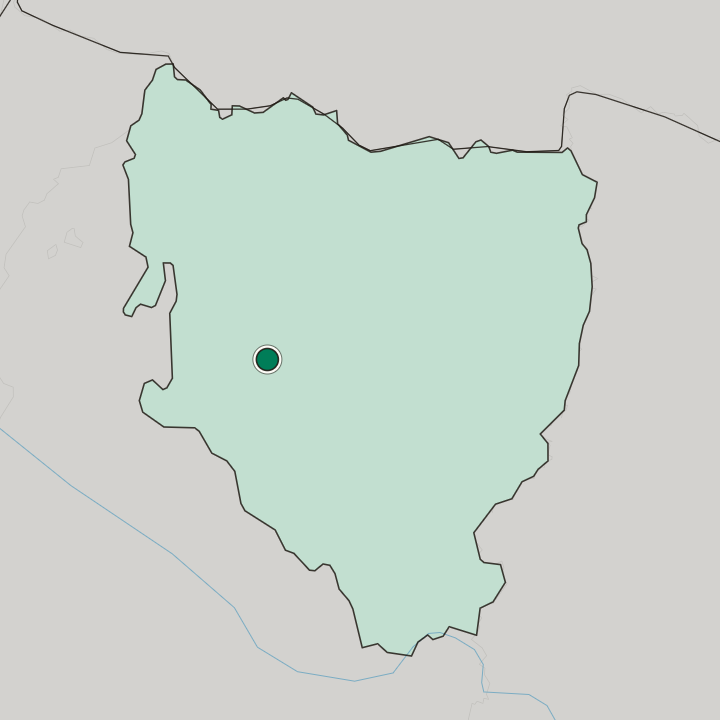
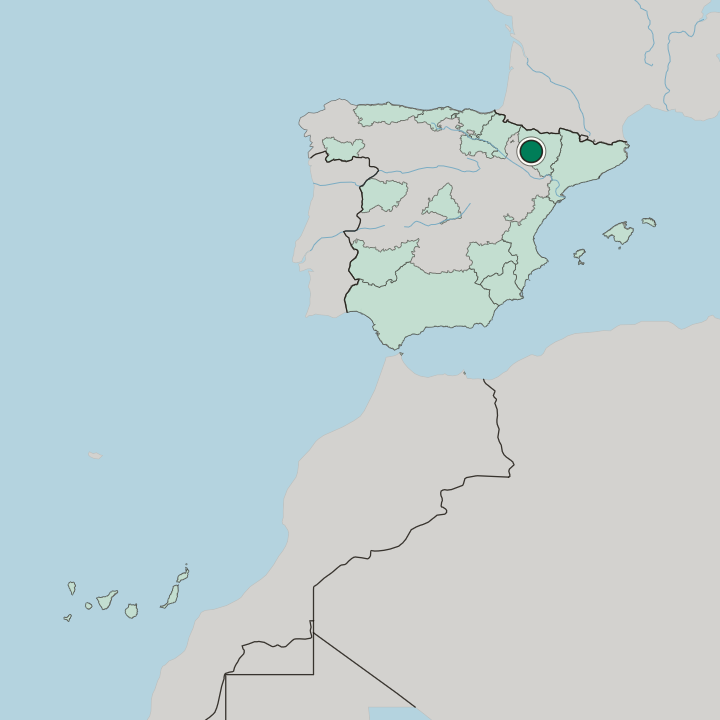
The municipality covers about 161 square kilometres in north-eastern Spain, inside the comarca of Hoya de Huesca. The Pyrenees rise beyond. Distance to those ranges is short enough that the city serves as an assembly point for travel into the mountains, and long enough that Huesca is not itself a mountain town.
Hoya de Huesca takes its name from the city at its centre.
What is the climate of Huesca?
The Pyrenees set the terms for the cold half of the year, putting mountain air within easy reach of the comarca and giving the city a sharper winter than the Spanish coast knows. Summers run hot inland. Huesca sits in the temperate band and well away from the sea, so the gap between the two halves of the year opens wider here than in the coastal capitals, and the ski season in the ranges above shapes the winter traffic.
How do you get to Huesca?
Access is entirely by road. Huesca sits on the route between the lowlands of Aragon and the ski resorts of the Pyrenees, so winter traffic through the city runs heavier than the size of the place would suggest. The Estrecho Quinto Mediumwave Transmitter stands outside the built-up area, a marker on the way in.
Arrivals from the rest of Spain generally come up through Aragon rather than over the mountains.
Common questions
What is the best area to stay in Huesca?
Catedral: First stays inside the walkable core by the Catedral - Museo Diocesano. San Miguel: Quieter blocks near the Church of San Miguel and the Iglesia de San Vicente Mártir. Fundación Beulas: Drivers bound for the Pyrenees who want parking by the Centro de Arte y Naturaleza Fundación Beulas.
Good for
Another city in Aragon
Updated October 2026