Spain
Aragon, Spain — Towns & Travel Guide
Aragon is a landlocked region of northeastern Spain, reaching from the high Pyrenees down through the Ebro valley to the dry uplands of Teruel.
Hotel links are affiliate links: booking through them may earn us a commission, at no extra cost to you. It never affects how places are ranked. How this works


Towns & cities in Aragon
Pick a town or city — each links to where to stay.

 Spain
Spain
Zaragoza
Zaragoza, Saragossa in older English, is the capital of Aragon, standing on the Ebro where the Roman colony of Caesaraugusta grew.Where to stay →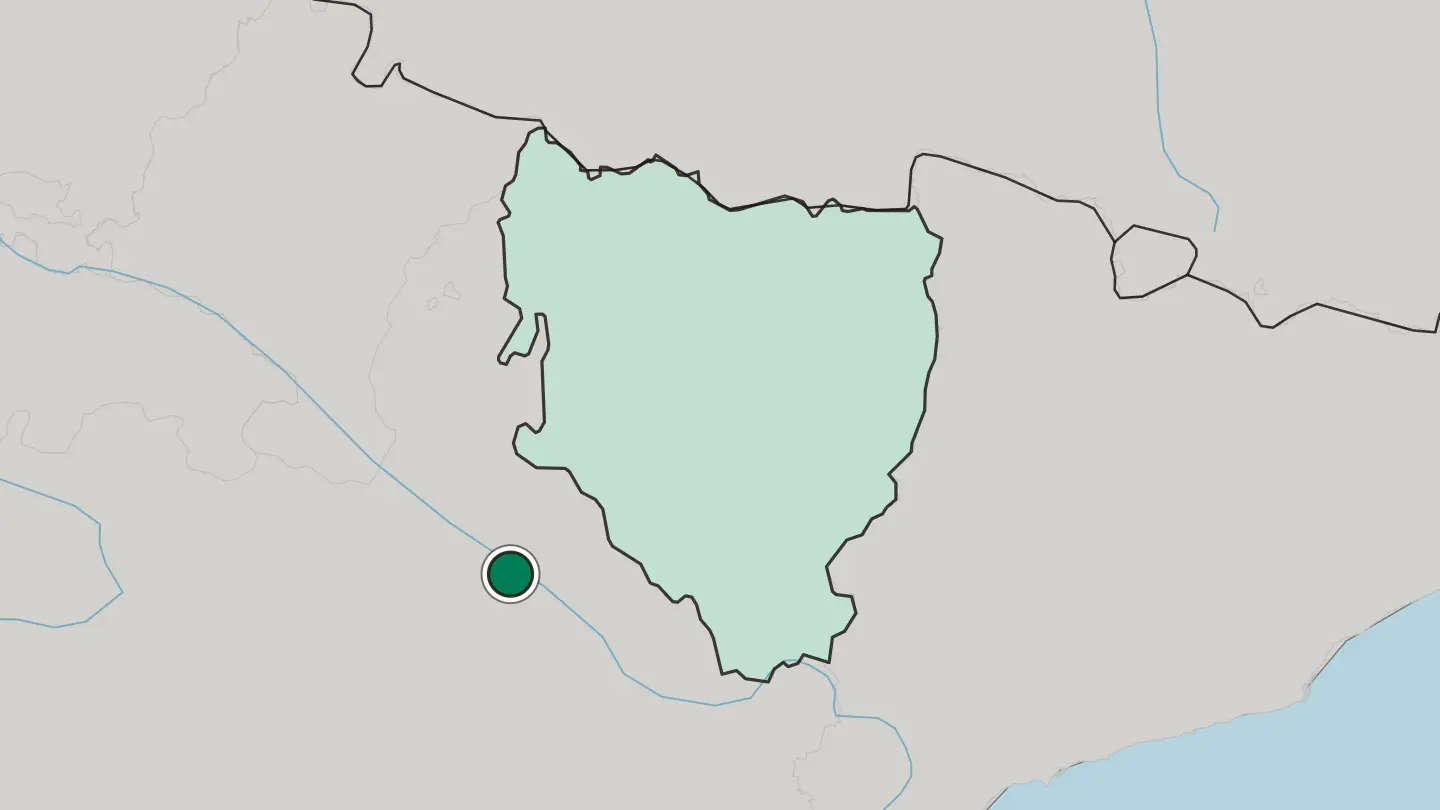 Spain
Spain
Huesca
A provincial capital in north-eastern Spain, Huesca keeps a Romanesque cathedral and stands on the approach to the Pyrenees from Aragon.Where to stay →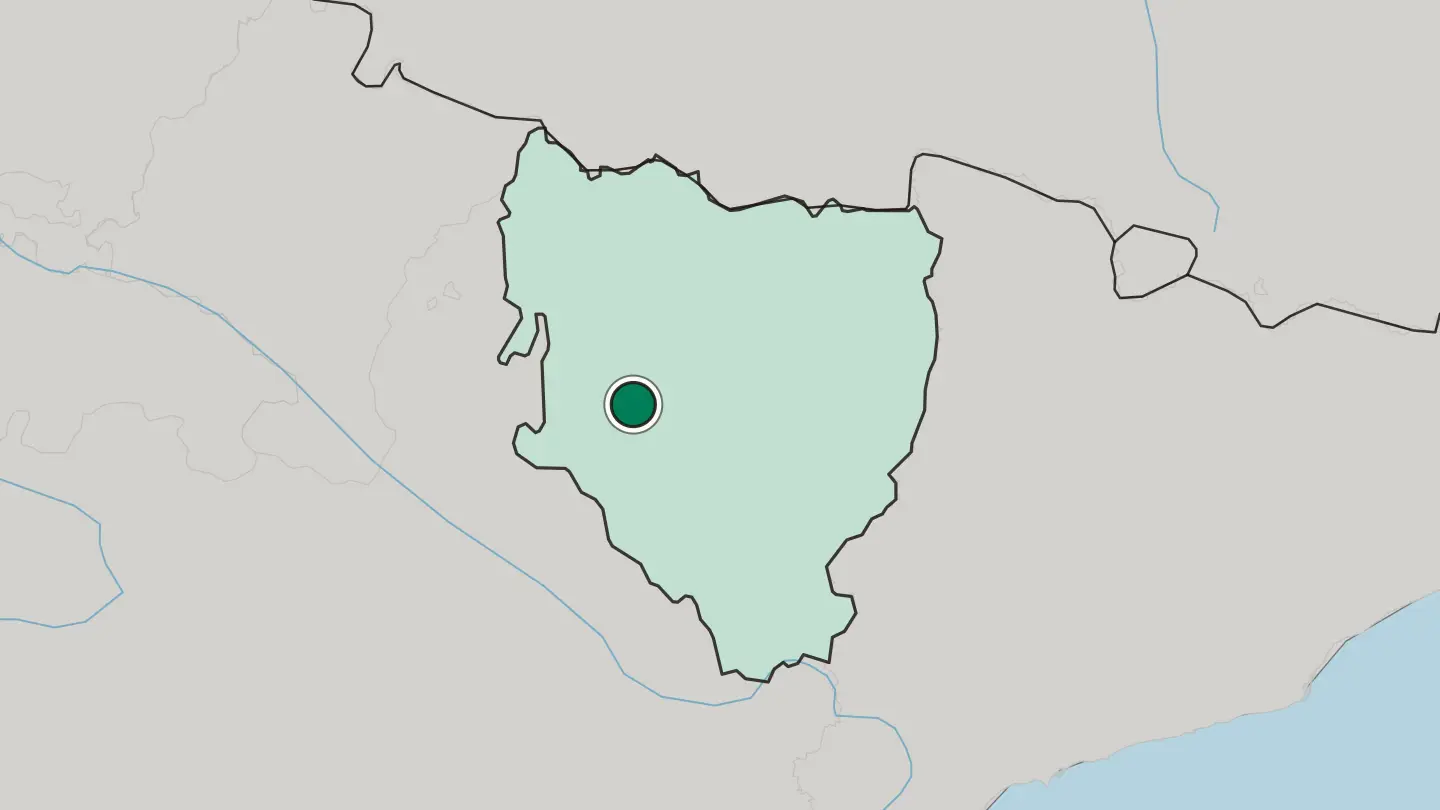
Hotel links are affiliate links: booking through them may earn us a commission, at no extra cost to you. It never affects how places are ranked. How this works
About Aragon
What is Aragon known for?
Aragon fills the northeast of Spain, a landlocked stretch running from the high Pyrenees down to the dry plains of Teruel. Zaragoza anchors the middle. The Ebro cuts west to east through the region, and its broad valley holds most of the people, the farmland, and the road and rail lines that cross Aragon.
Huesca sits under the peaks in the north. Teruel guards the rugged south, where the Iberian System rises in bare ridges and deep river gorges.
Where is Aragon?
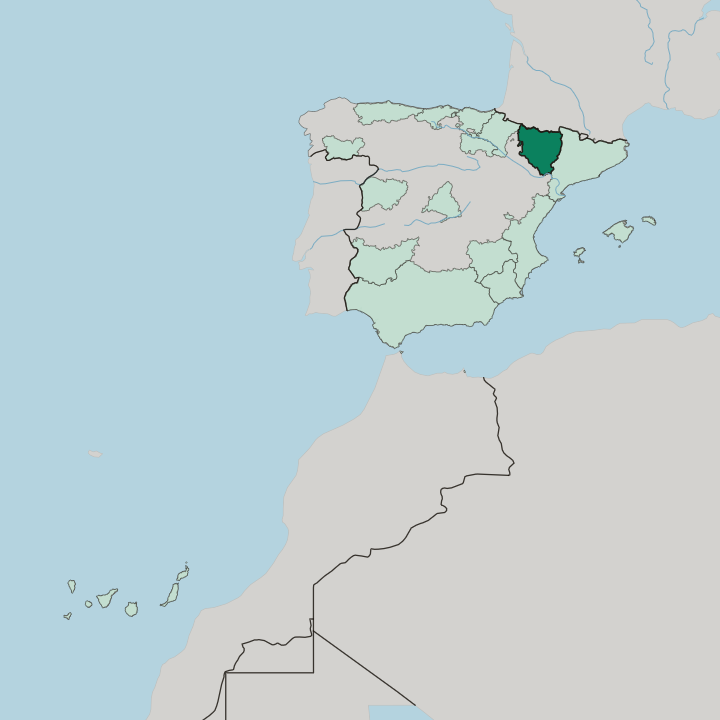
Aragon occupies the middle of the Ebro basin in northeastern Spain, a broad depression pinned between two mountain walls. The Pyrenees form the northern frontier with France, and Aragon holds their highest ground, including Aneto, the loftiest peak of the whole range. To the south rises the Iberian System, a tangle of sierras that separates the Ebro lands from the Meseta and the Mediterranean coast.
Between them lies the valley. The Ebro, the greatest river in Spain by volume, runs west to east straight across the region, gathering Pyrenean tributaries as it goes and watering the plain around Zaragoza. That plain is arid.
Rainfall is scarce here, and the land away from the river turns to steppe, badlands, and the bare tableland of the Monegros. The three provinces stack north to south. Green and Pyrenean Huesca crowns the north, fertile Zaragoza fills the centre around the capital, and high, thinly peopled Teruel covers the south.
Ordesa and Monte Perdido, among the oldest national parks in Spain, guards a run of deep glacial valleys beneath the peaks. Further south the sierras break into red-rock gorges, the setting for the walled hill town of Albarracín. Rock and water draw every border.
No coast touches Aragon at all.
What is Aragon like?
Aragon carries the memory of a medieval kingdom that once ruled far beyond these hills. That inheritance shapes the look of its towns. The most distinctive mark is Mudéjar, the brick-and-tile craft that Muslim artisans kept alive under Christian rule, and the towers of Teruel and the Aljafería palace in Zaragoza together earned Aragonese Mudéjar a place on the UNESCO World Heritage list.
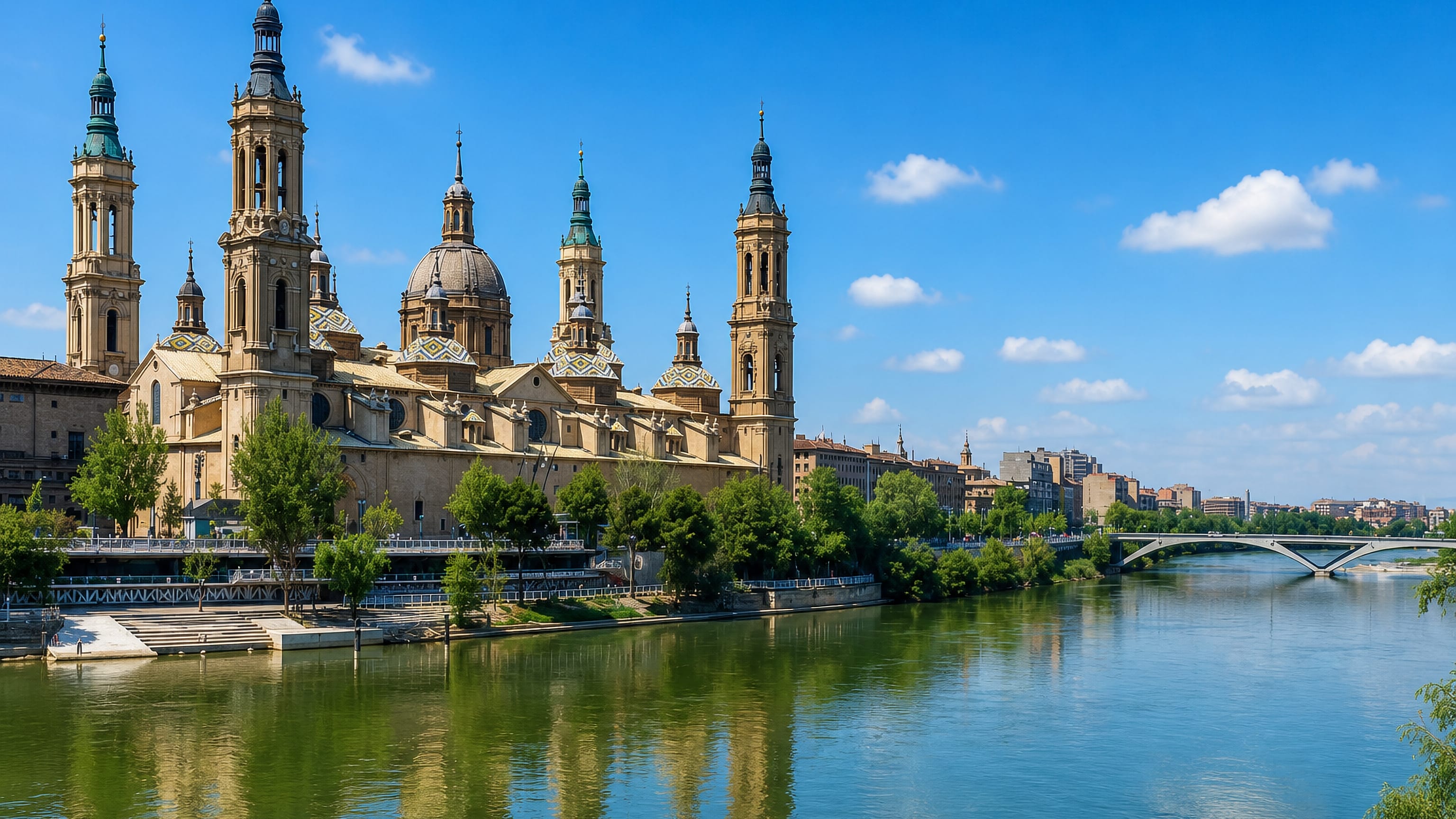
Ornate brickwork, glazed ceramic, and slender belfries define the style. Zaragoza itself layers Roman walls, a great riverside basilica dedicated to the Virgin of the Pilar, and a Moorish palace within a single city. Faith runs through the calendar.
The Pilar festival fills the capital every October, and the Holy Week drumming of the lower Aragon towns, the Ruta del Tambor, is loud enough to be felt in the chest. Language marks the north. In the high Pyrenean valleys people still speak Aragonese, one of the Iberian Romance tongues, alongside Castilian Spanish.
Food leans hard and honest: cured ham from Teruel, lamb, and the black-skinned longaniza sausage. Bulls, saints, and mountain villages hold the region's imagination as firmly as any king ever did.
What is the history of Aragon?
Aragon began as a small mountain county in the Pyrenees and became a kingdom in 1035, when Ramiro I inherited it on the death of his father, the king of Navarre. The realm pushed south against Al-Andalus, taking Huesca and then Zaragoza, which became its capital in 1118. In 1137 the betrothal of Petronila of Aragon to the Count of Barcelona began the union with Catalonia that formed the Crown of Aragon, a Mediterranean power reaching Valencia, Sicily, Sardinia, and Naples.
That reach was extraordinary. The marriage of Ferdinand of Aragon and Isabella of Castile in 1469 joined the two crowns and laid the foundation of modern Spain.
What is the climate of Aragon?
Aragon has a dry continental climate, the harshest in the middle of the Ebro valley where the mountains wall out the sea. Summers are hot and winters cold. Zaragoza sees little rain across the year, and the surrounding Monegros ranks among the most arid country in Spain.
The defining feature is the wind: the cierzo, a cold, dry northwesterly, funnels down the valley in winter and spring and can gust hard for days on end. The Pyrenean north is another world, cooler and far wetter, with heavy winter snow that feeds the ski resorts around Jaca and the high valleys.
How do you get to Aragon?
Most travellers reach Aragon by train. The high-speed AVE line between Madrid and Barcelona runs straight through Zaragoza, putting the capital a little over an hour from either city, and Zaragoza-Delicias is the region's main rail hub. Zaragoza has its own airport west of the city, though many visitors fly into Madrid or Barcelona and take the fast train on.
Roads climb from the valley into the mountains. For the Pyrenees, the route runs north from Huesca toward Jaca and the passes into France; for the southern sierras, it climbs from Teruel toward Albarracín and the Iberian System.
Common questions
What is the best area to stay in Aragon?
Zaragoza: a first base at the centre of Aragon. Jaca and the Huesca Pyrenees: the high Pyrenees and mountain valleys. Teruel and Albarracín: medieval towns and the southern sierras.
Good for
More regions in Spain
Updated September 2026