Spain · Aragon
Where to Stay in Zaragoza, Aragon
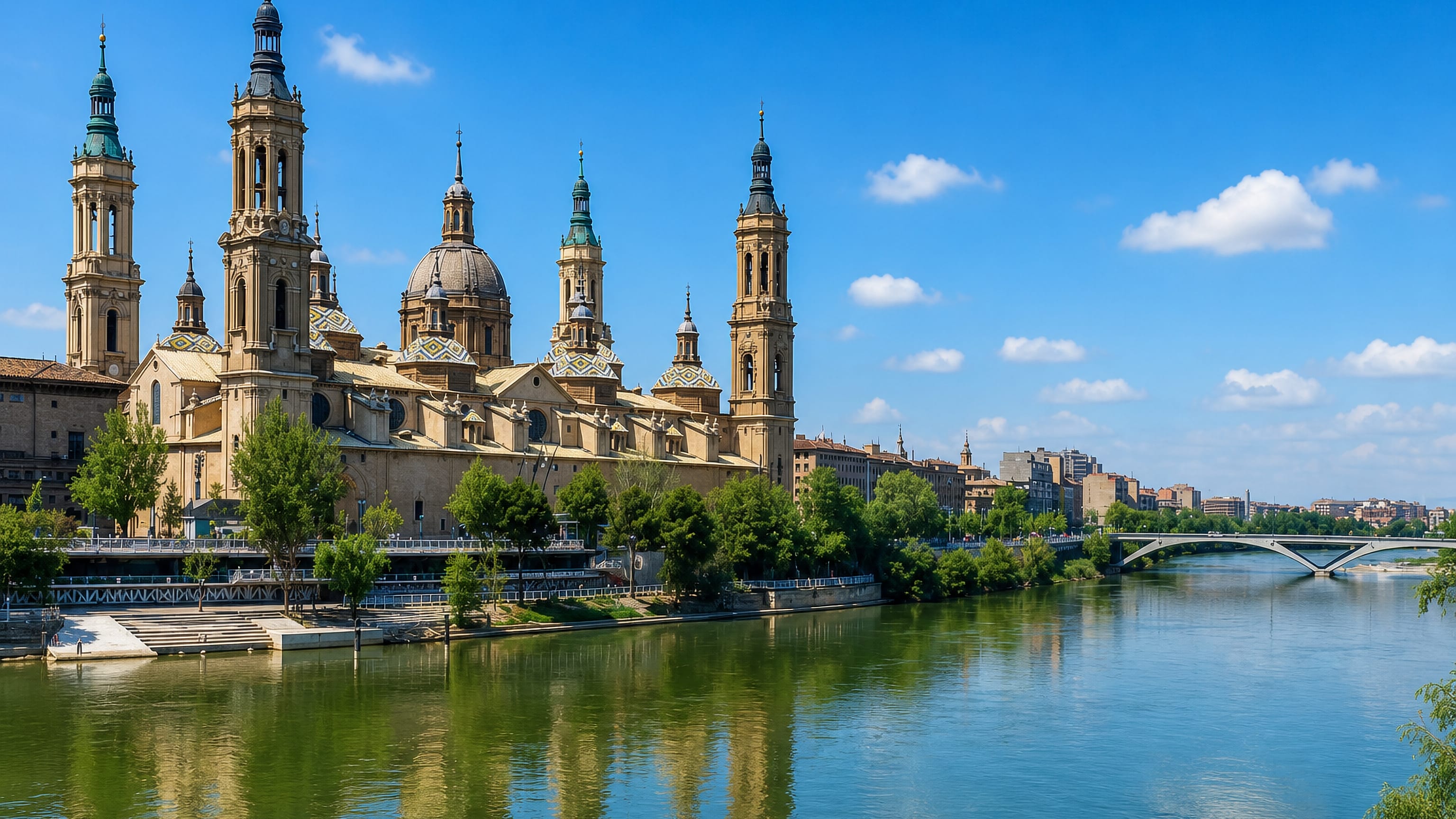
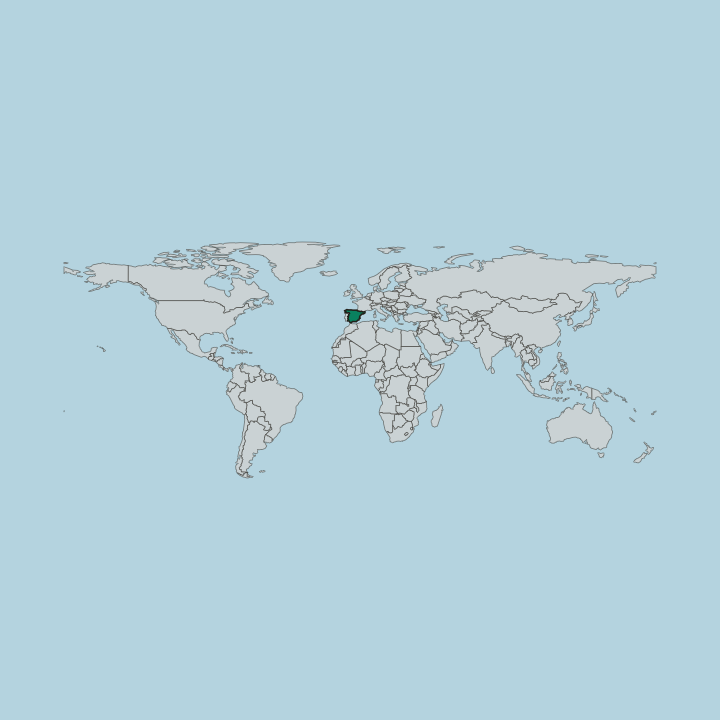
Zaragoza, Saragossa in older English, is the capital of Aragon, standing on the Ebro where the Roman colony of Caesaraugusta grew.
Hotel links are affiliate links: booking through them may earn us a commission, at no extra cost to you. It never affects how places are ranked. How this works


Where to stay in Zaragoza
Where you base yourself shapes the visit — here's the character of each area.

 ZaragozaSpainFamilies driving in for Stadium Casablanca and the Zaragoza amusement park
Casablanca
Out past the historic streets, Stadium Casablanca and the Zaragoza amusement park make this side easier for a car-borne family than for a short first visit. Lodging is scarce in this area; reserve in advance.Casablanca →ZaragozaSpainCasco
Casco is the historic centre of Zaragoza, a district of barrios such as San Pablo, known as El Gancho, San Miguel, Las Tenerías and La Magdalena.Where to stay →ZaragozaSpainActur
Actur is a district of Zaragoza, recorded in full as Actur-Rey Fernando, and it holds the Aquarium River of Zaragoza.Where to stay →ZaragozaSpain
Almozara
Almozara is a district of Zaragoza, in Aragon, with the Aljafería and the Torre del Trovador standing inside its ground.Where to stay →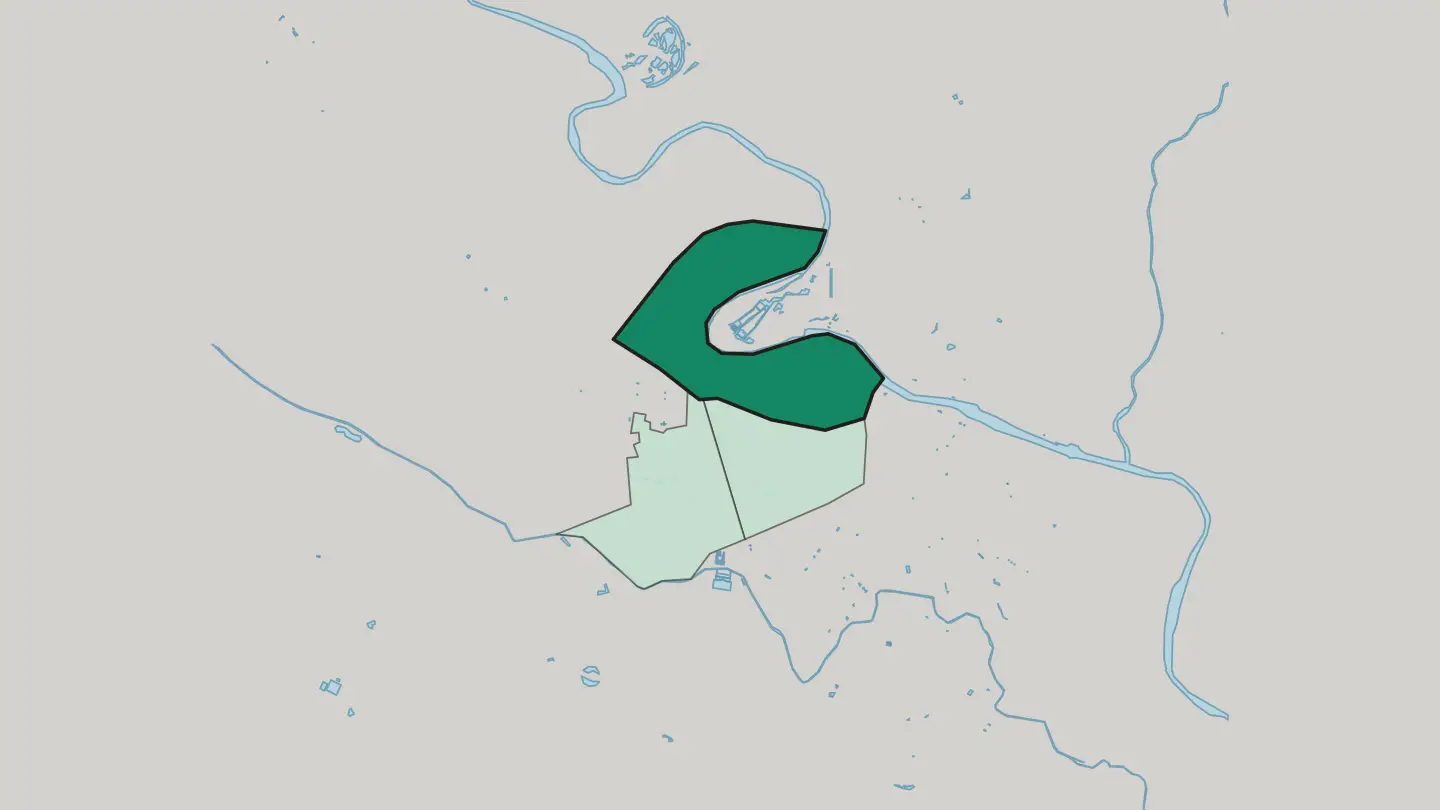
 ZaragozaSpain
Las Fuentes
Las Fuentes is a district of Zaragoza between the Ebro and the Huerva, taking in Montemolín, La Cartuja and the Pabellón Príncipe Felipe.Where to stay → ZaragozaSpain
Delicias
Delicias is the most populated district of Zaragoza, an urban quarter in Aragon with the Aljafería and the Torre del Trovador close by.Where to stay →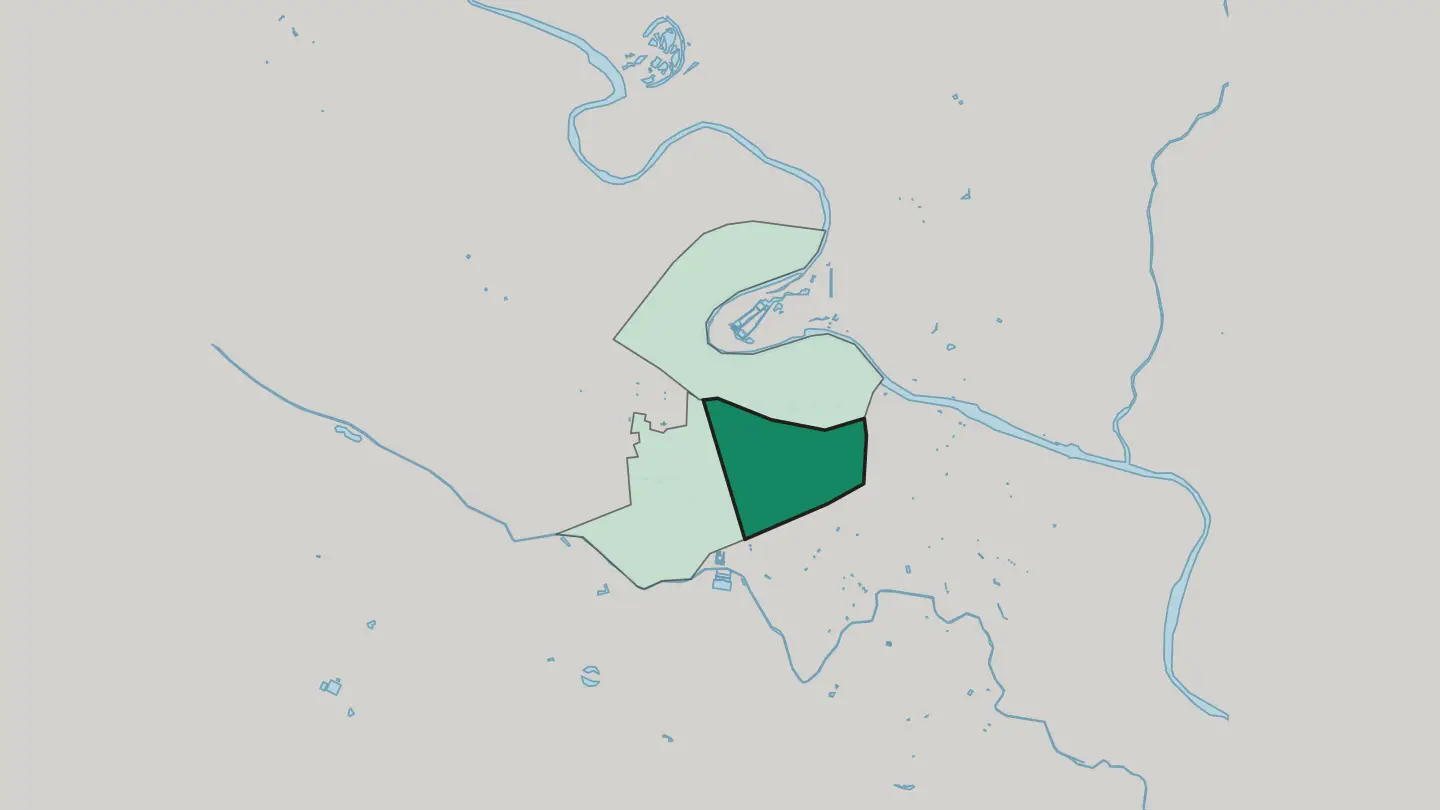 ZaragozaSpain
Oliver-Valdefierro
Oliver-Valdefierro is a district of Zaragoza made up of the barrios of Oliver and Valdefierro, run by its own Junta Municipal. It began in 1917.Where to stay →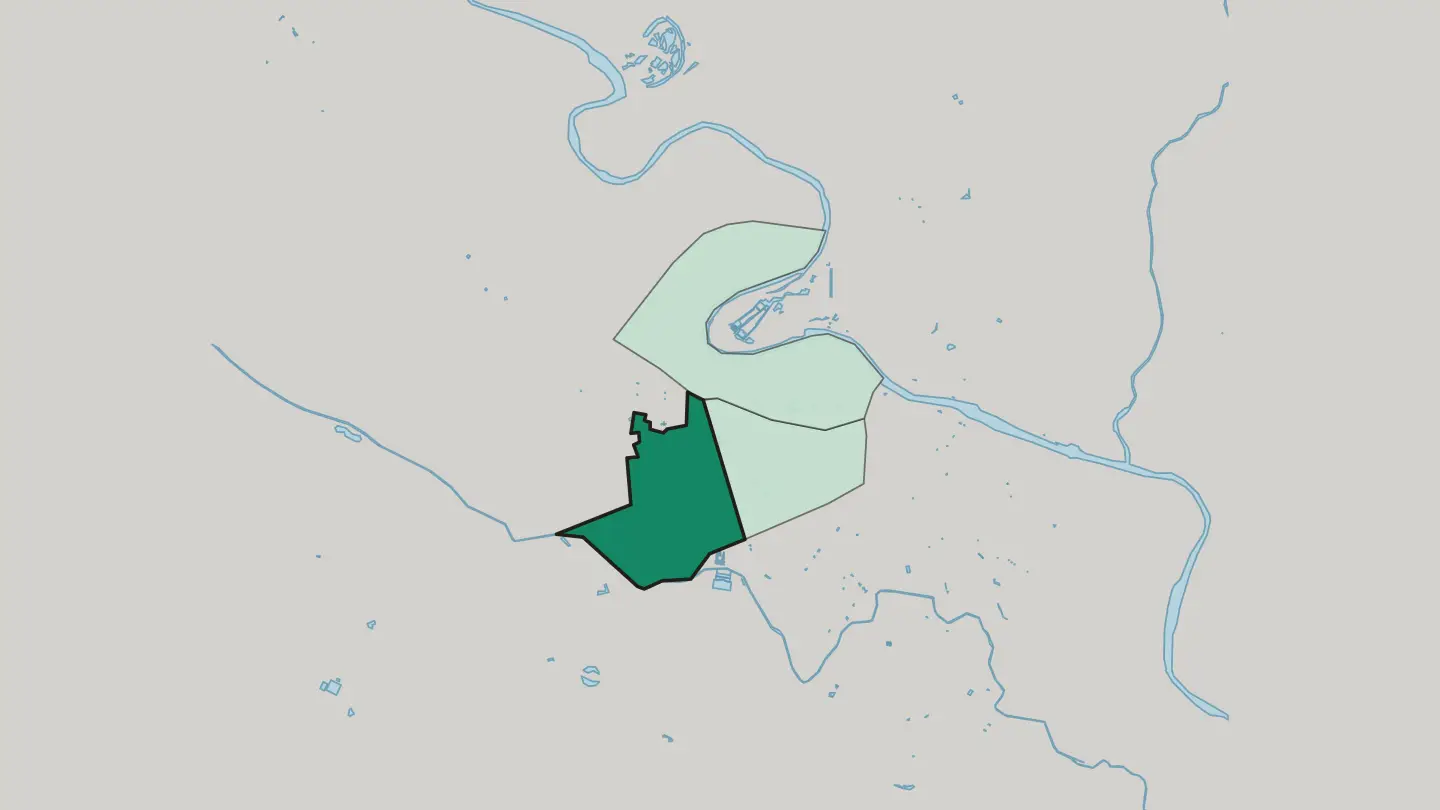 ZaragozaSpain
Montecanal
Montecanal is a Zaragoza district recorded by name alone, one of the city's administrative divisions in Aragon rather than a sightseeing quarter.Where to stay →ZaragozaSpainMiralbueno
Miralbueno is one of the sixteen districts of Zaragoza, on the western edge between Venta del Olivar and Garrapinillos. Camino del Pilón runs through it.Where to stay →Hotel links are affiliate links: booking through them may earn us a commission, at no extra cost to you. It never affects how places are ranked. How this works
Find hotels in Zaragoza
Direct booking searches for these neighbourhoods.
Casco Histórico
The oldest quarter keeps the Basilica del Pilar, the Museo del Foro de Caesaraugusta and the Casa de Miguel Donlope inside a few blocks of one another.Find hotels in Casco HistóricoQuieter nights along the boulevard that holds Solans HousePaseo de Sagasta
Paseo de Sagasta lines up the later architecture of Zaragoza, Solans House included, and its hotels swap the noise of the centre for wider pavements.Find hotels in Paseo de SagastaStays with the Aljafería and the Torre del Trovador on the doorstepAljafería
The streets by the Aljafería put that monument and the Torre del Trovador within a short walk, away from the pressure of the cathedral quarter. Beds are limited here, so book early.Find hotels in AljaferíaHotel links are affiliate links: booking through them may earn us a commission, at no extra cost to you. It never affects how places are ranked. How this works
Things to do in Zaragoza
Ranked by global recognition; descriptions from Wikidata (CC0).
Museums & Galleries
3- Saragossa Museum
- Goya Museum - Ibercaja Collection - Camón Aznar Museum
- Pablo Gargallo Museum
Churches & Religious Sites
3- Church of St. Mary Magdalene, Zaragoza Heritage
- Church of las Fecetas Heritage
- Church of the Exaltation of the Holy Cross Heritage
Castles & Historic Sites
8- Aljafería UNESCO
- Mercado de Lanuza Heritage
- Paseo de Sagasta Heritage
- Goya memorial Heritage
- Solans House Heritage
Show 3 more →
- Palacio de los condes de Sástago Heritage
- Agustina de Aragón memorial Heritage
- Casa de Miguel Donlope Heritage
Stadiums & Sports
3- Stadium Casablanca
- Pabellón Multiusos Alfonso Soláns Serrano
- El Olivar
Parks & Gardens
1- Zaragoza amusement park
Landmarks & Notable Places
2- dean's house, Zaragoza Heritage house
- Torre del Trovador
worth knowingacross 6 categories in Zaragoza
About Zaragoza
What is Zaragoza known for?
The Basilica del Pilar is the building that carries the city's name abroad, raised to venerate the apparition of the Virgin Mary to Saint James and long a marker of identity for Christian Spain. Goya is the other name. The Goya Museum - Ibercaja Collection - Camón Aznar Museum and the Goya memorial keep the painter in view, while the Pablo Gargallo Museum and the Saragossa Museum widen the account of Aragonese art.
The 2008 Expo left a modern quarter that has been put to further use since.
What are the main landmarks in Zaragoza?
The Aljafería heads the secular monuments, and the Torre del Trovador stands with it. Roman Caesaraugusta survives in fragments. The Museo del Foro de Caesaraugusta, the Museum of the Public Baths of Caesaraugusta and the Museum of the River Port of Caesaraugusta each preserve one piece of the colony below the modern street level.
Churches run from the Church of St. Mary Magdalene and the Church of las Fecetas to the Church of the Exaltation of the Holy Cross, while the Tapestry museum of the Cathedral of El Salvador in Zaragoza holds the textiles of the chapter.
What is the history of Zaragoza?
Caesaraugusta came first. The Roman colony on the Ebro gave the city its name, and its forum, public baths and river port are each preserved as a museum under the streets that replaced them. Later building on the same ground includes the Aljafería and the Torre del Trovador, secular work that outlasted the ownership behind it.
The Basilica del Pilar followed. It was raised to venerate the apparition of the Virgin Mary to Saint James, and its standing reached far beyond Aragon. Agustina de Aragón has her own memorial in the city, a reminder that Zaragoza was fought over as well as built.
Goya belongs to the same account. The name of the painter is attached to a museum and a memorial here, and the Saragossa Museum and the Pablo Gargallo Museum extend the record of Aragonese art past him in both directions. Civic building came later.
The Palacio de los condes de Sástago, the Casa de Miguel Donlope, Solans House and the Paseo de Sagasta trace the passage from older palace to later boulevard, and the 2008 Expo added a new quarter beside the Ebro to that sequence.
Where is Zaragoza?
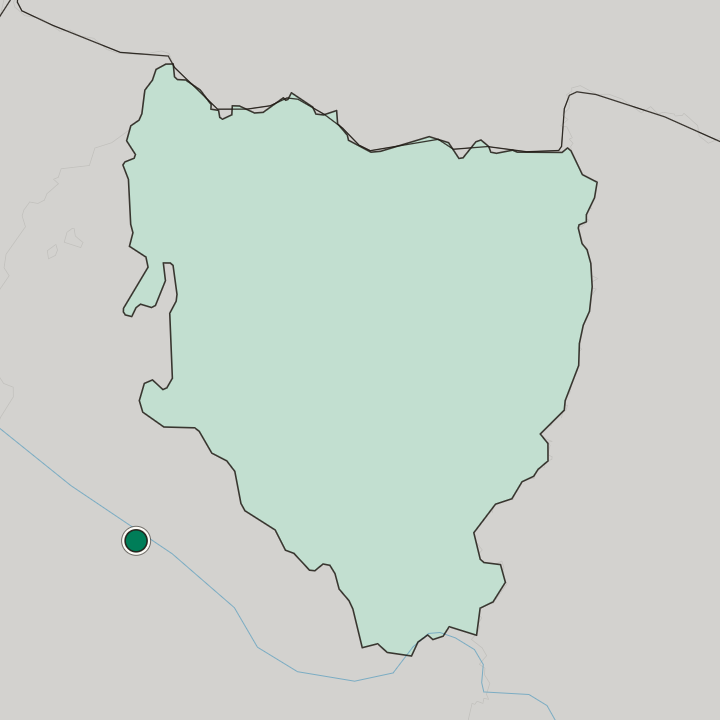
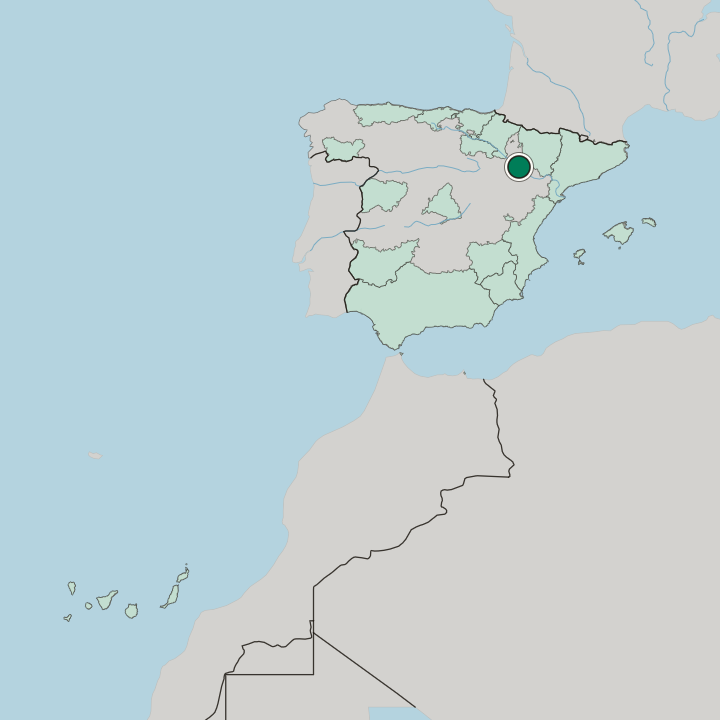
The Ebro runs through the city, joined here by the Huerva and the Gállego. Zaragoza lies roughly in the centre of both Aragon and the Ebro basin, which is why the roads of the region converge on it rather than skirting it. Basin country surrounds it.
River and basin together explain the position, and the quarter left by the 2008 Expo extends the frontage of the city along the Ebro.
What is the climate of Zaragoza?
The Ebro basin governs the weather more than any coast does. An inland position well away from the sea brings hot summers and cold winters, and the river does little to soften either extreme. Spring and autumn are the easier halves.
Anyone walking the Paseo de Sagasta or the Ebro front in July will find that the middle of the day is better spent inside the Aljafería or the Saragossa Museum.
How do you get to Zaragoza?
Roads converge on the middle of the Ebro basin. Zaragoza sits near the centre of Aragon, so arrivals from any direction pass along the same corridor of the valley, and the place has drawn traffic since the Roman river port at Caesaraugusta worked the water. The Expo quarter of 2008 sits by the river.
Stadium Casablanca and the Zaragoza amusement park lie away from the historic streets, on the side reached most easily by car.
Common questions
What is the best area to stay in Zaragoza?
Casco Histórico: First stays between the Basilica del Pilar and the Mercado de Lanuza. Paseo de Sagasta: Quieter nights along the boulevard that holds Solans House. Aljafería: Stays with the Aljafería and the Torre del Trovador on the doorstep. Casablanca: Families driving in for Stadium Casablanca and the Zaragoza amusement park.
Good for
Another city in Aragon
Updated October 2026