Spain · Canary Islands
Where to Stay in Arrecife, Canary Islands
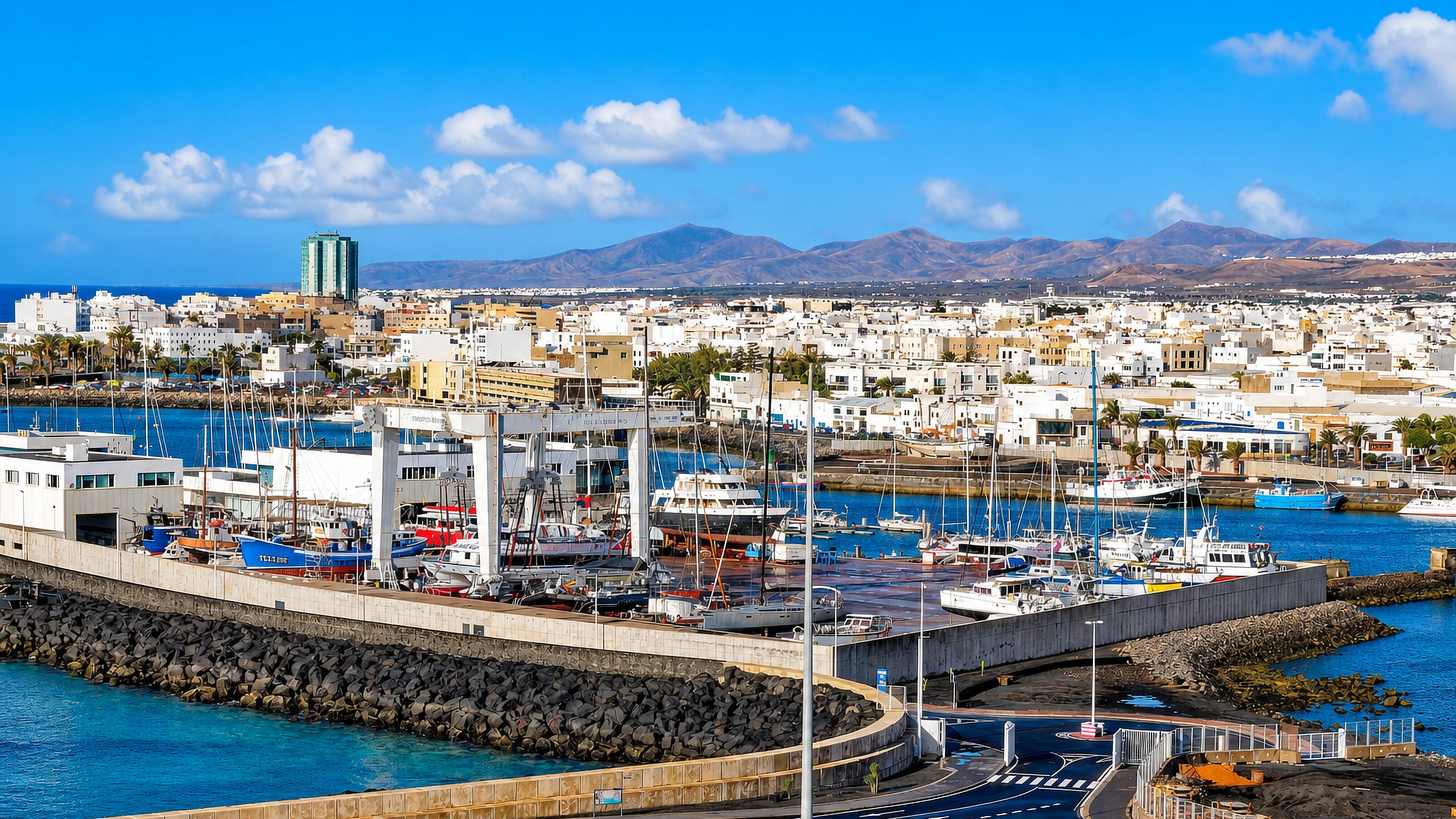
Arrecife, capital of Lanzarote since 1852, takes its name from the rock reef along its beach and holds Castillo de San José above the water.
Hotel links are affiliate links: booking through them may earn us a commission, at no extra cost to you. It never affects how places are ranked. How this works


Where to stay in Arrecife
Where visitors usually base themselves, and why.
San Ginés is the centre. Rooms around it put the Fachada del Inmueble números 23 y 25 de la calle León y Castillo, which keeps a piece of protected streetfront, within a couple of minutes on foot, and the reef beach is not much further. That is the walkable choice.
Arrecife is small enough that most of the town answers to one walk. The Castillo de San José end is quieter. Beds out that way sit near the Museo Internacional de Arte Contemporáneo and face working water rather than shops, which suits guests who came for the art and the harbour more than for the sand.
Homenaje a todos los regatistas stands on that side. Las Salinas keeps the Viejo Barco de Madera and a stretch of shore that is different again, flat and open, with the Pabellón Municipal de Titerroy marking the inland edge of the built-up town. Parking is simplest here.
Arrecife spans barely 23 km², so none of these three sides is far from the others, and the decision is really about whether the trip is built around the reef, the art or the road out across Lanzarote.
Find hotels in Arrecife
Direct booking searches for these neighbourhoods.
Around San Ginés
San Ginés and the Fachada del Inmueble números 23 y 25 de la calle León y Castillo hold the protected streetfront of the centre.Find hotels in Around San GinésGuests here for the contemporary art and the harbourThe Castillo de San José waterfront
Castillo de San José, the Museo Internacional de Arte Contemporáneo and the Homenaje a todos los regatistas hold this end of the water.Find hotels in The Castillo de San José waterfrontDrivers setting out across Lanzarote in the morningLas Salinas and the Titerroy edge
The Viejo Barco de Madera at Las Salinas and the Pabellón Municipal de Titerroy mark the flat outer edge of the built-up town.Find hotels in Las Salinas and the Titerroy edgeHotel links are affiliate links: booking through them may earn us a commission, at no extra cost to you. It never affects how places are ranked. How this works
Things to do in Arrecife
Ranked by global recognition; descriptions from Wikidata (CC0).
Museums & Galleries
1- Museo Internacional de Arte Contemporáneo
Churches & Religious Sites
1- San Ginés Heritage
Castles & Historic Sites
3- Castillo de San José Heritage
- Fachada del Inmueble números 23 y 25 de la calle León y Castillo Heritage
- Memorial to Blas Cabrera Felipe
Stadiums & Sports
1- Pabellón Municipal de Titerroy
worth knowingacross 4 categories in Arrecife
About Arrecife
A reef named the town.
What is Arrecife known for?
Arrecife took its name from the rock that covers its local beach, has been the capital of Lanzarote since 1852, and passes the same name on to the nearby Arrecife Airport. Castillo de San José holds the shoreline, and the Museo Internacional de Arte Contemporáneo is the collection most visitors pair with it. San Ginés is the other name here.
What are the main landmarks in Arrecife?
Castillo de San José is the anchor. San Ginés holds the centre, the Museo Internacional de Arte Contemporáneo the modern collection, and the Fachada del Inmueble números 23 y 25 de la calle León y Castillo a single protected streetfront. Memorials take the rest.
The Memorial to Blas Cabrera Felipe, the Homenaje a todos los regatistas and the Viejo Barco de Madera at Las Salinas stand out in the open, and the Pabellón Municipal de Titerroy is the civic hall among them.
What is the history of Arrecife?
The reef came first. Arrecife is named for the rock reef that covers its beach, which is a plainer origin than most island capitals can claim. San Ginés belongs to the early town.
Castillo de San José faces the water, a fortification of the kind an island port needed, and the Museo Internacional de Arte Contemporáneo now stands on the same shoreline. Fortification and parish sit within one walk. Capital status arrived in 1852.
That change put the administration of Lanzarote into a town of modest size, and everything from the streetfront on calle León y Castillo to the Pabellón Municipal de Titerroy belongs to what an island capital has to build for itself. The Memorial to Blas Cabrera Felipe honours a name the island keeps. Homenaje a todos los regatistas and the Viejo Barco de Madera at Las Salinas record the sailing side of the same story, standing in the open where the shore rather than a museum keeps them.
The airport took the name too. Arrecife Airport carries it from nearby ground, and the municipality behind that name covers about 23 km² of the Canary Islands, a compact base for the administrative weight the town has held since 1852.
Where is Arrecife?
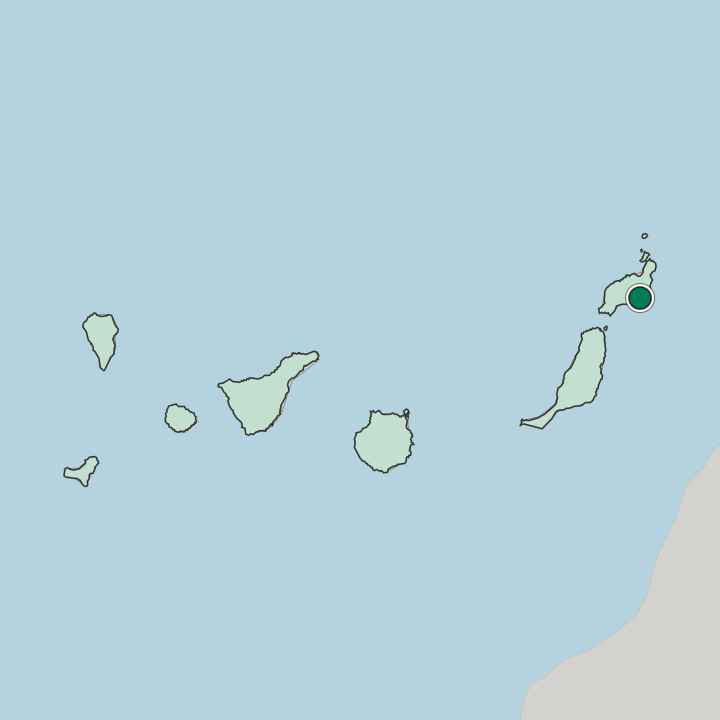
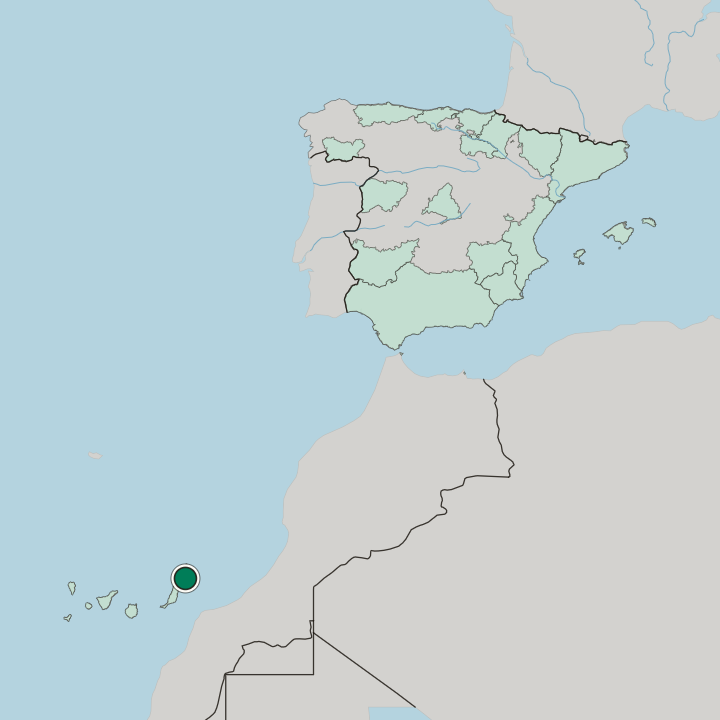
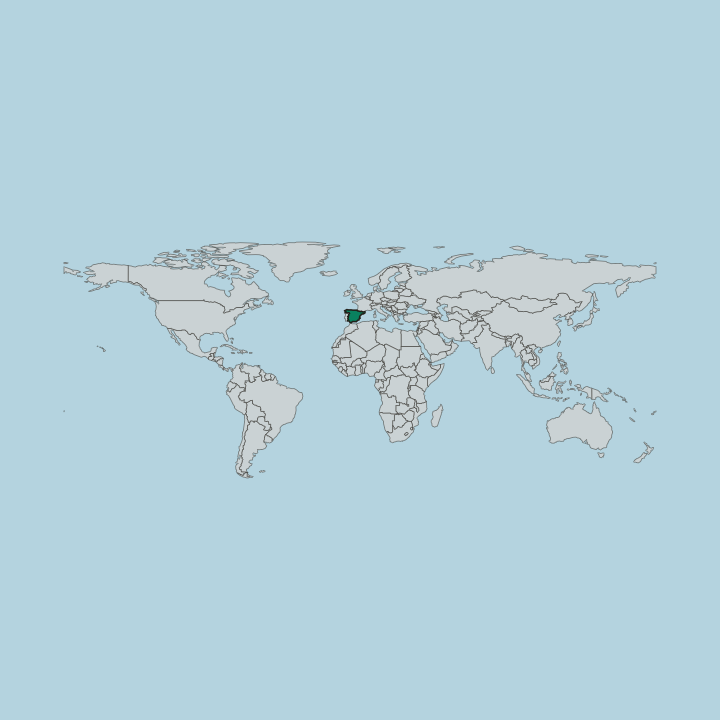
Lanzarote is the frame. Arrecife occupies about 23 km² of the island's shore, with the rock reef that gave it a name lying along the local beach and flat ground behind running out toward Las Salinas and the Pabellón Municipal de Titerroy. The Canary Islands sit in the subtropical band.
Nothing in a town of this size is far from water, which is why Castillo de San José and the streets off calle León y Castillo belong to the same short walk.
What is the climate of Arrecife?
The sea around Lanzarote levels it out. Water on every side of the island keeps the subtropical band from producing the swings a continental town of the same size would see, and the reef along the beach takes the worst of the surf before it reaches the front. The ground here is low and open.
Wind crosses Las Salinas and the Pabellón Municipal de Titerroy with very little to stop it.
How do you get to Arrecife?
Arrecife Airport is the way in. It sits on nearby ground and carries the town's name, which makes the transfer to the calle León y Castillo end of the centre one of the shortest an island capital can offer. Boats use the harbour side.
Castillo de San José and the Homenaje a todos los regatistas mark that edge, and the road out of town from there runs off across the rest of Lanzarote.
Common questions
What is the best area to stay in Arrecife?
Around San Ginés: Stays wanting the shops and the reef beach on foot. The Castillo de San José waterfront: Guests here for the contemporary art and the harbour. Las Salinas and the Titerroy edge: Drivers setting out across Lanzarote in the morning.
Good for
More cities in Canary Islands
Updated October 2026