Spain · Canary Islands
Where to Stay in La Laguna, Canary Islands
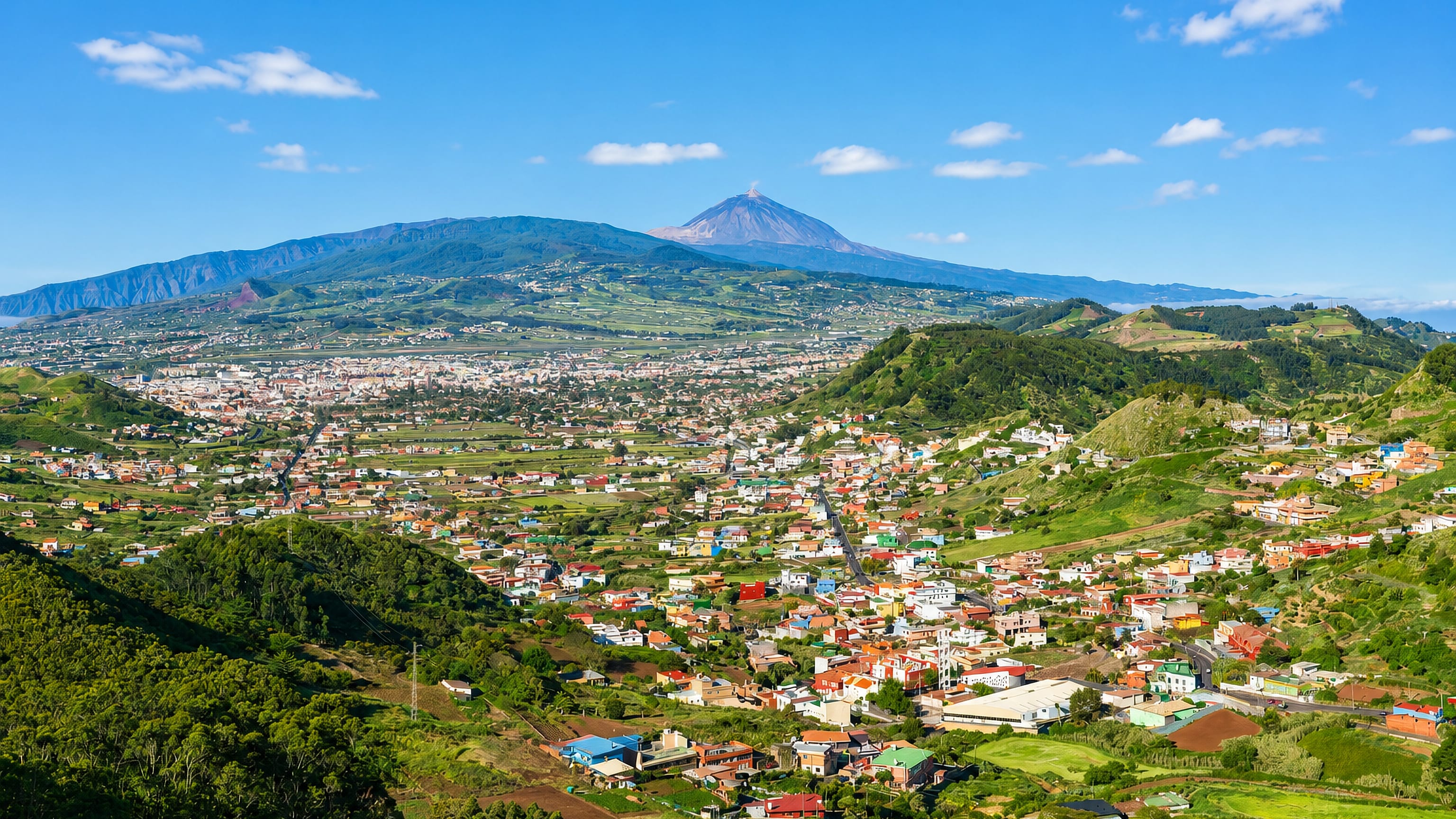
San Cristóbal de La Laguna, founded in 1496 in northern Tenerife, keeps a World Heritage grid around the Cathedral of La Laguna.
Hotel links are affiliate links: booking through them may earn us a commission, at no extra cost to you. It never affects how places are ranked. How this works


Where to stay in La Laguna
Where the beds are, and what that means for the visit.
Most visitors book inside the protected grid, because the Cathedral of La Laguna, the Iglesia de la Concepción, the Palacio de Nava and Casa Anchieta all stand within a few blocks of one another there. Hotel rooms inside that grid are few. The streets were laid out in 1496 and the houses along them were never built as hotels, so the stock is small and the good rooms go early.
One of those same houses now holds the Museum of the History of Tenerife. The university side is the practical alternative. Rooms out towards the Museo de la Educación de la Universidad de La Laguna and the Ciudad Deportiva de Geneto trade heritage frontage for parking and floor space, and the Museum of Science and the Cosmos is on that side of town rather than in the old quarter.
Geneto is a short ride out. Term time is the variable that matters more than the season here. The outer edge is quieter again.
Beds around Mesa Mota, the Mirador de La Verdellada and the Hermitage of San Diego del Monte suit a car and an early start for the rest of Tenerife, and they put the Ermita de San Cristóbal and the Church of San Lázaro closer than the cathedral. You give up the evening walk. Anyone whose plan is the World Heritage centre and nothing else should pay for the centre.
Find hotels in La Laguna
Direct booking searches for these neighbourhoods.
The World Heritage grid
The protected centre laid out in 1496, where Casa Anchieta, the Iglesia de la Concepción and the Museum of the History of Tenerife share the same handful of blocks. Rooms are few around here — worth securing early.Find hotels in The World Heritage gridthe Museum of Science and the Cosmos with a parking spaceGeneto and the university side
The Geneto side of the municipality, built around the Ciudad Deportiva de Geneto and the Museo de la Educación de la Universidad de La Laguna.Find hotels in Geneto and the university sidea car, an early start, and the Mirador de La VerdelladaTowards Mesa Mota
The outer edge of the municipality by Mesa Mota and the Hermitage of San Diego del Monte, away from the protected streets. Beds are limited here, so book early.Find hotels in Towards Mesa MotaHotel links are affiliate links: booking through them may earn us a commission, at no extra cost to you. It never affects how places are ranked. How this works
Things to do in La Laguna
Ranked by global recognition; descriptions from Wikidata (CC0).
Museums & Galleries
3- Casa Anchieta Heritage
- Museo de Historia y Antropología de Tenerife
- Museo de la Educación de la Universidad de La Laguna
Churches & Religious Sites
8- Cathedral of La Laguna Heritage
- Iglesia de la Concepción Heritage
- Iglesia de Santo Domingo de Guzmán Heritage
- Ermita de San Miguel Heritage
- Hermitage of San Diego del Monte Heritage
Show 3 more →
- Church of San Benito Abad Heritage
- Iglesia y Hospital de Nuestra Señora de los Dolores, San Cristóbal de La Laguna Heritage
- Ermita de San Cristóbal Heritage
Castles & Historic Sites
3- Monastery Santa Catalina La Laguna Heritage
- Palacio de Nava Heritage
- Convento de Santa Clara Heritage
Stadiums & Sports
1- Ciudad Deportiva de Geneto
worth knowingacross 4 categories in La Laguna
About La Laguna
The old town is the point.
What is La Laguna known for?
Laid out from 1496 and inscribed by UNESCO in 1999, the grid of San Cristóbal de La Laguna gathers the Cathedral of La Laguna, the Iglesia de la Concepción and the Palacio de Nava within a few blocks. Students give it a second character. The Museum of Science and the Cosmos and the Museum of the History of Tenerife pull visitors up from the coast for reasons that have nothing to do with the churches.
What are the main landmarks in La Laguna?
Cathedral of La Laguna comes first. The Iglesia de la Concepción, the Iglesia de Santo Domingo de Guzmán and the Church of San Benito Abad carry the parishes, while the Convento de Santa Clara and the Monastery Santa Catalina La Laguna stand for the enclosed foundations. Casa Anchieta is a house museum.
Smaller chapels sit further out, among them the Ermita de San Miguel, the Hermitage of Nuestra Señora de Gracia and the Ermita de San Cristóbal.
What is the history of La Laguna?
The date is 1496. San Cristóbal de La Laguna is the oldest city on Tenerife, and for a long stretch afterwards it served as capital of the Canary Islands, which is why so much of the island's institutional building ended up inside one grid of streets. The Cathedral of La Laguna and the Iglesia de la Concepción were the first anchors.
Churches multiplied around them. Religious houses took the next century: the Convento de Santa Clara, the Monastery Santa Catalina La Laguna, the Iglesia de Santo Domingo de Guzmán and the Iglesia y Hospital de Nuestra Señora de los Dolores, San Cristóbal de La Laguna. The Palacio de Nava speaks for the secular side of the same period.
Casa Anchieta and the Monument to José de Anchieta both carry the name of the figure the city ties itself to. Chapels went up beyond the built edge, among them the Hermitage of San Diego del Monte and the Ermita de San Cristóbal. The university changed the balance.
Teaching, and the collections that came with it, gave the town the Museo de la Educación de la Universidad de La Laguna, the Museum of Science and the Cosmos and the Museo de Historia y Antropología de Tenerife, alongside the Museum of the History of Tenerife in the old quarter. Recognition followed in 1999, when UNESCO inscribed the historic centre. Not every memory is a happy one.
The International Tenerife Memorial March 27, 1977 commemorates the events of that date, and the Monument to Pope John Paul II and the Monument of a Milkman mark two very different later additions to the city's open spaces.
Where is La Laguna?
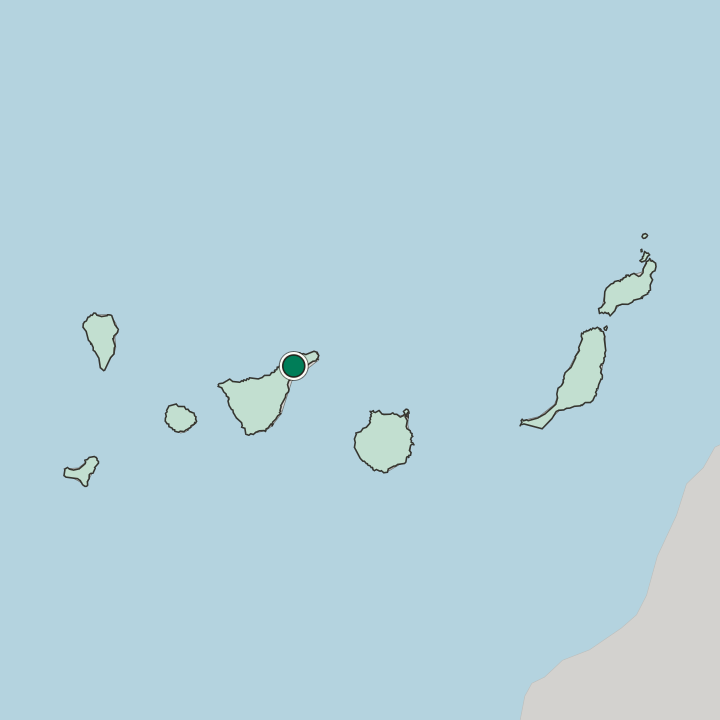
Height is the defining fact. The municipality covers about 102 square kilometres in the northern part of Tenerife and sits well above Santa Cruz de Tenerife, the provincial capital it shares an island and a province with. Mesa Mota marks one edge.
Geneto, La Verdellada and the coast belong to the same municipality, which reaches from the built grid out to open ground within the Canary Islands.
What is the climate of La Laguna?
The height above Santa Cruz de Tenerife does the work here, keeping San Cristóbal de La Laguna noticeably cooler than the settlements on the coast below it and turning cloud into a regular feature of the day. Jackets get used. The difference is plain enough that people come up from the shore for it, and the ground around Mesa Mota stays green because of it.
Nothing here matches beach weather.
How do you get to La Laguna?
Approaches climb from Santa Cruz de Tenerife, which lies below the city and carries most of the island traffic between the two. That climb takes only minutes. Once inside the grid, the Cathedral of La Laguna, the Palacio de Nava and Casa Anchieta are all within a few minutes on foot, and a car is a liability rather than a help among the protected streets.
Geneto and the Ciudad Deportiva de Geneto sit further out, where driving makes sense again.
Common questions
What is the best area to stay in La Laguna?
The World Heritage grid: sleeping between the Cathedral of La Laguna and the Palacio de Nava. Geneto and the university side: the Museum of Science and the Cosmos with a parking space. Towards Mesa Mota: a car, an early start, and the Mirador de La Verdellada.
Good for
More cities in Canary Islands
Updated October 2026