Spain
Canary Islands, Spain — Towns & Travel Guide
The Canary Islands are a Spanish volcanic archipelago in the Atlantic, off the northwest coast of Africa.
Hotel links are affiliate links: booking through them may earn us a commission, at no extra cost to you. It never affects how places are ranked. How this works


Towns & cities in Canary Islands
Pick a town or city — each links to where to stay.

 Spain
Spain
Las Palmas de Gran Canaria
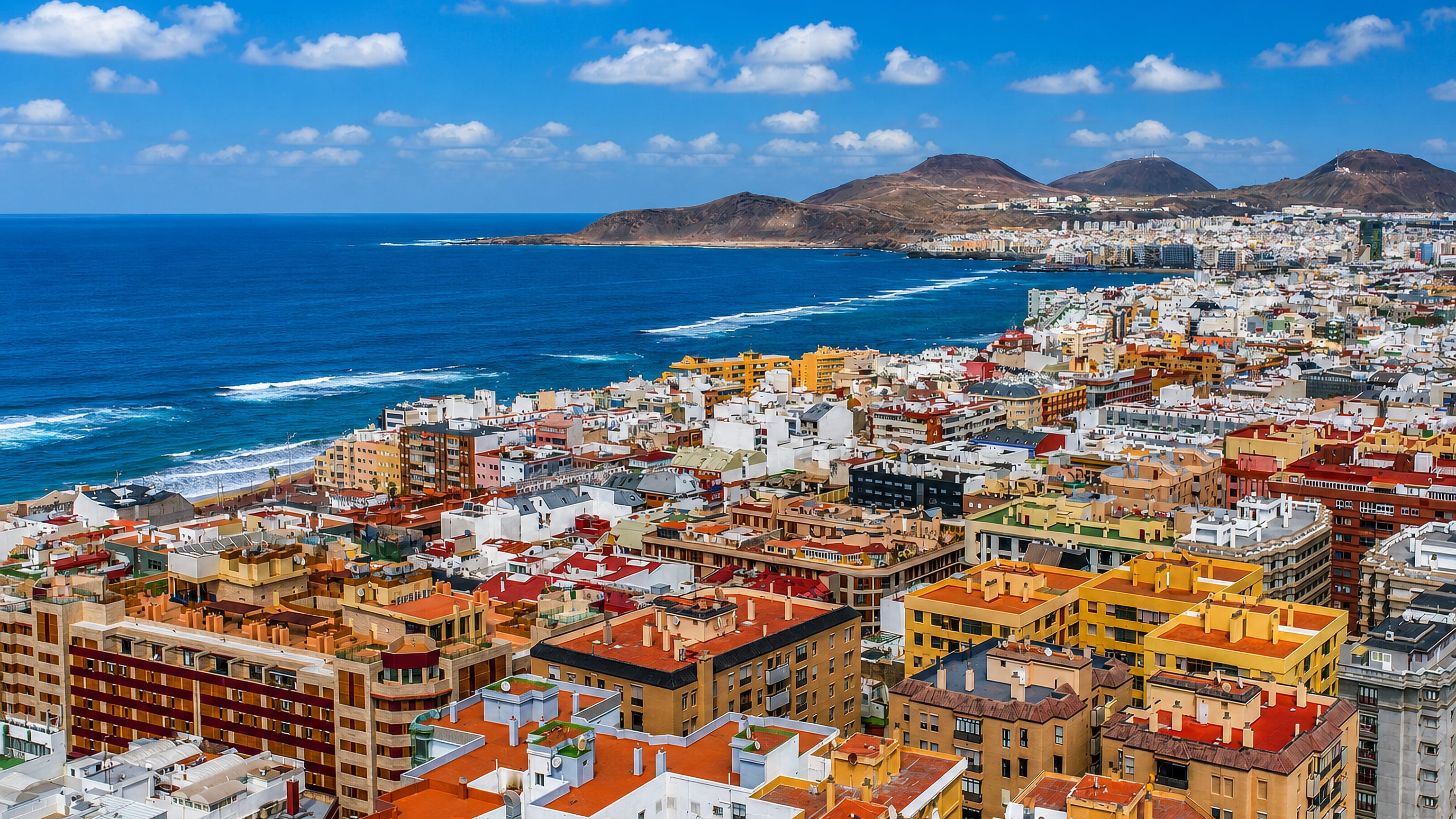
Atlantic surf breaks on five urban beaches at Las Palmas de Gran Canaria, island capital known for Vegueta and the Catedral de Santa Ana.Where to stay →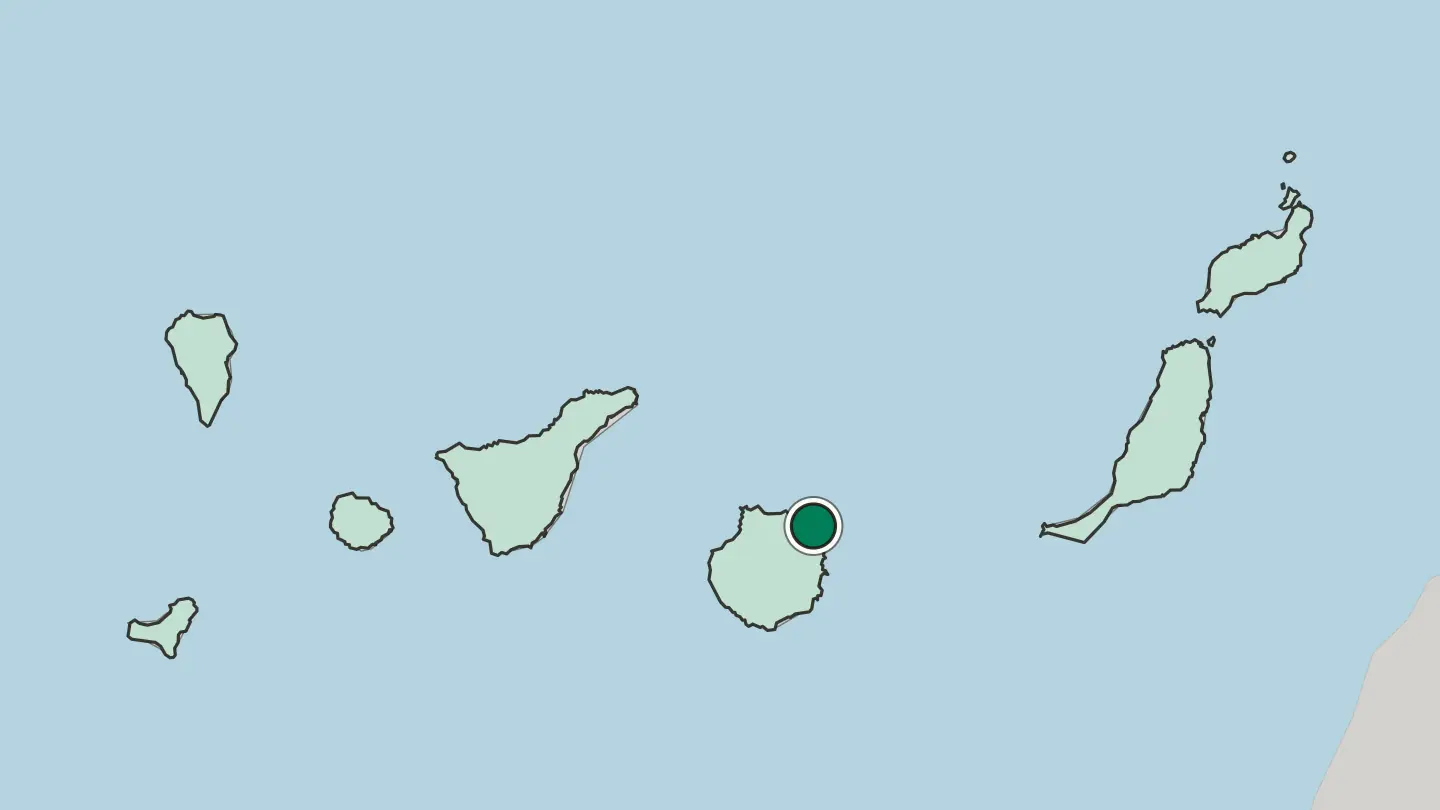
 Spain
Spain
Santa Cruz de Tenerife
Capital of Tenerife and, with Las Palmas, of the Canary Islands: a city of coastal castles, museums and carnival.Where to stay →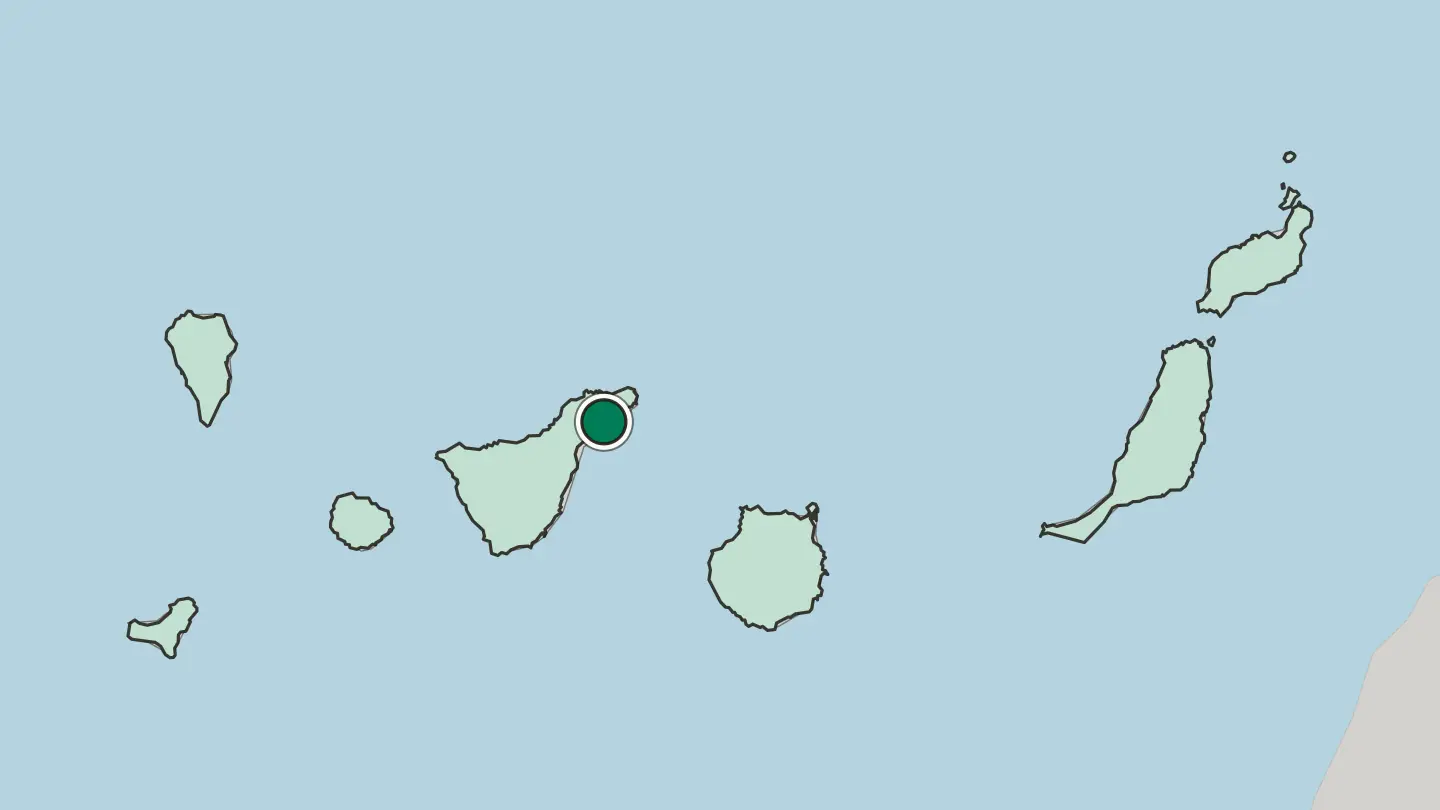
 Spain
Spain
La Laguna
San Cristóbal de La Laguna, founded in 1496 in northern Tenerife, keeps a World Heritage grid around the Cathedral of La Laguna.Where to stay →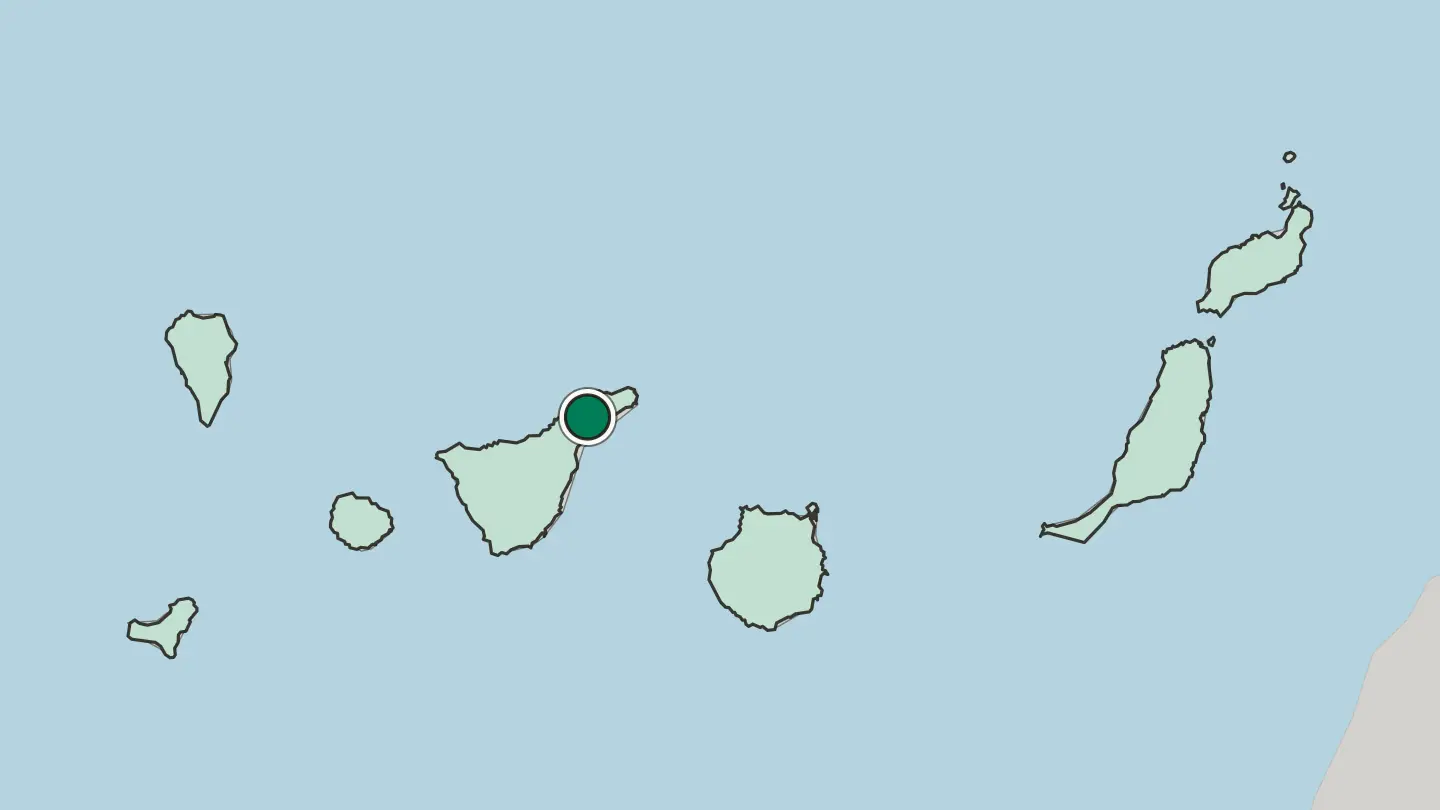
 Spain
Spain
Arrecife
Arrecife, capital of Lanzarote since 1852, takes its name from the rock reef along its beach and holds Castillo de San José above the water.Where to stay →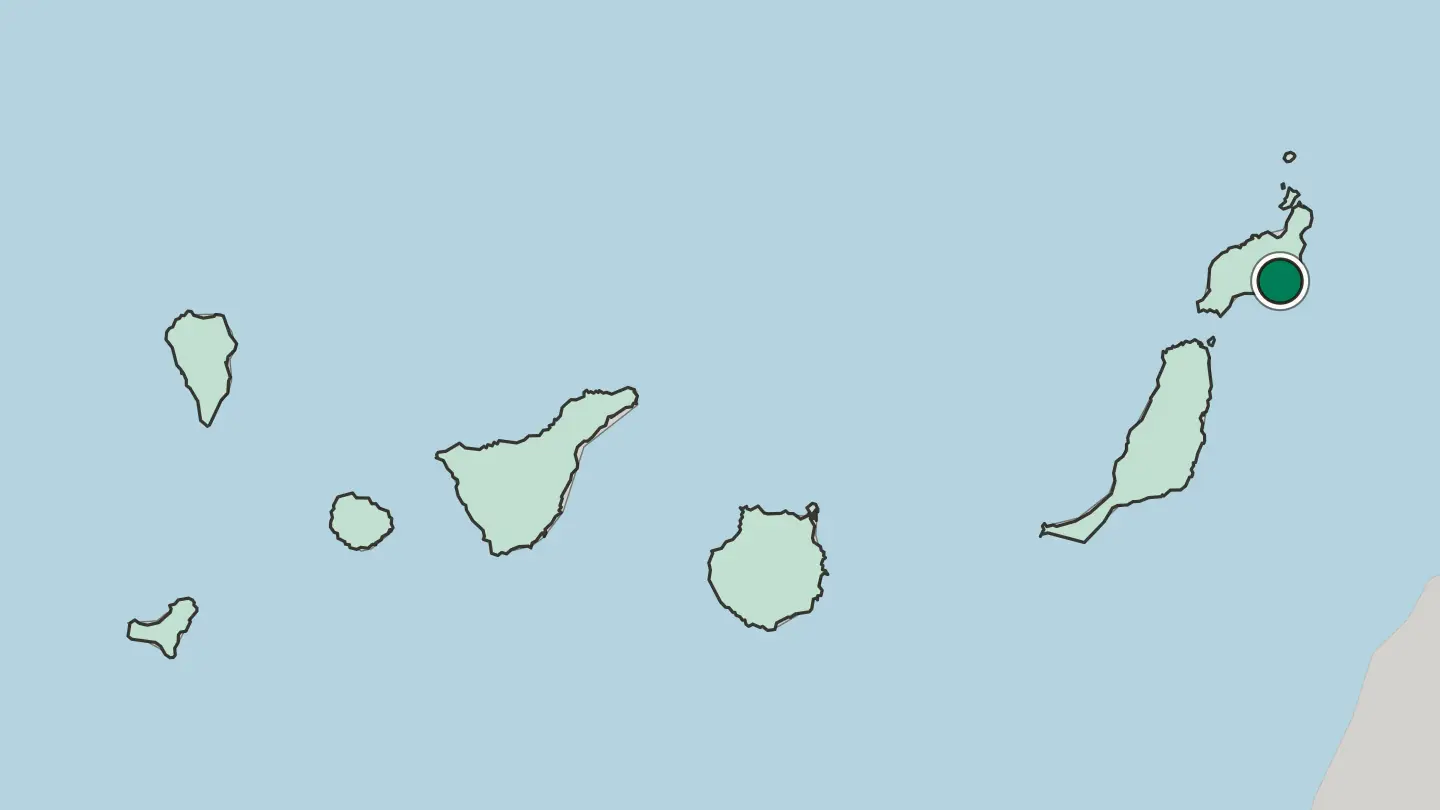
Hotel links are affiliate links: booking through them may earn us a commission, at no extra cost to you. It never affects how places are ranked. How this works
About Canary Islands
Sun and volcanoes define the islands.
What is Canary Islands known for?
Seven main islands rise straight out of the Atlantic, each one built from lava. Tenerife carries Mount Teide, the snow-capped cone that is the highest point in all of Spain, while Gran Canaria packs deserts, pine forest and beaches into a single round island. The eastern pair, Lanzarote and Fuerteventura, run flat and sandy toward the African coast, and the green western islands of La Palma, La Gomera and El Hierro stay wilder and wetter.
Warmth is the constant that draws people here.
Where is Canary Islands?
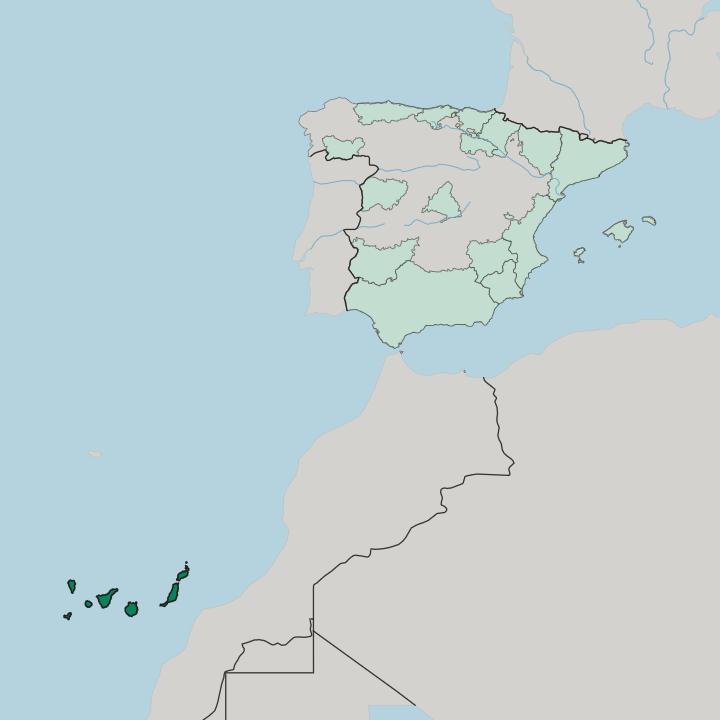
The Canary Islands lie in the Atlantic Ocean, off the northwest coast of Africa and far to the southwest of the Spanish mainland. They are closer to Morocco than to Madrid. The archipelago holds seven main islands, all of them volcanic, strung roughly east to west across open water.
The east lies nearest Africa. Lanzarote and Fuerteventura are low, dry and sandy, their landscapes closer to the Sahara across the water than to green Europe. Gran Canaria stands in the middle, a near-circular island that rises to a rugged interior of ravines and old craters.
West of it lies Tenerife, the largest island of them all, and the ground climbs sharply here. Mount Teide crowns Tenerife and the whole of Spain, a volcano so tall its summit wears snow while the coast below stays warm. Further west again, La Palma, La Gomera and El Hierro catch more of the moist Atlantic wind, so their high ground turns green with laurel forest and pine.
Every island is a mountain that grew out of the sea floor. The sea is never far, and the coastline swings from black lava cliffs to pale sand within a few kilometres. No corner of the archipelago is flat for long.
What is Canary Islands like?
Canarian culture sits between three worlds. The islands are Spanish and Atlantic, yet they face Africa, and for centuries ships bound for the Americas passed through their ports. The first settlers were the Guanches, a Berber people who reached the islands from the North African coast long before any Castilian sailed in.
Their traces survive in place names, in mummies kept in island museums, and in one living oddity: on La Gomera, shepherds still communicate across deep ravines with Silbo Gomero, a whistled form of Spanish that carries for kilometres. Spanish is the language everywhere, spoken in a soft Canarian accent closer to Latin America than to Madrid. That link is not an accident.
Emigrants sailed from these islands to Cuba and Venezuela for generations, and the traffic ran both ways, so island food and music absorbed the Caribbean. Papas arrugadas, salt-wrinkled potatoes served with fiery mojo sauce, turn up on menus across the archipelago. Carnival is the great event of the year, and Santa Cruz de Tenerife throws one of the largest in the world, second only to Rio.
Music, dance and open-air fiestas run through island life. It is a Spanish culture, tuned to a warmer and more Atlantic key.
What is the history of Canary Islands?
The Guanches settled the islands first. They arrived from North Africa perhaps two thousand years ago, and lived here in isolation for centuries before any European sail appeared on the horizon. Castile came for them in the 15th century.
The conquest dragged on island by island against fierce resistance, and Tenerife held out last, falling only in 1496. Afterwards the archipelago became a Spanish staging post on the sea road to the Americas, and its ports grew rich on that trade. In 1982 the islands were joined into a single autonomous community of Spain.
What is the climate of Canary Islands?
The islands stay warm all year. Their subtropical Atlantic setting and the steady northeast trade winds hold coastal temperatures mild through every season, which is why they carry the nickname the islands of eternal spring and draw sun-seekers through the winter. The trade winds also split each tall island in two, wetting the green northern slopes and leaving the south dry and sunny.
Altitude changes everything else. Snow settles on Mount Teide in winter while people swim on the coast below.
How do you get to Canary Islands?
Almost every visitor to the Canary Islands comes by plane. The islands sit far out in the Atlantic off the African coast, so the mainland of Spain and the rest of Europe lie a few hours away by plane and there is no bridge or road. Tenerife and Gran Canaria run the busiest airports and take most incoming flights, and the smaller islands have airports of their own.
Ferries then knit the archipelago together. Between the islands you go by boat or by short hop.
Common questions
What is the best area to stay in Canary Islands?
Costa Adeje: a Tenerife beach-resort base. Las Palmas de Gran Canaria: city life beside a city beach. Maspalomas: dunes and reliable southern sun. The green western islands: hiking over nightlife.
Good for
More regions in Spain
Updated September 2026