Spain · Canary Islands
Where to Stay in Santa Cruz de Tenerife, Canary Islands
Capital of Tenerife and, with Las Palmas, of the Canary Islands: a city of coastal castles, museums and carnival.
Hotel links are affiliate links: booking through them may earn us a commission, at no extra cost to you. It never affects how places are ranked. How this works


Where to stay in Santa Cruz de Tenerife
One neighbourhood here has its own guide — here's what it is best for.

 Santa Cruz de TenerifeSpain
Barrio Nuevo
Barrio Nuevo is a district of Santa Cruz de Tenerife holding Plaza Weyler, the Filmoteca Canaria and the Edificio Villasegura.Where to stay →Hotel links are affiliate links: booking through them may earn us a commission, at no extra cost to you. It never affects how places are ranked. How this works
Find hotels in Santa Cruz de Tenerife
Direct booking searches for these neighbourhoods.
The old core
Casa del Carnaval and the Museo de la Naturaleza y el Hombre stand minutes apart on footFind hotels in The old coreDrivers who want sea air under the walls of Paso Alto CastleThe Parque Marítimo shore
Castillo de San Juan Bautista and the Parque Marítimo César Manrique face open waterFind hotels in The Parque Marítimo shoreQuiet nights on the ground above Casino de TenerifeThe slopes above the centre
Residential streets look down on Edificio Villasegura and the roofs of the old cityFind hotels in The slopes above the centreHotel links are affiliate links: booking through them may earn us a commission, at no extra cost to you. It never affects how places are ranked. How this works
Things to do in Santa Cruz de Tenerife
Ranked by global recognition; descriptions from Wikidata (CC0).
Museums & Galleries
3- Museo de la Naturaleza y el Hombre Heritage
- Museo Municipal de Bellas Artes de Santa Cruz de Tenerife Heritage
- Tenerife Espacio de las Artes
Churches & Religious Sites
6- Iglesia de la Concepción Heritage
- Iglesia de San Francisco de Asís Heritage
- Iglesia de San Fernando Rey Santa Cruz de Tenerife Heritage
- Parroquia de María Auxiliadora Heritage
- Chapel of Venerable Orden Tercera Heritage
Show 1 more →
- Capilla de las Siervas de María Heritage
Castles & Historic Sites
8- Castillo de San Juan Bautista Heritage
- Castillo de San Cristóbal Heritage
- Plaza Weyler Heritage
- Paso Alto Castle Heritage
- Cemetery of San Rafael y San Roque Heritage
Show 3 more →
- San Joaquin Castle Heritage
- Casino de Tenerife Heritage
- Edificio Villasegura Heritage
worth knowingacross 3 categories in Santa Cruz de Tenerife
About Santa Cruz de Tenerife
Two capitals share one archipelago.
What is Santa Cruz de Tenerife known for?
Santa Cruz de Tenerife holds that rank alongside Las Palmas, and it is the largest city of Tenerife, its streets running from the water up a slope that puts the Iglesia de la Concepción and the Museo de la Naturaleza y el Hombre within a few blocks of each other. Carnival is the calling card. Casa del Carnaval keeps that season on record, while Tenerife Espacio de las Artes and the Centro de Fotografía Isla de Tenerife carry the contemporary side of the Canary Islands capital.
What are the main landmarks in Santa Cruz de Tenerife?
Fortification came first. Castillo de San Cristóbal guarded the anchorage, Castillo de San Juan Bautista and Paso Alto Castle held the flanks of the shore, and the Museo Histórico Militar de Canarias still keeps that side of the record. Iglesia de la Concepción anchors the old streets.
Art fills the rest, with Tenerife Espacio de las Artes, the Museo Municipal de Bellas Artes de Santa Cruz de Tenerife and the Centro de Fotografía Isla de Tenerife standing within reach of Iglesia de San Francisco de Asís and the Casino de Tenerife.
What is the history of Santa Cruz de Tenerife?
Defence came before civic life. The shoreline carries three works of masonry, Castillo de San Cristóbal, Castillo de San Juan Bautista and Paso Alto Castle, and their placing along the water tells of a coast that expected trouble from the sea rather than from the interior of Tenerife. The church came with the town.
Iglesia de la Concepción stands at the head of the old streets, with Iglesia de San Francisco de Asís close by, and the pair fixed the shape of the settlement long before any museum in Santa Cruz de Tenerife existed. The year the record fixes is 1833. A province took the city's name, and the buildings of a capital followed in turn, among them the Casino de Tenerife, the Cemetery of San Rafael y San Roque and the Museo Municipal de Bellas Artes de Santa Cruz de Tenerife.
Edificio Villasegura belongs to a later stretch of that growth. Museums arrived last, and the Museo de la Naturaleza y el Hombre, the Museo Histórico Militar de Canarias, Tenerife Espacio de las Artes and the Centro de Fotografía Isla de Tenerife hold between them the natural, military and visual record of the island. Las Palmas shares the rank.
Where is Santa Cruz de Tenerife?
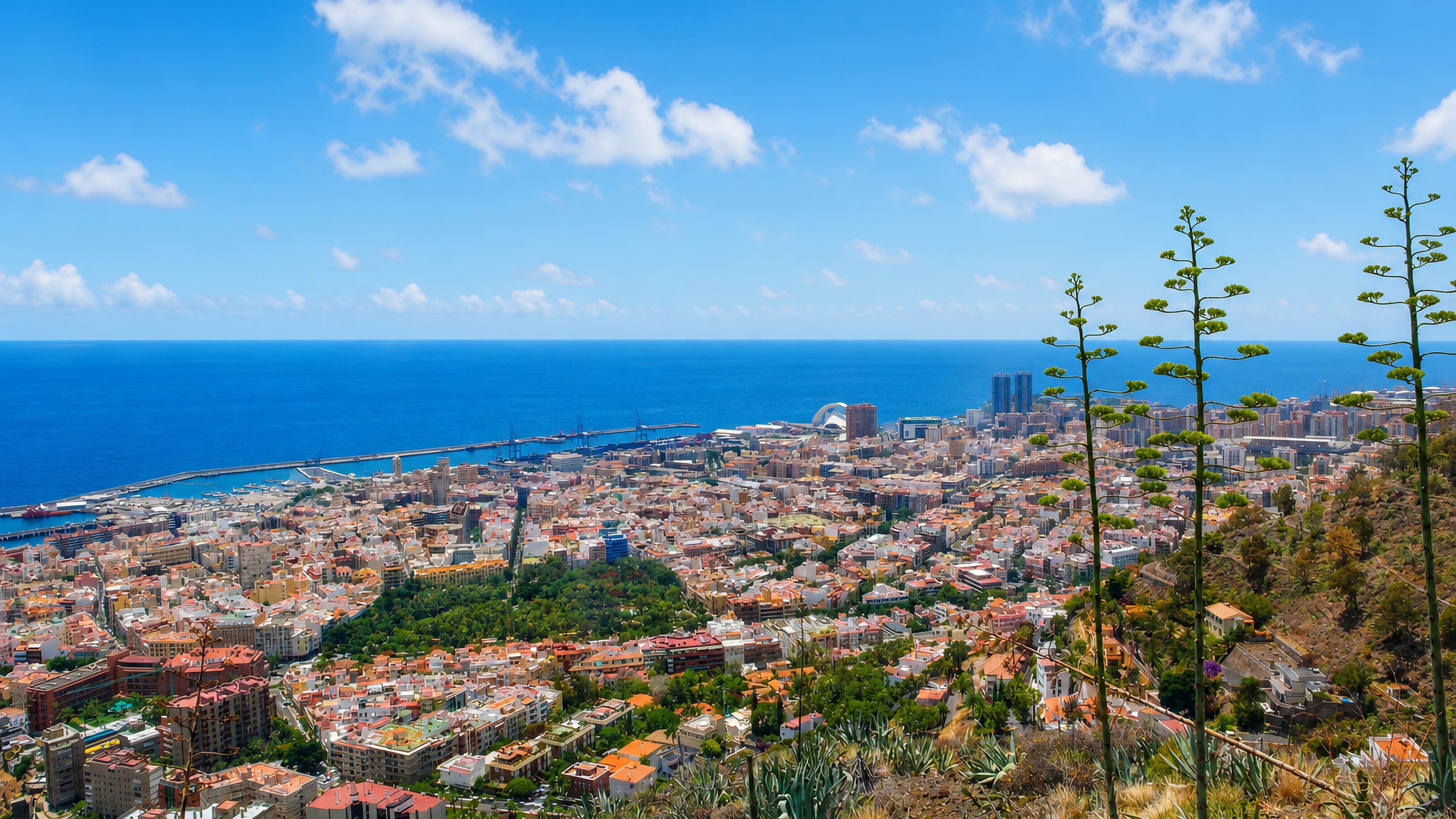
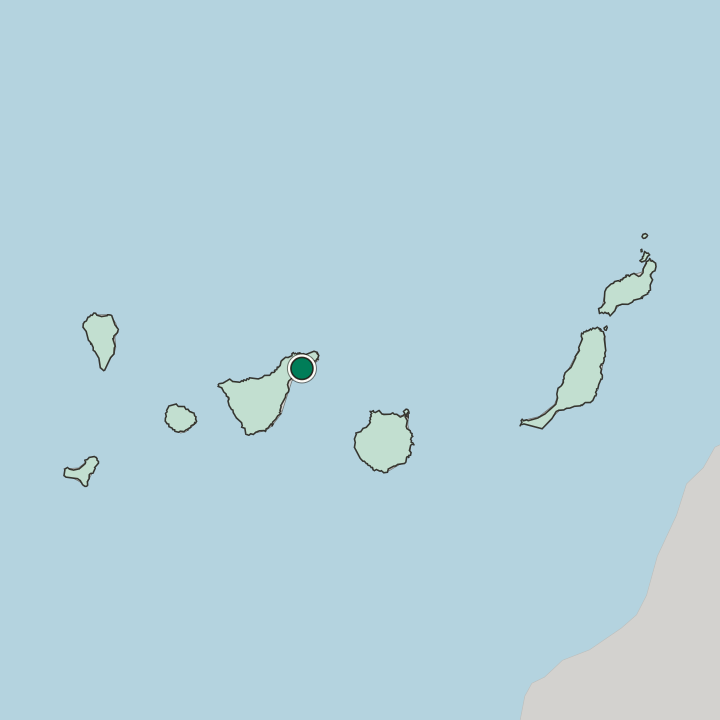
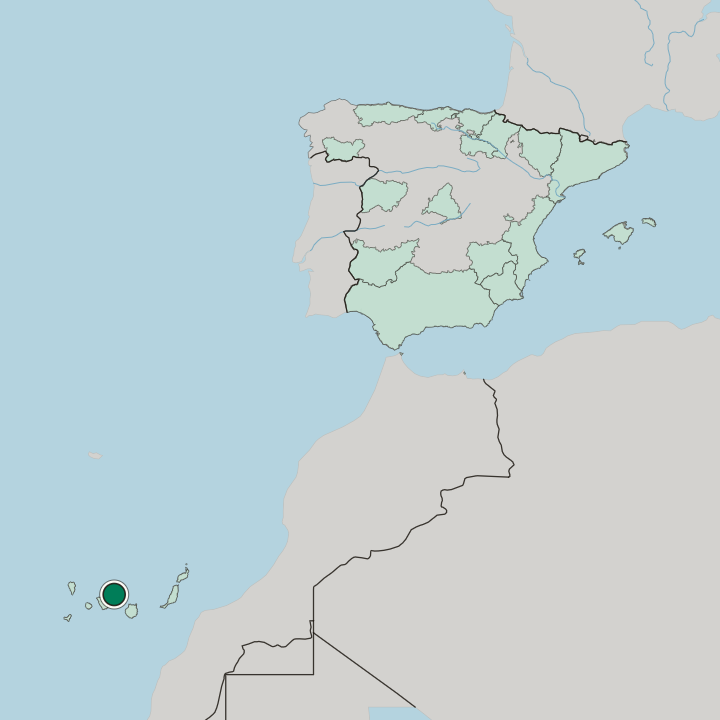
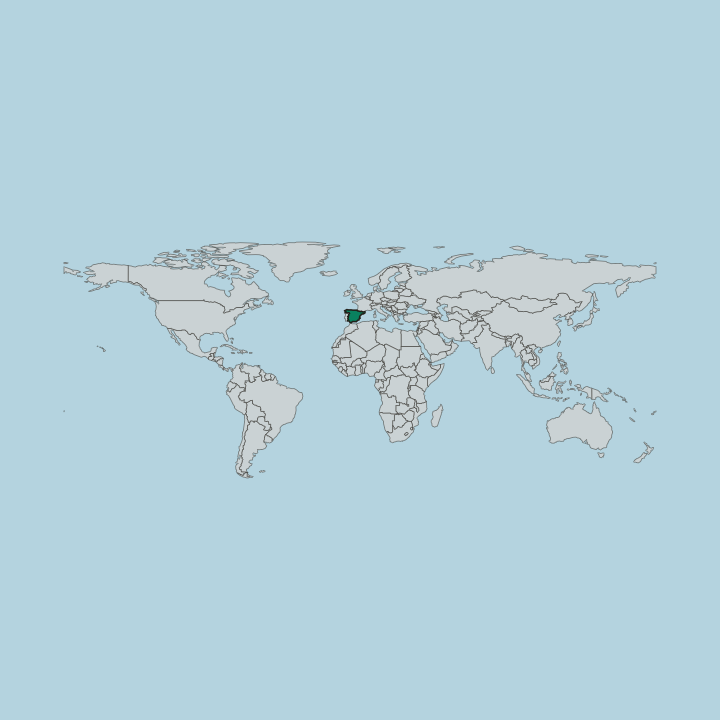
Tenerife is the frame. Santa Cruz de Tenerife takes the seaward edge of the island, ground rising steeply behind the built-up streets while the water lies open in front of the Parque Marítimo César Manrique and the old coastal castles. The city is the island's largest.
Its municipal territory reaches well past the dense quarters, taking in high ground that belongs to the interior of Tenerife rather than to the shoreline, which is why the built city and the municipality are not the same thing.
What is the climate of Santa Cruz de Tenerife?
The sea sets the terms here. Santa Cruz de Tenerife lies in the subtropical band, and the water wrapping the island of Tenerife narrows the gap between the warm months and the cool ones until the difference is a small one. Sharp swings are rare on Tenerife.
Warmth carries through the year along this coast, and the high ground rising behind the Parque Marítimo César Manrique shelters the streets that sit below it.
How do you get to Santa Cruz de Tenerife?
Everything on Tenerife points here. Roads from the rest of the island run down to Santa Cruz de Tenerife, and the water in front of the city carries the traffic between the Canary Islands, including the crossing towards Las Palmas. Arrival is usually by road.
Once inside, the walk between Iglesia de la Concepción, Tenerife Espacio de las Artes and the Parque Marítimo César Manrique is short enough that it beats any other choice for most of a visit.
Common questions
What is the best area to stay in Santa Cruz de Tenerife?
The old core: Short stays built around Iglesia de la Concepción and carnival week. The Parque Marítimo shore: Drivers who want sea air under the walls of Paso Alto Castle. The slopes above the centre: Quiet nights on the ground above Casino de Tenerife.
Good for
More cities in Canary Islands
Updated October 2026