Spain · Catalunya · Barcelona
Horta-Guinardó, Barcelona — Area Guide & Where to Stay
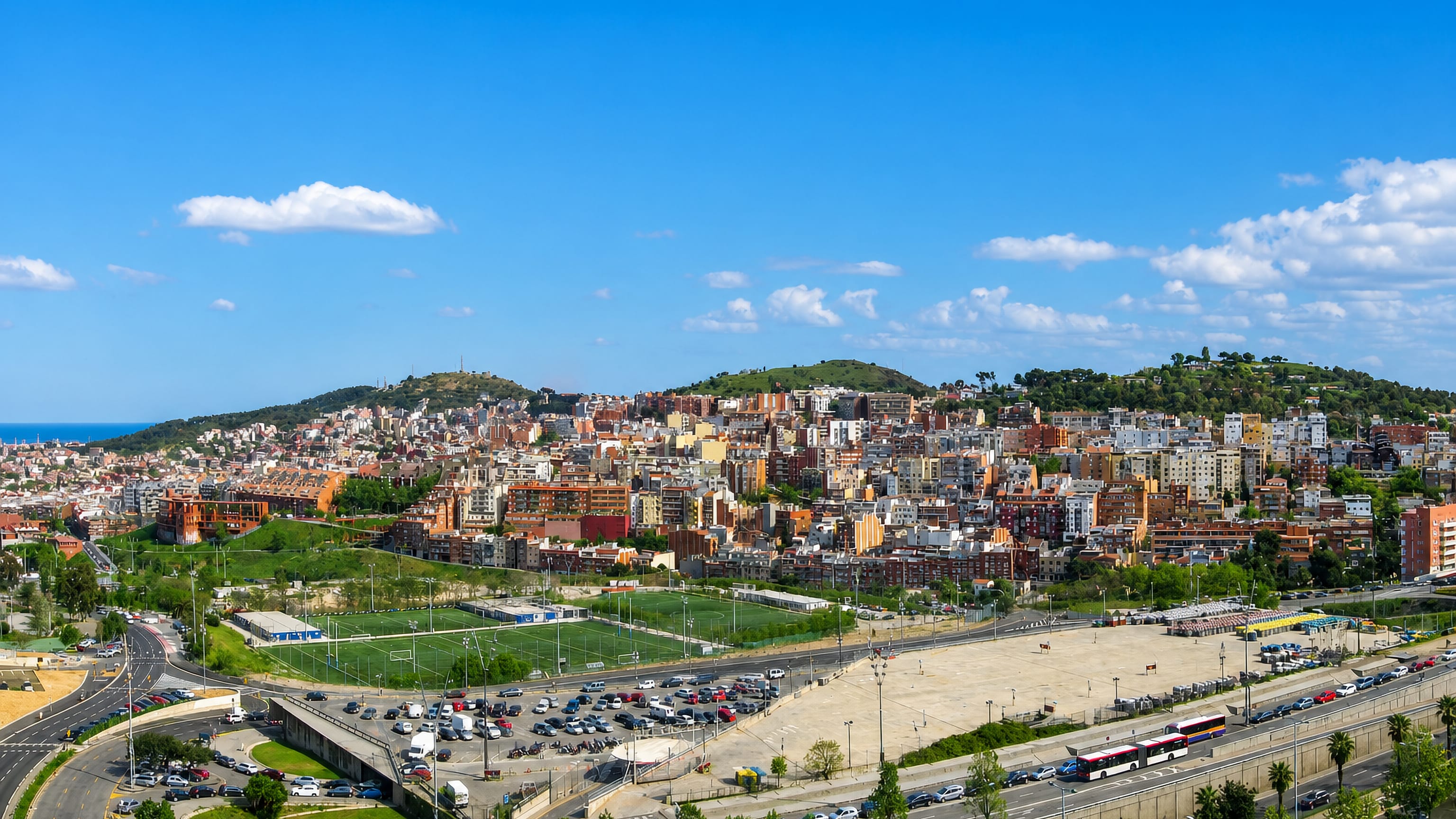
Horta-Guinardó is a district of Barcelona, heir to the former municipality of Horta, known for its steep streets and the Laberint d'Horta gardens.
Hotel links are affiliate links: booking through them may earn us a commission, at no extra cost to you. It never affects how places are ranked. How this works


Map data © OpenStreetMap contributors
Where to stay in Horta-Guinardó
Where visitors usually base themselves, and why.
Horta-Guinardó suits hospital visitors: the Vall d'Hebron and Sant Pau hospitals are in the district. It is mainly residential, served by local shops, and its streets climb steeply from the valley of Horta onto the slopes of Collserola. Carrer d'Aiguafreda still shows the laundresses' working past.
Find hotels in Horta-Guinardó
Direct booking search for this neighbourhood.
Hotel links are affiliate links: booking through them may earn us a commission, at no extra cost to you. It never affects how places are ranked. How this works
Things to do in and around Barcelona
Ranked by global recognition; descriptions from Wikidata (CC0).
Churches & Religious Sites
4- Sant Joan de Gràcia Heritage
- Mare de Déu del Coll Heritage
- Església de l'Immaculat Cor de Maria de Barcelona Heritage
- Oratori de Sant Felip Neri Heritage
Stadiums & Sports
3- Nou Sardenya
- Lluïsos de Gràcia
- Camp del Guinardó
Landmarks & Notable Places
8- Casa de les Altures Heritage
- Casa Gustà Heritage
- Antic Institut Ravetllat-Pla Heritage
- Casal de la Font d'en Fargues Heritage
- Torre del Suro Heritage
Show 3 more →
- Casa Còrdoba-Planàs Heritage
- Casa Josep Barnolas Heritage
- Torre Maria Heritage
worth knowingacross 3 categories in and around Barcelona
About Horta-Guinardó
What are the main landmarks in Horta-Guinardó?
The Laberint d'Horta, a garden-museum laid out from 1793 for Joan Antoni Desvalls to plans by the Italian engineer Domenico Bagutti, keeps its circle of cypresses, a small temple, and statues. Of about 45 old farmhouses, some ten remain. Can Cortada began as a fortified tower, and remains of a Roman villa were found around it.
Can Fargues, a farmhouse recorded in the late 12th century, has a Romanesque tower listed as a heritage site of national interest.
What is the history of Horta-Guinardó?
Horta is first mentioned in 965. The parish of Sant Joan is recorded by 1095, and Horta's town hall went up in 1768 on the Plaça de Santes Creus. Plentiful water drew laundries, and by the early 20th century washing came from all over Barcelona.
The tram arrived in 1901, and in the Tragic Week of 1909 rioters burned the Dominican convent and the old church. The great building came with migration in the 1950s and 1960s.
Where is Horta-Guinardó?
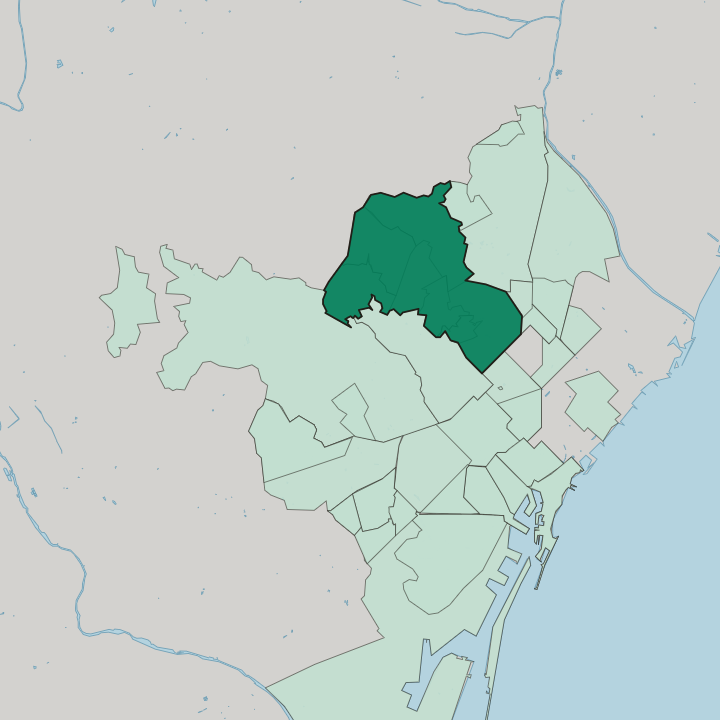
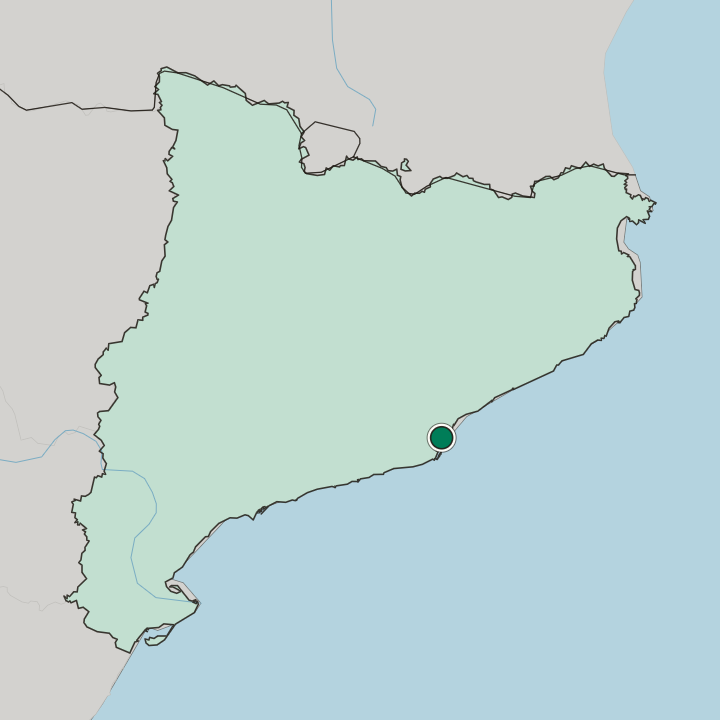
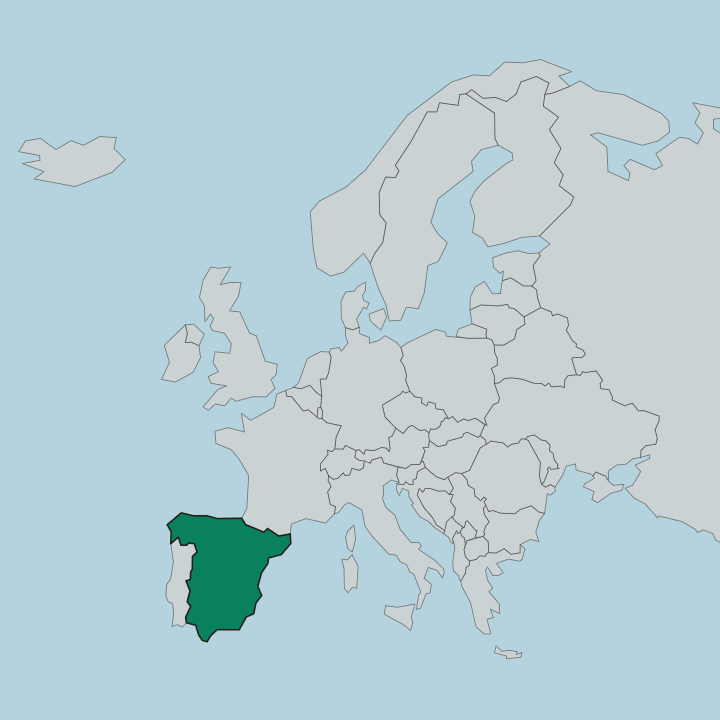
Horta-Guinardó lies in the north-east of Barcelona, around the wide valley of Horta between Gràcia and Nou Barris. The slopes of Collserola rise along its north, towards Sant Cugat and Cerdanyola del Vallès, and its eleven barris climb hills such as the Turó del Carmel, at 267 metres, and the Turó de la Rovira. It is the city's third largest district.
Common questions
What is the best area to stay in Horta-Guinardó?
Horta-Guinardó: Walkers and hospital visitors who want gardens and Collserola close by.
Good for
More areas in Barcelona
Updated October 2026