Spain
Catalunya, Spain — Towns & Travel Guide
Catalunya is an autonomous community of Spain on the north-east of the Iberian Peninsula, south of the Pyrenees, with Barcelona as its capital.
Hotel links are affiliate links: booking through them may earn us a commission, at no extra cost to you. It never affects how places are ranked. How this works


Towns & cities in Catalunya
Pick a town or city — each links to where to stay.
 Spain
Spain
Barcelona
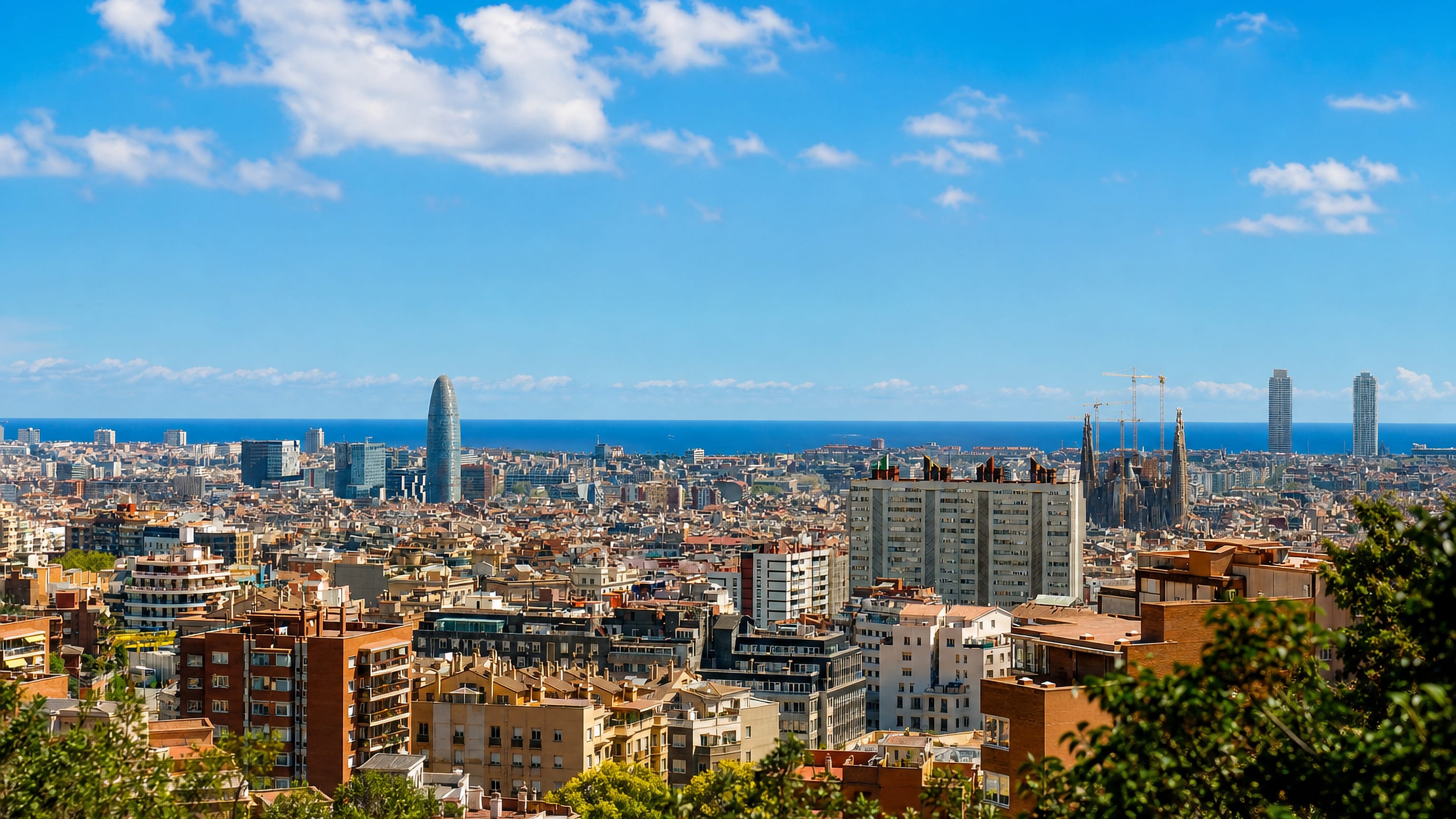
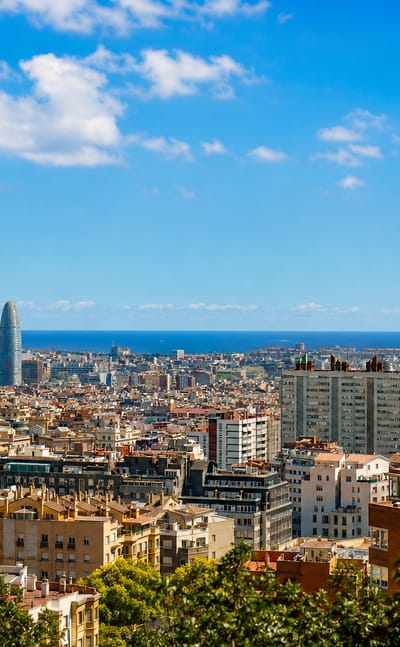
Barcelona is the capital of Catalunya, a Mediterranean port city below the wooded ridge of the Serra de Collserola.Where to stay →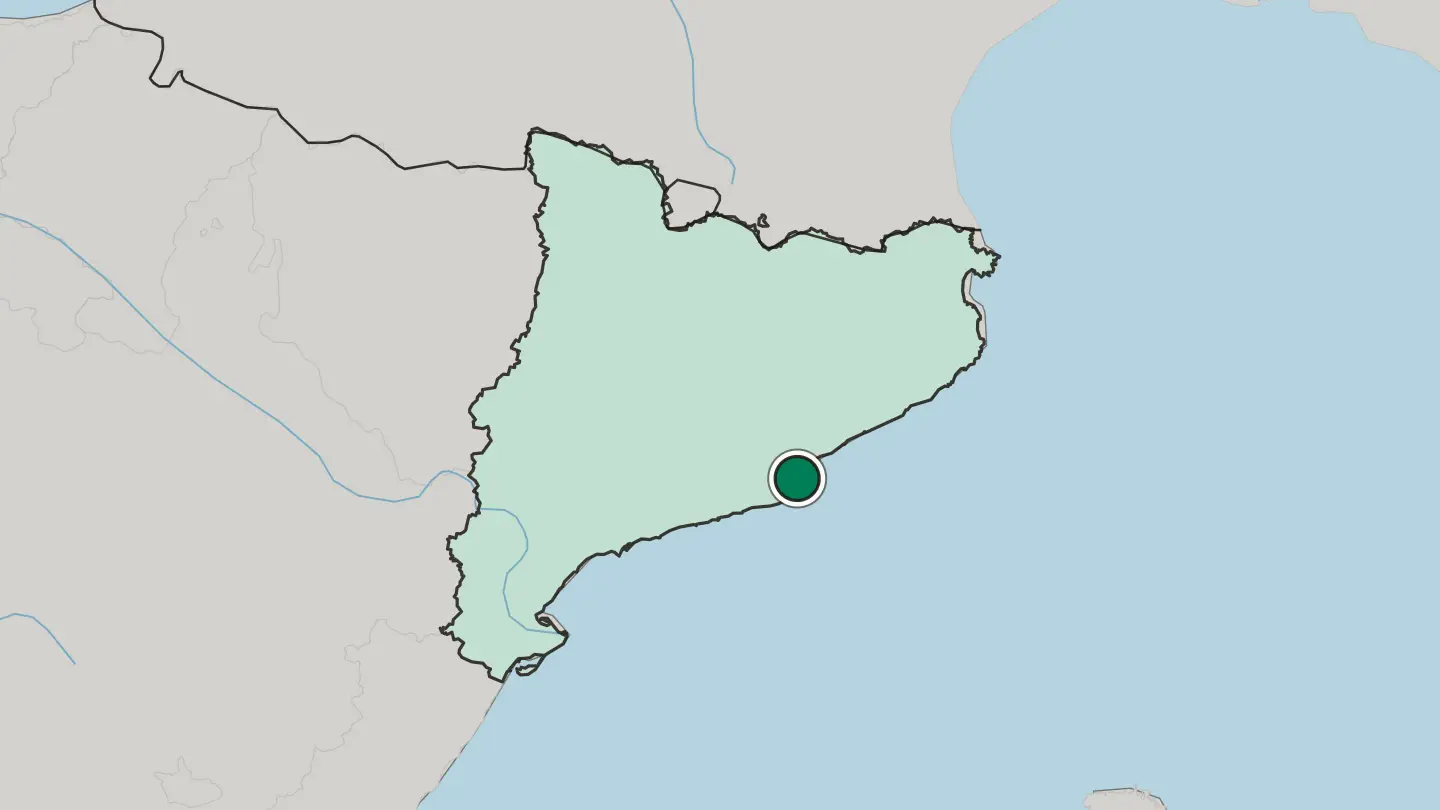
 Spain
Spain
L'Hospitalet de Llobregat
Southwest of Barcelona, L'Hospitalet de Llobregat is Catalonia's second-largest city and among the most densely built in Spain.Where to stay →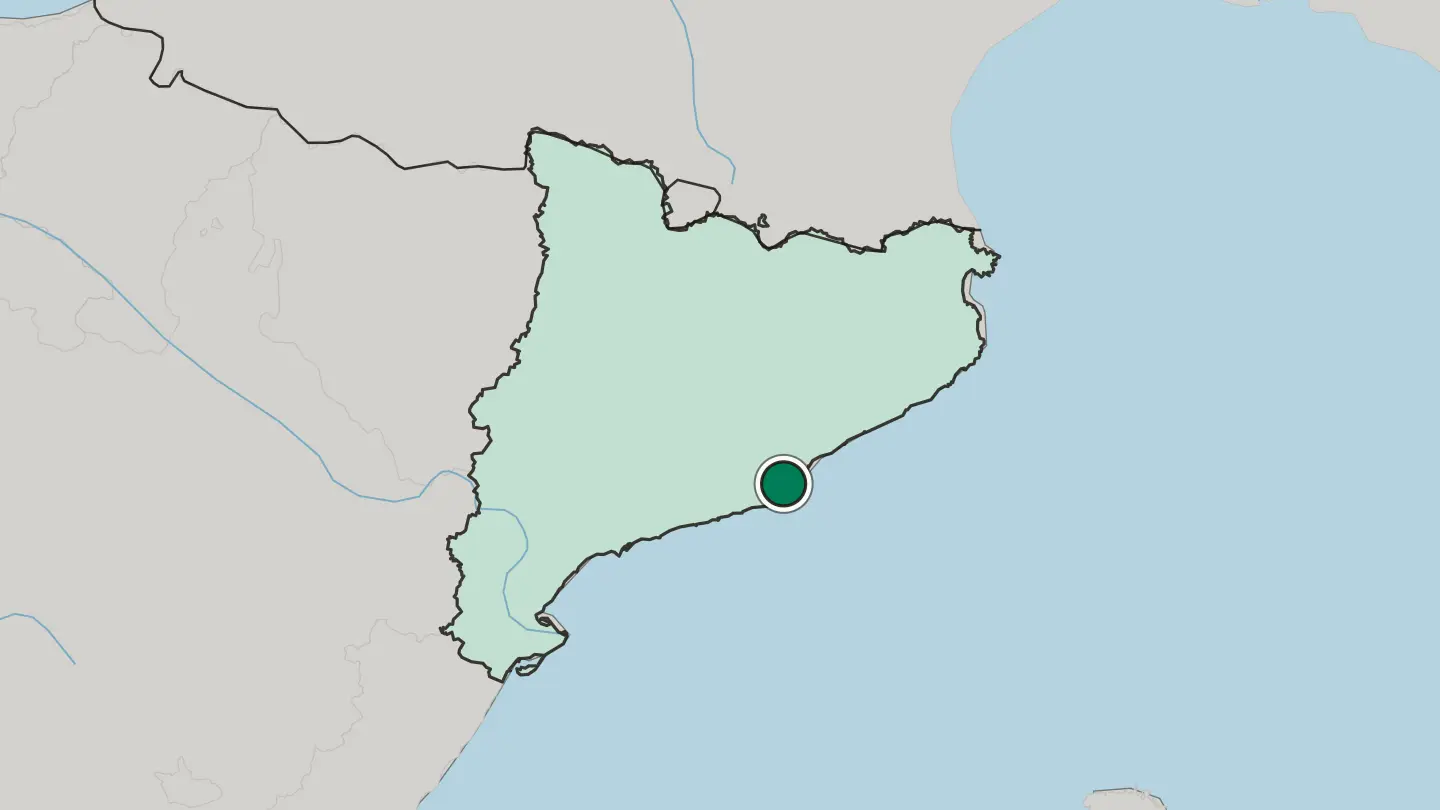
 Spain
Spain
Terrassa
Terrassa is one of the two capitals of Vallès Occidental in Catalunya, holding the church complex of Sant Pere de Terrassa and the mNACTEC.Where to stay →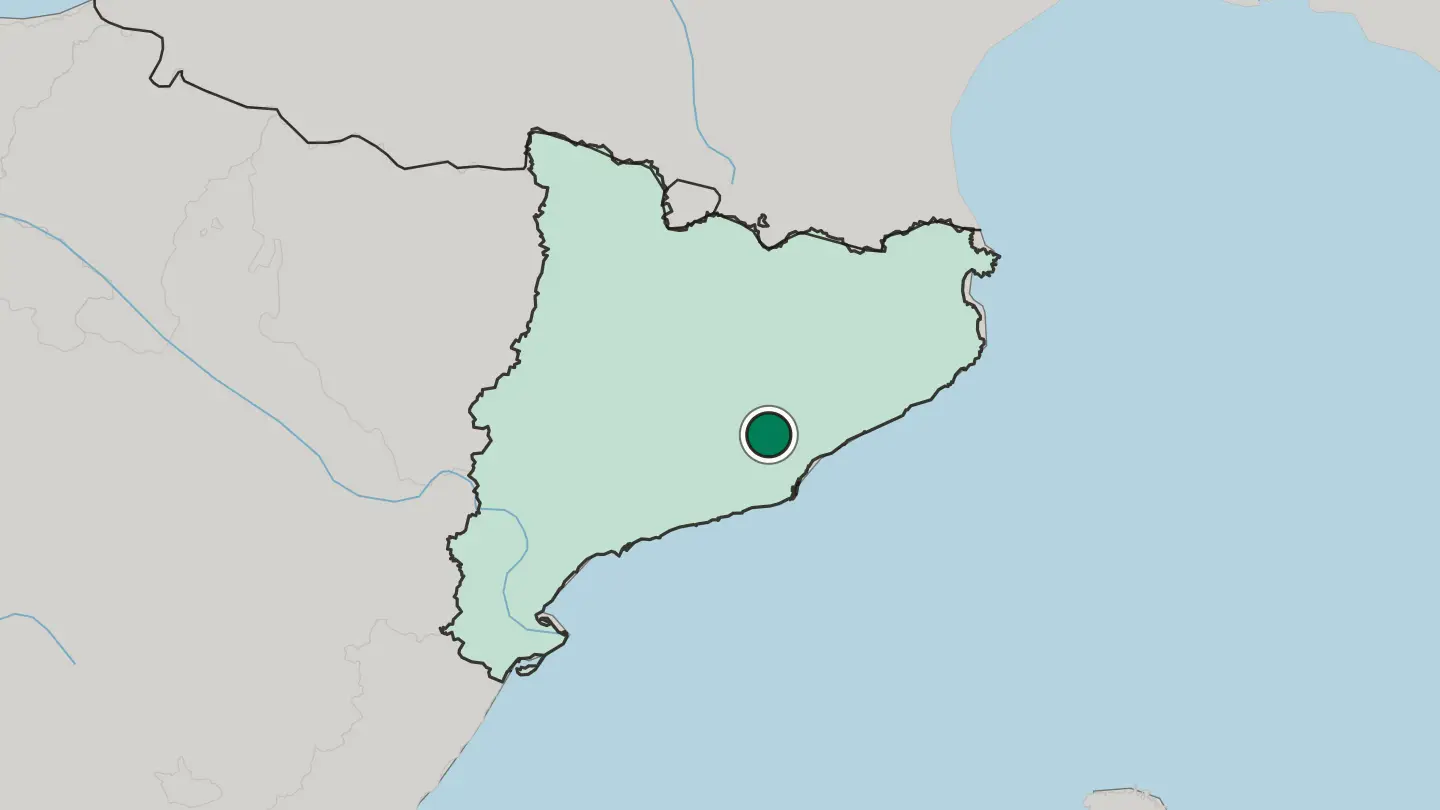
 Spain
Spain
Badalona
Badalona faces the Mediterranean north east of Barcelona, fourth-largest city in Catalonia, raised to city status in 1897.Where to stay →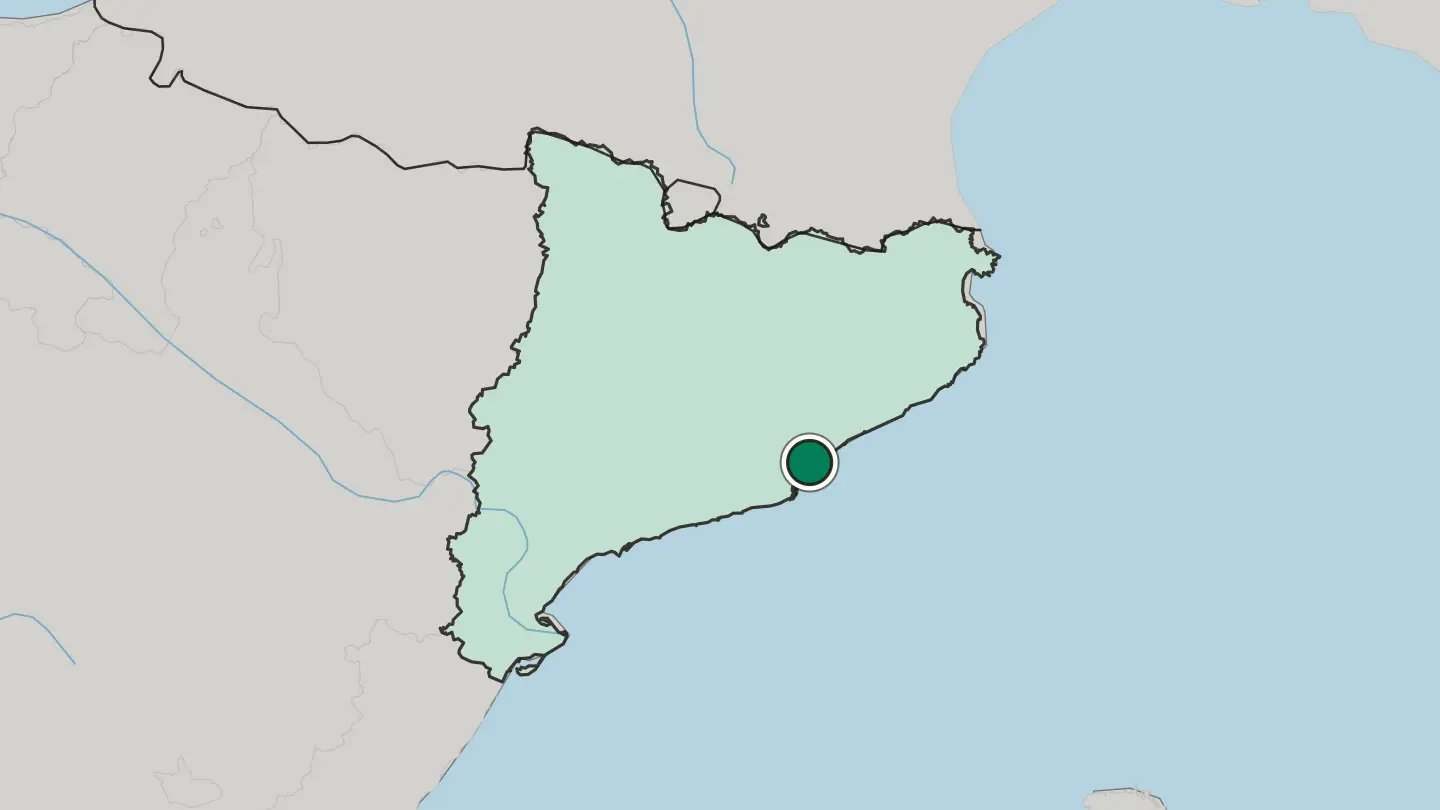
 Spain
Spain
Sabadell
Sabadell is a Catalunya city of named town houses, church towers and sports grounds, from Casa Duran to the Estadi de la Nova Creu Alta.Where to stay →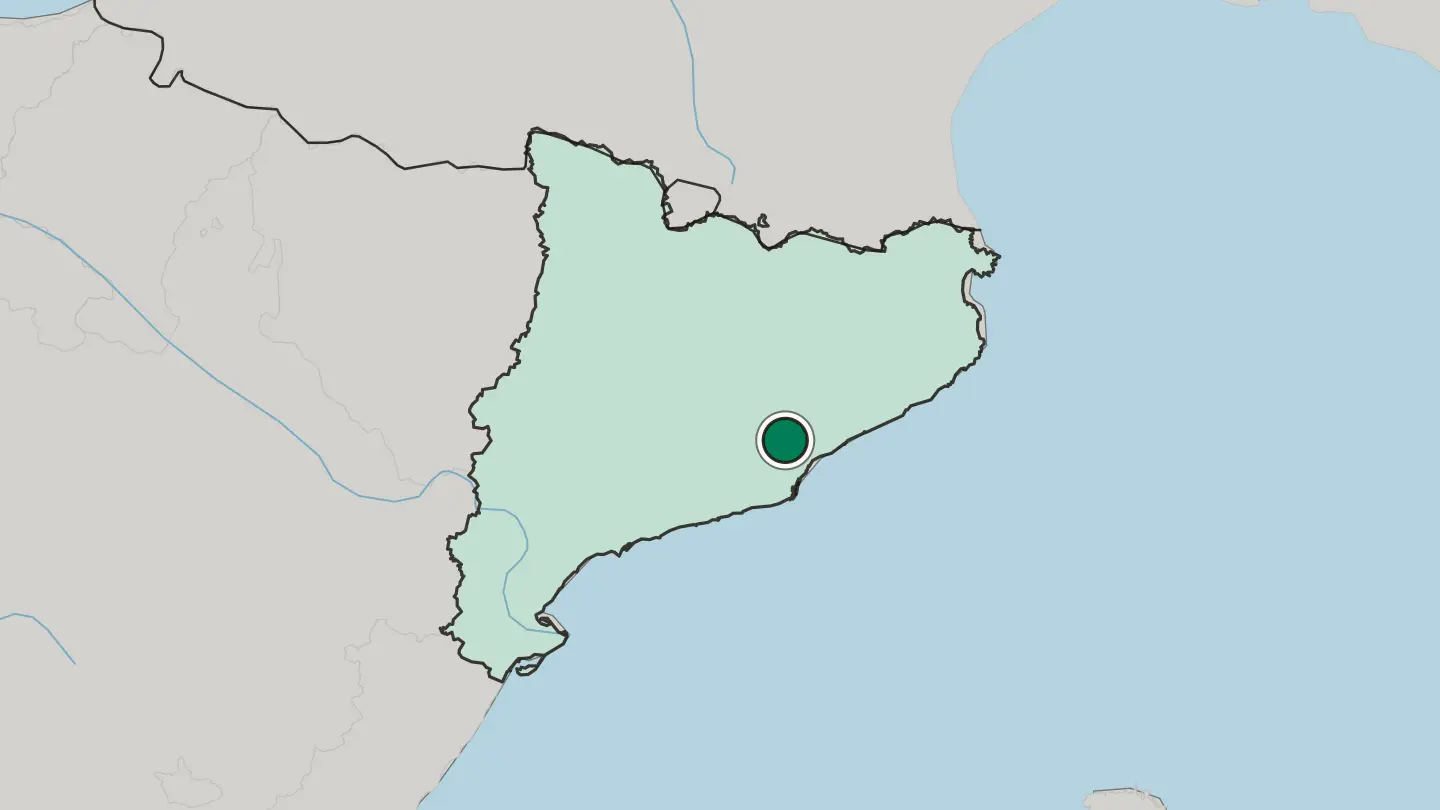
 Spain
Spain
Tarragona
Tarragona was the Roman Tarraco, and its forums, circus and theatre carry a UNESCO listing on the Mediterranean shore 100 km from Barcelona.Where to stay →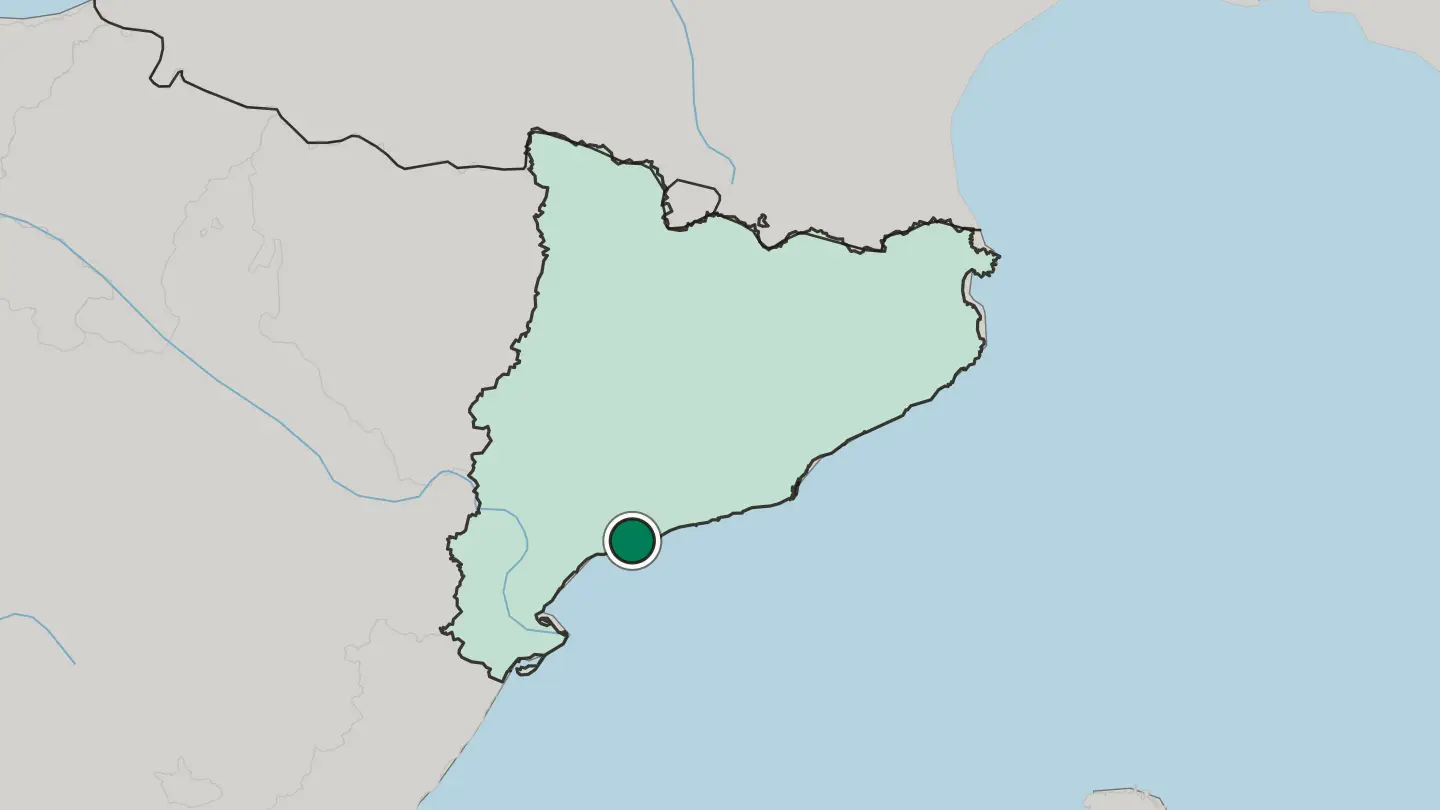
 Spain
Spain
Lleida
Lleida is a historic city in western Catalonia, Spain, on the river Segre, crowned by the great hilltop cathedral of La Seu Vella.Where to stay →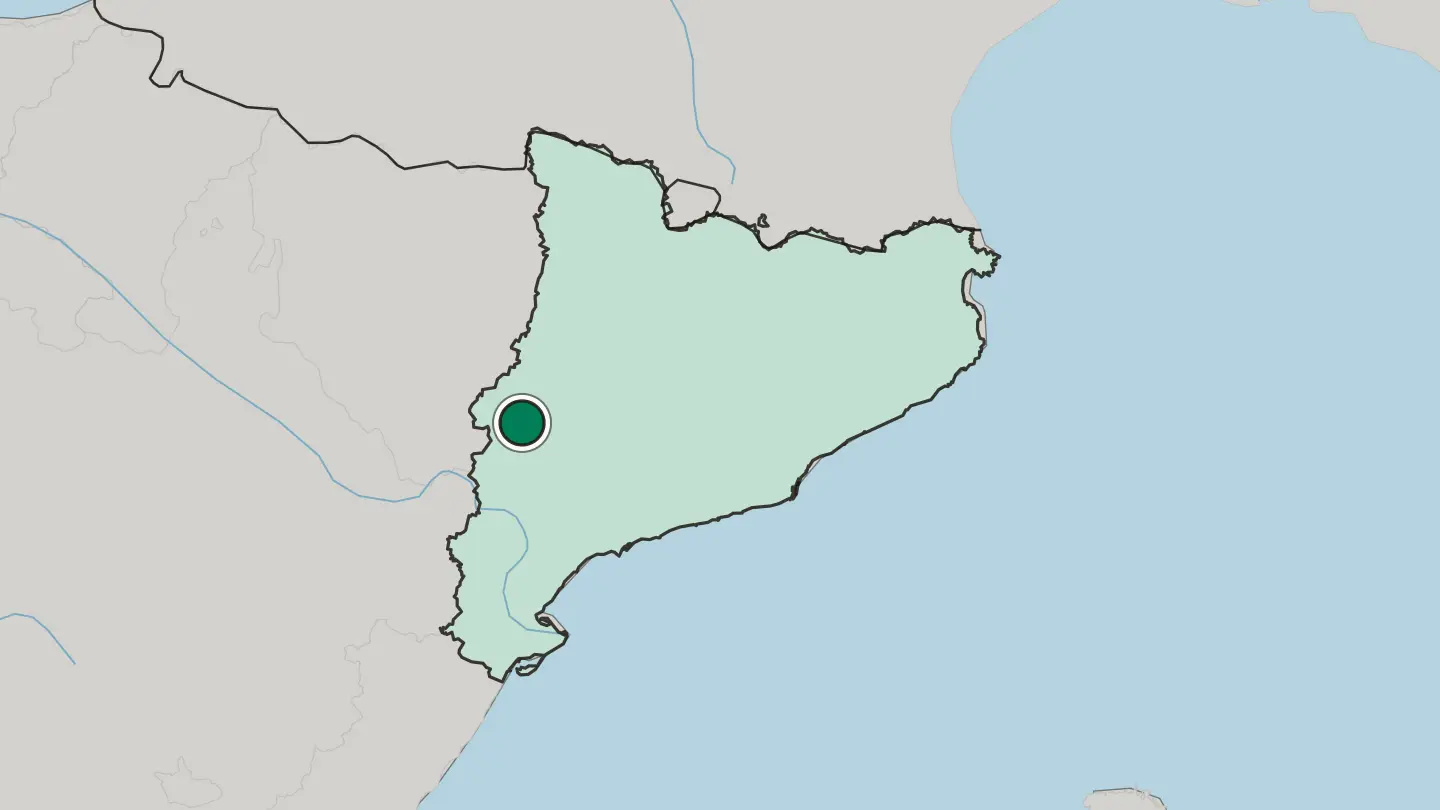 Spain
Spain
Mataró
Mataró is the capital of the Maresme, a Mediterranean port city 30 kilometres northeast of Barcelona built over Roman Iluro.Where to stay →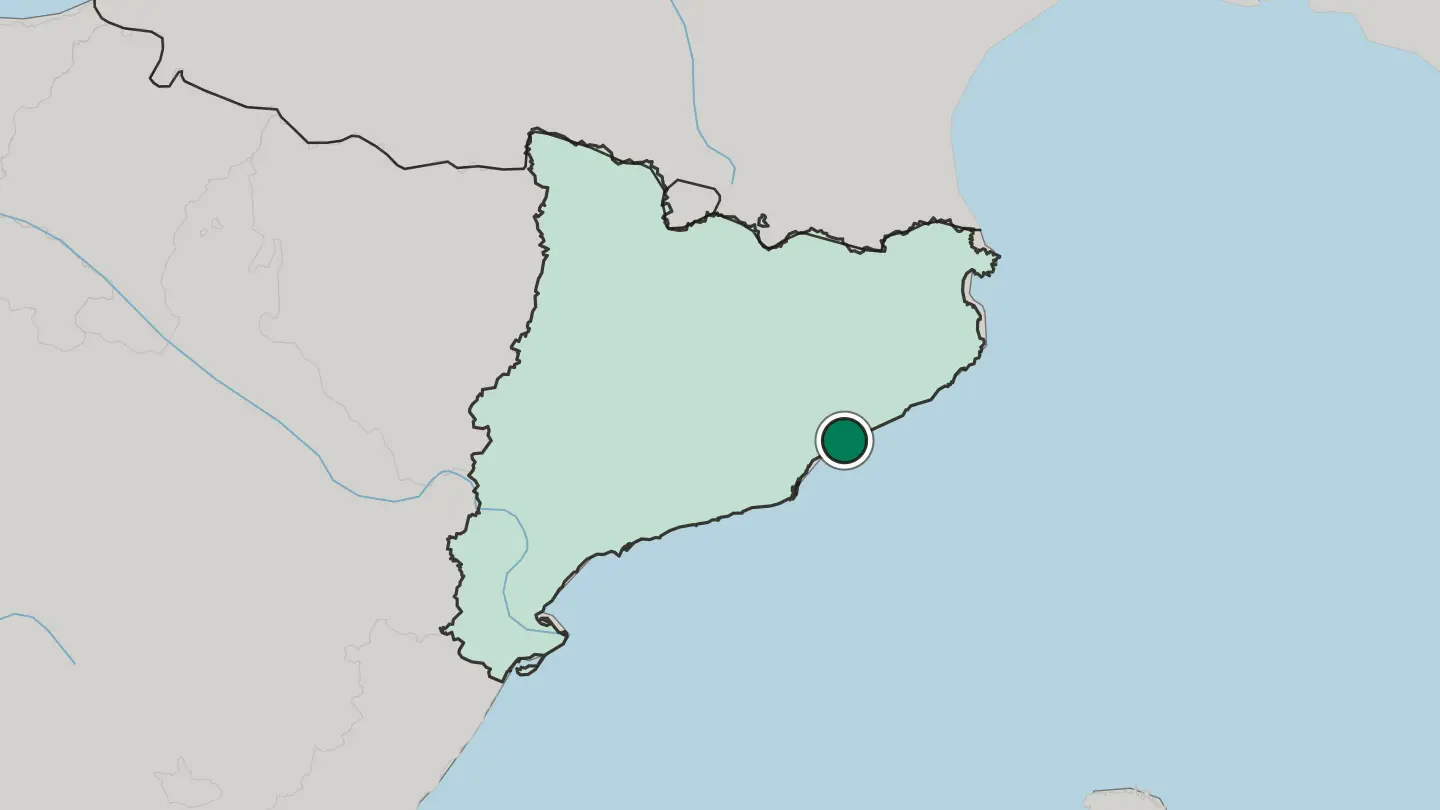
All towns & cities (21)
Spain
Santa Coloma de Gramenet
Santa Coloma de Gramenet stands on the left bank of the Besòs in Catalunya, backed by Puig Castellar and the Parc de la Serralada de Marina.Where to stay →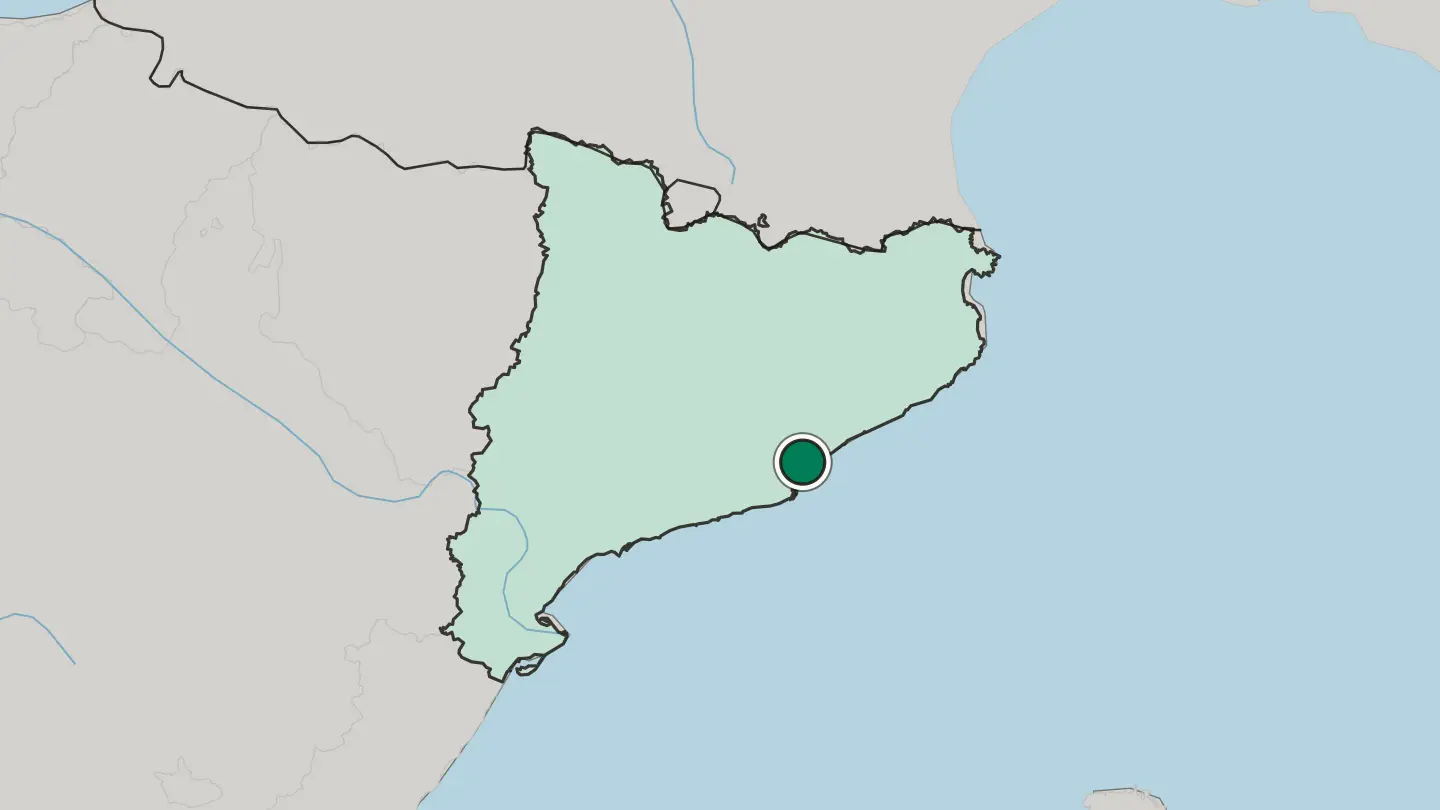 Spain
Spain
Reus
Reus, capital of Baix Camp in the Camp de Tarragona, is the birthplace of Antoni Gaudí and an old wine and spirits town.Where to stay →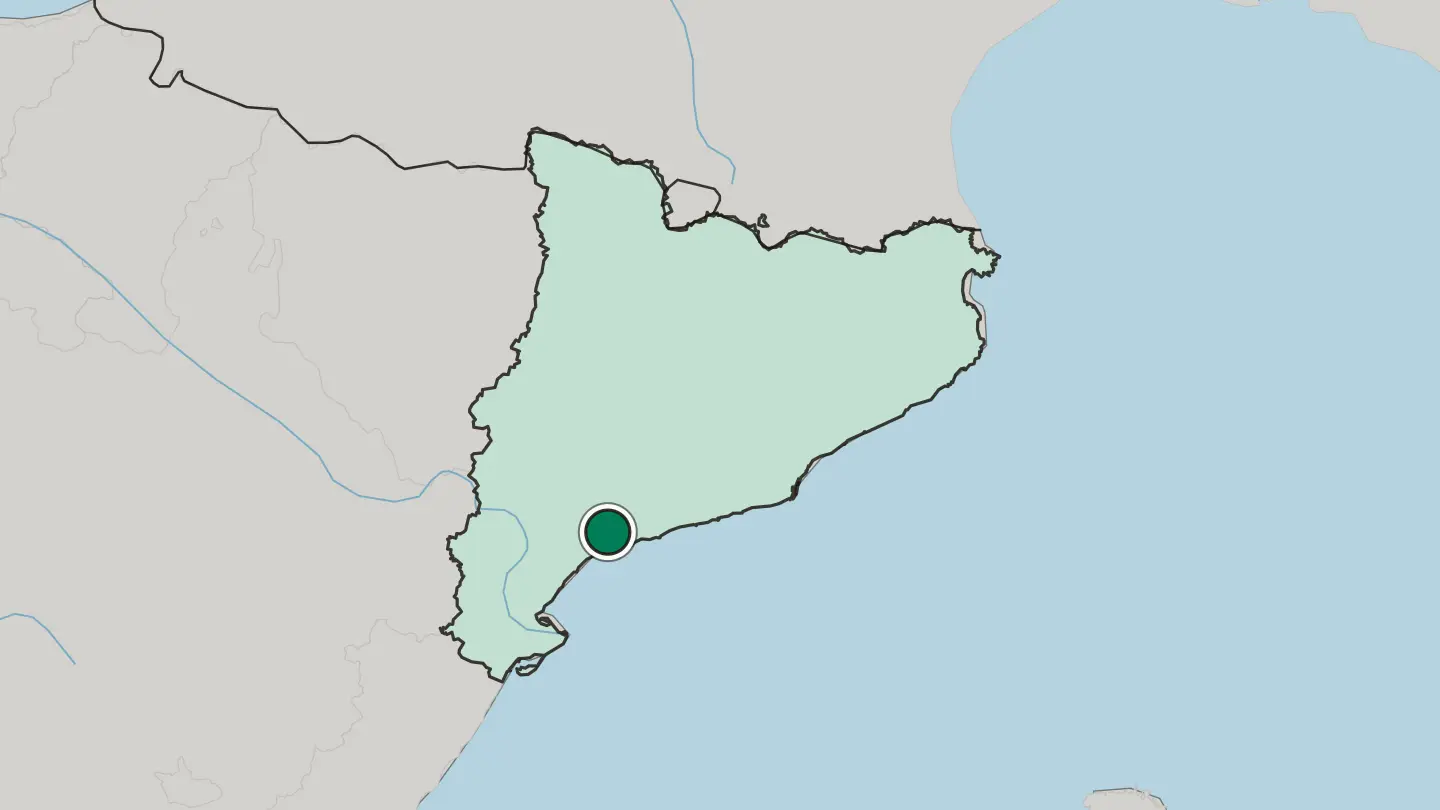
 Spain
Spain
Girona
Four rivers meet under the walls of Girona, a Catalan city known for the painted Cases de l'Onyar and the stair up to Girona Cathedral.Where to stay →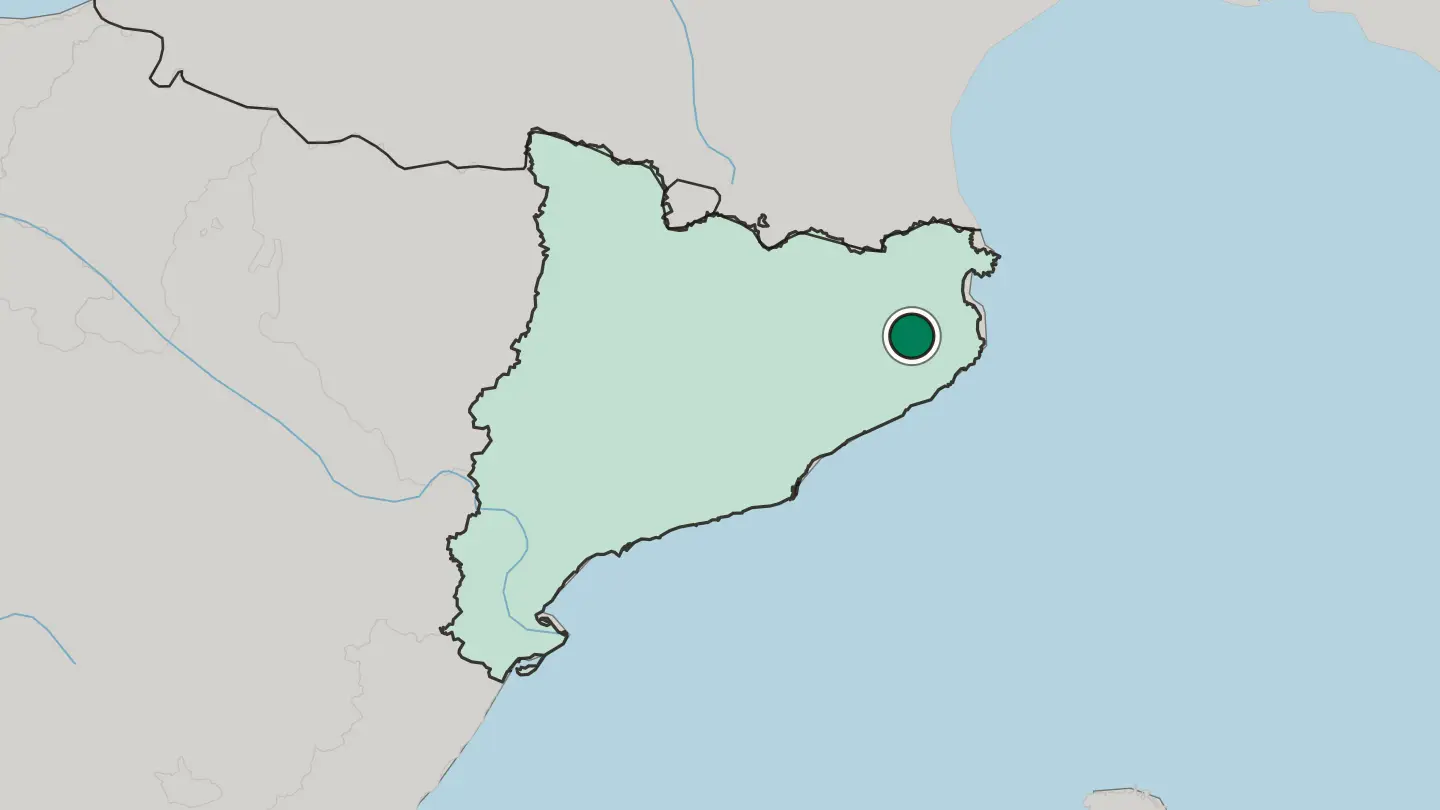 Spain
Spain
Cornellà de Llobregat
Cornellà de Llobregat covers just under 7 square kilometres on the left bank of the Llobregat, inside the Barcelona metropolitan area.Where to stay →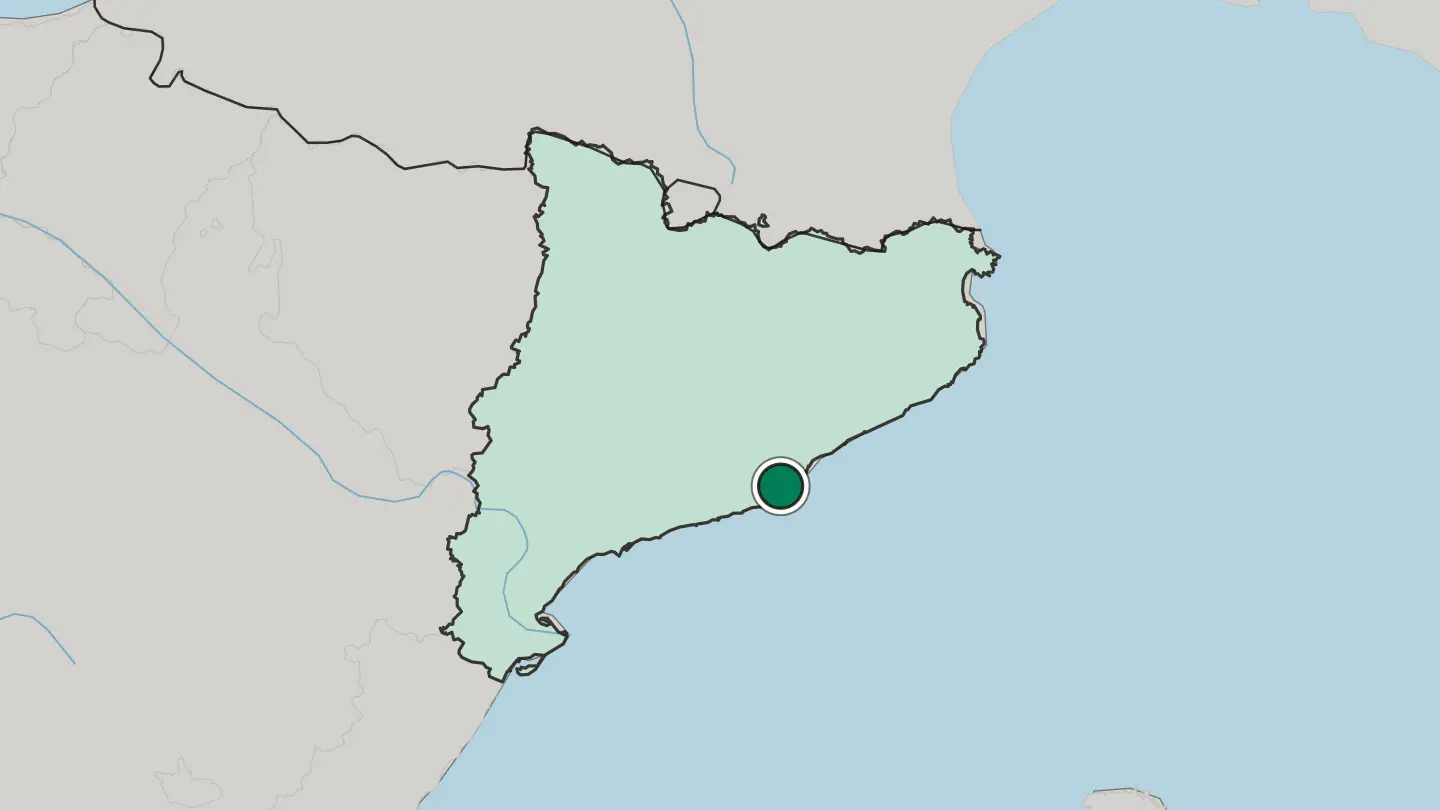 Spain
Spain
Sant Boi de Llobregat
Sant Boi de Llobregat sits on the Llobregat in Catalunya, 11 km from Barcelona, keeping Roman thermae and the Church of Sant Baldiri.Where to stay →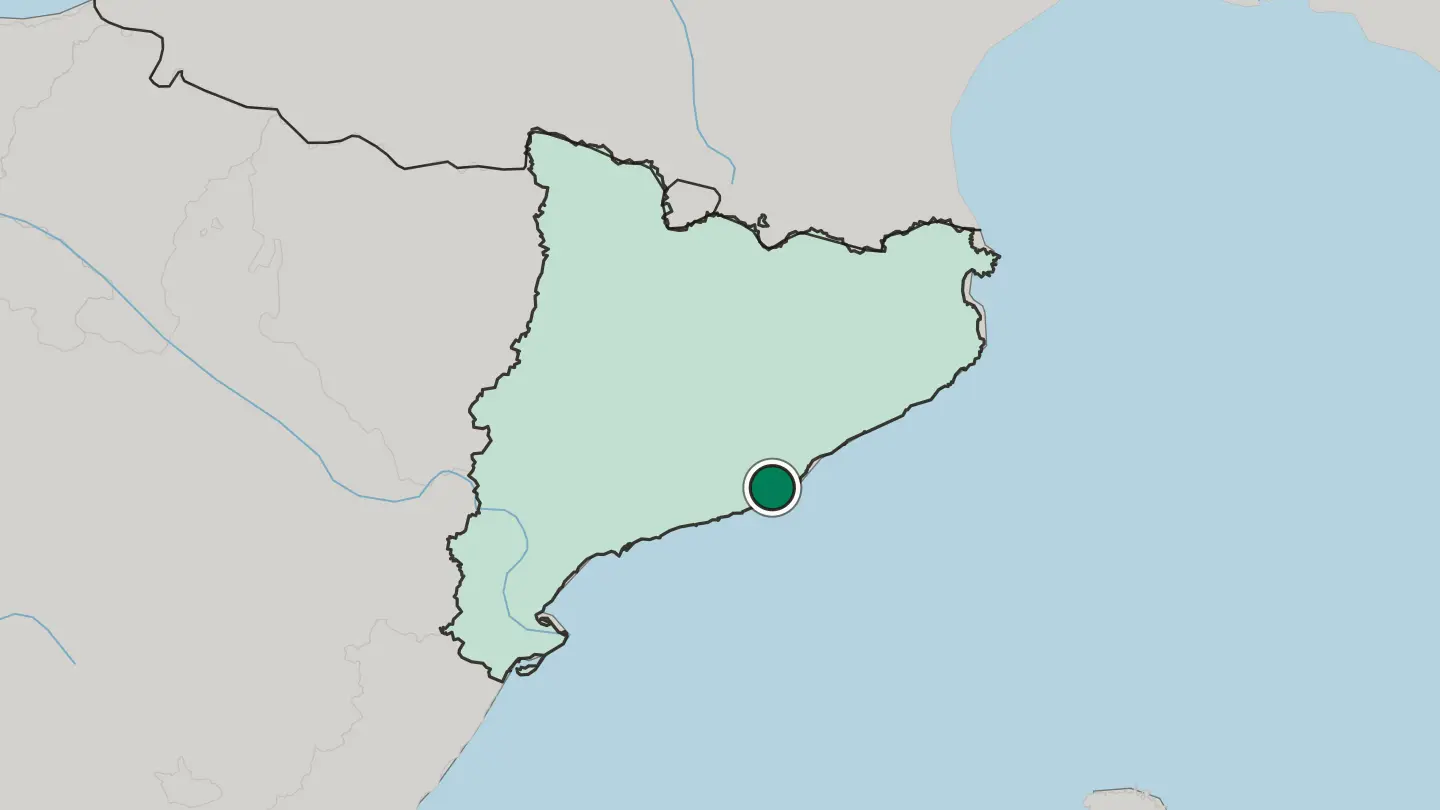 Spain
Spain
Sant Cugat del Vallès
Sant Cugat del Vallès grew around a Benedictine monastery northwest of Barcelona, with the Collserola range standing between the town and the city.Where to stay →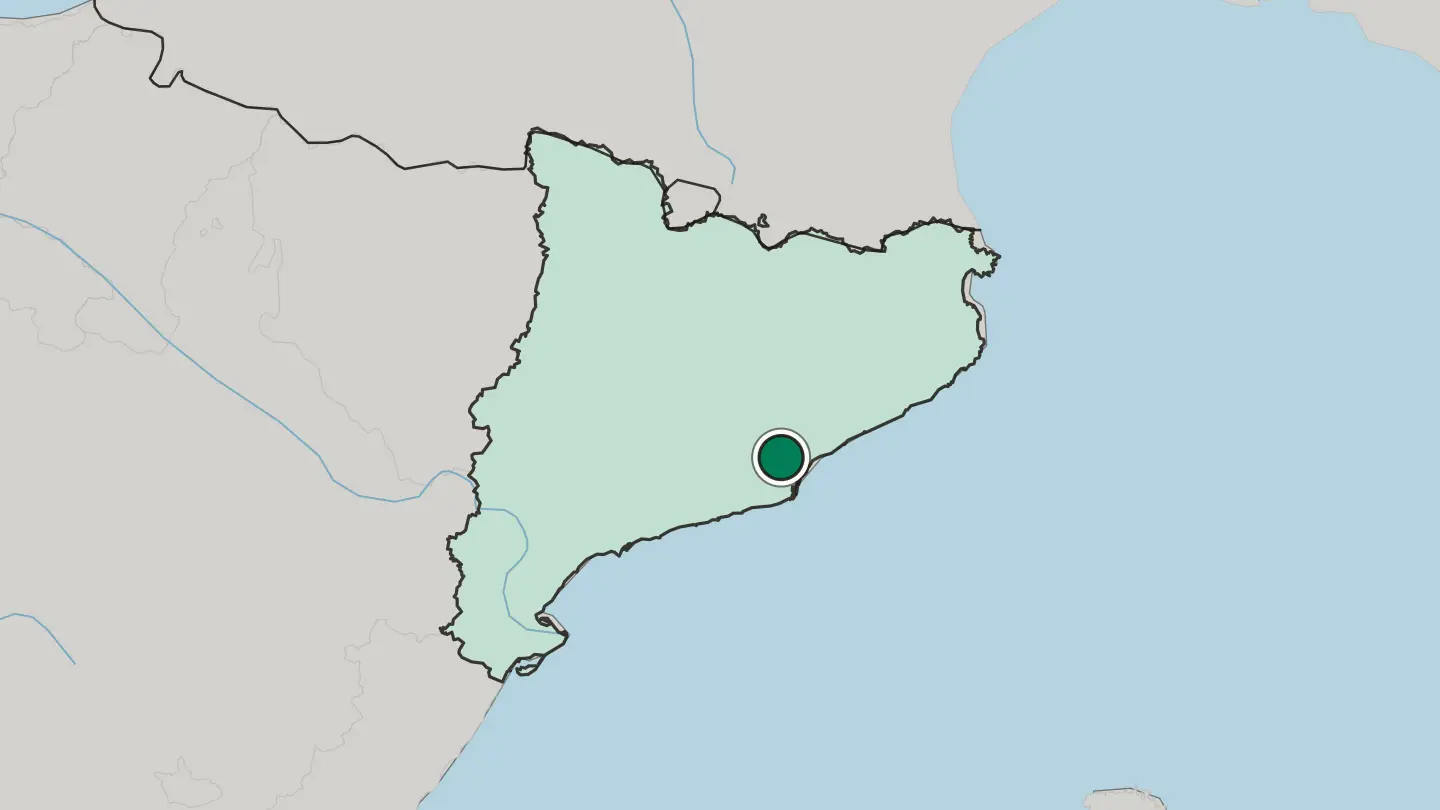
 Spain
Spain
Manresa
Manresa is the capital of Bages, standing in the central region of Catalonia near Montserrat and on the Catalan Way of St. James.Where to stay →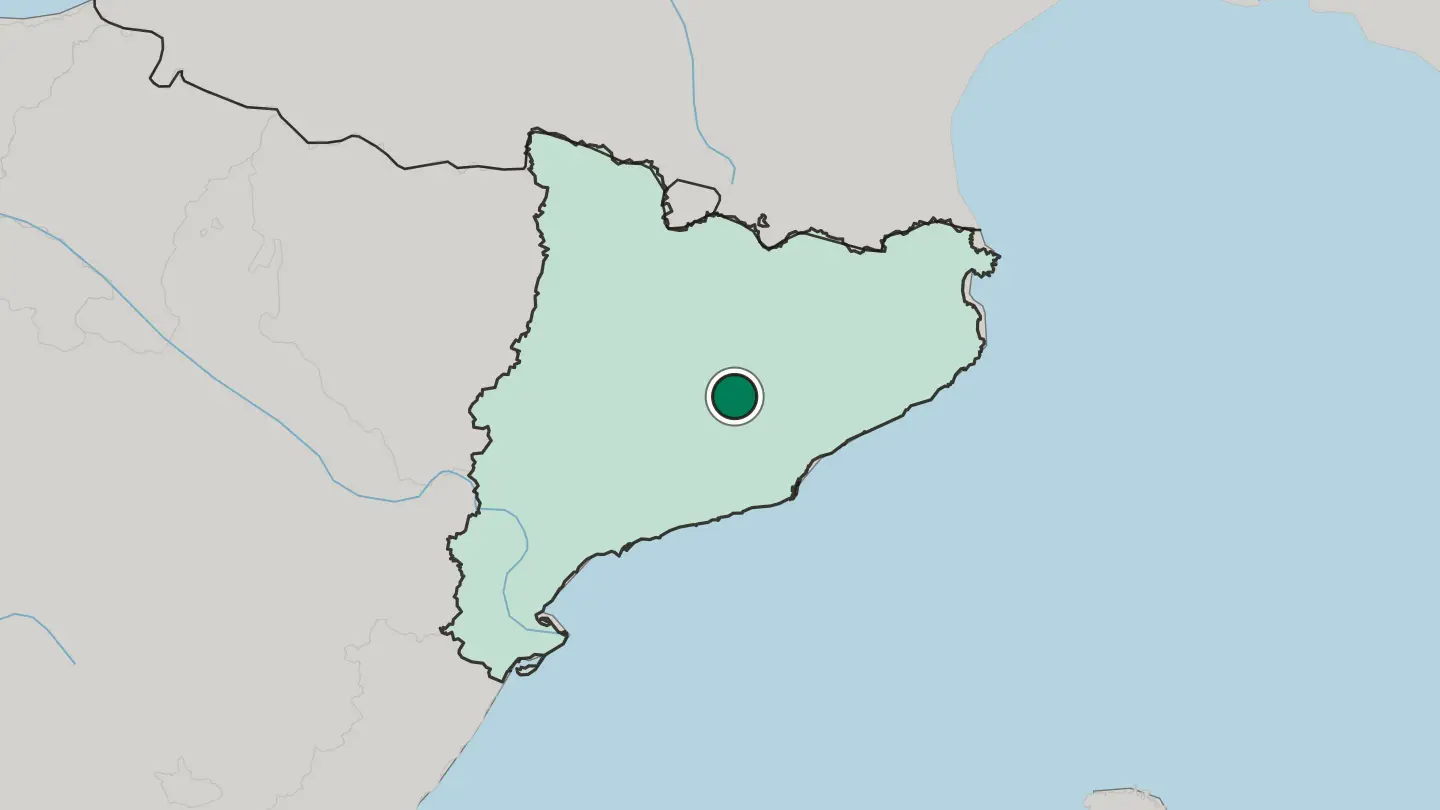 Spain
Spain
Rubí
Rubí is a city in Catalonia whose landmark list runs from the Iberian site of Can Fatjó to Castell de Rubí and Sant Pere's Church.Where to stay →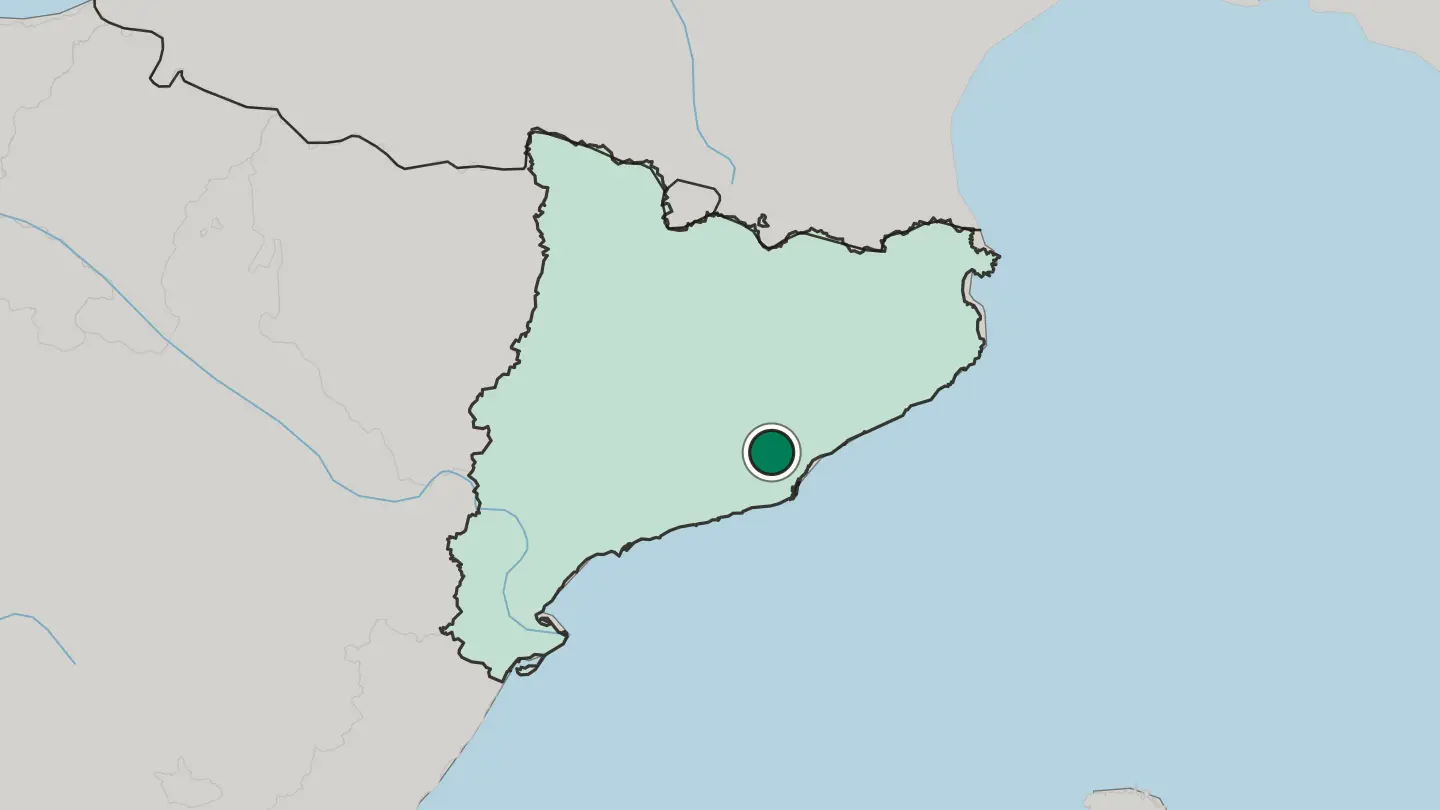
 Spain
Spain
Castelldefels
Castelldefels lies in the Baix Llobregat inside the Metropolitan Area of Barcelona, its old core gathered beneath Castelldefels Castle.Where to stay →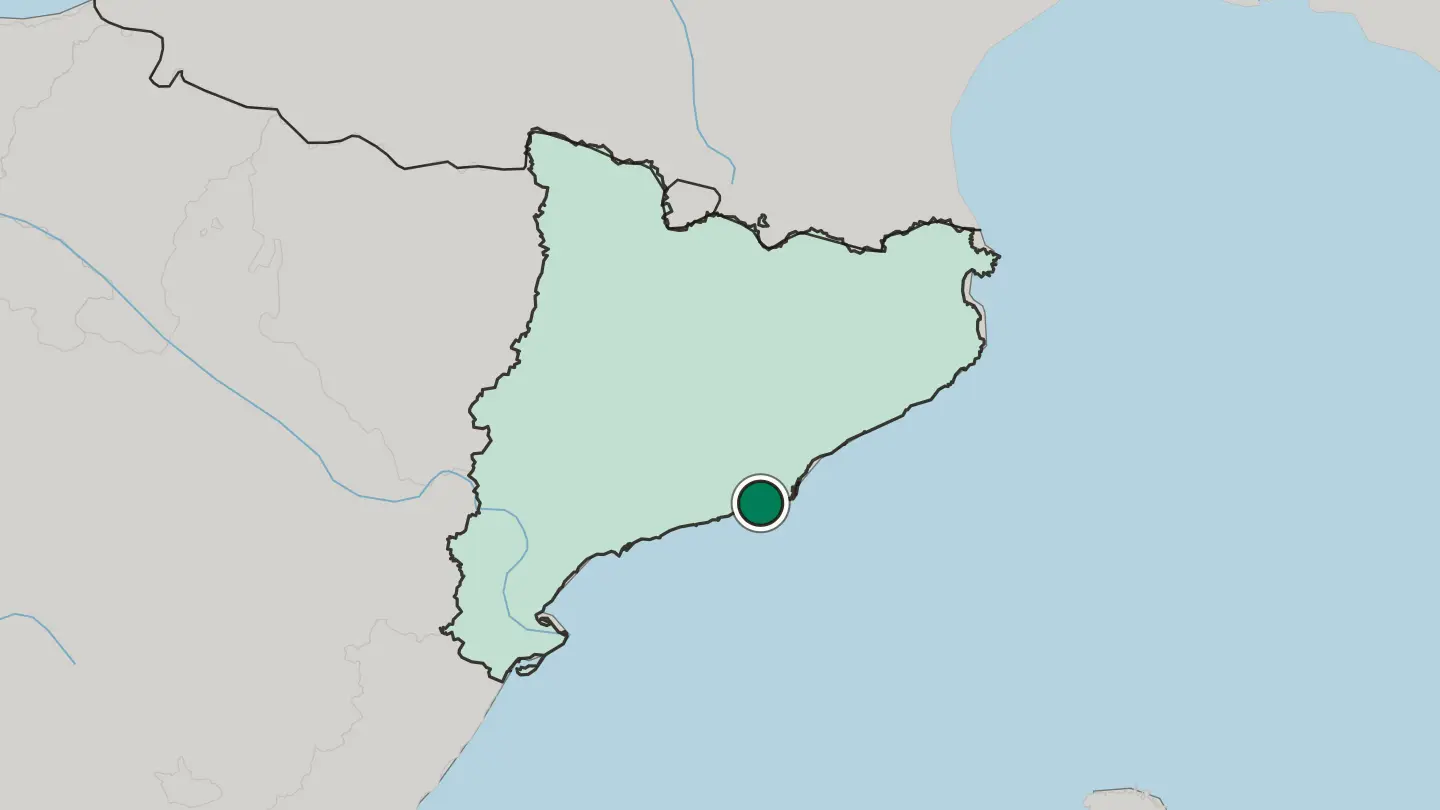 Spain
Spain
Vilanova i la Geltrú
Vilanova i la Geltrú is a Catalan city of two joined names, keeper of the Railway Museum of Catalonia and the Castell de la Geltrú.Where to stay →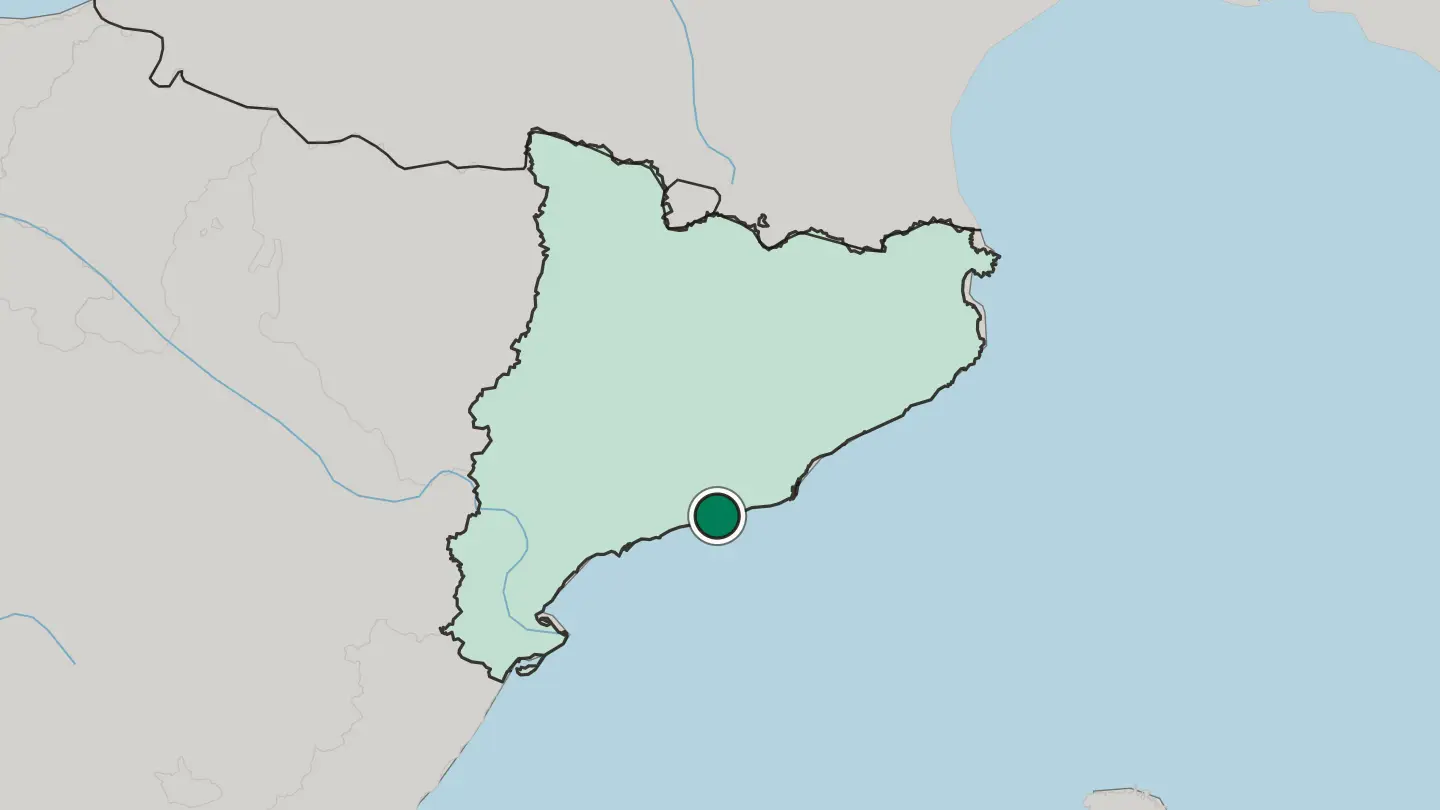 Spain
Spain
El Prat de Llobregat
El Prat de Llobregat holds most of Josep Tarradellas Barcelona-El Prat Airport, a Baix Llobregat municipality between Barcelona and the runways.Where to stay →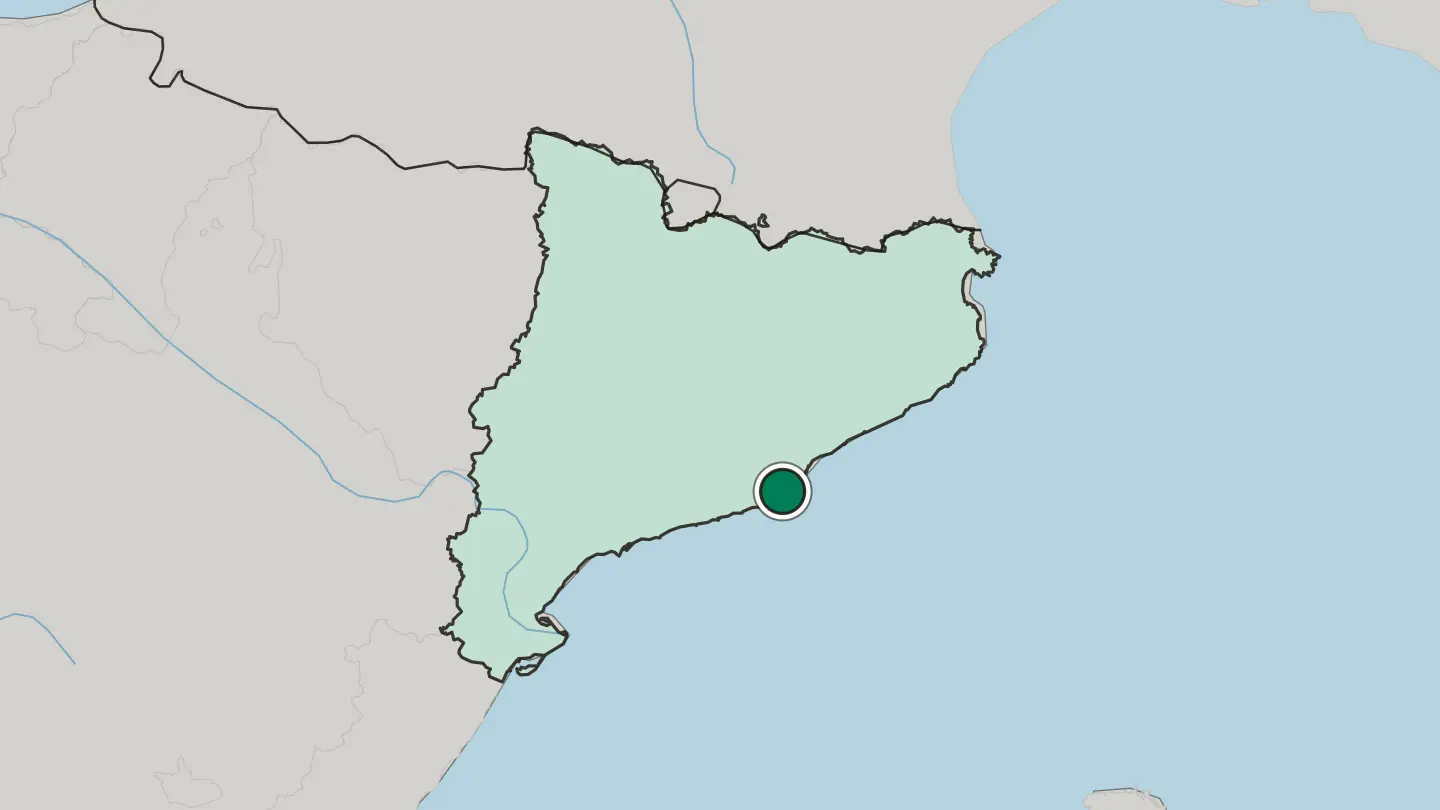 Spain
Spain
Granollers
Granollers is the capital of the Vallès Oriental, about 30 kilometres north-east of Barcelona, and La Porxada is its emblem.Where to stay →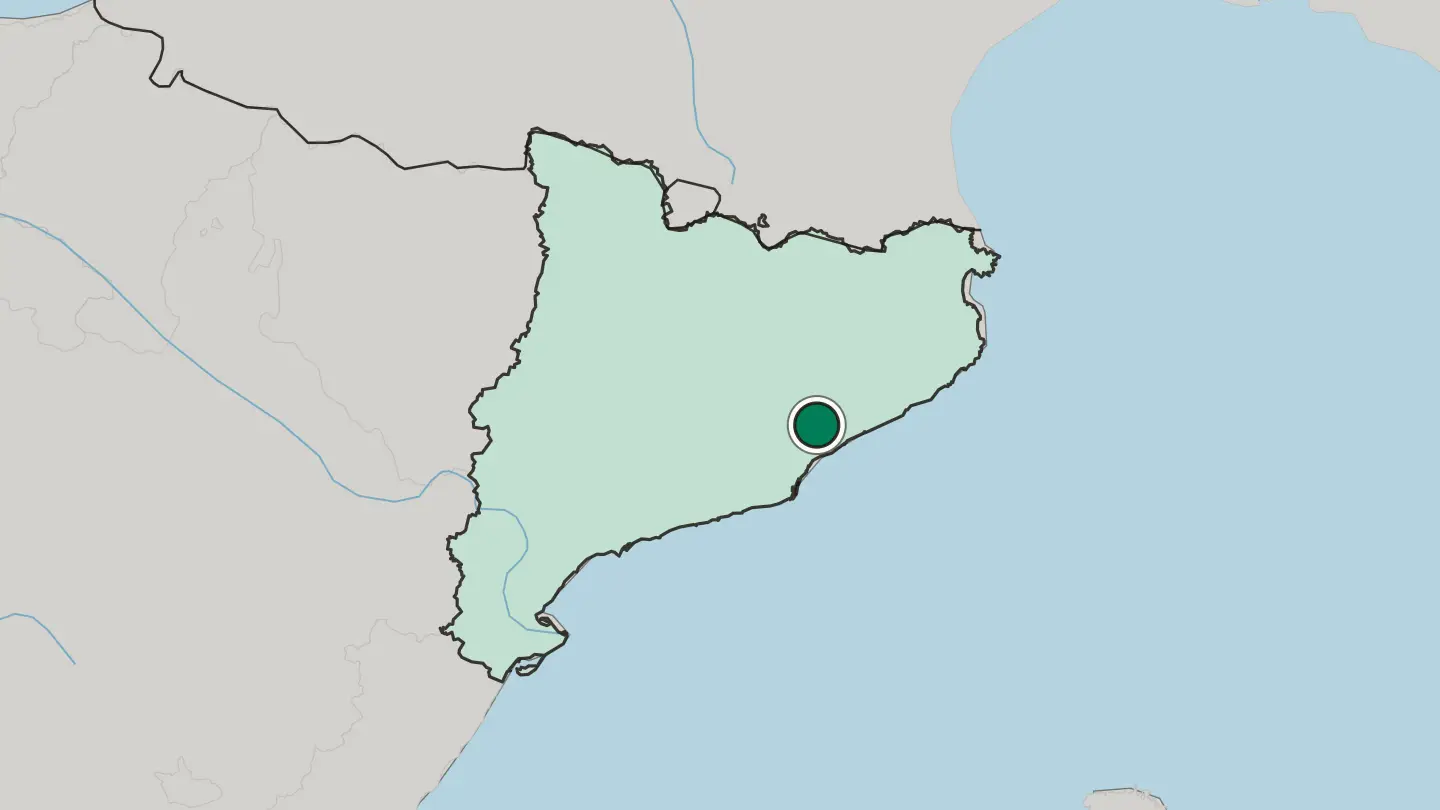
 Spain
Spain
Mollet del Vallès
Mollet del Vallès sits in the Besòs valley in the Vallès Oriental, the road and rail crossing north out of Barcelona.Where to stay →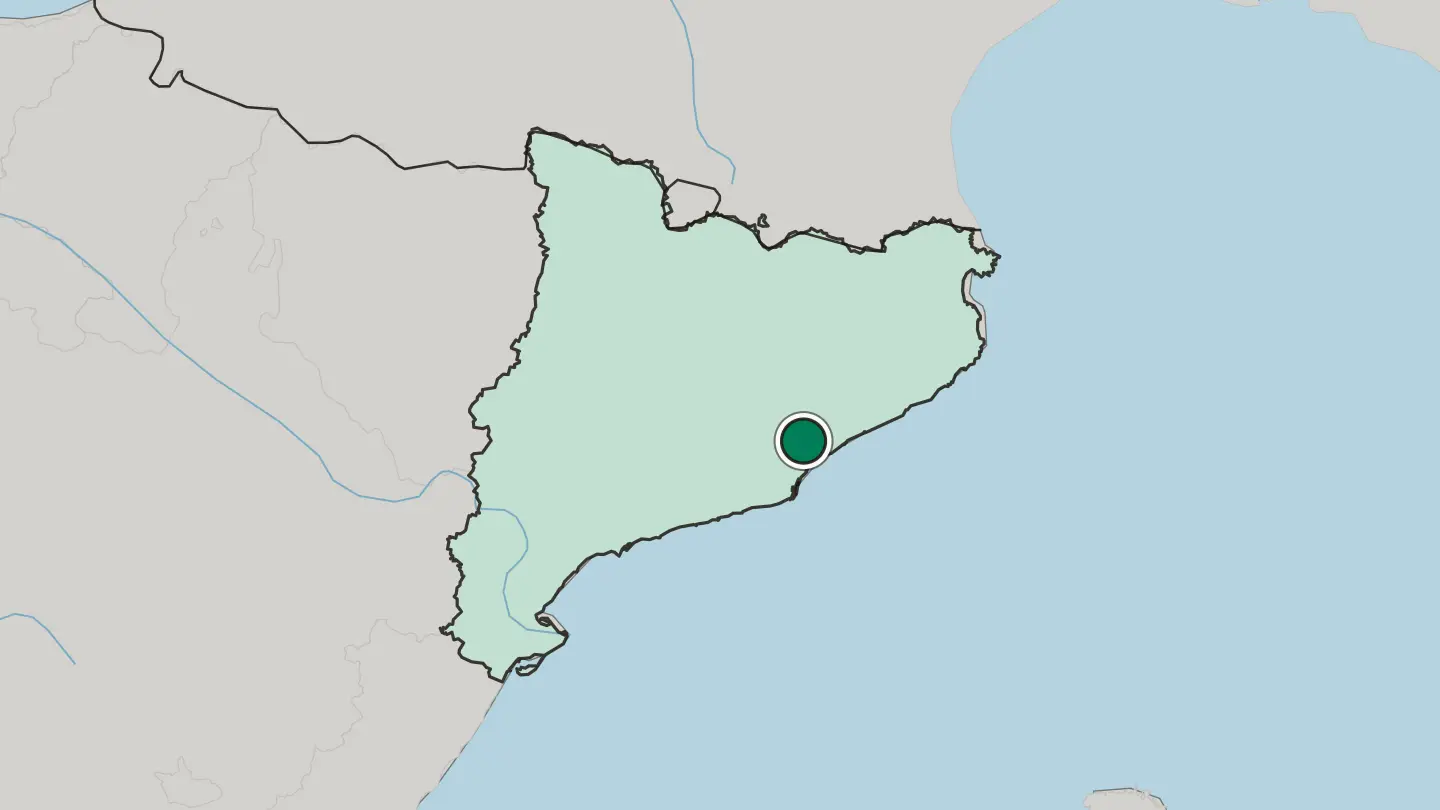
Hotel links are affiliate links: booking through them may earn us a commission, at no extra cost to you. It never affects how places are ranked. How this works
About Catalunya
What is Catalunya known for?
Catalunya is known as a Mediterranean region of Spain with a strong identity of its own. Its capital is Barcelona. The Catalan language marks the region apart, spoken across its towns beside Spanish, and Barcelona is the region's main draw.
Mountains and sea define the rest. The Pyrenees close the northern edge while the Mediterranean runs the length of the coast, and the land between fills with the comarques that order Catalan life.
Where is Catalunya?
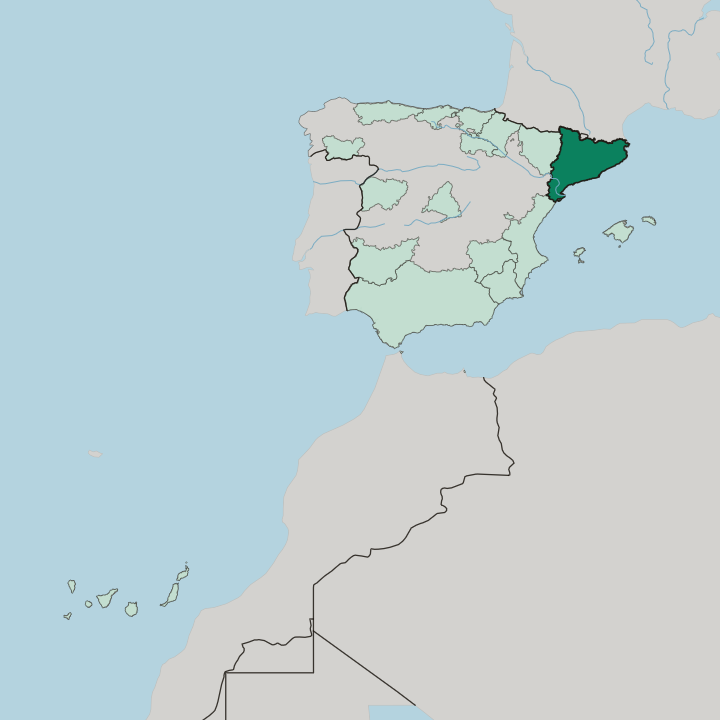
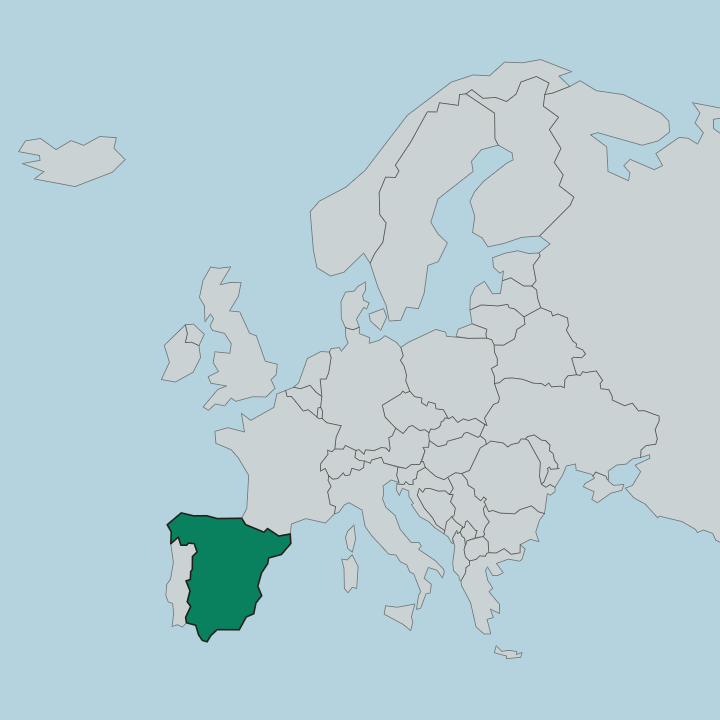
Catalunya sits on the north-east of the Iberian Peninsula, mountains at its back and the sea at its front. The Pyrenees form its northern border. From that high wall of rock the land falls toward the Mediterranean through hills and river valleys, dividing Catalunya from France along the crest.
The coast runs the whole eastern edge, a long Mediterranean shoreline of beaches, headlands, and old harbour towns. The northern comarques climb into alpine country near the border, while the southern reach flattens out toward the coastal plain. Between mountain and sea lies a broad interior of farmland and low ranges.
The region is ordered into four provinces, drawn again as eight vegueries and forty-three comarques. Barcelona sits on the coast at the centre of this frame, the capital and largest city, its port open to the Mediterranean. Rivers cross the land from the Pyrenees to the sea.
Those rivers cut the valleys that carry the road and rail inland from the coast. This range of ground, from the high peaks of the Pyrenees to the warm Mediterranean coast, gives Catalunya a rare spread within a single region. Mountains, plain, and shore all meet here.
What is Catalunya like?
Catalunya carries one of the strongest regional identities of Spain. The Catalan language sits at its heart, taught in schools and spoken in the street beside Spanish, and it shapes the region's literature, song, and daily life. Its Statute of Autonomy names Catalonia a nationality within Spain, a mark of that distinct identity.
The culture is old and rooted. Festivals, food, and custom run from the comarques of the interior to the coast, each district keeping its own fairs and saints' days. Barcelona gives the region its loudest cultural voice, a centre of art, architecture, and music known well beyond Spain.
Its writers and artists have long carried the Catalan name across Europe. Beyond the capital the smaller Catalan towns hold the older traditions and festivals of the comarques. The Pyrenees and the Mediterranean each mark the culture too, one turning the region toward the mountains and France, the other toward the sea and the wider Mediterranean world.
Catalan cooking draws on both, the mountain and the shore, in a table distinct from the rest of Spain. The result is a region that reads as a place apart within Spain.
What is the history of Catalunya?
Catalunya traces its roots to around 801, when the county centred on Barcelona took shape on the frontier below the Pyrenees. From that early county grew the Catalan identity, its language and law binding the towns of the north-east. Centuries within larger Iberian and Spanish states followed, yet the region kept its own character throughout.
Then came the modern age. Catalonia became an autonomous community of Spain, and its Statute of Autonomy set that self-rule in law while naming the region a nationality within Spain.
What is the climate of Catalunya?
Catalunya holds more than one climate within its bounds. The Mediterranean coast runs warm and dry in summer, mild and damp in winter, tempered by the sea. Inland the summers turn hotter and the winters colder, away from the coast's reach.
The high Pyrenees are colder still. Snow lies on the peaks through winter while the shore below stays mild, two seasons within a short distance.
How do you get to Catalunya?
Catalunya is among the easiest parts of Spain to reach. Barcelona anchors it. The city's port and airport open onto the Mediterranean, and its rail lines run down the coast and inland across the region.
Road and rail cross the Pyrenees from France in the north, tying Catalonia to the rest of Europe overland. Within the region the comarques are linked by a dense net of roads. From Barcelona the routes reach coast, interior, and mountains alike.
Good for
More regions in Spain
Updated September 2026