Spain · Comunidad de Madrid
Where to Stay in Fuenlabrada, Comunidad de Madrid
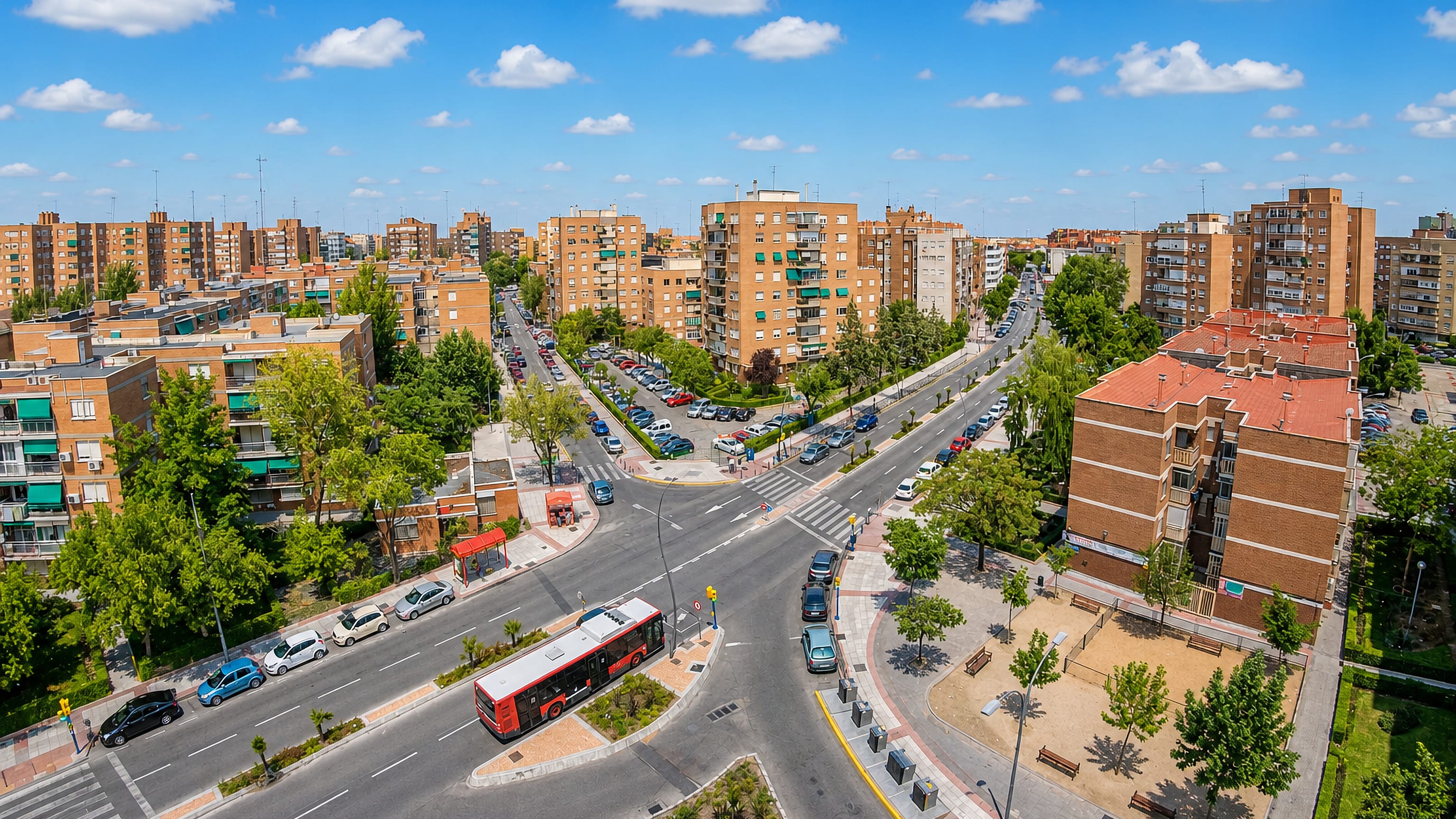
Fuenlabrada dates from 1315 and ranks among the largest municipalities of the Community of Madrid, its old core marked by three protected fountains.
Hotel links are affiliate links: booking through them may earn us a commission, at no extra cost to you. It never affects how places are ranked. How this works


Where to stay in Fuenlabrada
The practical side of choosing where to sleep.
The old centre of Fuenlabrada sits around the Iglesia de San Esteban Protomártir, and that is where a stay makes the most sense. Streets there keep the Fuente de los Cuatro Caños and the Fuente de las Escaleras within a walk, along with the shops and bars that a town of this size supports, so a day can start without a car. Beds are working beds.
Fuenlabrada serves as a base inside the Community of Madrid rather than as a destination, and most rooms go to people here for the industrial estates or for family. The Polvoranca side is the other choice. Out where the Church of San Pedro stands, the blocks thin and the ground opens toward the Zona arqueológica Los Granados, which suits you if the plan involves a car and an early start out of town.
Little of this lies far from Madrid. The capital is close enough that a room here is often taken for that reason alone, with the Fuente Cruz de Luisa and the old parish left as what there is to see between arrival and departure.
Find hotels in Fuenlabrada
Direct booking searches for these neighbourhoods.
The San Esteban core
The stretch of Fuenlabrada where the Iglesia de San Esteban Protomártir and the protected fountains stand togetherFind hotels in The San Esteban coreDrivers wanting the Church of San Pedro and open ground at the doorThe Polvoranca side
Where the blocks of Fuenlabrada thin out toward the Zona arqueológica Los GranadosFind hotels in The Polvoranca sideHotel links are affiliate links: booking through them may earn us a commission, at no extra cost to you. It never affects how places are ranked. How this works
Things to do in Fuenlabrada
Ranked by global recognition; descriptions from Wikidata (CC0).
Churches & Religious Sites
1- Iglesia de San Esteban Protomártir (Fuenlabrada) Heritage
Castles & Historic Sites
3- Zona arqueológica Los Granados Heritage
- Fuente de las Escaleras, Fuenlabrada
- Fuente Cruz de Luisa
worth knowingacross 2 categories in Fuenlabrada
About Fuenlabrada
Three fountains carry the story.
What is Fuenlabrada known for?
The Fuente de las Escaleras, the Fuente Cruz de Luisa and the Fuente de los Cuatro Caños stand protected in Fuenlabrada, a set that says more about how the town lived than any single building could. The Iglesia de San Esteban Protomártir marks the old centre. Modern growth did the rest, filling the fields around the Zona arqueológica Los Granados and making this one of the four largest municipalities of the Community of Madrid.
What are the main landmarks in Fuenlabrada?
Fuenlabrada protects its water. The Fuente de las Escaleras, the Fuente Cruz de Luisa and the Fuente de los Cuatro Caños are listed as monuments in their own right, three public fountains kept as heritage rather than as plumbing. Two churches hold the religious record, the Iglesia de San Esteban Protomártir in the centre and the Church of San Pedro at Polvoranca nearby.
The Zona arqueológica Los Granados adds the oldest layer.
What is the history of Fuenlabrada?
Fuenlabrada dates from 1315. That year sets its beginning in the late Middle Ages, though the ground had been worked earlier, as the Zona arqueológica Los Granados records. Water made the difference.
The Fuente de los Cuatro Caños, the Fuente de las Escaleras and the Fuente Cruz de Luisa survive from the centuries when a town here lived or failed by its springs, and all three are protected as monuments. Fuenlabrada covers just under 40 square kilometres, most of it built over long after 1315. The parish grew alongside the springs.
The Iglesia de San Esteban Protomártir became the centre of Fuenlabrada, while the Church of San Pedro carries the name of Polvoranca on ground beyond the old town. Then the capital arrived. Industry and housing filled the municipality in the modern era, pushing Fuenlabrada into the front rank of the Community of Madrid, where only three municipalities are larger, and leaving the fountains as islands of an older town inside a newer one.
The old streets still hold the parish and the fountains, and the Zona arqueológica Los Granados keeps its protection out where the blocks reach it.
Where is Fuenlabrada?
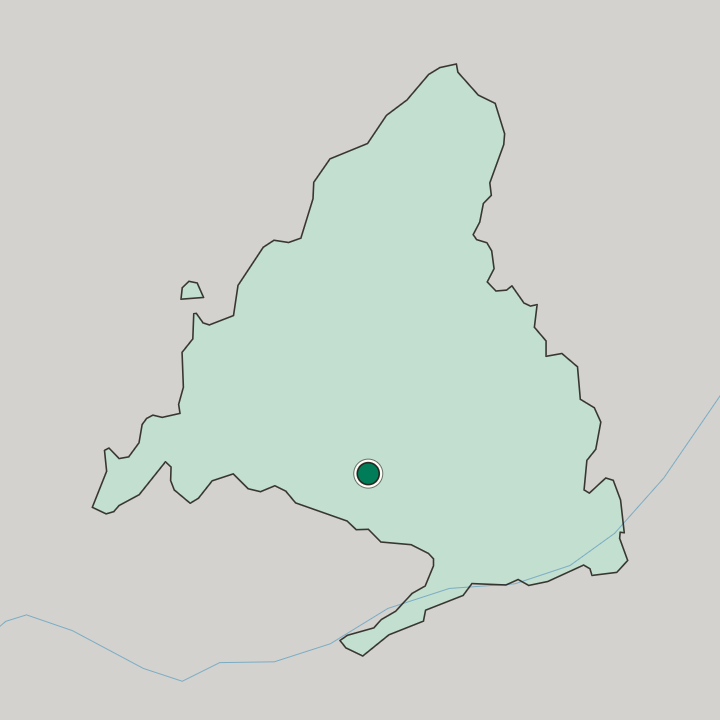
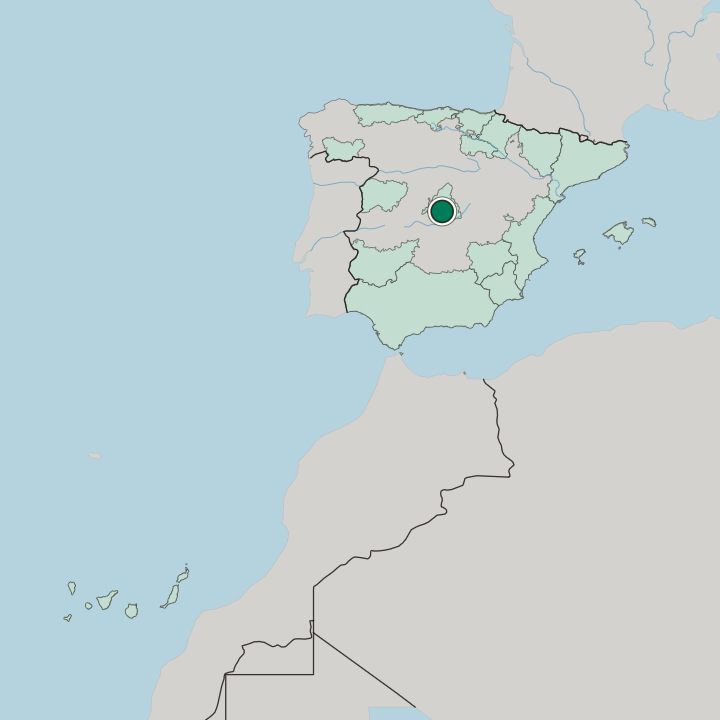
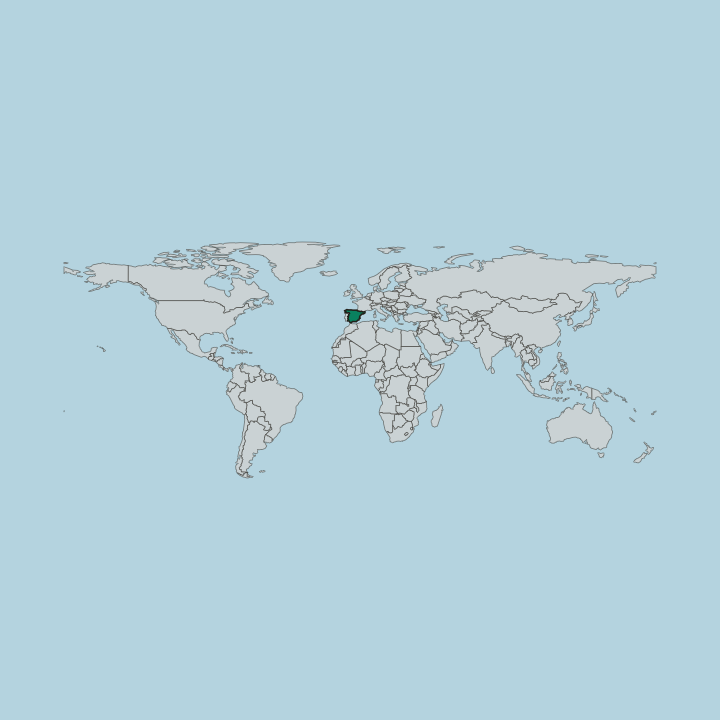
Fuenlabrada covers a little under 40 square kilometres in the Community of Madrid. The municipality lies within the daily reach of the capital and is close-built over most of its ground, with the Zona arqueológica Los Granados and the land around the Church of San Pedro at Polvoranca among the few stretches left open. Springs shaped the older layout.
The Fuente de los Cuatro Caños and the Fuente de las Escaleras sit where the town drew its water, and the Iglesia de San Esteban Protomártir stands at the heart of the old centre.
What is the climate of Fuenlabrada?
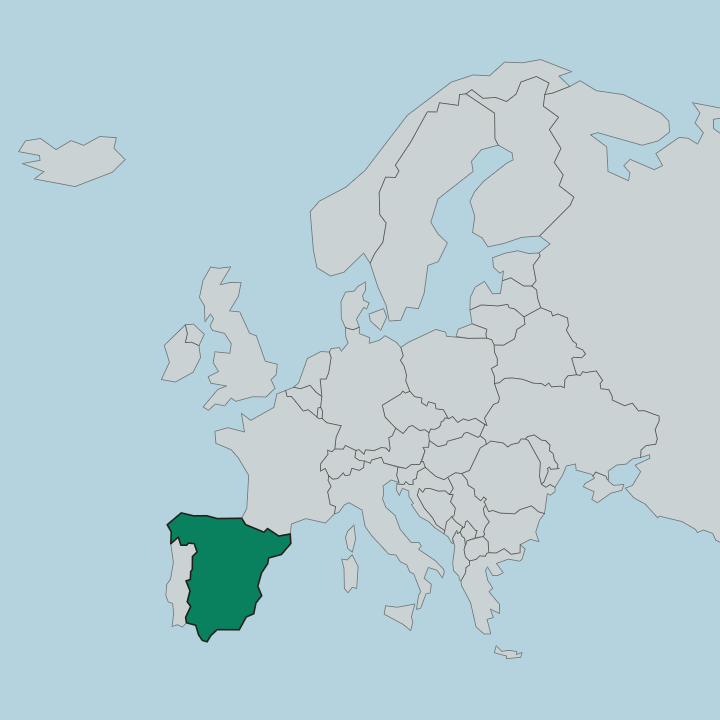
Fuenlabrada sits far from any sea. The town sits well inland in the temperate band of Spain, which leaves the seasons to swing without a sea to hold them steady and gives the warm months a weight that the protected fountains of the old centre once answered. Summer here rewards anyone who tracks the shade.
The Iglesia de San Esteban Protomártir and the streets around it offer more of it than the open ground toward the Zona arqueológica Los Granados.
How do you get to Fuenlabrada?
Fuenlabrada is reached from Madrid. The town sits inside the commuter geography of the Community of Madrid, so arrivals come out from the capital rather than across country, and the last stretch runs through industrial estates and housing before the old centre appears. Arrival ends at the parish.
The Iglesia de San Esteban Protomártir stands at the middle of it, with the Fuente de los Cuatro Caños and the rest of the protected fountains a few streets off.
Common questions
What is the best area to stay in Fuenlabrada?
The San Esteban core: Nights within a walk of the Fuente de los Cuatro Caños. The Polvoranca side: Drivers wanting the Church of San Pedro and open ground at the door.
Good for
More cities in Comunidad de Madrid
Updated October 2026