Spain
Comunidad de Madrid, Spain — Towns & Travel Guide
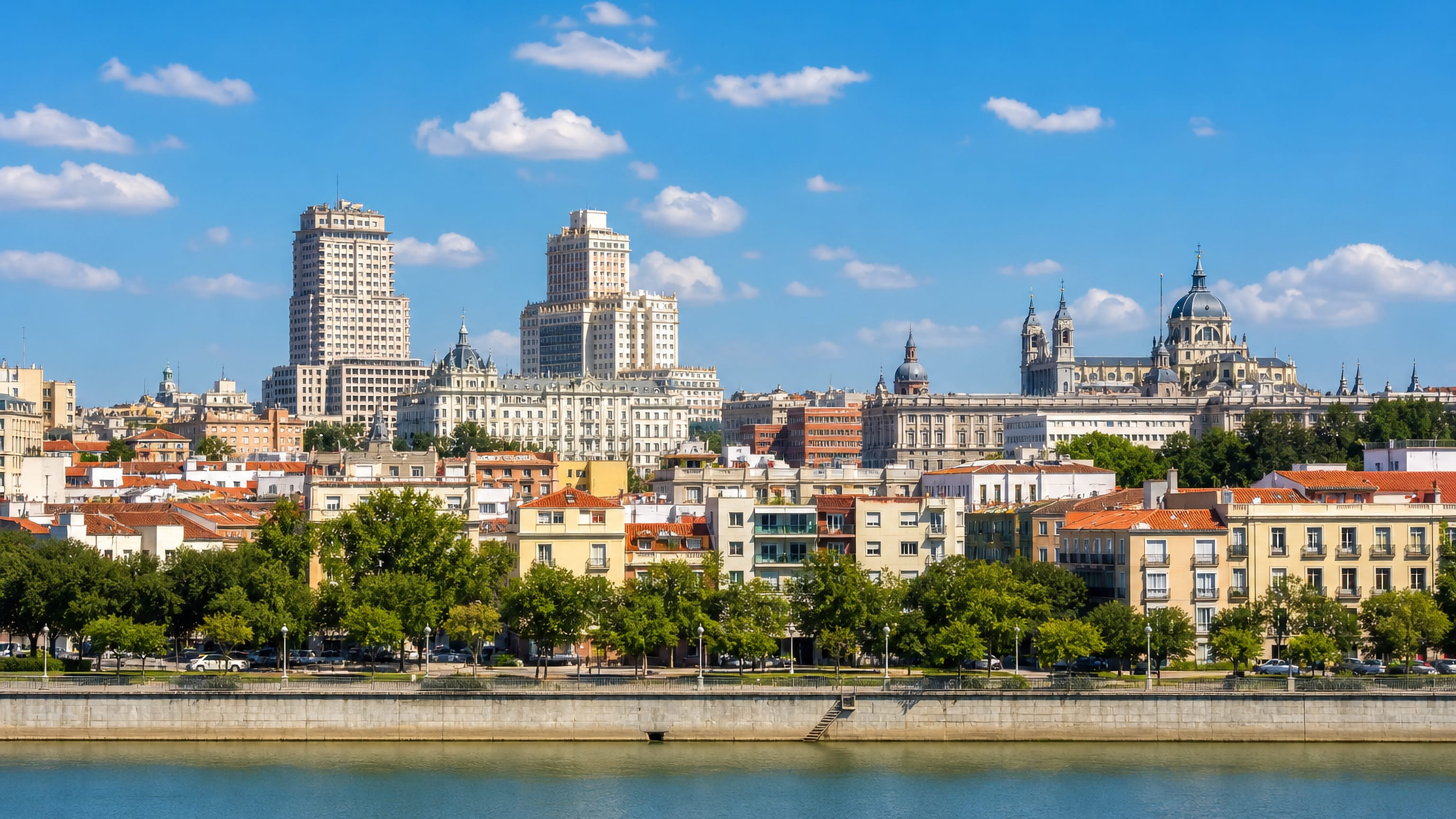
Comunidad de Madrid is an autonomous community at the heart of the Iberian Peninsula, built around Madrid, the capital of Spain.
Hotel links are affiliate links: booking through them may earn us a commission, at no extra cost to you. It never affects how places are ranked. How this works


Towns & cities in Comunidad de Madrid
Pick a town or city — each links to where to stay.
 Spain
Spain
Madrid
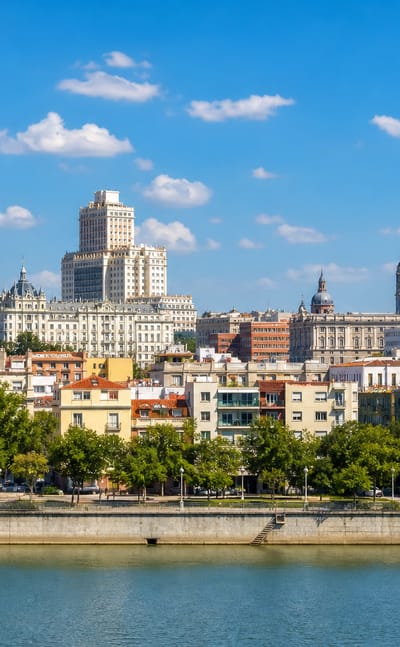
Madrid is the capital and largest city of Spain, set high on the central Iberian Peninsula on the River Manzanares.Where to stay →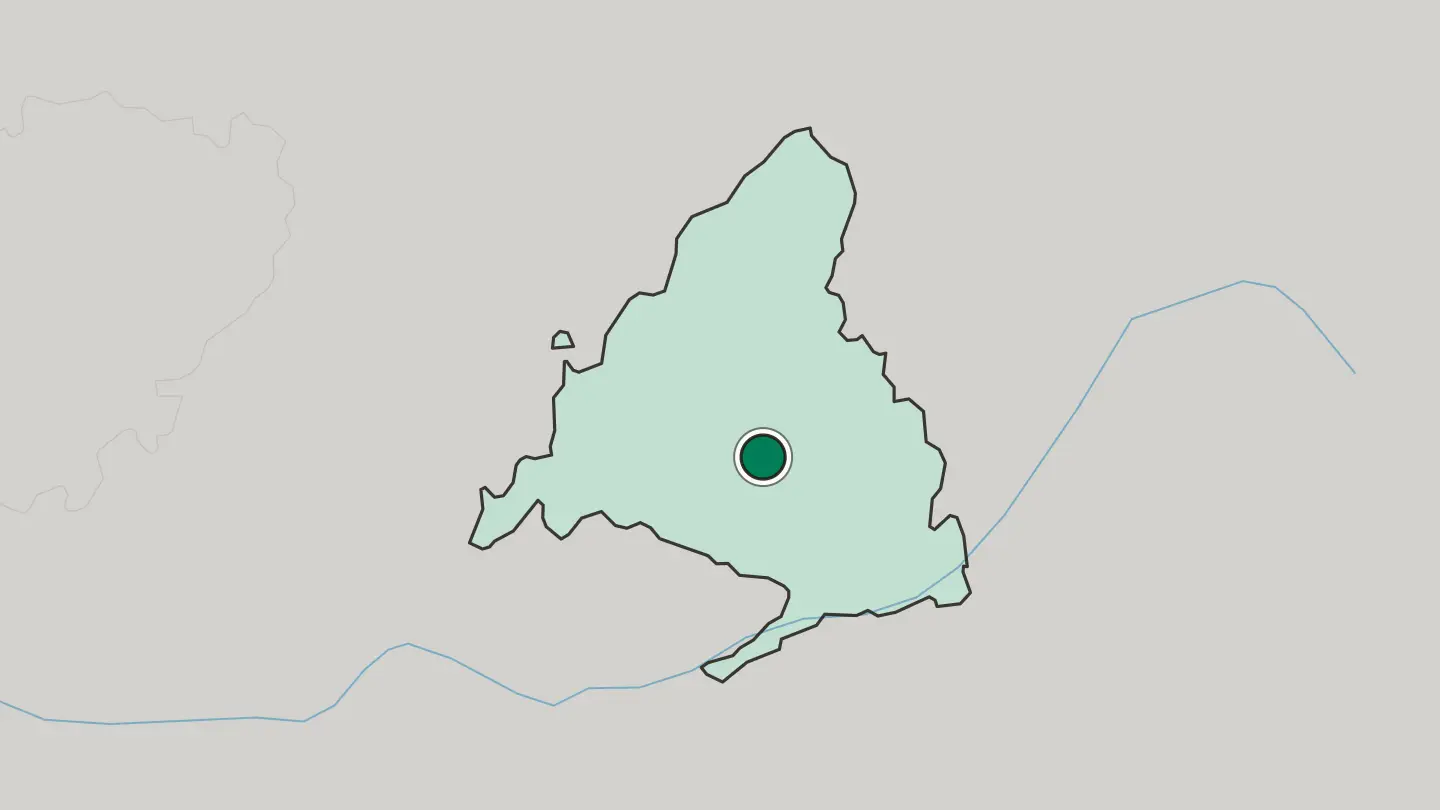 Spain
Spain
Móstoles
Móstoles keeps its own museums. The Casa Museo Andrés Torrejón, the Museo de la Ciudad and the Monumento a la Libertad stand in this Madrid-area town.Where to stay →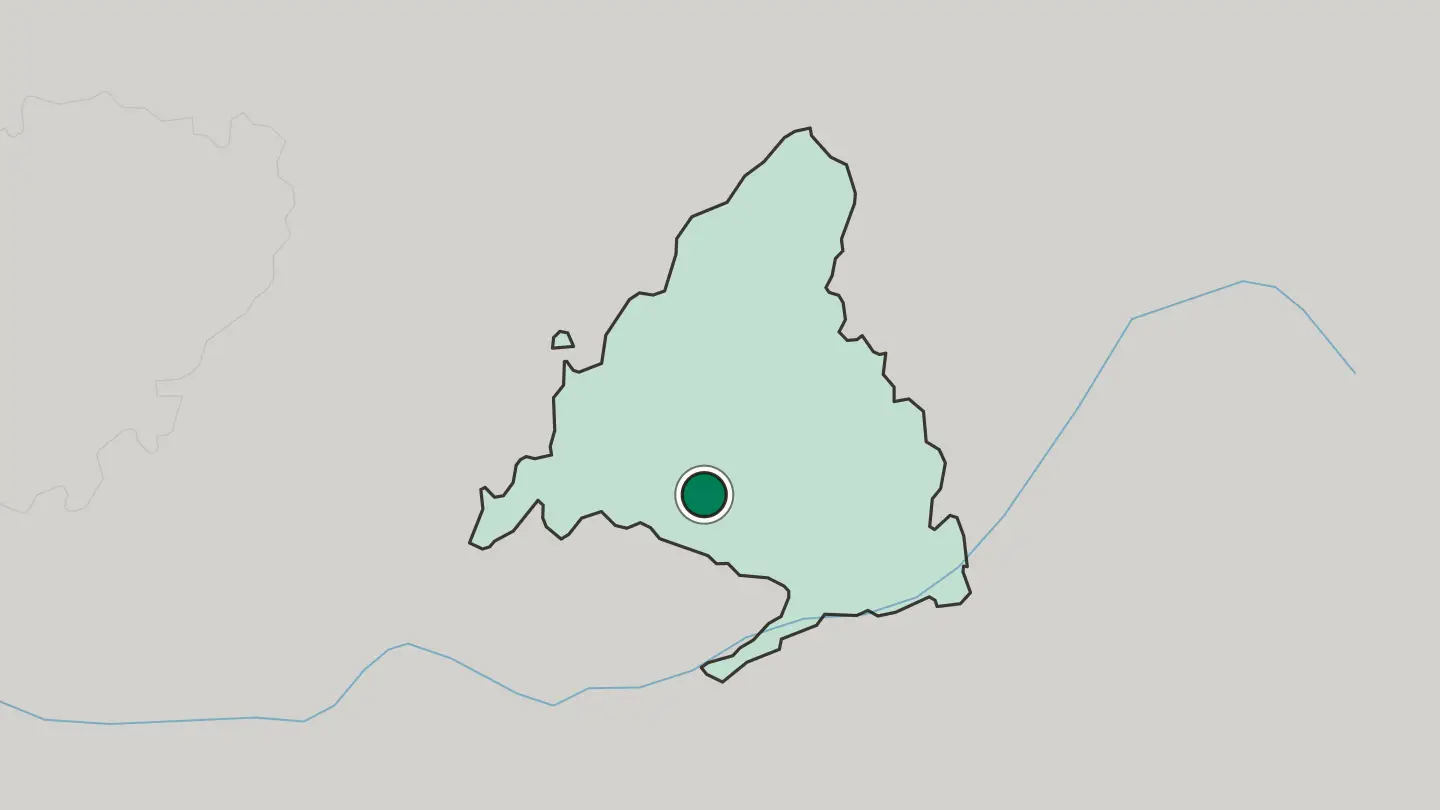
 Spain
Spain
Alcalá de Henares
Alcalá de Henares is a university city 30 km northeast of Madrid, its medieval centre a UNESCO World Heritage Site and the birthplace of Cervantes.Where to stay →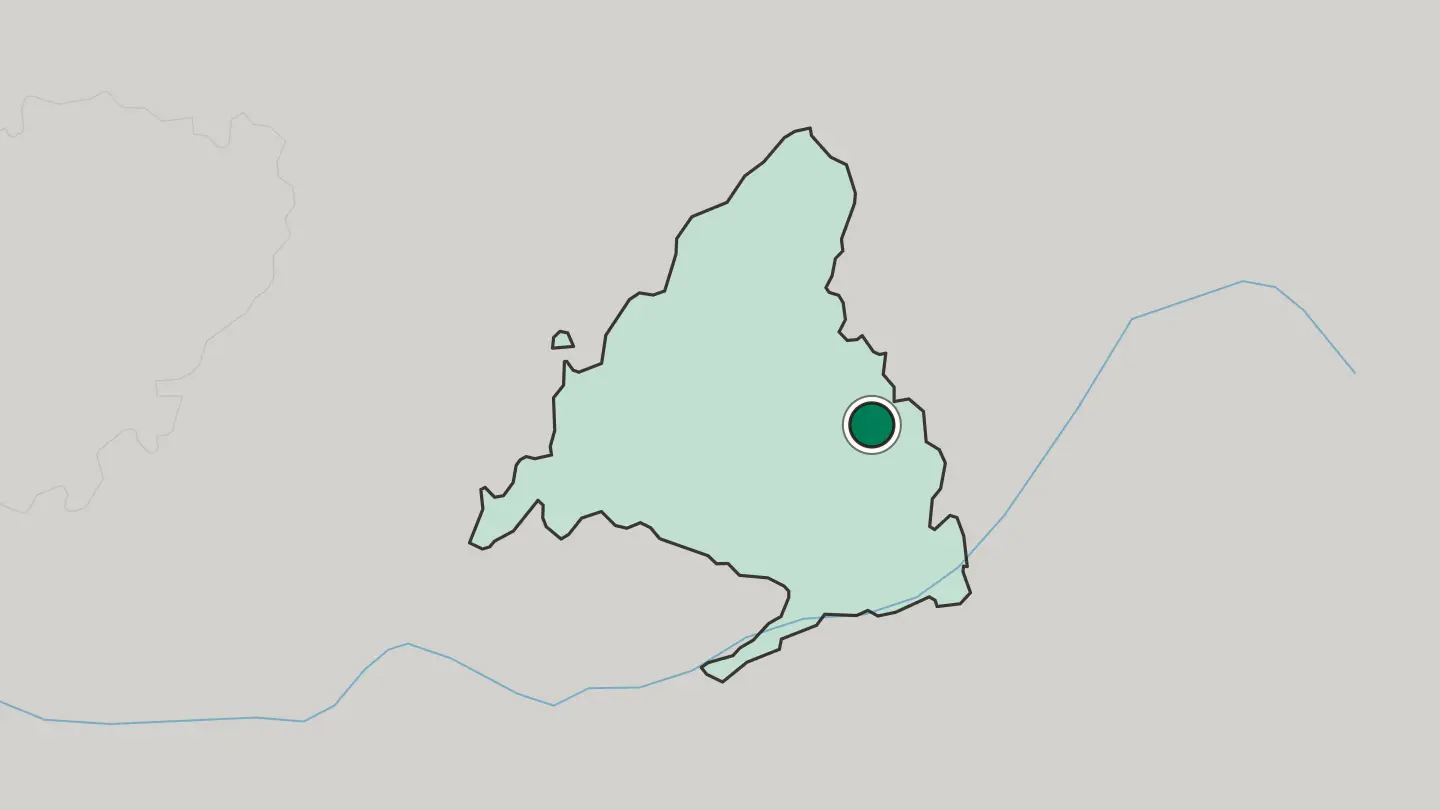
 Spain
Spain
Fuenlabrada
Fuenlabrada dates from 1315 and ranks among the largest municipalities of the Community of Madrid, its old core marked by three protected fountains.Where to stay →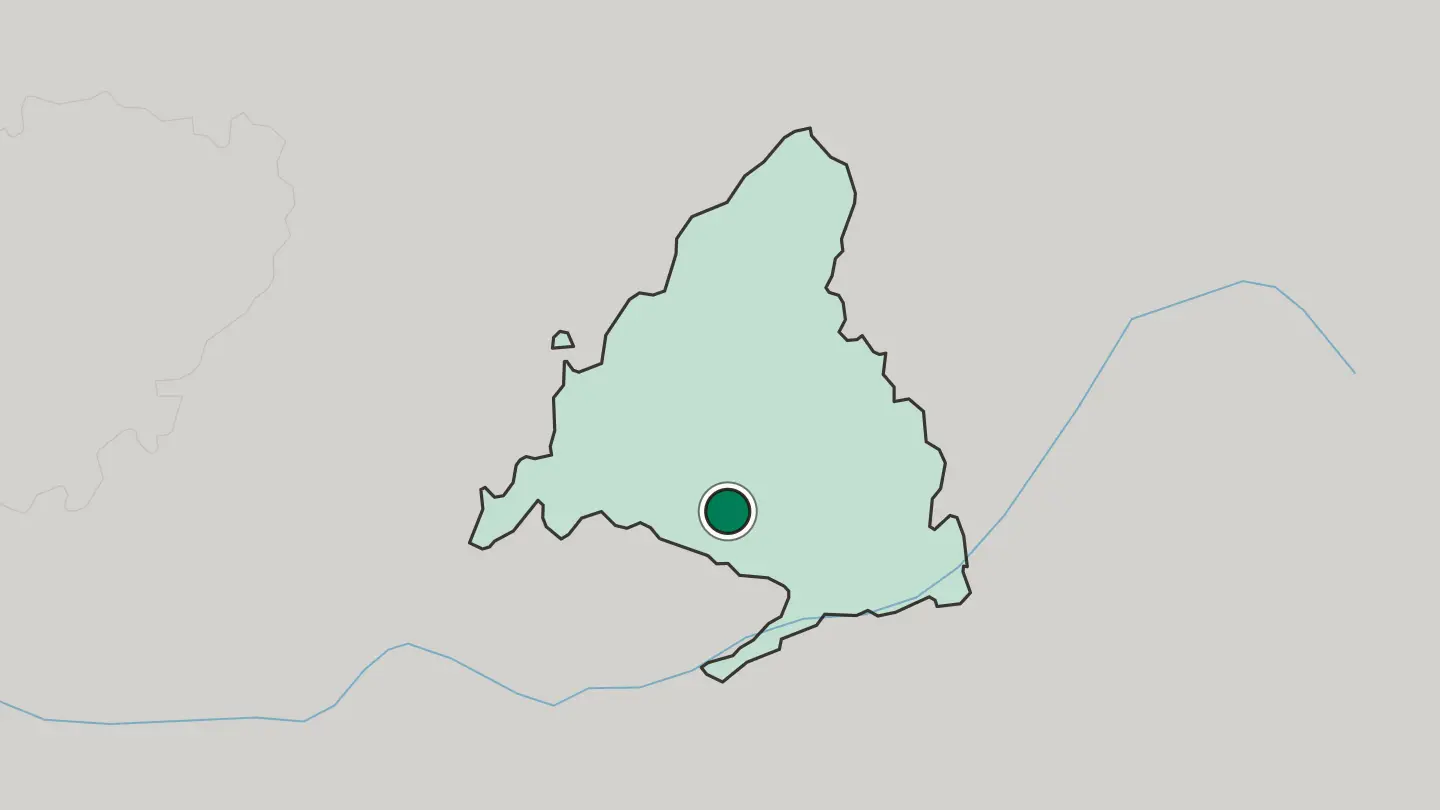
 Spain
Spain
Leganés
Leganés fills 43 square kilometres of the Community of Madrid, its streets holding the Museo de Escultura de Leganés and the Church of San Salvador.Where to stay →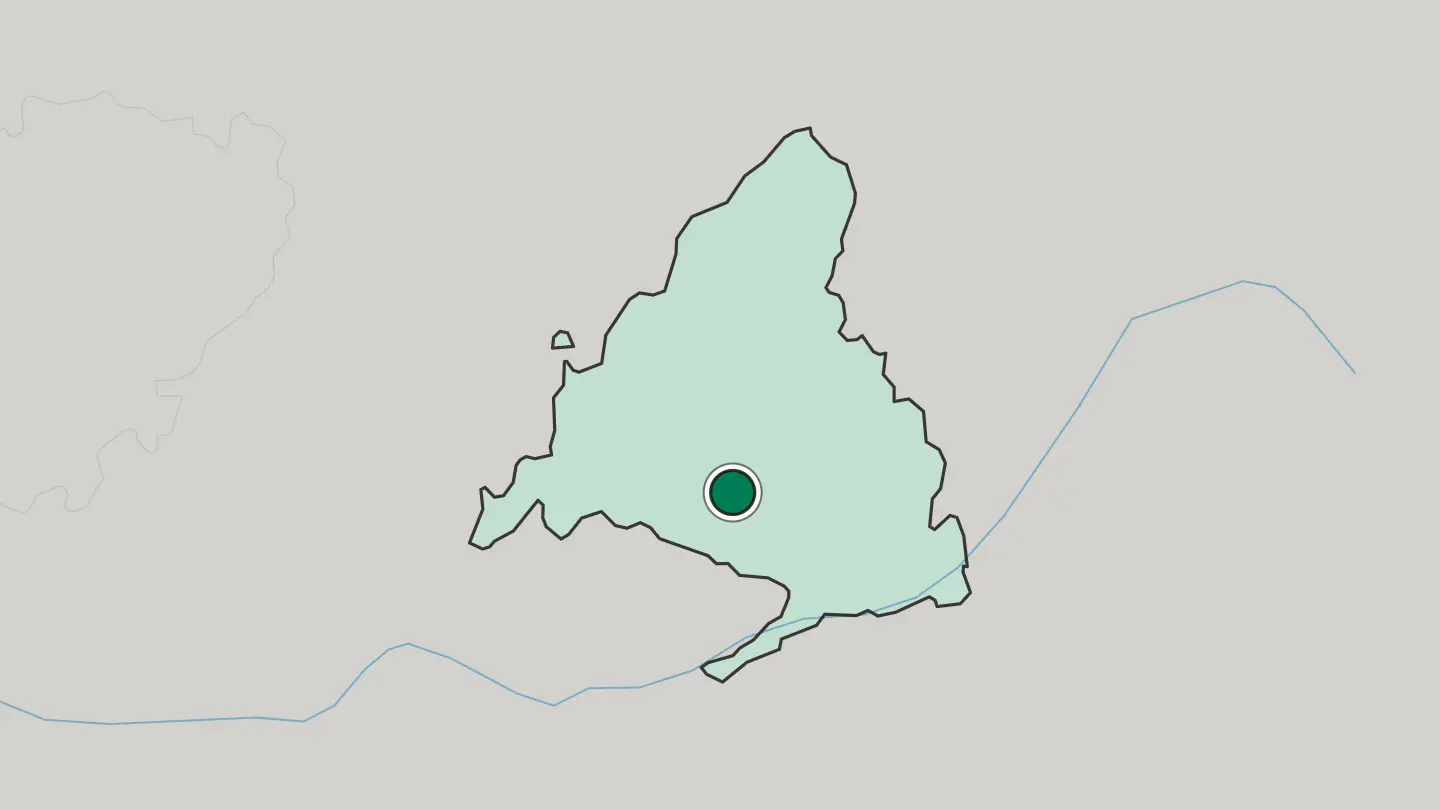
 Spain
Spain
Getafe
Getafe lies just south of Madrid, a cathedral and university town whose Cerro de los Ángeles is held to mark the centre of the Iberian Peninsula.Where to stay →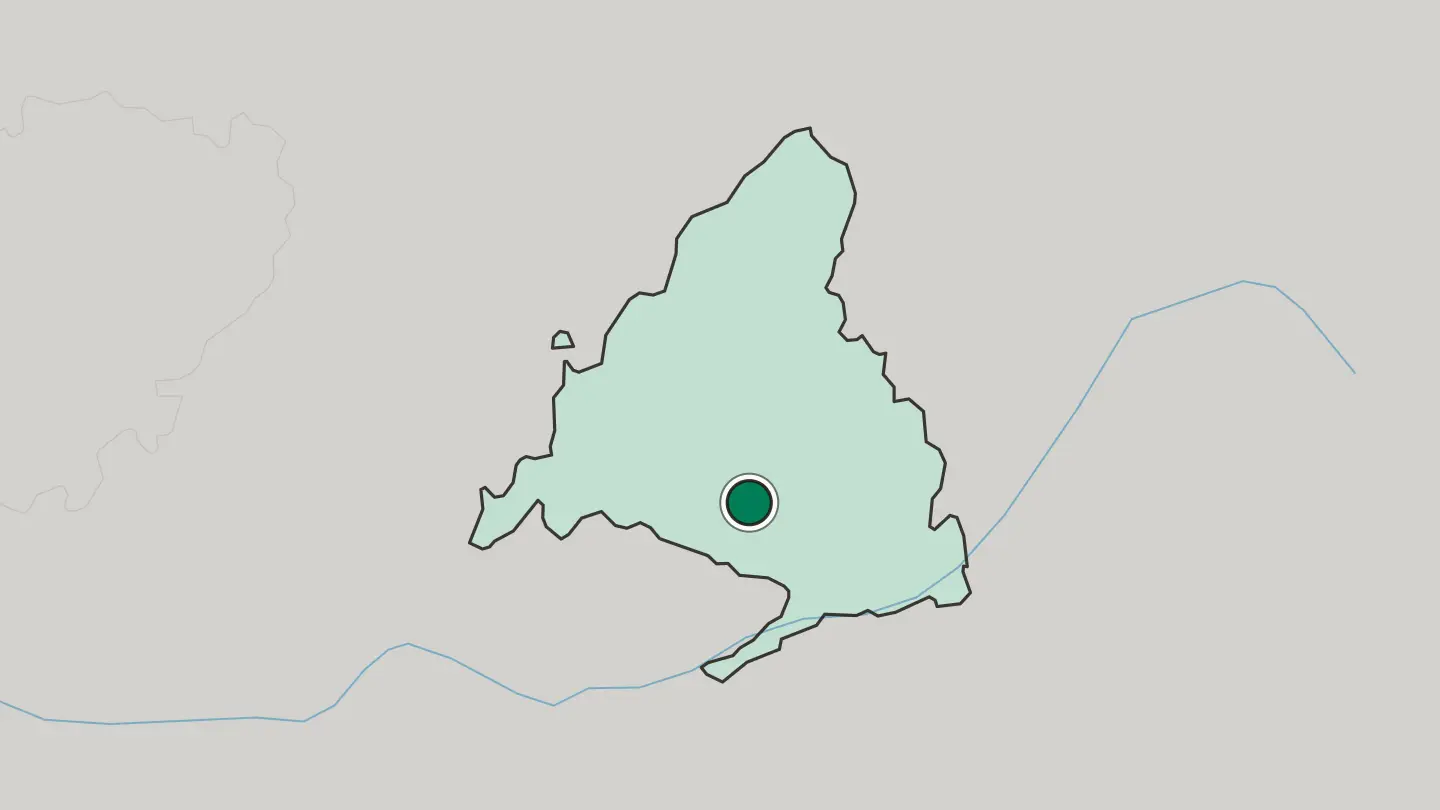
 Spain
Spain
Alcorcón
Alcorcón is a city of the Comunidad de Madrid, holding a glass-art collection in the Castillos de Valderas and an archaeological zone in its old core.Where to stay →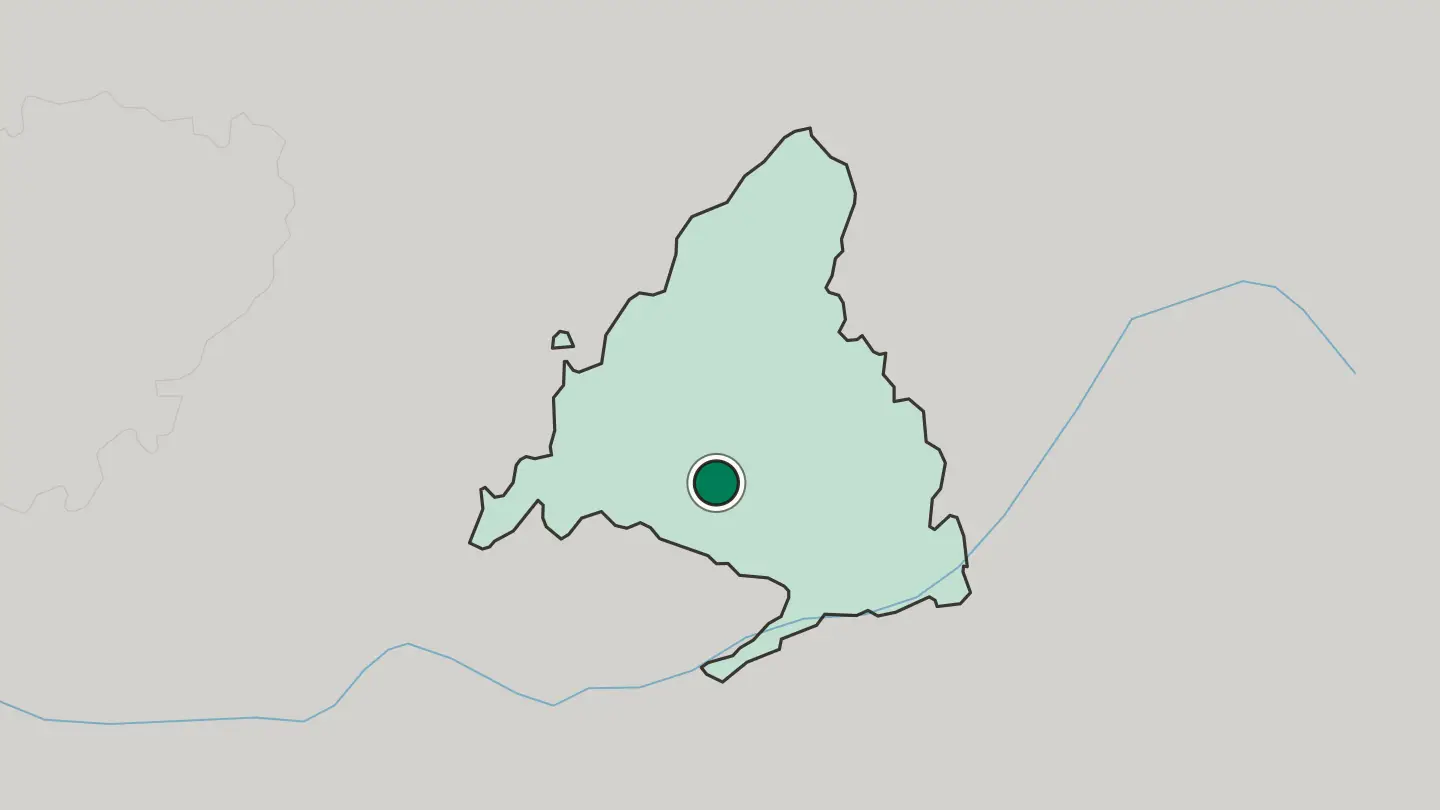
 Spain
Spain
Torrejón de Ardoz
Torrejón de Ardoz is a municipality of the Comunidad de Madrid, with a city museum and a car collection across just over 32 square kilometres.Where to stay →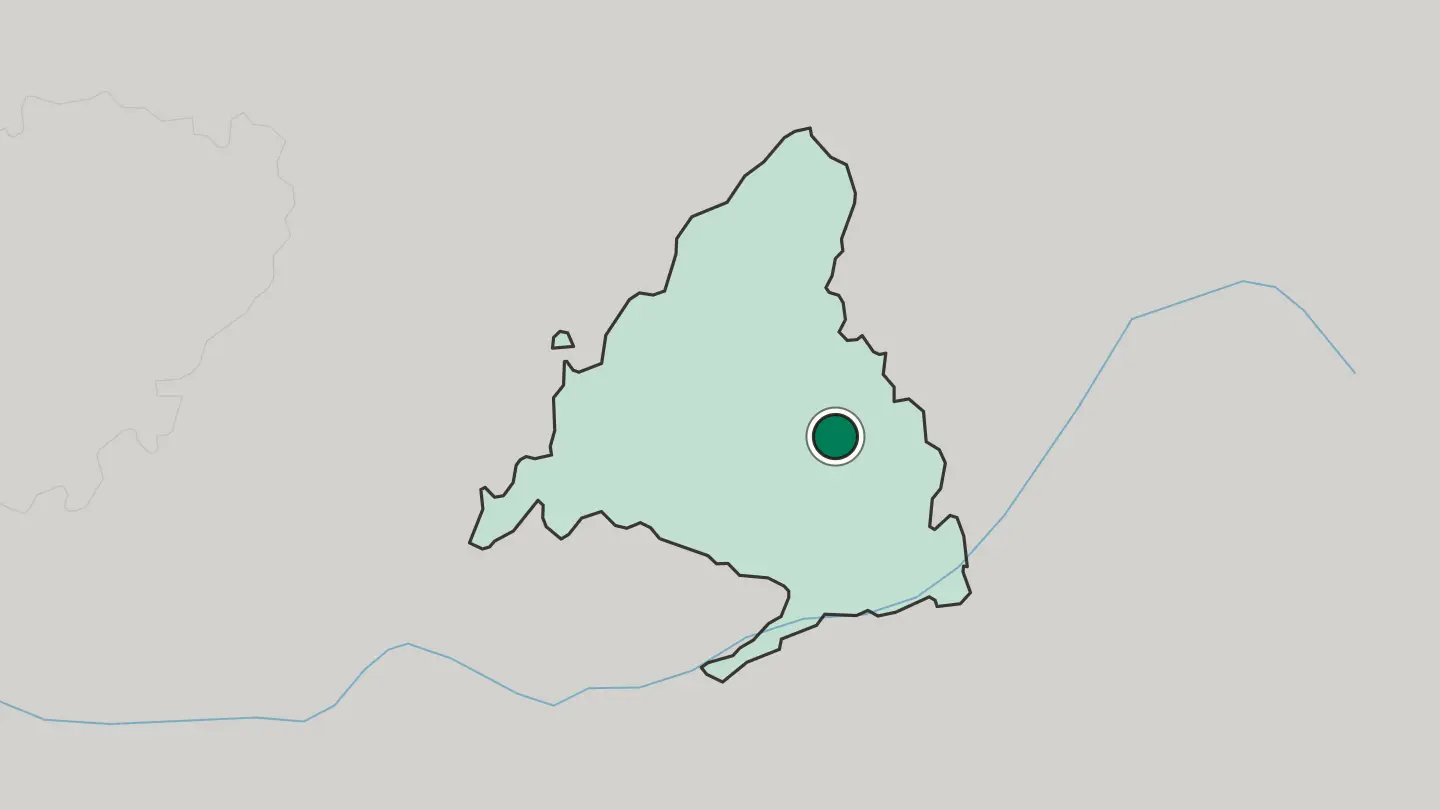
All towns & cities (18)
 Spain
Spain
Alcobendas
Alcobendas is a municipality of the Comunidad de Madrid in Spain, with an art centre, an ethnographic museum and a bonsai collection of its own.Where to stay →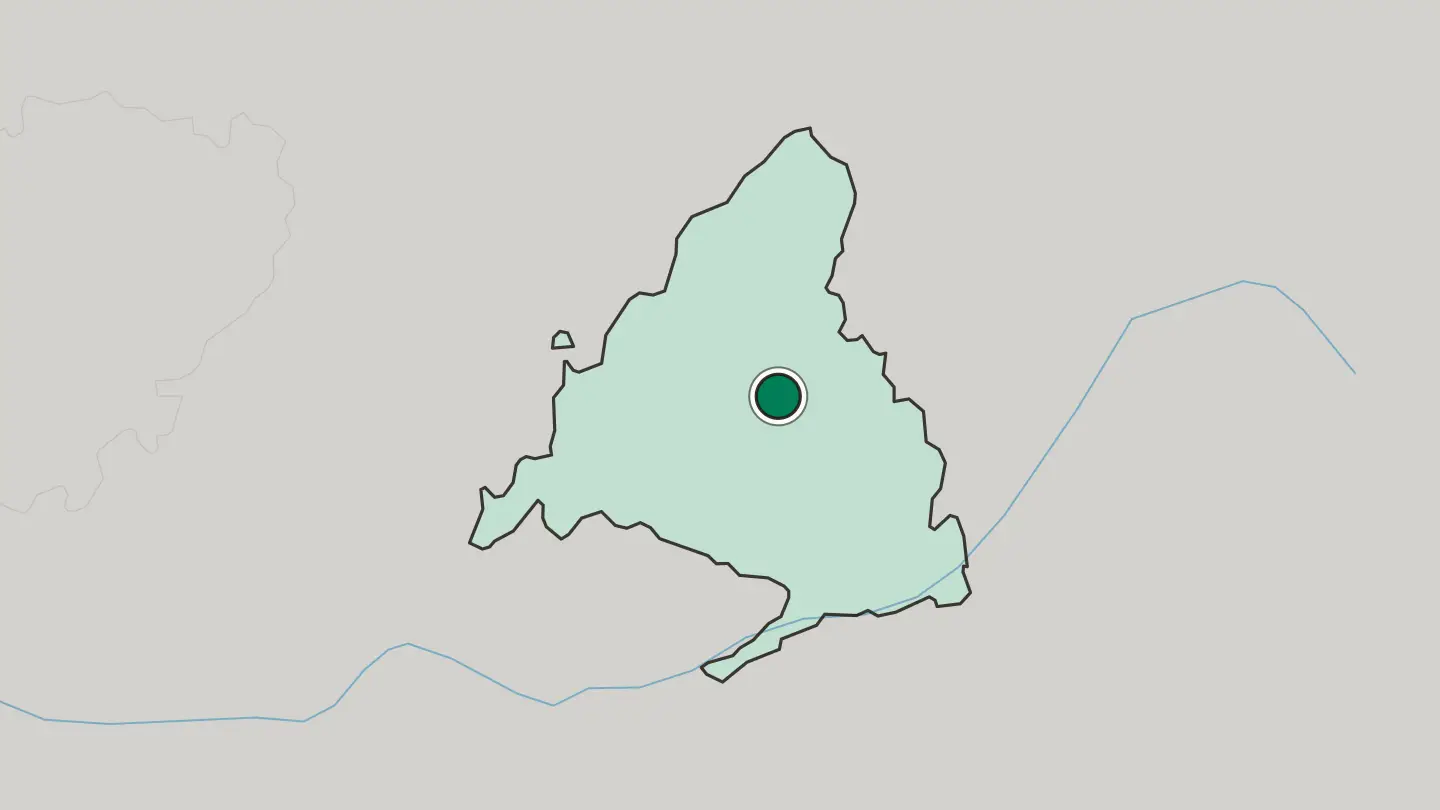
 Spain
Spain
Parla
Parla belongs to the Comunidad de Madrid. The Humanejos digs and the Casa Grande de Bartolomé Hurtado are the oldest things on its ground.Where to stay →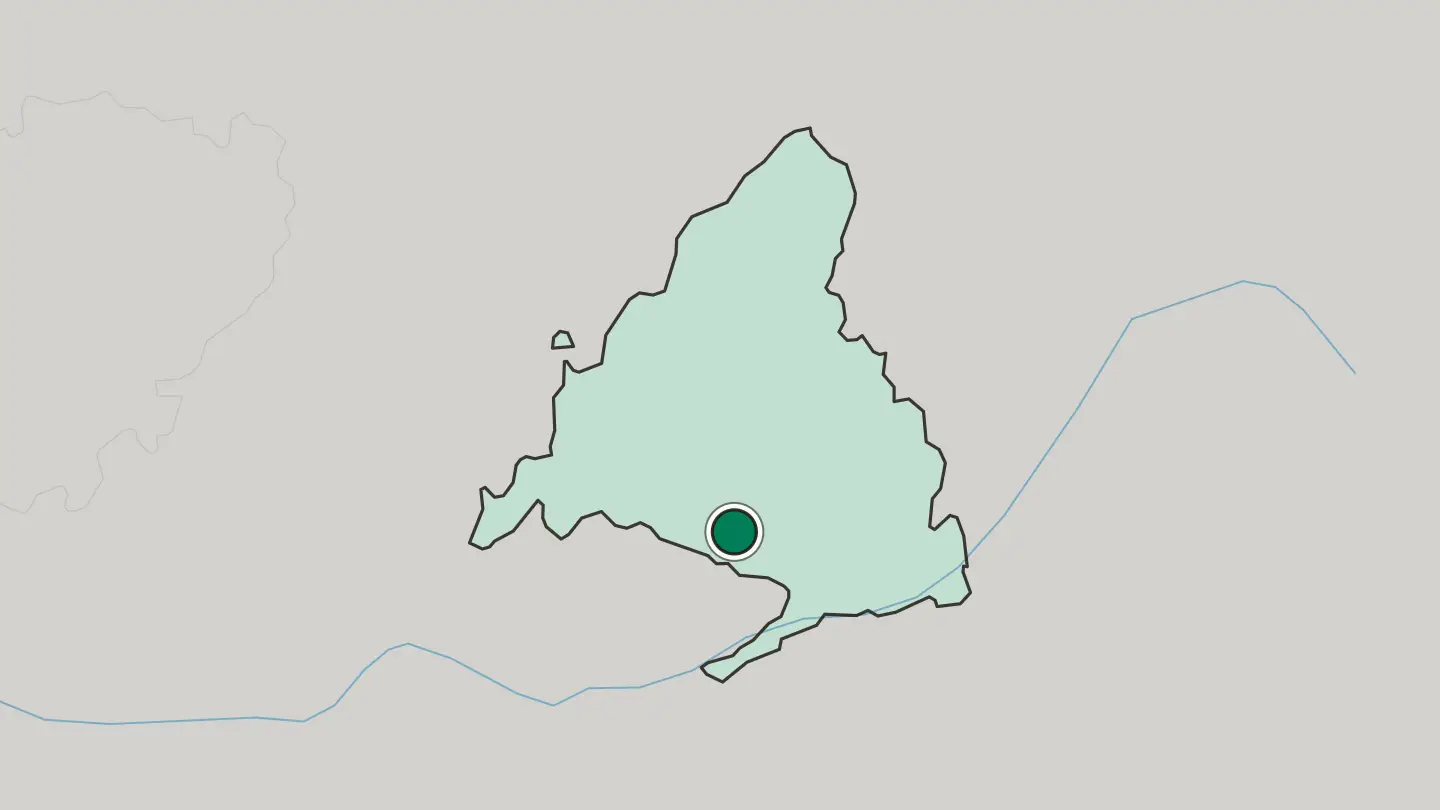 Spain
Spain
Las Rozas de Madrid
Las Rozas de Madrid is a municipality of the Community of Madrid ringed by royal ground, from El Pardo to the Palace of Canto del Pico.Where to stay →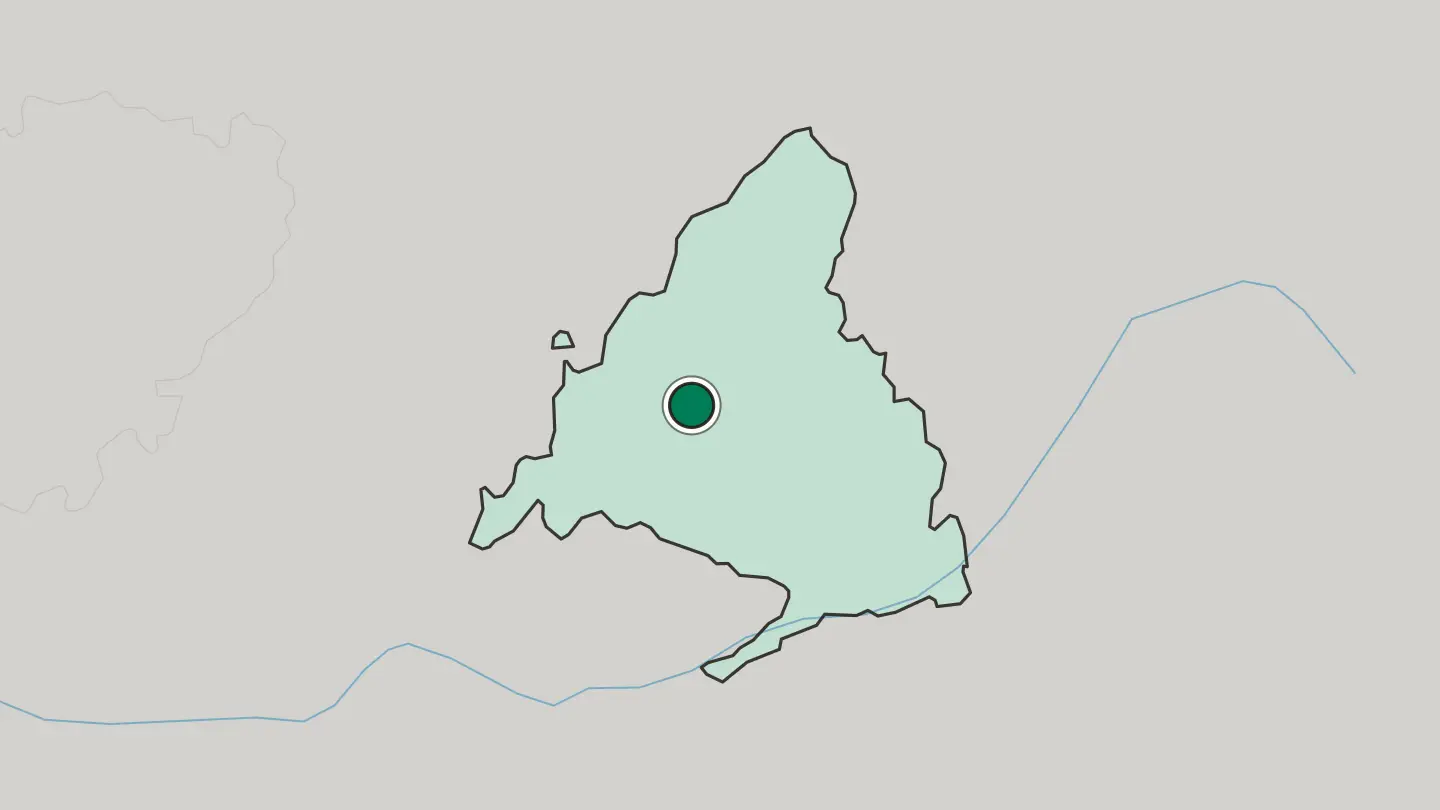
 Spain
Spain
Pozuelo de Alarcón
Pine forest surrounds Pozuelo de Alarcón. The Casa de Campo, Monte del Pardo and Monte del Pilar ring a municipality bordering Madrid.Where to stay →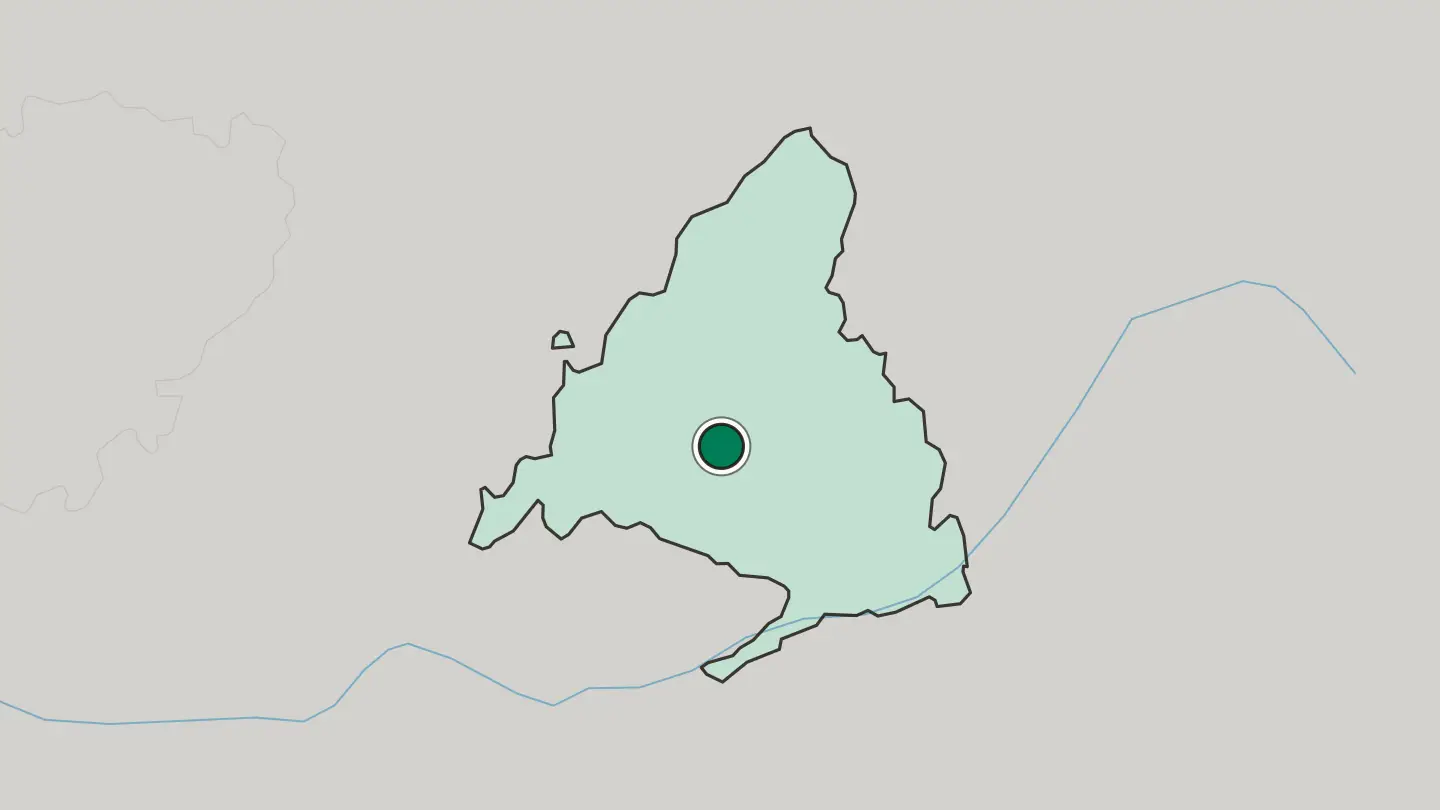
 Spain
Spain
San Sebastián de los Reyes
San Sebastián de los Reyes dates from 1492. The town lies north of Madrid, and Alcobendas sits alongside with a shared run of museums and churches.Where to stay →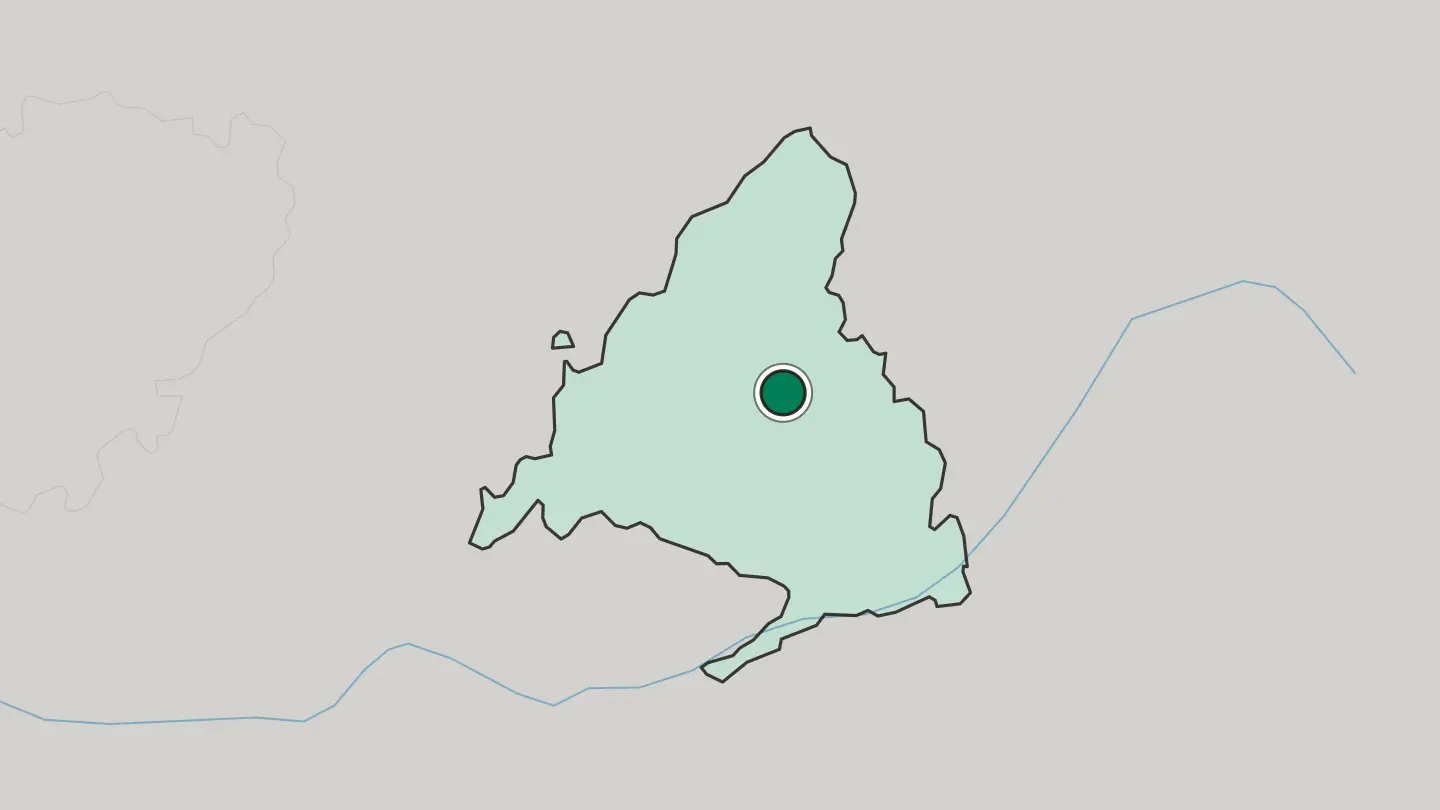 Spain
Spain
Rivas-Vaciamadrid
Two rivers converge at Rivas-Vaciamadrid. The Manzanares joins the Jarama here, inside a regional park that covers most of the municipality.Where to stay →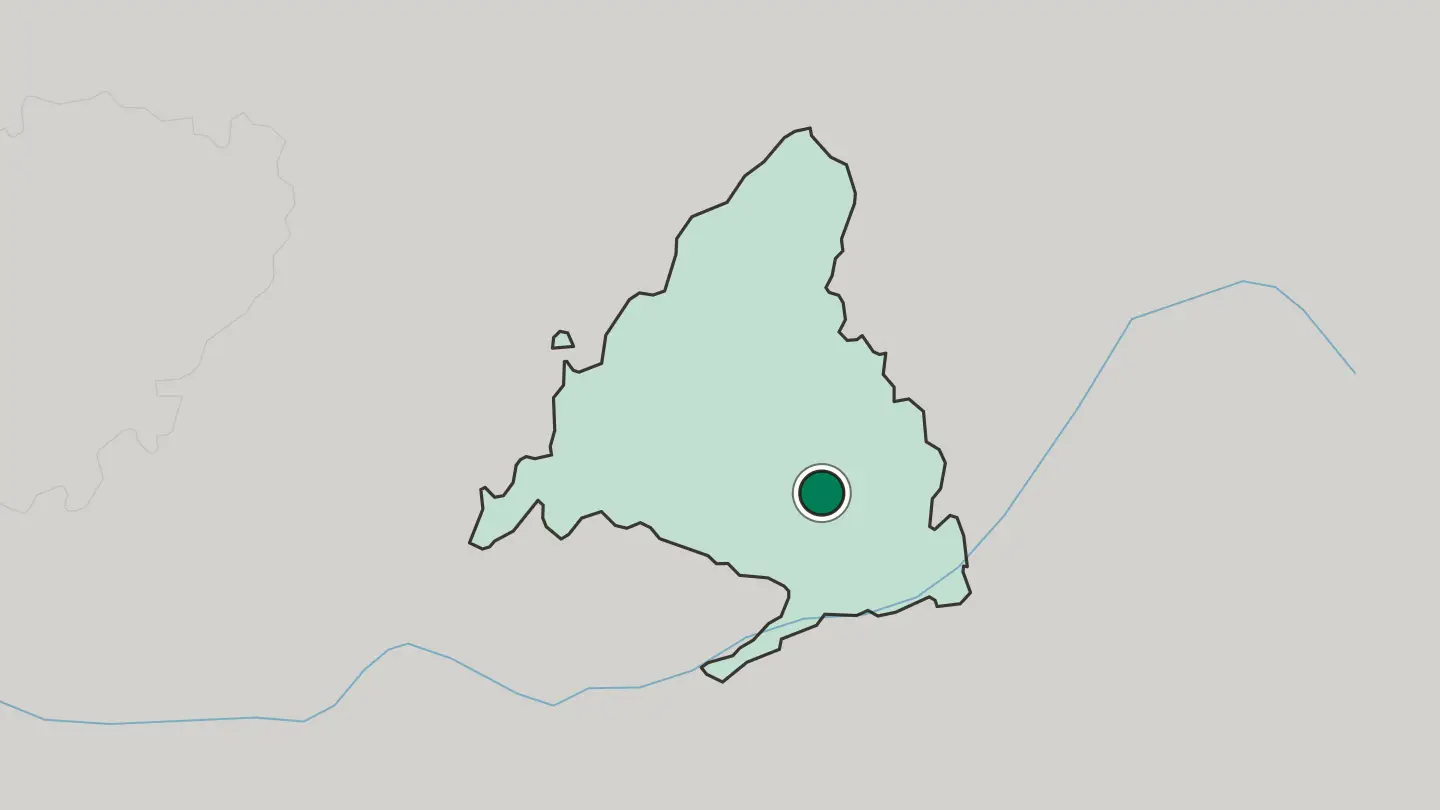 Spain
Spain
Majadahonda
Majadahonda stands in the Comunidad de Madrid. El Pardo, the Palace of Infante don Luis and the Casita del Príncipe all lie within a short drive.Where to stay →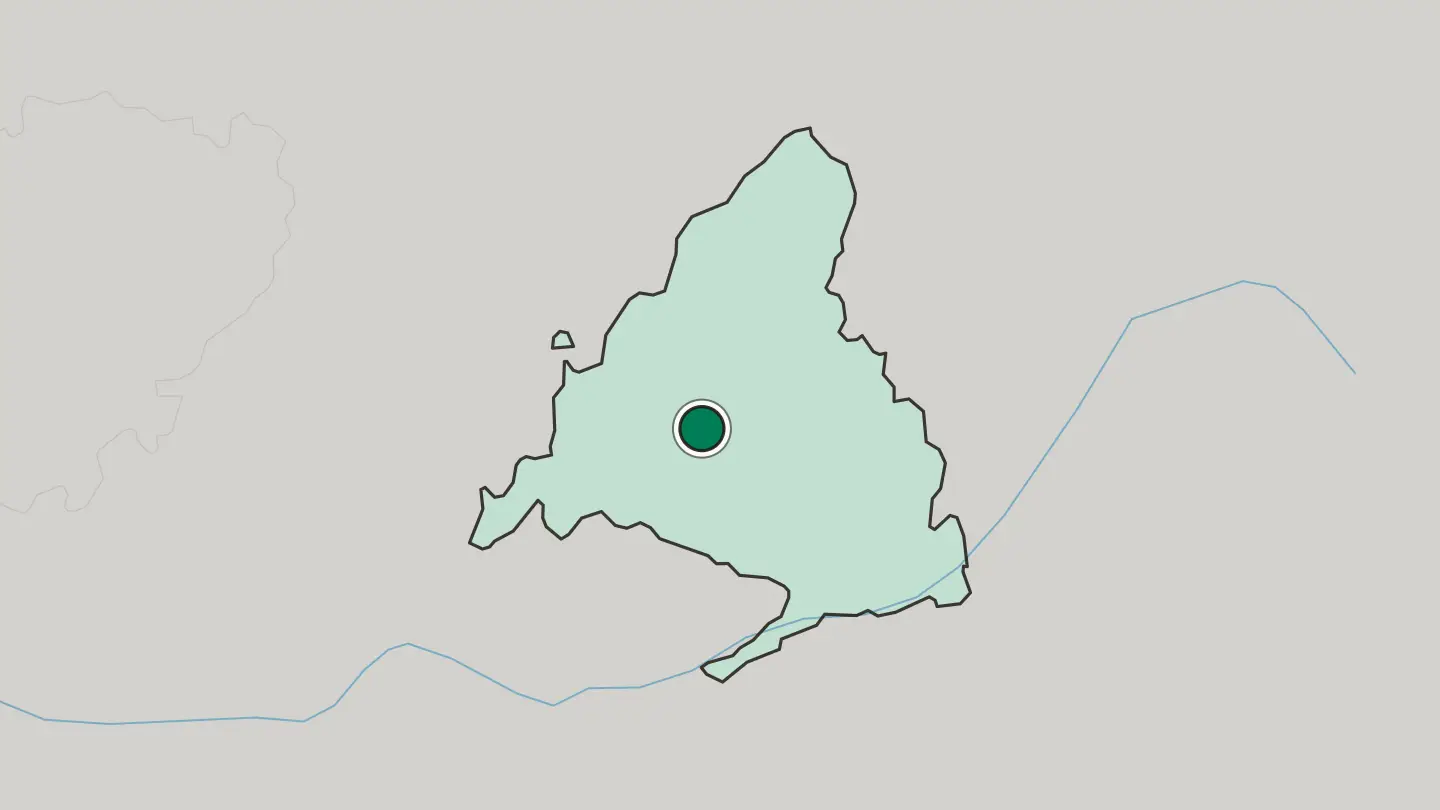 Spain
Spain
Collado-Villalba
Collado Villalba sits some 40 kilometres north-west of Madrid, a commuter town at 917 metres holding the prehistoric Dolmen de Entretérminos.Where to stay →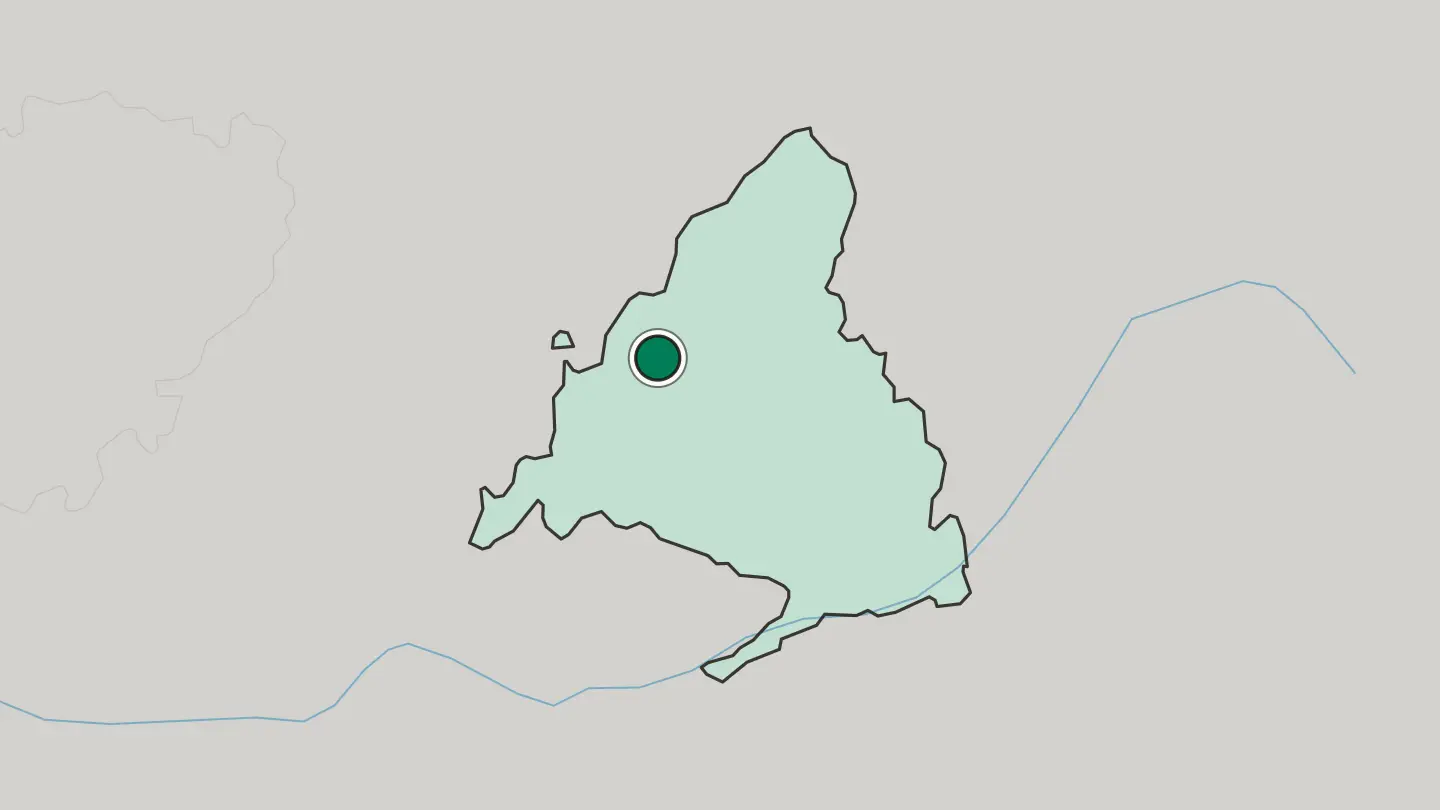
 Spain
Spain
Aranjuez
Aranjuez is a historic municipality at the confluence of the Tajo and Jarama rivers, about 50 km south of Madrid, built around its Royal Palace.Where to stay →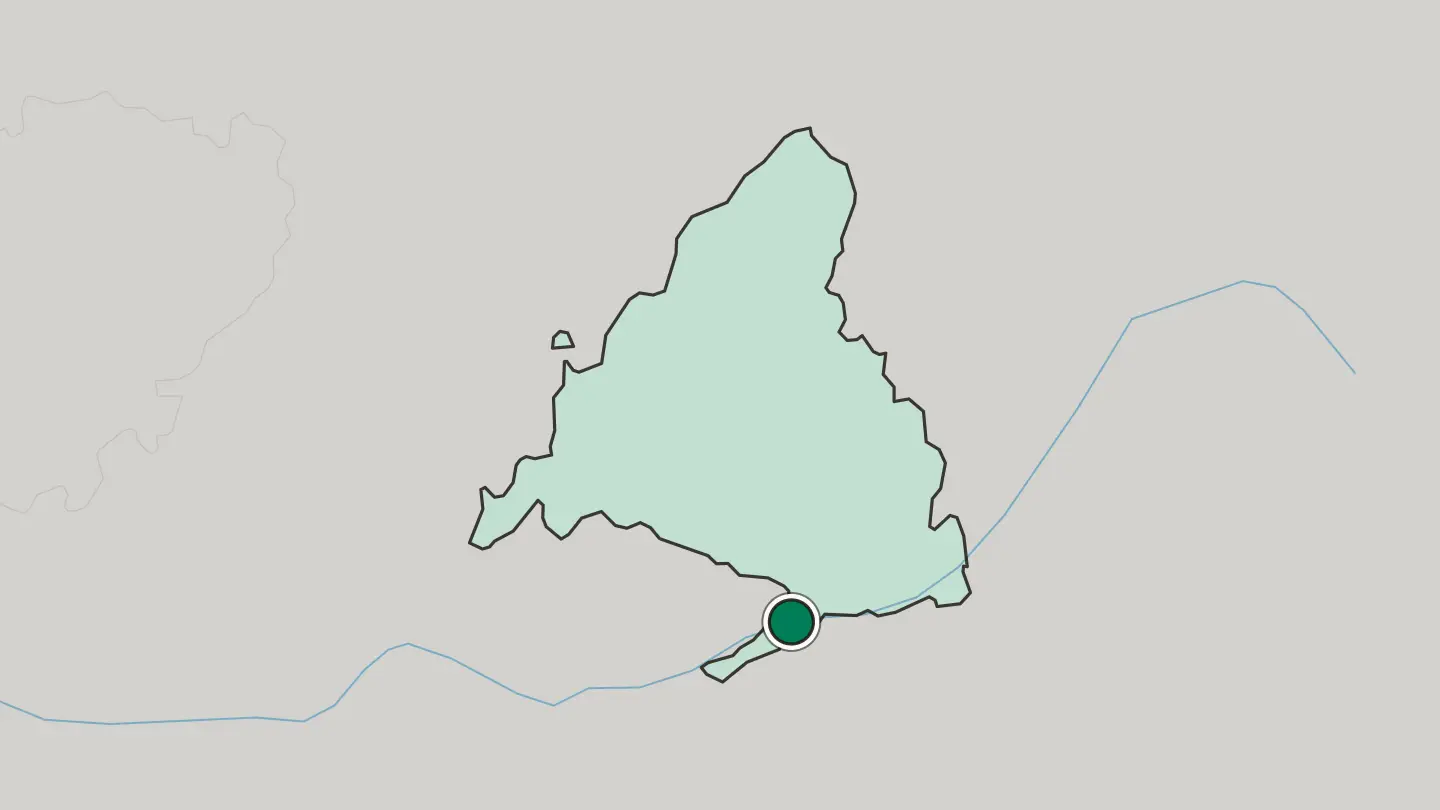
 Spain
Spain
Boadilla del Monte
Boadilla del Monte stands in the west of the Community of Madrid, where the Palace of Infante don Luis keeps its gardens behind a protected landscape.Where to stay →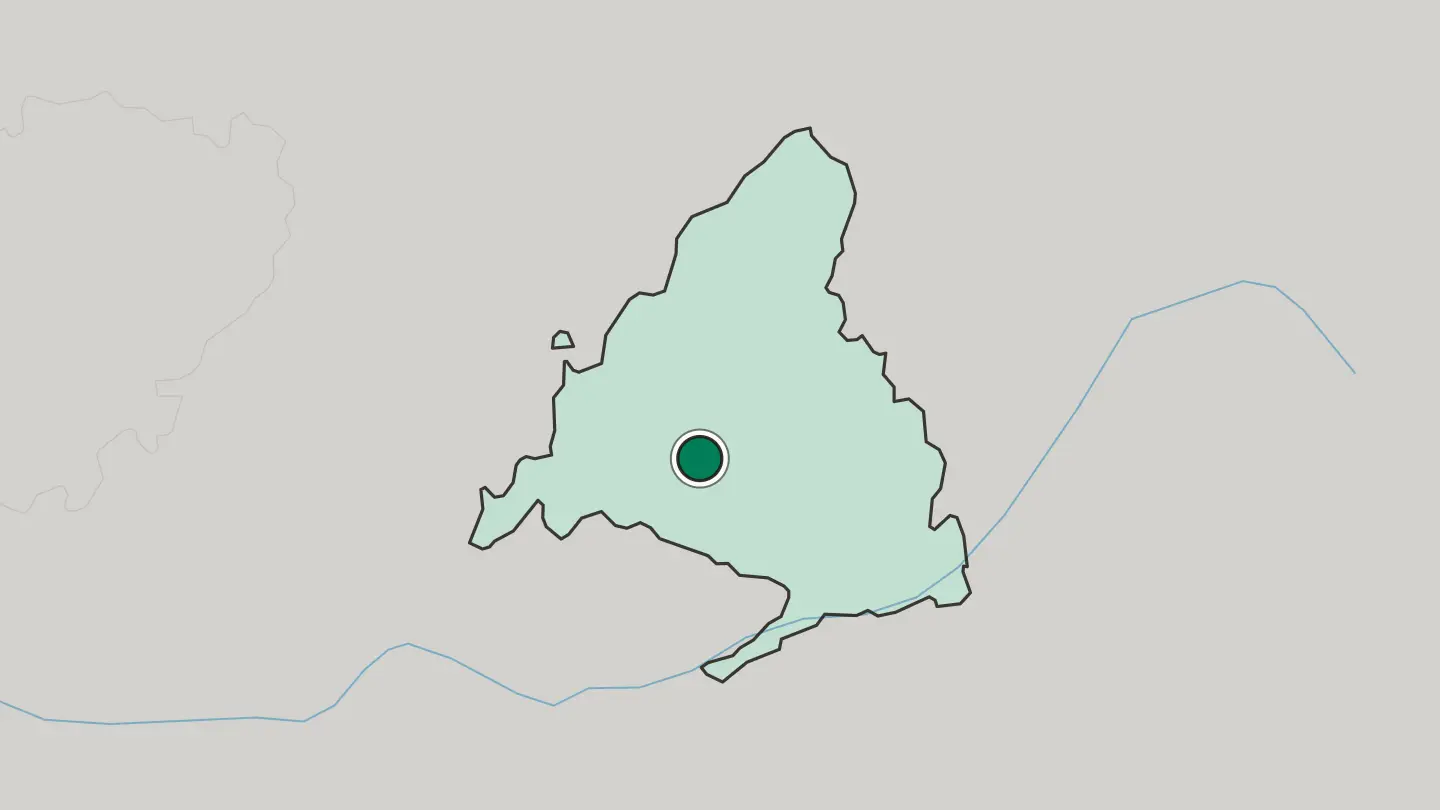
Hotel links are affiliate links: booking through them may earn us a commission, at no extra cost to you. It never affects how places are ranked. How this works
About Comunidad de Madrid
What is Comunidad de Madrid known for?
Comunidad de Madrid is known above all for Madrid, the capital and largest city of Spain. The community sits at the heart of the Iberian Peninsula, laid across the Central Plateau and bordered by Castilla-La Mancha on one hand and Castile and León on the other. Its limits trace the province of Madrid.
That province once belonged to the historical region of New Castile, before the community took its modern administrative shape. The capital defines it.
Where is Comunidad de Madrid?
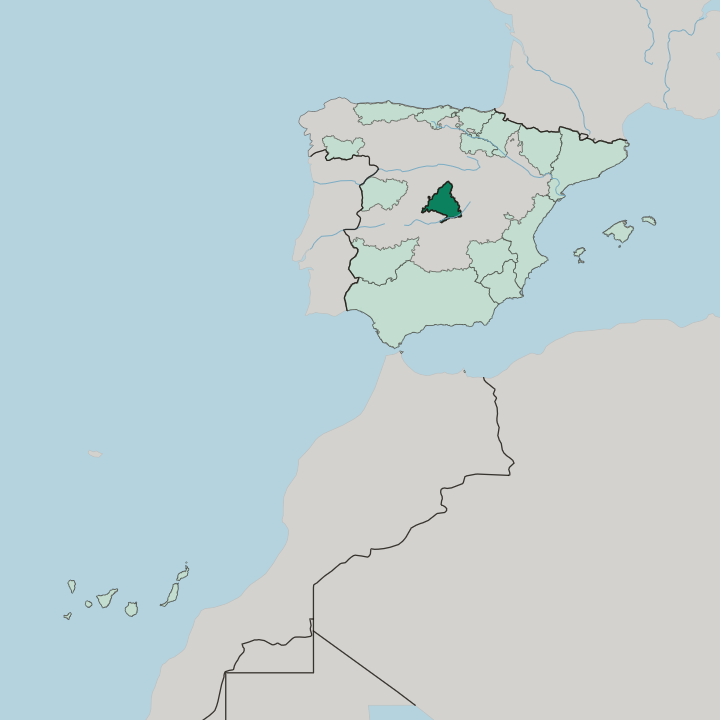
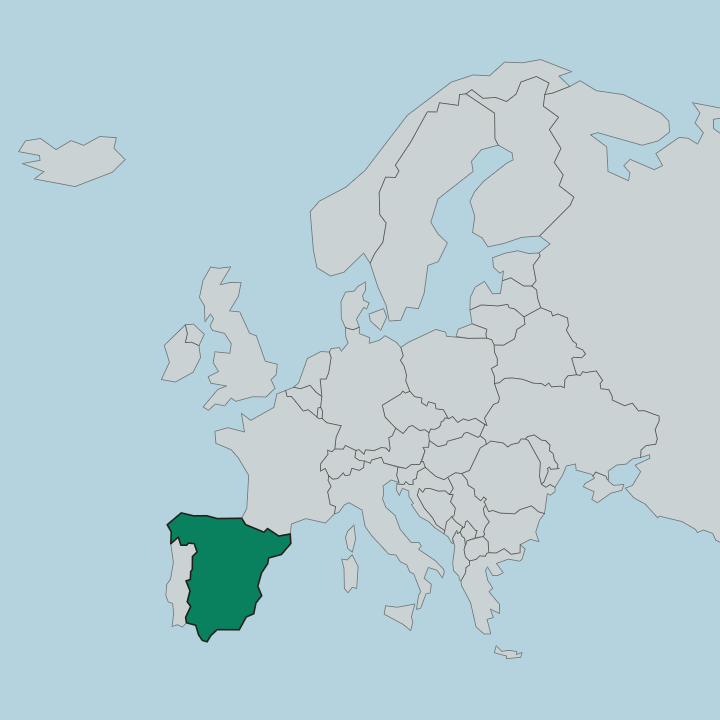
Comunidad de Madrid occupies the heart of the Iberian Peninsula, laid across the tableland of the Central Plateau. The autonomous community fills a single inland province, held between two larger neighbours. Castilla-La Mancha and Castile and León enclose it on every side.
No stretch of coastline touches it. The land is interior through and through, a compact block of the plateau gathered around one dominant city, and its outer edge follows the old provincial boundary rather than any river or shore. That province is the community's exact frame; its limits trace the province of Madrid, drawn to give the Spanish capital its own administrative standing.
Before that redrawing, the territory belonged to the historical region of New Castile, an older grouping of the interior. Madrid anchors the whole. The capital sits near the community's centre, and every road, rail line, and district of the region bends toward it.
Around the city the land opens into the wide country of the Central Plateau, an inland setting far from any sea. Everything here is measured against the capital at its middle. For a traveller, that means the community reads as Madrid and its hinterland, one metropolis set in the broad interior of the Iberian Peninsula.
What is Comunidad de Madrid like?
Comunidad de Madrid takes its character from the capital at its core. Life in the community revolves around Madrid, the capital city whose weight sets the cultural tone for the whole surrounding province and far beyond it. Spanish is the everyday language, spoken across the plateau from the capital to its smallest towns.
The pull is inward. Nearly everything cultural in the region gathers in and around the one great city, and the surrounding country takes its lead from it. The capital sets the pace.
Beyond the capital, the community keeps the older identity of New Castile, the interior Castilian world it grew from. That inheritance shows in its language, its place names, and the open, high country of the Central Plateau that frames daily life. The rhythm is Castilian and urban at once.
Small towns of the plateau ring the metropolis, Castilian in speech and settled long before the modern province was drawn. A single metropolis anchors a wide inland province, and the culture of the Comunidad de Madrid runs between the two, half capital city and half open interior of the Iberian Peninsula.
What is the history of Comunidad de Madrid?
Comunidad de Madrid was formally created in 1983, carved out to settle the particular status of Madrid as the capital of the Spanish state and its place in the national urban order. Its territory had long belonged to the historical region of New Castile, folded into the wider Castilian interior. The new community took the exact outline of the province of Madrid.
A capital needed its own frame. From that act the region emerged as the administrative home of the Spanish capital.
What is the climate of Comunidad de Madrid?
Comunidad de Madrid has the dry, continental climate of the deep interior. Cut off from any coast on the Central Plateau, the community swings between hot, bright summers and cold winters, with the plateau air staying dry for much of the year. The sea plays no part here.
Its weather is shaped by altitude and distance inland, not by any moderating ocean, and the seasons arrive with the sharp edges of the Iberian interior.
How do you get to Comunidad de Madrid?
Comunidad de Madrid is reached through Madrid, the capital and the region's single gateway. Nearly every arrival to the community passes through the city, whether by air, by long-distance rail, or by the roads that fan out across the Central Plateau toward the rest of Spain. The capital is the hub.
From Madrid, the whole community lies within easy reach, since the province is compact and every route bends back toward its centre.
Common questions
What is the best area to stay in Comunidad de Madrid?
Madrid: a whole-community trip anchored in the Spanish capital.
More regions in Spain
Updated September 2026