Spain · Comunidad de Madrid
Where to Stay in Móstoles, Comunidad de Madrid
Móstoles keeps its own museums. The Casa Museo Andrés Torrejón, the Museo de la Ciudad and the Monumento a la Libertad stand in this Madrid-area town.
Hotel links are affiliate links: booking through them may earn us a commission, at no extra cost to you. It never affects how places are ranked. How this works


Where to stay in Móstoles
Where visitors usually base themselves, and why.
The choice in Móstoles is between the church streets and the edges. Beds near Nuestra Señora de la Asunción put the Museo de la Ciudad, the Casa Museo Andrés Torrejón and the Monumento a la Libertad inside a walk, which is the whole case for staying in the older core rather than anywhere else. That core is small.
Everything else in the municipality is newer housing, and a room there trades the monuments for parking and a faster road out towards Alcorcón. The other option leaves town. Villaviciosa de Odón keeps the Castle of Villaviciosa de Odón and the Fuente de los Caños, and a base there suits anyone who would rather look at old stone in the evening than at an avenue.
El Soto is the green exception. The Zona Paleontológica de El Soto lies on open ground at the municipal margin, and staying anywhere near it means driving back in for the Centro de Arte Dos de Mayo and everything else the town keeps indoors. Madrid itself remains the fallback whenever the town has nothing free.
Alcorcón absorbs the overflow on that side.
Find hotels in Móstoles
Direct booking searches for these neighbourhoods.
The Asunción church streets
Nuestra Señora de la Asunción and the Monumento a la Libertad frame the oldest part of the municipality. Lodging is scarce in this area; reserve in advance.Find hotels in The Asunción church streetsEvenings under the Castle of Villaviciosa de OdónVillaviciosa de Odón
The castle and the Fuente de los Caños give the neighbouring municipality a draw of its own. Few places to stay nearby — book ahead.Find hotels in Villaviciosa de OdónDrivers who want open ground beside the Zona Paleontológica de El SotoThe El Soto margin
Fossil beds and unbuilt land sit at the edge, with the Centro de Arte Dos de Mayo a drive back in. Rooms are few around here — worth securing early.Find hotels in The El Soto marginHotel links are affiliate links: booking through them may earn us a commission, at no extra cost to you. It never affects how places are ranked. How this works
Things to do in Móstoles
Ranked by global recognition; descriptions from Wikidata (CC0).
Museums & Galleries
2- Centro de Arte Dos de Mayo Heritage
- Museo de la Ciudad (Móstoles)
Churches & Religious Sites
2- Church of San Juan de Ávila, Móstoles
- Church of Nuestra Señora de la Asunción, Móstoles
Castles & Historic Sites
3- Zona Paleontológica de El Soto Heritage
- Castle of Villaviciosa de Odón
- Monumento a la Libertad, Móstoles
worth knowingacross 3 categories in Móstoles
About Móstoles
Art and memorials do the work here.
What is Móstoles known for?
The Centro de Arte Dos de Mayo carries the contemporary side, the Museo de la Ciudad and the Casa Museo Andrés Torrejón keep the local record, and the Monumento a la Libertad and Monumento al Maestro punctuate the streets between them. Churches hold the rest. Nuestra Señora de la Asunción and San Juan de Ávila serve Móstoles itself, and Santa María la Blanca stands close by.
What are the main landmarks in Móstoles?
The Museo de la Ciudad and the Casa Museo Andrés Torrejón are the two indoor stops in Móstoles, and the Centro de Arte Dos de Mayo adds a third for anyone after contemporary work rather than local record. Three monuments mark the streets. The Monument to Andrés Torrejón, the Monumento a la Libertad and the Monumento al Maestro all stand in the built-up area, while Nuestra Señora de la Asunción and San Juan de Ávila give the town its two church fronts.
Out past the edge, the Castle of Villaviciosa de Odón and the Fuente de los Caños repay the drive.
What is the history of Móstoles?
Deep time comes first at Móstoles. The Zona Paleontológica de El Soto holds fossil ground older than any settlement, and the Zona arqueológica del Casco Urbano de Alcorcón records human occupation in the same corner of the Comunidad de Madrid long before the town had a name on a map. Móstoles was probably founded between 1085 and 1137, after the Christian conquest of Toledo.
What stands instead is a sequence of churches: Nuestra Señora de la Asunción and San Juan de Ávila in Móstoles, Santa María la Blanca nearby, all of them parish buildings rather than civic ones. The name that recurs is Andrés Torrejón. A house-museum and a monument both carry it, and the Casa Museo Andrés Torrejón and the Monument to Andrés Torrejón between them make one figure the anchor of the town's public memory.
The Monumento a la Libertad and the Monumento al Maestro stand for wider ideas, and the Museo de la Ciudad gathers the documentary side under one roof. Older fabric survives outside the built-up area. The Castle of Villaviciosa de Odón and the Fuente de los Caños belong to the neighbouring municipality, close enough to read as part of the same story, and the Centro de Arte Dos de Mayo adds a contemporary layer to it.
Where is Móstoles?
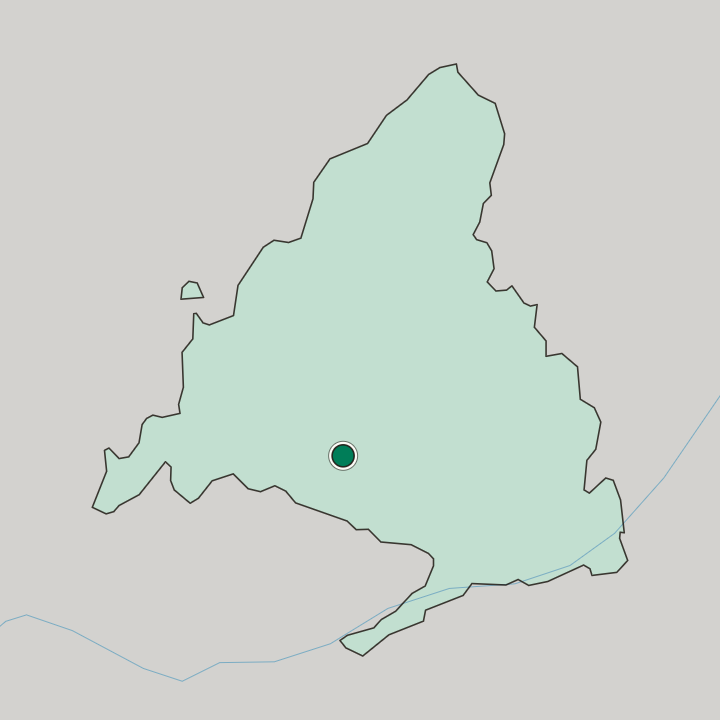
Móstoles takes up some forty-five square kilometres of the Comunidad de Madrid. Ground is level and built over. Alcorcón lies close on one hand, Villaviciosa de Odón holds the country to the other, and the fossil beds of the Zona Paleontológica de El Soto mark the one piece of the municipal land that stayed open.
The rest is street.
What is the climate of Móstoles?
The temperate pattern of the northern hemisphere governs the year in Móstoles, which means the warm months run long and the cold ones bite briefly before the shoulder seasons take over again. Shade is scarce in the built-up streets. Open ground survives out at El Soto.
How do you get to Móstoles?
Móstoles sits inside the Comunidad de Madrid, so arrival runs through the capital first and then out past Alcorcón, which lies on the same approach. Villaviciosa de Odón is the other neighbour. From either direction the Museo de la Ciudad makes an easy first stop.
Nothing about the run is scenic.
Common questions
What is the best area to stay in Móstoles?
The Asunción church streets: Walking between the Museo de la Ciudad and the Casa Museo Andrés Torrejón. Villaviciosa de Odón: Evenings under the Castle of Villaviciosa de Odón. The El Soto margin: Drivers who want open ground beside the Zona Paleontológica de El Soto.
Good for
More cities in Comunidad de Madrid
Updated October 2026