Spain · Comunidad de Madrid
Where to Stay in Madrid, Comunidad de Madrid
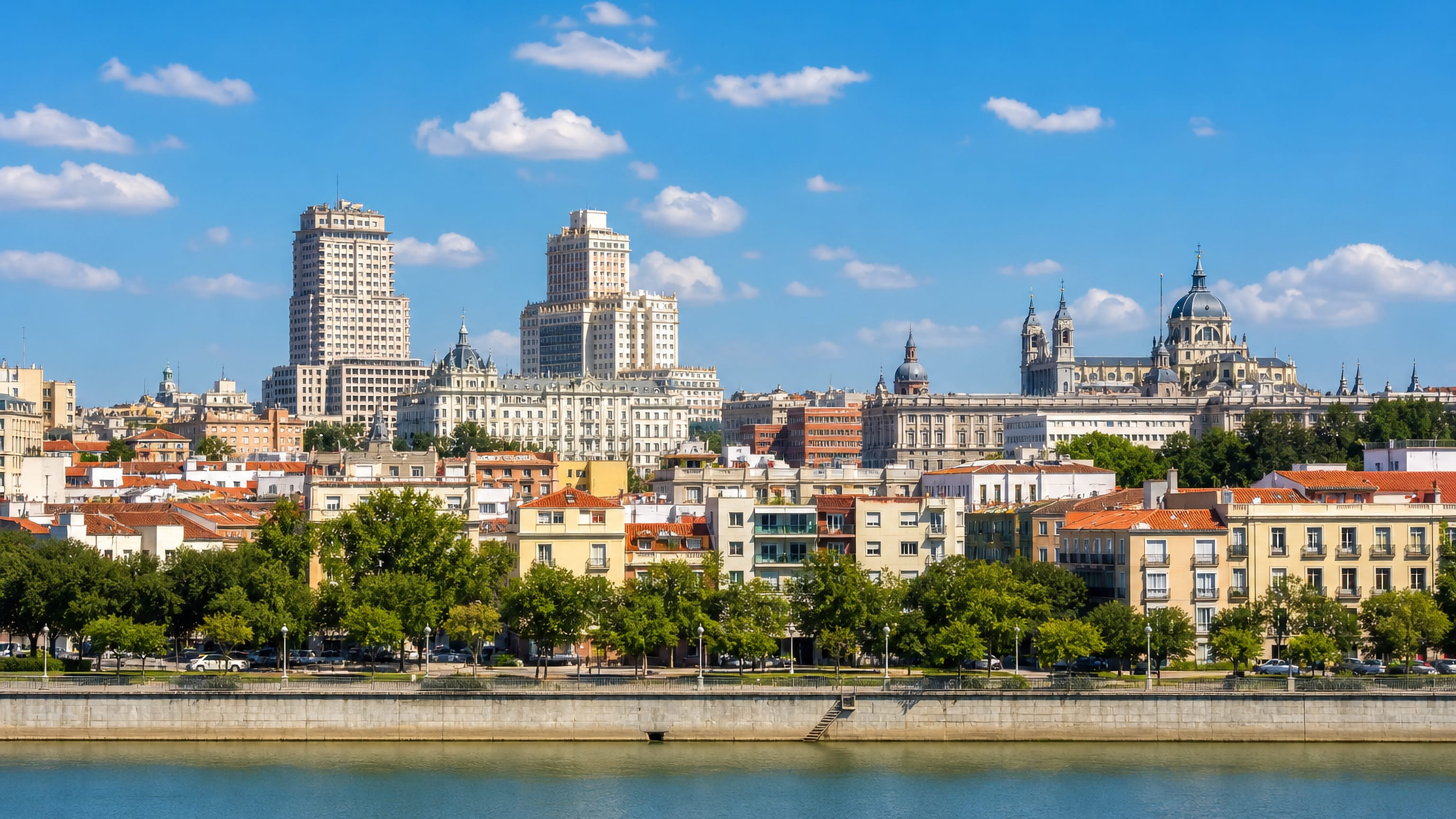
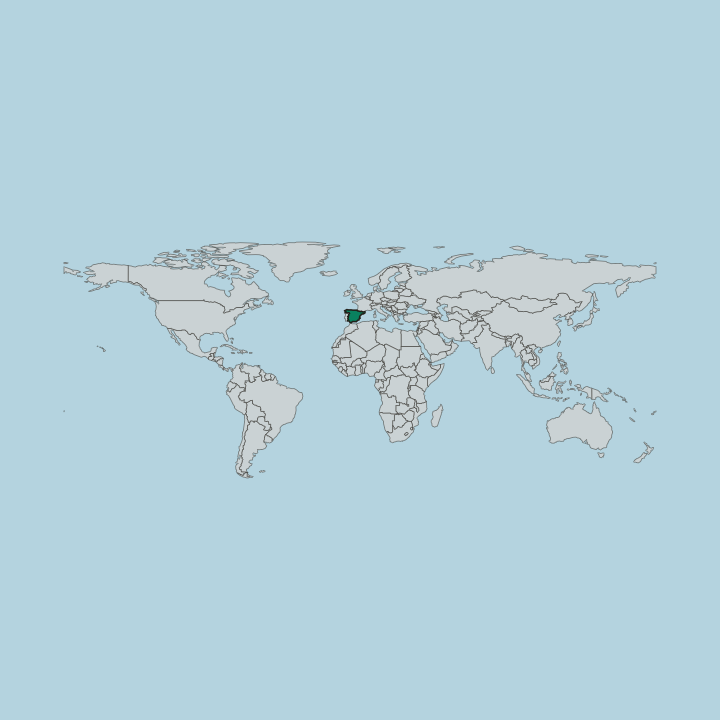
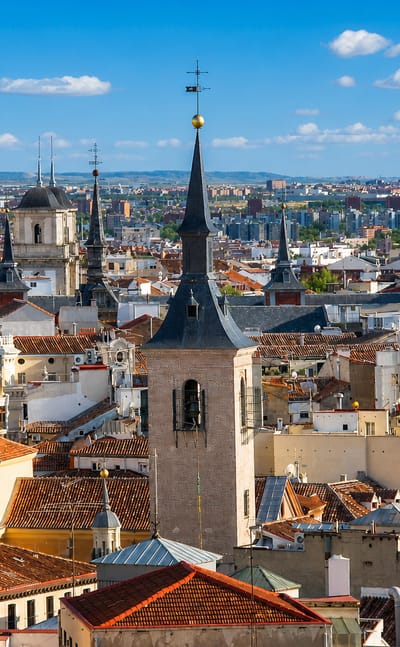
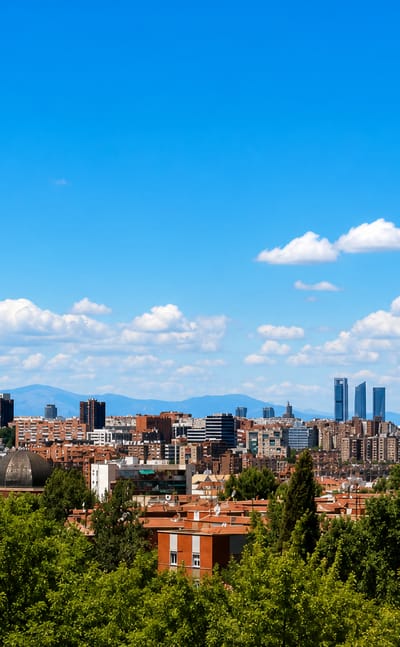
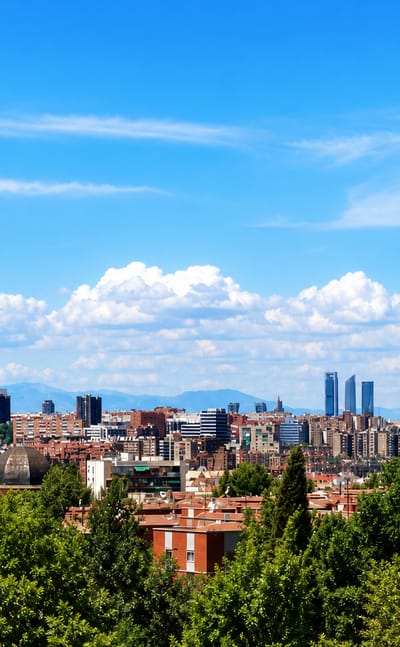
Madrid is the capital and largest city of Spain, set high on the central Iberian Peninsula on the River Manzanares.
Hotel links are affiliate links: booking through them may earn us a commission, at no extra cost to you. It never affects how places are ranked. How this works


Where to stay in Madrid
The right area depends on your trip — here's what each neighbourhood is best for.
 MadridSpain
Madrid Centro
The central district packs Madrid's plazas and old streets a short walk from the Museo del Prado and the great museums.Madrid Centro →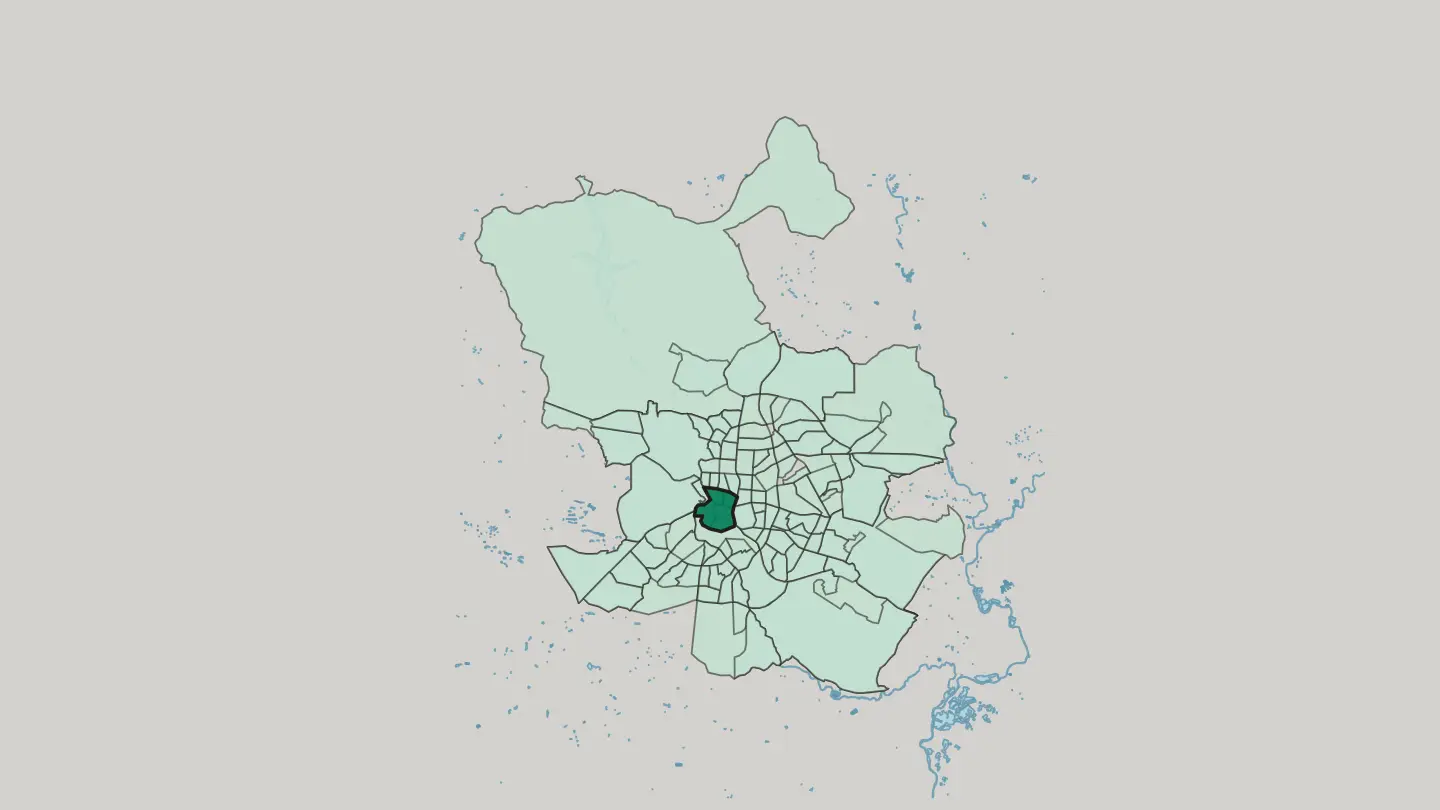
 MadridSpain
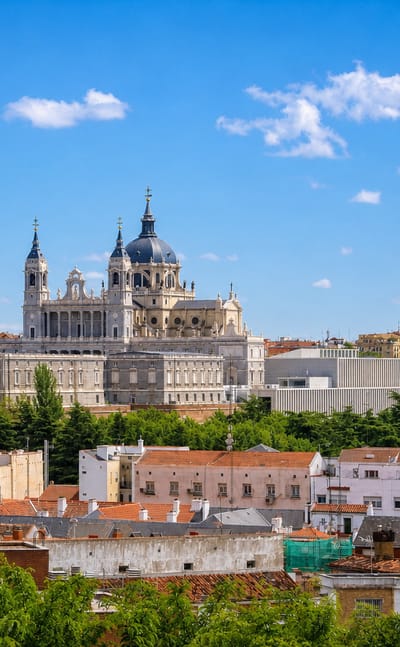
Palacio
The Palacio quarter wraps the Royal Palace of Madrid and the Teatro Real, the grand monumental heart of the capital.Palacio →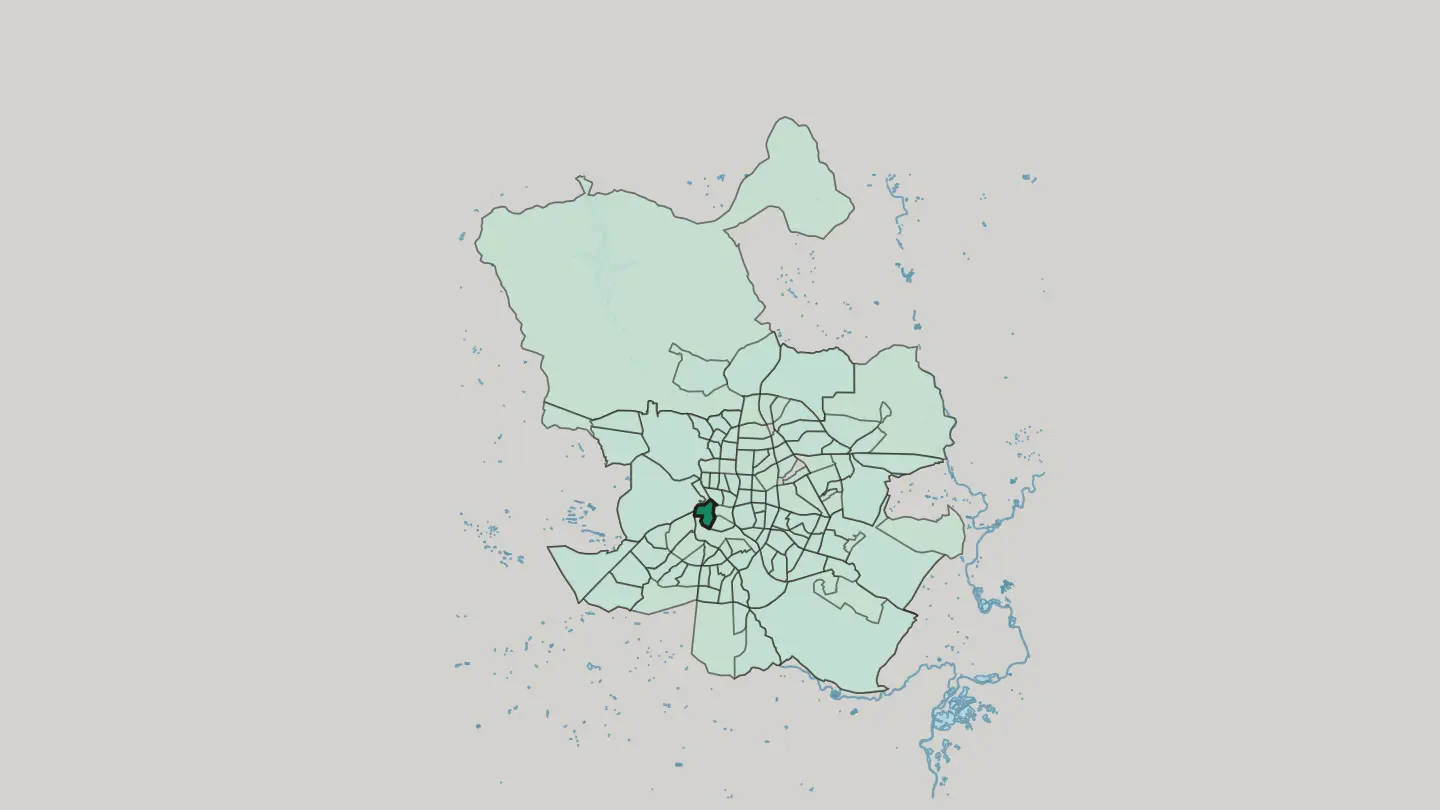
 MadridSpain
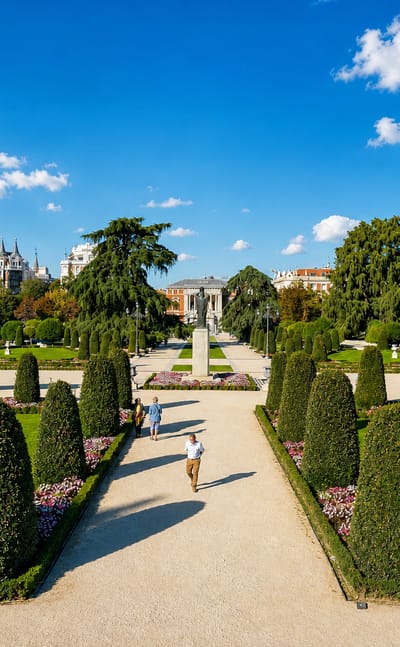
Retiro
The Retiro district edges El Retiro Park, trading the noise of the centre for green avenues by Madrid's great garden.Retiro →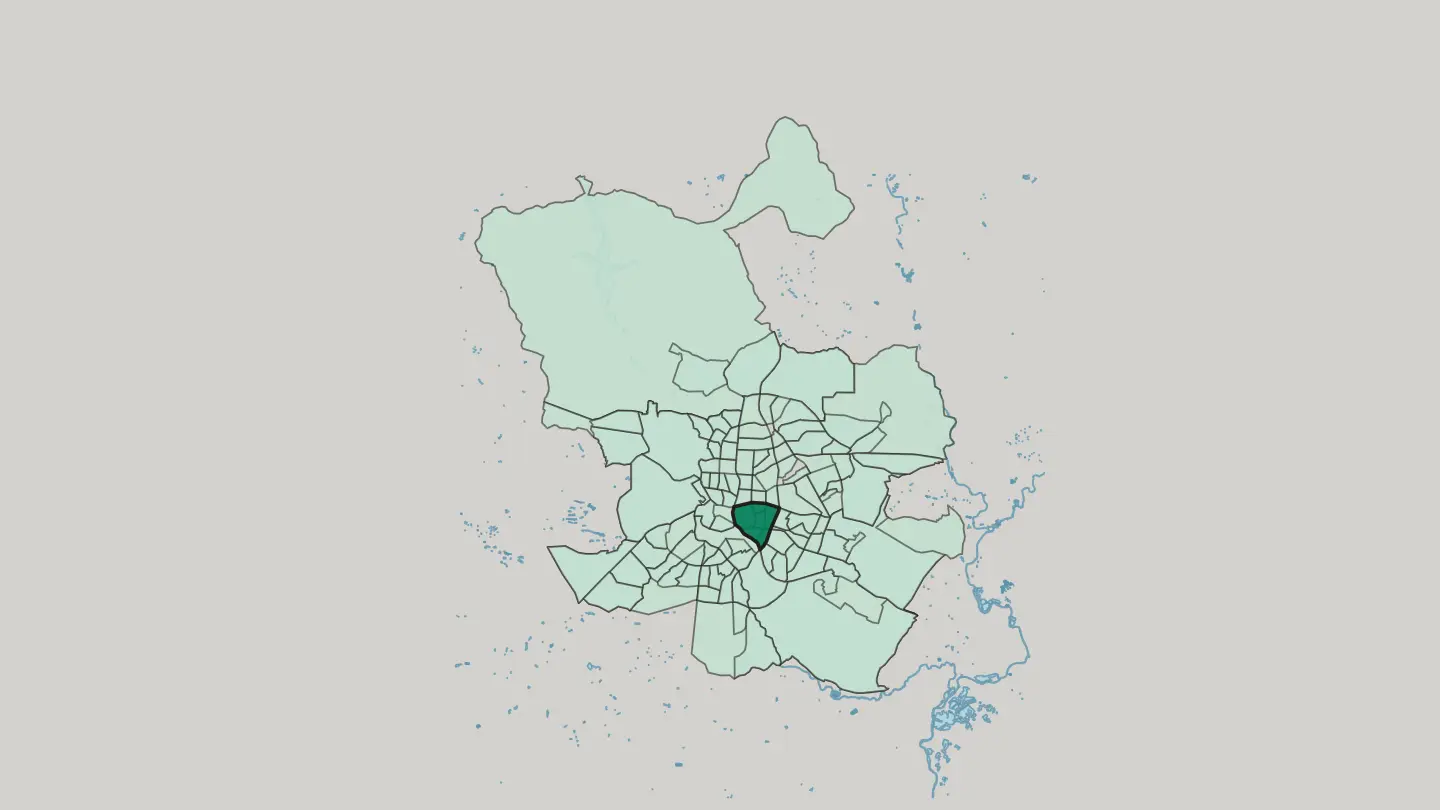
 MadridSpain
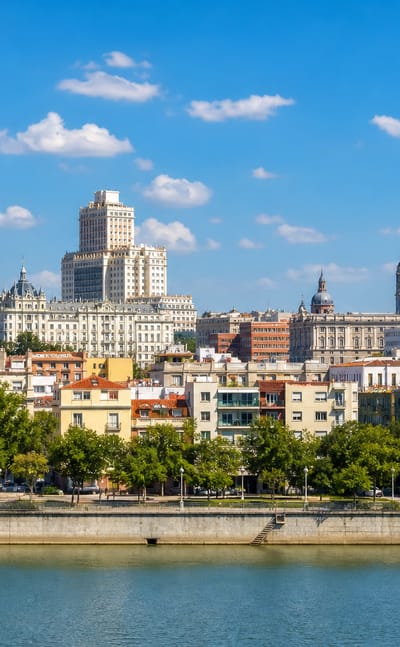
Jerónimos
Jerónimos is a district of Madrid, Spain, gathered around the Museo del Prado and the Church of Saint Jerome the Royal.Where to stay →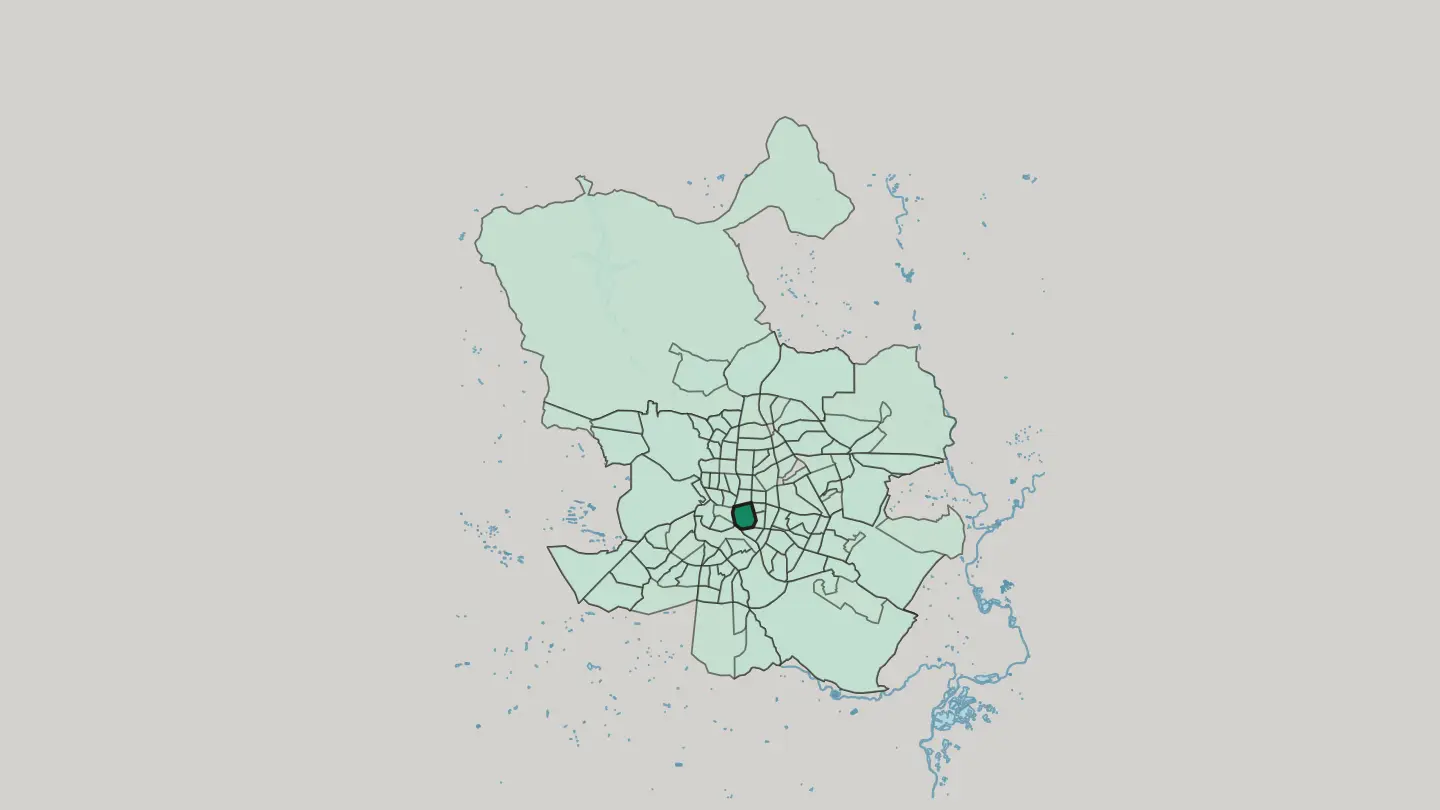 MadridSpain
Palos de Moguer
Palos de Moguer is a neighbourhood of Madrid, the capital of Spain, within the Comunidad de Madrid.Where to stay →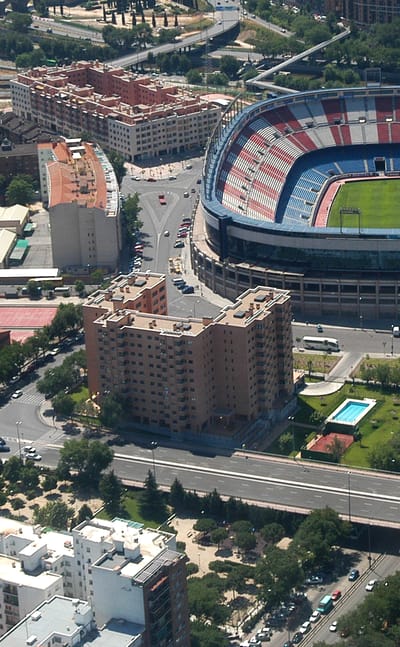 MadridSpain
Arganzuela
Arganzuela is a district of Madrid, Spain, formed in 1970 and marked by the Railway Museum of Madrid and La Casa Encendida.Where to stay →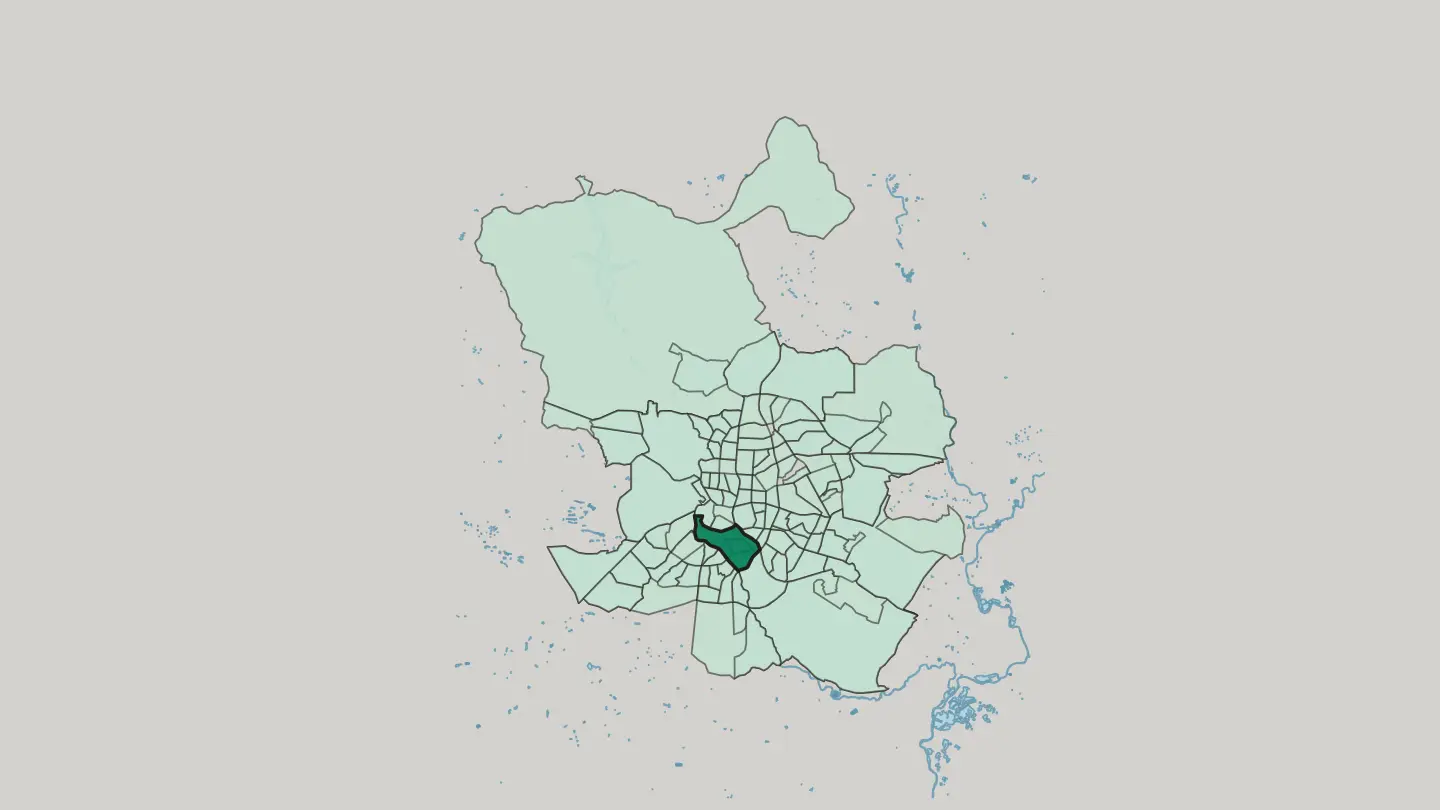
 MadridSpain
Atocha
Atocha is an administrative neighbourhood of Madrid within the district of Arganzuela, holding the National Museum of Anthropology and La Neomudéjar.Where to stay → MadridSpain
Embajadores
Embajadores is a central barrio of Madrid, Spain, in the Centro district, its edge lined by CaixaForum Madrid and the Museo del Prado.Where to stay →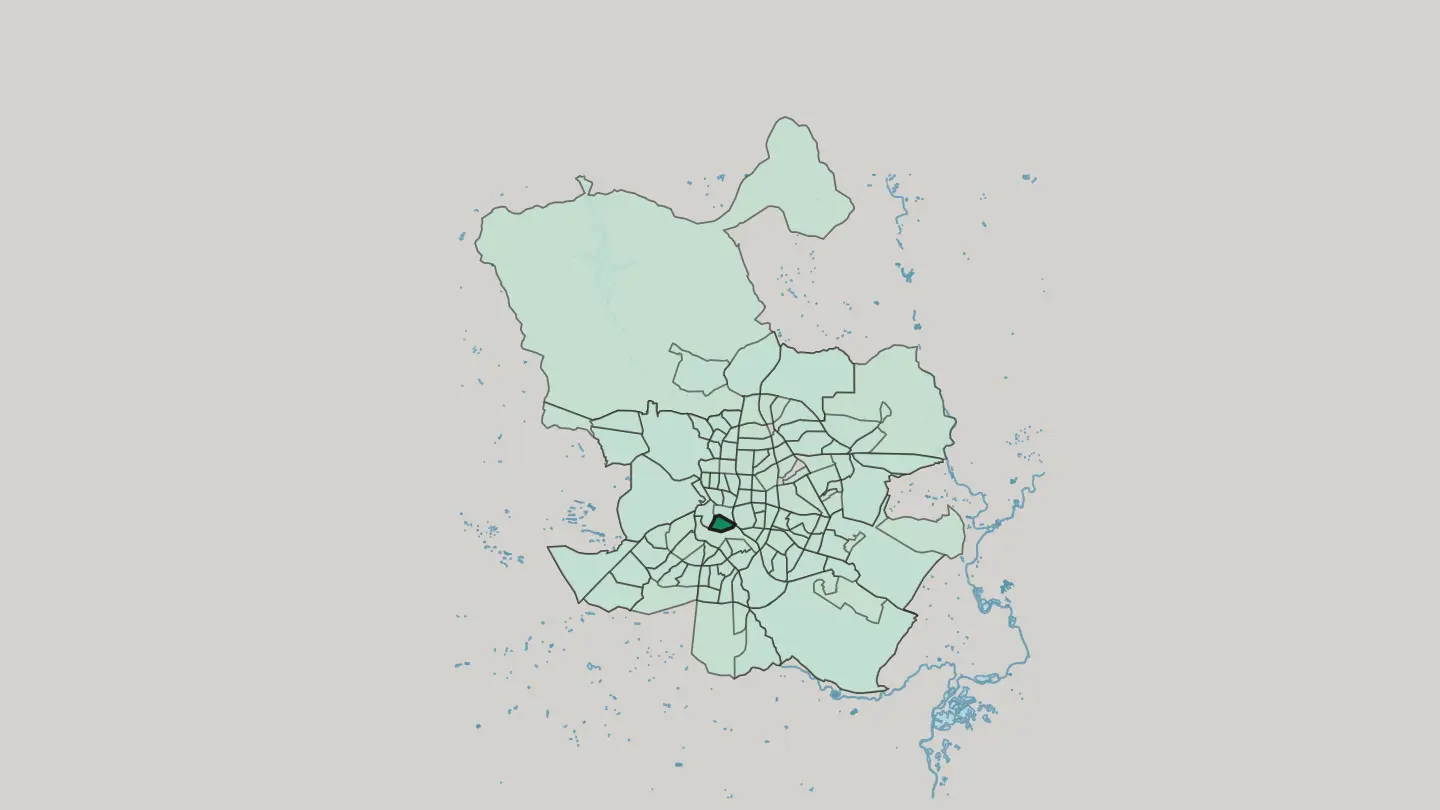 MadridSpain
Pacífico
Pacífico is a barrio of Madrid's Retiro district, named after the calle del Pacífico, the main street that runs from one end of it to the other.Where to stay →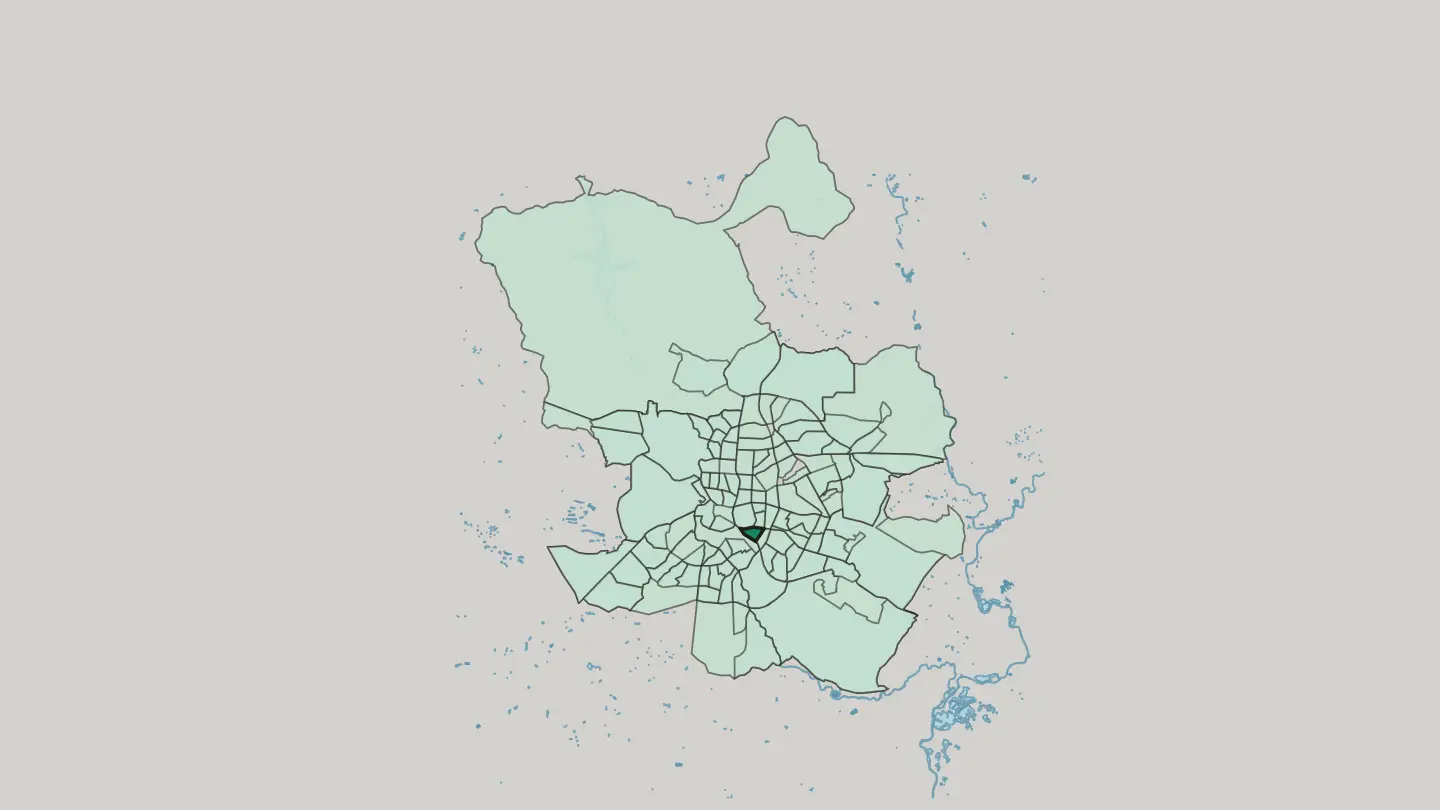 MadridSpain
Lavapiés
Lavapiés is a dense central quarter of Madrid, Spain, at the doorstep of the Museo Nacional Centro de Arte Reina Sofía.Where to stay →MadridSpain
Niño Jesús
Niño Jesús is a barrio at the centre of the Retiro district of Madrid, whose present form grew on the land of the old Niño Jesús railway station.Where to stay →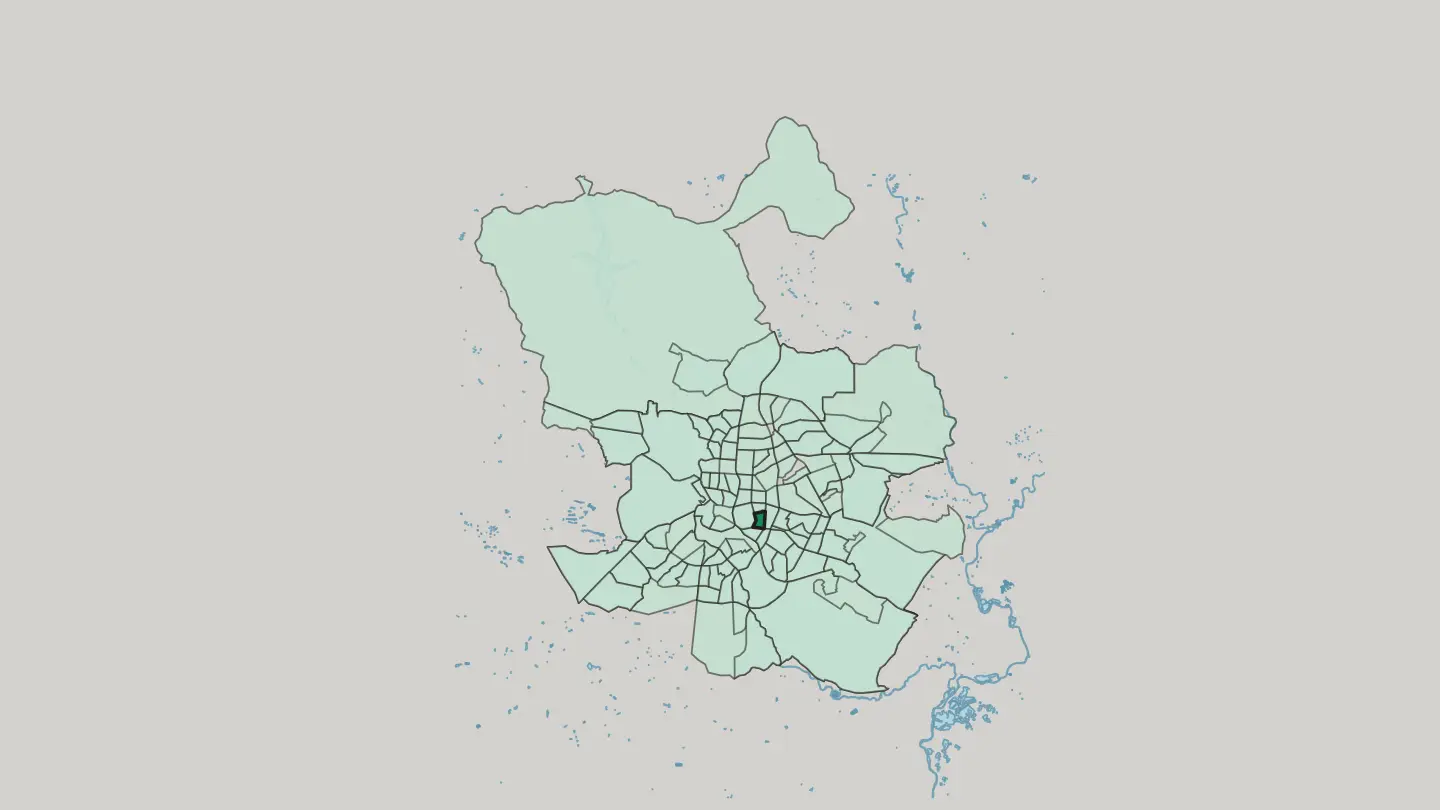
 MadridSpain
Delicias
Delicias is a former railway and industrial quarter of Madrid, Spain, built around the old station that houses the Railway Museum of Madrid.Where to stay →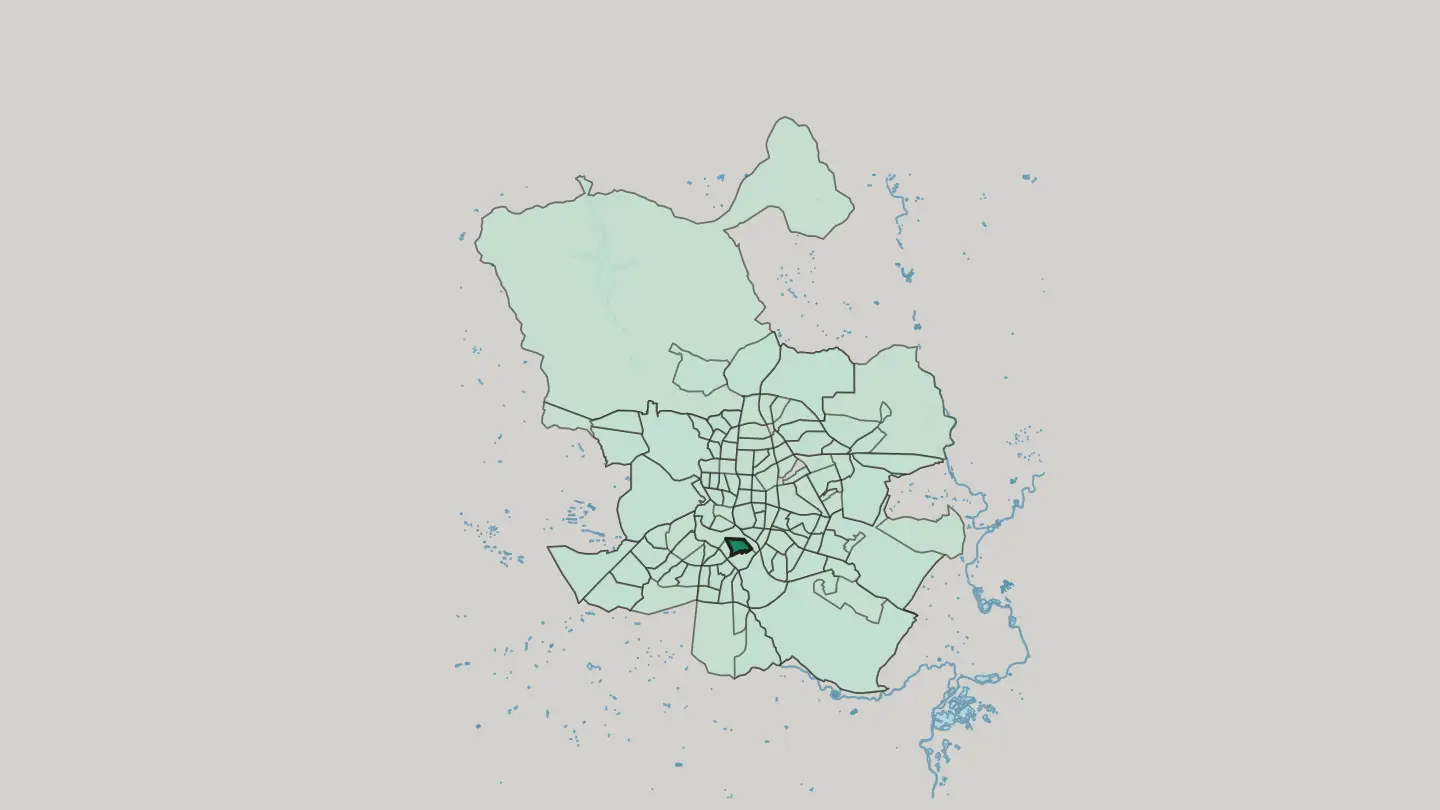
All neighbourhoods (140)
MadridSpain
Ibiza
Ibiza is a district of the city of Madrid, Spain, one of the many urban districts within the city of Madrid.Where to stay →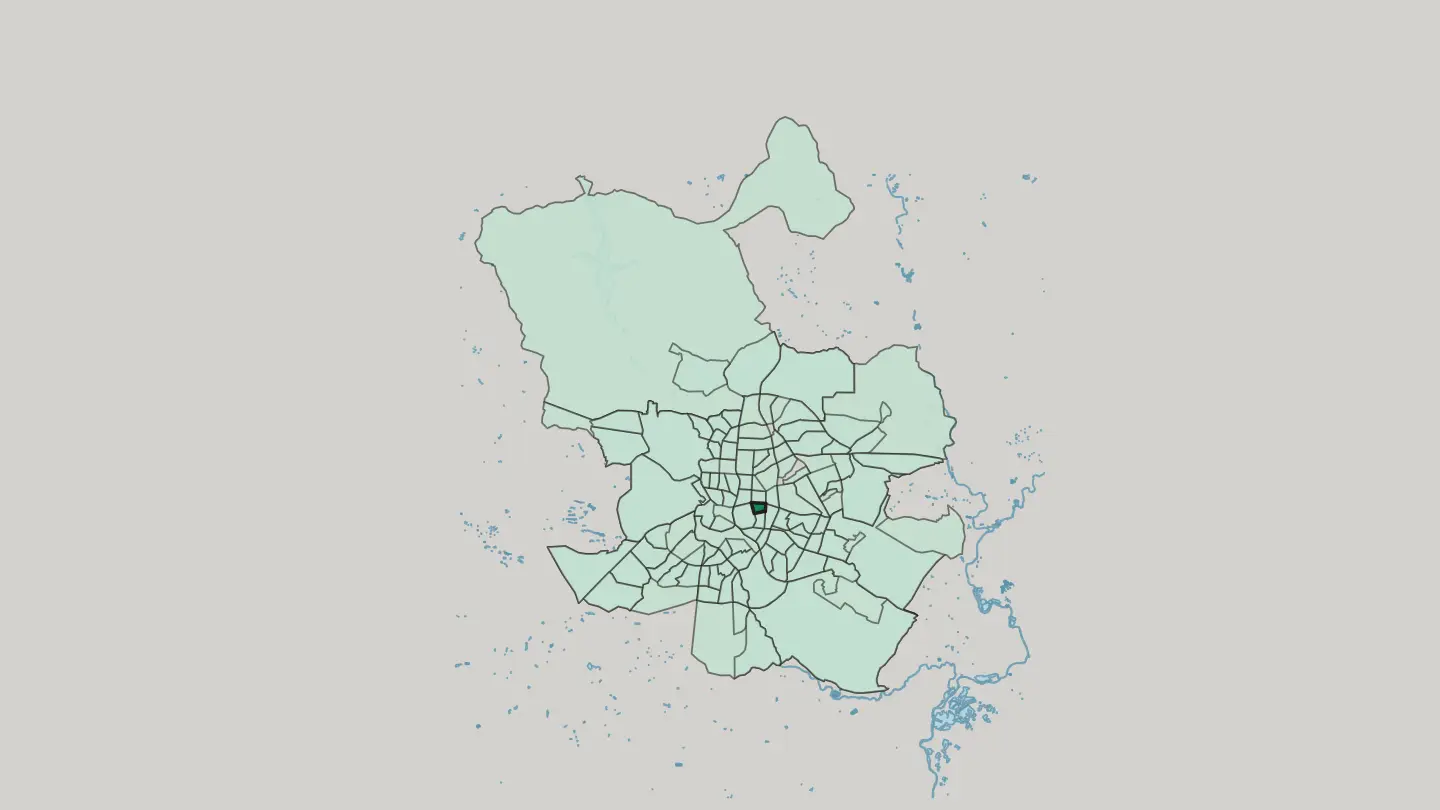 MadridSpain
Acacias
Acacias is a compact inner district of Madrid, Spain, set near the Railway Museum of Madrid and the arts hall of La Casa Encendida.Where to stay → MadridSpain
Adelfas
Adelfas is an administrative barrio at the far south of Madrid's Retiro district.Where to stay →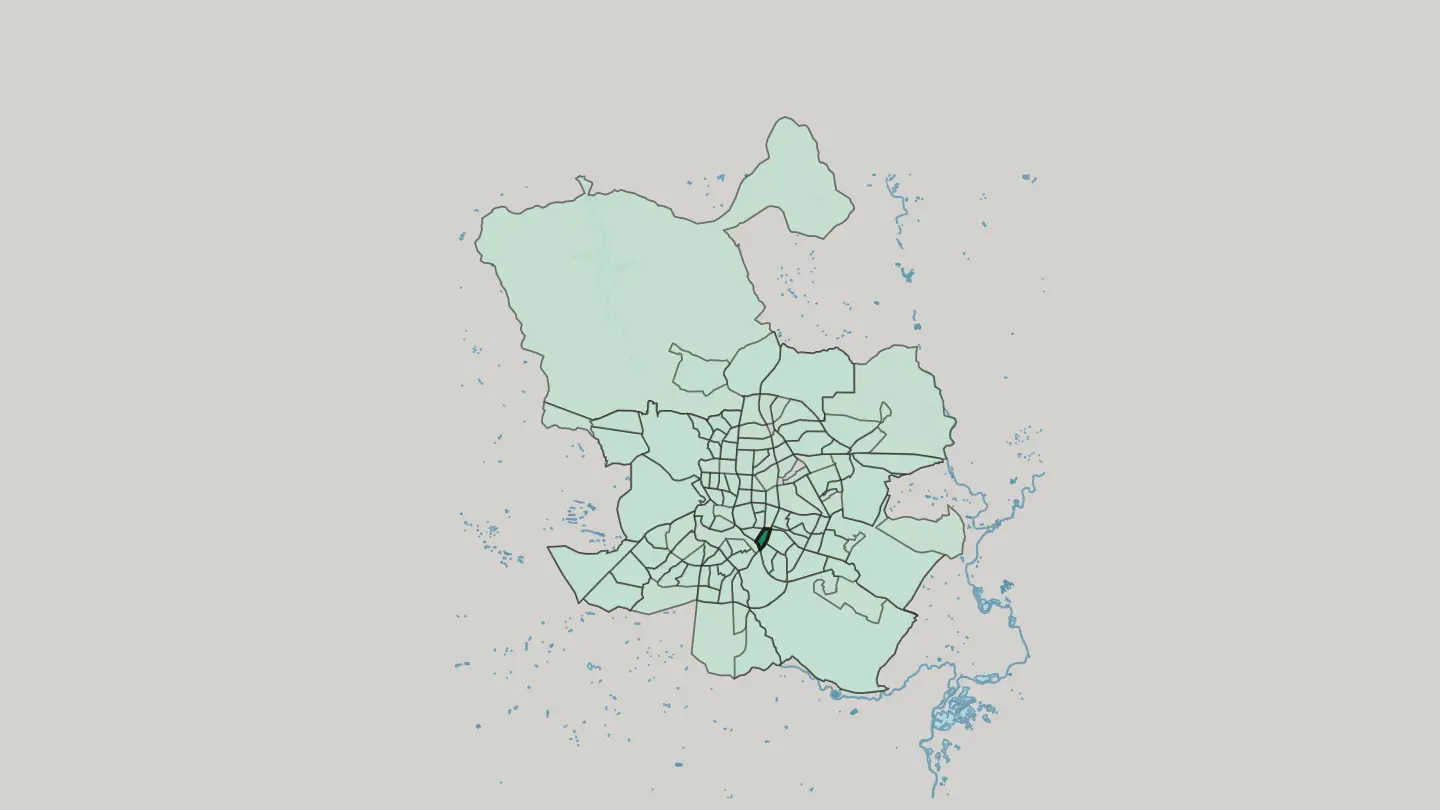
 MadridSpain
Chueca
Chueca is an area of central Madrid named for Plaza de Chueca and the composer Federico Chueca, and known as the city's gay neighbourhood.Where to stay →MadridSpain
Recoletos
Recoletos is a museum district of Madrid, Spain, where the Museo del Prado and the Thyssen-Bornemisza Museum stand along its avenues.Where to stay →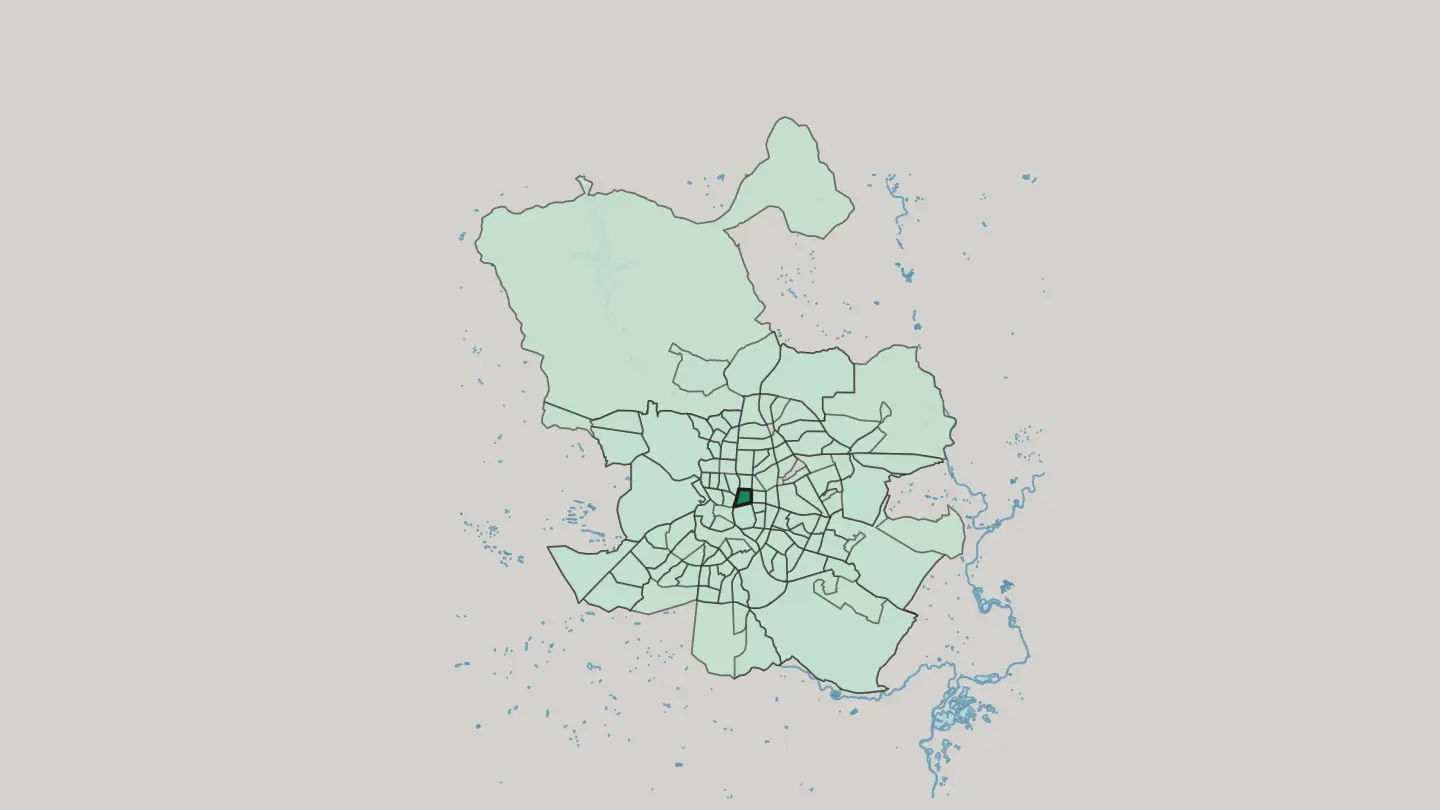
 MadridSpain
La Latina
La Latina is a district of Madrid, Spain, in the old heart of the city around the Royal Basilica of Saint Francis the Great.Where to stay →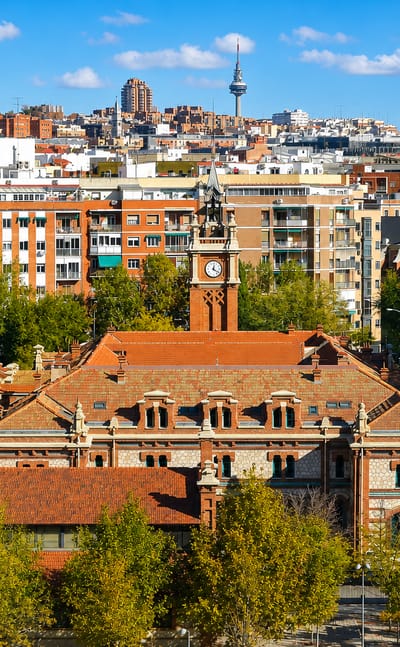 MadridSpain
Chopera
Chopera is a district of Madrid, Spain, set around the Railway Museum of Madrid and La Casa Encendida.Where to stay →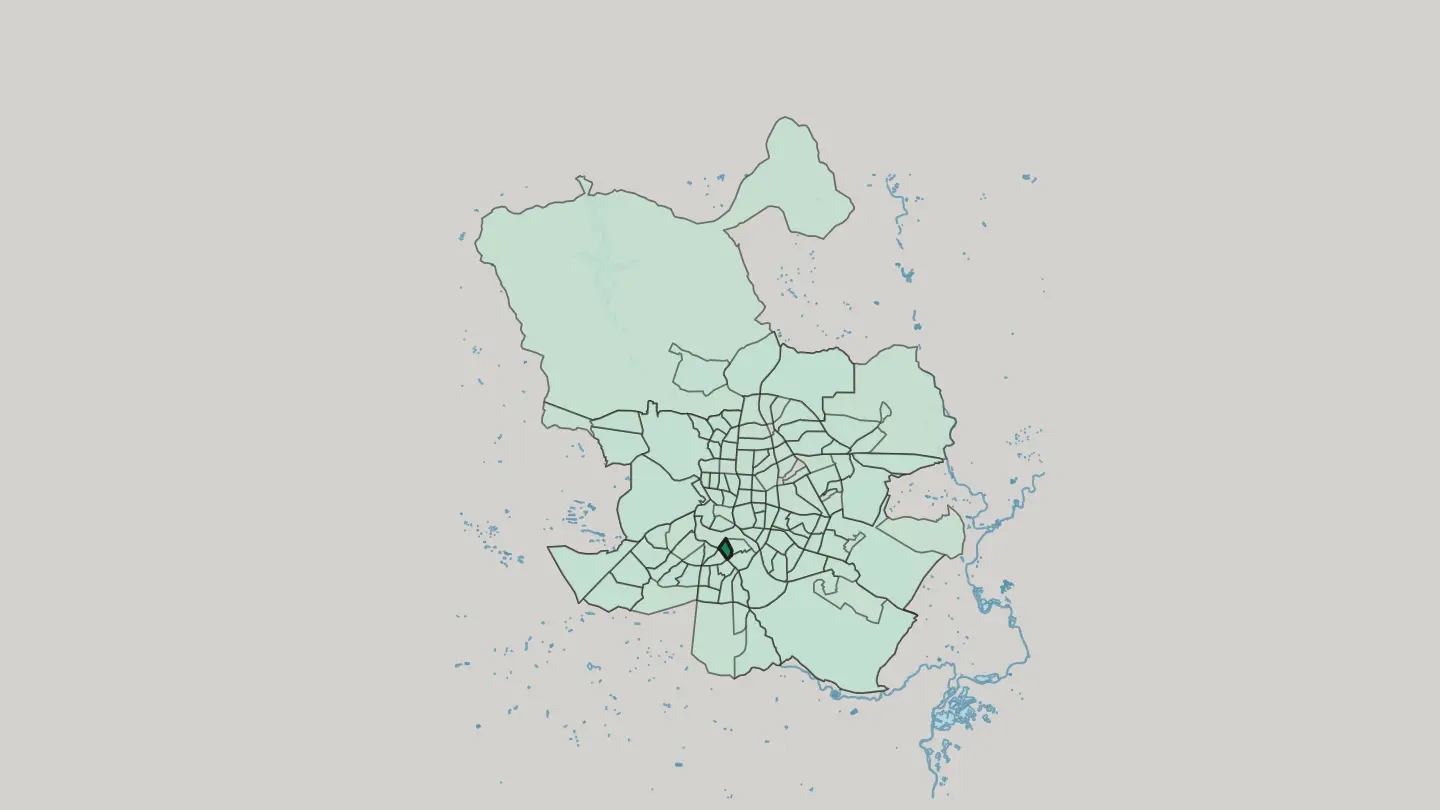
 MadridSpain
Justicia
Justicia is a district of Madrid, Spain, of grand houses and small museums around the Longoria Palace and the Museum of Romanticism.Where to stay →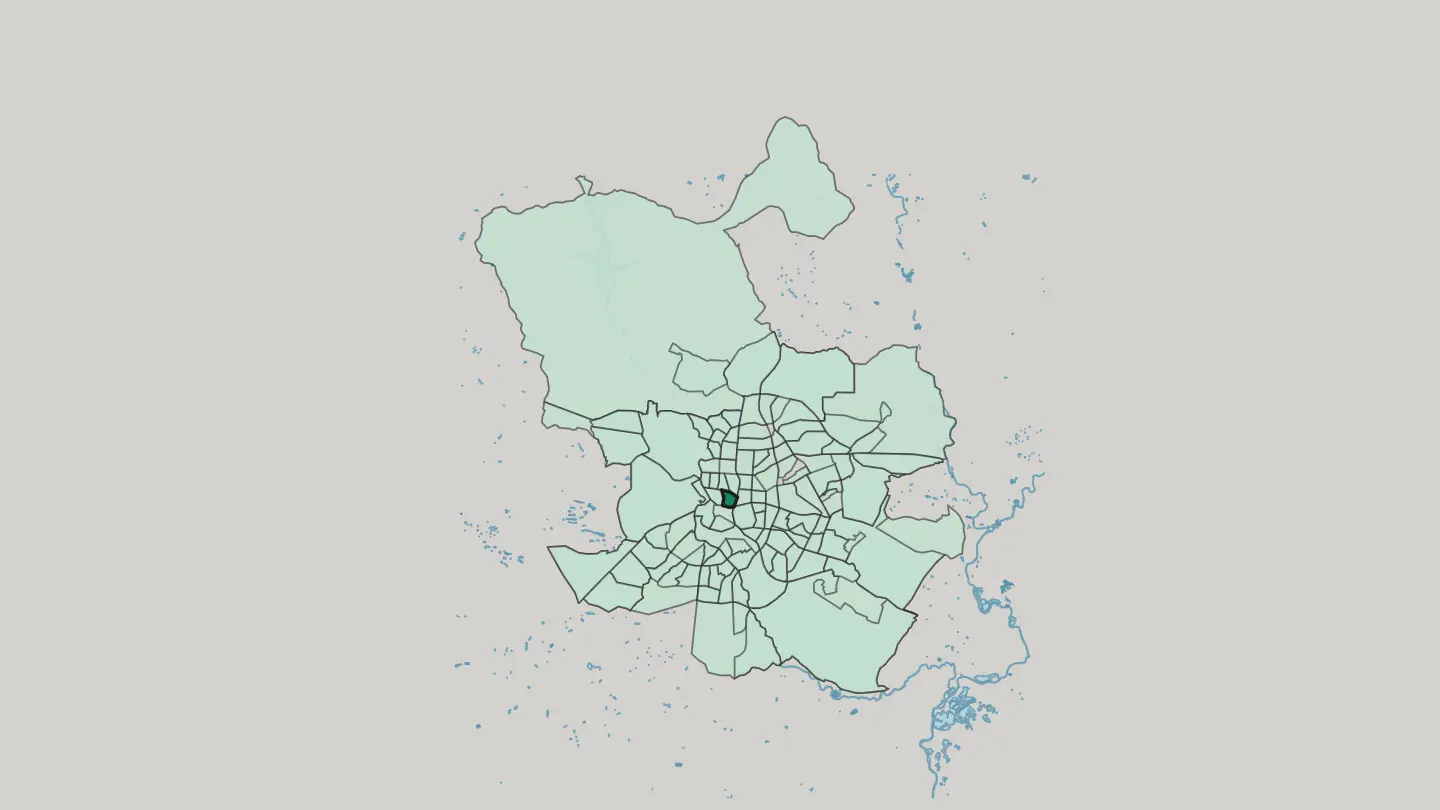
 MadridSpain
Puente de Vallecas
Puente de Vallecas is a district of Madrid formed in 1988, home to the Museo de Bomberos de Madrid and the Church of San Ramón Nonato.Where to stay →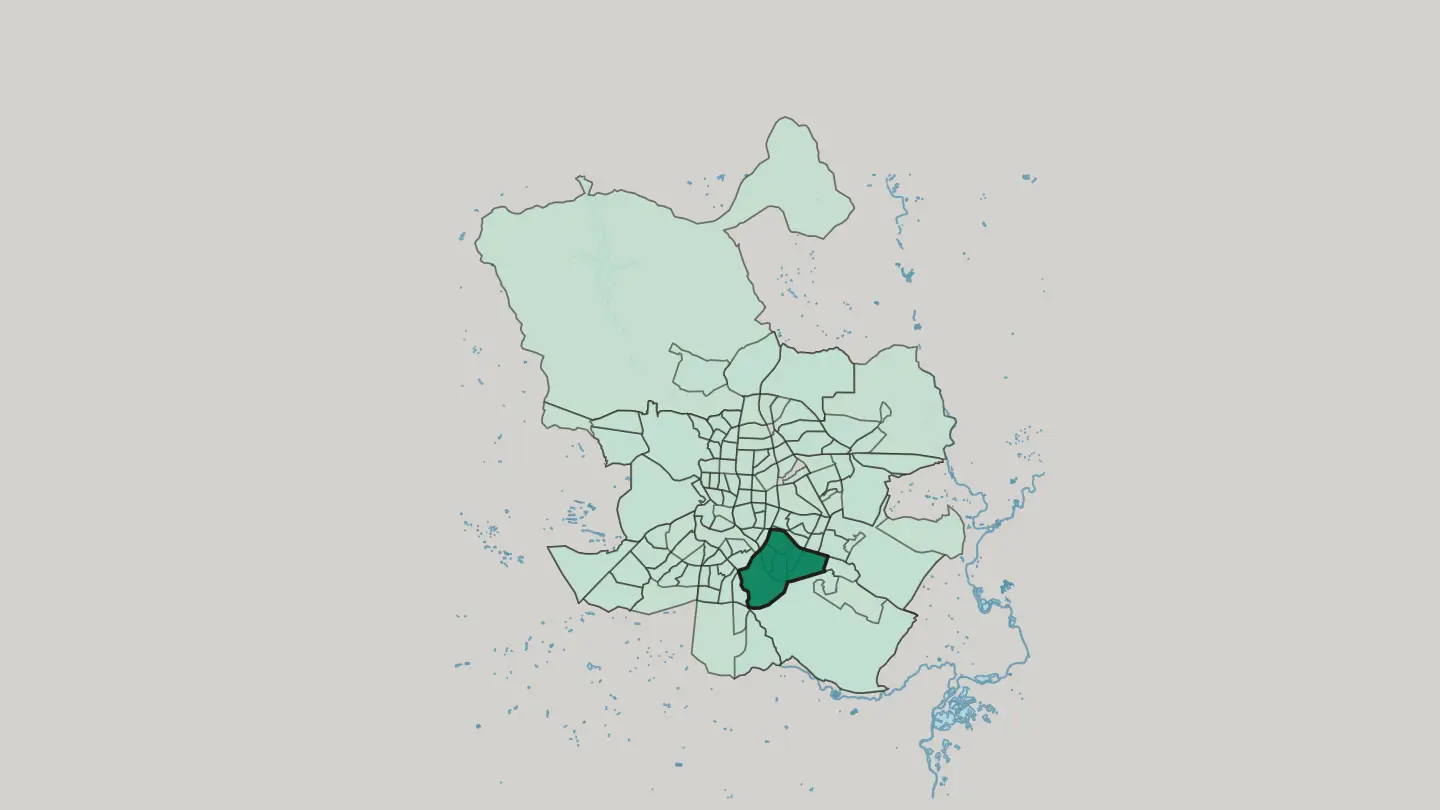 MadridSpain
Goya
Goya is an administrative neighbourhood of Madrid, covering about 0.77 km².Where to stay →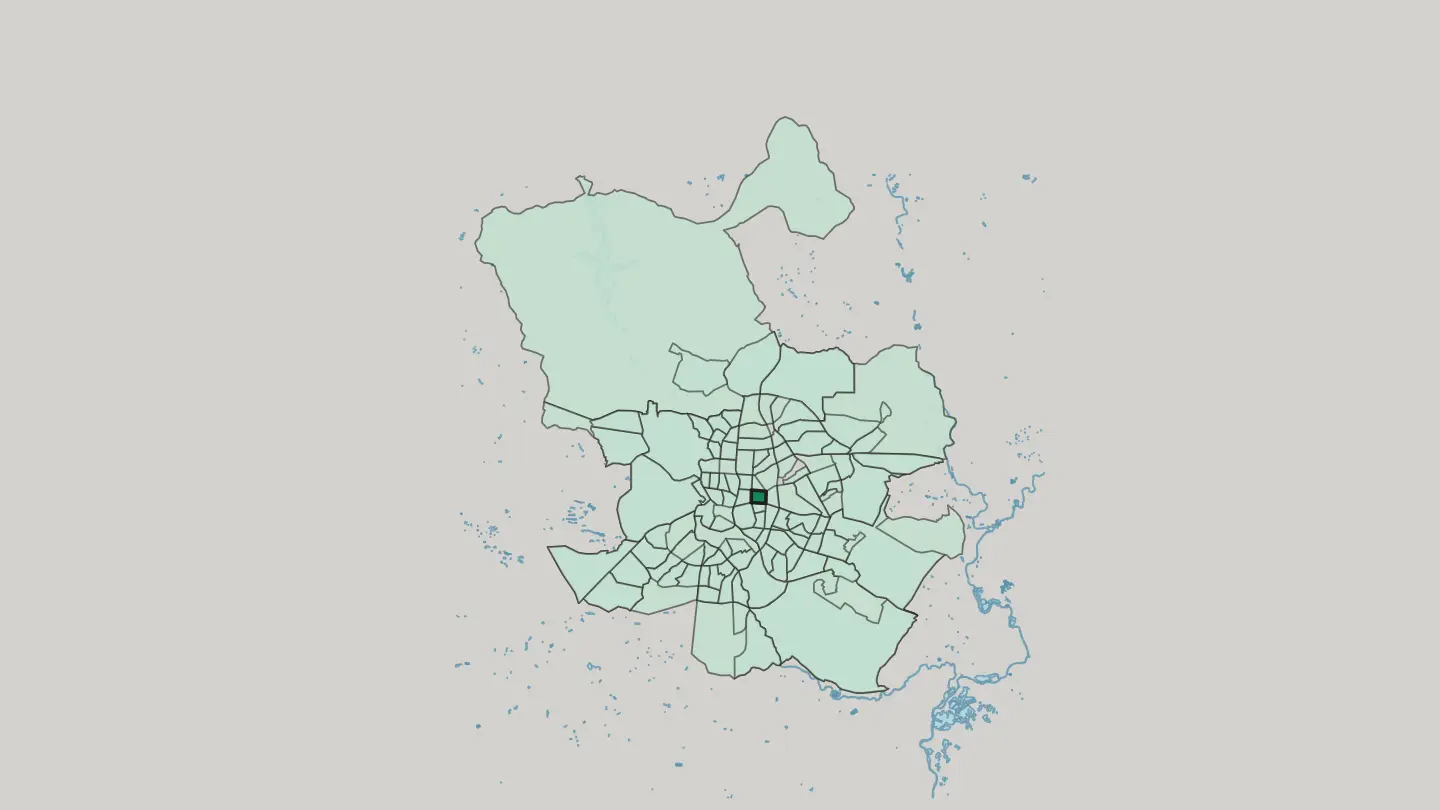 MadridSpain
Estrella
Museum galleries and quiet churches fill Estrella, a residential quarter of Madrid ranged around the Museo Casa de la Moneda.Where to stay →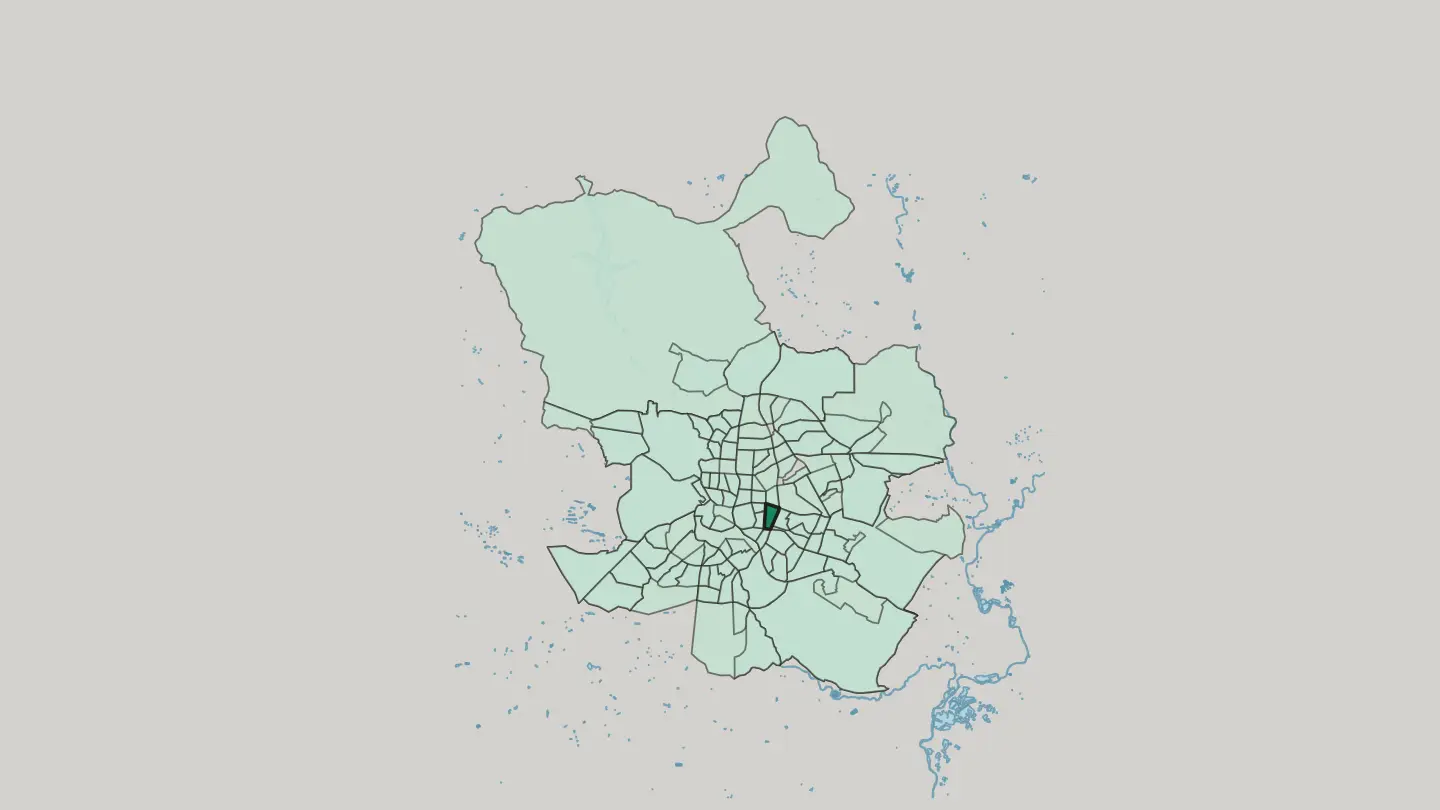 MadridSpain
San Diego
San Diego is a district of Madrid, marked by the Museo de Bomberos de Madrid and its old parish churches.Where to stay →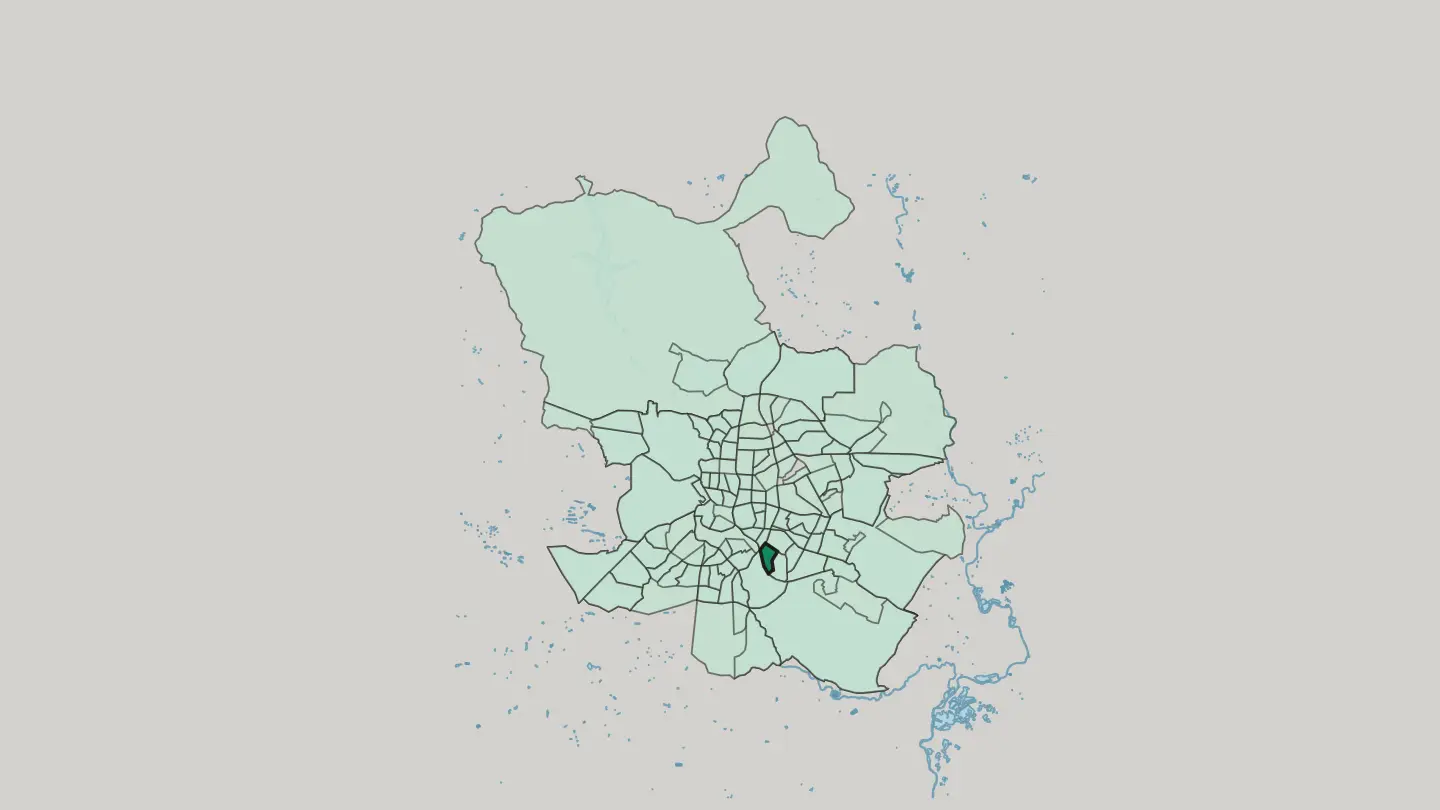 MadridSpain
Legazpi
Legazpi is an administrative barrio of Madrid's Arganzuela district, named after the conquistador Miguel López de Legazpi.Where to stay →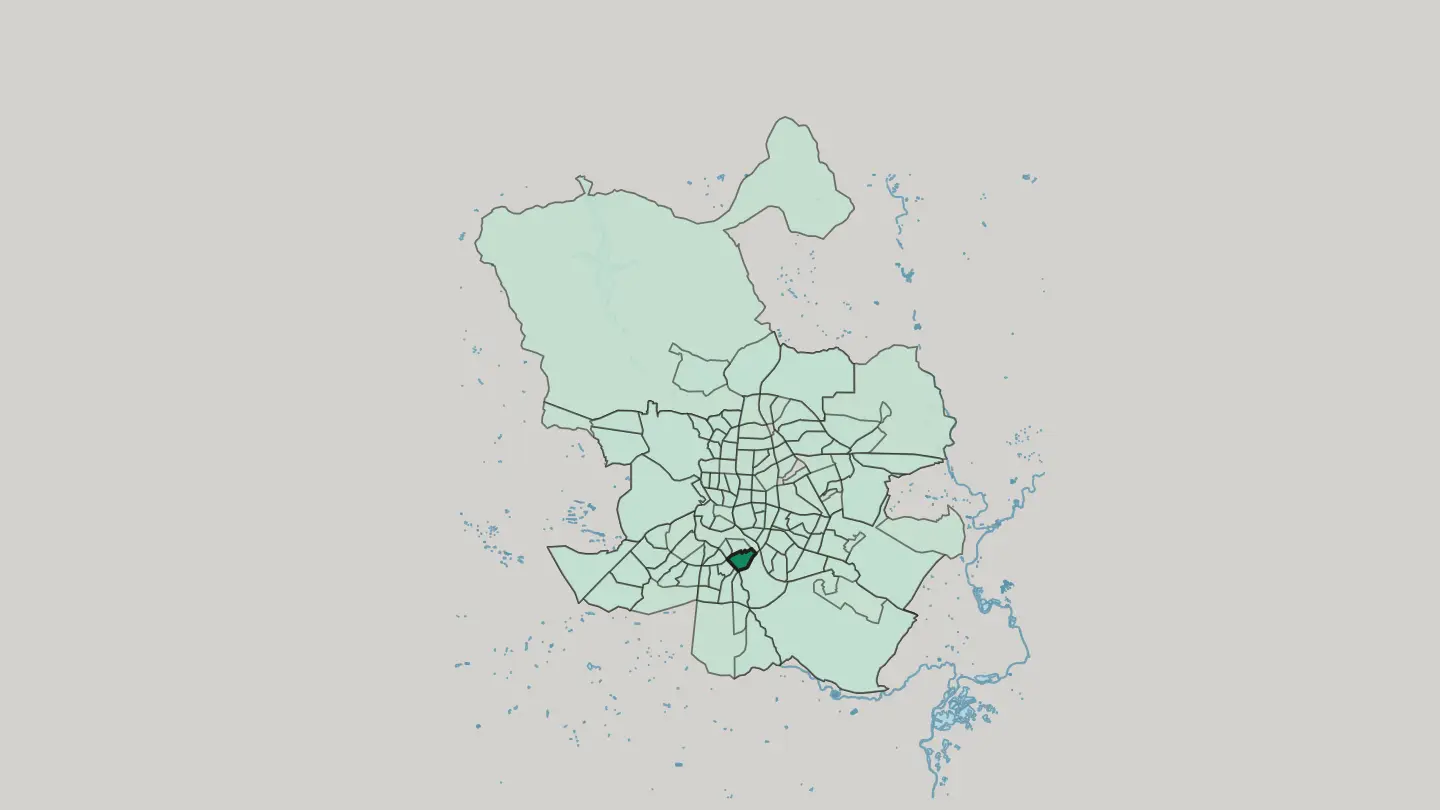
 MadridSpain
Malasaña
Malasaña is a square-shaped neighbourhood in central Madrid, bounded by Gran Vía, Calle de Fuencarral, Calle de Carranza and Calle de San Bernardo.Where to stay →MadridSpain
Salamanca
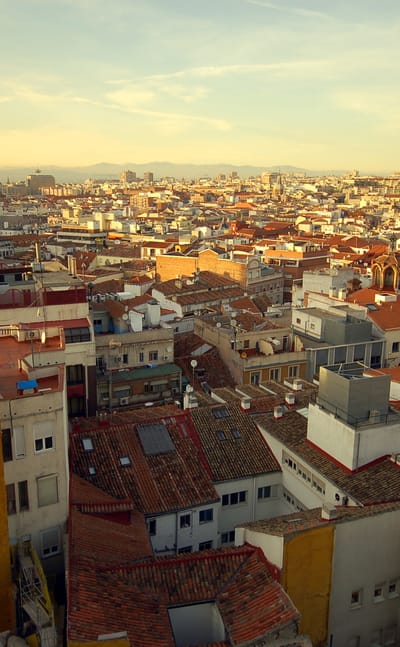
Salamanca is one of the 21 districts of Madrid, north-east of the historical centre.Where to stay →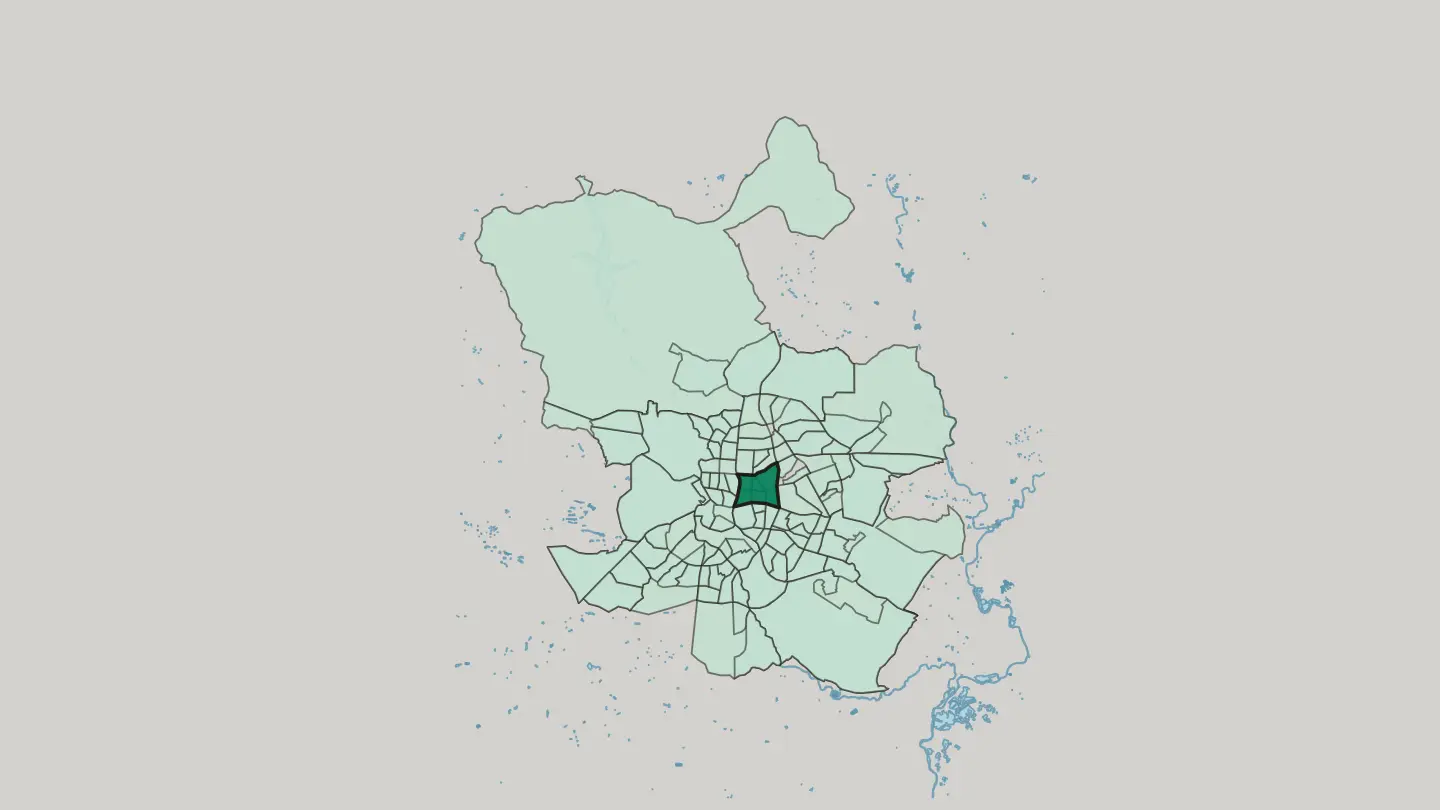
 MadridSpain
Universidad
Universidad is a barrio of Madrid's Centro district, originally known as the barrio de Maravillas.Where to stay →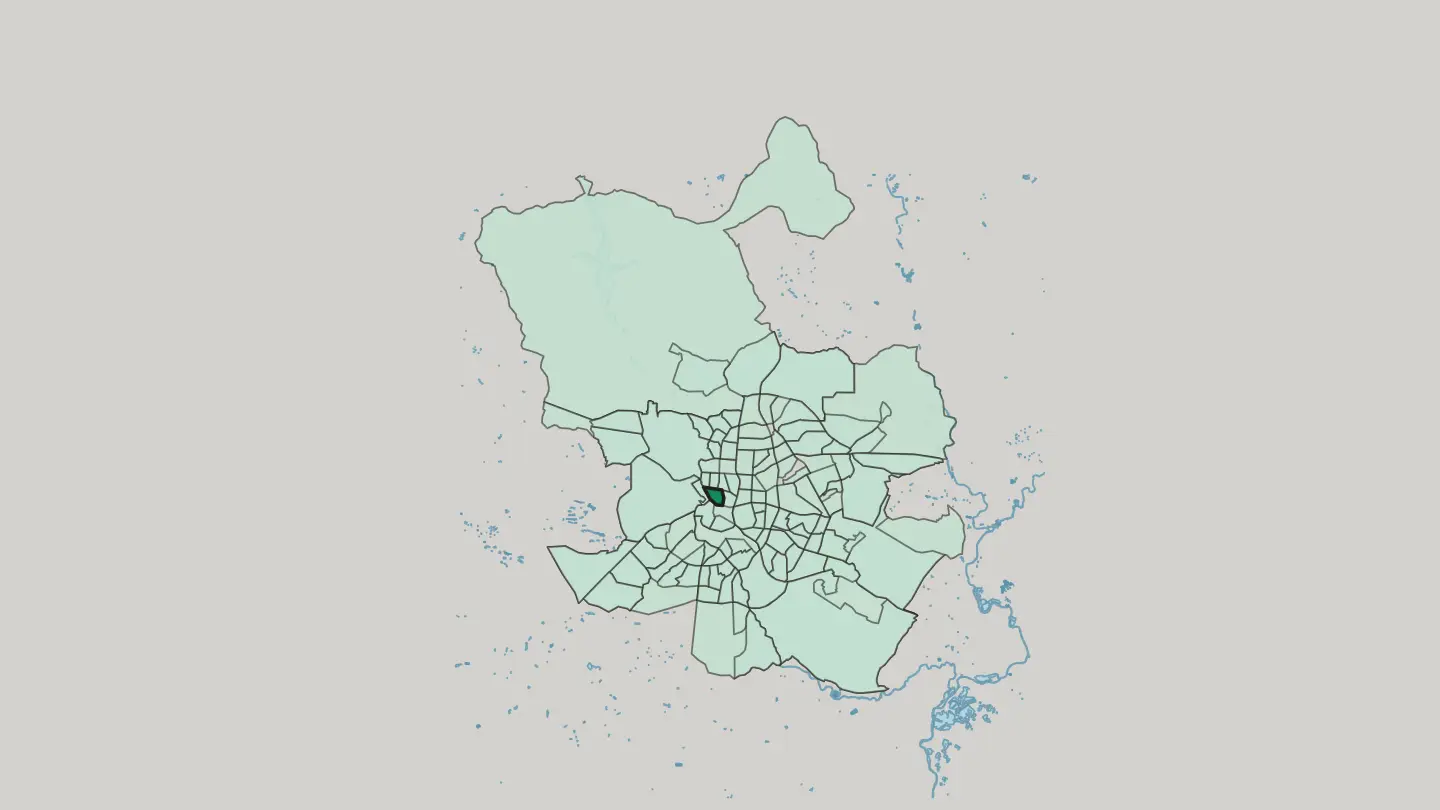 MadridSpain
Almagro
Almagro is a barrio of Madrid's Chamberí district, covering about 0.94 km² and served by five metro lines.Where to stay →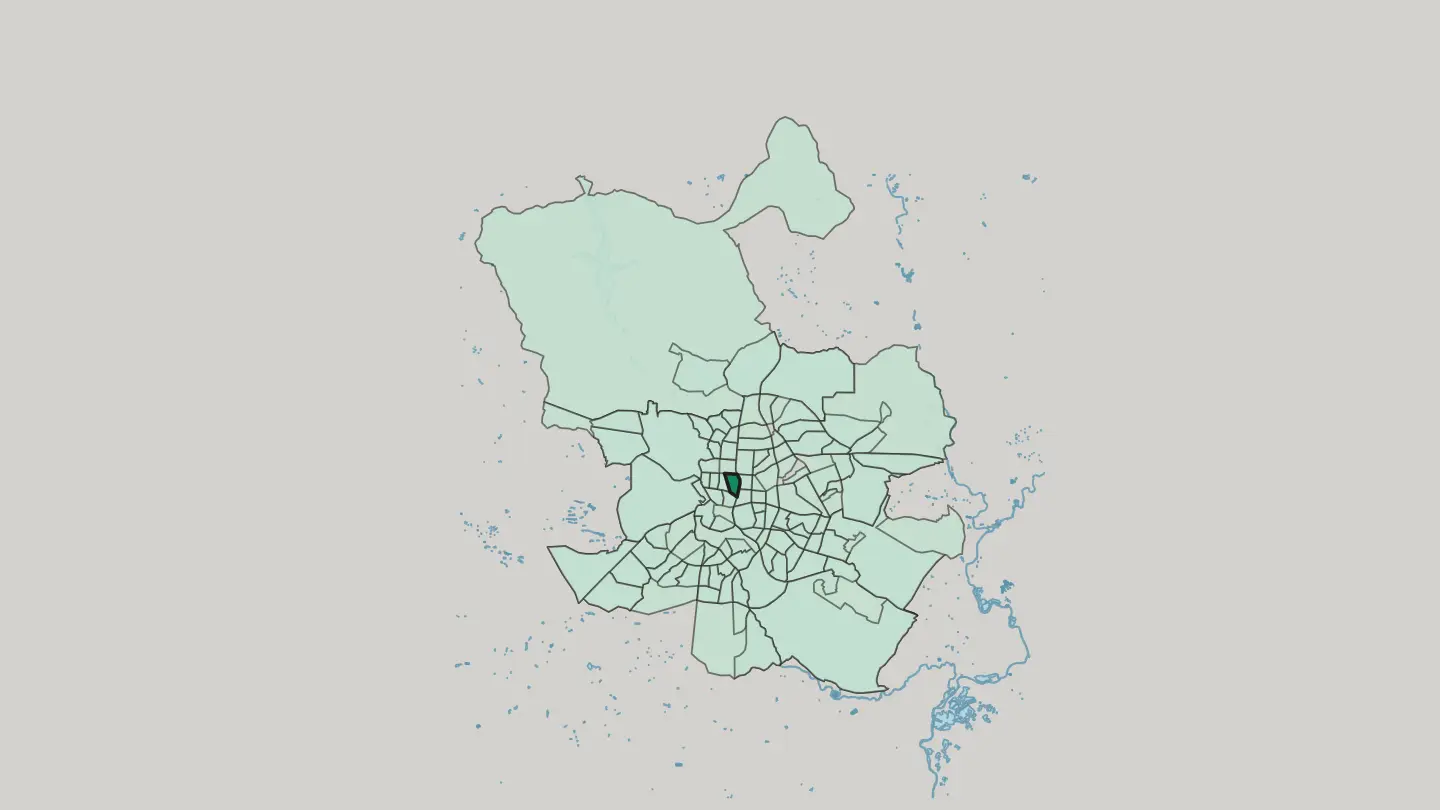
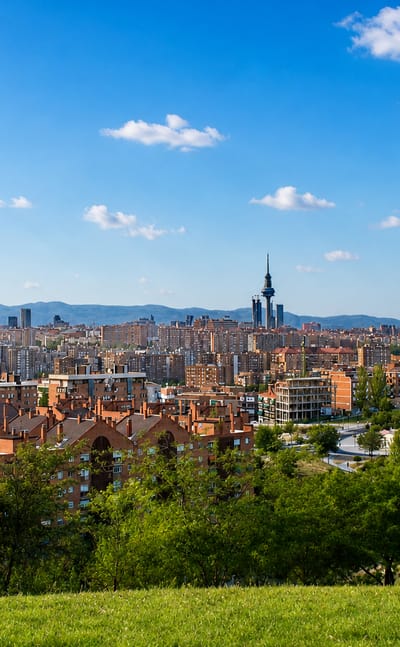 MadridSpain
Numancia
Numancia is a residential ward in the Puente de Vallecas district of Madrid, Spain.Where to stay →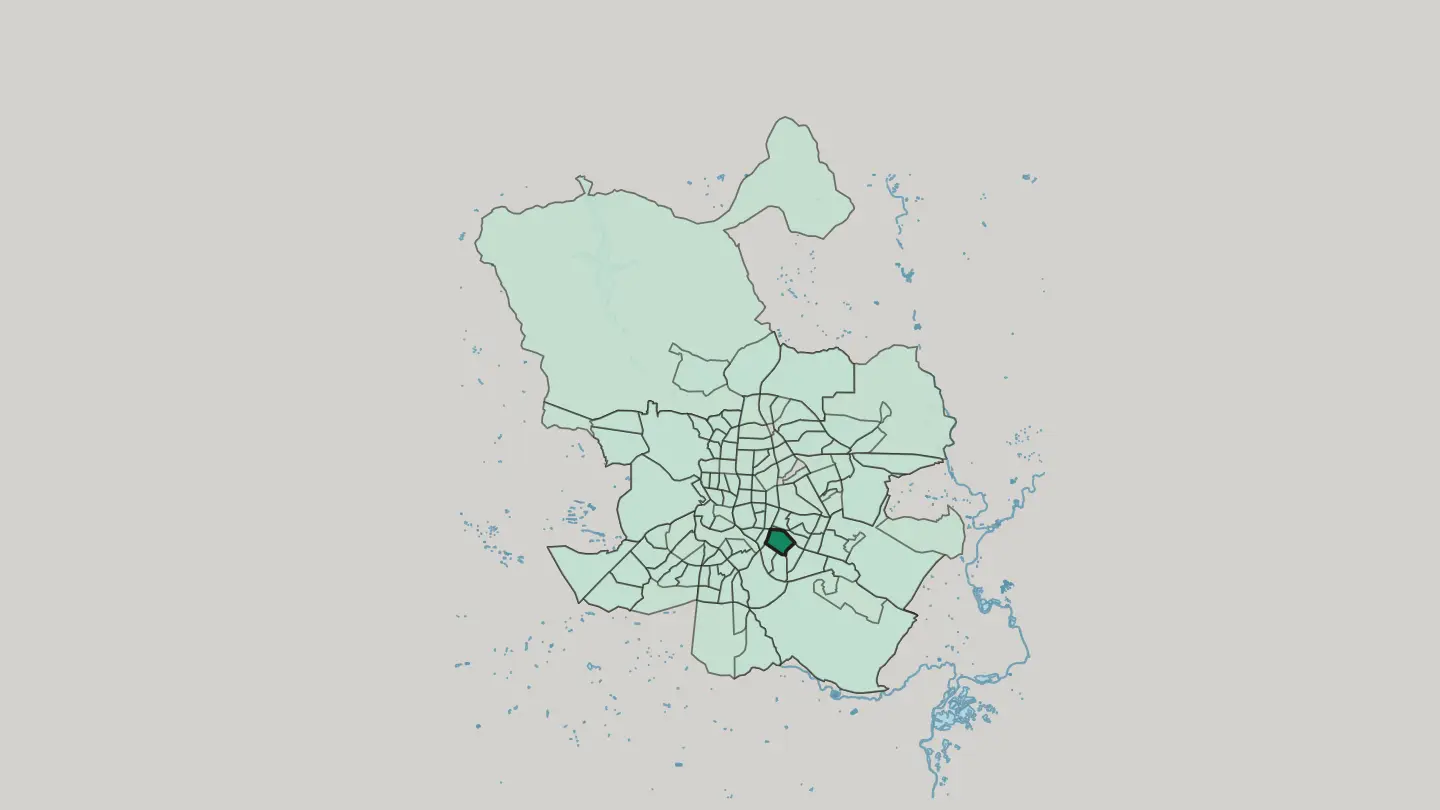
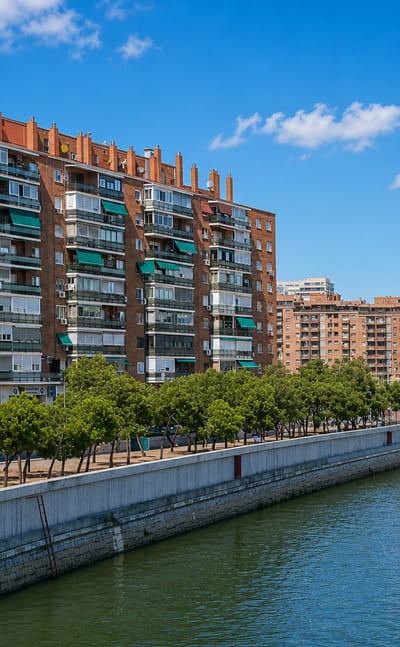 MadridSpain
Moscardó
Moscardó is a barrio of Madrid's Usera district that grew from a 1930s colony of low-cost housing.Where to stay →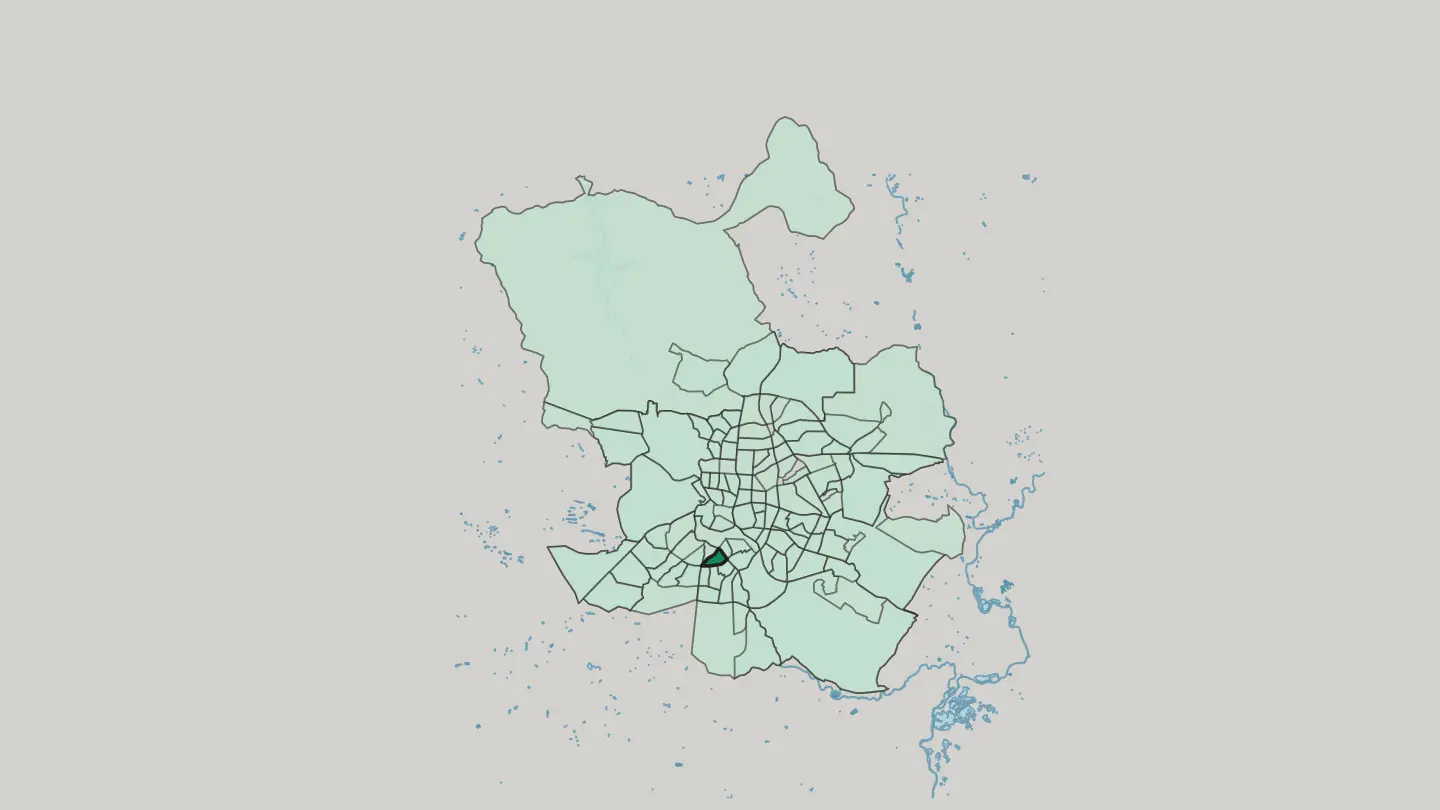 MadridSpain
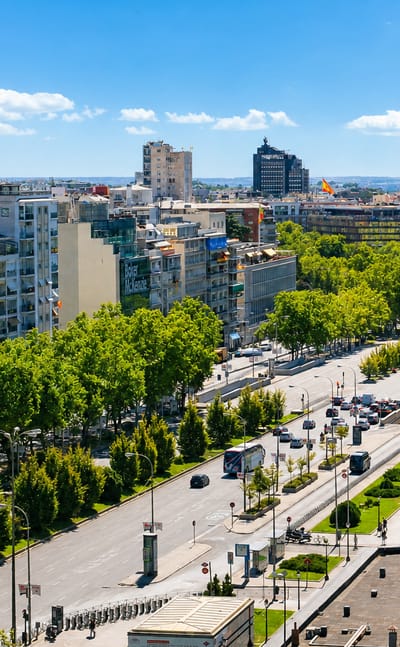
Fuente del Berro
The Fuente principal rises in Fuente del Berro, a residential quarter of Madrid marked by the Museo Taurino de Madrid and old churches.Where to stay →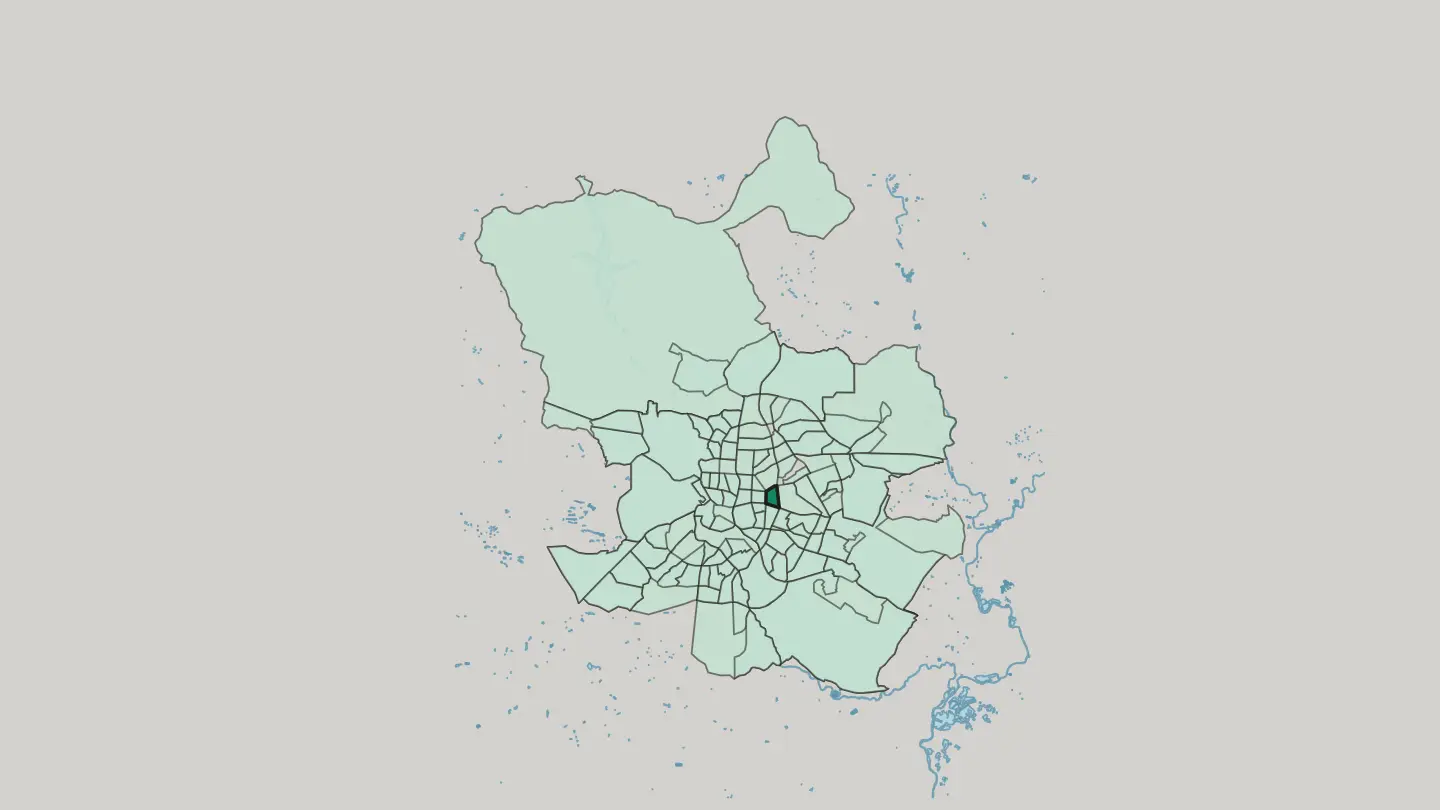
 MadridSpain
Castellana
Castellana is a district of Madrid, Spain, set around the Museo de Escultura al Aire Libre de La Castellana, near the Sorolla Museum.Where to stay →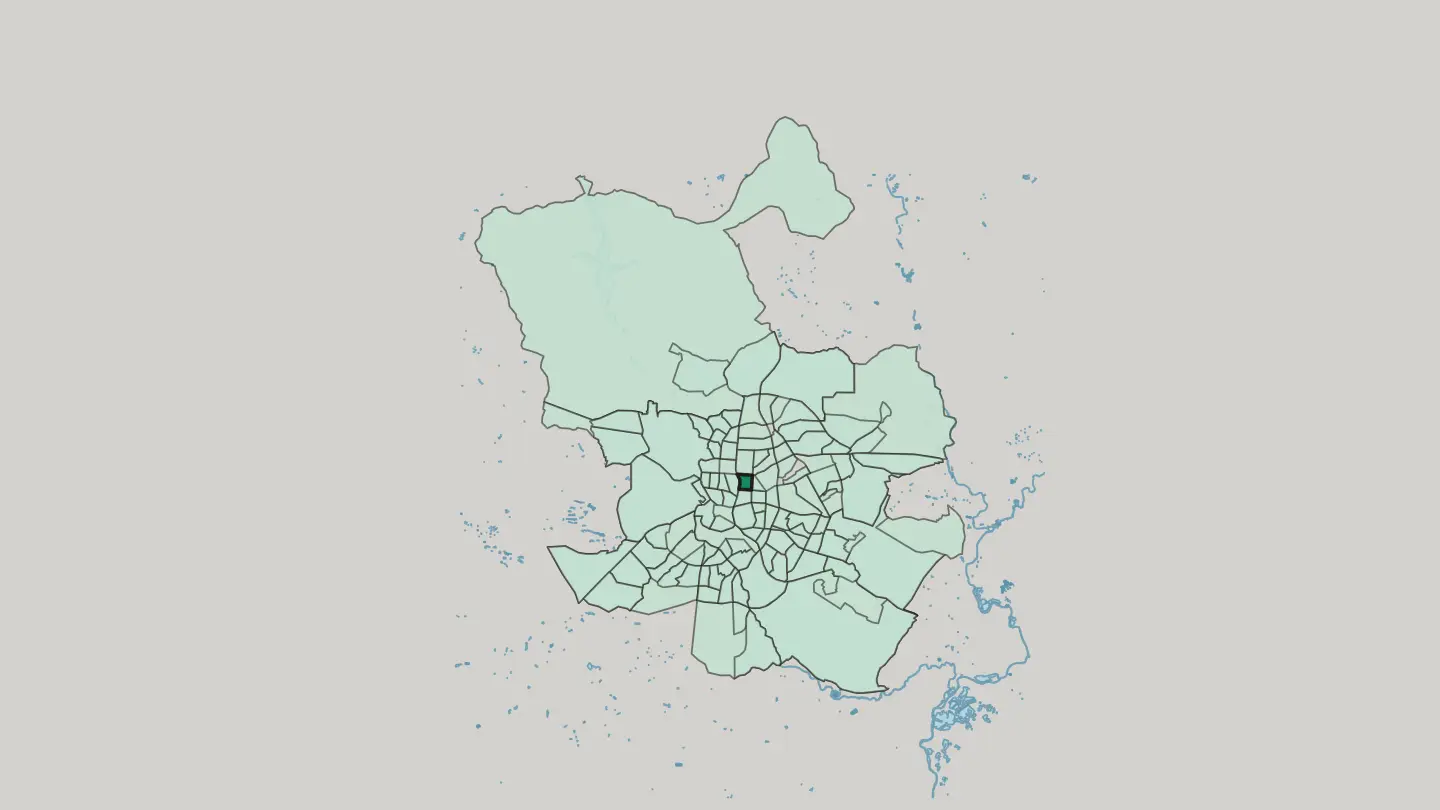 MadridSpain
Comillas
Comillas is one of the seven barrios of the Carabanchel district of Madrid, between Madrid Río and the Plaza Elíptica.Where to stay →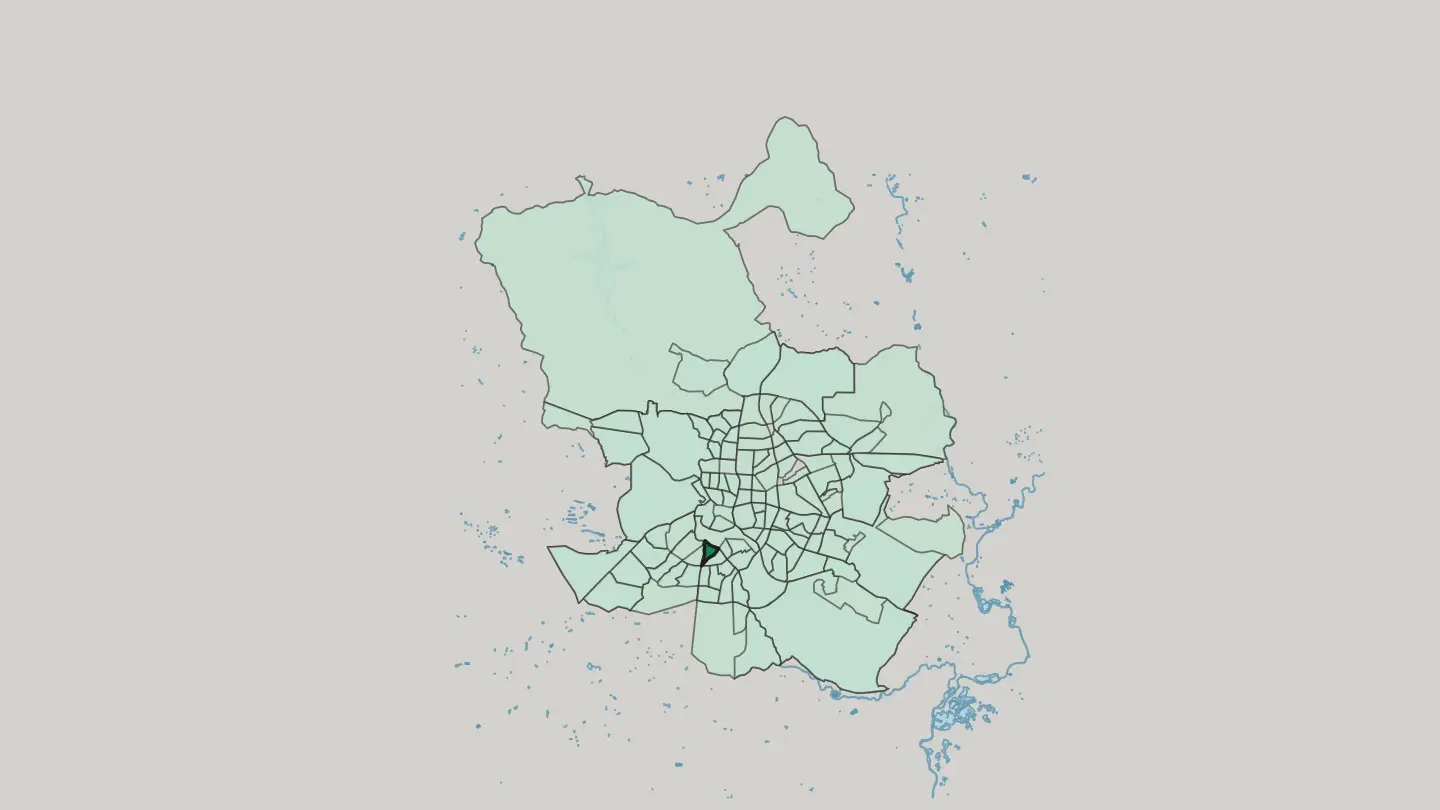
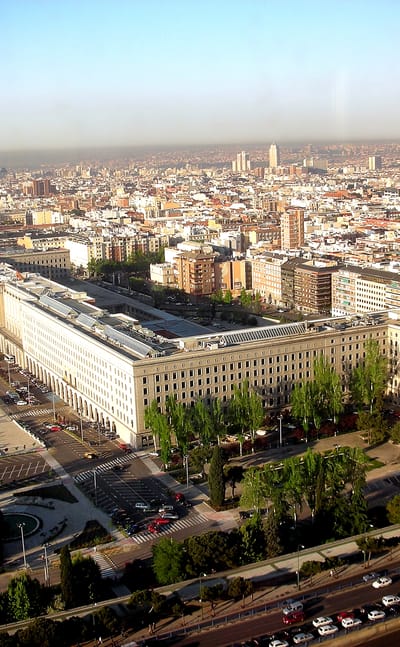 MadridSpain
Chamberí
Chamberí is a district of Madrid, established in 1898 and divided into six neighbourhoods.Where to stay →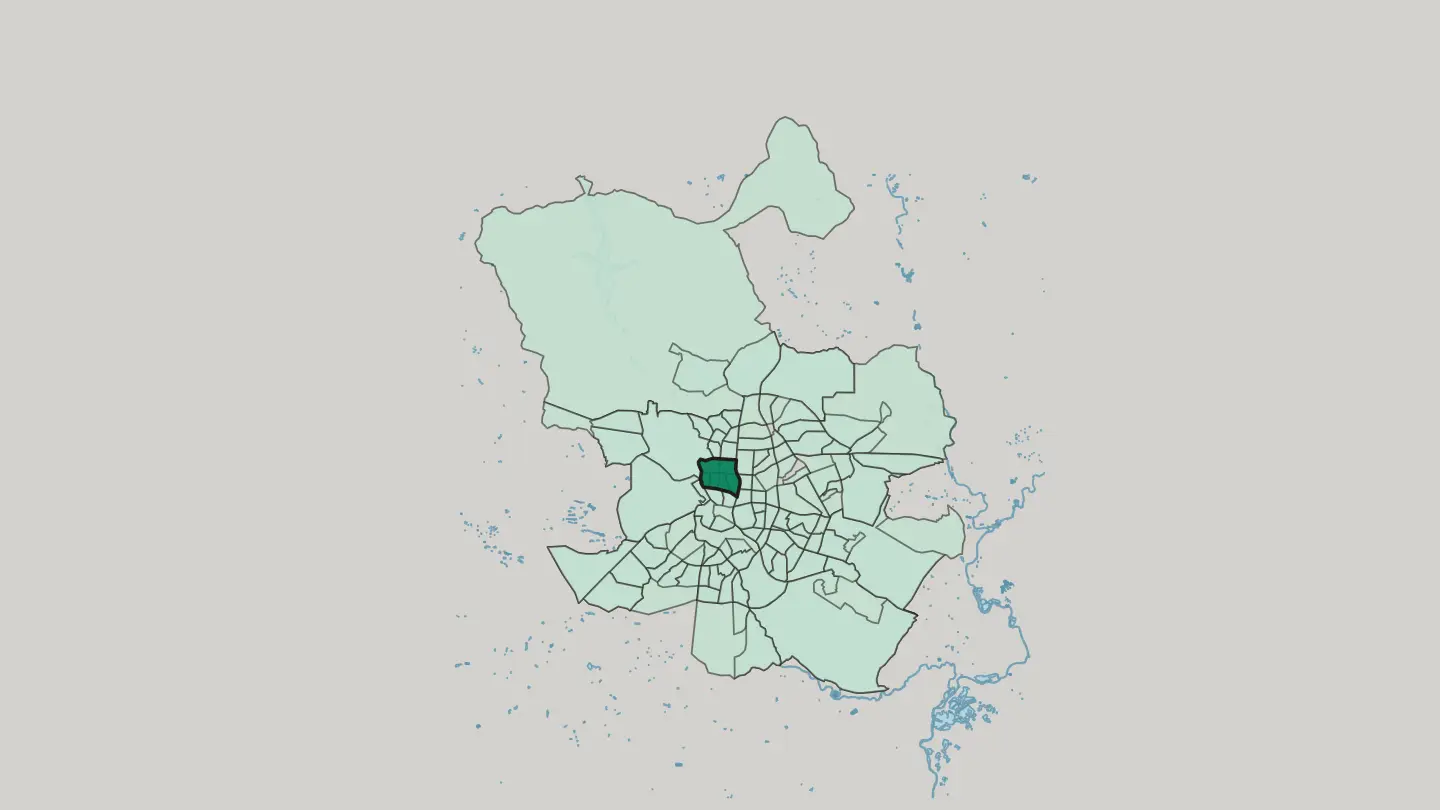
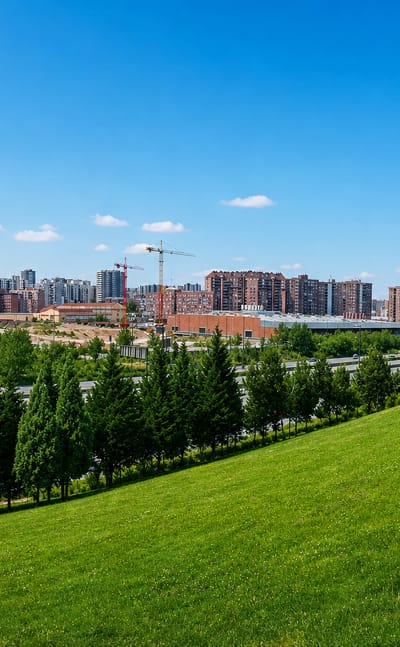 MadridSpain
Media Legua
Media Legua is a small residential barrio of Moratalaz in eastern Madrid, its blocks turning around the iglesia de la Presentación de Nuestra Señora.Where to stay →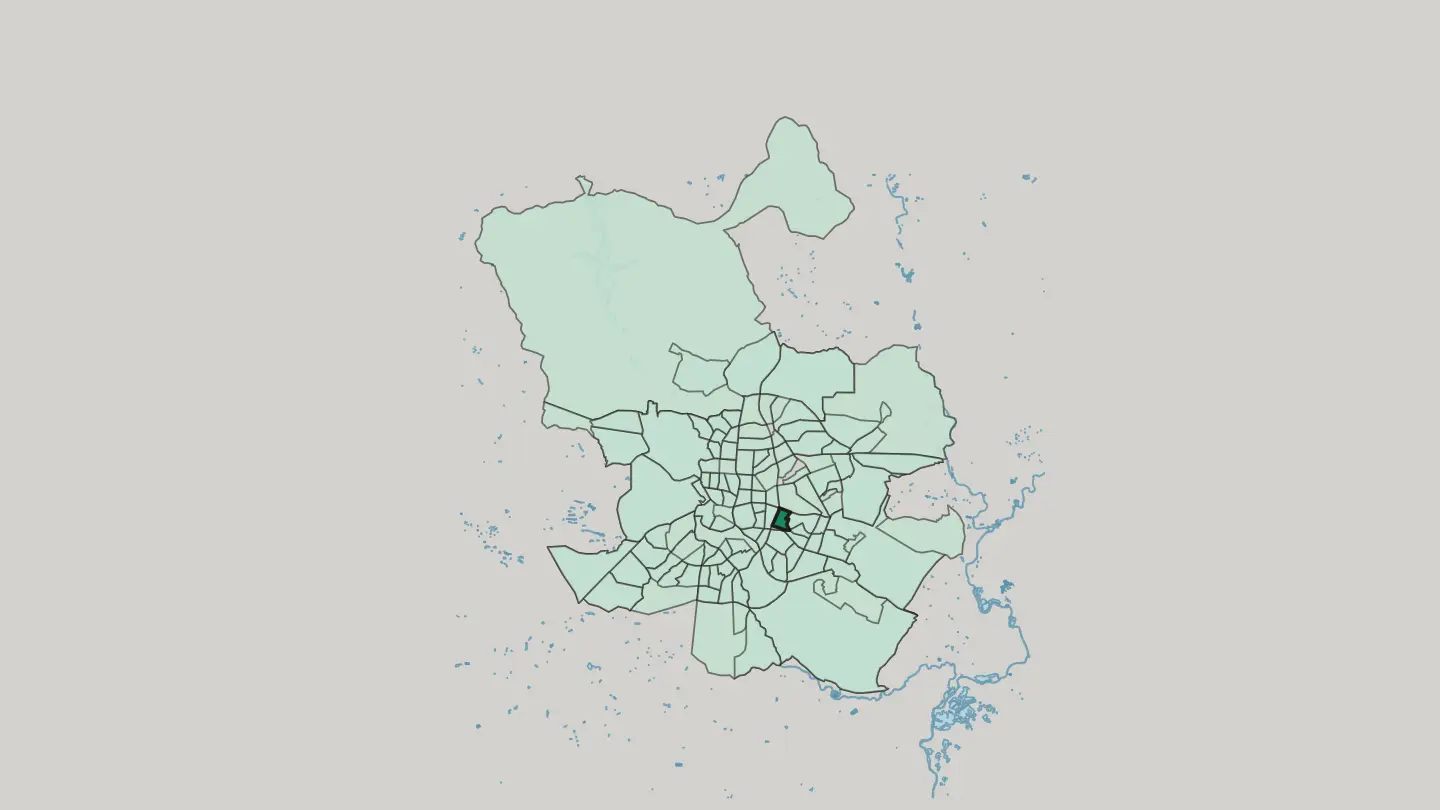 MadridSpain
Almendrales
Almendrales is a residential district of Madrid, Spain, in the Usera area, between Parque Pradolongo and Parque Olof Palme.Where to stay →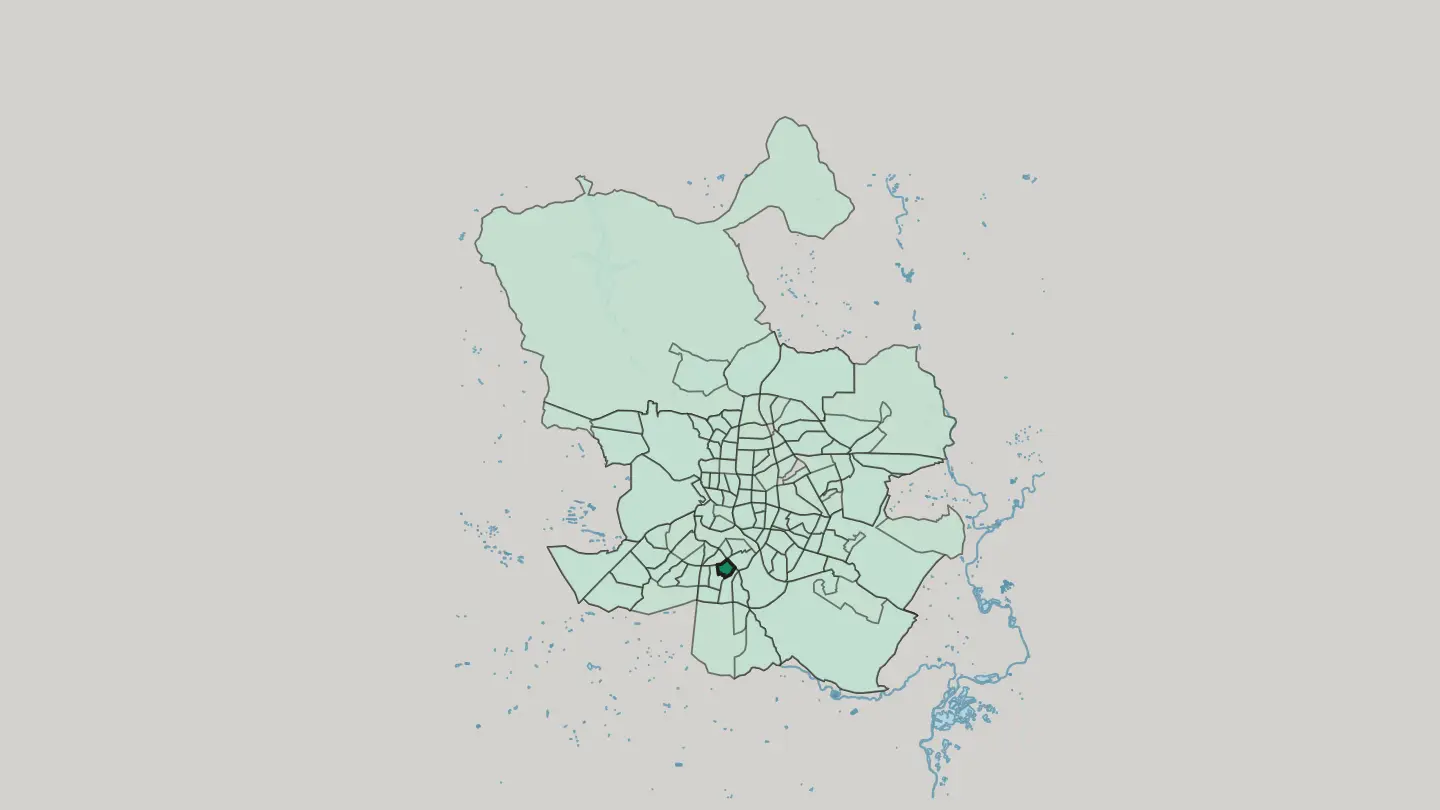 MadridSpain
Lista
Lista is a district of Madrid, Spain, gathered around the Lázaro Galdiano Museum and the Residencia de Estudiantes.Where to stay →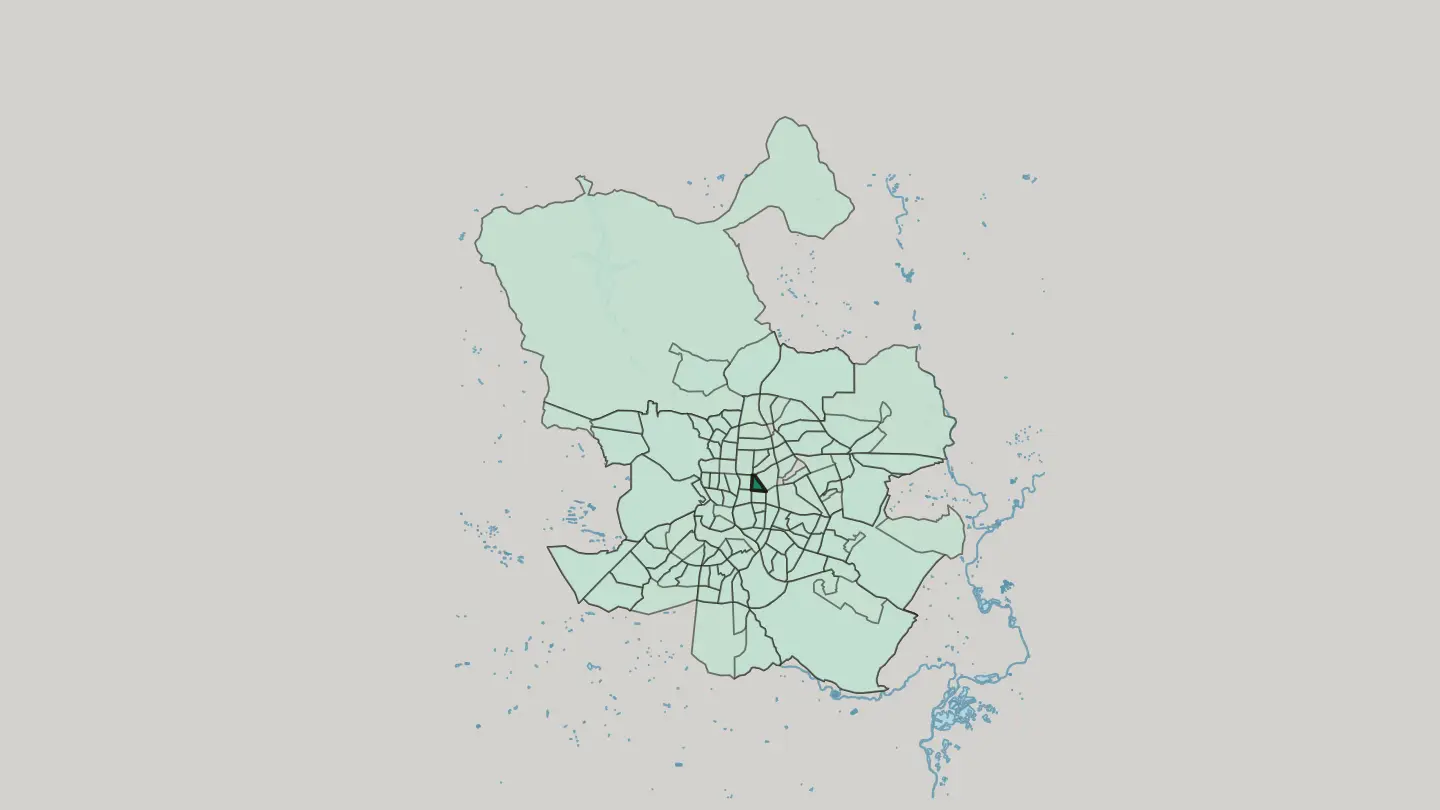 MadridSpain
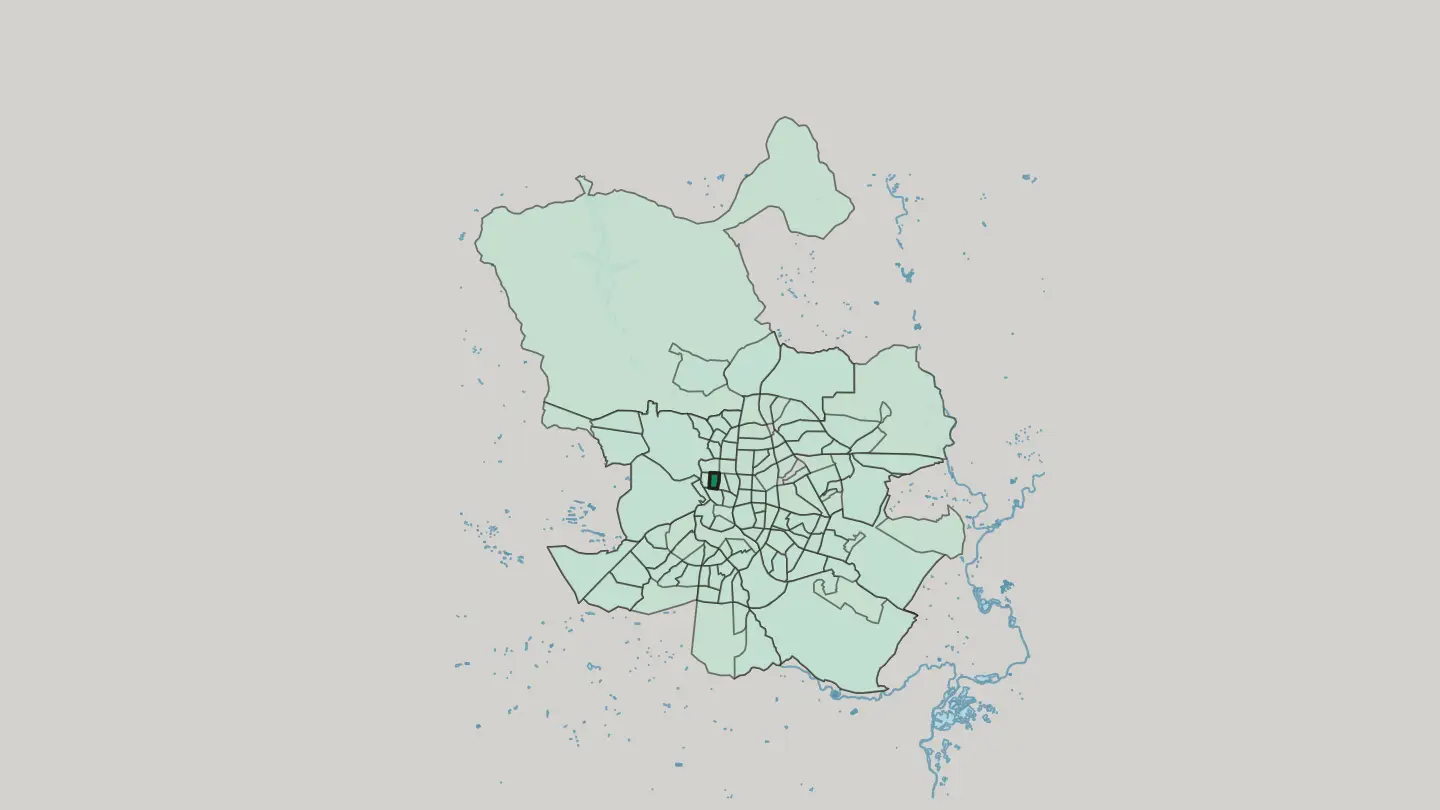
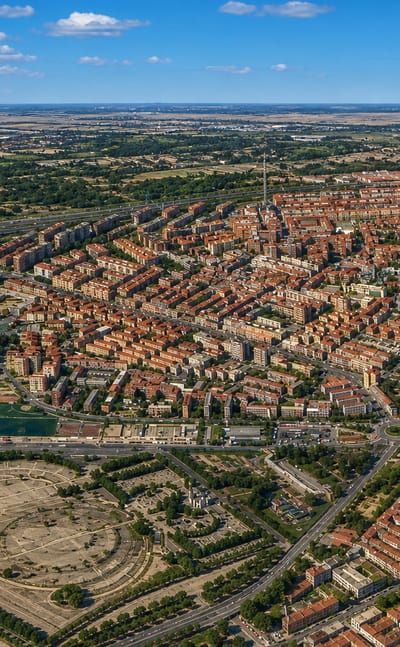
Trafalgar
Trafalgar is a neighbourhood of the Chamberí district in central Madrid, near the Sorolla Museum.Where to stay →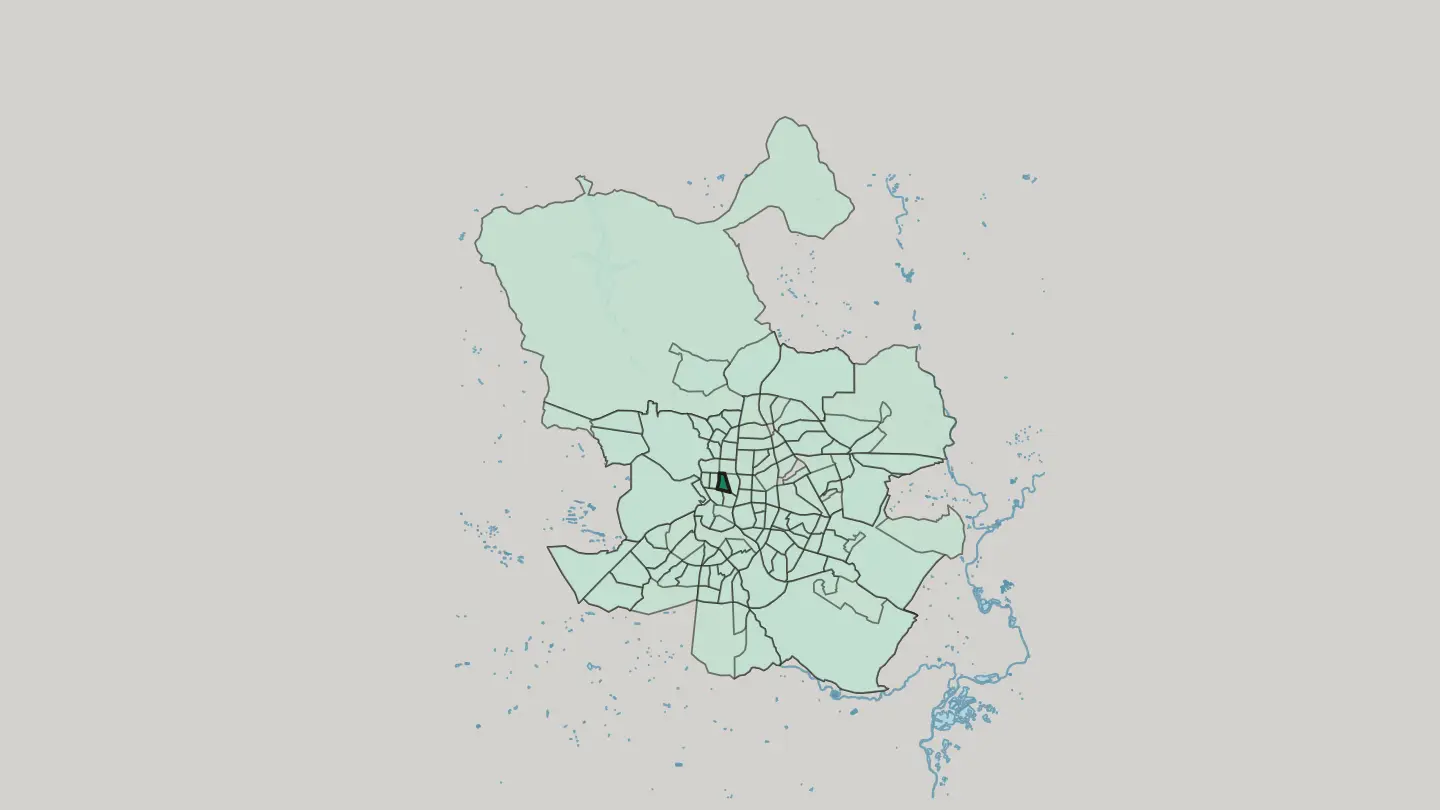

 MadridSpain
Ventas
Ventas is a district of Madrid, Spain, known for the Museo Casa de la Moneda and the Museo Taurino de Madrid.Where to stay →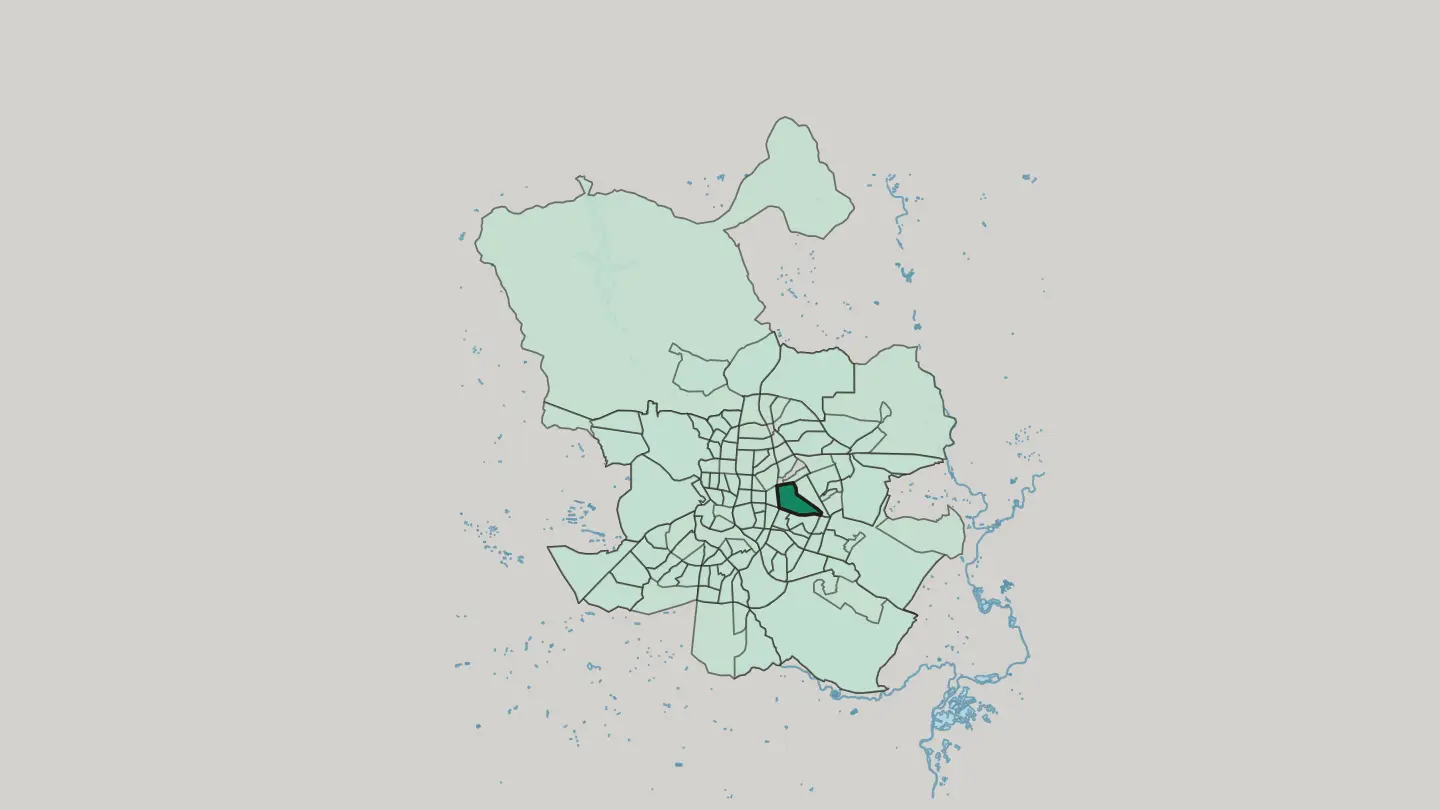
 MadridSpain
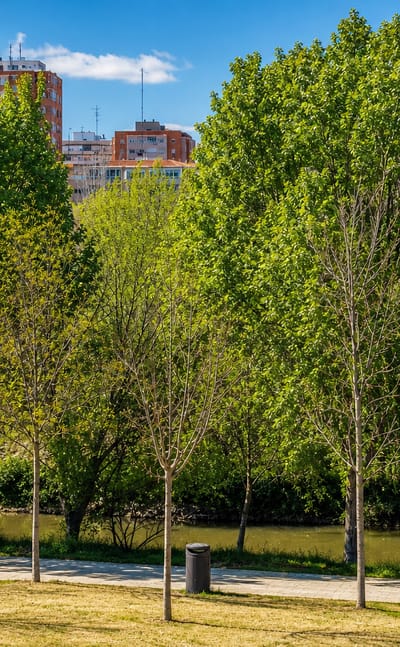
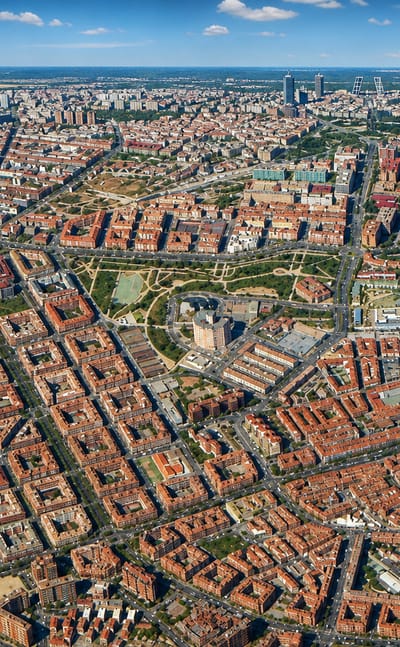
Usera
The Church of the Sacred Heart of Jesus of Usera rises over Usera, a district of the city of Madrid, Spain, beside Pradolongo park.Where to stay →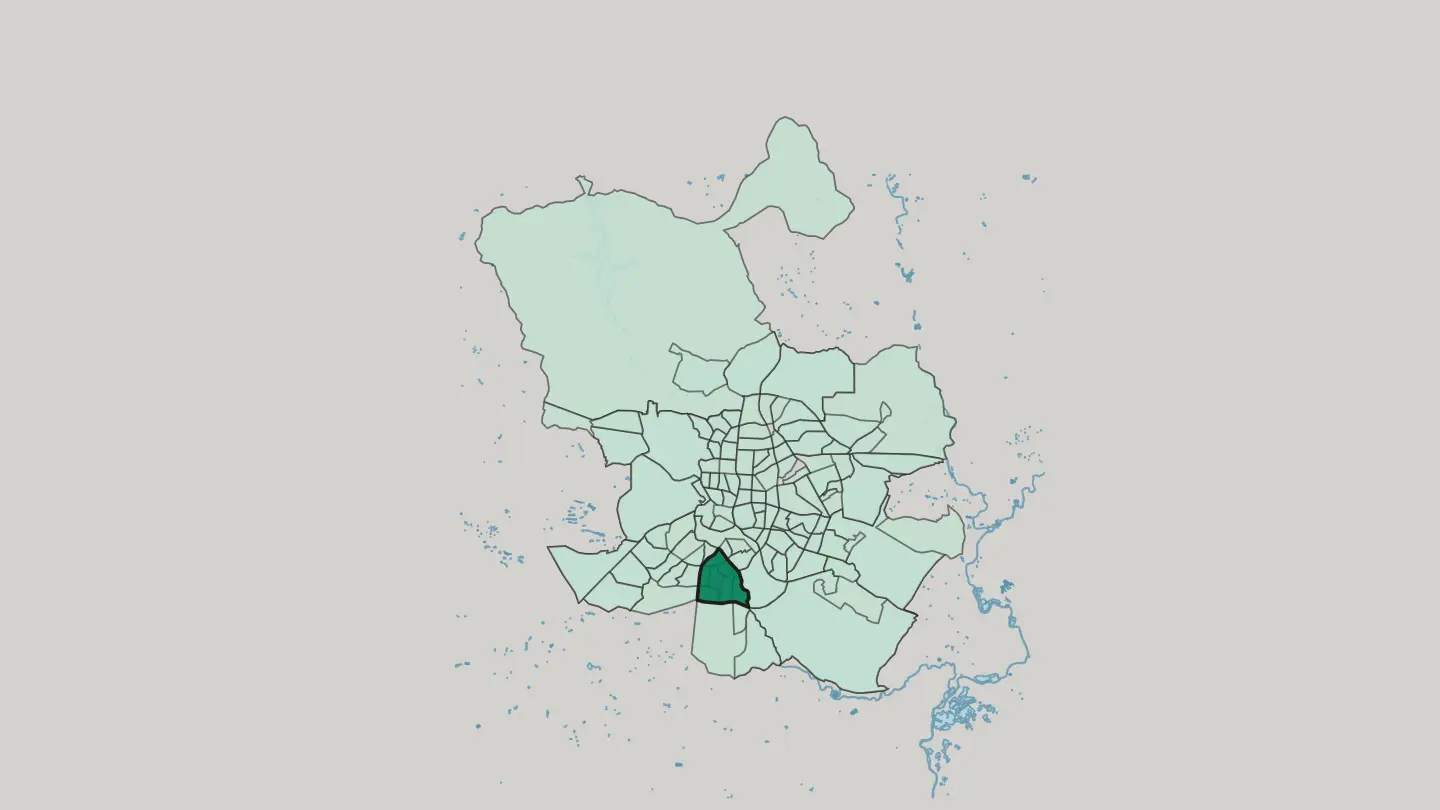
 MadridSpain
Palomeras Bajas
The Assembly of Madrid sits in Palomeras Bajas, a district of the city of Madrid in Puente de Vallecas, Spain.Where to stay →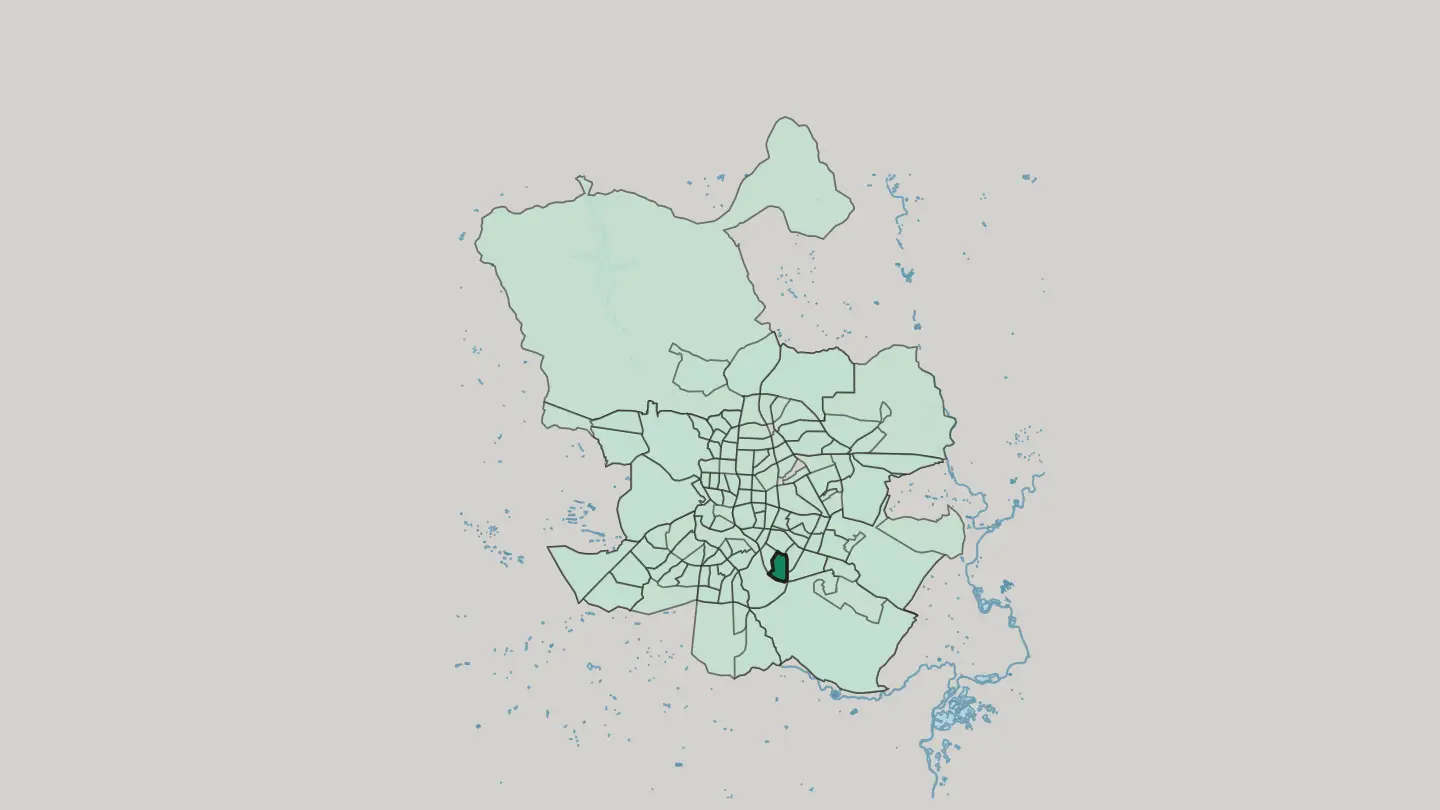 MadridSpain
Argüelles
Argüelles is a barrio of Madrid's Moncloa-Aravaca district, named after Agustín Argüelles, the 19th-century Asturian politician.Where to stay →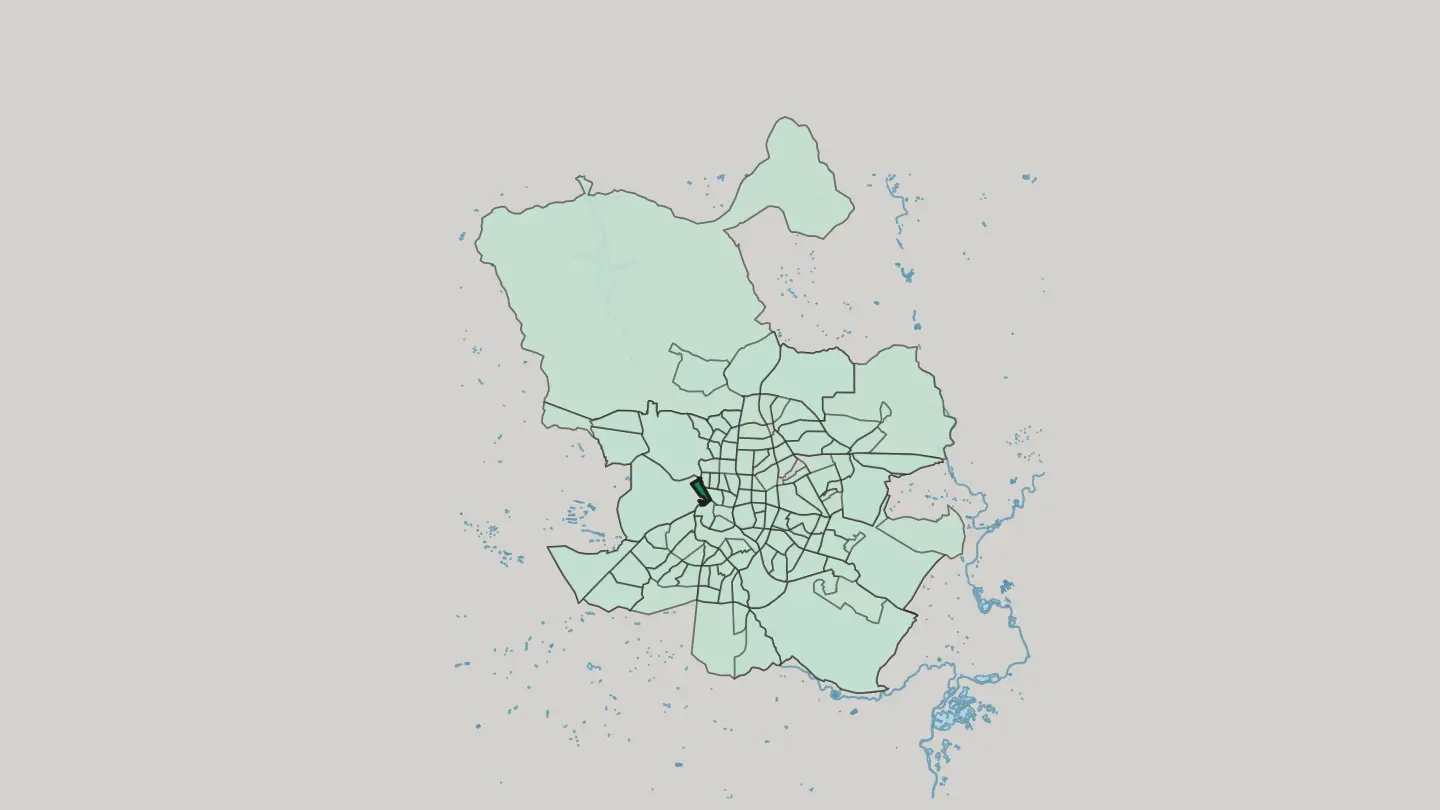 MadridSpain
Guindalera
Apartment blocks and local streets make up Guindalera, a residential district of Madrid in the Community of Madrid, Spain.Where to stay → MadridSpain
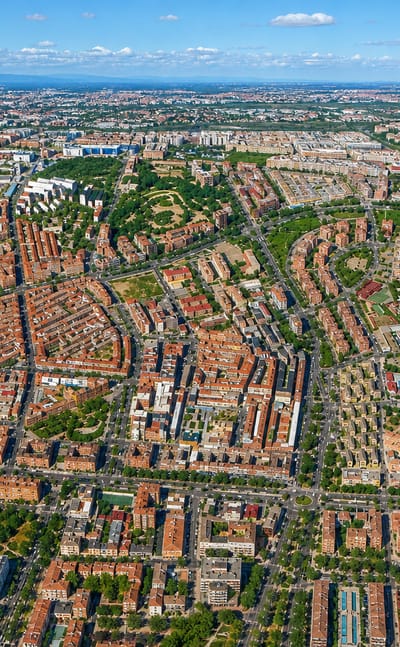
Moratalaz
Moratalaz is a planned residential district of Madrid, Spain, laid out from 1971 and marked by the Monumento a las Trece Rosas.Where to stay →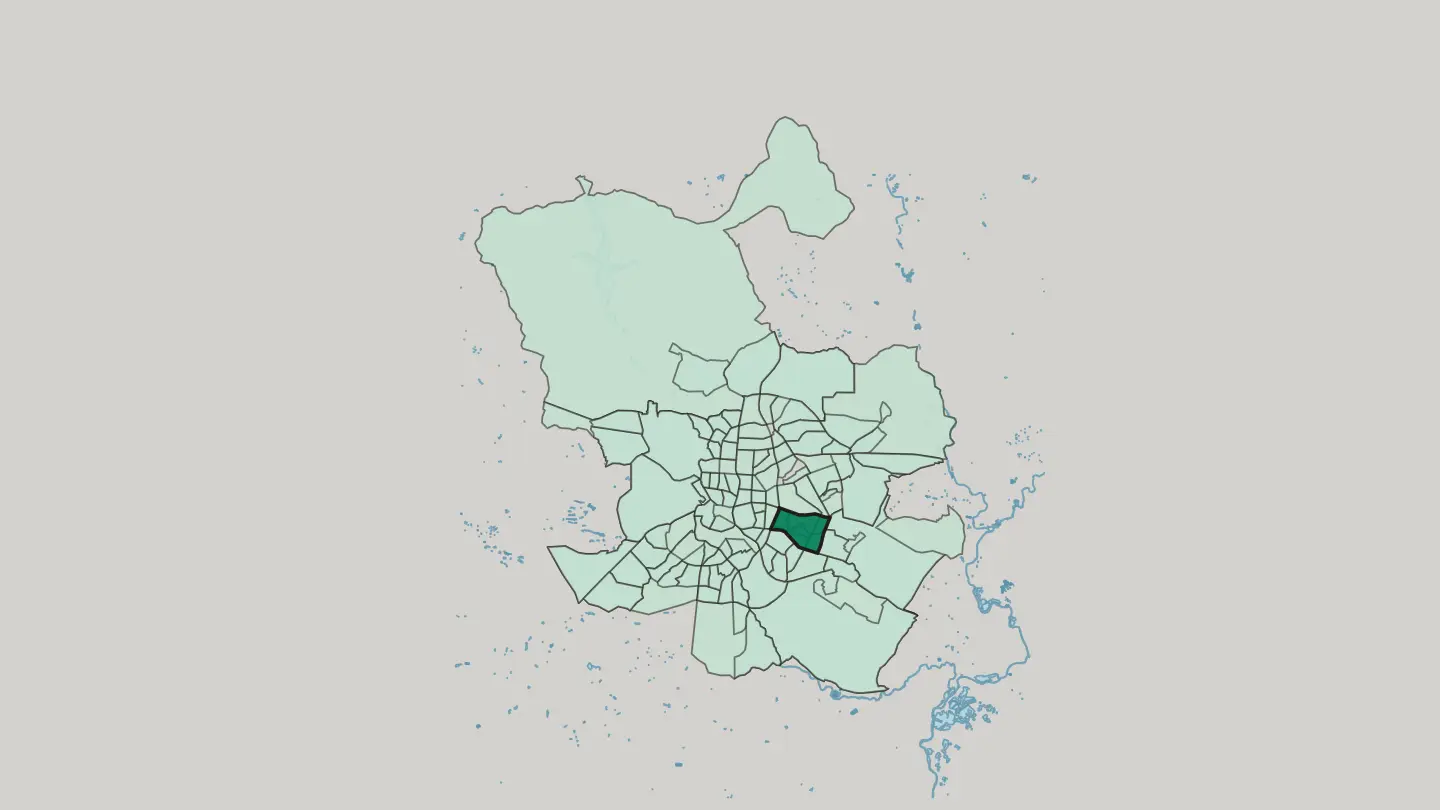
 MadridSpain
Portazgo
Portazgo is an administrative barrio in the north of Madrid's Puente de Vallecas district, between the A-3 and the avenida de Buenos Aires.Where to stay →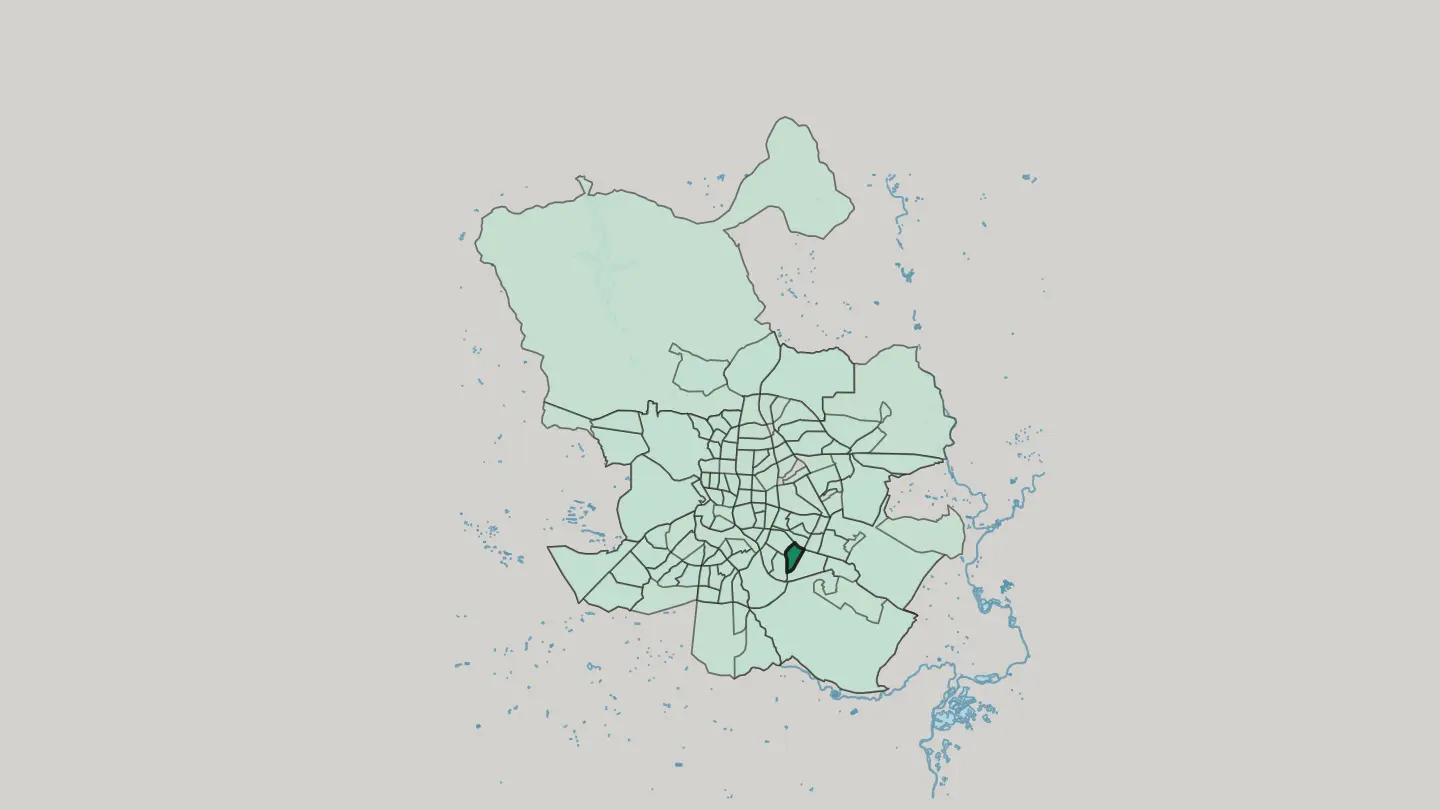
 MadridSpain
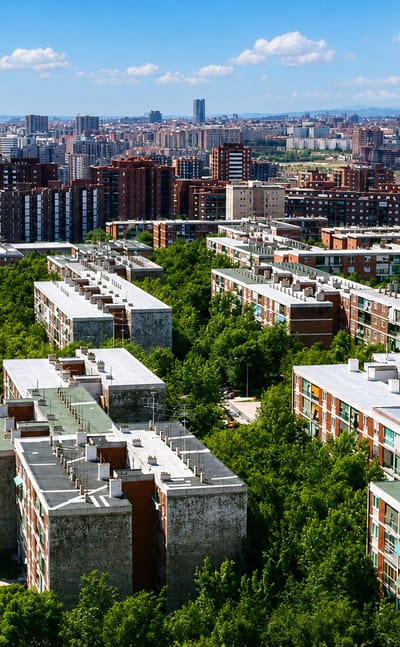
Fontarrón
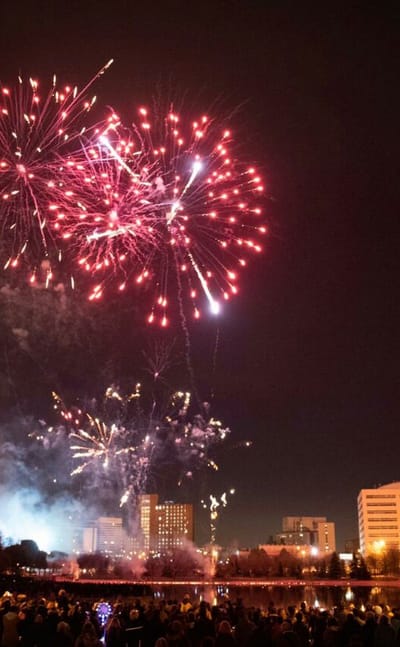
Parish churches and the Museo de Bomberos de Madrid mark Fontarrón, a residential barrio of Madrid in the Moratalaz district.Where to stay →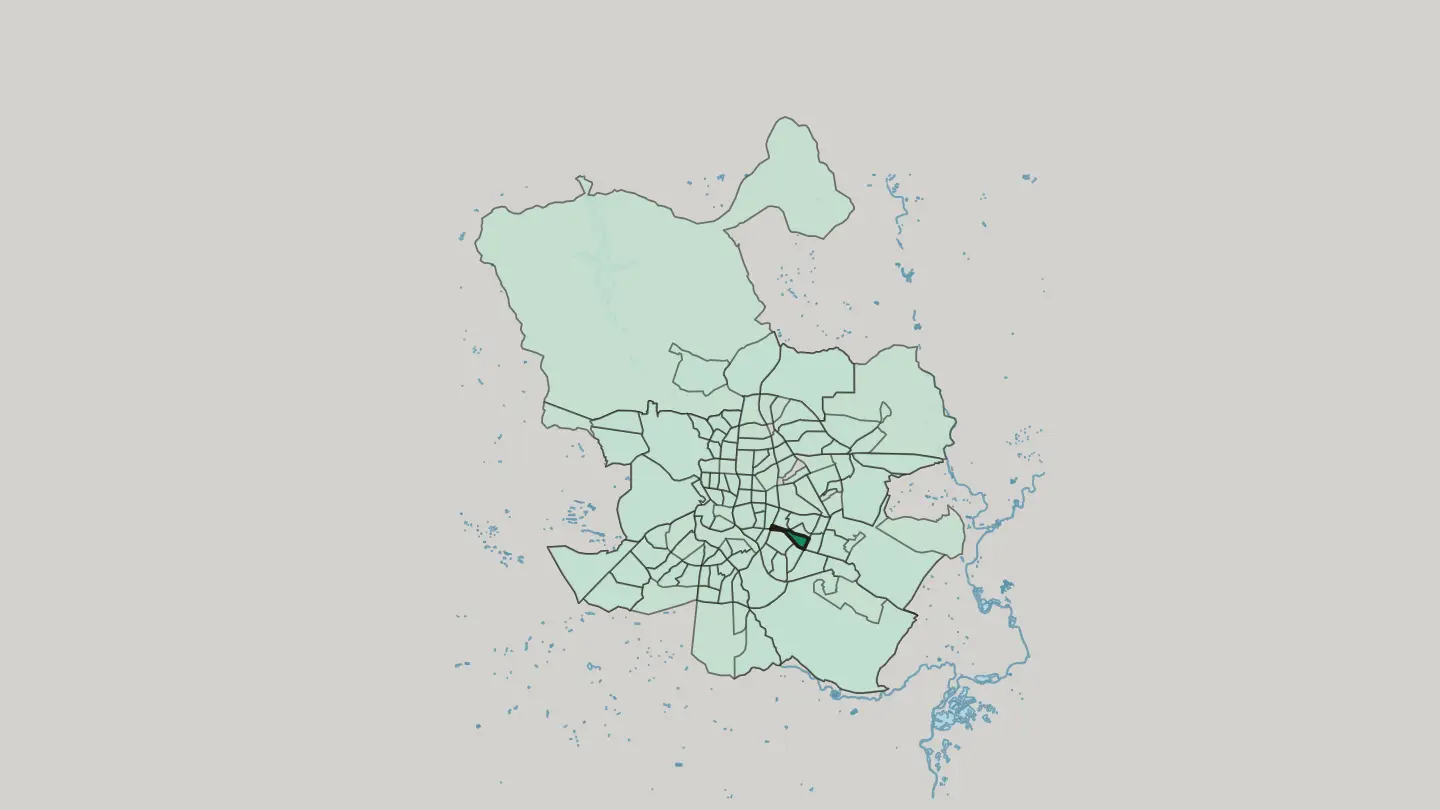
 MadridSpain
Pradolongo
Pradolongo is a residential district of Madrid, known for the parque Olof Palme and the Columnas toscanas.Where to stay →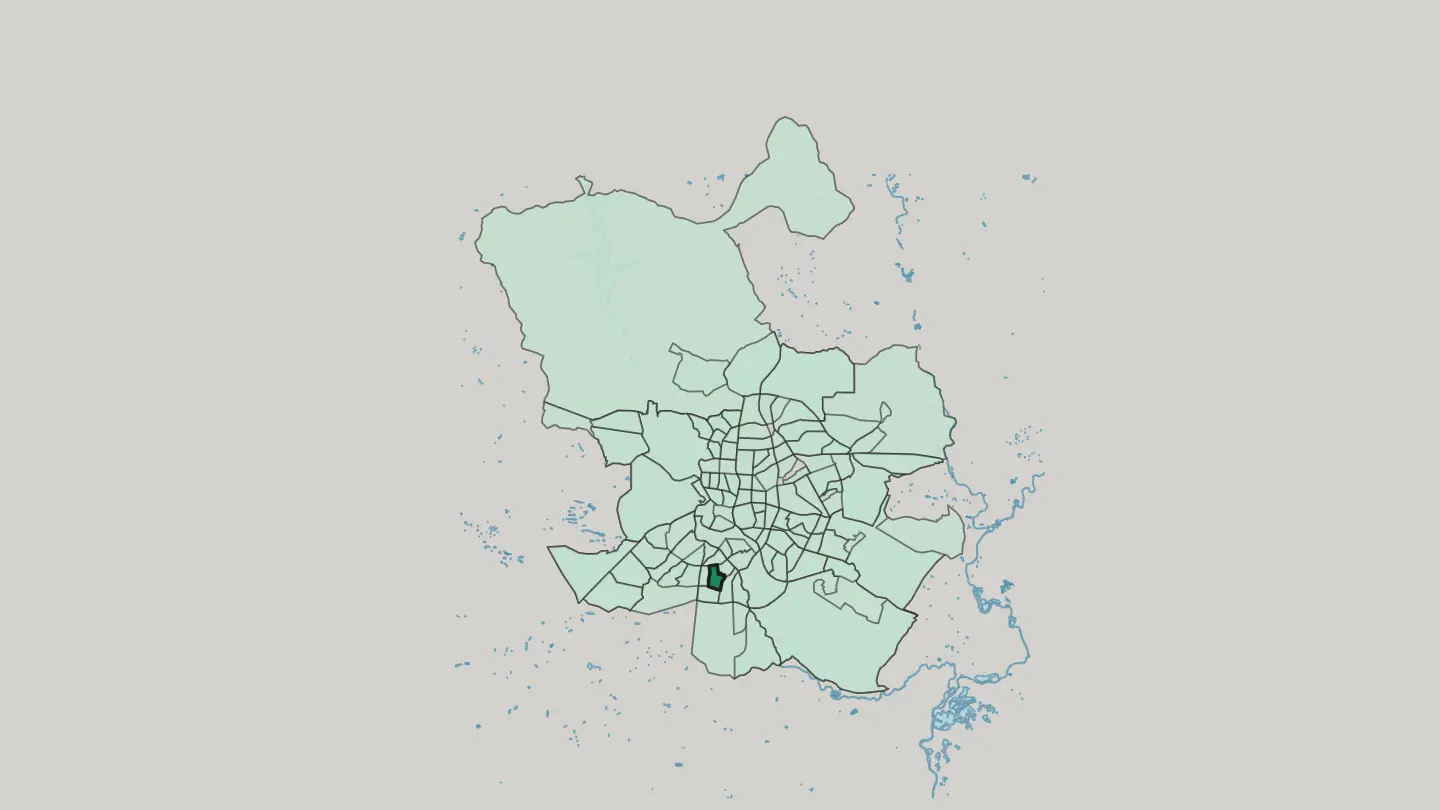
 MadridSpain
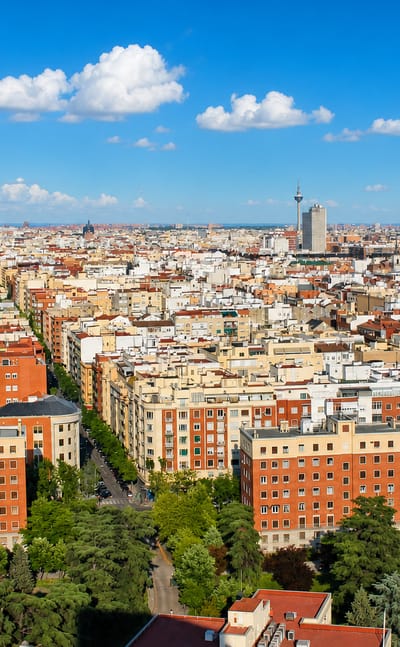
Gaztambide
Gaztambide is a barrio of Madrid's Chamberí district whose origins lie in the northern Ensanche of the Plan Castro of 1860.Where to stay →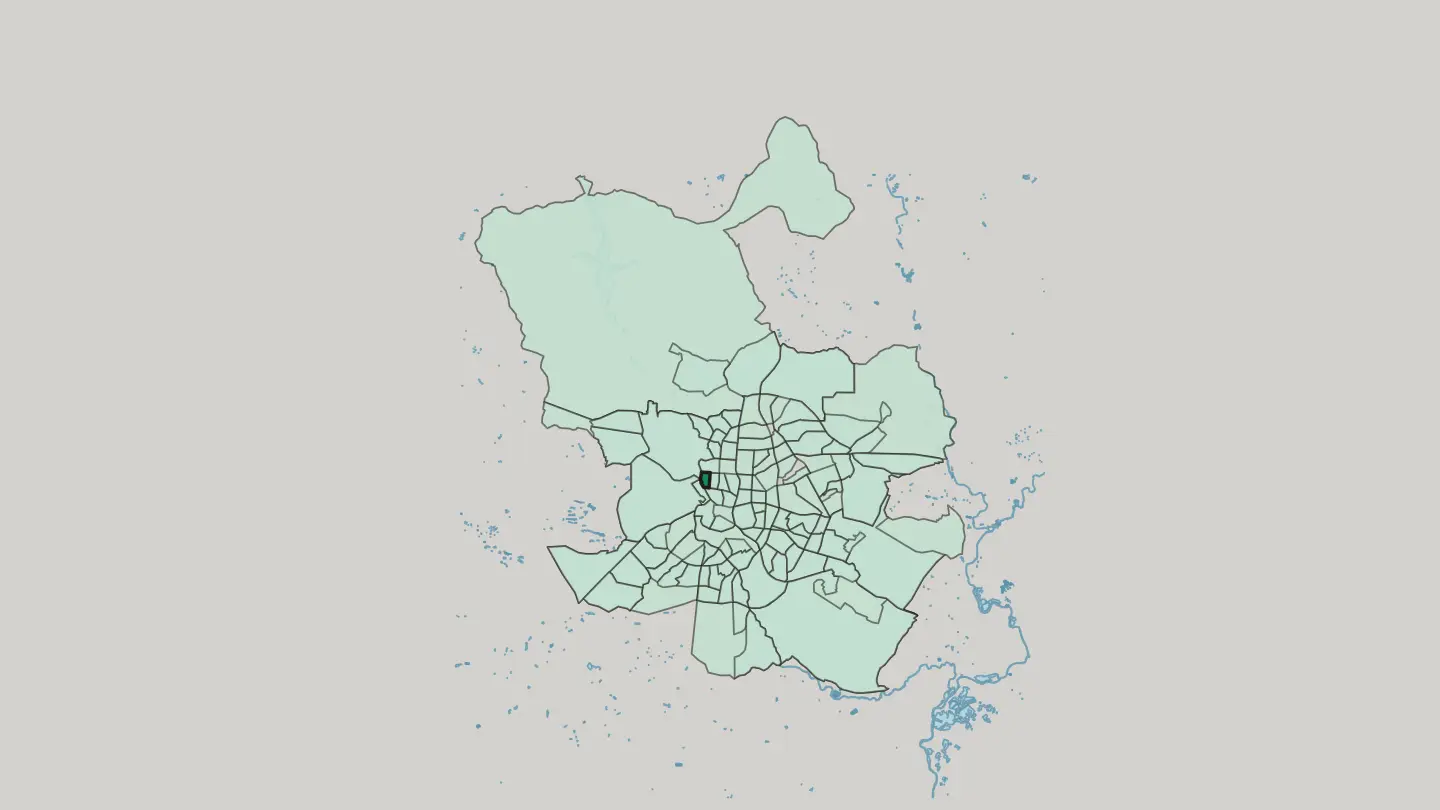
 MadridSpain
Puerta del Angel
Puerta del Angel is a district of Madrid, Spain, one of the many urban quarters that make up the wider city.Where to stay →MadridSpainRios Rosas
Rios Rosas is a district of Madrid, Spain, one of the residential quarters set within the wider city.Where to stay →MadridSpain
Entrevías
Glazed ceramic murals and the Caja Mágica mark Entrevías, a residential quarter of Madrid in the Puente de Vallecas district.Where to stay →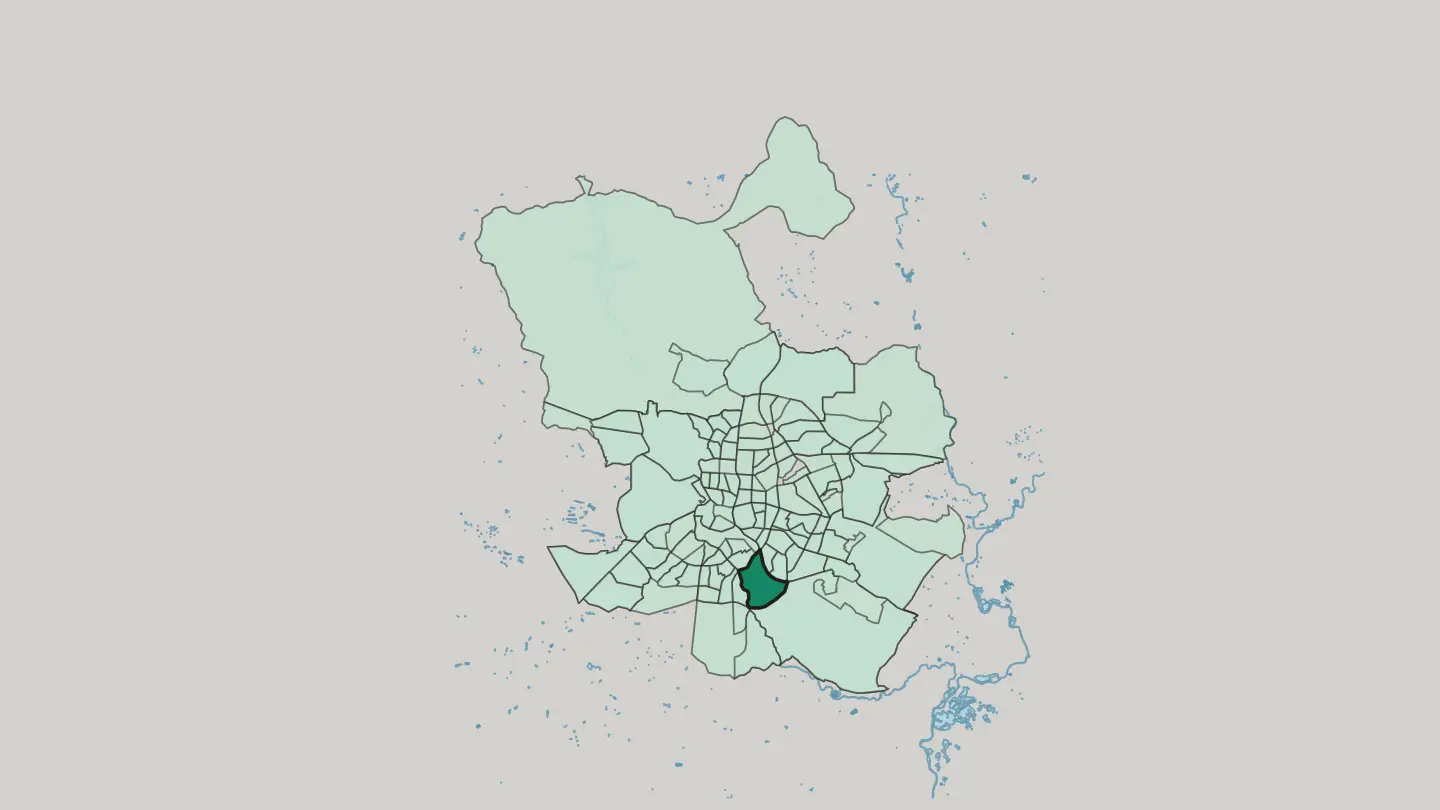
 MadridSpain
Marroquina
Marroquina is a quiet residential district of eastern Madrid, gathered around the iglesia de la Presentación de Nuestra Señora.Where to stay →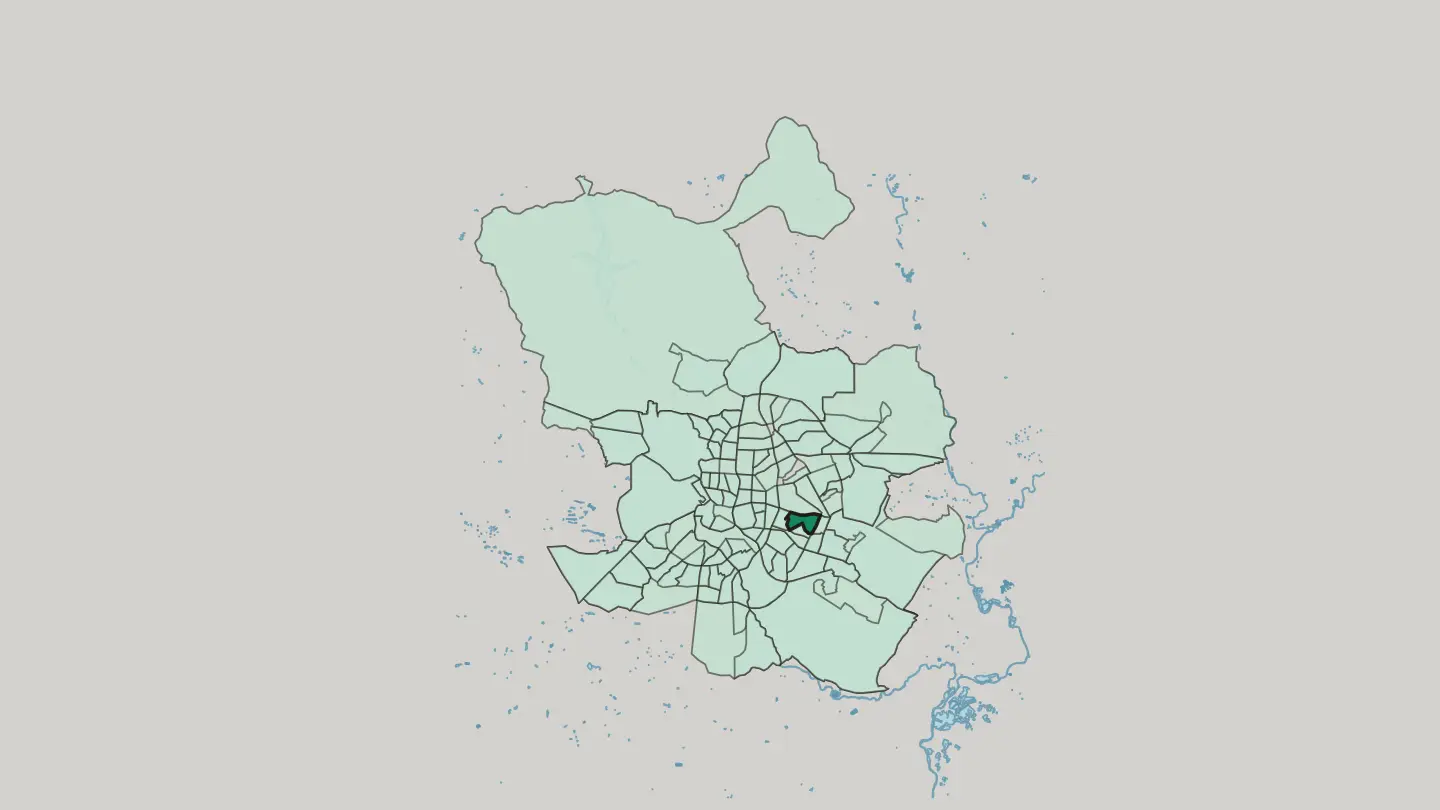
 MadridSpain
Moncloa-Aravaca
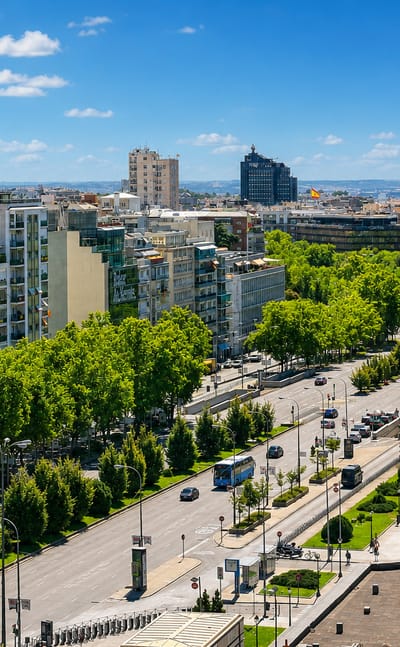
Moncloa-Aravaca is a broad district northwest of Madrid, spanning both banks of the Manzanares below the Faro de Moncloa.Where to stay →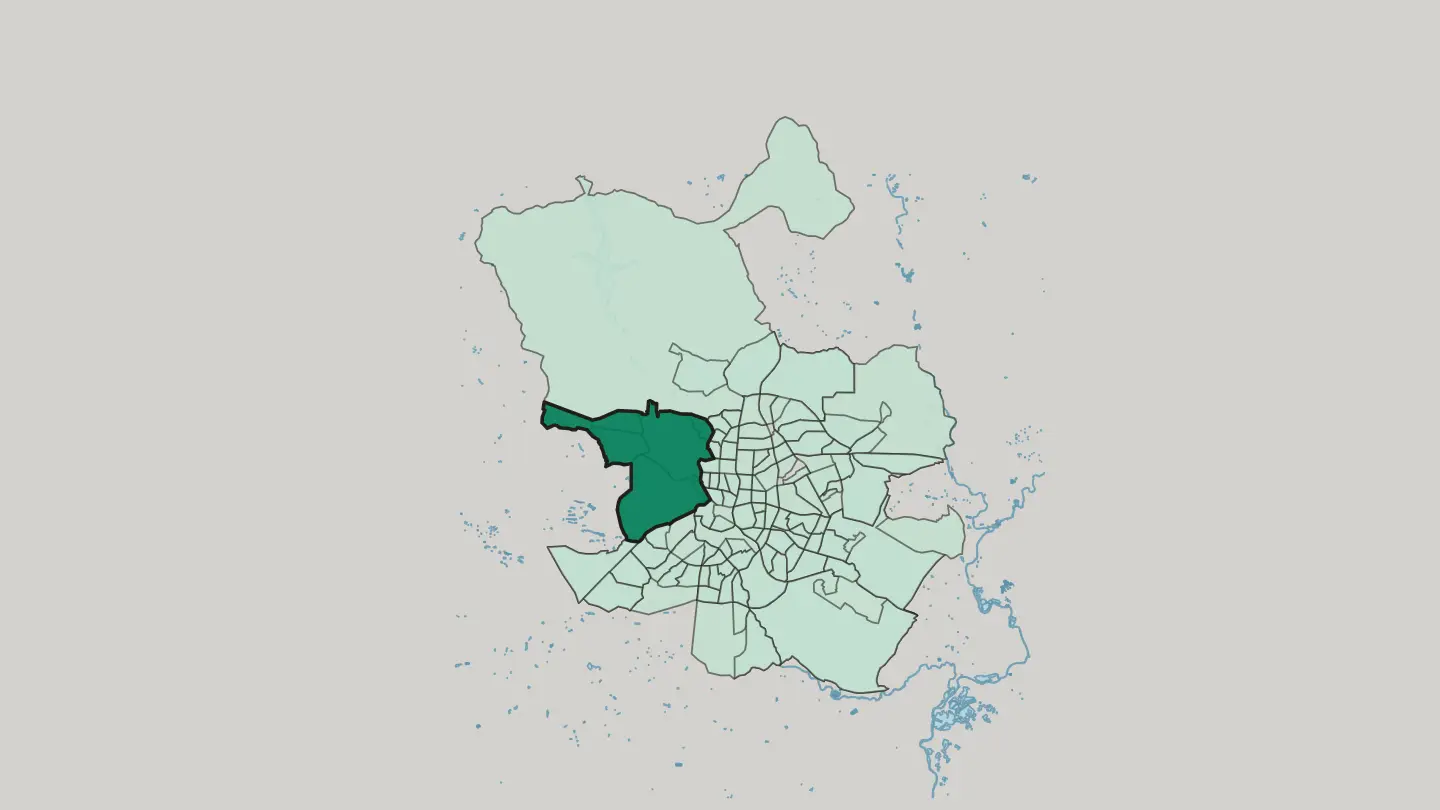
 MadridSpain
El Viso
El Viso is a neighbourhood of Madrid's Chamartín district, made up mainly of detached houses.Where to stay →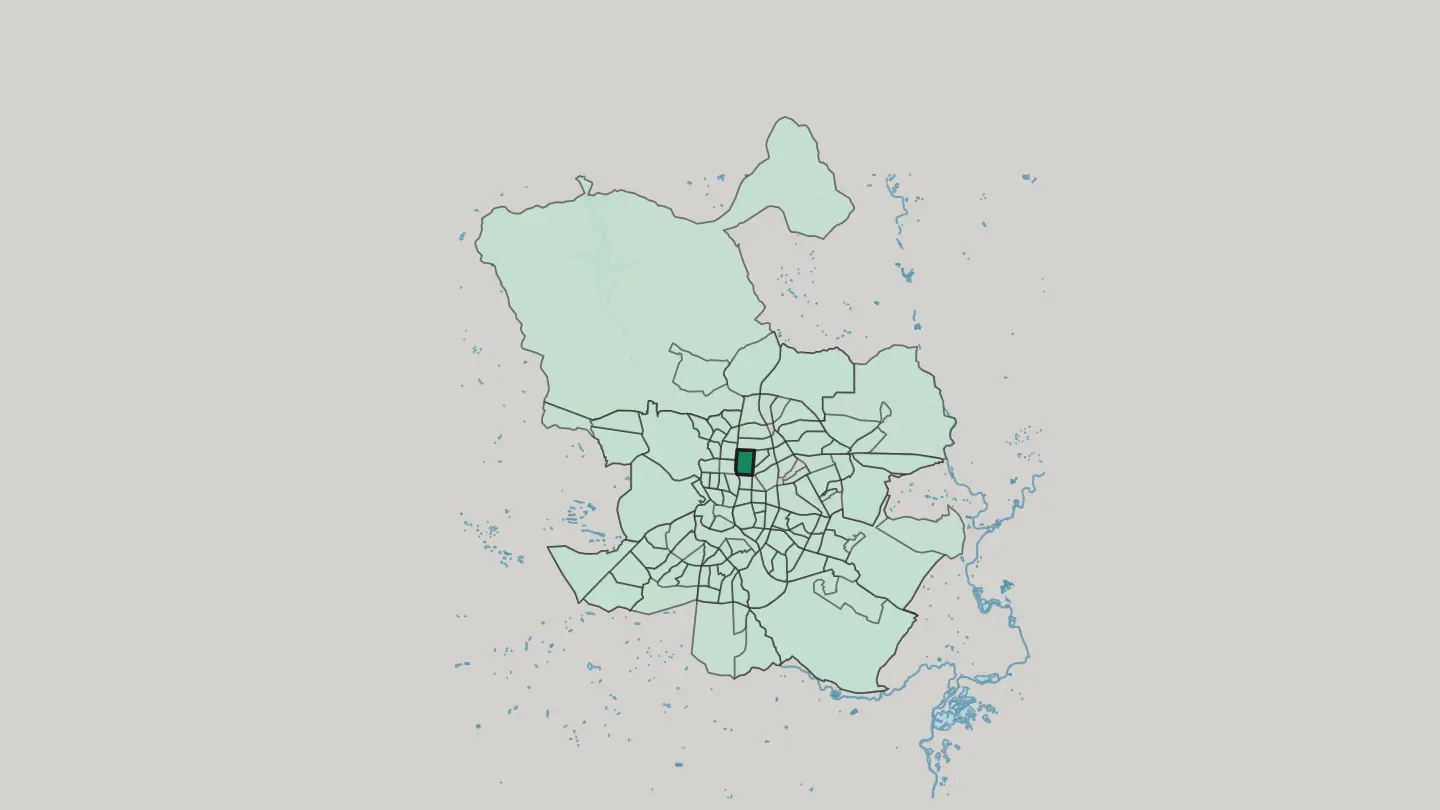
 MadridSpain
Zofío
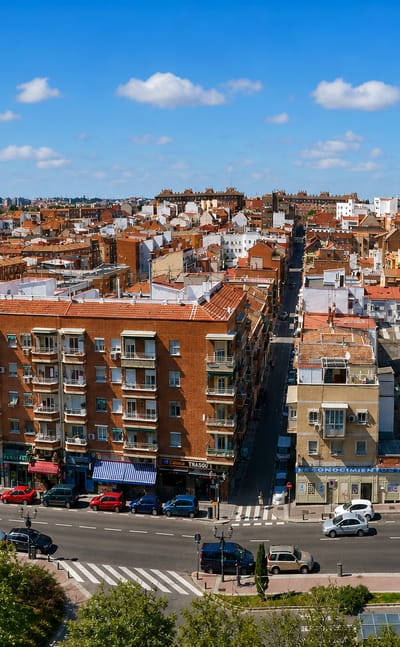
Zofío is a barrio of Madrid, Spain, in the Usera area beside Parque Pradolongo, marked by the Iglesia de Maris Stella.Where to stay →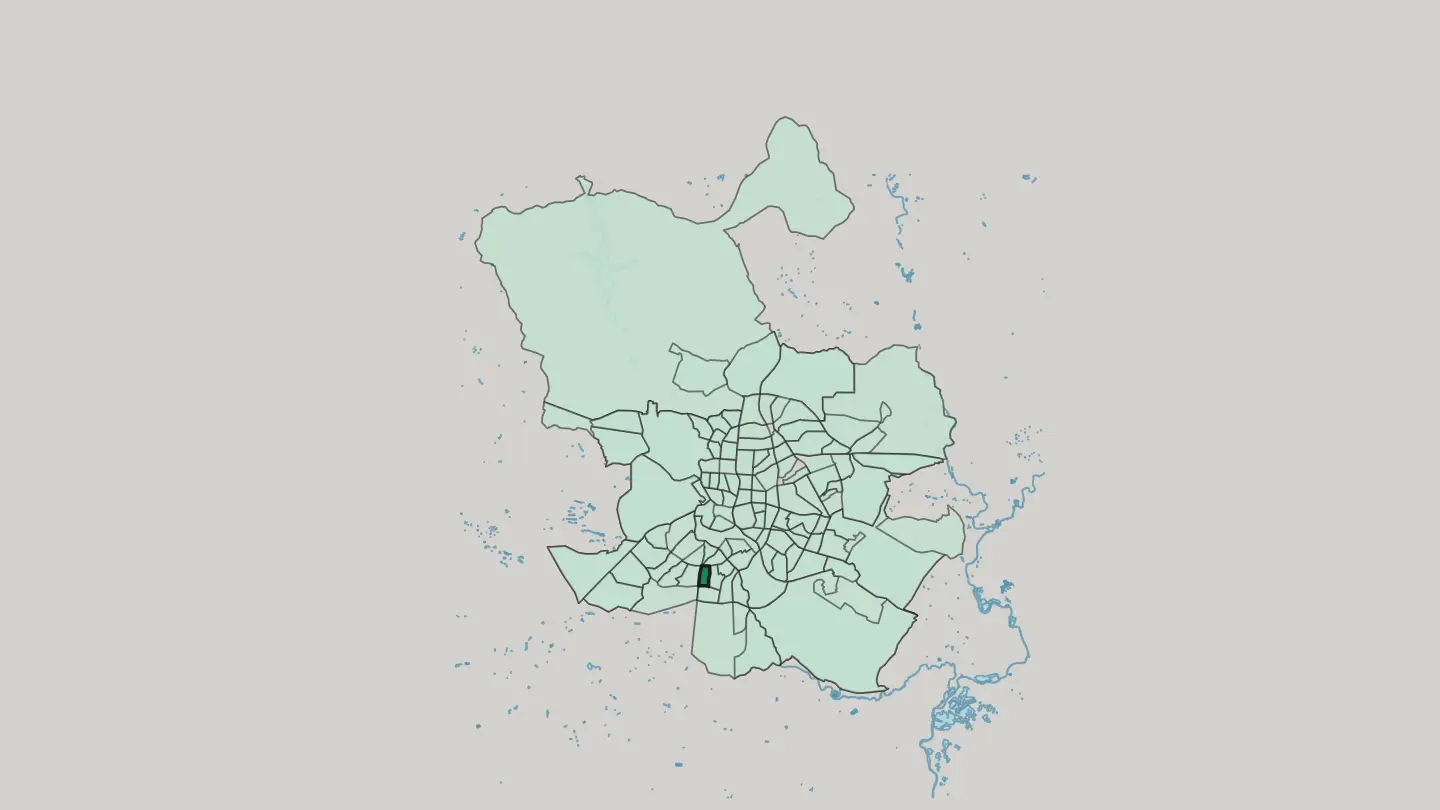
 MadridSpain
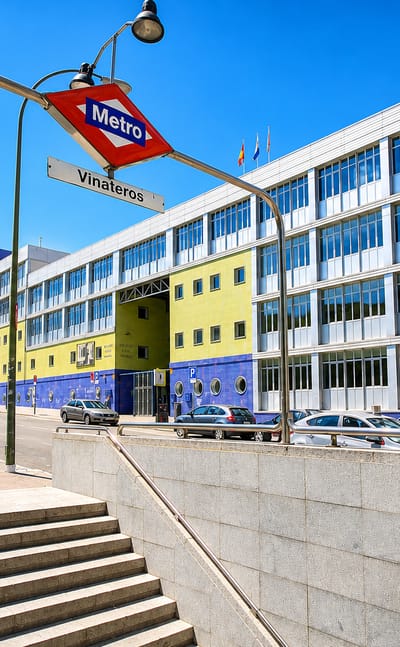
Vinateros
Vinateros is a barrio of Madrid, Spain, set within the Moratalaz district around the Museo de Bomberos de Madrid.Where to stay →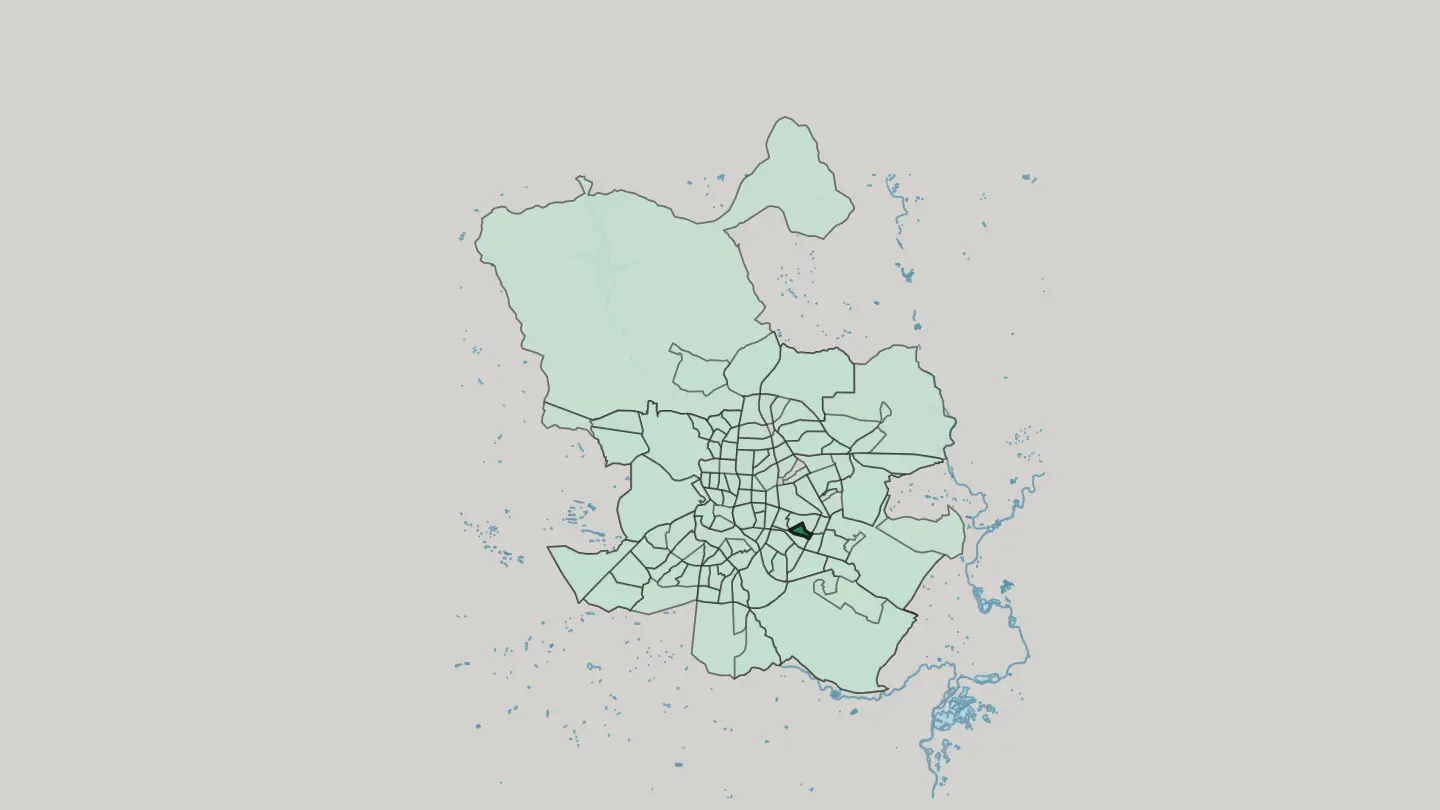
 MadridSpain
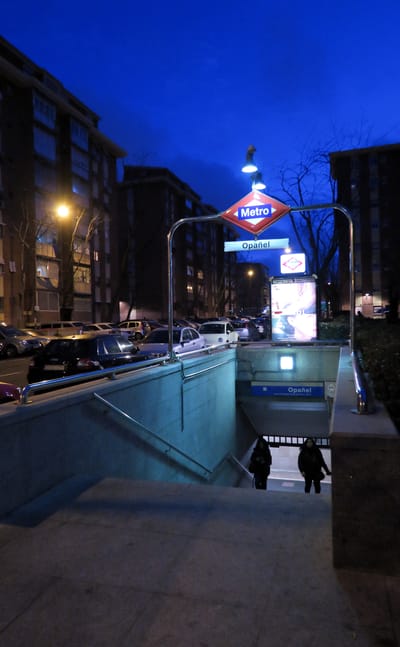
Opañel
Opañel is a barrio of the Carabanchel district of Madrid, set between the avenida de Oporto and the calle del General Ricardos.Where to stay →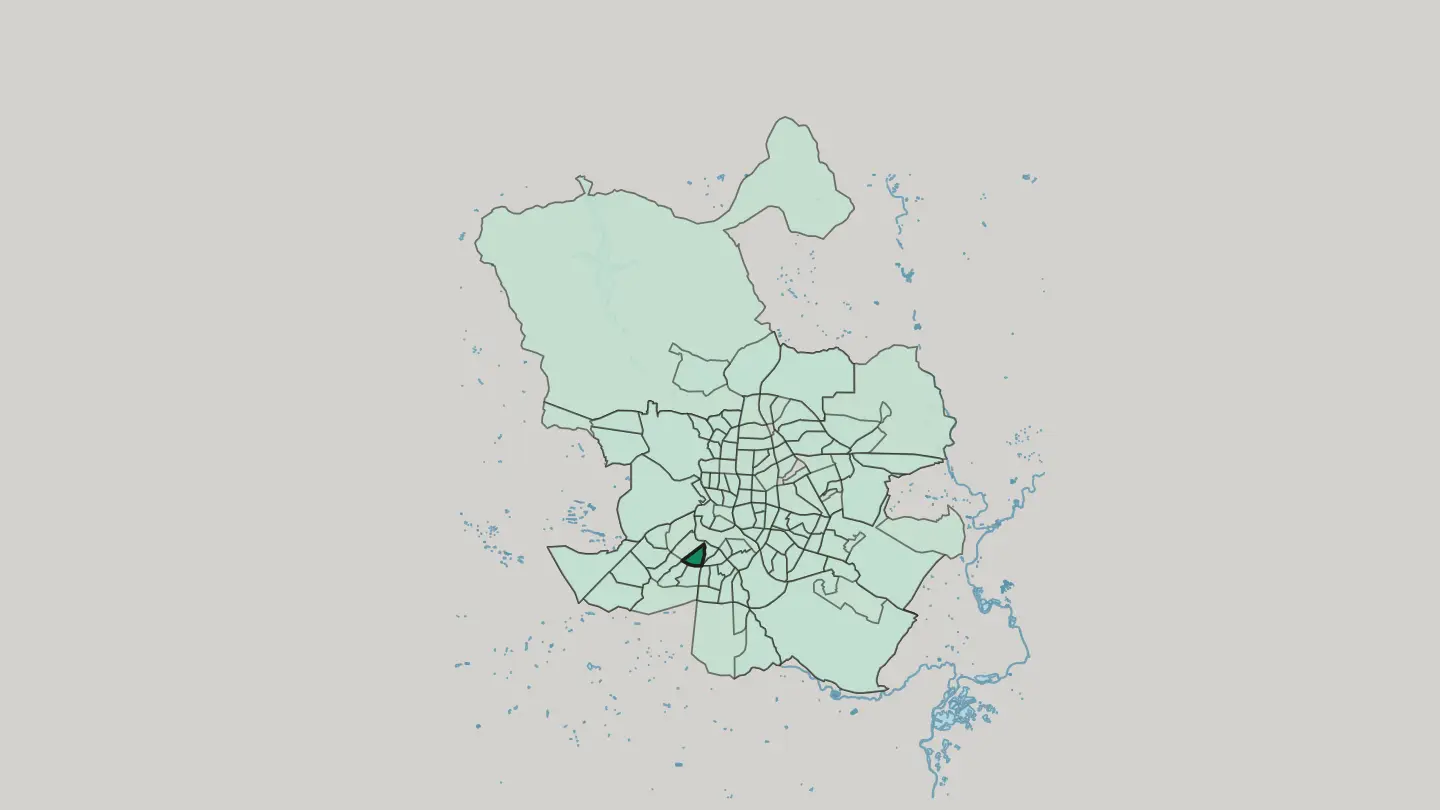
 MadridSpain
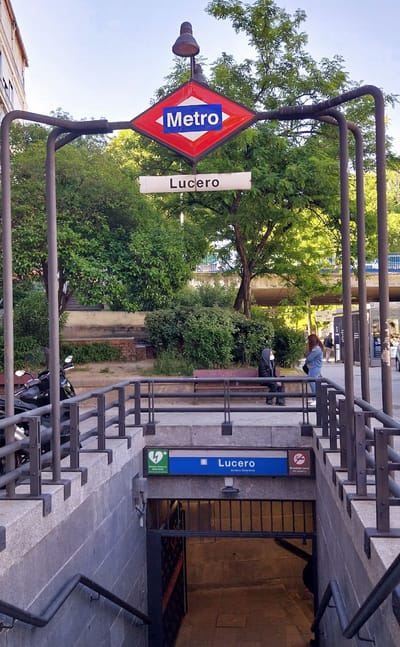
Lucero
Lucero is one of the seven barrios of Madrid's Latina district, a residential quarter on the Paseo de Extremadura, south of the Casa de Campo.Where to stay →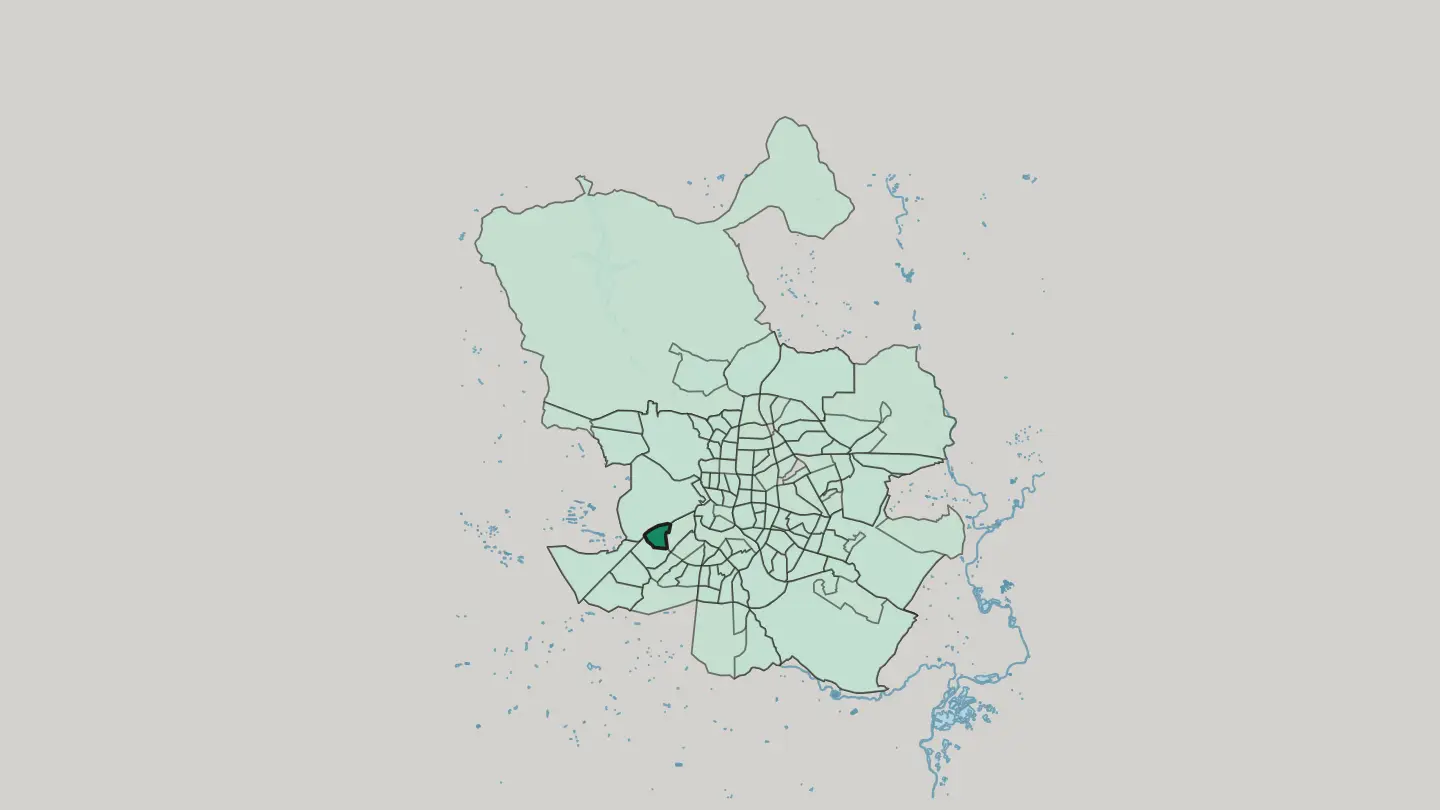 MadridSpain
Vallehermoso
Vallehermoso is a neighbourhood of Madrid's Chamberí district, with the Museo de la Guardia Civil and the Parque Tercer Depósito among its streets.Where to stay →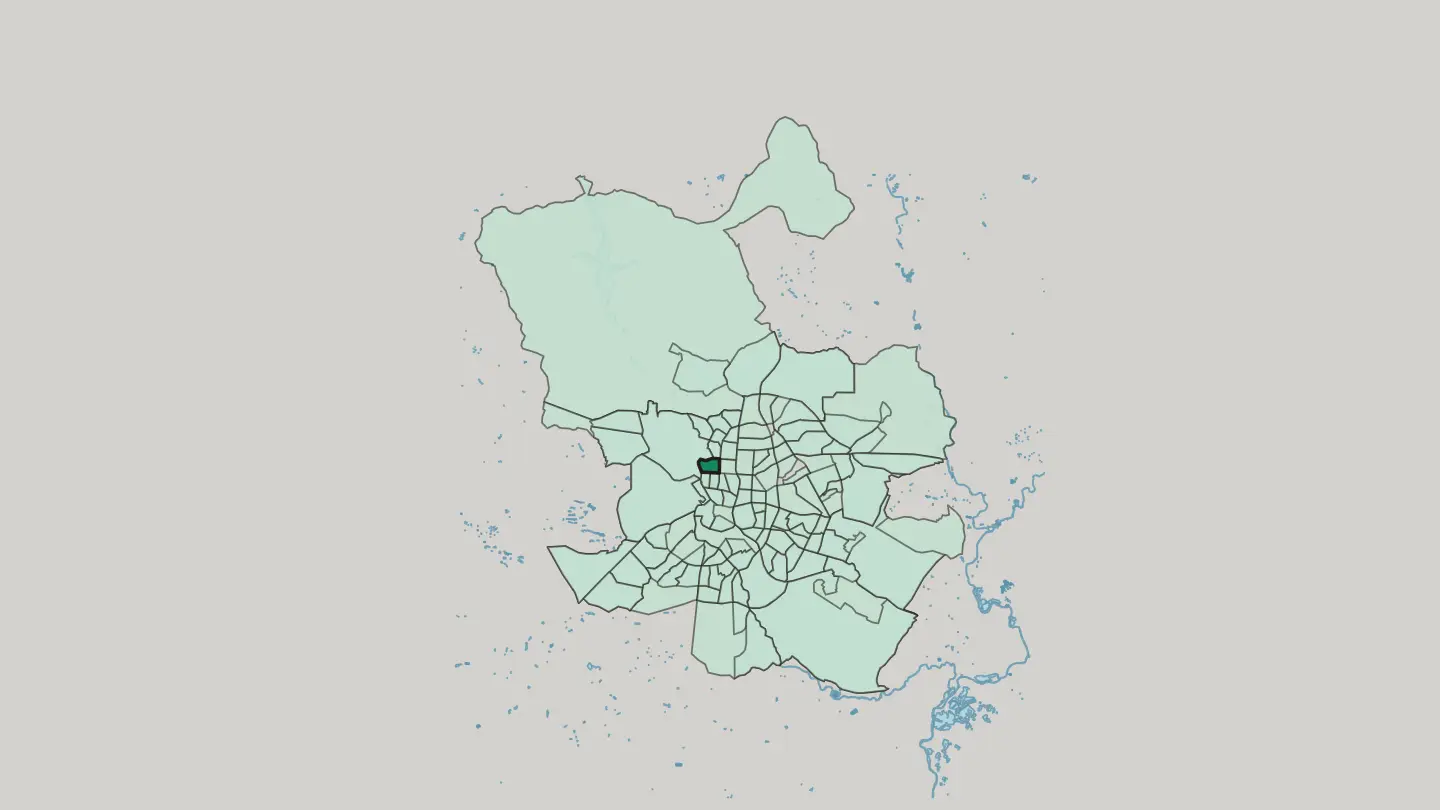 MadridSpain
Prosperidad
Prosperidad is a residential district of Madrid, known for the parque de Breogán and the Berlin Wall segments among its streets.Where to stay →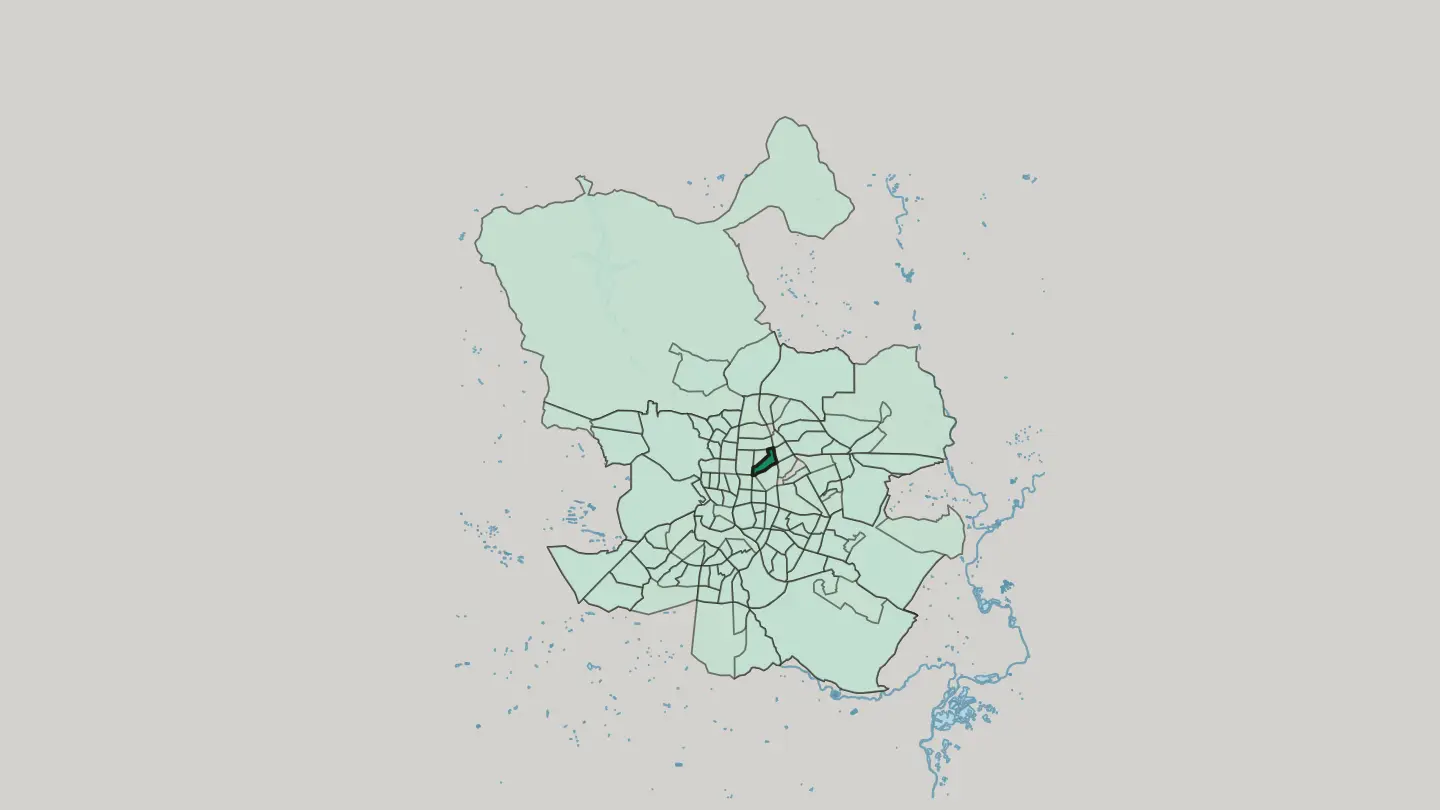 MadridSpain
Abrantes
Abrantes is a barrio of Madrid's Carabanchel district, named after its main street, the avenida de Abrantes.Where to stay →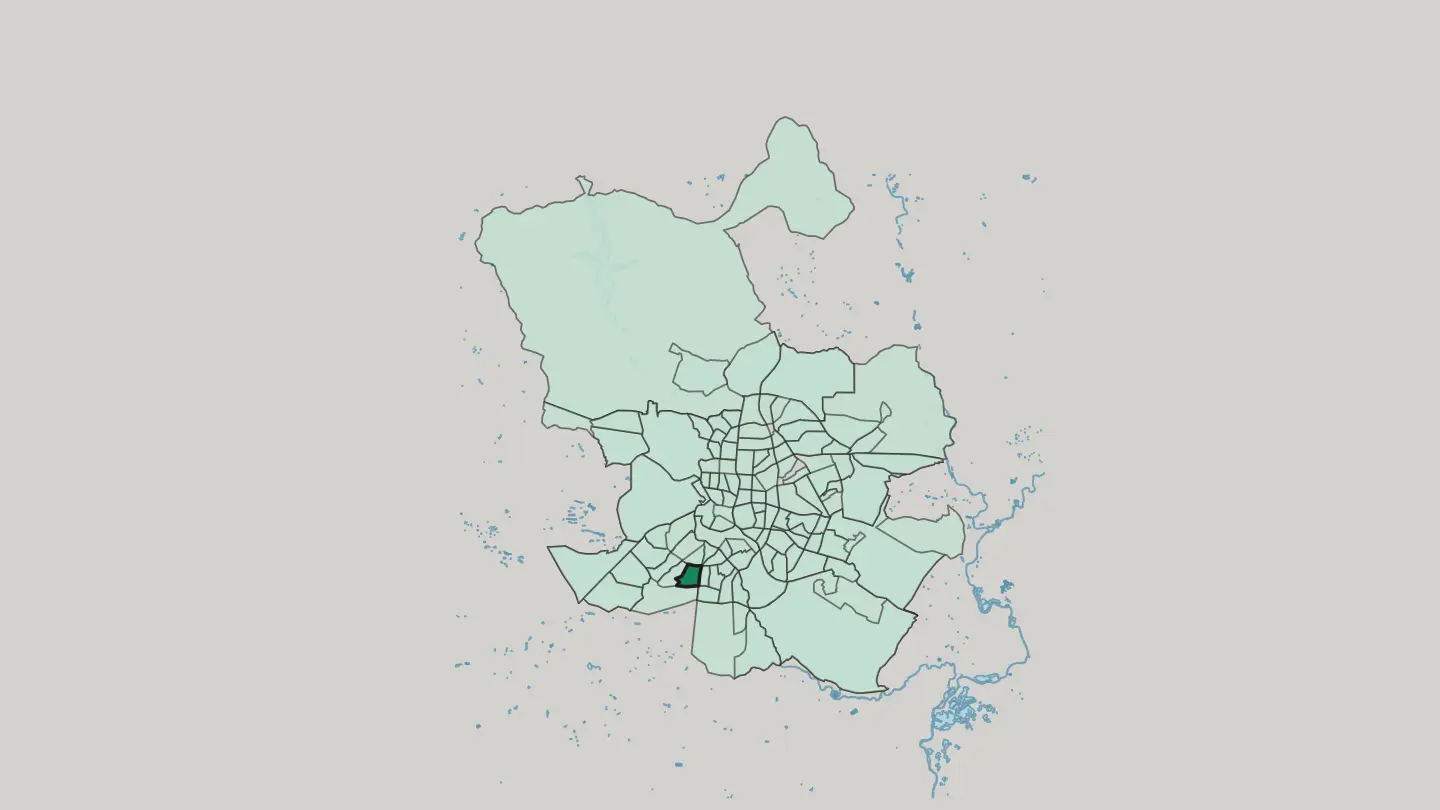
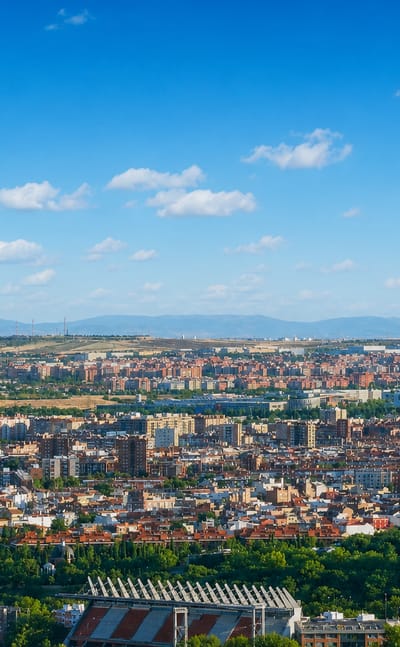 MadridSpain
Carabanchel
Carabanchel is a large district of Madrid, Spain, part of the city since 1948, known for the Palacio Vistalegre and the Bridge of Toledo.Where to stay →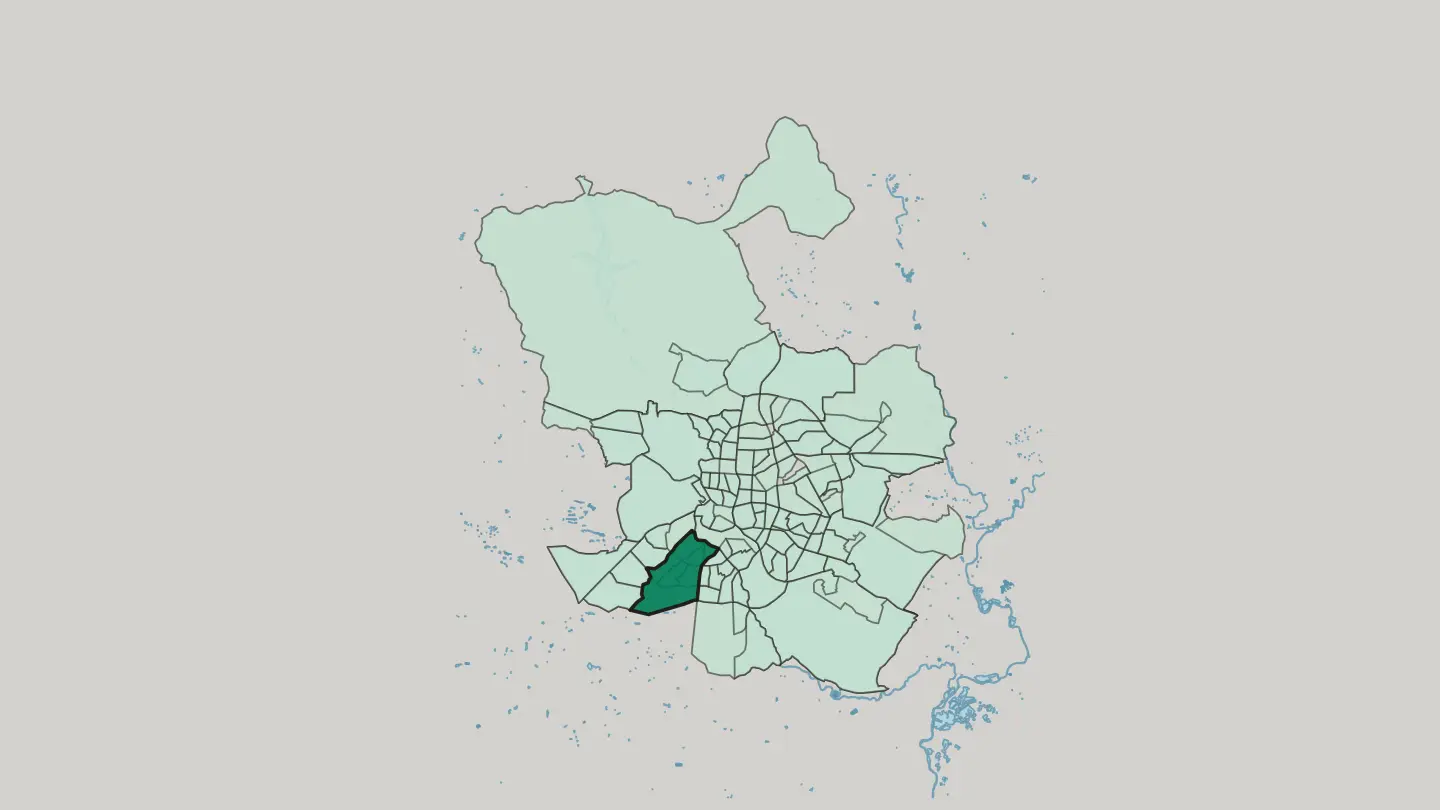
 MadridSpain
San Fermín
San Fermín is a district of Madrid known for the Caja Mágica, the box-shaped sports and tennis arena that rises over its blocks.Where to stay →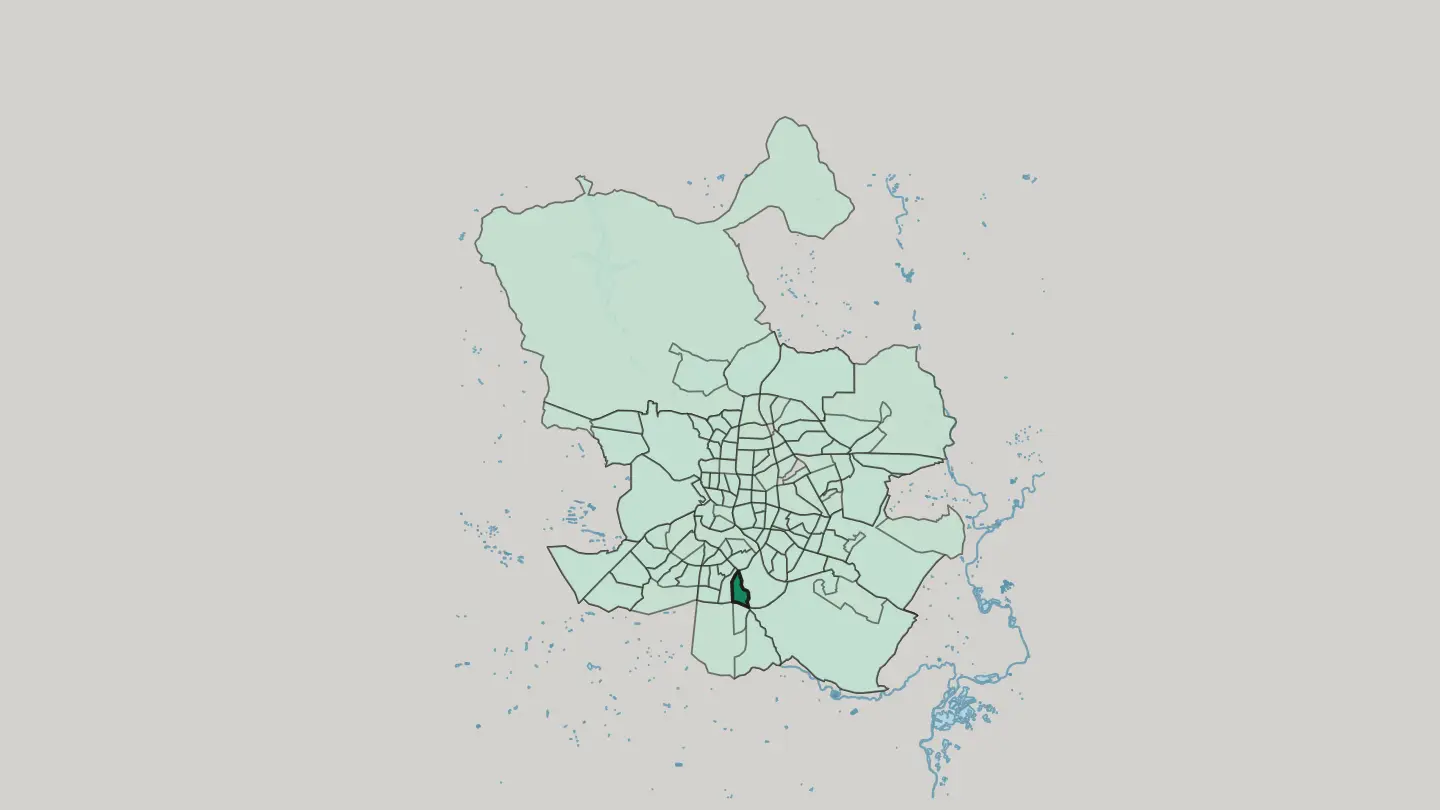 MadridSpain
Ciudad Jardín
Ciudad Jardín, the Garden City, is an administrative barrio of Madrid's Chamartín district.Where to stay →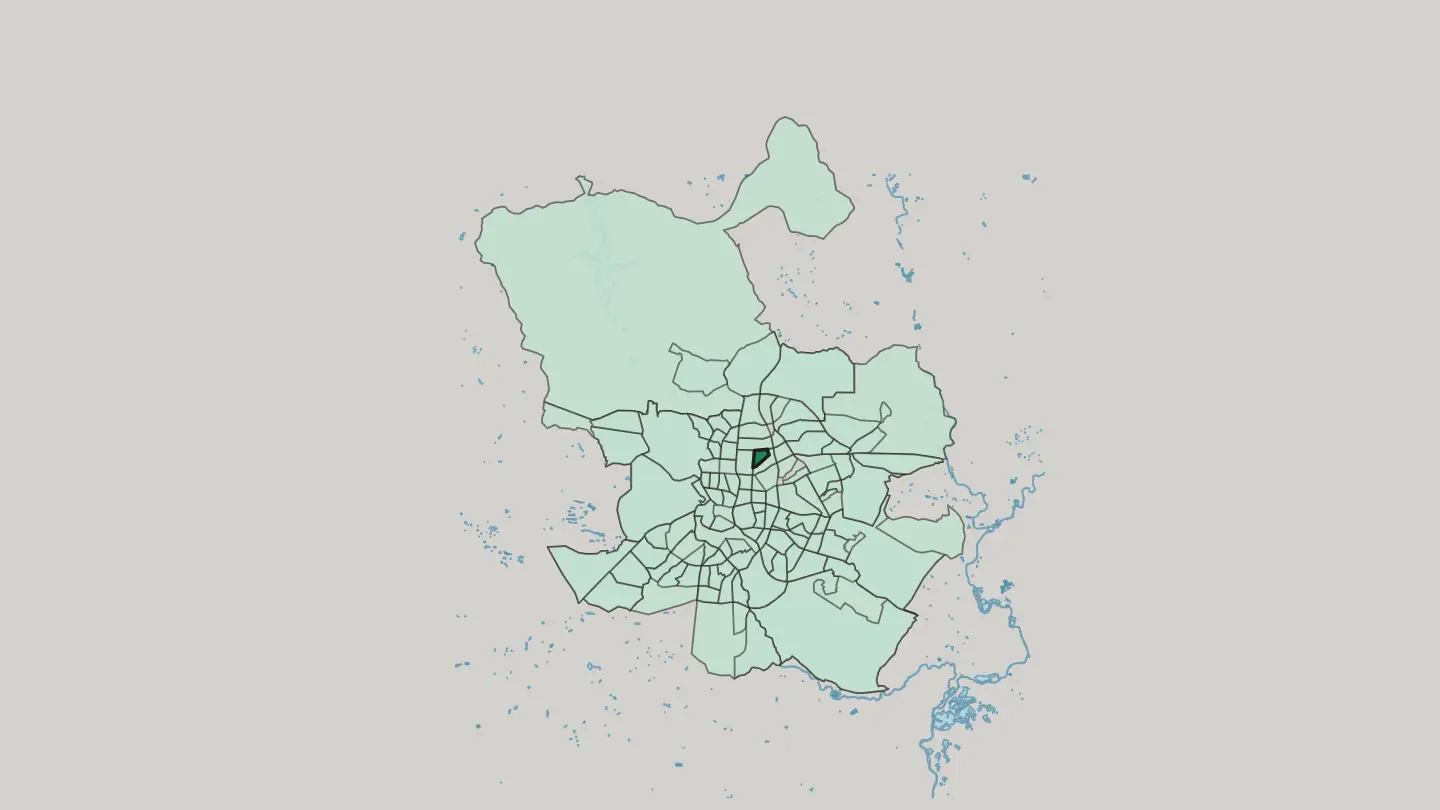
 MadridSpain
Latina
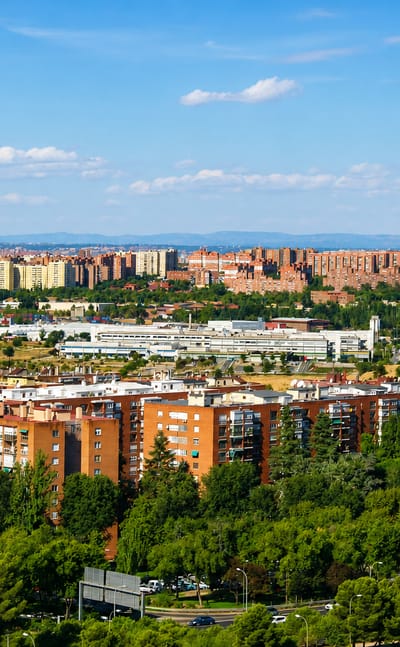
Latina is one of Madrid's 21 districts, in the south-west of the city, named after Beatriz Galindo, La Latina, a close friend of Isabella the Catholic.Where to stay →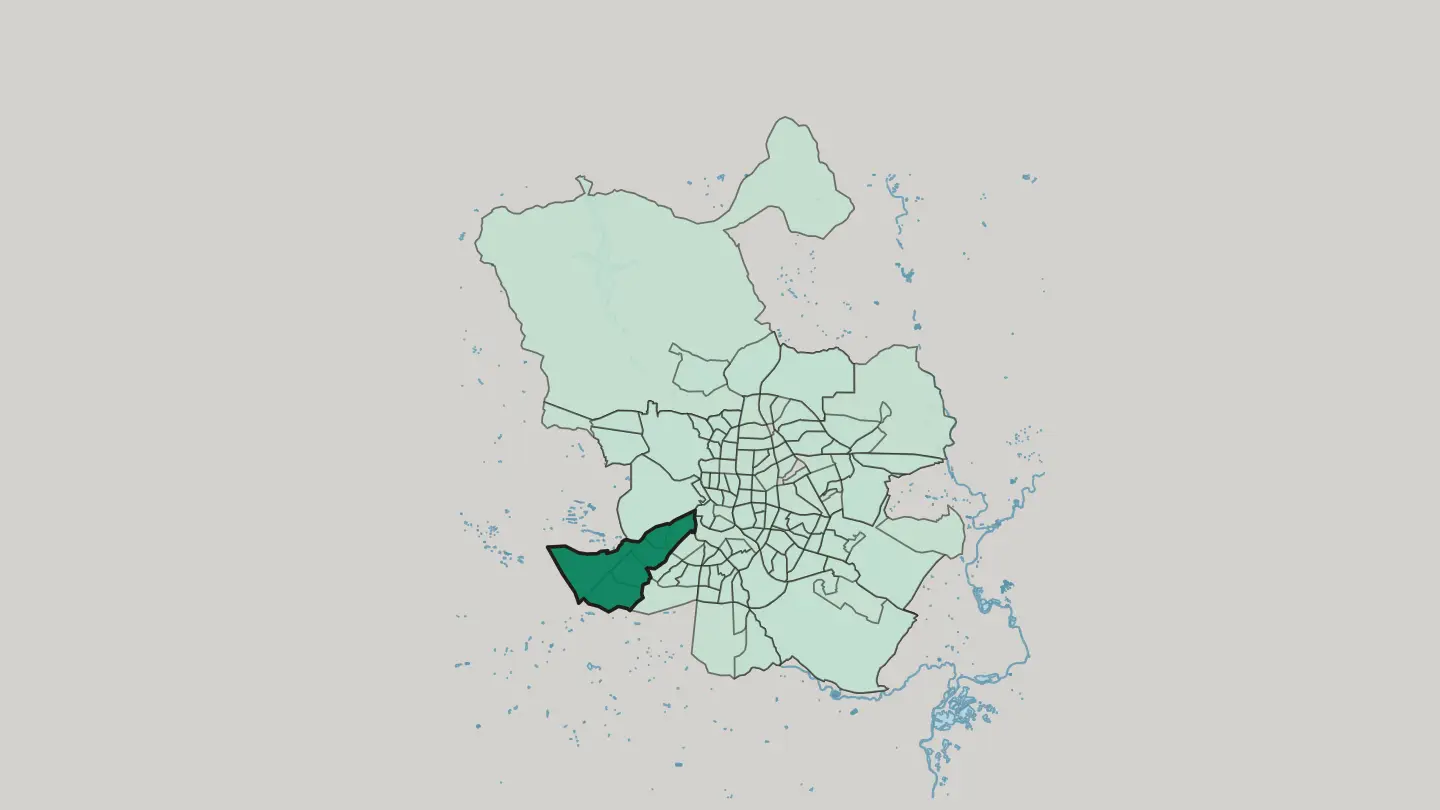
 MadridSpain
Palomeras Sureste
Palomeras Sureste is a neighbourhood of Madrid in the district of Puente de Vallecas, known for the Museo de Bomberos de Madrid.Where to stay →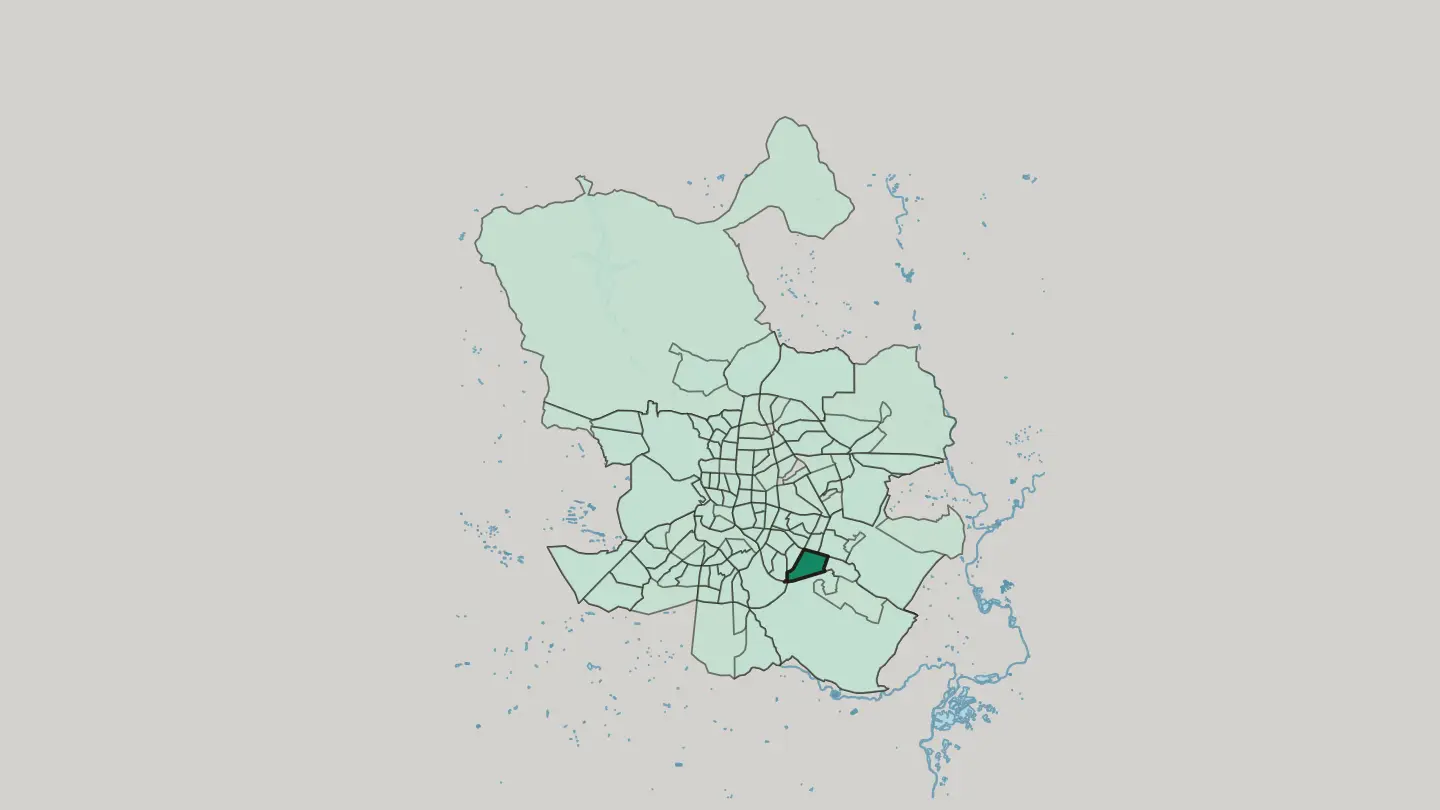
 MadridSpain
Orcasur
The Caja Mágica rises at the edge of Orcasur, a residential district of the city of Madrid, Spain.Where to stay →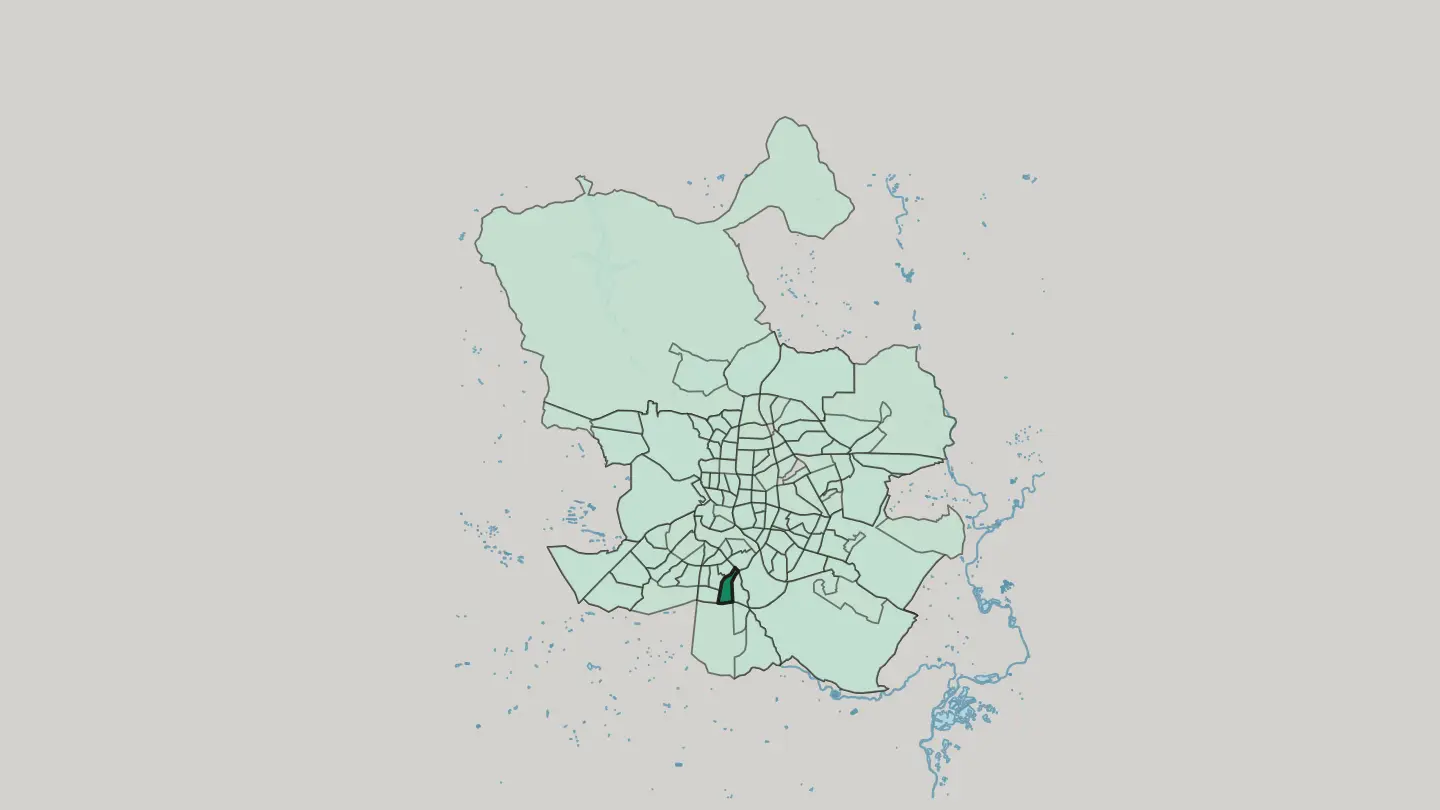
 MadridSpain
Cuatro Caminos
Cuatro Caminos is a ward of Madrid, Spain, its streets gathered around the Museo Geominero and the old Maudes Hospital.Where to stay →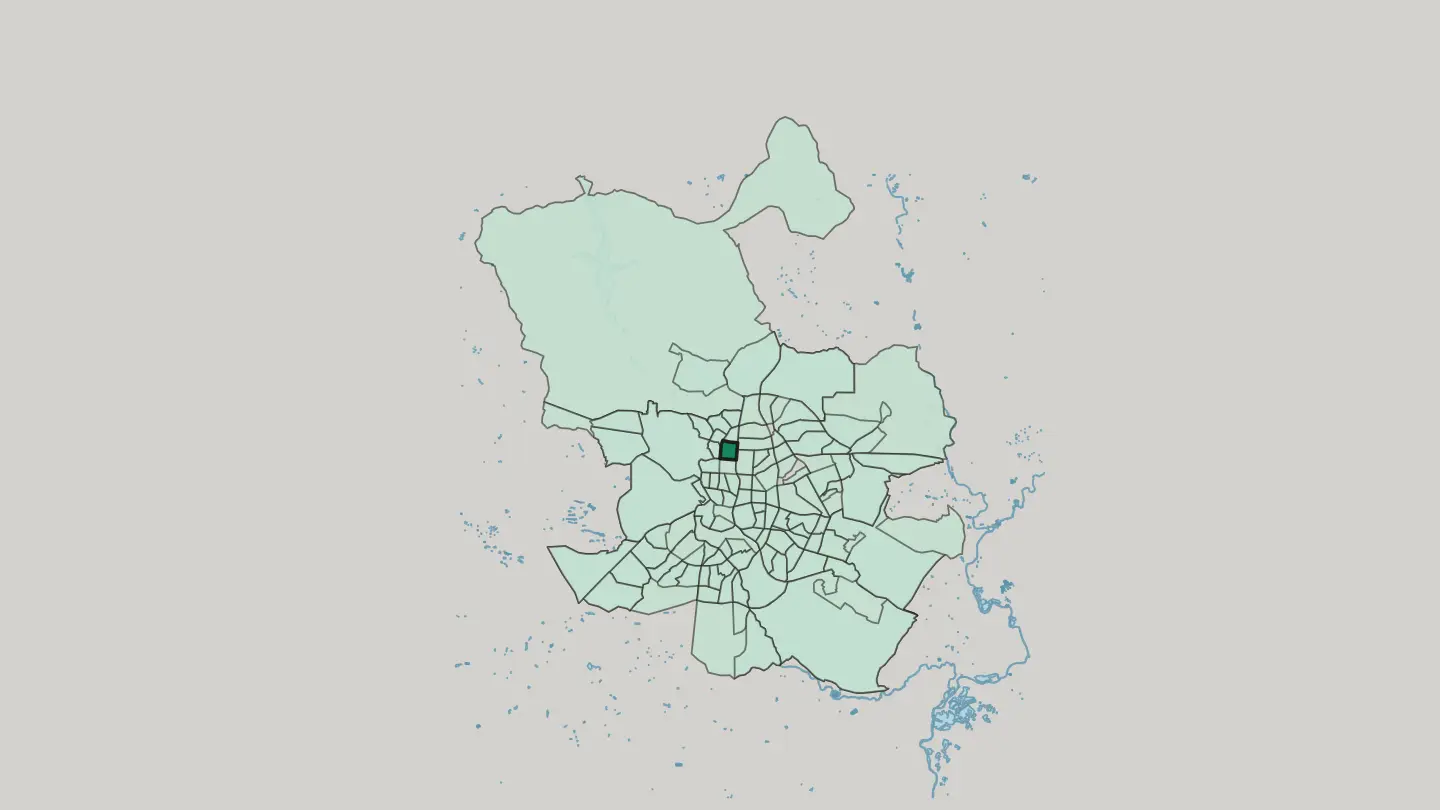
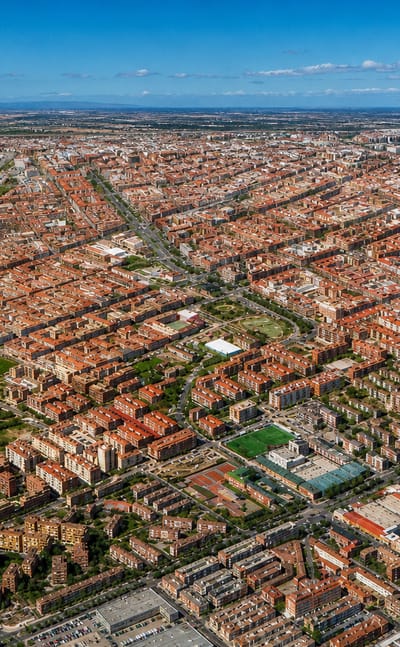 MadridSpain
Pueblo Nuevo
Pueblo Nuevo is a residential district of Madrid, marked by the Monumento a las Trece Rosas and the Iglesia de la Encarnación del Señor.Where to stay →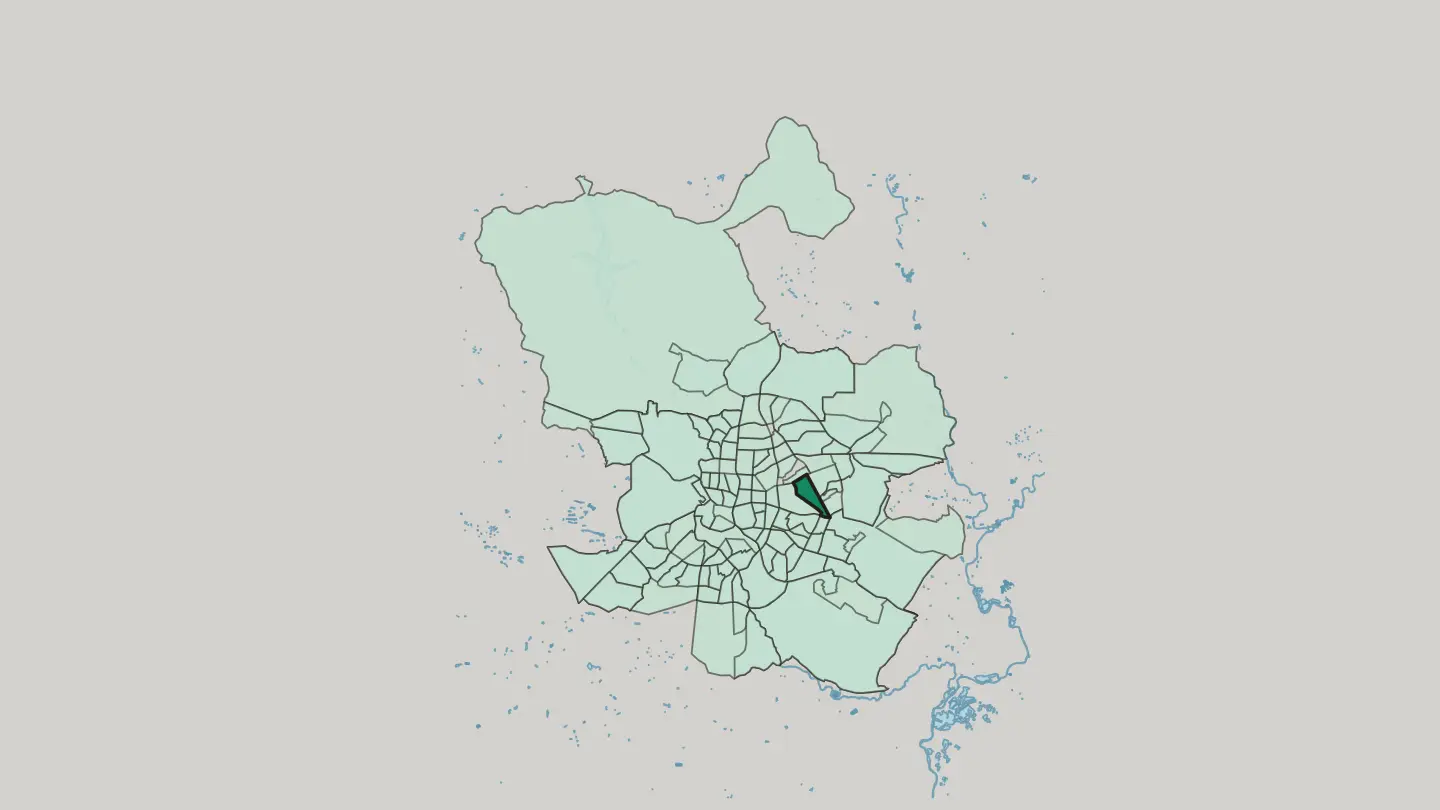 MadridSpain
San Pascual
San Pascual is a residential barrio of Madrid, its blocks framed by the parroquia de San Alejandro and the parque de Breogán.Where to stay →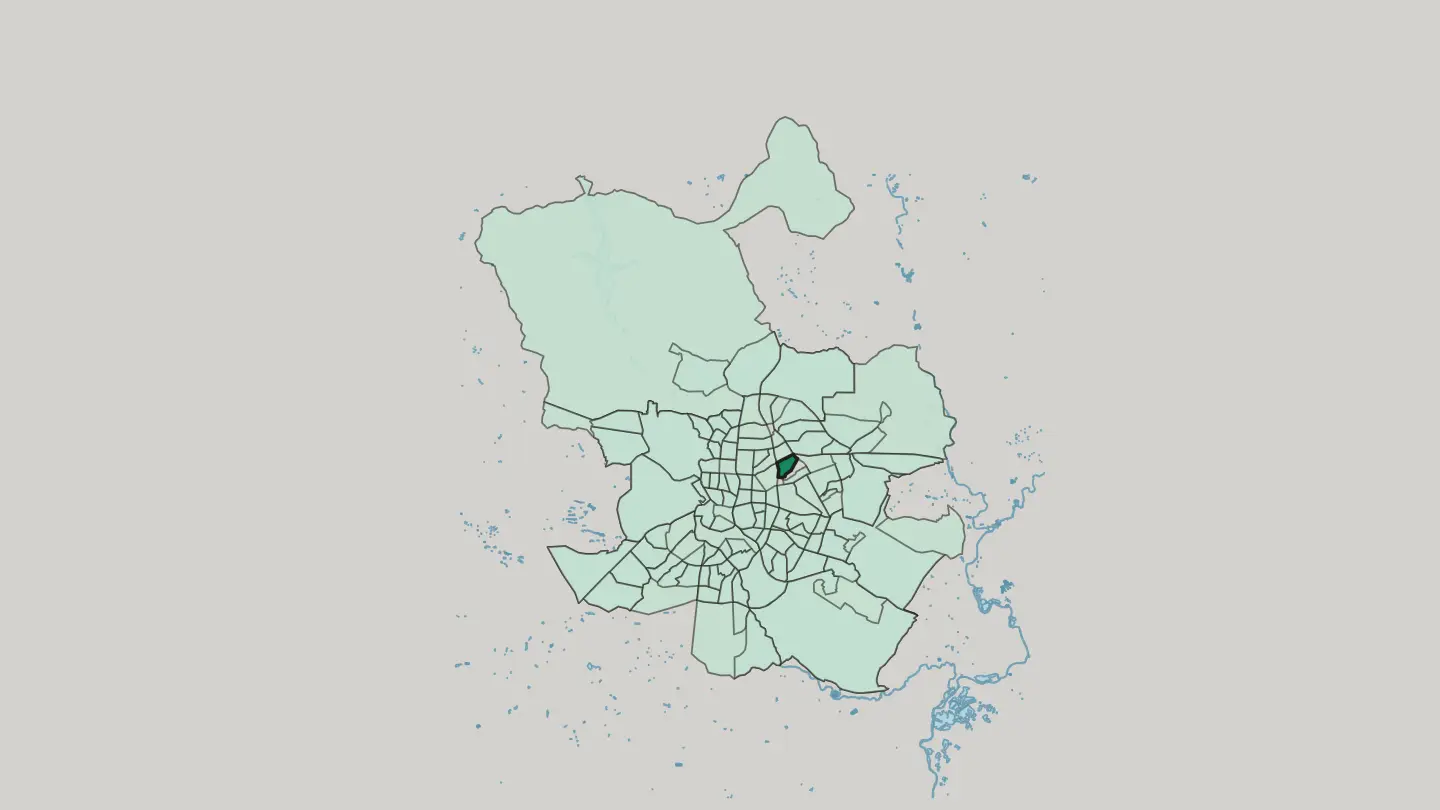 MadridSpain
Pavones
Pavones is a neighbourhood of Madrid in the district of Moratalaz, around the parish Church of Nuestra Señora de la Merced.Where to stay →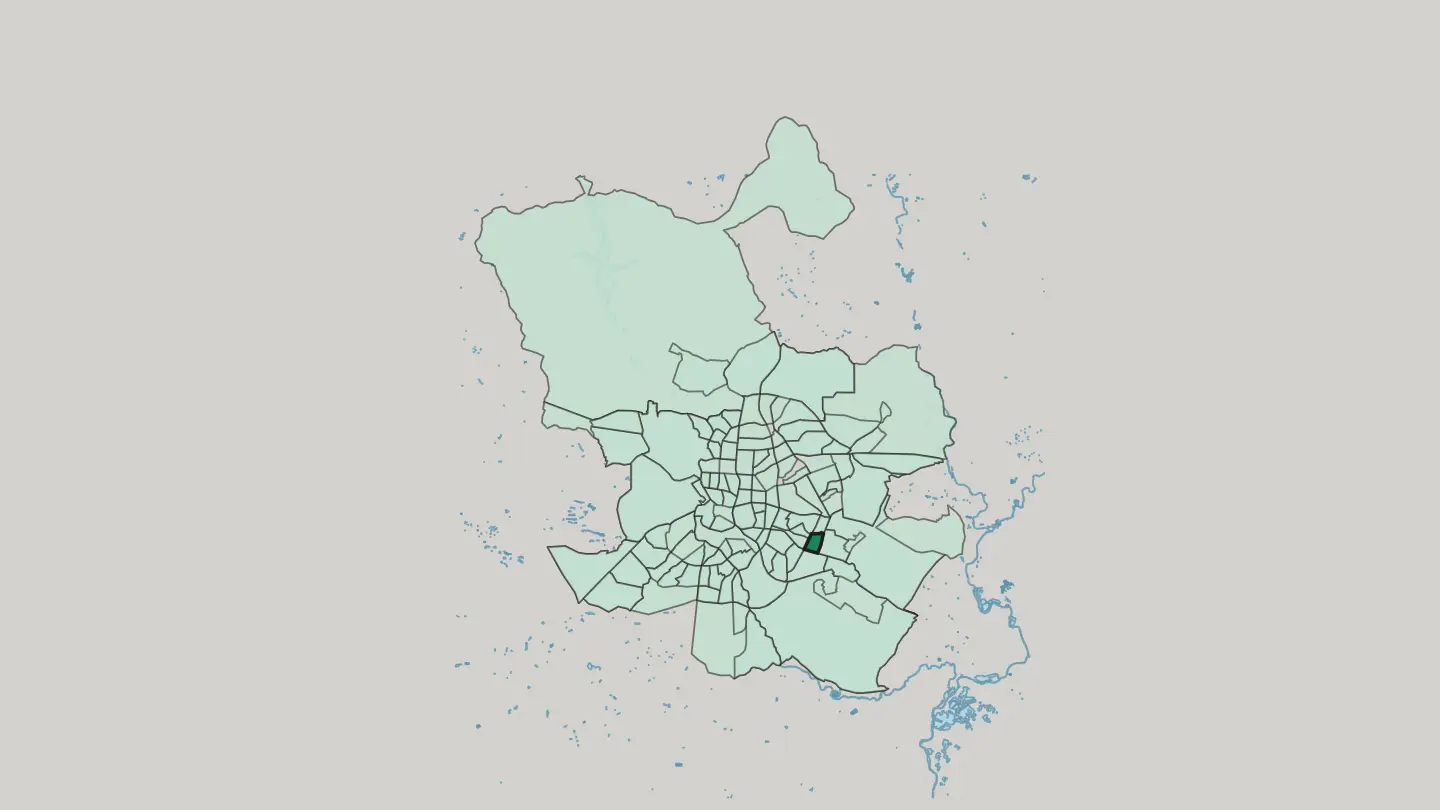
 MadridSpain
Orcasitas
The Iglesia de Maris Stella marks the centre of Orcasitas, a residential district of the city of Madrid, Spain.Where to stay →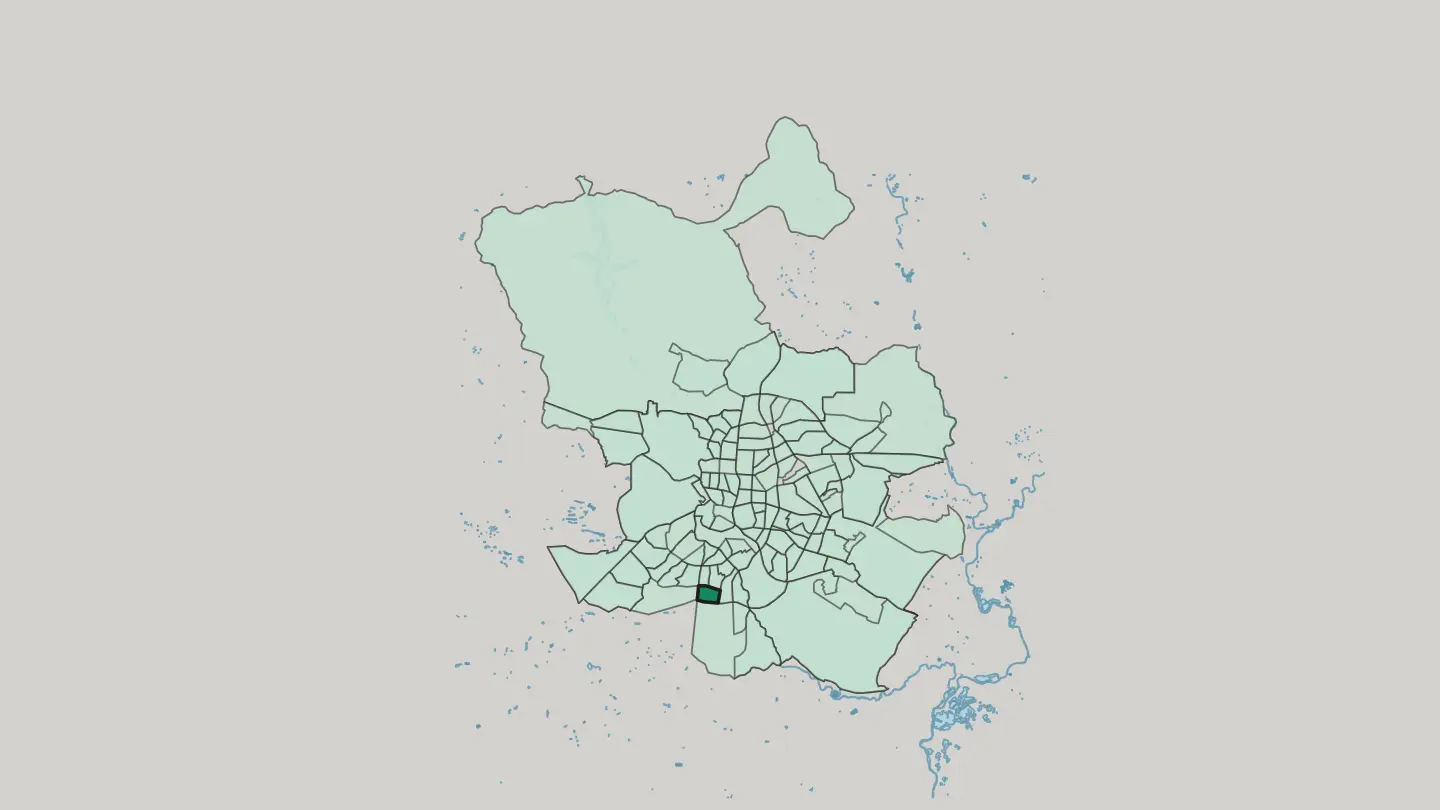
 MadridSpain
Vista Alegre
Vista Alegre is a barrio of Madrid, Spain, named for the Palacio Vistalegre and gathered around the Hermitage of Santa María la Antigua.Where to stay →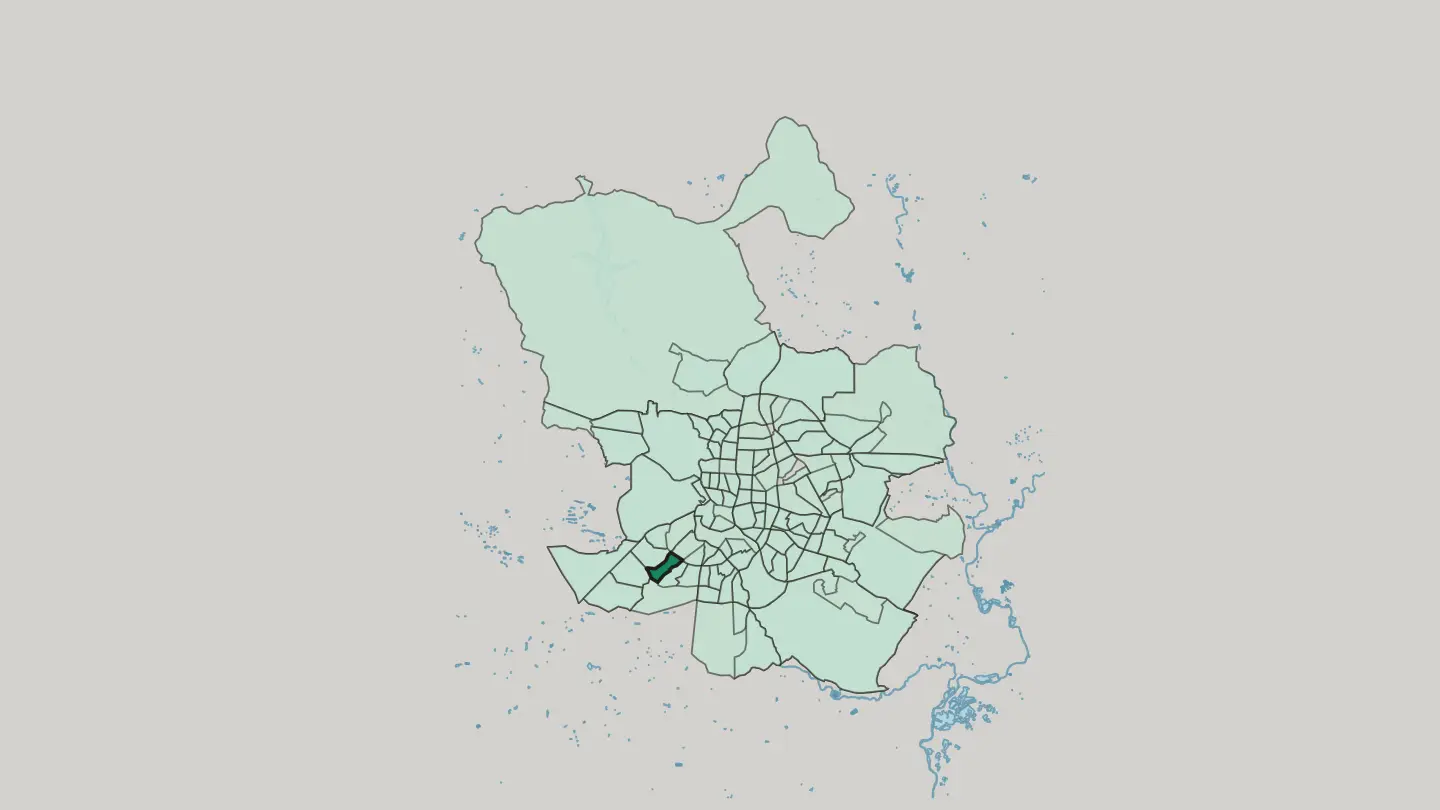
 MadridSpain
Quintana
Quintana is a residential district of Madrid, Spain, its streets set near the gardens of the Quinta de los Molinos.Where to stay →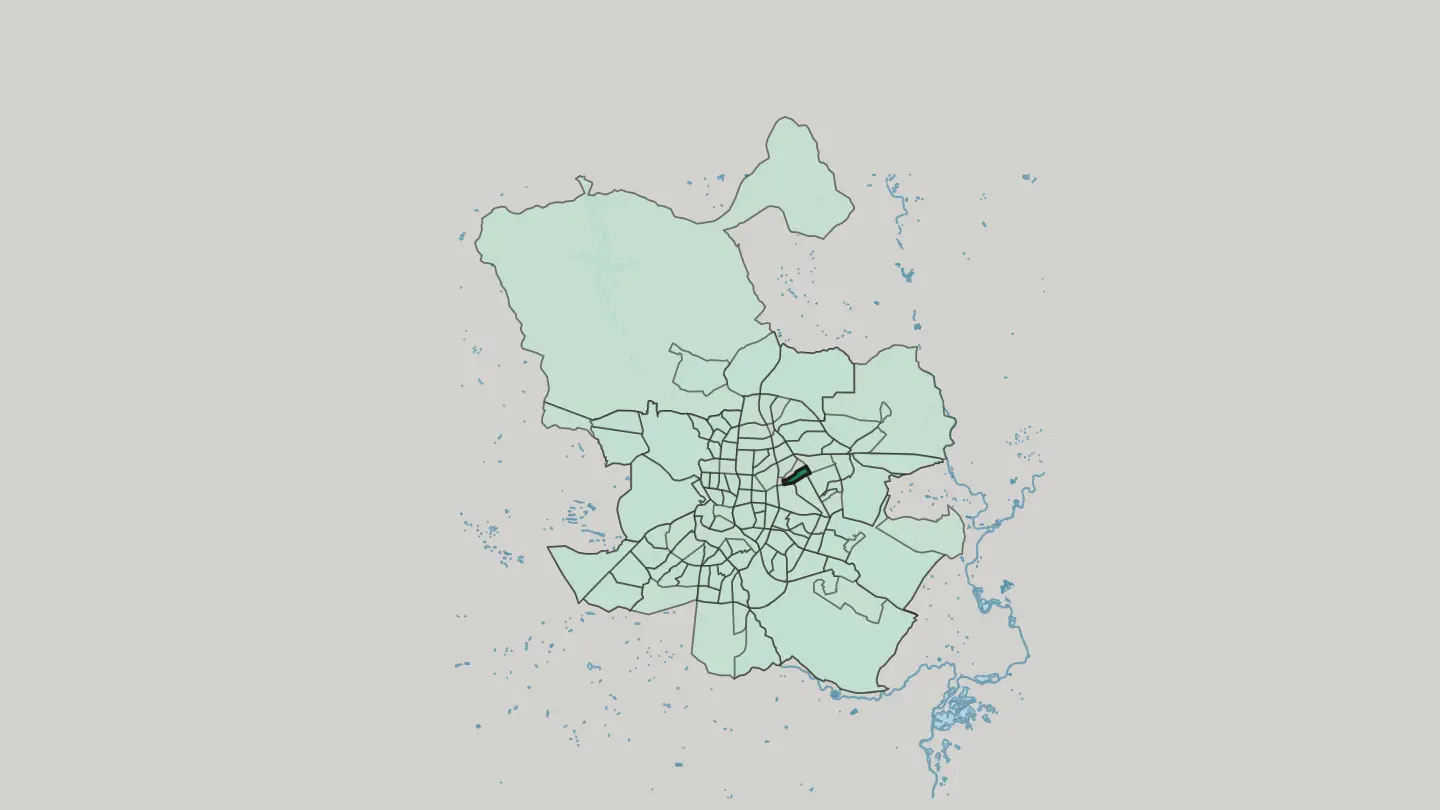 MadridSpain
Chamartín
The Santiago Bernabéu Stadium fronts the Paseo de la Castellana in Chamartín, a district of Madrid that was the town of Chamartín de la Rosa until 1948.Where to stay →MadridSpain
Puerta Bonita
Puerta Bonita is one of the seven barrios of the Carabanchel district of Madrid, set between the calle General Ricardos and the Camino Viejo de Leganés.Where to stay →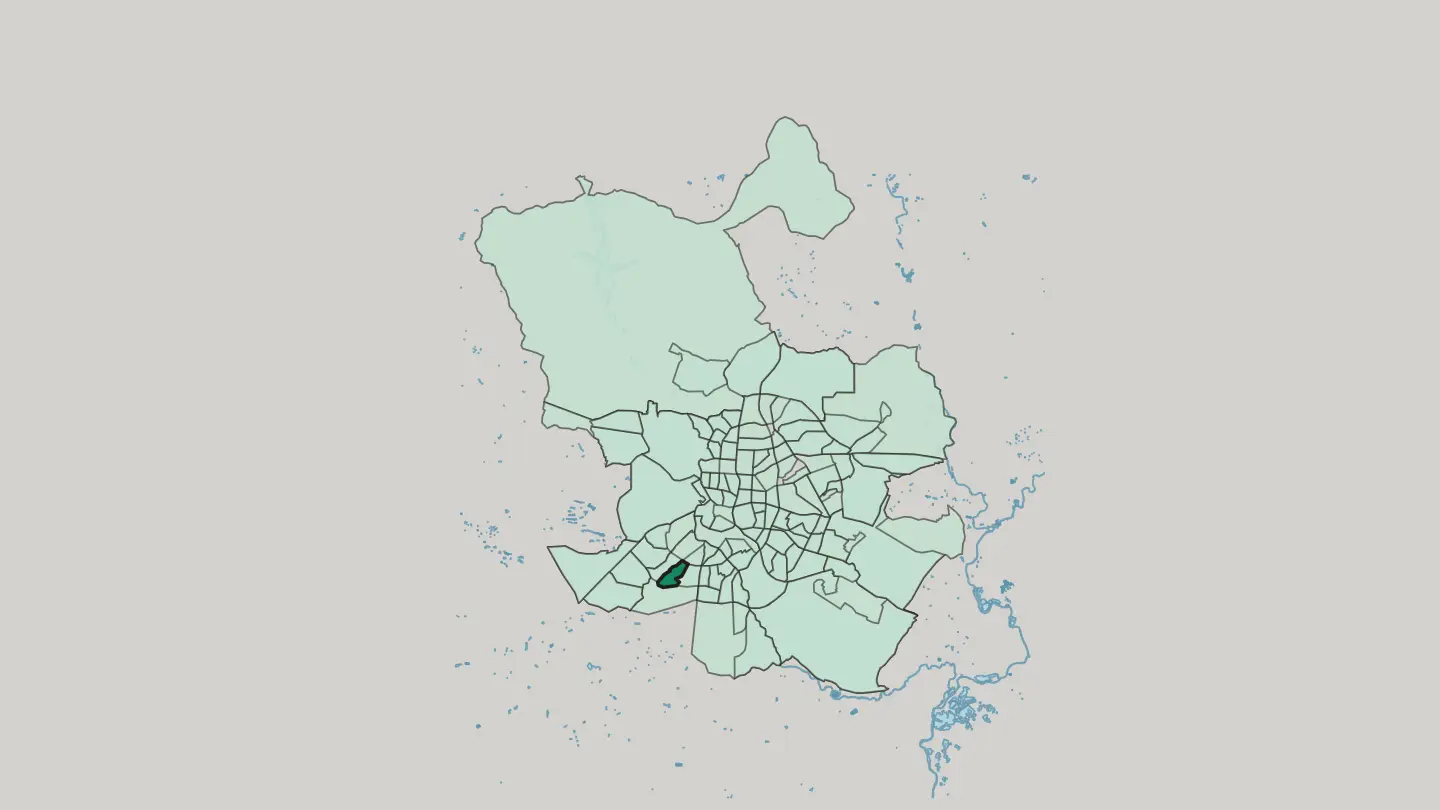
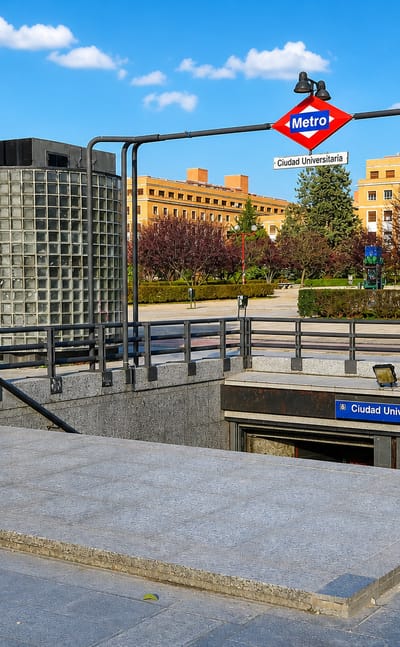 MadridSpain
Ciudad Universitaria
University faculties and museum galleries fill Ciudad Universitaria, the campus district of Madrid gathered below the Faro de Moncloa.Where to stay →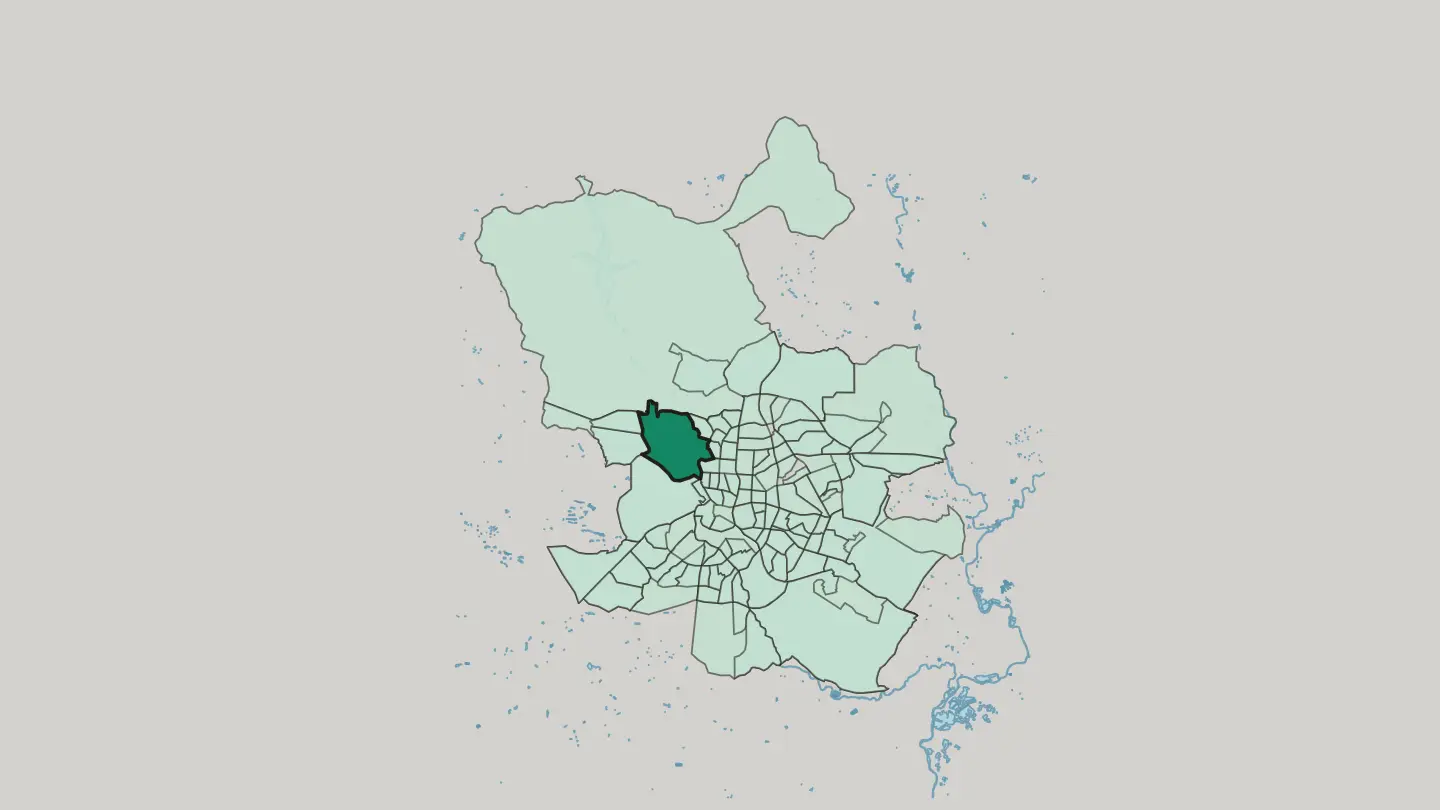 MadridSpain
Horcajo
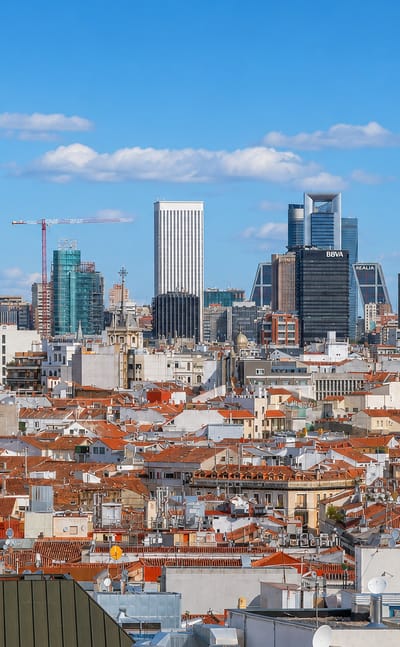
Horcajo spreads across the outer edge of Madrid, a plain residential district of the Community of Madrid, Spain.Where to stay →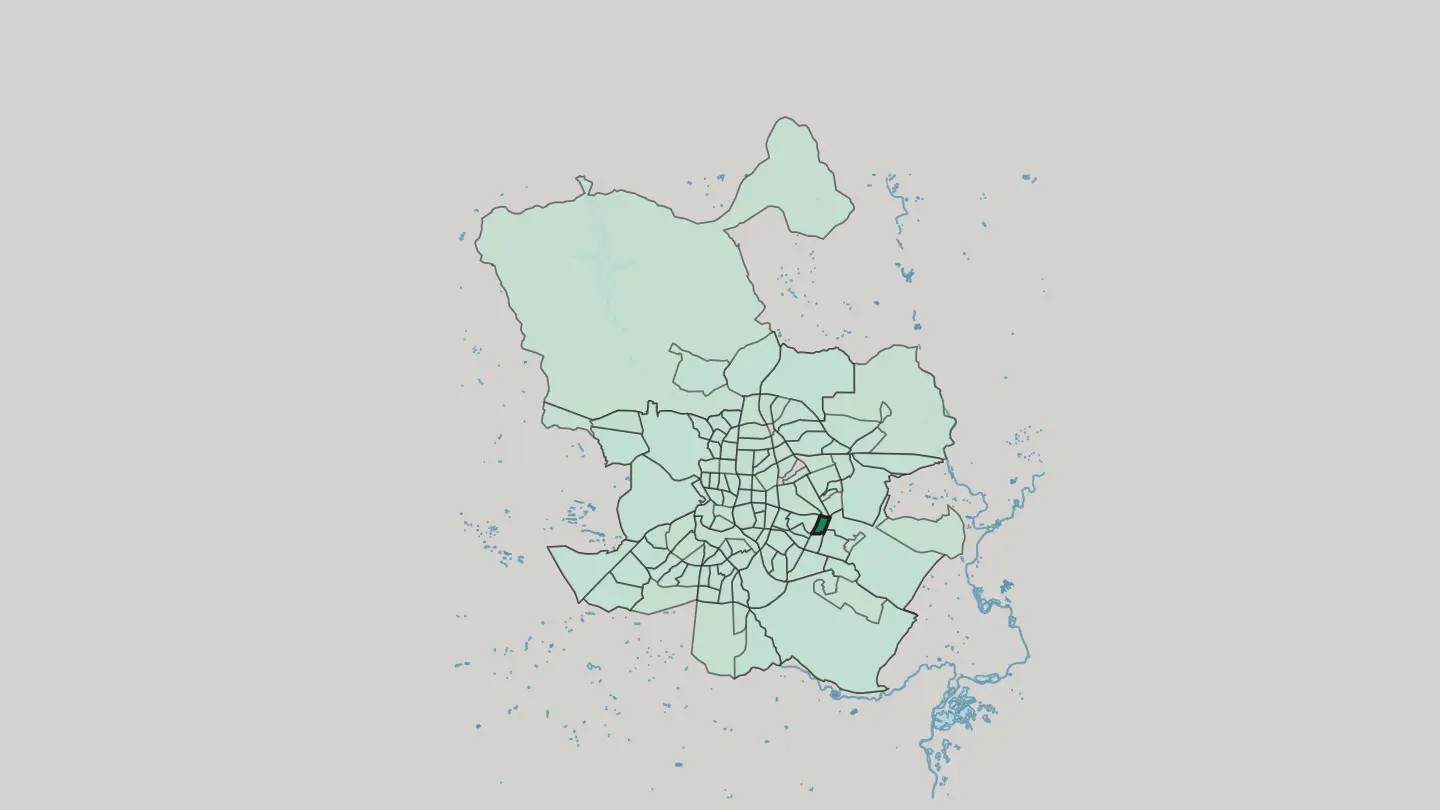
 MadridSpain
Bellas Vistas
Bellas Vistas is a barrio of Madrid's Tetuán district, in the north-west of the city.Where to stay →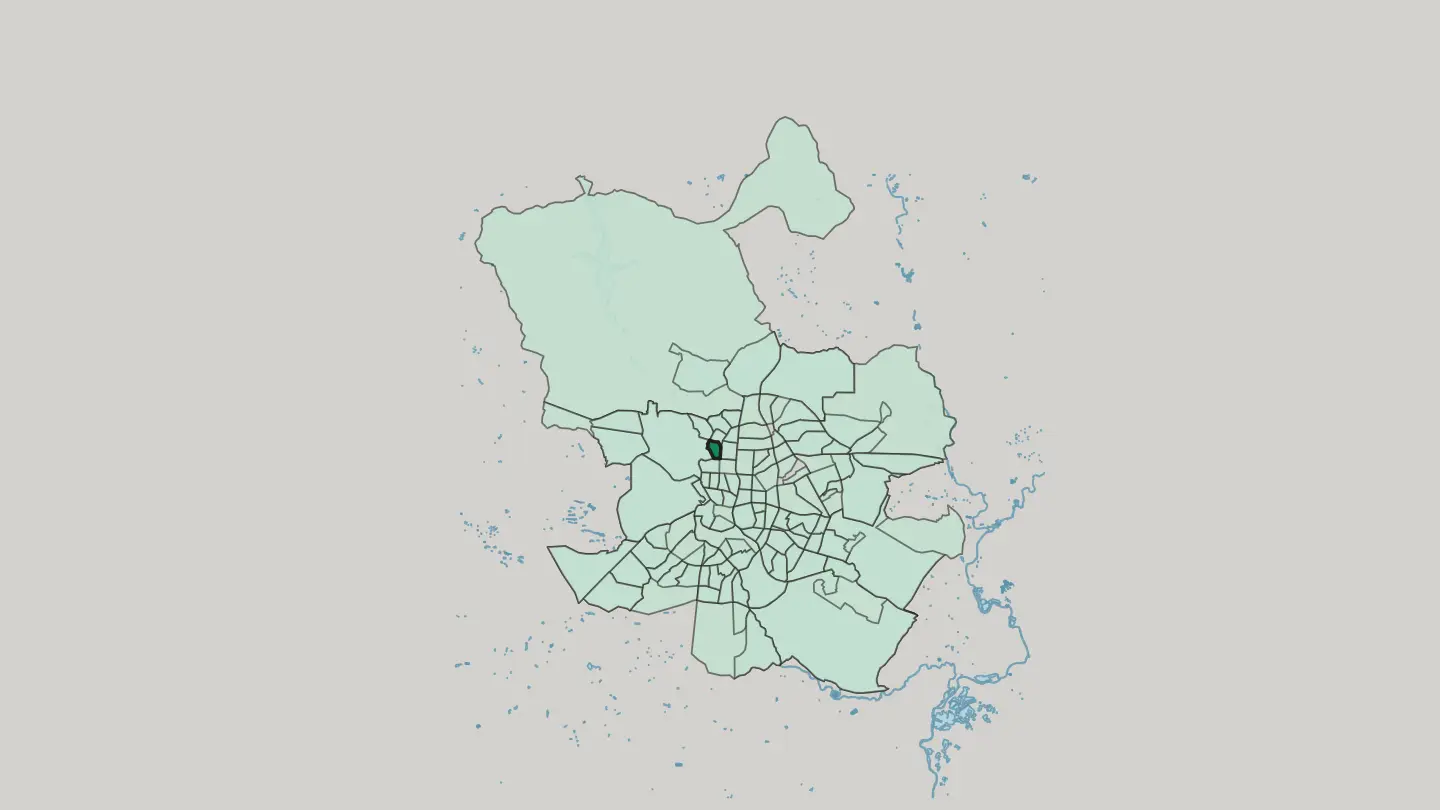
 MadridSpain
San Juan Bautista
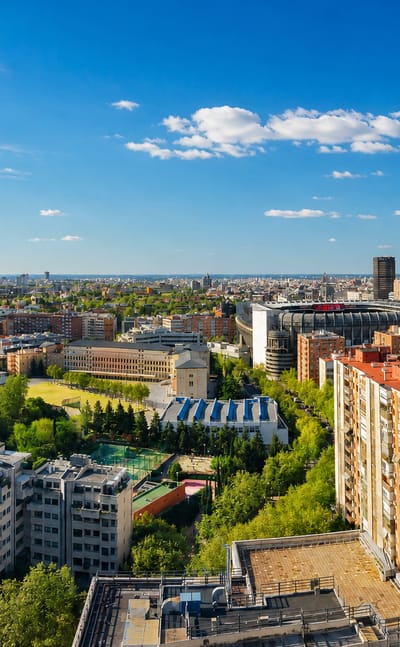
San Juan Bautista is a compact residential quarter of Madrid, gathered around its parish churches and the Museo Africano Mundo Negro.Where to stay →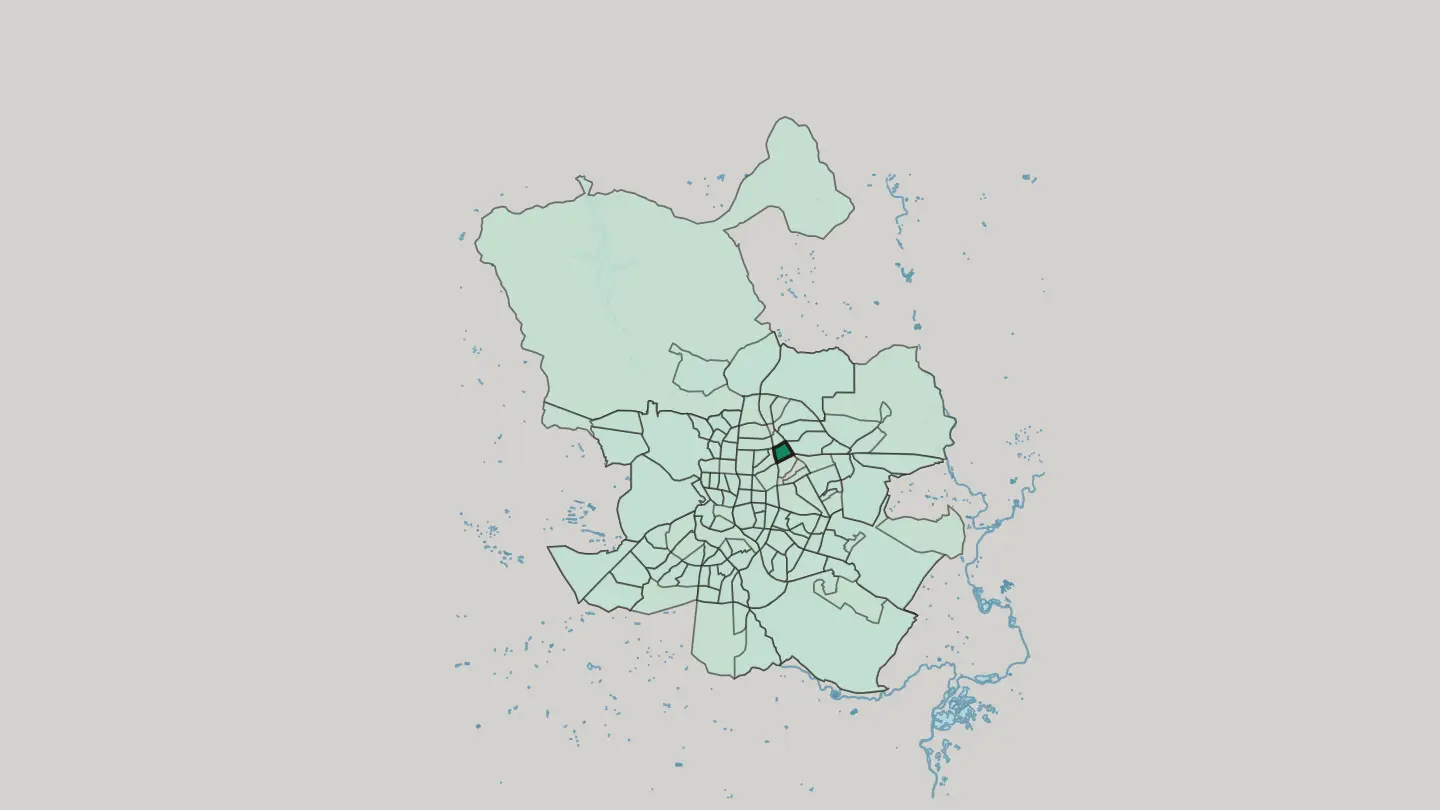
 MadridSpain
Hispanoamérica
Hispanoamérica is a barrio of Madrid's Chamartín district, in the north-east of the city, with the Santiago Bernabéu stadium at its south-western tip.Where to stay →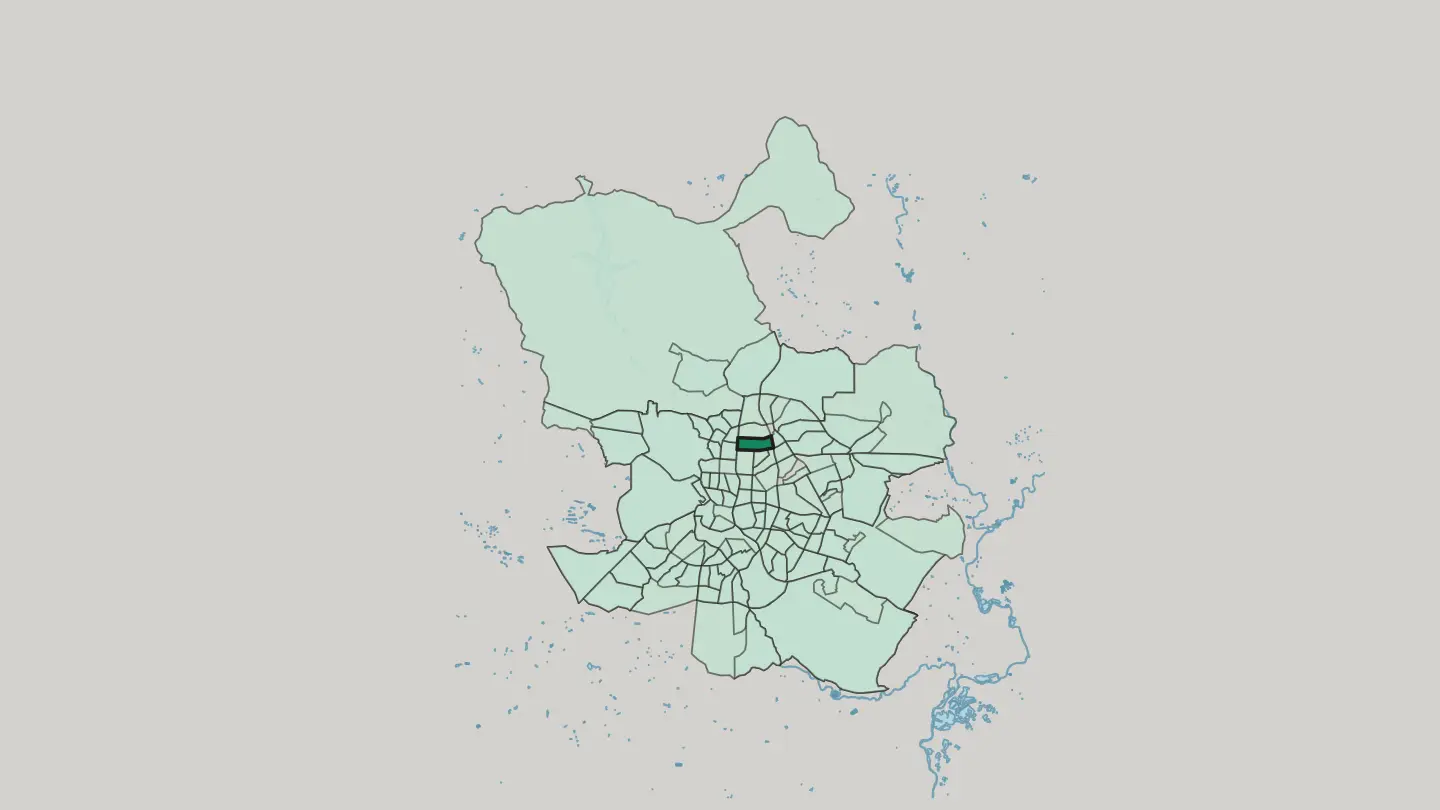
 MadridSpain
Los Rosales
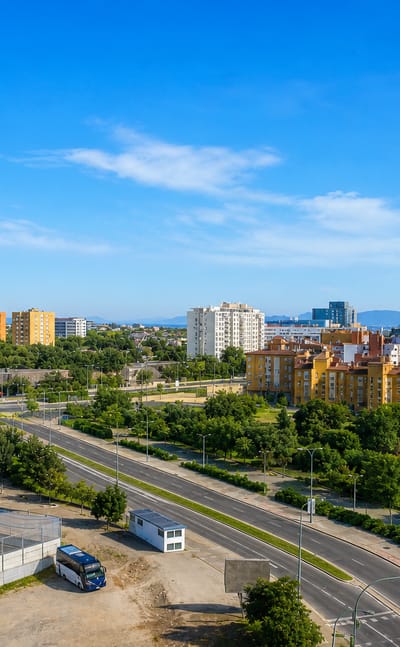
Los Rosales is a residential ward of the Villaverde part of Madrid, Spain, laid out along the Gran Vía de Villaverde.Where to stay →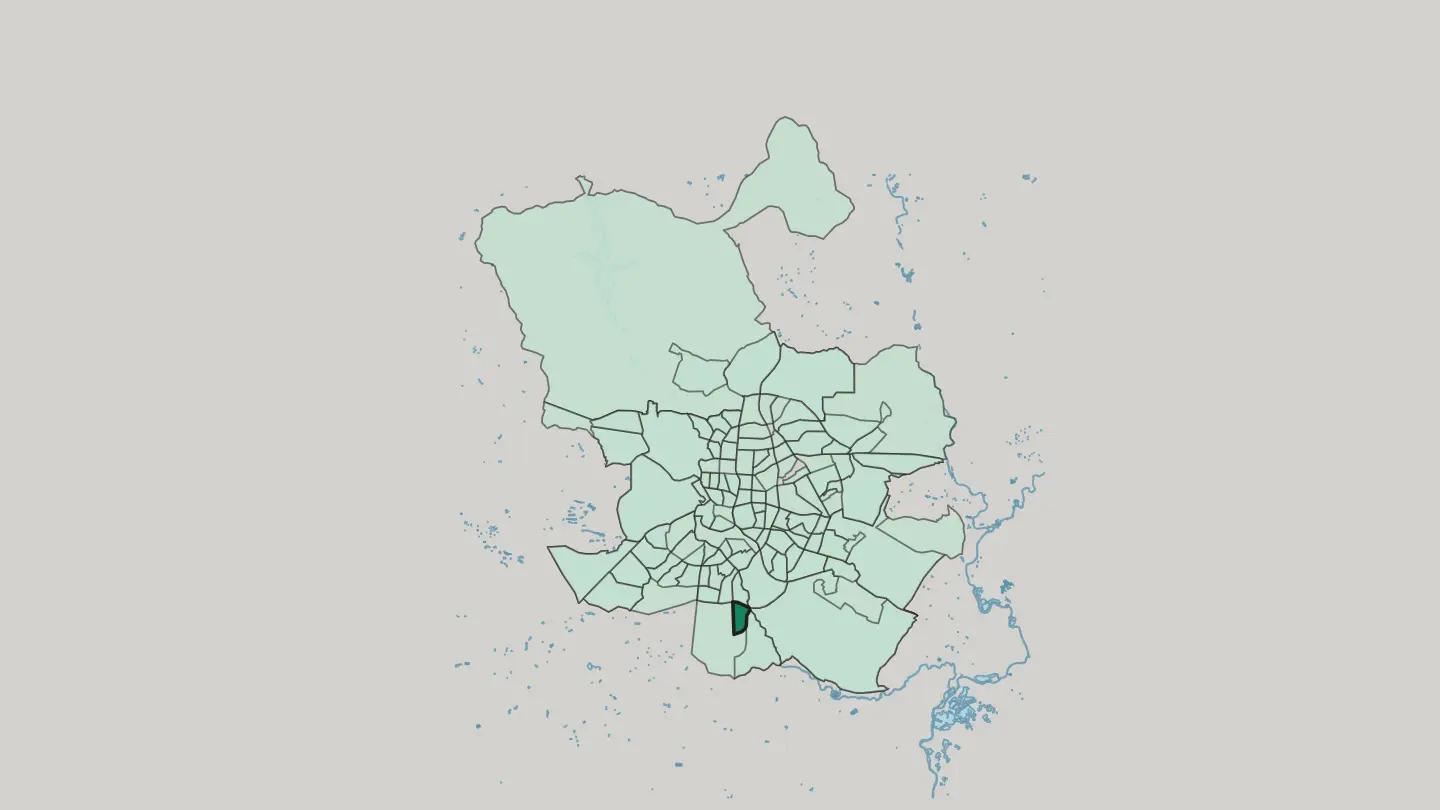
 MadridSpain
Casa de Campo
Casa de Campo is an administrative neighbourhood of Madrid in the Moncloa-Aravaca district, holding the Parque de Atracciones de Madrid.Where to stay →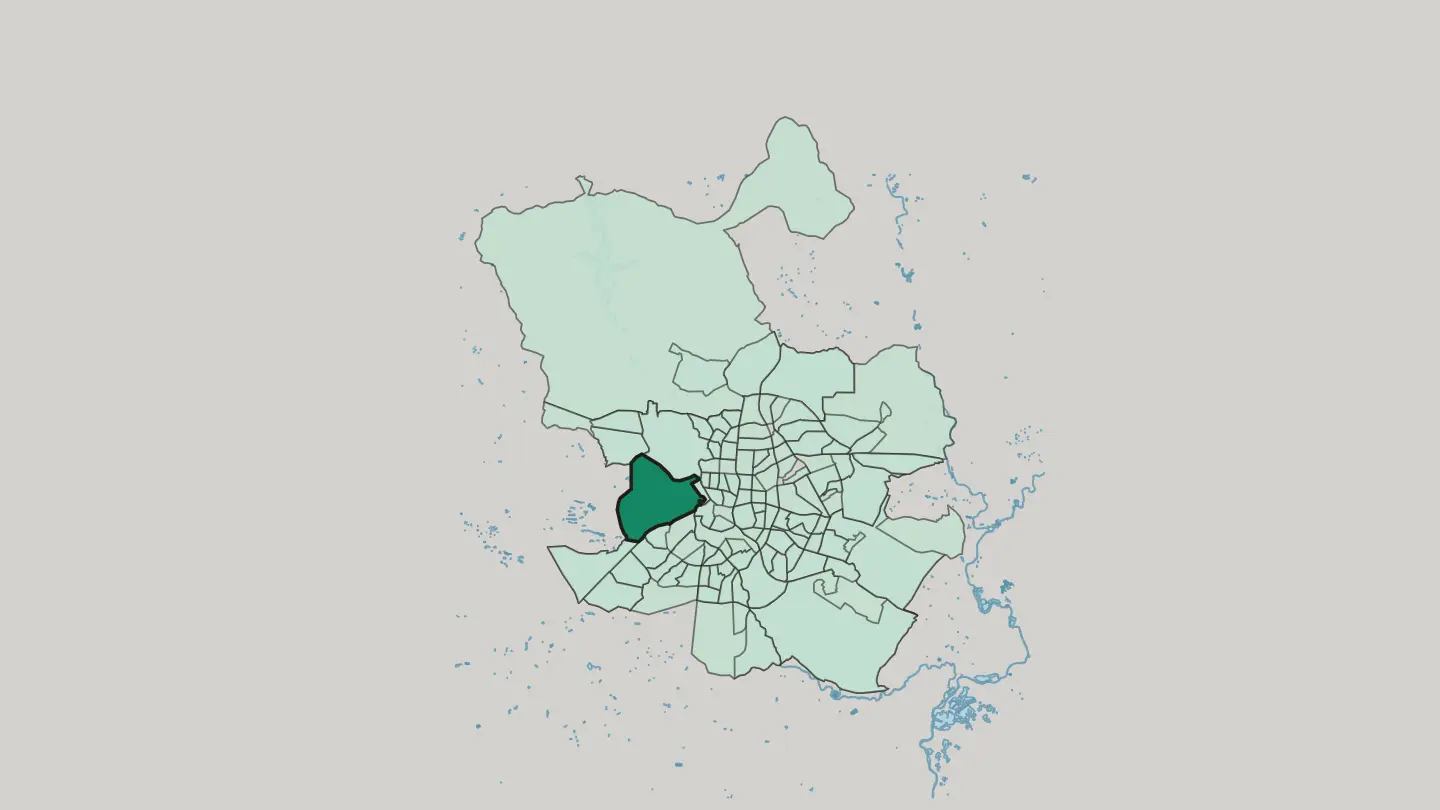 MadridSpain
Ciudad Lineal
Ciudad Lineal is one of the 21 districts of Madrid, named after Arturo Soria's plan for a linear city.Where to stay → MadridSpain
Valdebernardo
The Church of Santa María la Antigua marks Valdebernardo, a quarter of the Vicálvaro district of the city of Madrid, Spain.Where to stay →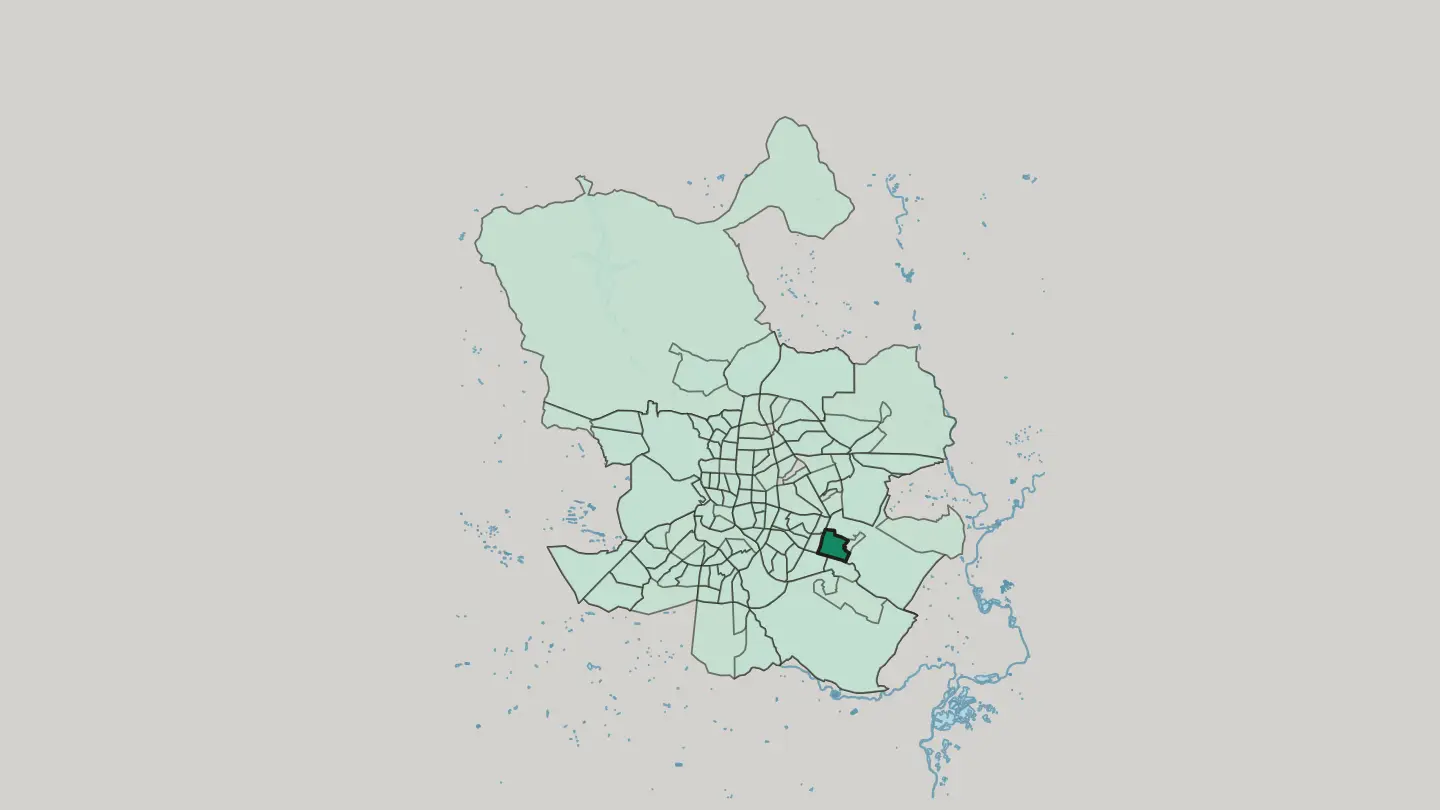
 MadridSpain
Berruguete
Berruguete is a barrio of Madrid's Tetuán district, in the north-west of the city.Where to stay →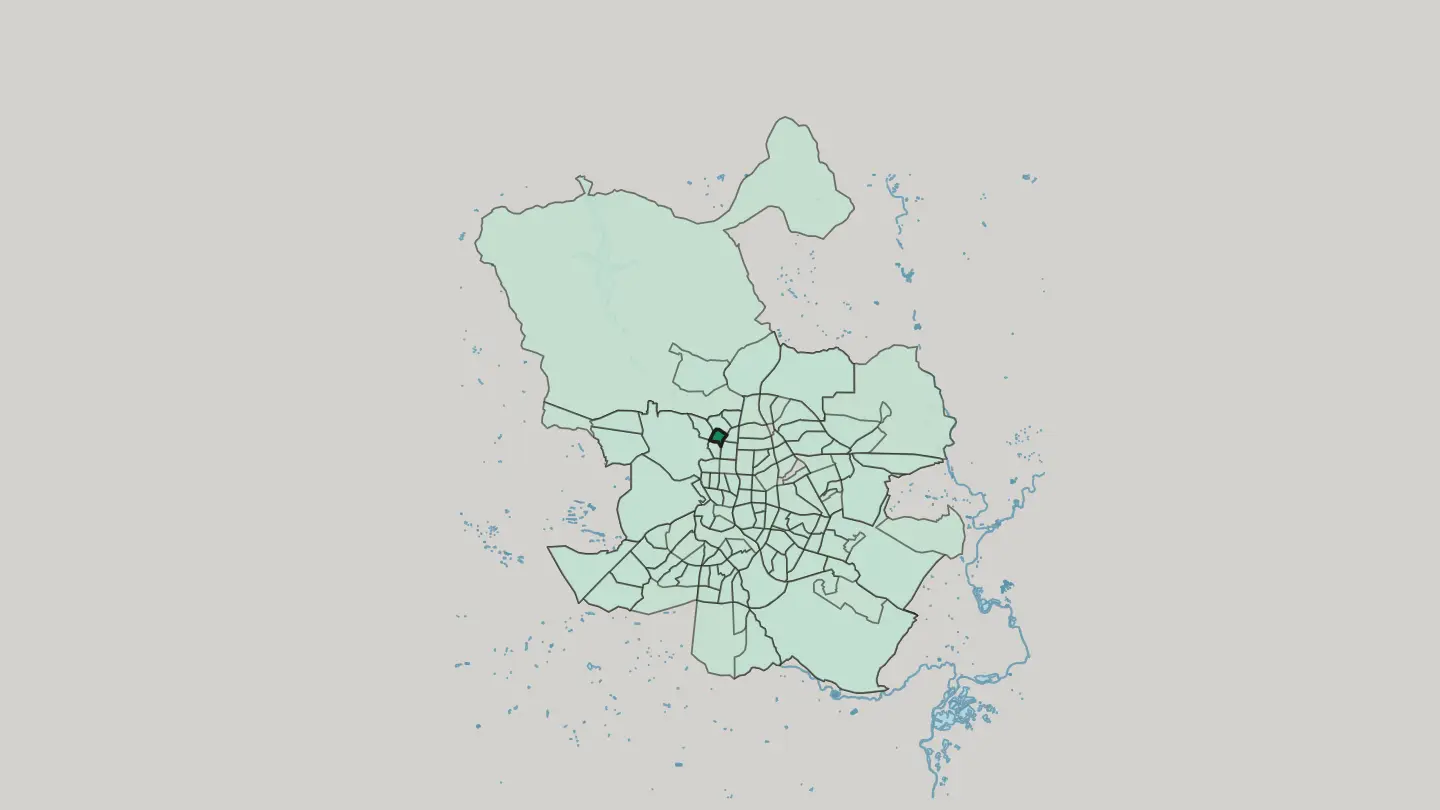 MadridSpain
Colina
Low apartment terraces line Colina, a compact district of Madrid built around the Church of San Juan Bautista.Where to stay →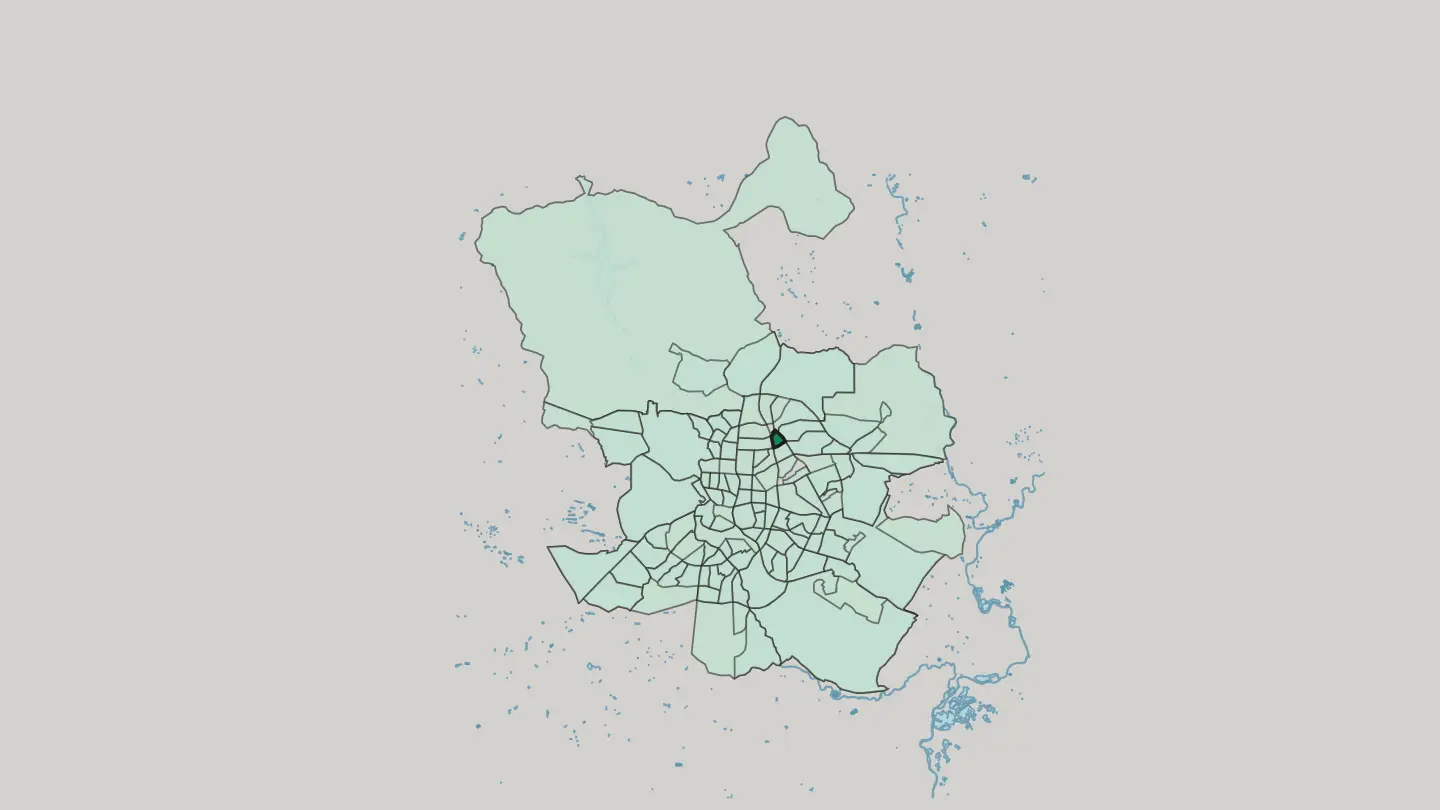 MadridSpain
Los Angeles
Los Ángeles is a Villaverde ward. The Church of San Andrés Apóstol and the Church of San Mateo stand inside its share of Madrid.Where to stay →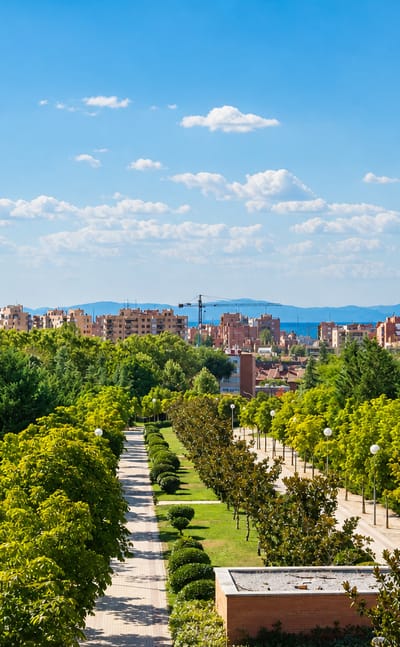 MadridSpain
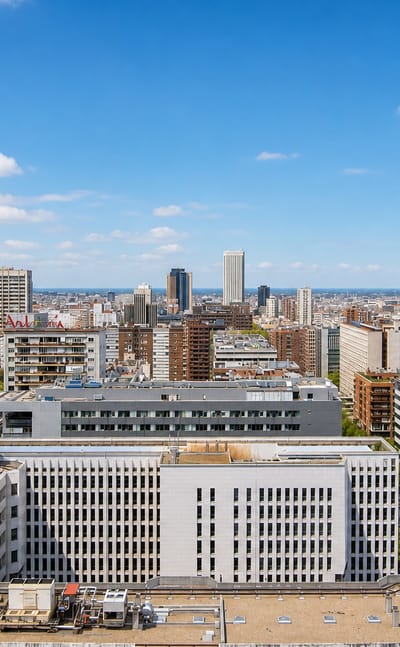
Tetuán de las Victorias
Tetuán de las Victorias is a district of Madrid, its streets marked by the Church of San Francisco de Sales and the Typhlological Museum.Where to stay →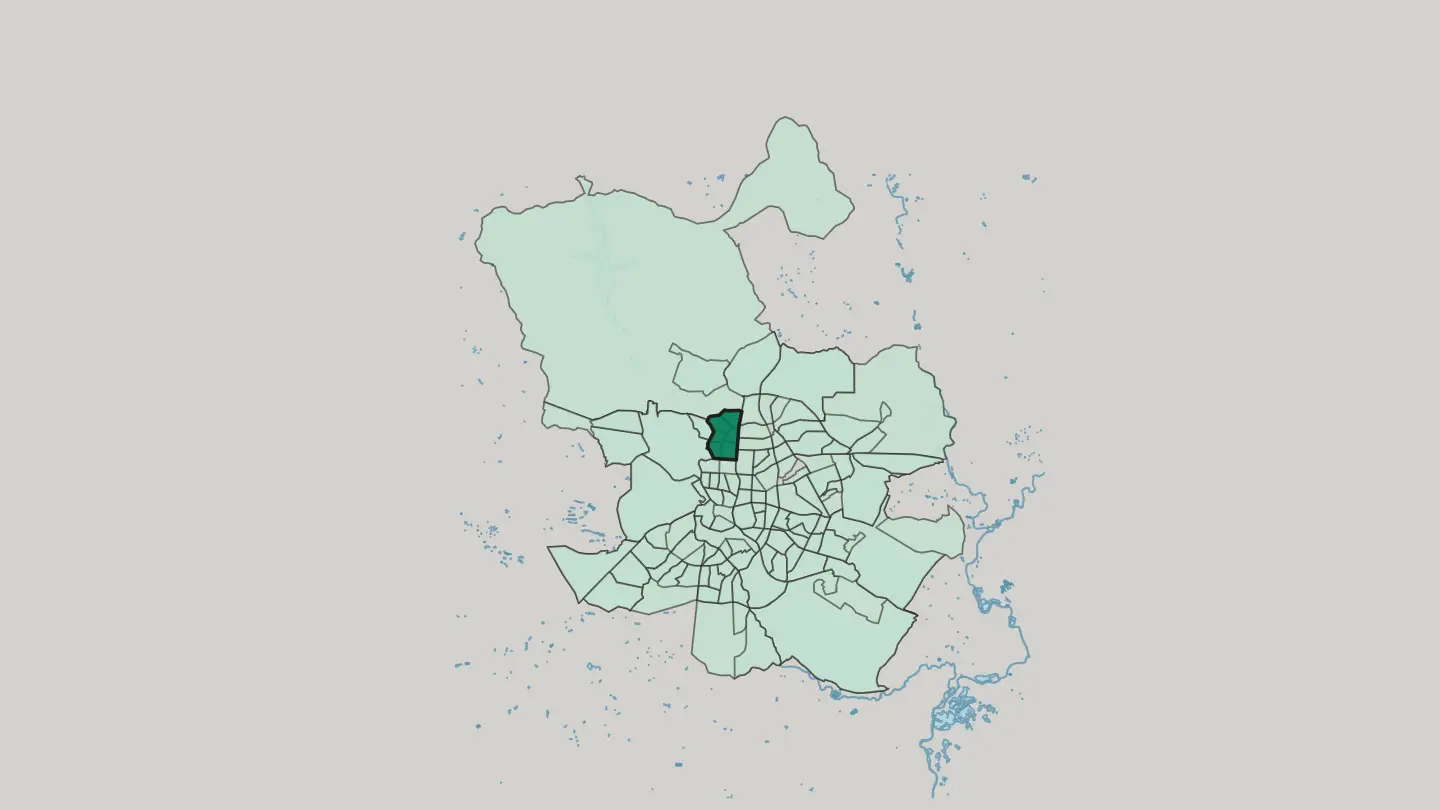
 MadridSpain
Castillejos
Castillejos is an administrative barrio of the Tetuán district, in the north-west of the almendra central, the inner city of Madrid.Where to stay → MadridSpain
Amposta
Amposta is a small residential neighbourhood of Madrid, Spain, set around the Iglesia de la Encarnación del Señor and a Reloj de sol.Where to stay →
 MadridSpain
Simancas
Simancas is a residential barrio of Madrid, its streets edged by the gardens of the Quinta de los Molinos.Where to stay → MadridSpain
Aluche
Aluche is a barrio of the Latina district of Madrid, named after the arroyo Luche, a stream that once ran through it and watered its market gardens.Where to stay →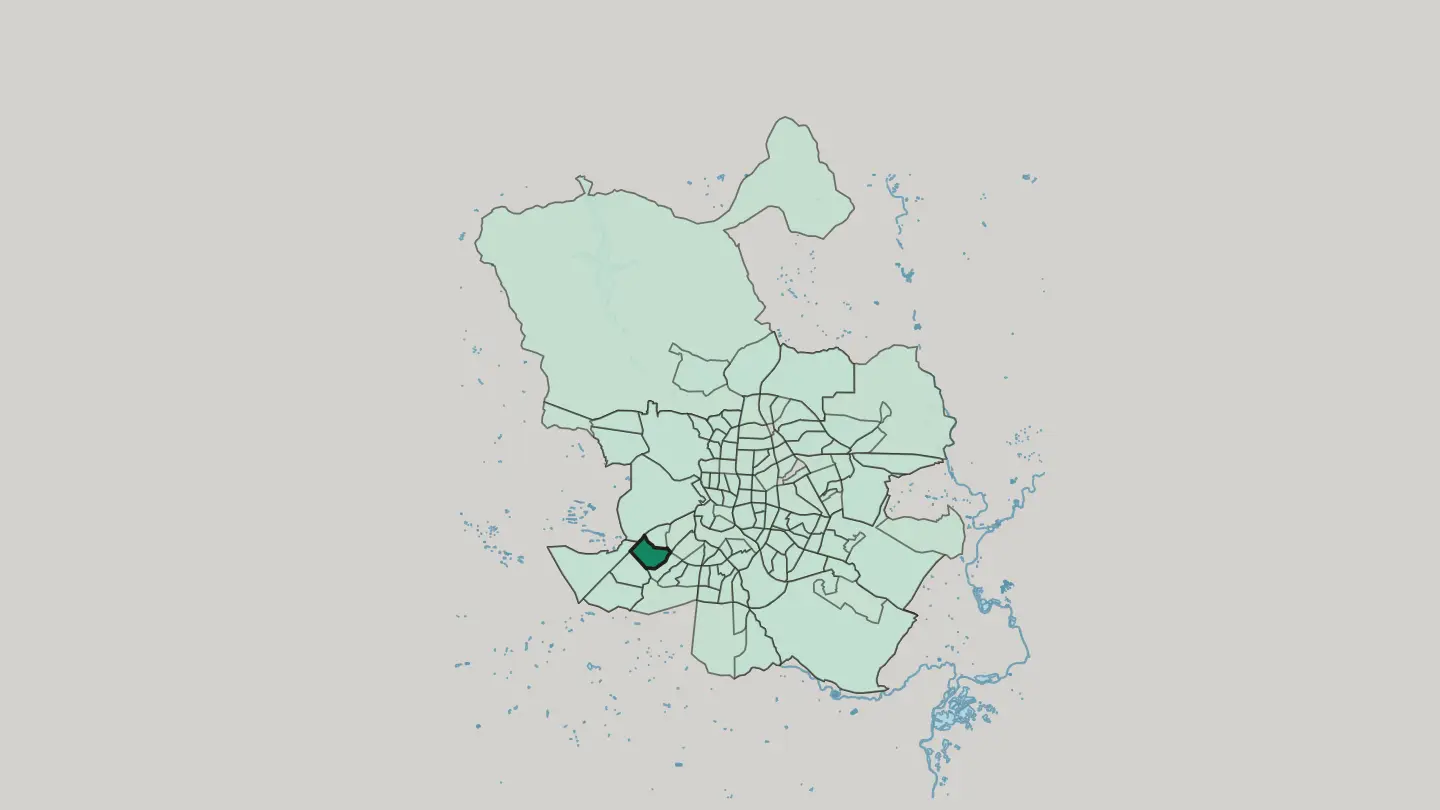 MadridSpain
Salvador
Two classical columns stand in the Quinta de los Molinos, inside the Madrid ward of Salvador. The district around it is San Blas-Canillejas.Where to stay →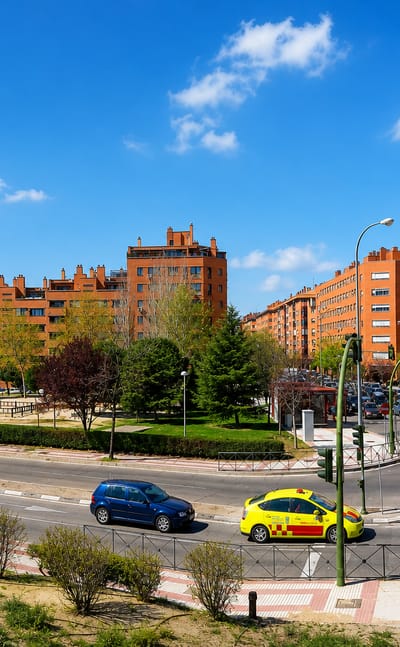 MadridSpain
Arcos
Arcos is an administrative barrio of Madrid, one of the neighbourhoods of the San Blas-Canillejas district east of the city centre.Where to stay →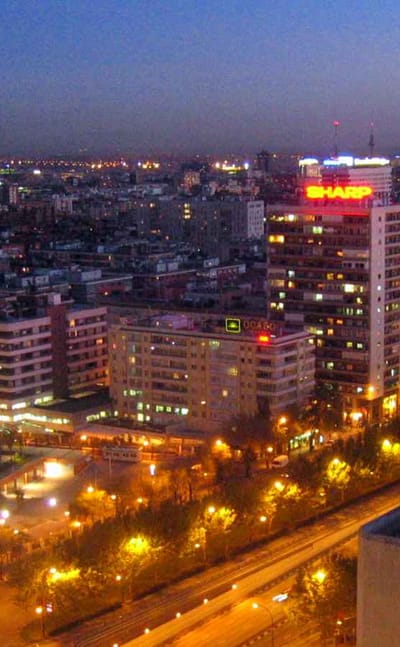 MadridSpain
Nueva España
Nueva España is a residential district of Madrid, Spain, close to the Real Madrid Museum and the Palace of Duques de Pastrana.Where to stay →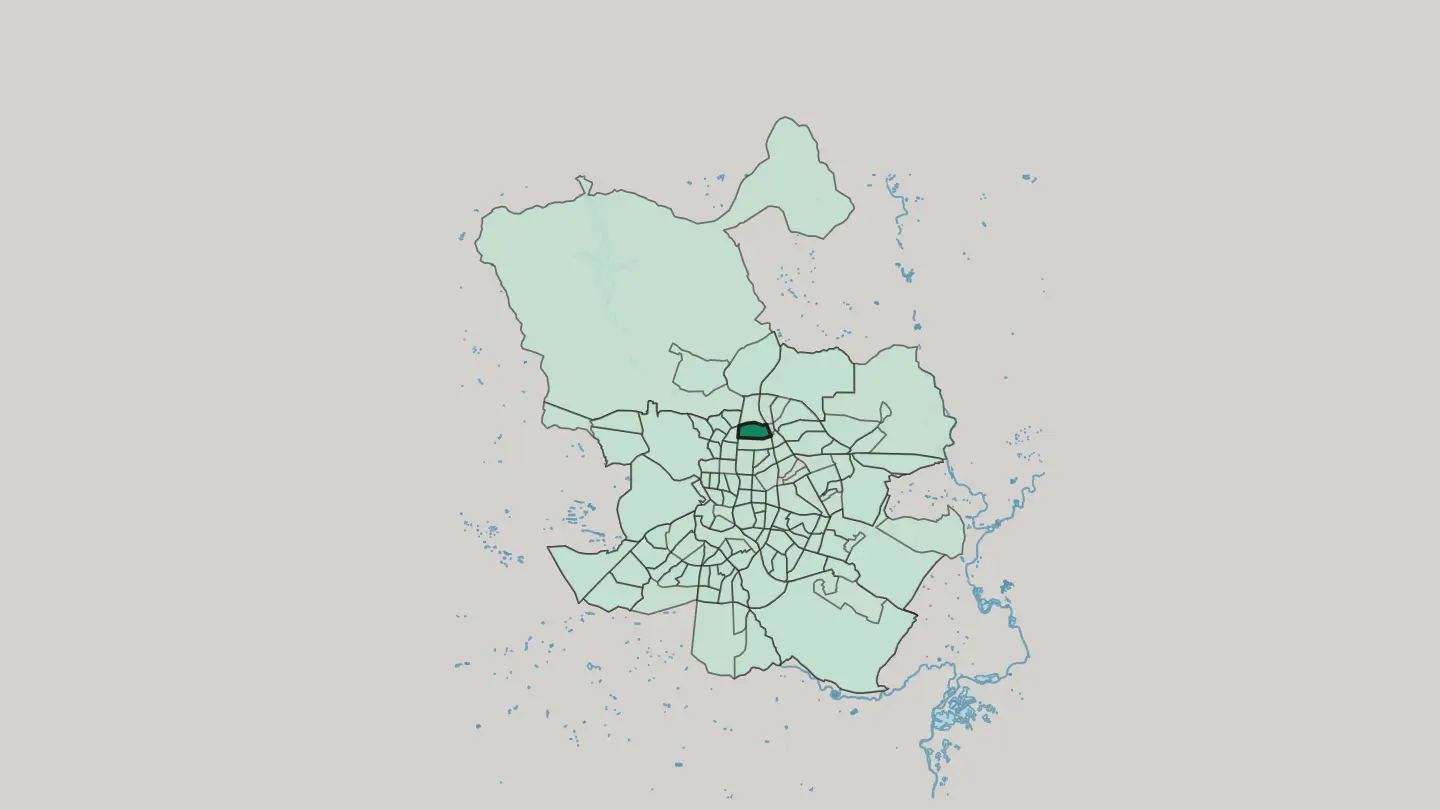 MadridSpain
Casco Histórico de Vicálvaro
Casco Histórico de Vicálvaro is the historic core of the Vicálvaro district in Madrid, Spain, set around the Church of Santa María la Antigua.Where to stay →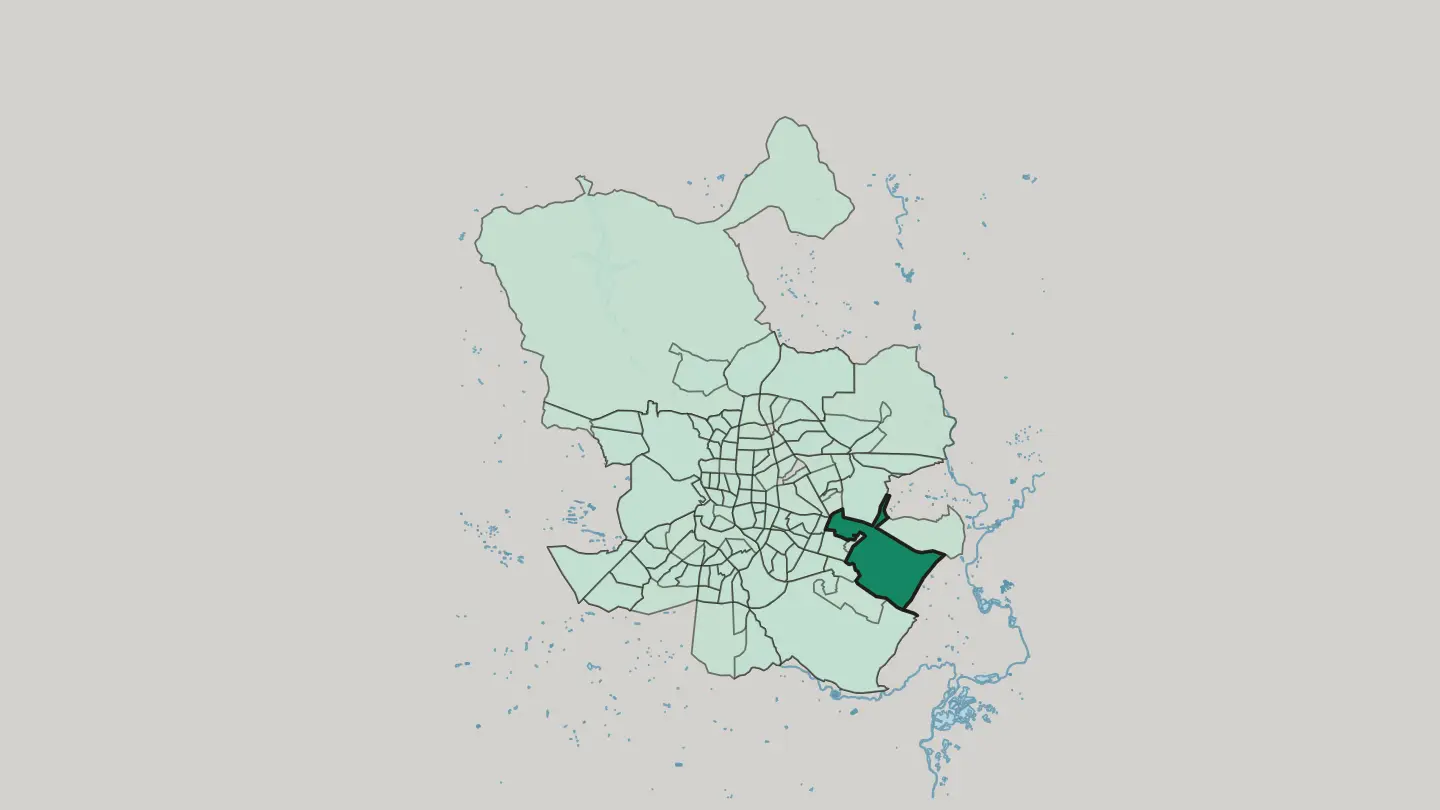 MadridSpain
Hellín
Stone columns rise in the Quinta de los Molinos in Hellín, a district of Madrid, Spain.Where to stay →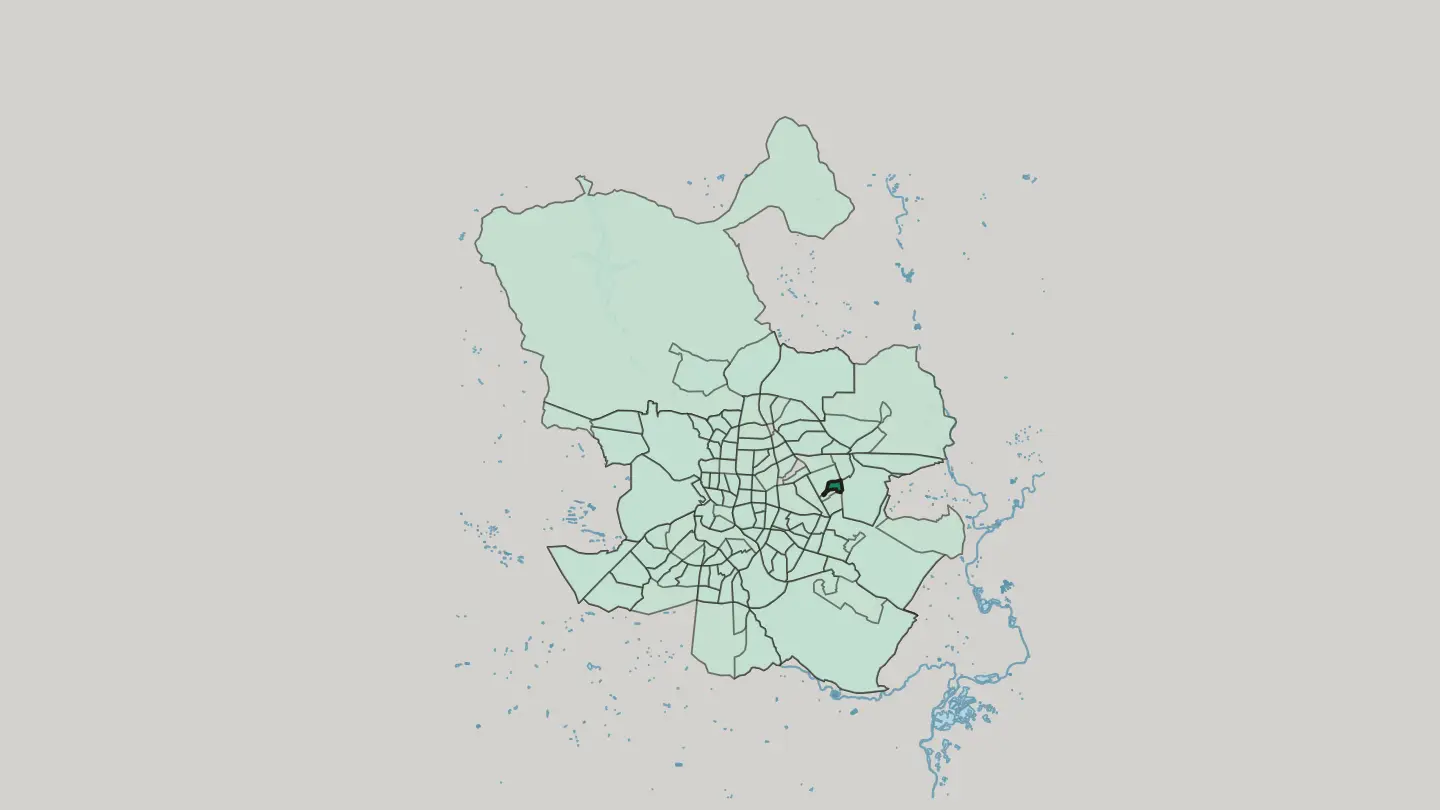 MadridSpain
Piovera
Piovera, also written La Piovera, is a neighbourhood of Madrid known for the Museo Africano Mundo Negro and the parroquia de San Ireneo.Where to stay →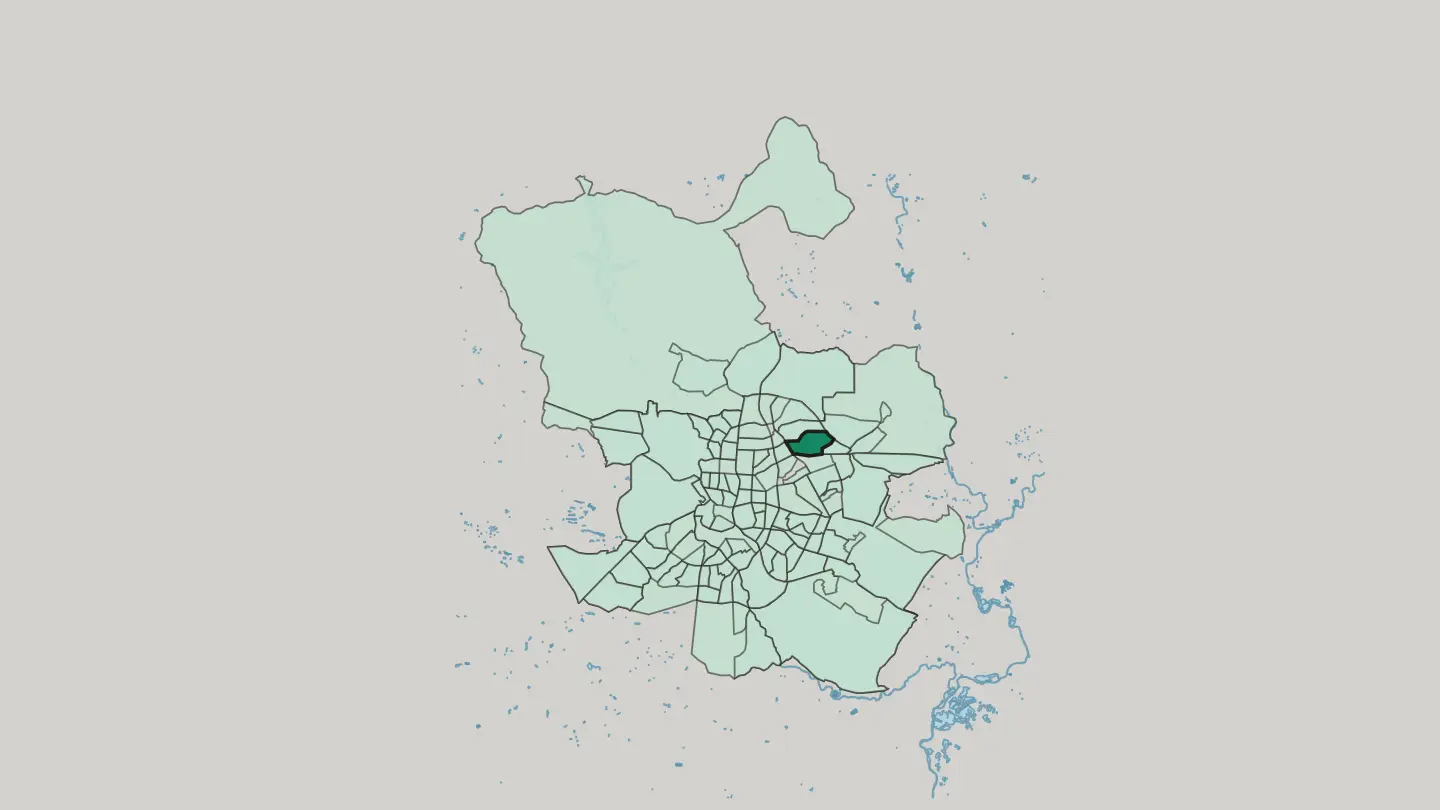 MadridSpain
Villa de Vallecas
Villa de Vallecas is a district of Madrid, Spain, joined with Puente de Vallecas to form the wider Vallecas area.Where to stay →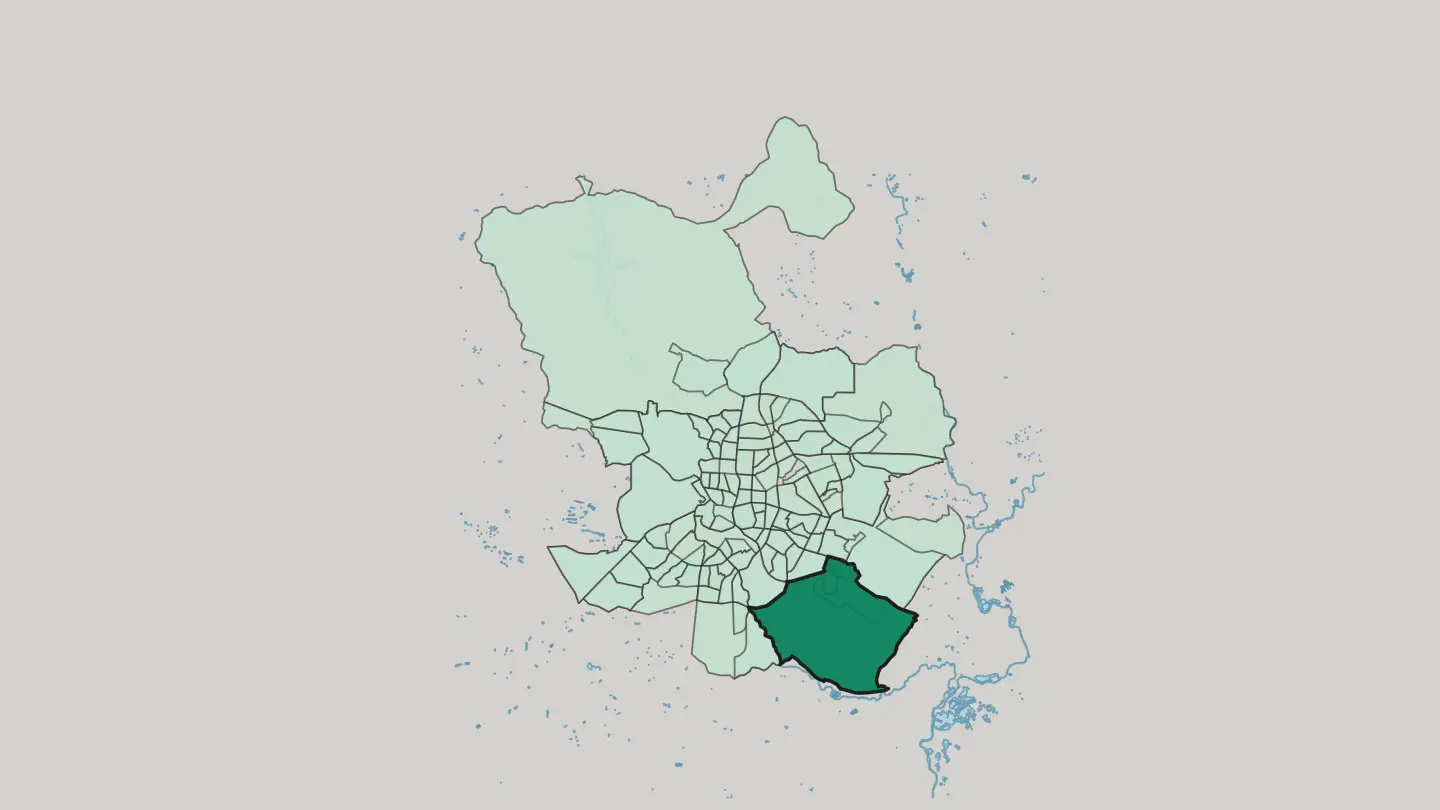
 MadridSpain
Vallecas
Vallecas is a district of Madrid, Spain, a residential quarter set around the Church of San Pedro Ad-vincula.Where to stay →MadridSpain
San Blas-Canillejas
San Blas-Canillejas is a district on the eastern edge of Madrid, joining the old quarters of San Blas and Canillejas around the Avenida de Aragón.Where to stay →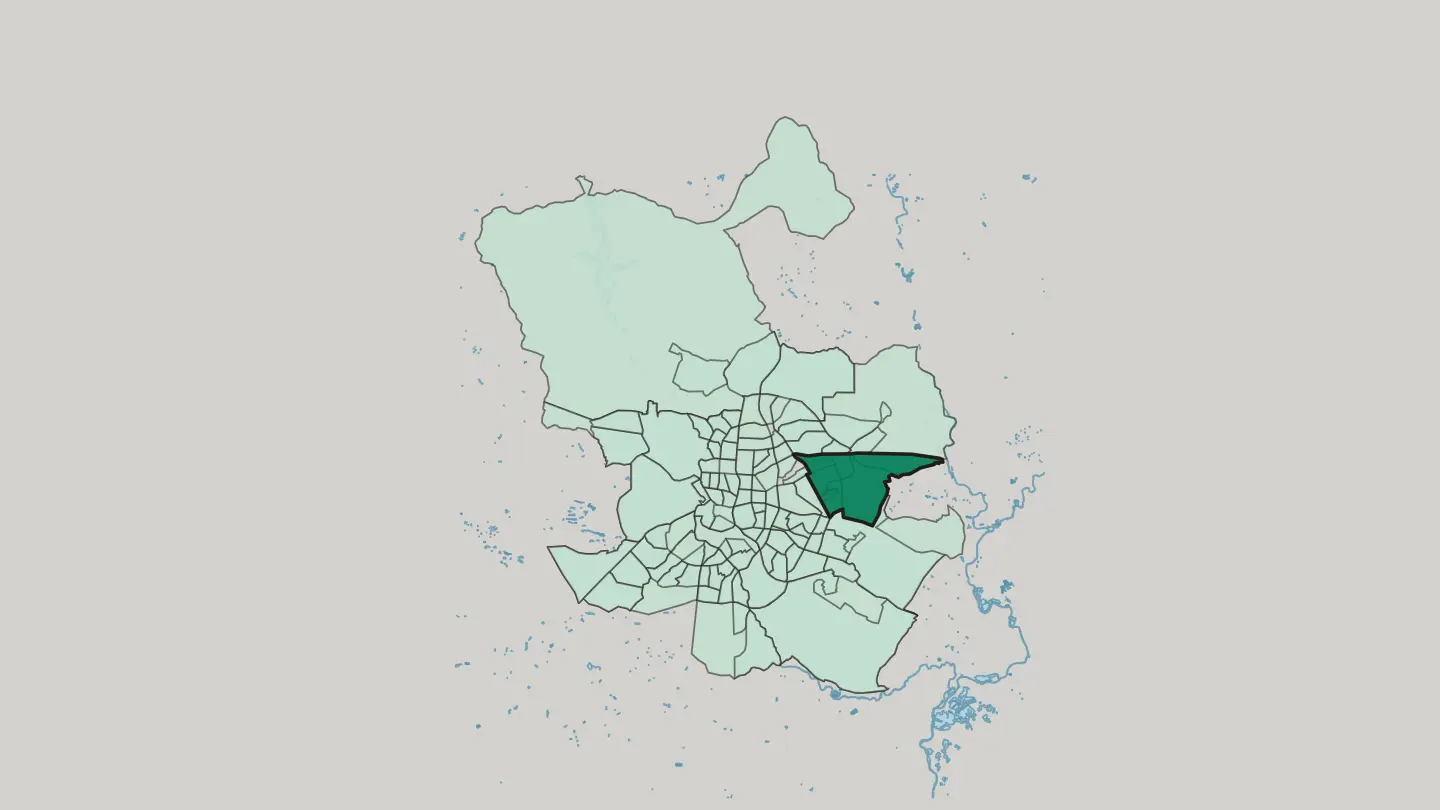 MadridSpain
Atalaya
Atalaya is a ward of Madrid inside the district of Ciudad Lineal, a compact barrio whose one recorded landmark is Ancla.Where to stay →MadridSpain
Canillas
Canillas is a barrio of Madrid in the Hortaleza district, covering about 2.5 km².Where to stay →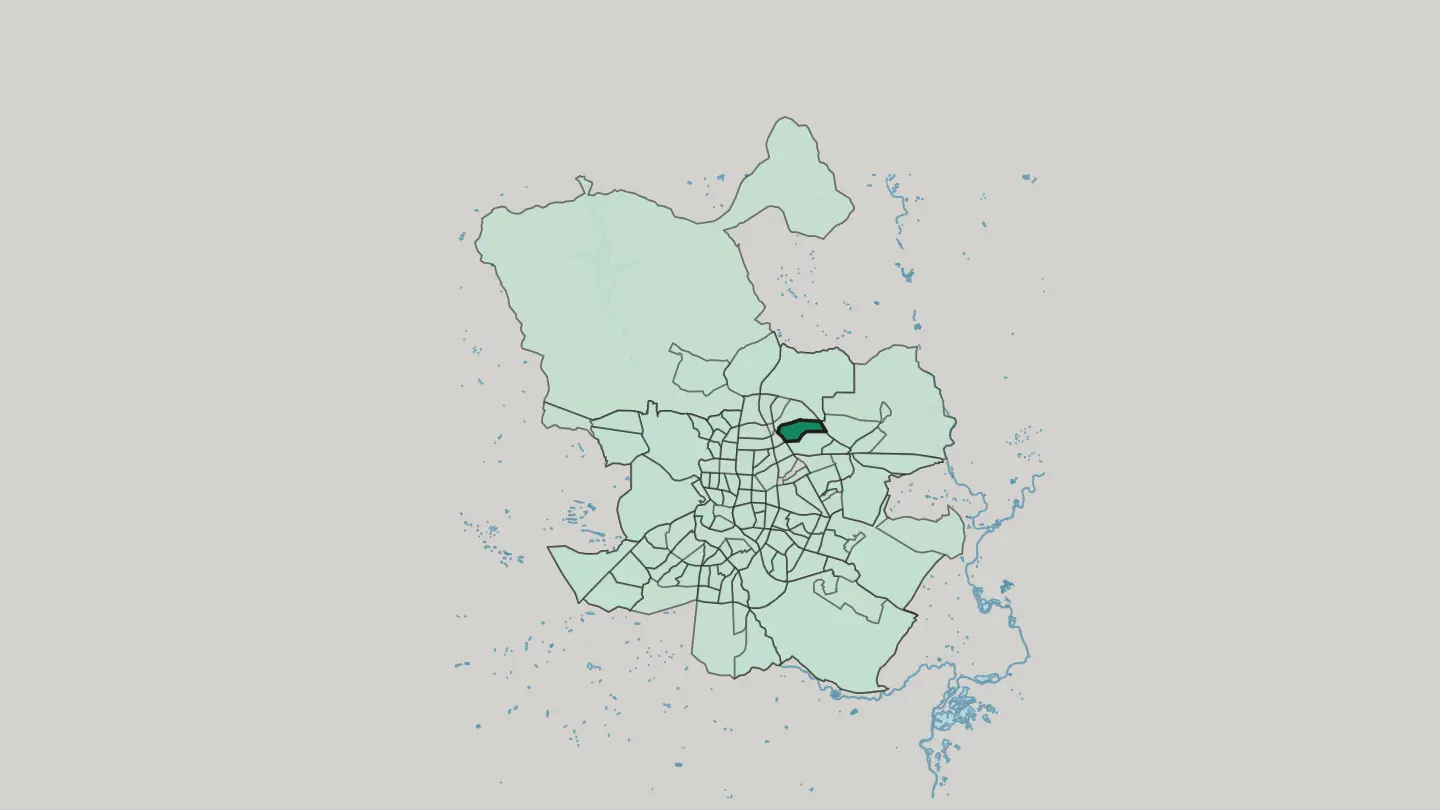
 MadridSpain
Vicálvaro
Vicálvaro is a district in the southeast of Madrid, Spain, a former municipality set around the Church of Santa María la Antigua.Where to stay →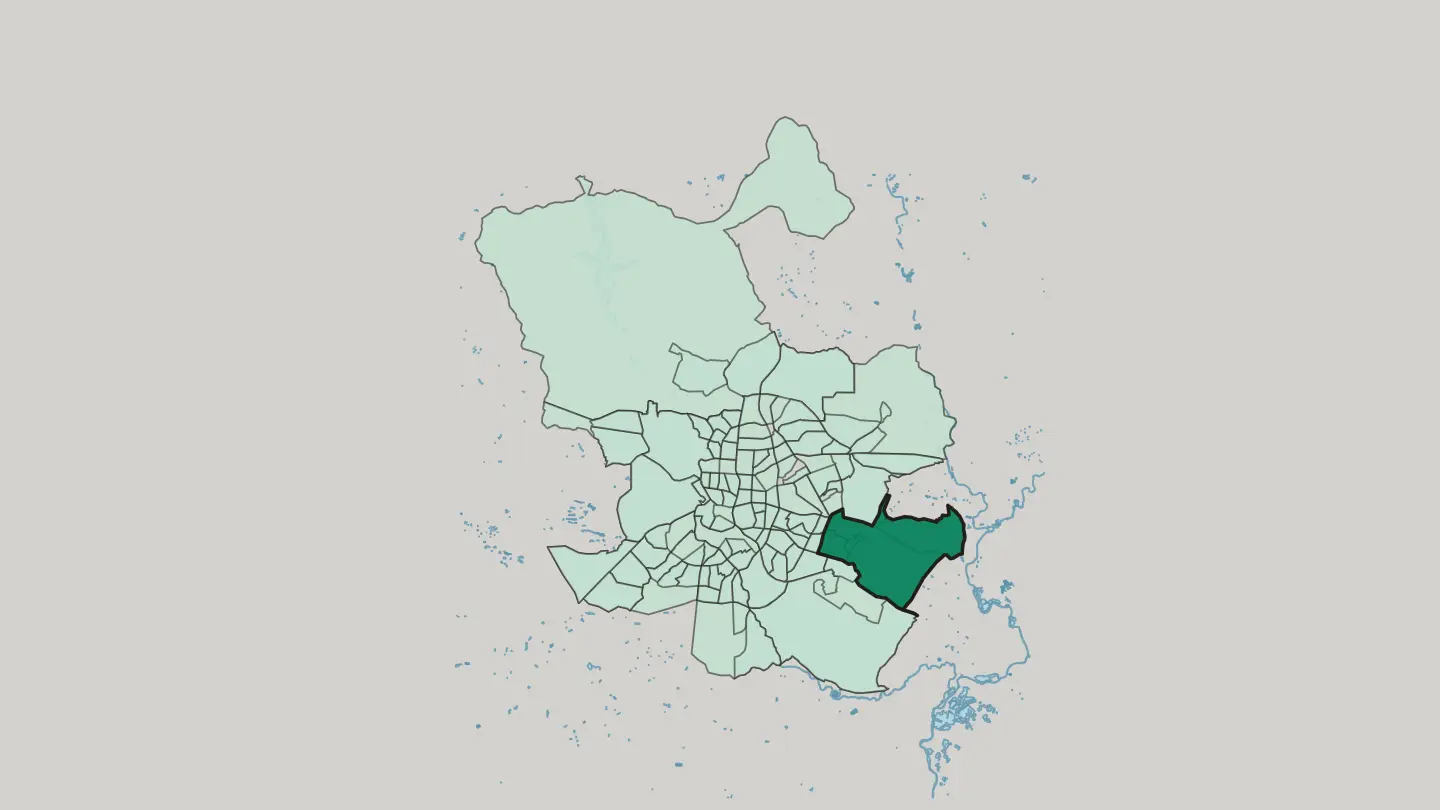
 MadridSpain
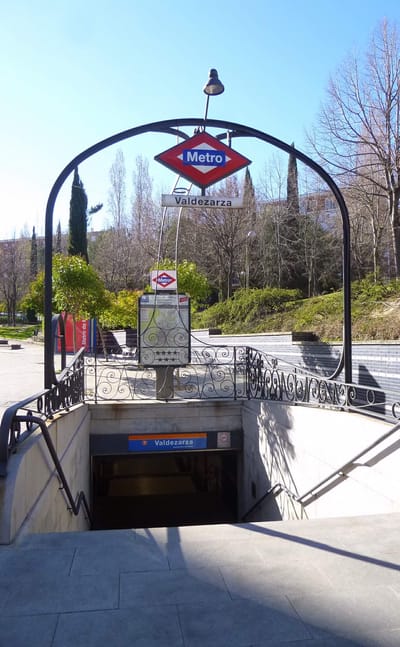
Valdezarza
Valdezarza is a neighbourhood of Madrid, Spain, in the district of Moncloa-Aravaca, marked by the Casa Oswald and the church of San Federico.Where to stay →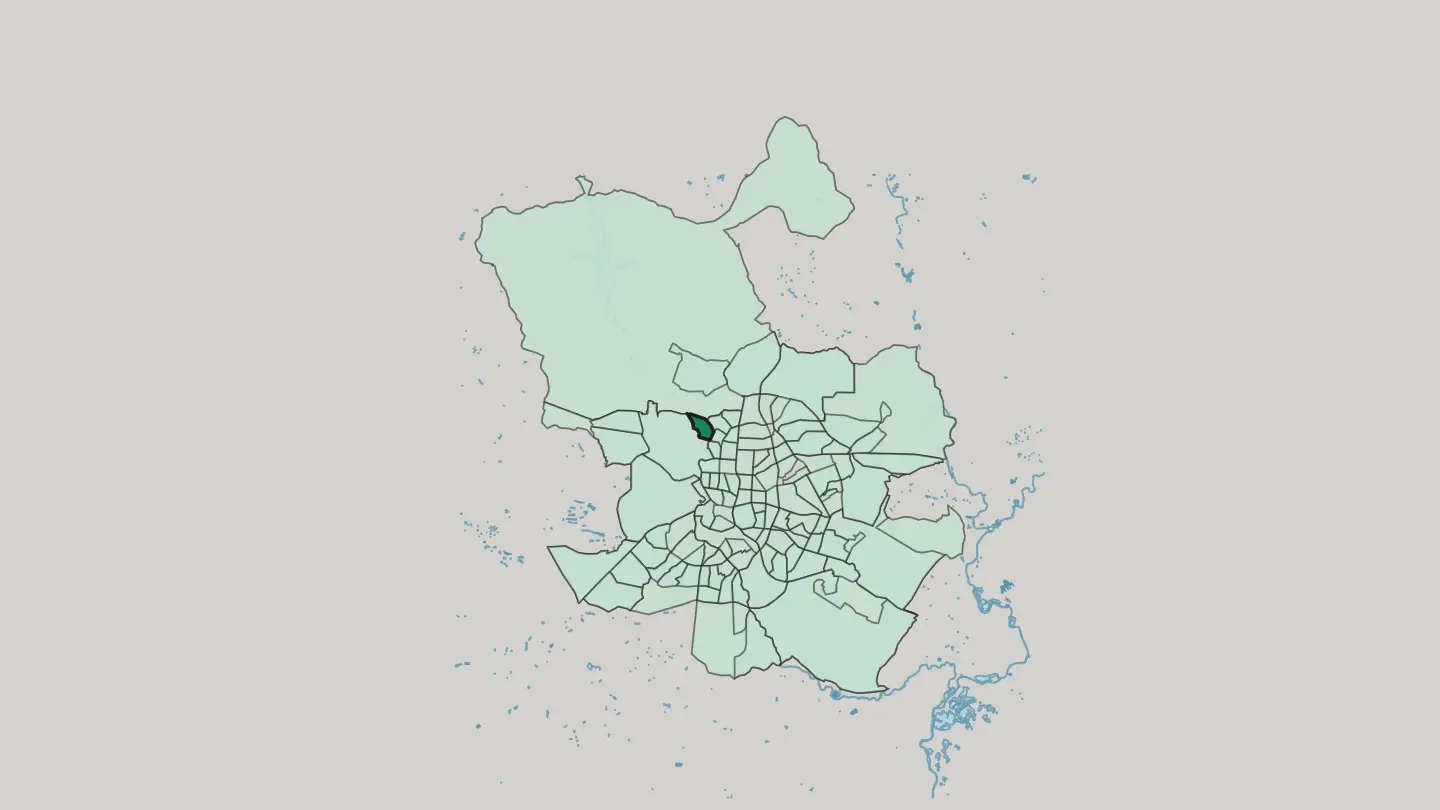 MadridSpain
Pinar del Rey
Pinar del Rey is a barrio of Madrid in the Hortaleza district, named after a pine wood that once grew here.Where to stay →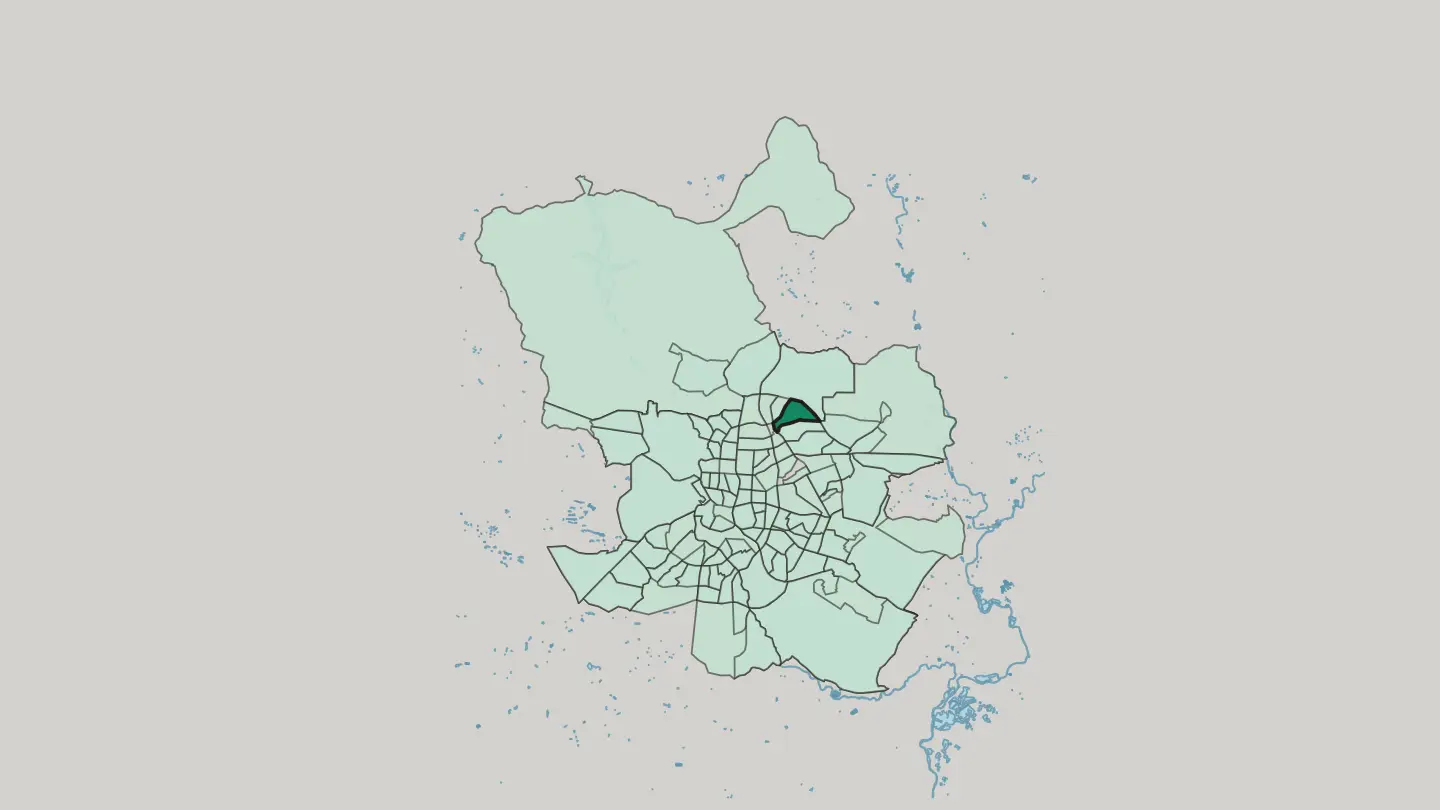
 MadridSpain
Valdeacederas
The Iglesia de Nuestra Señora del Espino stands over Valdeacederas, a neighbourhood of the Tetuán district of Madrid, Spain.Where to stay →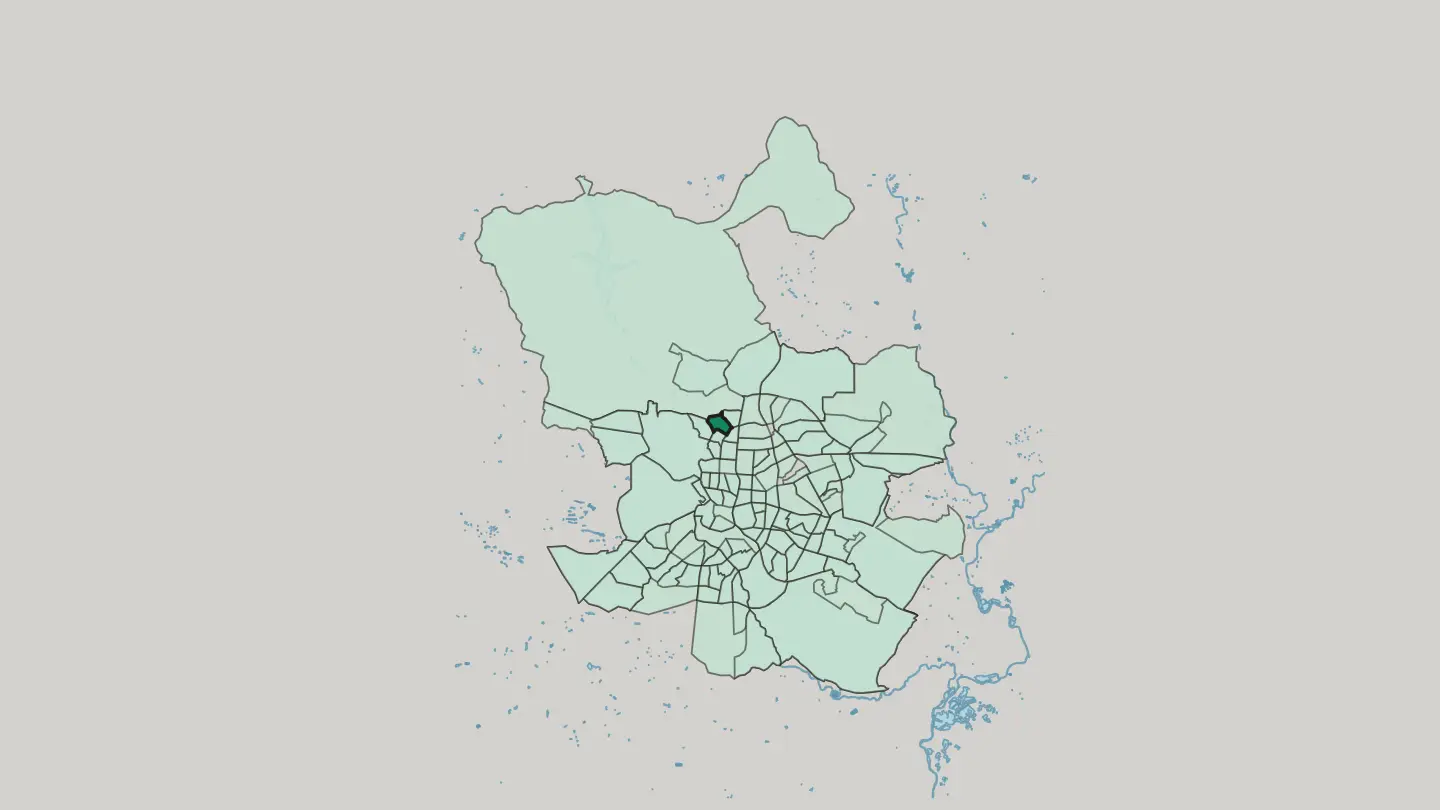
 MadridSpain
Casco Histórico de Vallecas
Casco Histórico de Vallecas is the old heart of Vallecas, in the Villa de Vallecas district of Madrid, Spain, near Puente de Vallecas.Where to stay →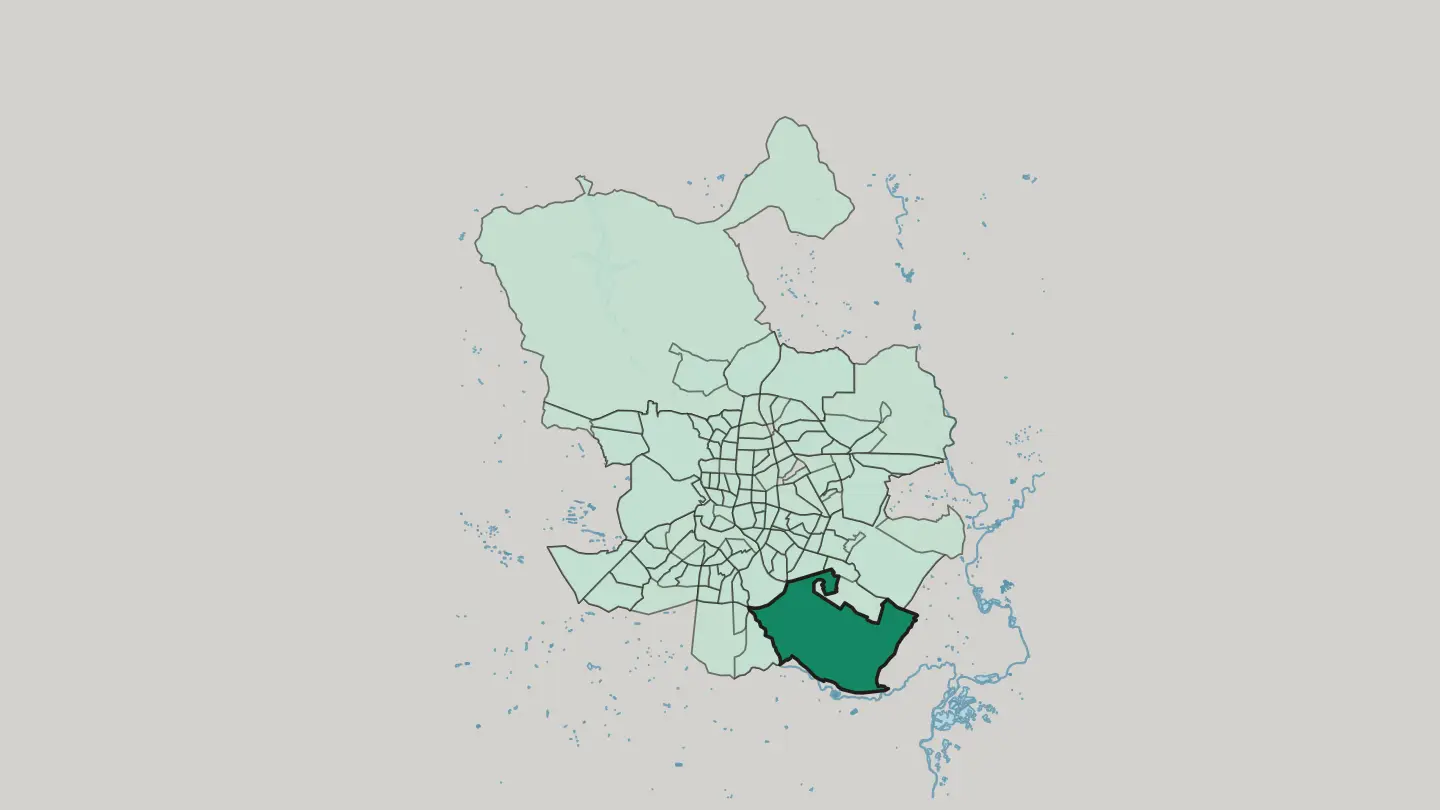 MadridSpain
Almenara
Almenara is a district of Madrid, Spain, in the Tetuán area, set around the Palace of Duques de Pastrana.Where to stay →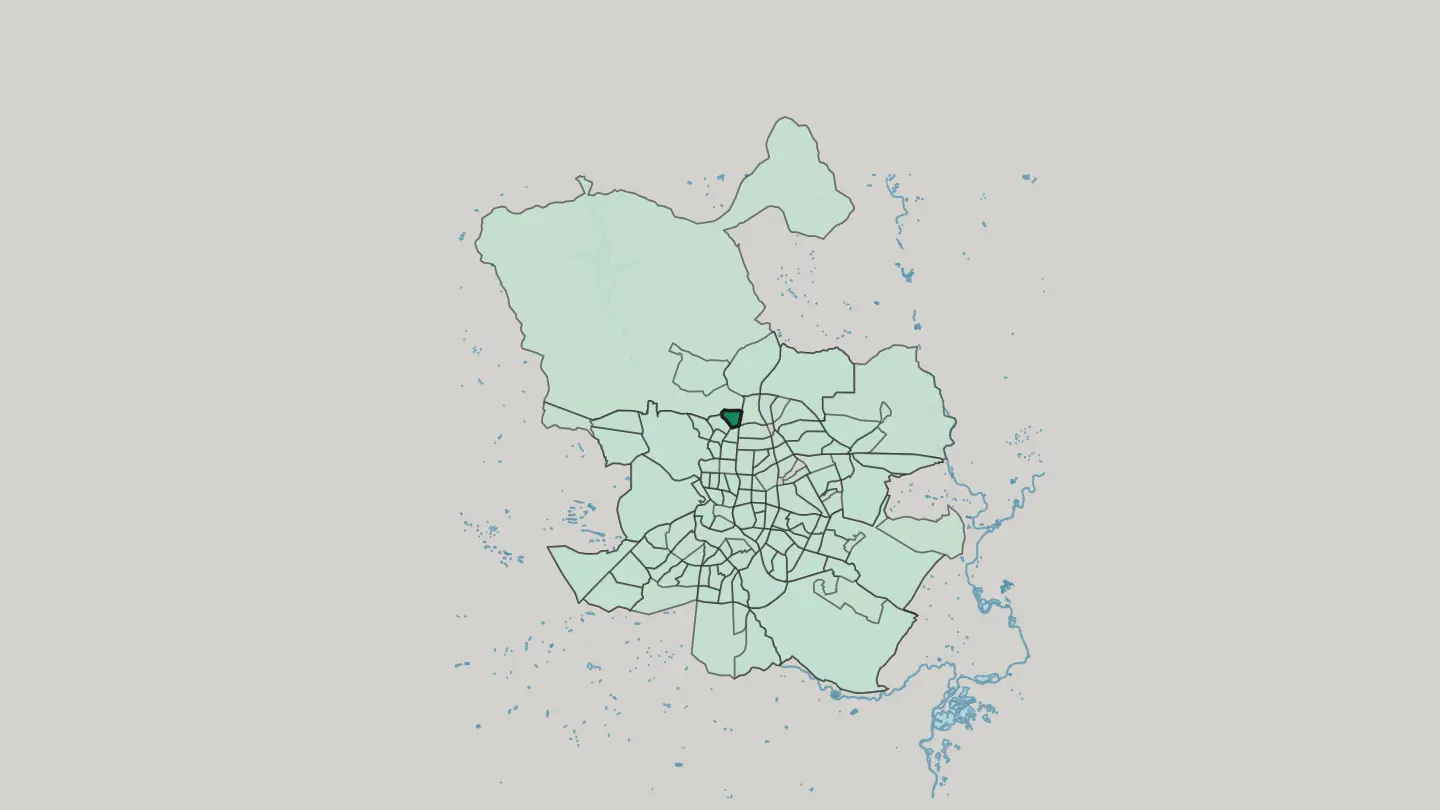
 MadridSpain
Santa Eugenia
Santa Eugenia is an administrative barrio of Madrid, its low-rise streets grouped around the Church of San Pedro Ad-vincula.Where to stay →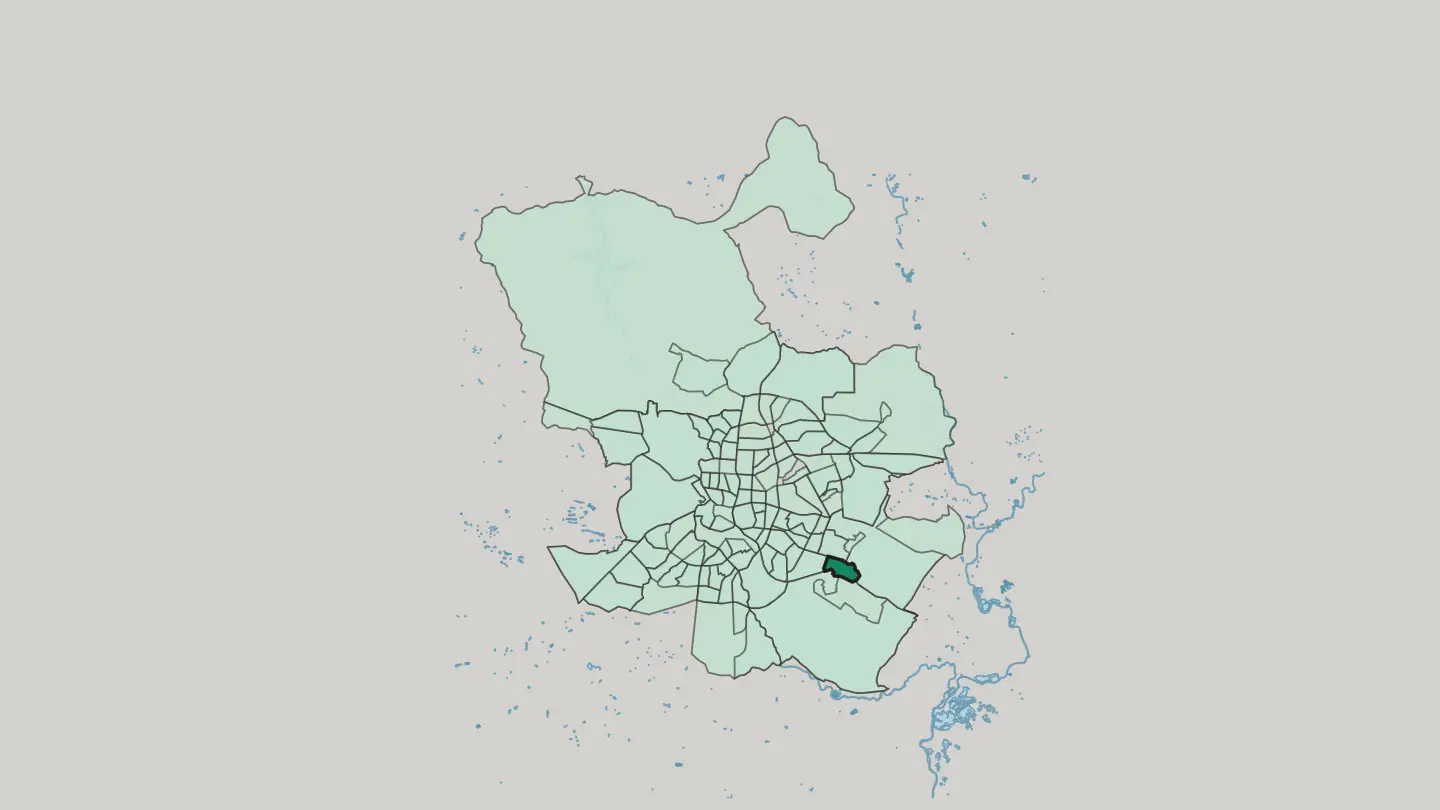 MadridSpain
Villaverde
Villaverde is a district of Madrid, Spain, where the Gran Vía de Villaverde links its old parishes and residential streets.Where to stay →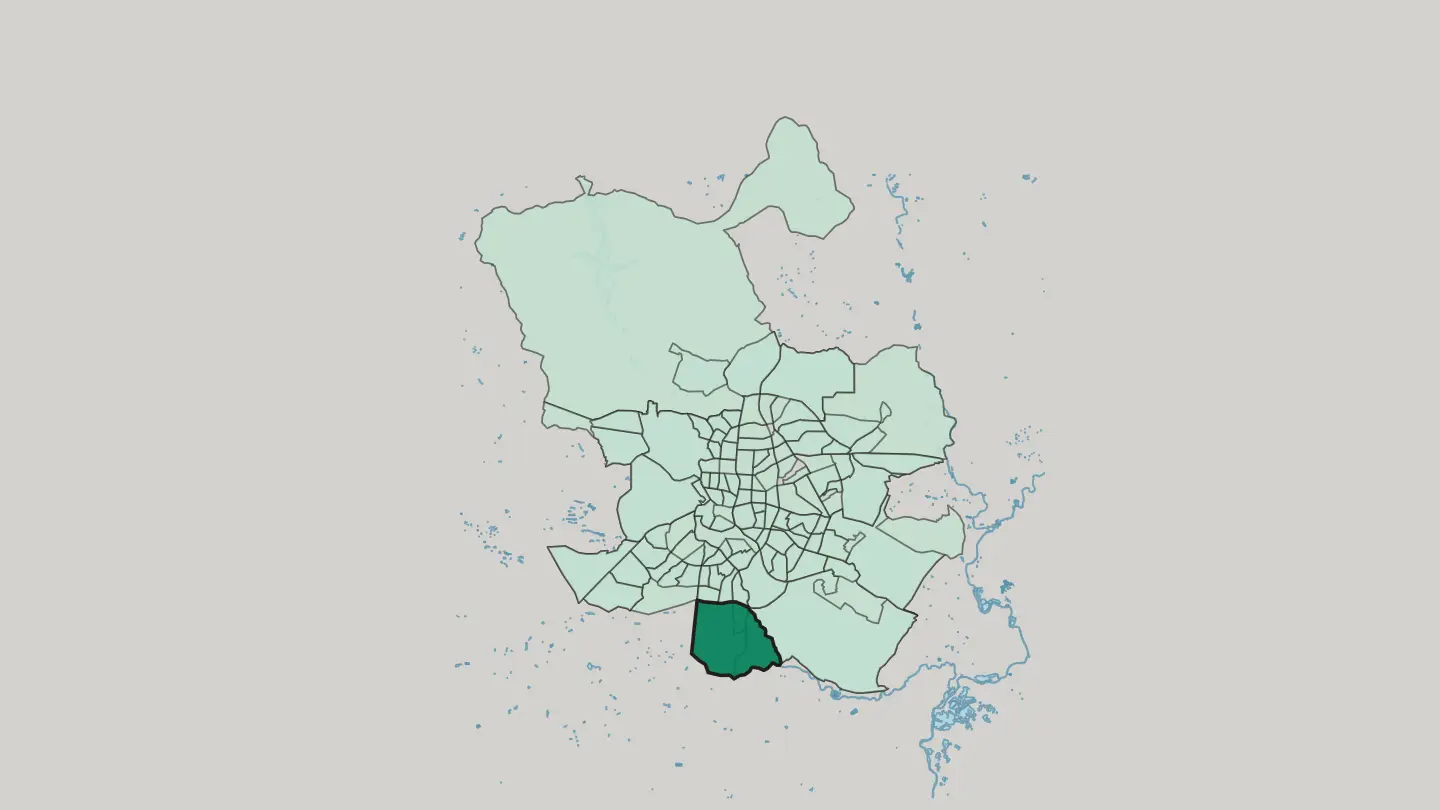
 MadridSpain
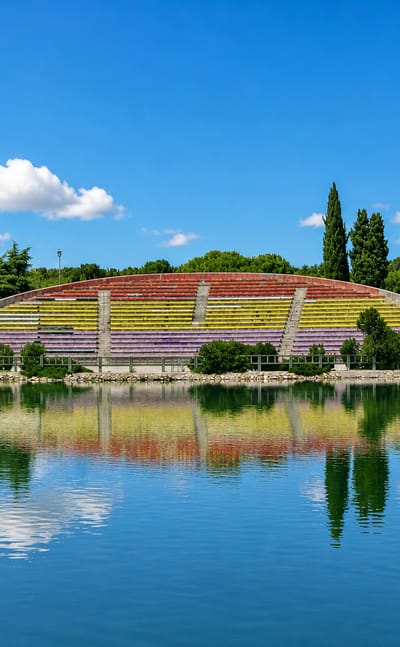
Butarque
Butarque is a southern district of Madrid, Spain, part of Villaverde along the Avenida de Andalucía and the Gran Vía de Villaverde.Where to stay →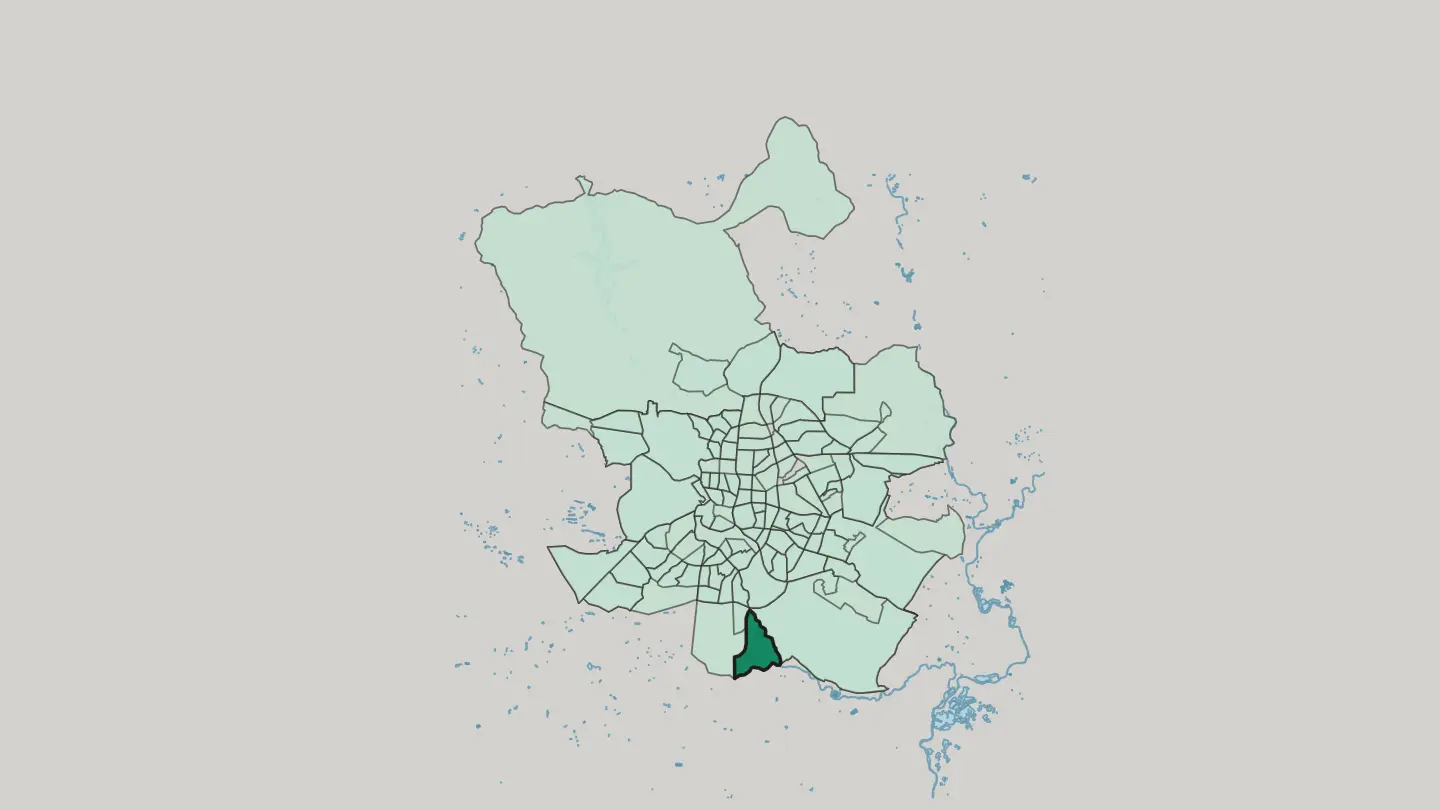
 MadridSpain
Las Águilas
Las Águilas is a residential barrio in Madrid's Latina district, laid out from the late 1950s on what had been farmland.Where to stay →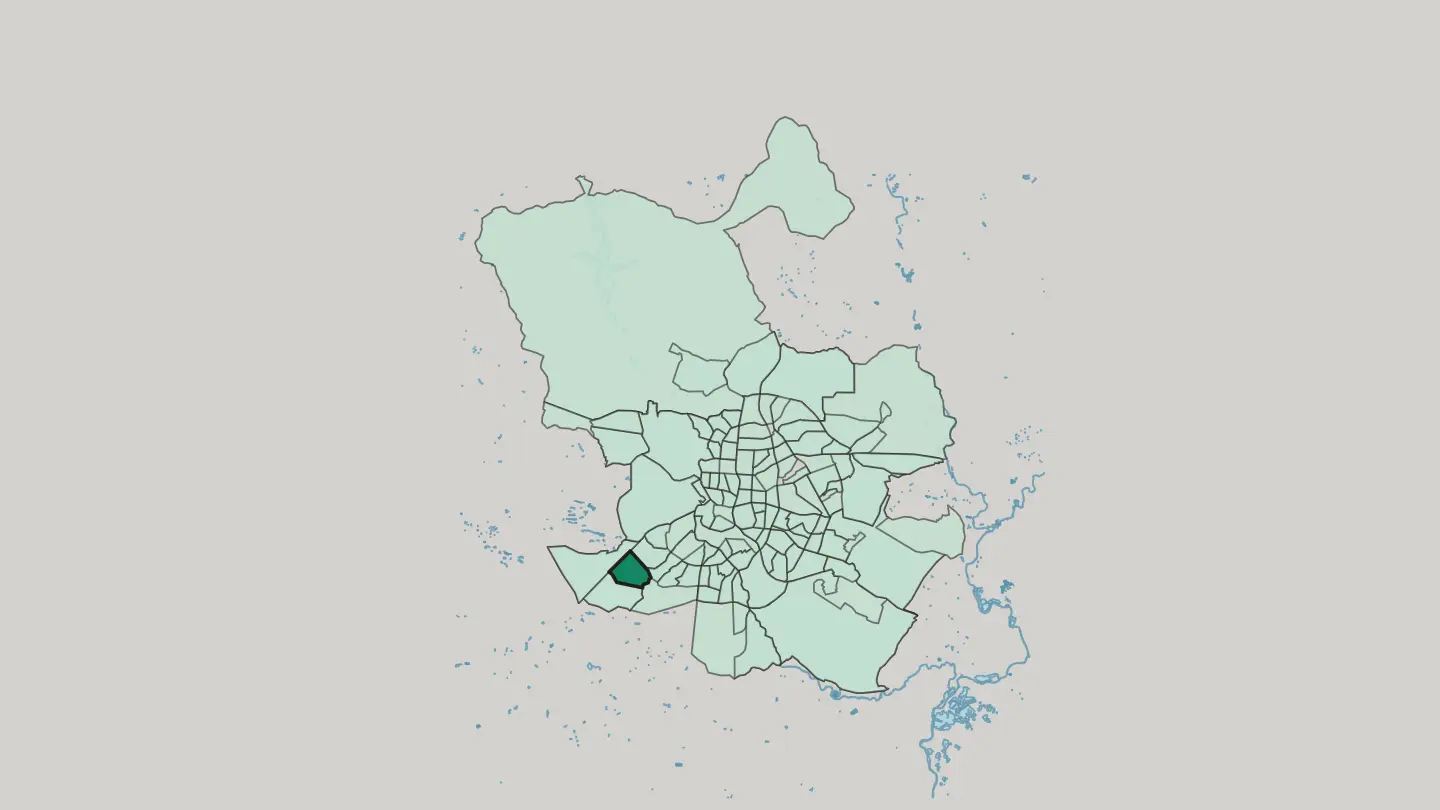
 MadridSpain
Castilla
Castilla is a district of Madrid, Spain, set around the Palace of Duques de Pastrana and the Arte Canal Exhibition Centre.Where to stay →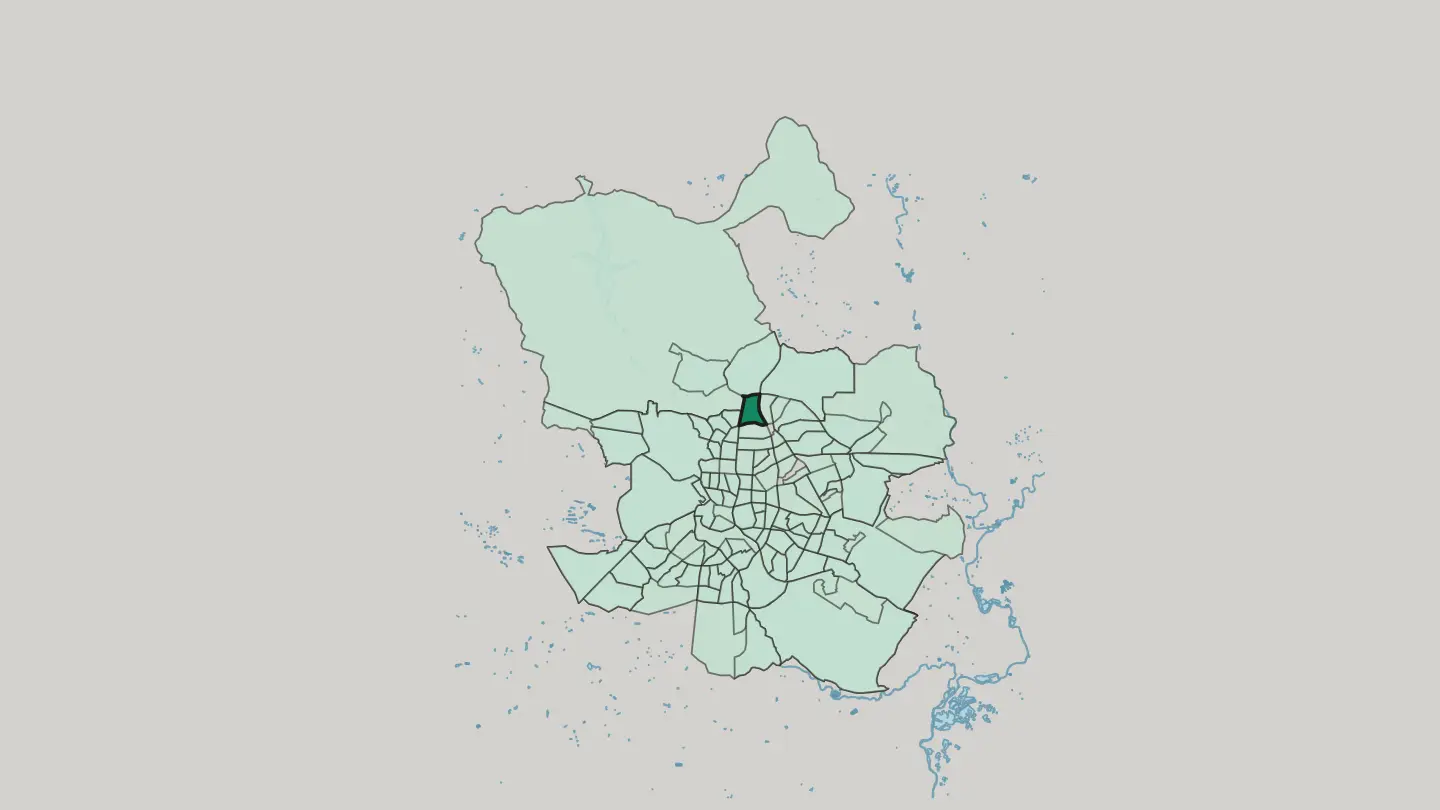
 MadridSpain
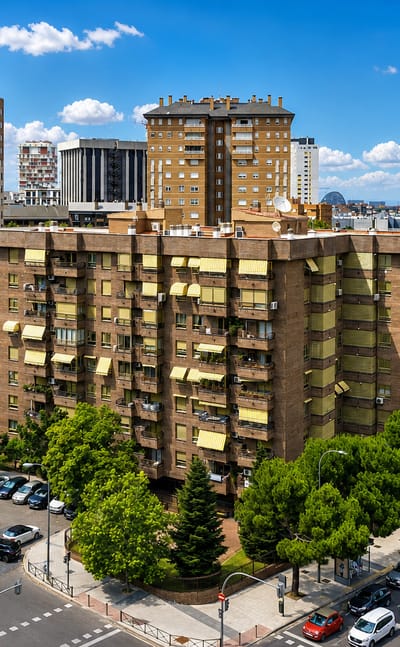
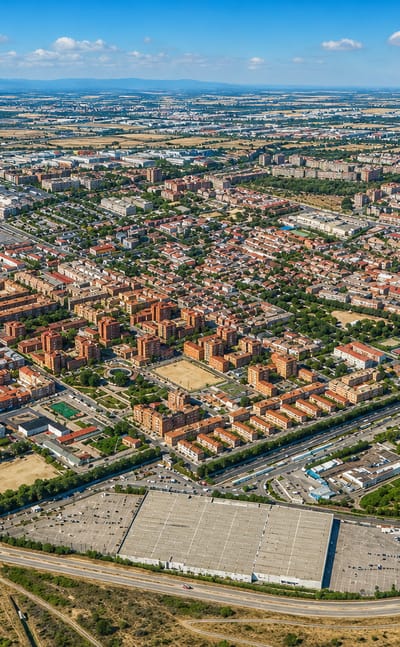
Costillares
A ducal palace anchors Costillares, a residential district of Madrid holding the Palace of Duques de Pastrana.Where to stay →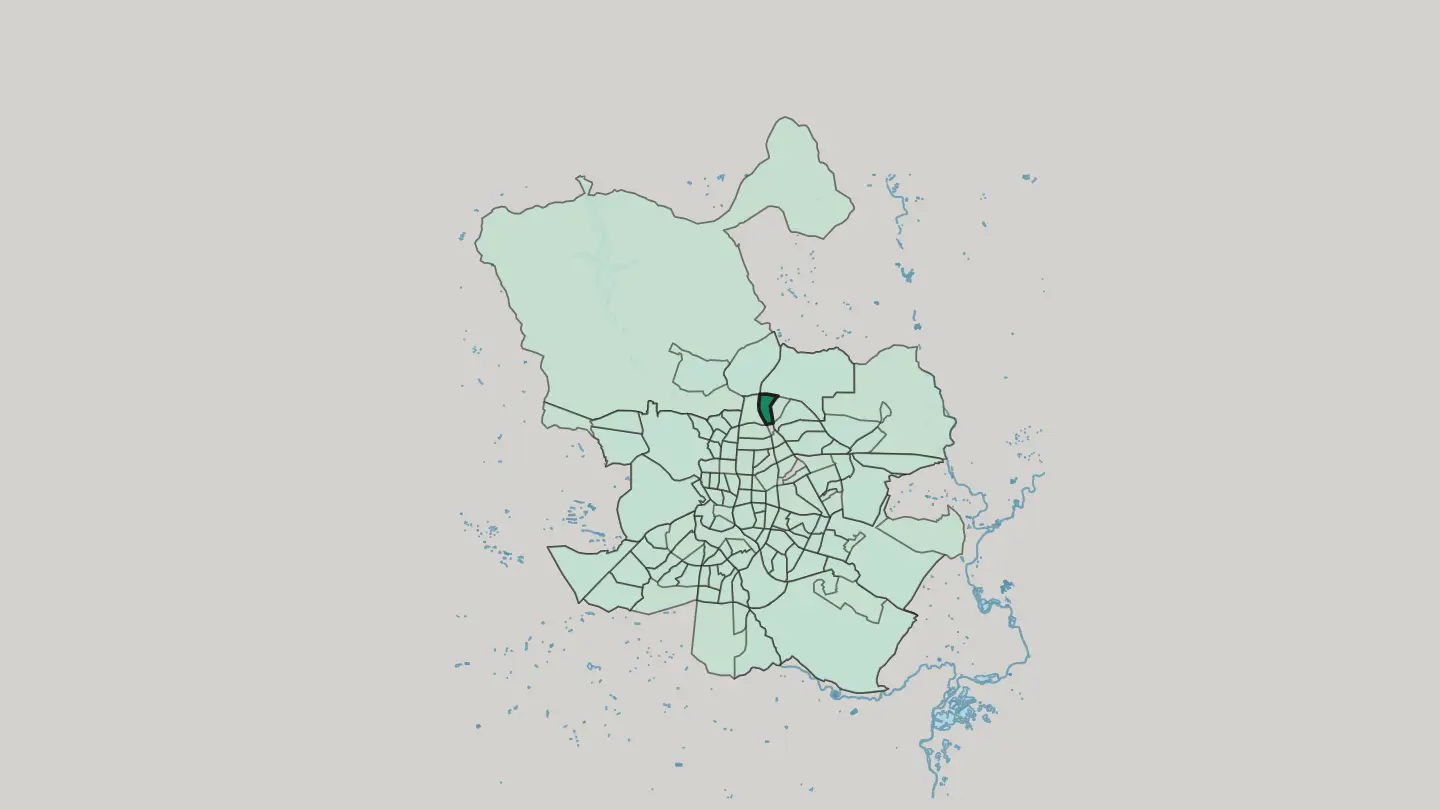
 MadridSpain
Canillejas
Canillejas is a residential district of Madrid, Spain, beside the Quinta de los Molinos and the Church of Santa María la Blanca.Where to stay →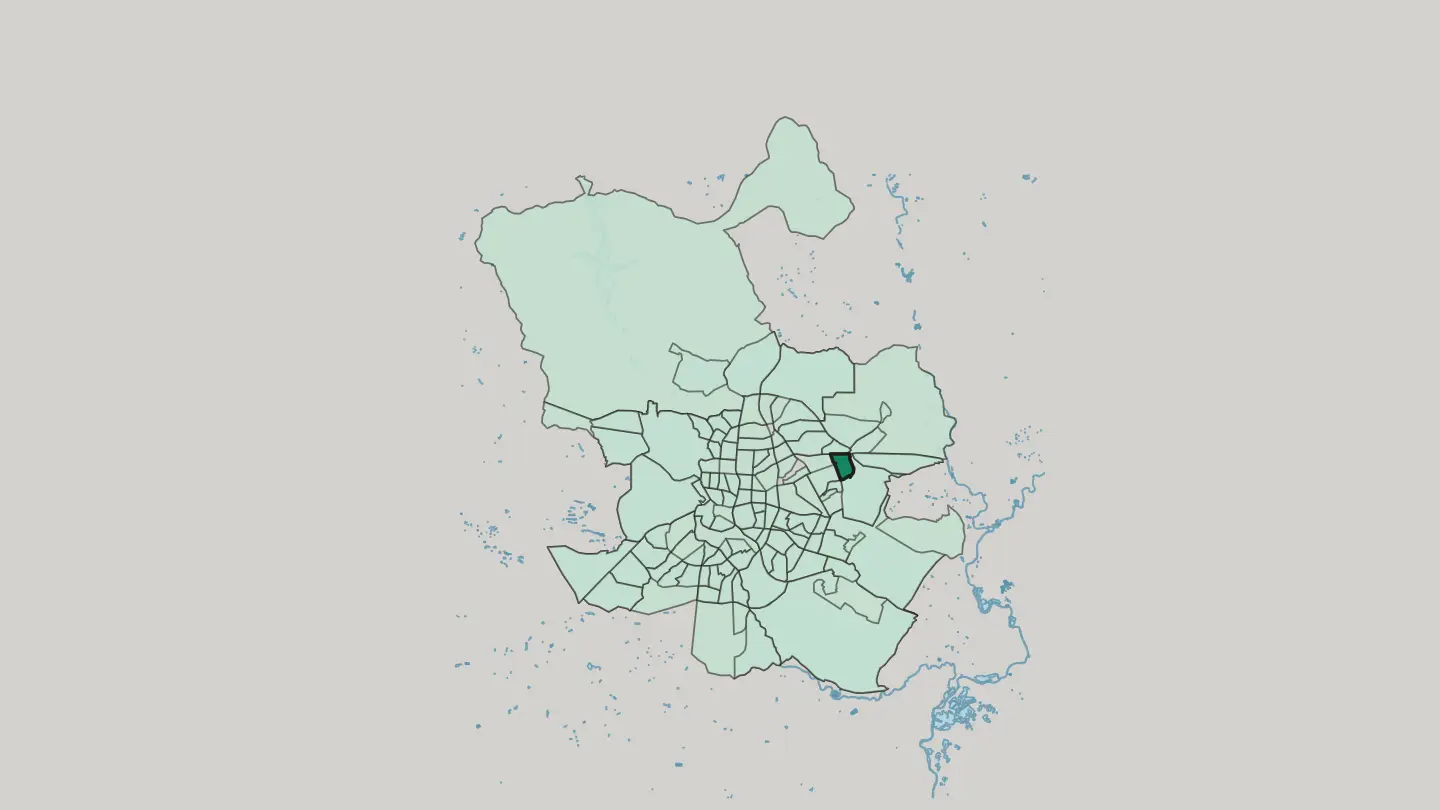
 MadridSpain
Palomas
Palomas is a barrio of Madrid's Hortaleza district, in the angle of the M-40 and the A-2, known locally as La Piovera after one of its colonias.Where to stay →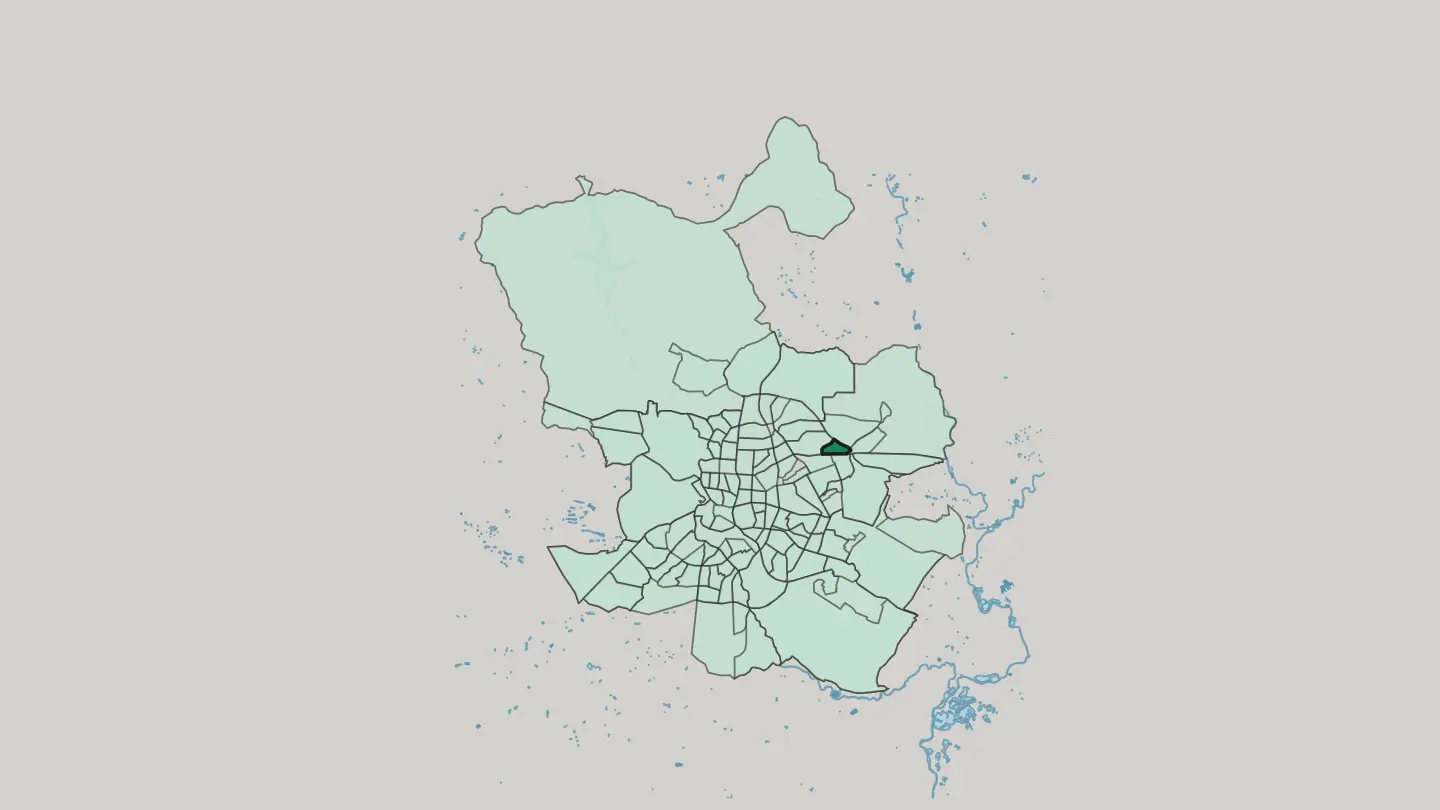
 MadridSpain
Hortaleza
Hortaleza is a residential district of Madrid, Spain, one of the city's 21 districts, built up around the Iglesia de San Martín de Porres.Where to stay →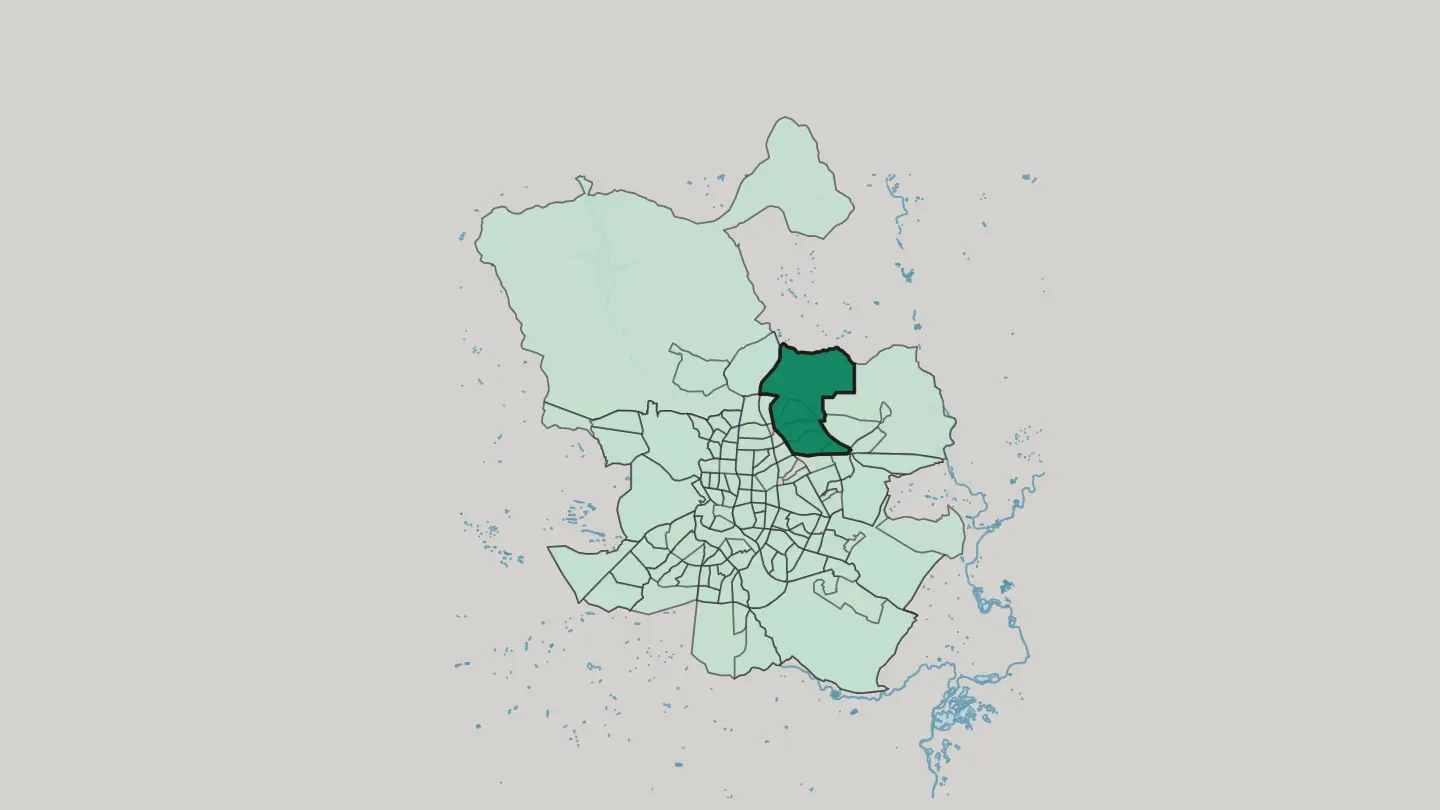 MadridSpain
Apostol Santiago
Apostol Santiago is a residential district within the greater city of Madrid, Spain, set among its outer residential quarters.Where to stay → MadridSpain
Fuencarral-El Pardo
The Casita del Príncipe and old parish churches mark Fuencarral-El Pardo, one of the districts of Madrid, formed in 1950.Where to stay →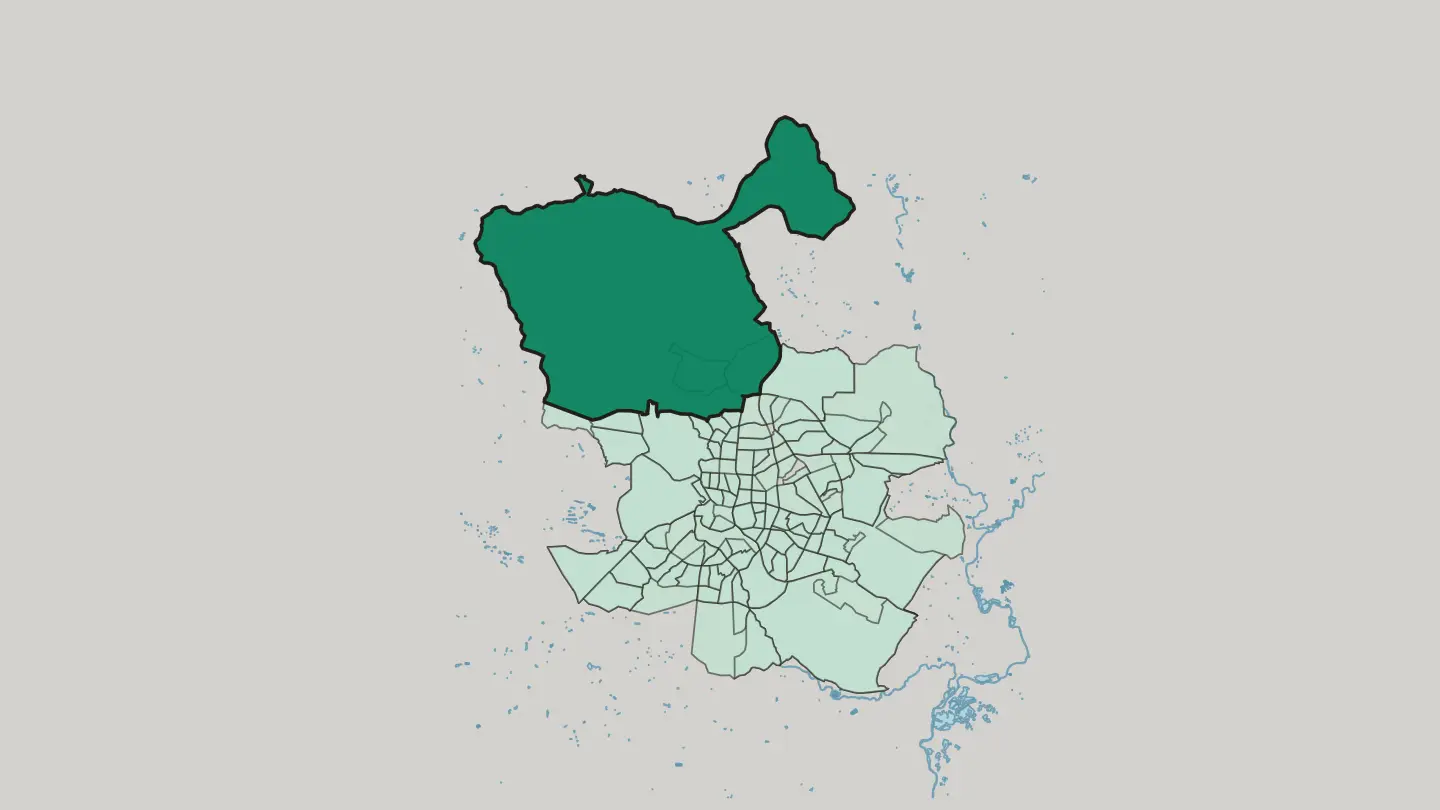 MadridSpain
Rosas
Rosas is a district of Madrid whose ground holds the archaeological zone of Ciudad Pegaso, O'Donnell and Cantera del Trapero.Where to stay →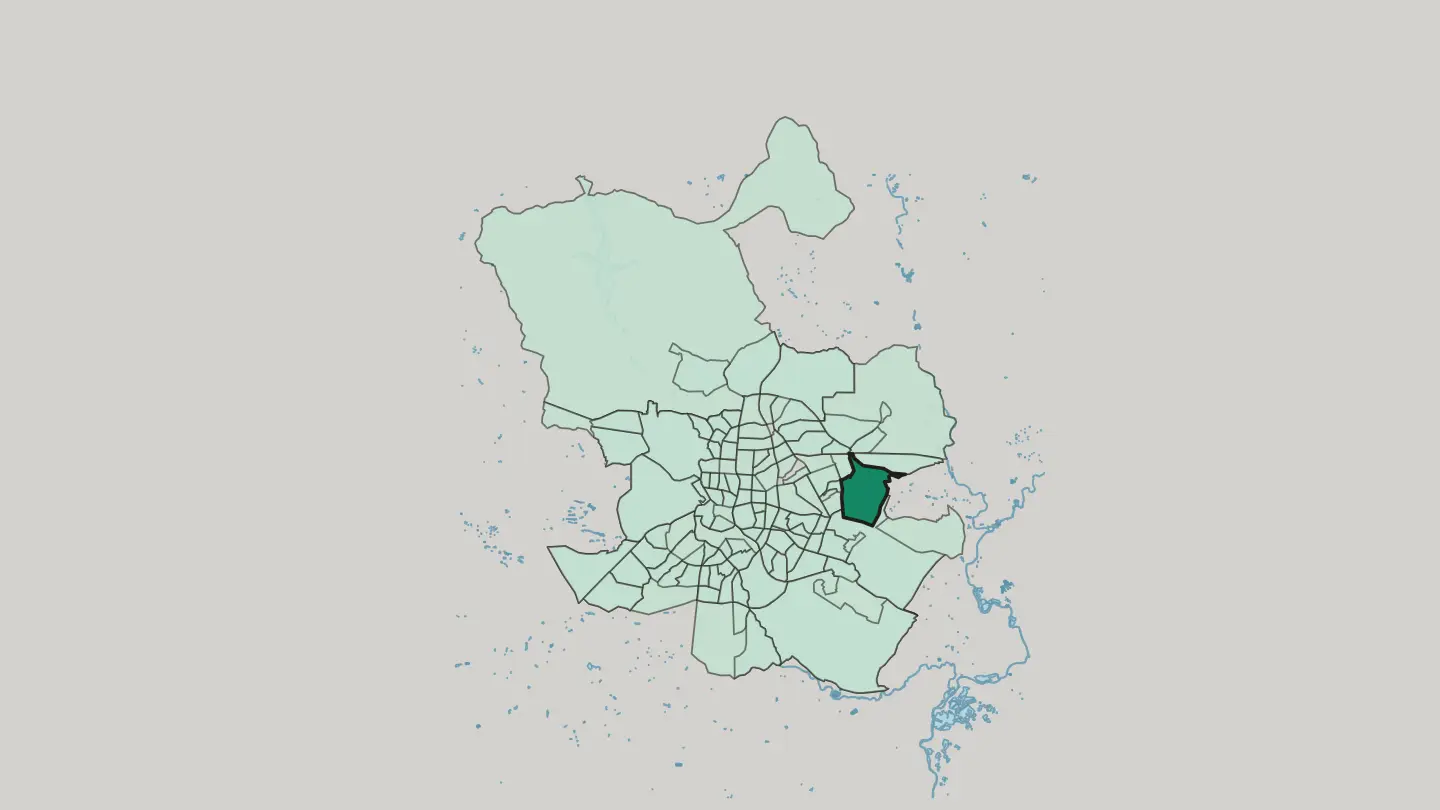
 MadridSpain
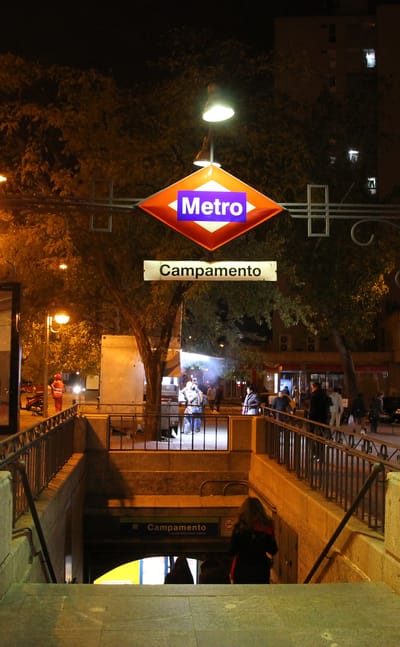
Campamento
Campamento is a district of south-western Madrid, Spain, marked by the Museo de Veterinaria Militar and the Antorcha monument.Where to stay →MadridSpainAmbroz
Ambroz is a former administrative neighbourhood of Madrid in the Vicálvaro district, merged into Casco Histórico de Vicálvaro in 2017.Where to stay →MadridSpain
Aravaca
Aravaca is a leafy residential district of Madrid, Spain, set around the Church of La Asunción de Nuestra Señora.Where to stay →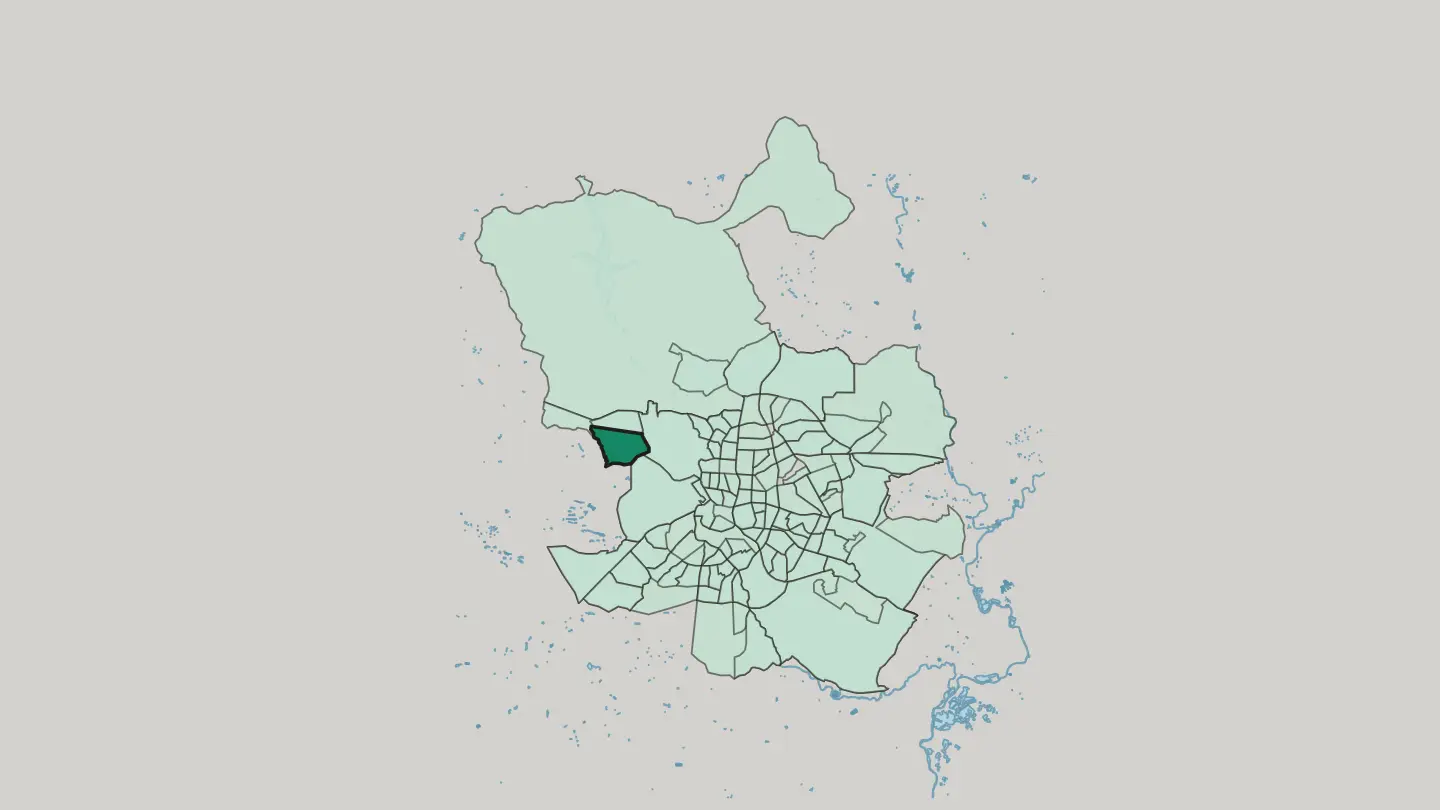
 MadridSpain
Cuatro Vientos
Cuatro Vientos is a district of Madrid, Spain, built around Cuatro Vientos Airport and the Museo de Aeronáutica y Astronáutica.Where to stay →MadridSpain
Mirasierra
Mirasierra is a residential district in northern Madrid, Spain, named for its long view toward the sierra.Where to stay →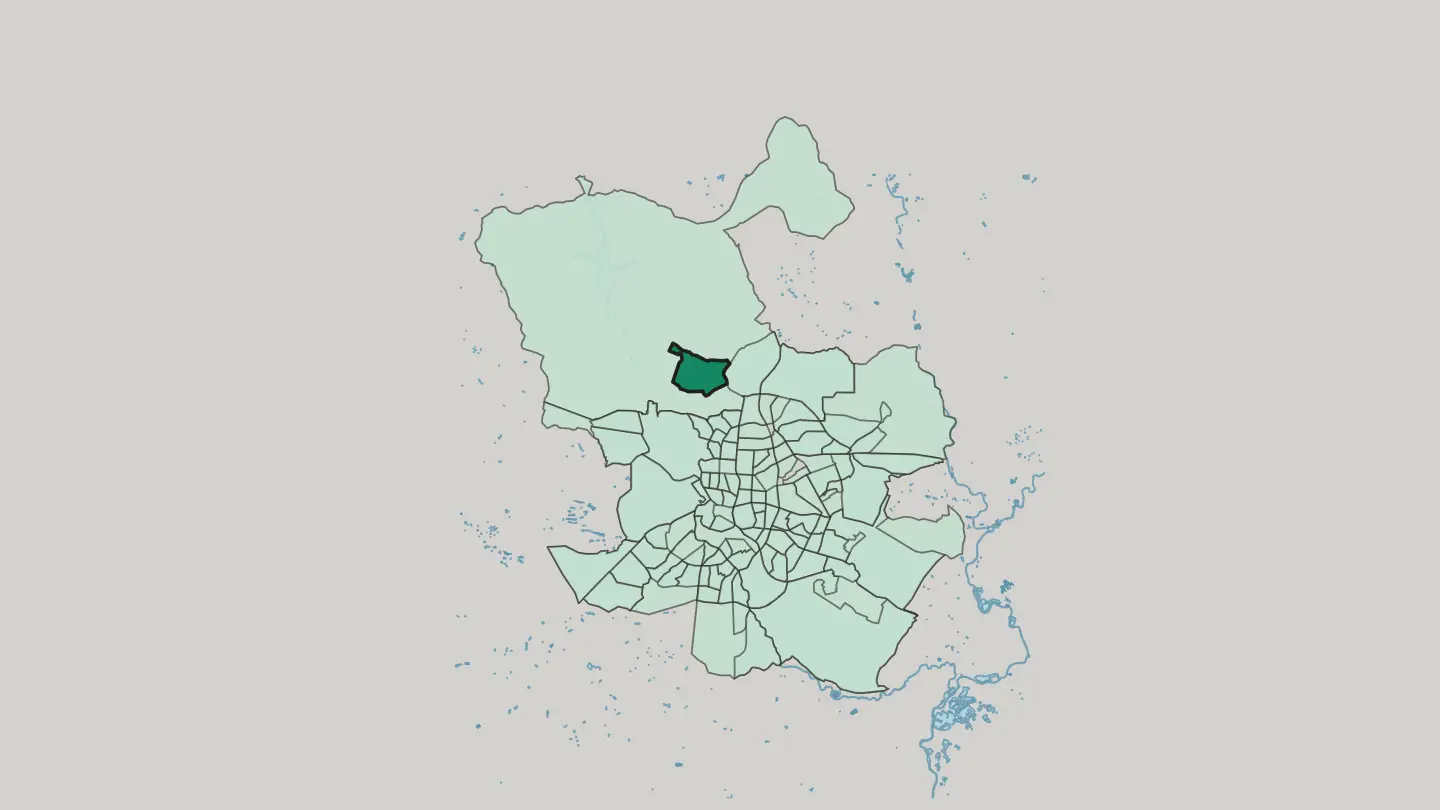 MadridSpain
Alameda de Osuna
Alameda de Osuna is a district of Madrid, Spain, in the Barajas area, with the old castle of La Alameda at its core.Where to stay →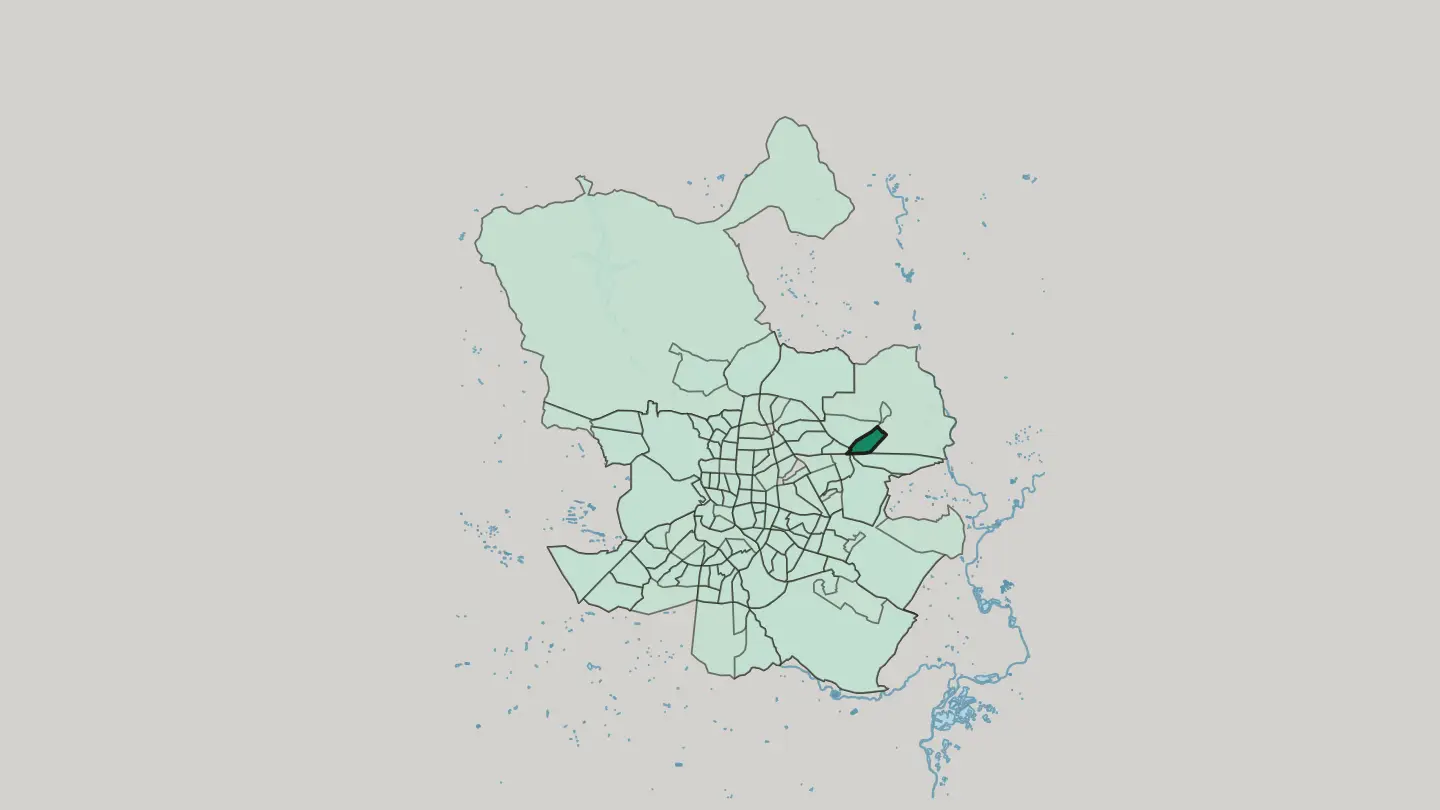
 MadridSpain
Fuencarral
Fuencarral is a neighbourhood in the northern part of Madrid, an ancient town annexed by the city in 1950 and grouped under Fuencarral-El Pardo.Where to stay →MadridSpain
Corralejos
Open parkland and an old castle define Corralejos, a district of Madrid holding Juan Carlos I Park and the castle of La Alameda.Where to stay →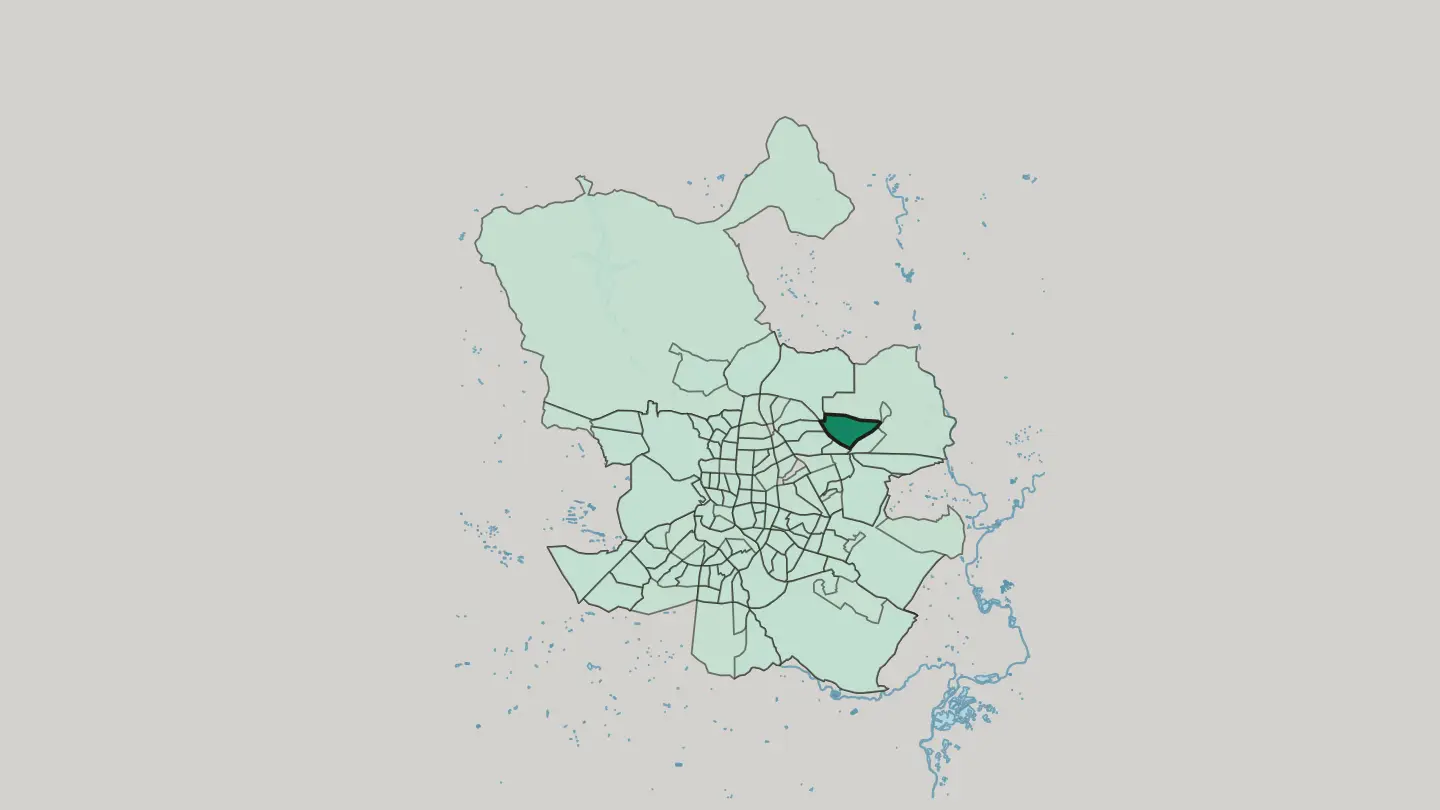 MadridSpain
Valdemarín
The Postal and Telegraph Museum stands in Valdemarín, a quiet residential quarter of the city of Madrid, Spain.Where to stay → MadridSpain
Valdefuentes
Valdefuentes spreads across the newer edge of Hortaleza, a residential ward of the city of Madrid, Spain.Where to stay →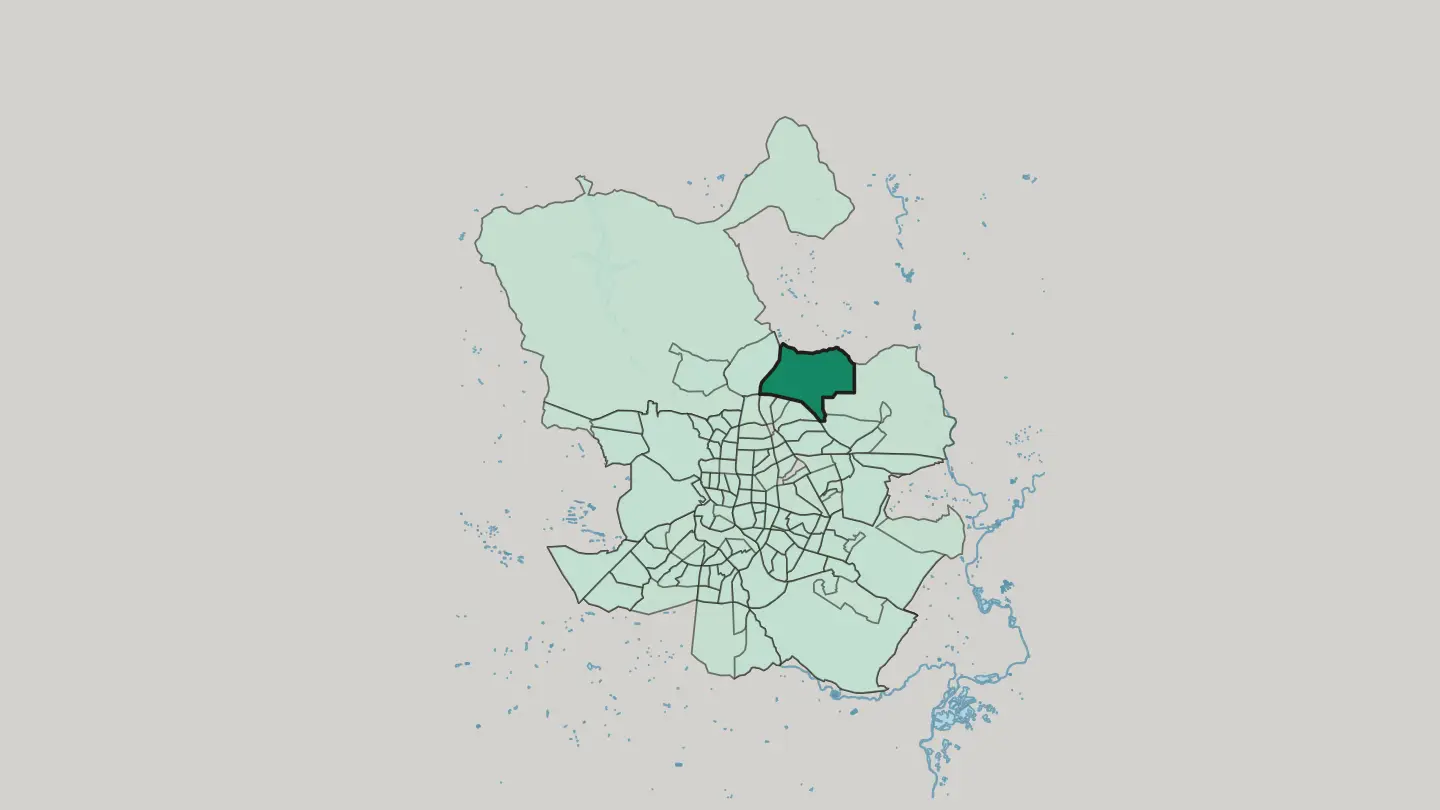 MadridSpain
Rejas
Rejas is a district of Madrid, Spain, one of the local quarters within the wider municipality of the city.Where to stay → MadridSpain
Las Tablas
Las Tablas is a planned quarter of Madrid's Valverde barrio, in Fuencarral-El Pardo, built in the 2000s under the 1997 Plan General de Ordenación Urbana.Where to stay →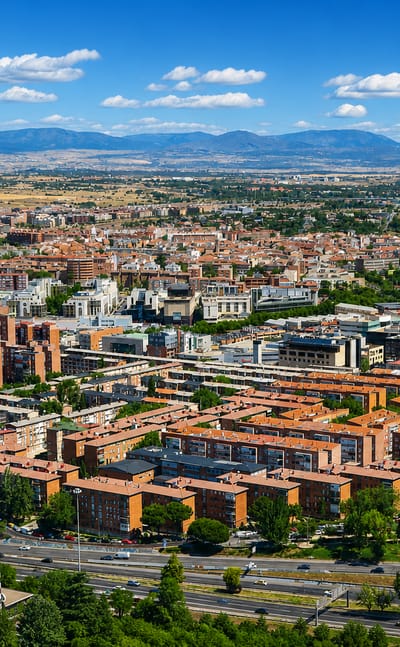 MadridSpain
Valverde
Valverde is a district of Madrid, Spain, known for the Central Lechera Clesa and the Museum Zapadores, Ciudad del Arte.Where to stay →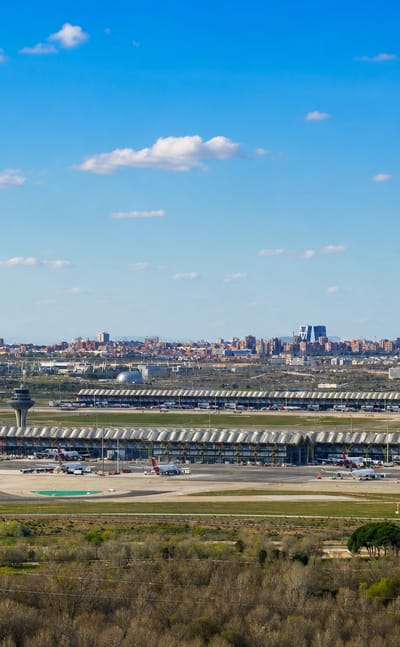 MadridSpain
Barajas de Madrid
Barajas de Madrid is an eastern district of Madrid, Spain, gathered around the castle of La Alameda and the Church of San Pedro Apóstol.Where to stay →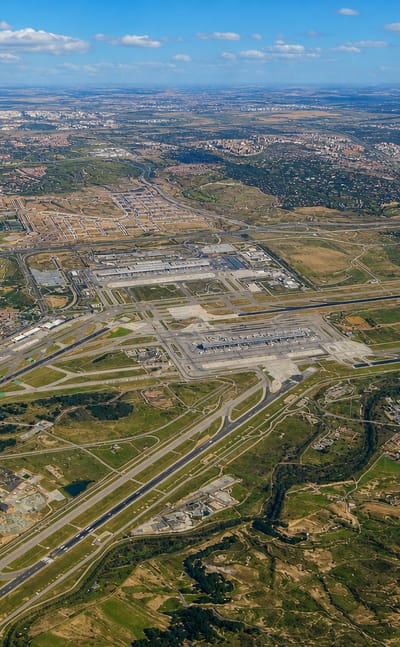 MadridSpain
Casco Histórico de Barajas
Casco Histórico de Barajas is the old core of the Barajas district of Madrid, Spain, around the Church of San Pedro Apóstol.Where to stay →MadridSpainEl Plantío
El Plantío is a ward of Madrid inside the district of Moncloa-Aravaca, covering roughly three and a half square kilometres.Where to stay →Hotel links are affiliate links: booking through them may earn us a commission, at no extra cost to you. It never affects how places are ranked. How this works
Things to do in Madrid
Ranked by global recognition; descriptions from Wikidata (CC0).
Museums & Galleries
8- Museo del Prado Heritage
- Museo Nacional Centro de Arte Reina Sofía Heritage
- Temple of Debod Heritage
- National Museum of Archaeology Heritage
- Cerralbo Museum Heritage
Show 3 more →
- Sorolla Museum Heritage
- Real Botanic Garden of Madrid Heritage
- Museum of the Americas Heritage
Churches & Religious Sites
8- Royal Basilica of Saint Francis the Great Heritage
- Convent of Las Descalzas Reales Heritage
- Church of Saint Jerome the Royal Heritage
- Church of Saint Anthony of the Germans Heritage
- Pontifical Basilica of St. Michael Heritage
Show 3 more →
- Royal Chapel of St. Anthony of La Florida Heritage
- Church of Saint Manuel and Saint Benedict Heritage
- San Sebastian Church Heritage
Castles & Historic Sites
8- Royal Palace of Madrid Heritage
- Crystal Palace Heritage
- Palacio de Cibeles Heritage
- Teatro Real Heritage
- Liria Palace Heritage
Show 3 more →
- Market of San Miguel Heritage
- Palace of Linares Heritage
- Colegio del Pilar Heritage
Stadiums & Sports
3- Caja Mágica
- Palacio Vistalegre
- M86 Swimming Center
Parks & Gardens
2- El Retiro Park Heritage
- Parque de Atracciones de Madrid
Landmarks & Notable Places
3- Velintonia Heritage
- Casa Oswald
- Peironcely 10, Madrid
worth knowingacross 6 categories in Madrid
About Madrid
What is Madrid known for?
Madrid is known as the capital and largest city of Spain, a centre of art, government, and national life. The city holds some of the finest art collections anywhere, among them the Museo del Prado, the Museo Reina Sofía, and the Thyssen-Bornemisza Museum. The Prado anchors it all.
Grand avenues and squares open out from the old core, past the Royal Palace of Madrid and the green expanse of El Retiro Park, on ground set high across the central Iberian Peninsula. The capital carries both.
What are the main landmarks in Madrid?
Madrid centres its landmarks on the Museo del Prado, one of the world's foremost picture galleries. The Prado leads a chain of museums that includes the Museo Reina Sofía and the Thyssen-Bornemisza Museum, while the Royal Palace of Madrid and the Teatro Real anchor the old court district. Green space matters too.
El Retiro Park and the Real Botanic Garden of Madrid open up beside the museums, and the small stone Temple of Debod looks out from the edge of the old centre. The city wears its history in stone.
What is the history of Madrid?
Madrid took shape as a settlement on the River Manzanares, its recorded founding placed in 1083, high on the plains of the central Iberian Peninsula. For its early centuries it was a modest inland town, one of many on the interior, with little to mark it out. Then the crown arrived.
Chosen as the seat of the Spanish court, Madrid rose from a provincial town into the capital of Spain, and its fortunes have followed the state ever since. Power made the city. As the capital, Madrid gathered the institutions, palaces, and collections of a great state around it.
The Royal Palace of Madrid rose as the seat of the court, and grand museums such as the Museo del Prado grew into the pillars of the city's cultural life. Avenues and squares were laid out on a scale to match. Through Spain's long and often turbulent history, the capital stayed the country's political, economic, and cultural centre, drawing people and power inward from across the peninsula.
The city still carries that layered past in its palaces, parks, and galleries, a capital built up over centuries beside the Manzanares.
Where is Madrid?
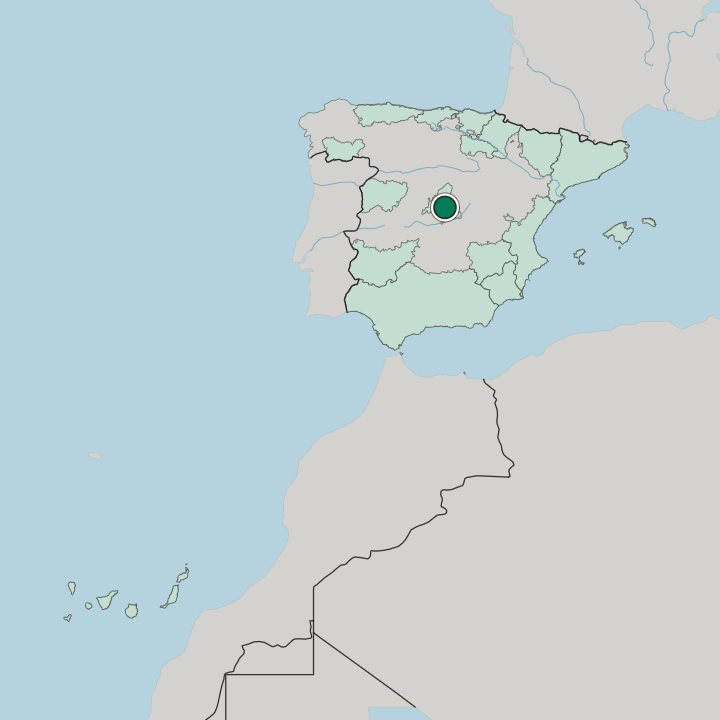
Madrid stands high on the plains of the central Iberian Peninsula, on the River Manzanares. The city sits well inland, far from any coast, on ground raised above the surrounding country of the interior. Altitude marks it out.
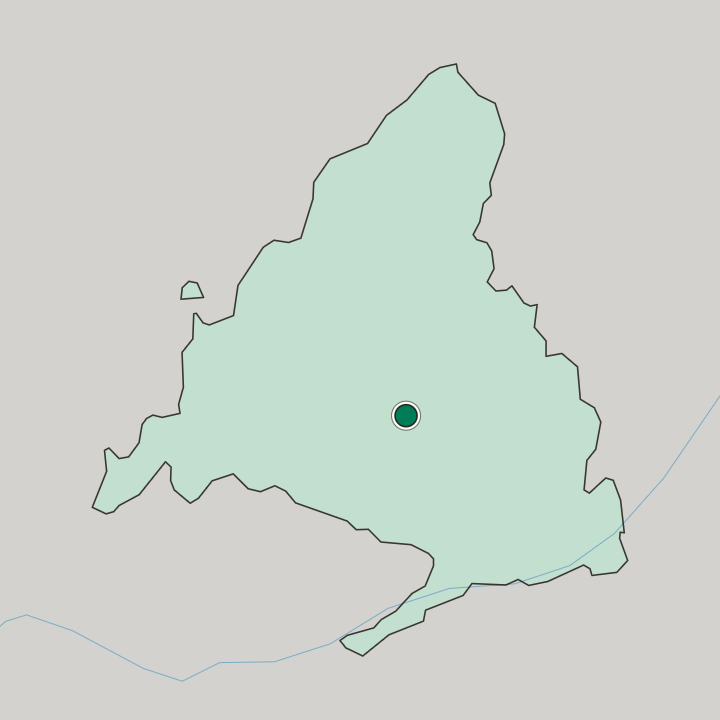
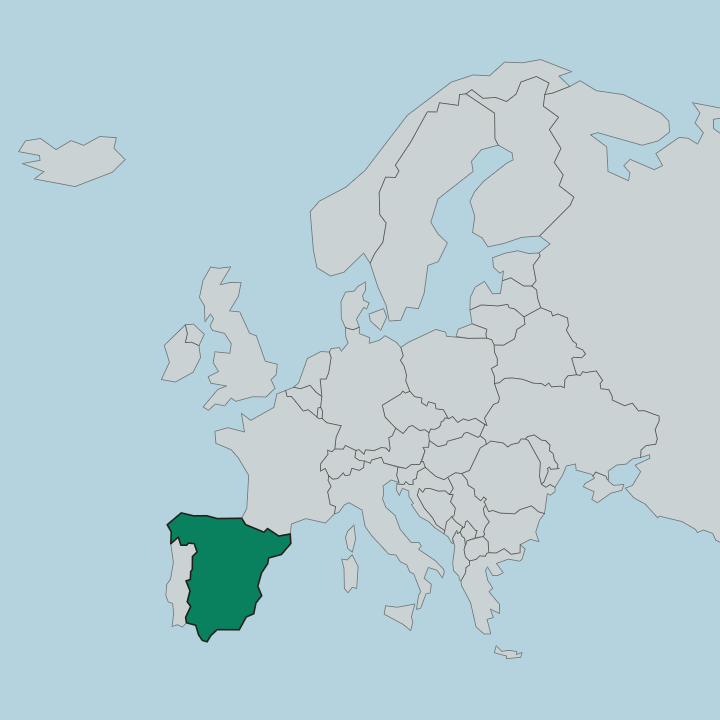
As the capital of both Spain and the surrounding Comunidad de Madrid, it lies near the geographic middle of the country, set within the wider community it names.
What is Madrid like?
Madrid feels like a capital built for the street, its life spilling into plazas, terraces, and long evenings. The city runs on art and sociability, from the galleries of the Museo del Prado to a nightlife that stretches toward dawn. Spanish is the language of it all.
Around the Royal Palace of Madrid and El Retiro Park, the grand and the everyday sit close together, and the pace holds late into the night across the Spanish capital.
What is the climate of Madrid?
Madrid has the dry, continental climate of the high inland interior. Summers run hot and bright under a clear sky, while winters turn cold, the city's altitude sharpening both ends of the year. The River Manzanares crosses the city.
Standing far from any sea on the central Iberian Peninsula, Madrid feels little softening from the coast, and its air stays dry through much of the year.
How do you get to Madrid?
Madrid, as the capital of Spain, is the country's chief point of arrival. Air, rail, and road routes reach the city from across the Iberian Peninsula, converging on a capital that sits near the middle of the country. Madrid's old core is tightly drawn.
Once in Madrid, the Museo del Prado, the Royal Palace of Madrid, and El Retiro Park stand close together, an old core small enough to cross on foot.
Common questions
What is the best area to stay in Madrid?
Madrid Centro: a first visit in the historic core. Palacio: landmark views by the royal core. Retiro: leafy calm beside the city park.
Good for
More cities in Comunidad de Madrid
Updated October 2026