Finland · Central Finland
Where to Stay in Keuruu, Central Finland
Keuruu is a railway and church town in Central Finland, set in the lakeland with the junction of Haapamäki.
Find your area →


Where to stay in Keuruu
Not every neighbourhood fits every trip — here's what each one is good for.
Keuruu offers a modest stock of beds for a railway and church town of the Central Finland lakeland, with a small hotel or guesthouse in the centre and cottages out along the water. The core around the Keuruun rautatieasema and the Keuruun kirkko suits visitors arriving by train or wanting the shops and the church on foot. For shops and church on foot, it sits best.
The rail village of Haapamäki, gathered around the old junction and the wooden Haapamäen rautatieasema, makes a second centre to the west, while out across the broad municipality the forests and lakes carry cabins near the wilderness chapel of Pihlajaveden erämaakirkko at Pihlajavesi. Stock thins beyond the two centres. Many travellers keen on the local past stay near the Keuruun vanha kirkko and the Keuruun museo, while others sleep in the larger towns of Central Finland and drive in for the day.
Book ahead in summer, when the lakeside cottages around Keuruu fill and the few rooms by the stations go early.
Things to do in Keuruu
Ranked by global recognition; descriptions from Wikidata (CC0).
Museums & Galleries
2- Keuruun vanha kirkko Heritage
- Keuruun museo
Churches & Religious Sites
3- Pihlajaveden erämaakirkko Heritage
- Keuruun kirkko Heritage
- Pihlajaveden kirkko Heritage
Landmarks & Notable Places
2- Asunnan rautatieasema-alueen pumppuaseman hoitajan asuintalo Heritage house
- Keuruun rautatieasema-alueen asuinrakennus Heritage
worth knowingacross 3 categories in Keuruu
About Keuruu
What is Keuruu known for?
Keuruu is known for its railways and its old churches, a town of the Central Finland lakeland built around the line and the water. The junction at Haapamäki made it a rail hub, and the wooden Haapamäen rautatieasema still stands as the sign of that age. Rails shaped the place.
The log Keuruun vanha kirkko of 1758 holds the historic centre, the wilderness chapel of Pihlajaveden erämaakirkko keeps a remote parish in the forest, and the Keuruun museo gathers the local past beside the lakes.
What are the main landmarks in Keuruu?
The Haapamäen rautatieasema is the landmark that tells Keuruu's railway story, the wooden junction depot that made Haapamäki a rail hub of Central Finland. The log Keuruun vanha kirkko of 1758 stands over the historic centre, one of the oldest wooden churches of the lakeland. Faith and rails sit side by side.
The wilderness chapel of Pihlajaveden erämaakirkko keeps a remote forest parish at Pihlajavesi, the parish church of Keuruun kirkko serves the modern town, and the Keuruun museo gathers the local heritage beside the water.
What is the history of Keuruu?
Keuruu's history begins with the parish and ends with the rails. The settlement was set on its own footing when the parish was chartered in 1652, gathered first around the church by the water in the forest country of Central Finland. Keuruu's story opens with the parish, not the rails.
The log Keuruun vanha kirkko, raised in 1758 over the historic centre, still marks that older parish life by the lakeland, while remote forest congregations built their own houses such as the wilderness chapel of Pihlajaveden erämaakirkko deep in the woods at Pihlajavesi. The railway built the modern town. When the line drove through these forests and made Haapamäki a junction, the wooden Haapamäen rautatieasema rose at the meeting of the routes to draw trade, work and people.
A rail village grew at Haapamäki apart from the old church centre, its depots and yards giving the corner its name and its livelihood. Keuruu kept its own life around the Keuruun rautatieasema and the parish church of Keuruun kirkko, and the long story of parish and railway is now gathered in the Keuruun museo beside the lakes of Central Finland.
Where is Keuruu?
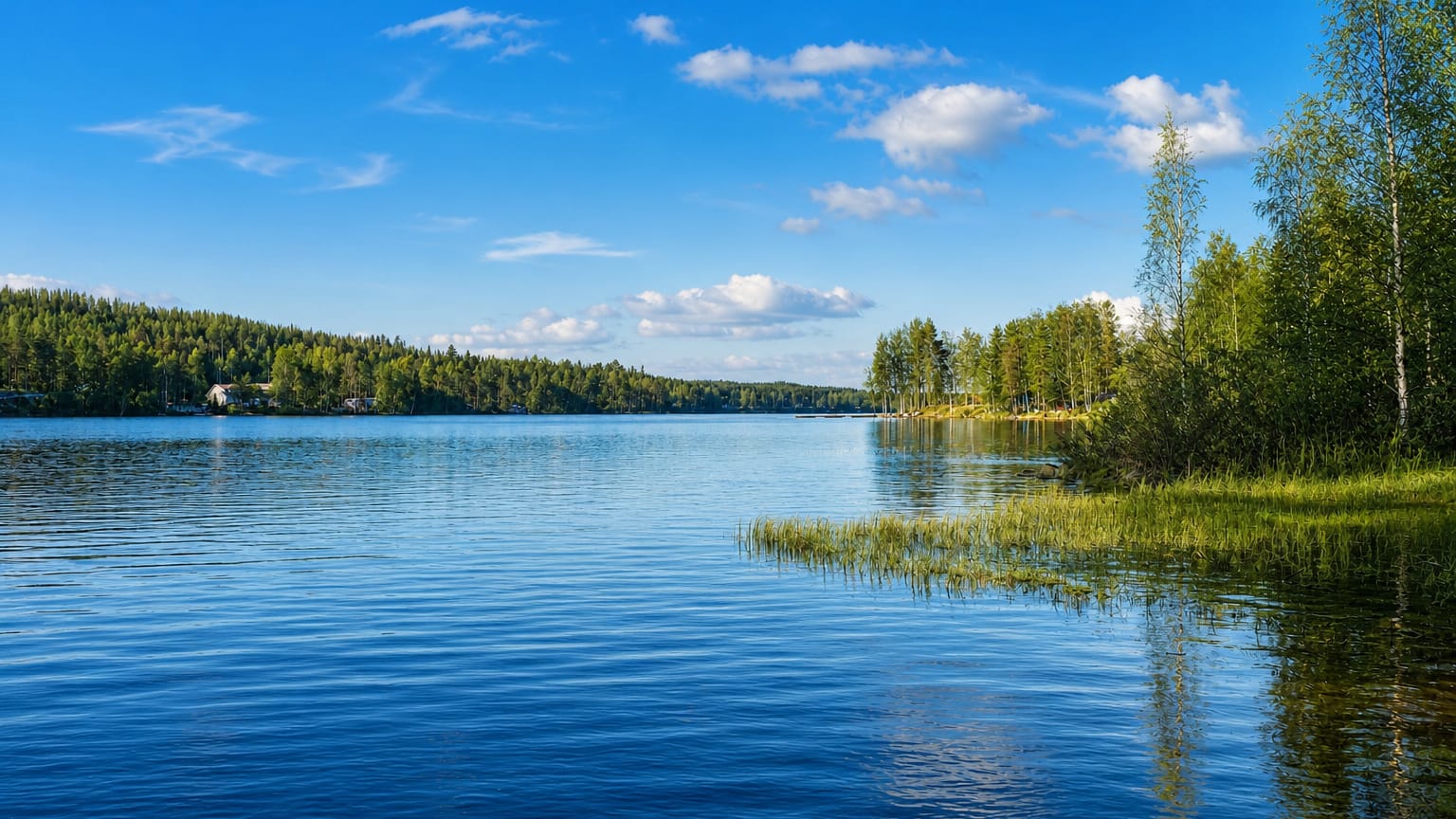
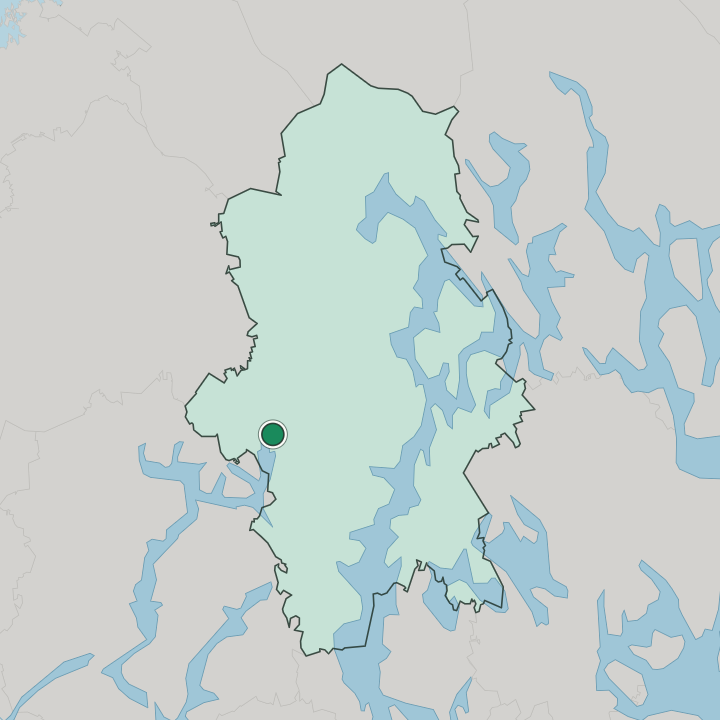
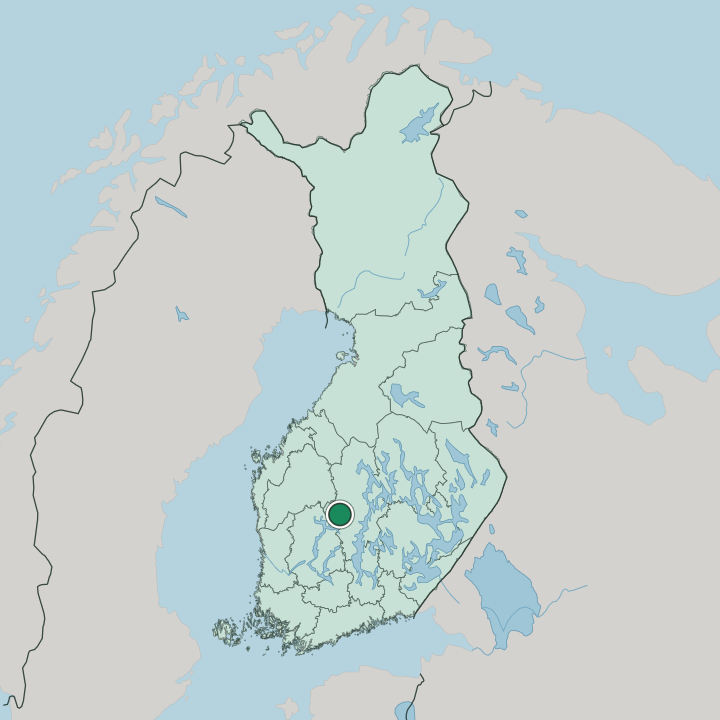
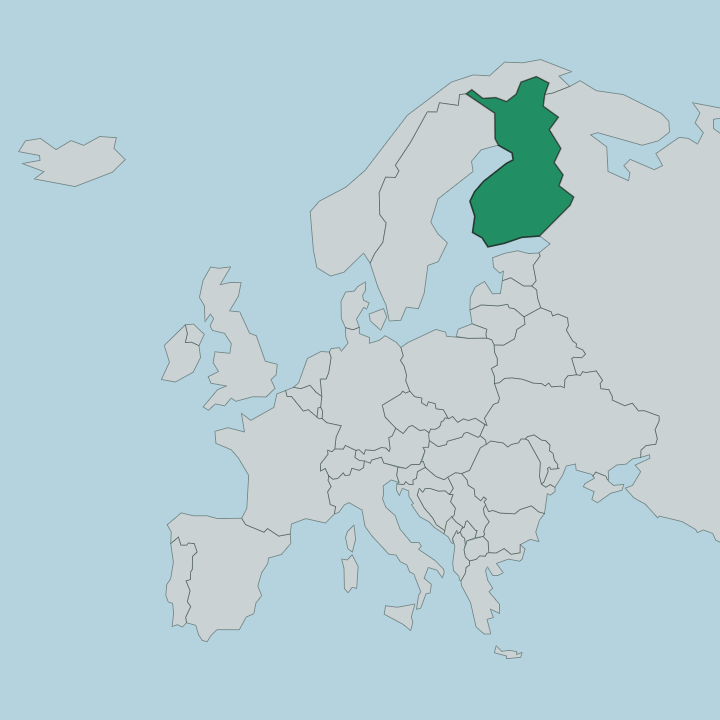
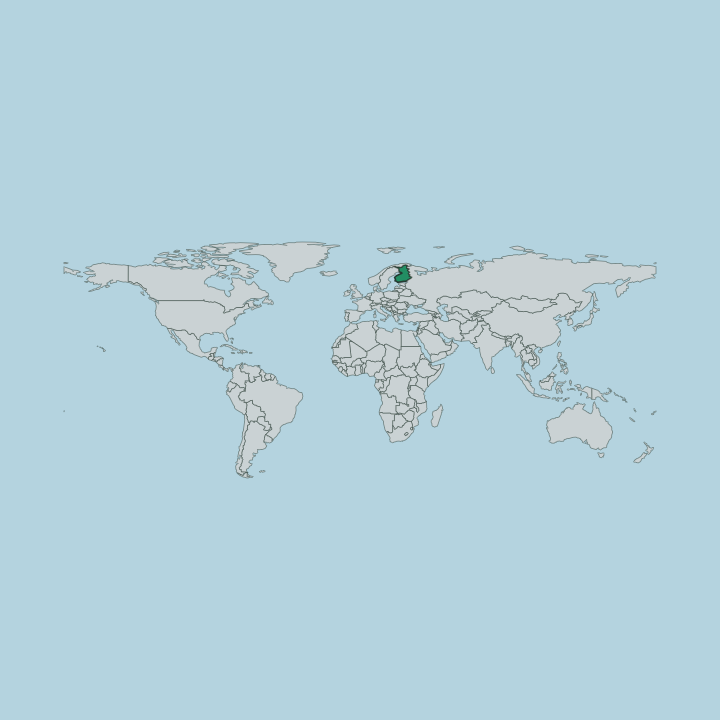
Keuruu lies in the lake-and-forest country of Central Finland, in the lakeland. Lakes, ridges and pinewoods fill the broad municipality, the town centre gathered by the Keuruun kirkko while water stretches out on every side. The lakeland runs wide here.
The rail village of Haapamäki sits to the west around its junction, the remote forest parish of Pihlajavesi lies off among the woods with its wilderness chapel, and lakes spread between the scattered villages of this corner of Central Finland.
What is the climate of Keuruu?
Keuruu has a cold inland climate, its seasons set hard by the lakes and forests of the Central Finland lakeland. Deep frost grips the water and the pinewoods around the town from early in the season until the late spring thaw. The cold holds for months.
Long northern daylight then warms the lakes and the ridges around Haapamäki and Pihlajavesi through the short growing season, the time when the cottages of the Central Finland lakeland fill before the snow returns to Keuruu.
How do you get to Keuruu?
Keuruu sits on the railway through the Central Finland lakeland, and the train is the classic way in. Services stop at the Keuruun rautatieasema in the centre and at the old junction of Haapamäki, where the wooden Haapamäen rautatieasema once gathered routes from several directions. By rail, travellers still arrive here.
Road and bus also reach the town, linking Keuruu to the larger cities of Central Finland, and visitors from farther off come through those towns before the last stretch into the lakeland.
Good for
More cities in Central Finland
Updated September 2026