Finland
Central Finland, Finland — Towns & Travel Guide
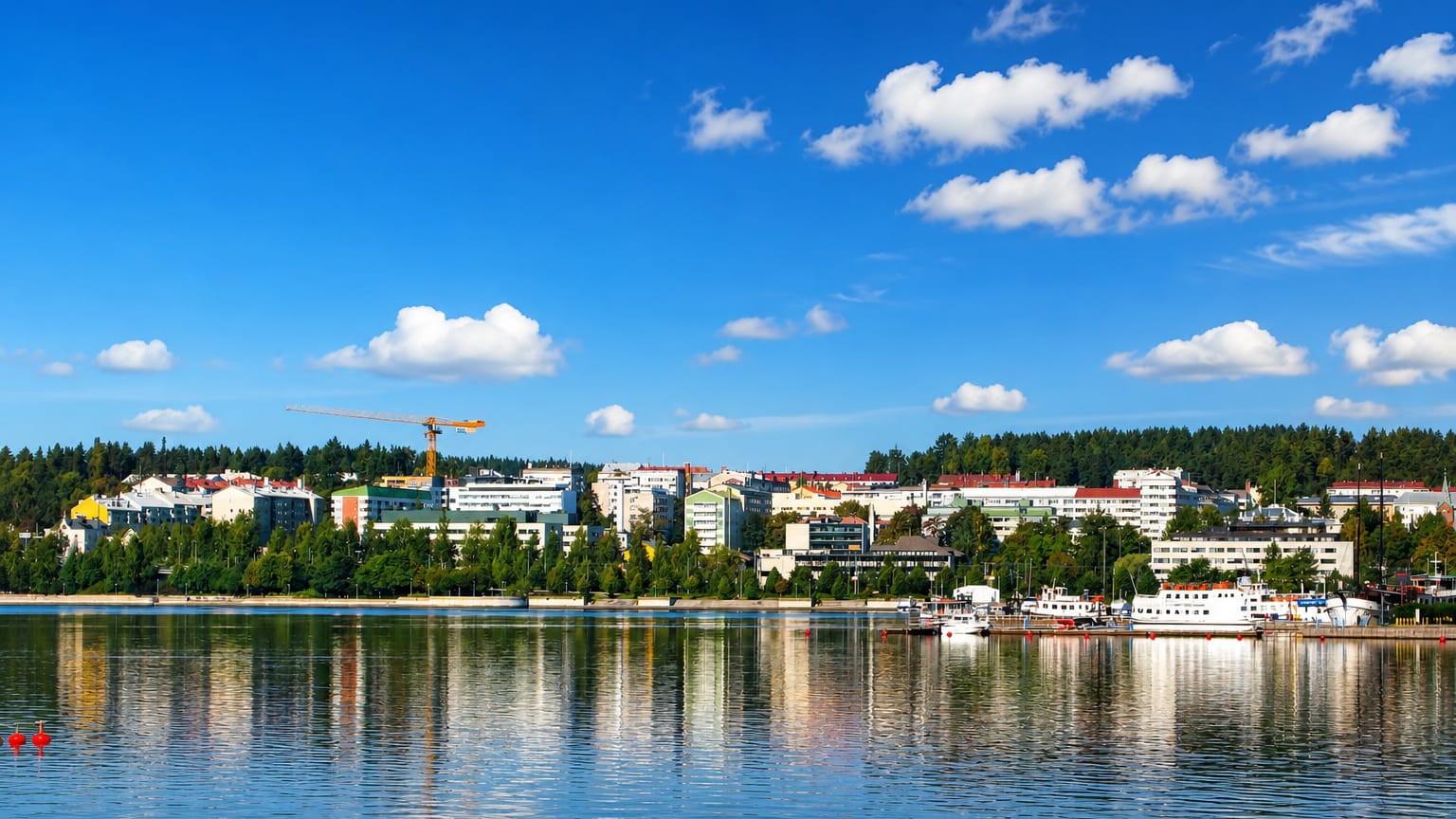
Central Finland is a hilly lake region in the heart of the country, the Finnish Lakeland around Jyväskylä.
Find your area →


Towns & cities in Central Finland
Pick a town or city — each links to where to stay.
 Finland
Jyväskylä
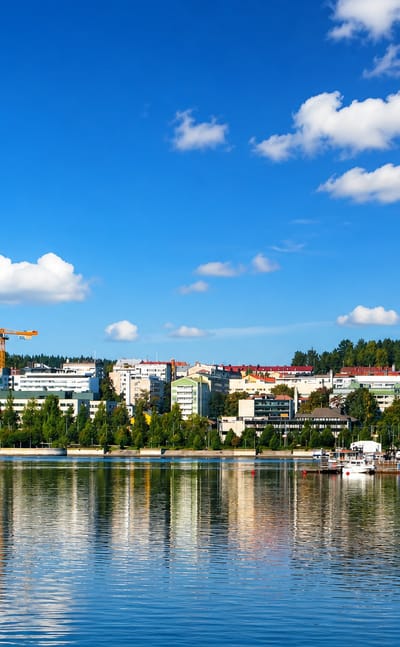
Jyväskylä is the regional capital of Central Finland, a university city set among the lakes and ridges of the lakeland.Where to stay →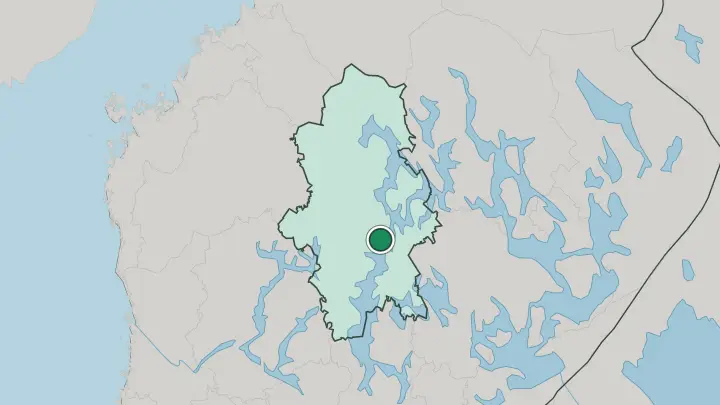
 Finland
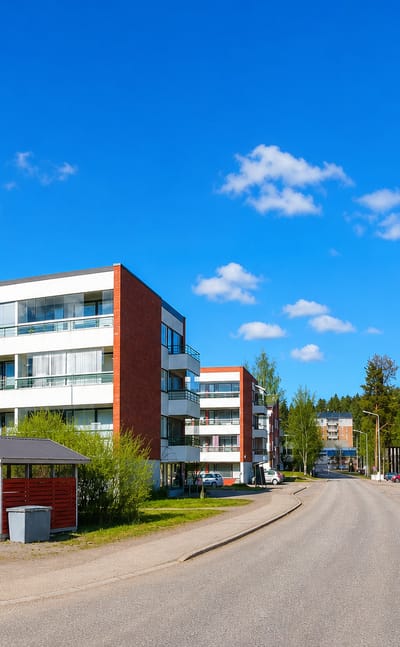
Jämsä
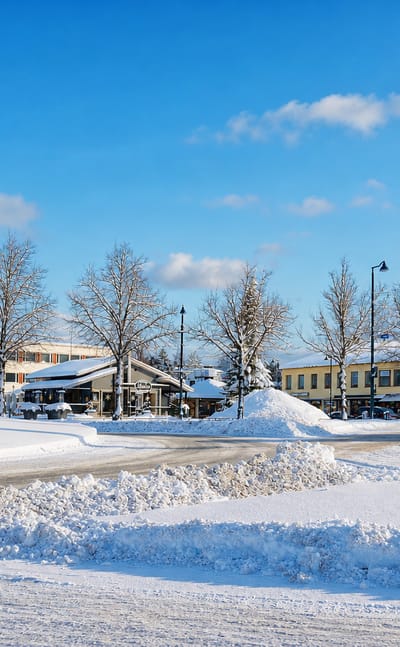
Jämsä is a town in central Finland, in the lakeland on the Jämsänjoki, home to the Himos ski resort.Where to stay →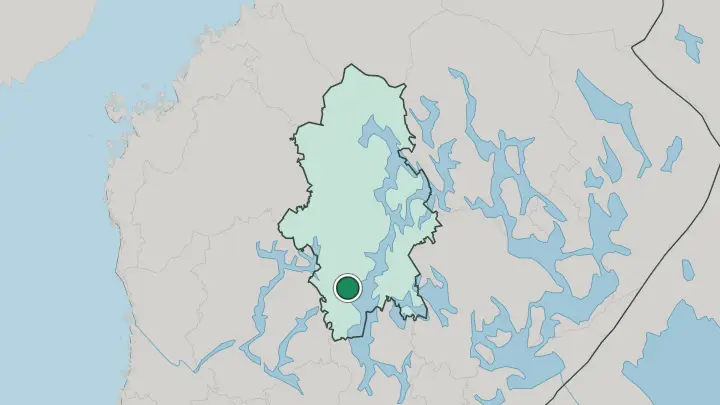
 Finland
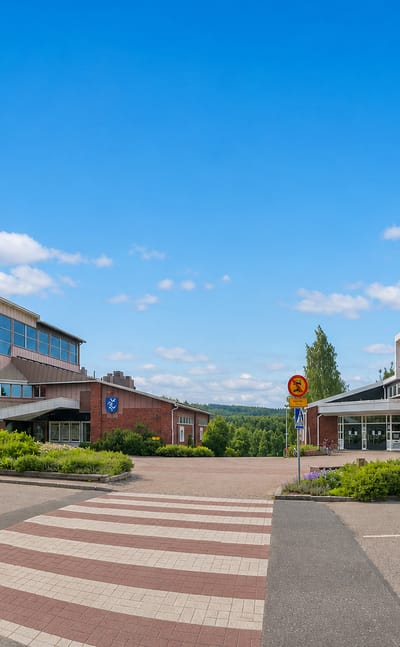
Laukaa
Laukaa is a municipality in Central Finland, in the lakeland, known for ancient rock paintings above its waters.Where to stay →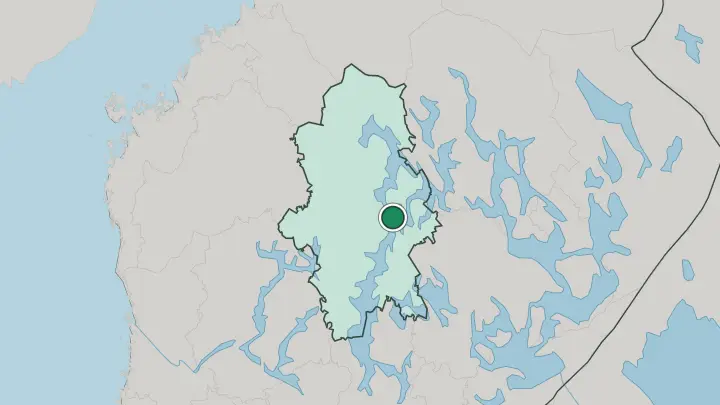
 Finland
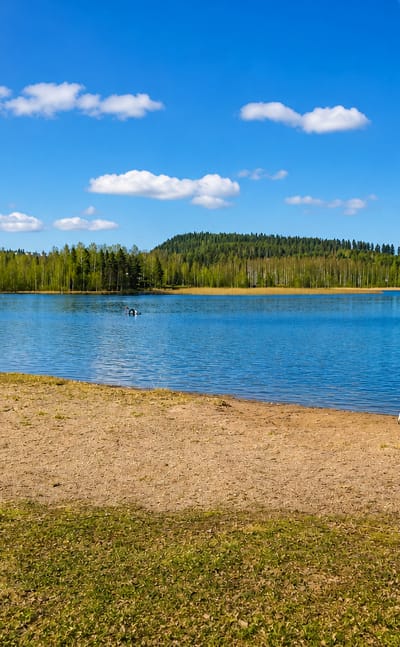
Äänekoski
Äänekoski is an industrial town in central Finland, in the lakeland north of Jyväskylä in Central Finland.Where to stay →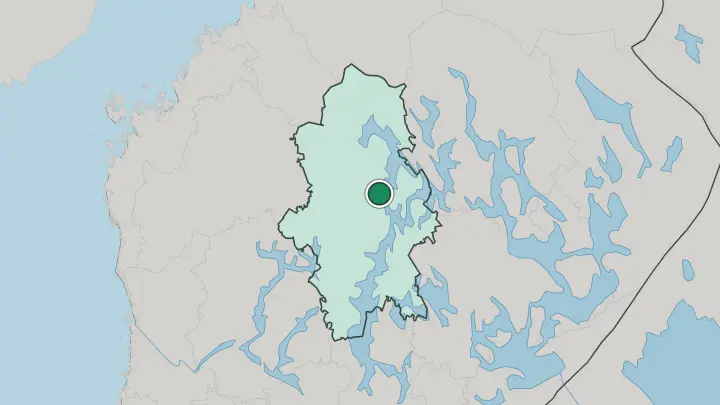
 Finland
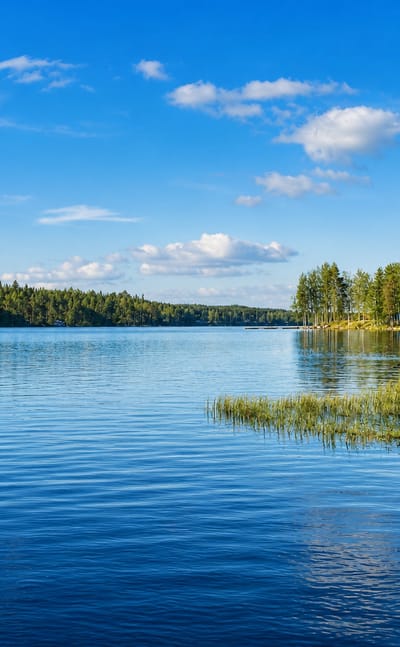
Muurame
Muurame is a lakeland town in Central Finland, gathered by the water around its modernist church.Where to stay →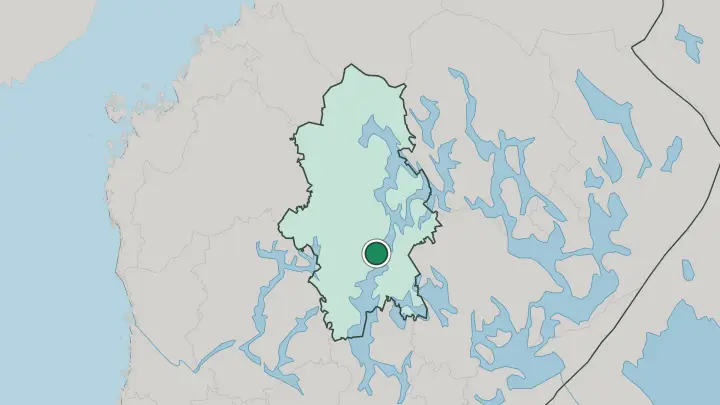
 Finland
Keuruu
Keuruu is a railway and church town in Central Finland, set in the lakeland with the junction of Haapamäki.Where to stay →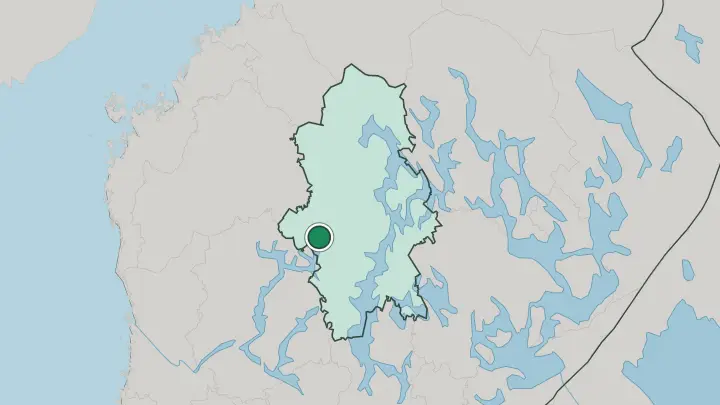
 Finland
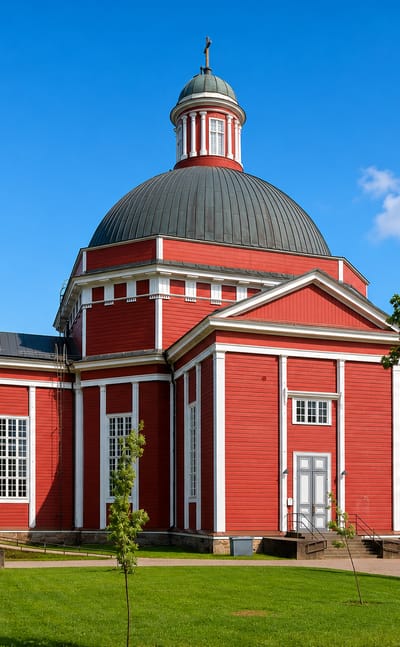
Saarijärvi
Saarijärvi is a lakeland town in Central Finland, its old wooden church and Stone Age sites set among the waters.Where to stay →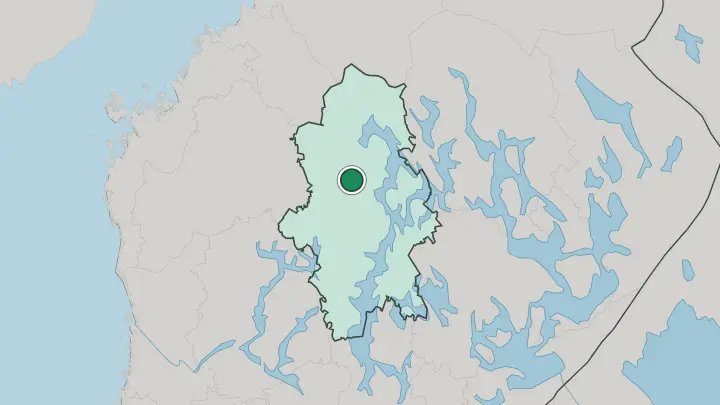
 Finland
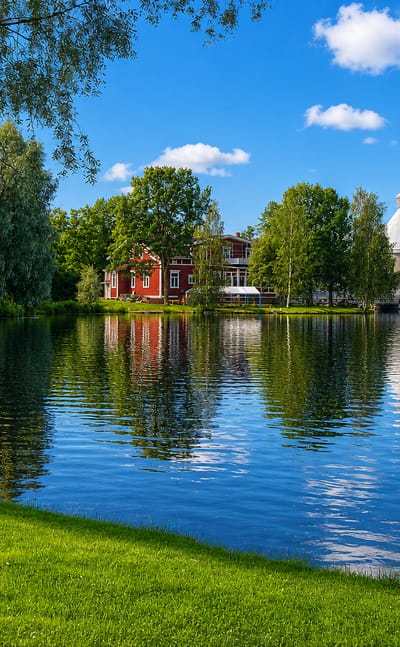
Jämsänkoski
Jämsänkoski is a former mill town in central Finland, in the lakeland on the Jämsänjoki near Lake Päijänne.Where to stay →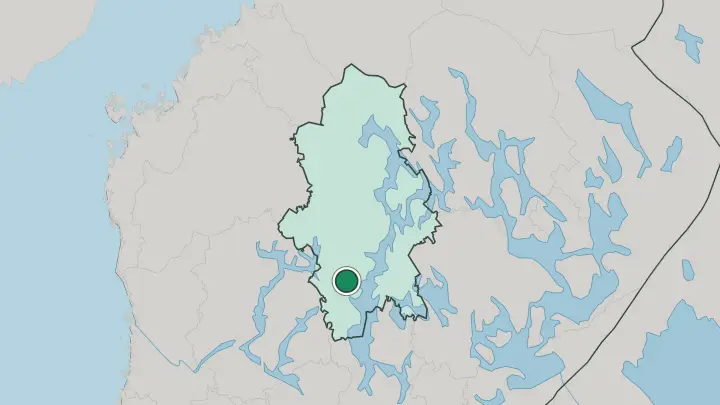
All towns & cities (25)
 Finland
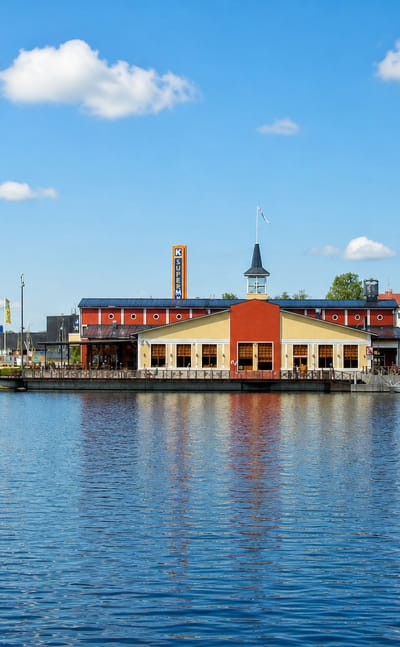
Viitasaari
Viitasaari is a lakeland town on Keitele in central Finland, ringed by water and forest.Where to stay →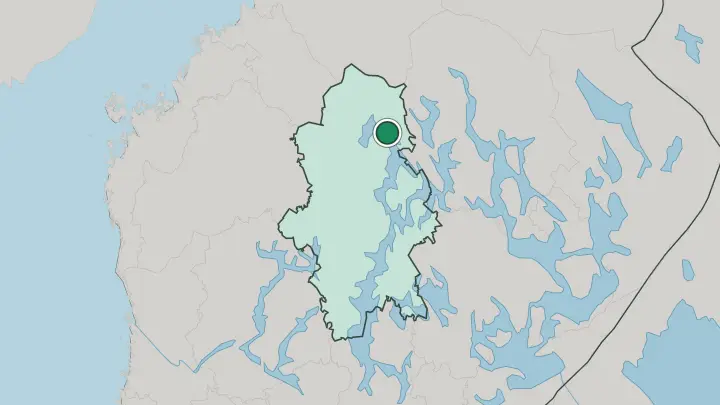
 Finland
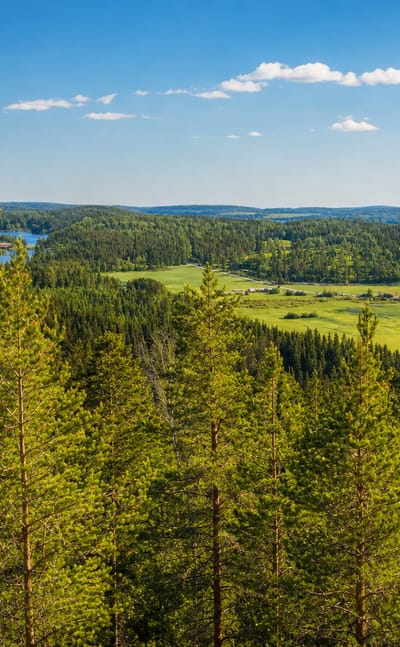
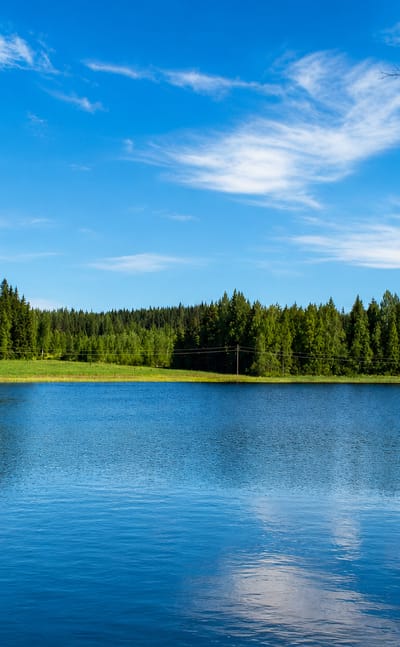
Korpilahti
Korpilahti is a lakeland church village in central Finland, a former municipality now part of Jyväskylä.Where to stay →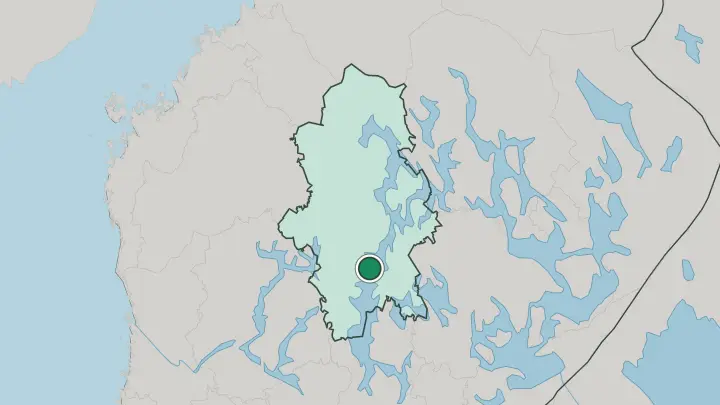
 Finland
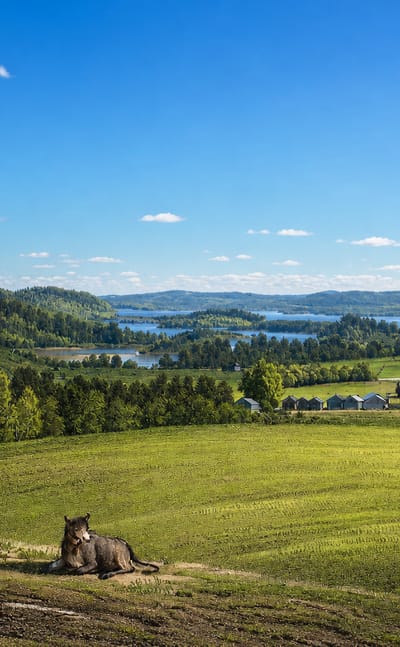
Hankasalmi
Hankasalmi is a lakeland municipality of Central Finland, set among islands and forests on the main railway line.Where to stay →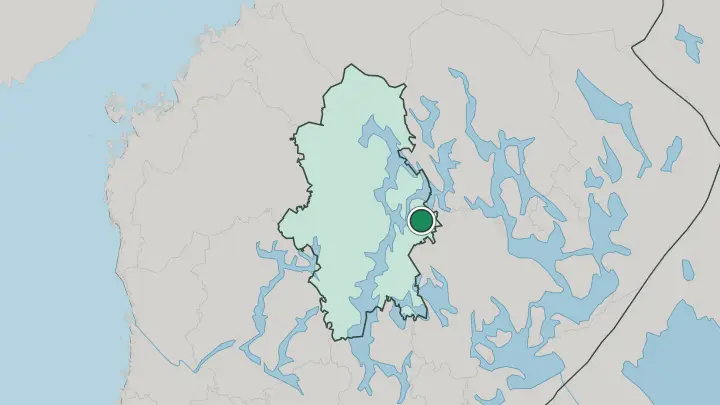
 Finland
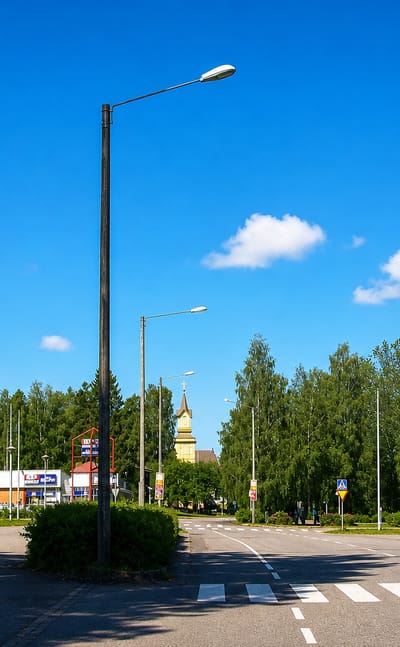
Joutsa
Joutsa is a lakeland municipality of Central Finland, its church town strung along the old Jousitie south of Jyväskylä.Where to stay →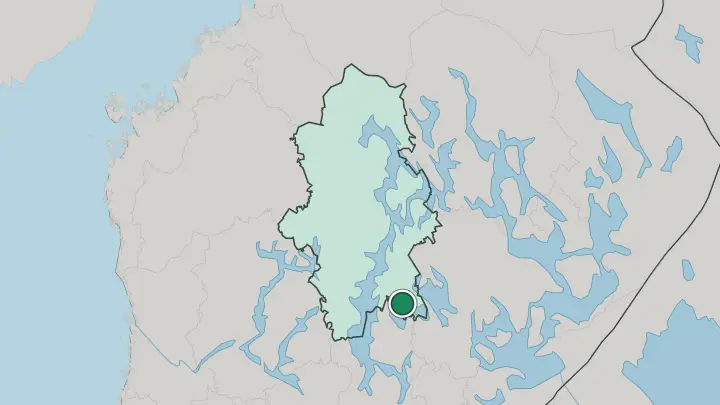
 Finland
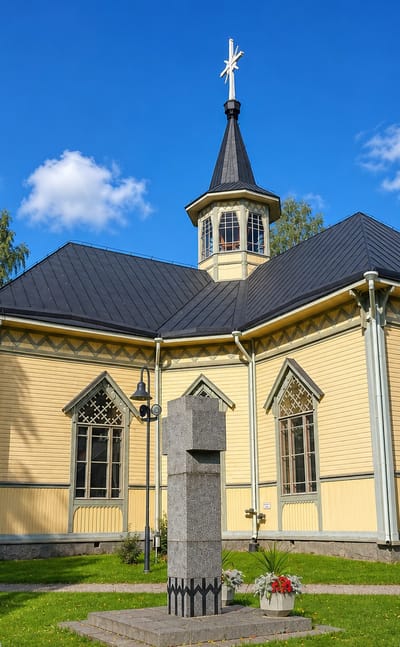
Pihtipudas
Pihtipudas is a broad rural municipality of Central Finland, in the lakeland, gathered around its church in the northern lakes.Where to stay →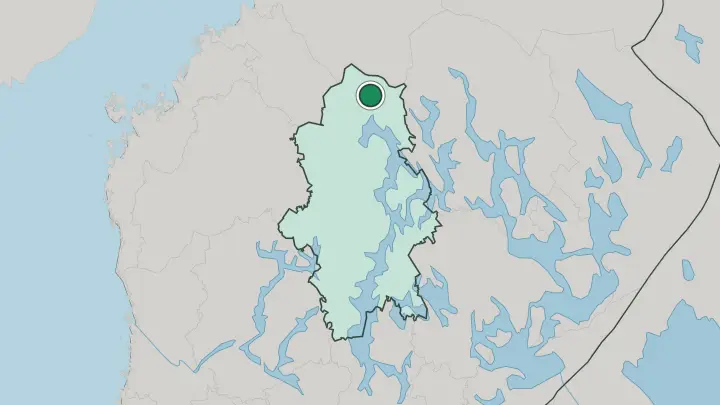
 Finland
Uurainen
Uurainen is a small rural municipality in Central Finland, in the lakeland of the country's interior.Where to stay →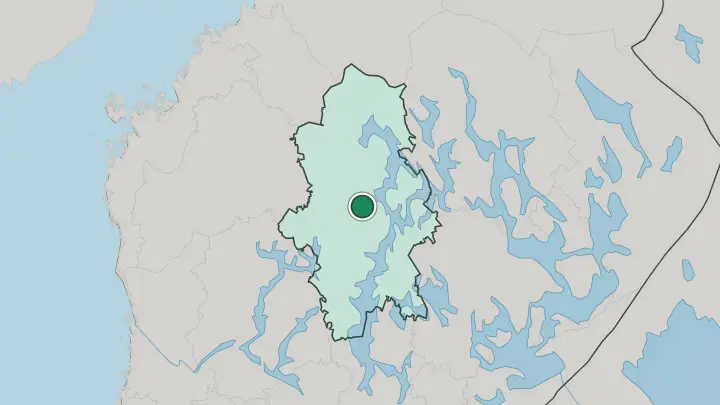
 Finland
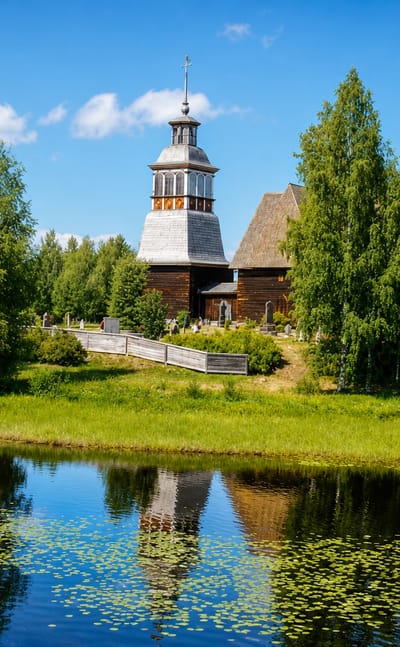
Petäjävesi
Petäjävesi is a lakeland municipality in Central Finland, home to a World Heritage wooden church.Where to stay →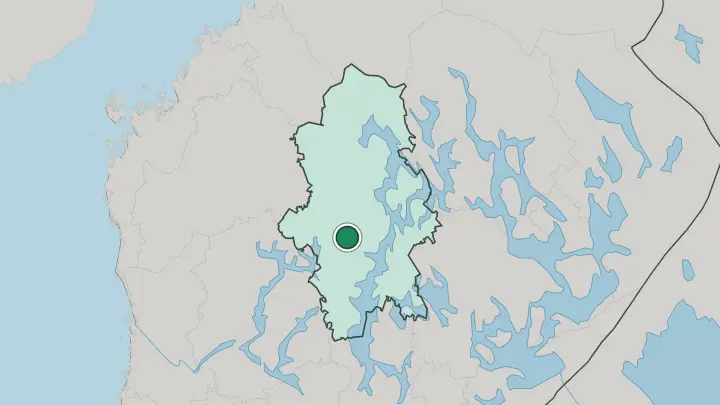
 Finland
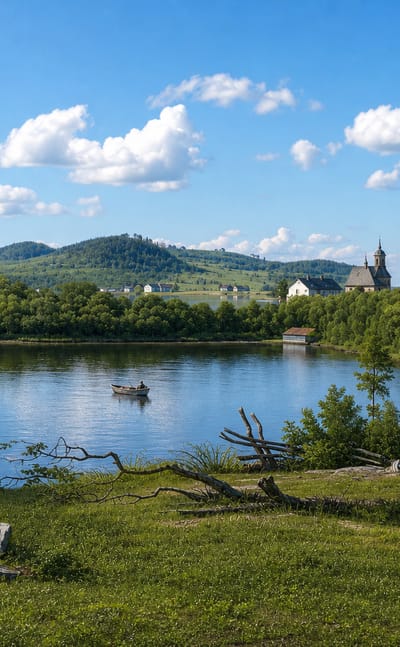
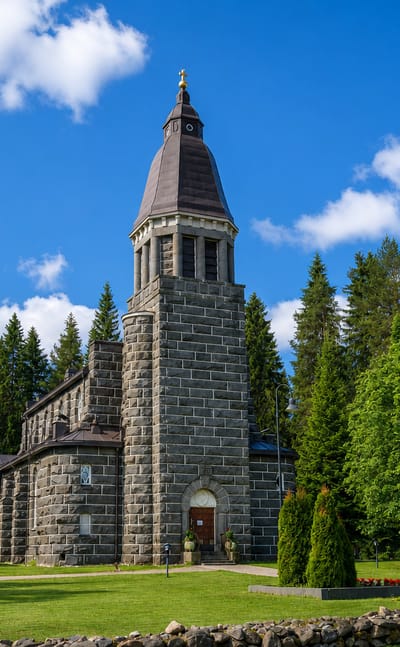
Karstula
Karstula is a lakeland municipality in central Finland, its church village set among the waters and forests of the interior.Where to stay →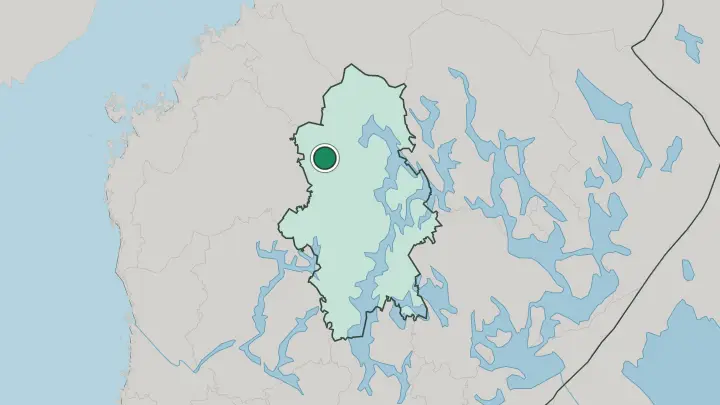
 Finland
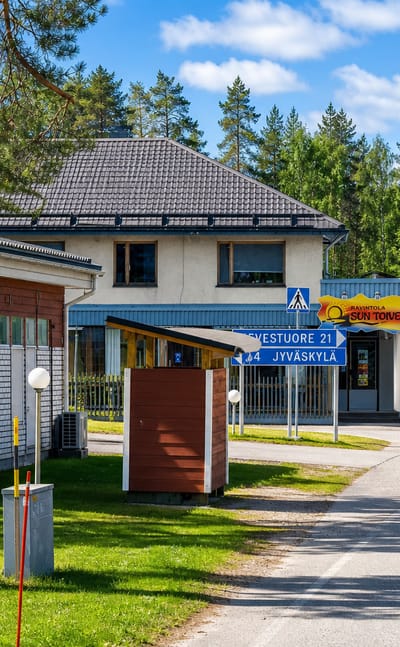
Konnevesi
Konnevesi is a lakeland municipality of Central Finland, a church village set among the islands of its namesake lake.Where to stay →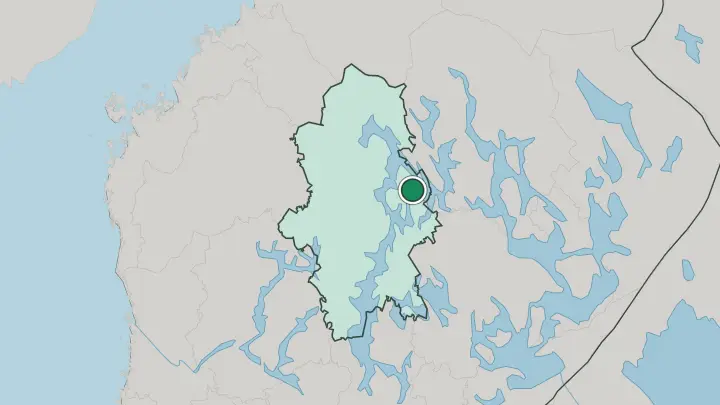
 Finland
Toivakka
Toivakka is a lakeland municipality in central Finland, a small Central Finland parish of forest, water, and a heritage church.Where to stay →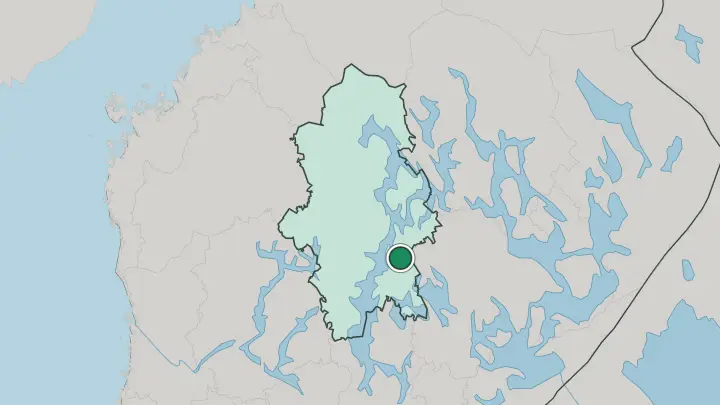 Finland
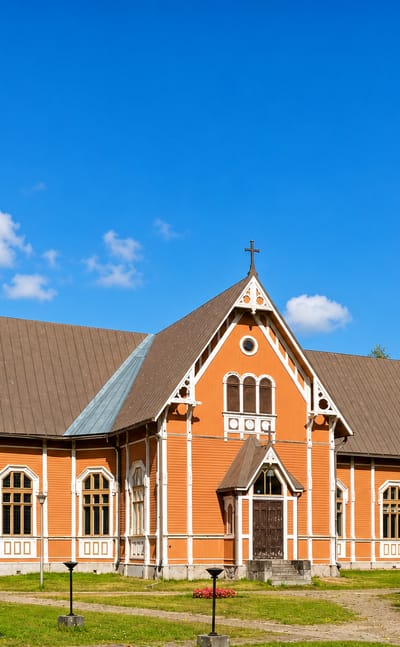
Kinnula
Kinnula is a small lakeland parish of Central Finland, in the central lakeland, gathered around the Kinnulan kirkko.Where to stay →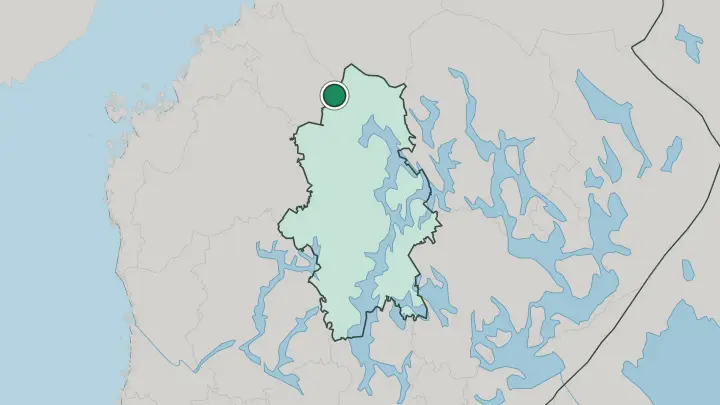
 Finland
Multia
Multia is a small forest-and-lake parish in Central Finland, gathered around its old village centre.Where to stay →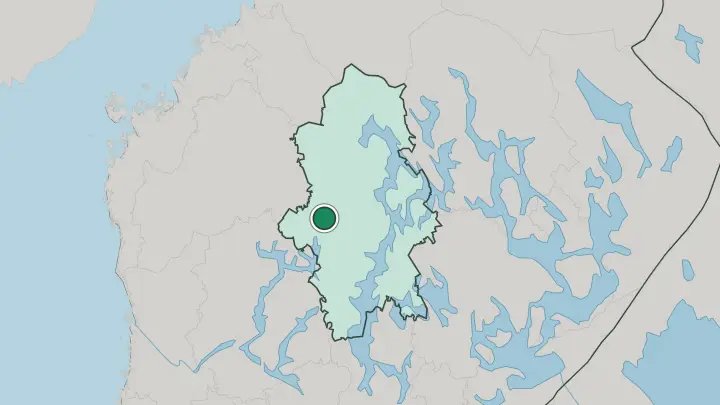
 Finland
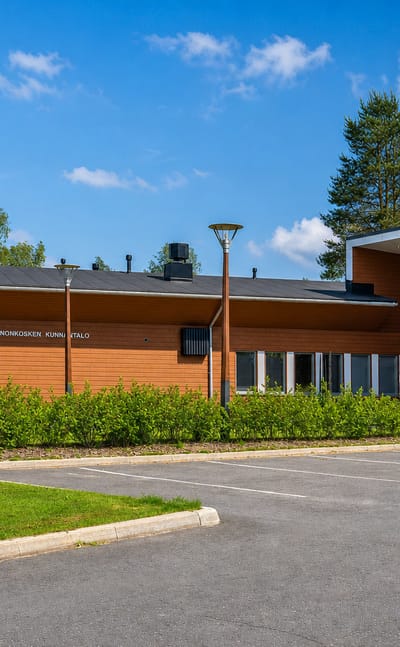
Kannonkoski
Kannonkoski is a small lakeland municipality of central Finland, a quiet church village on the Suomenselkä watershed.Where to stay →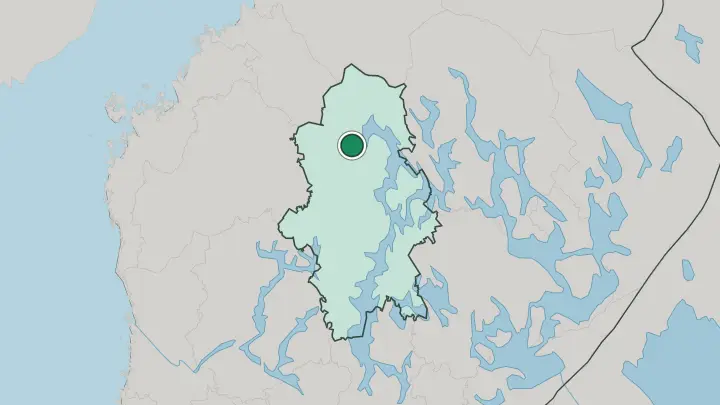
 Finland
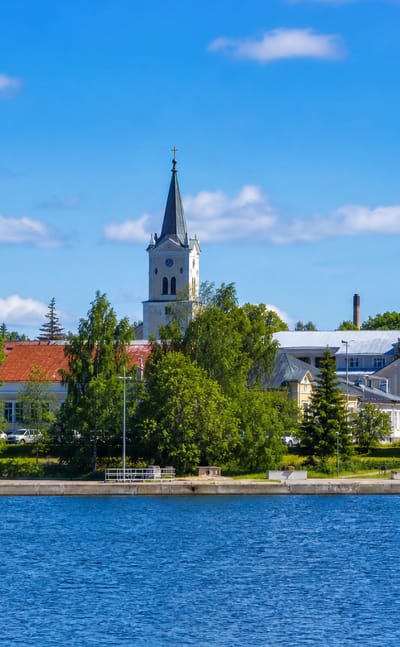
Kyyjärvi
Kyyjärvi is a small lakeland municipality in central Finland, named for the lake at its heart in Central Finland.Where to stay →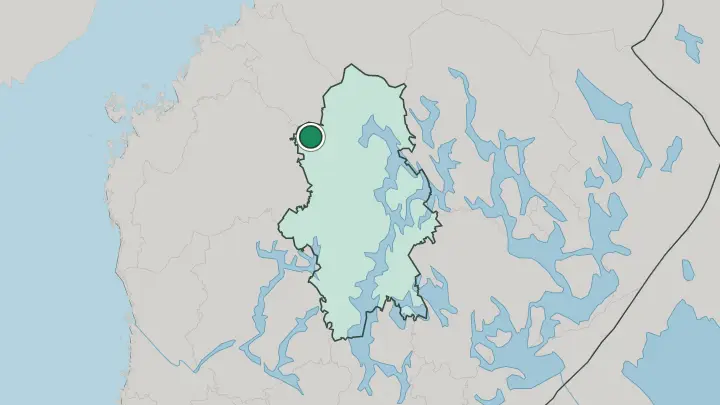
 Finland
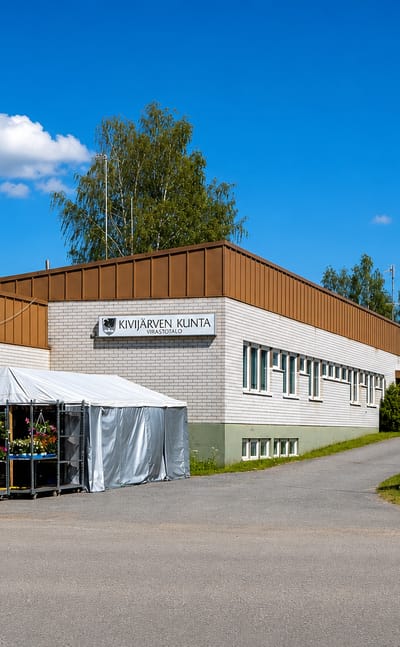
Kivijärvi
Kivijärvi is a small lakeside municipality in the lakeland of Central Finland, gathered around its parish church.Where to stay →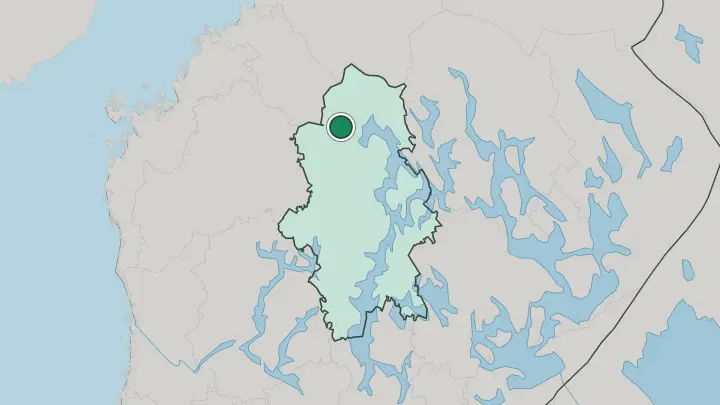
 Finland
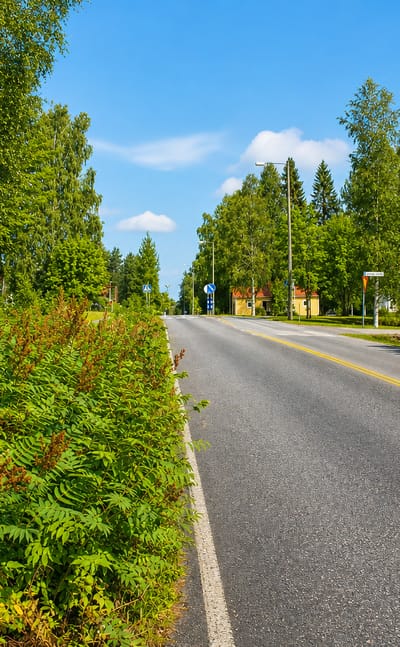
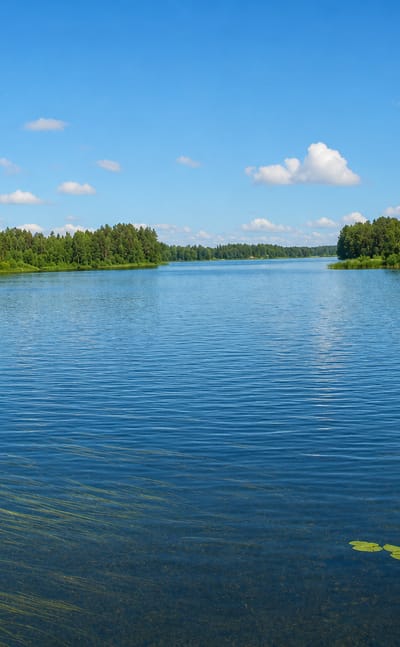
Pylkönmäki
Pylkönmäki is a small village in the lakeland of central Finland, a former municipality of Central Finland now part of Saarijärvi.Where to stay →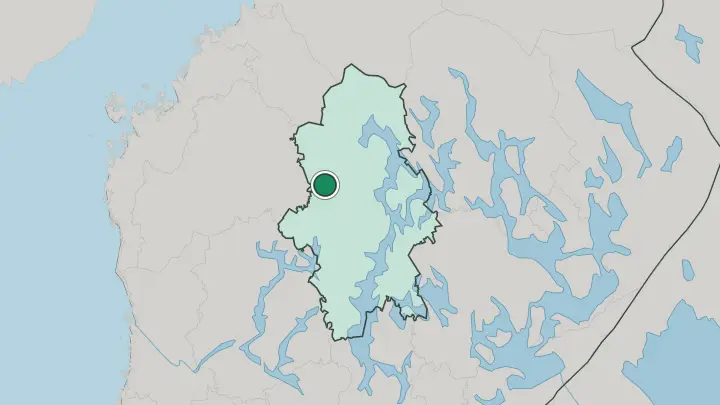
 Finland
Luhanka
Luhanka is a small lakeland municipality in Central Finland, set among the waters and forests.Where to stay →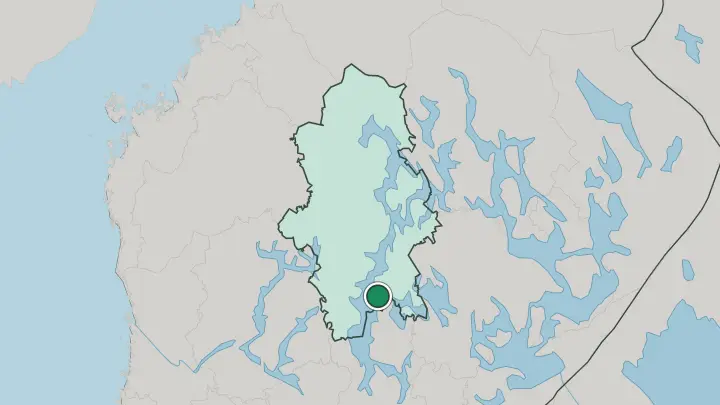
About Central Finland
Deep lakes and forested hills define this region.
What is Central Finland known for?
Jyväskylä, its hub city, grew around a university and holds the largest body of work by the architect Alvar Aalto anywhere. Petäjävesi keeps an old wooden church on the world heritage list. The mill towns of Äänekoski and Jämsänkoski sit on rapids that once powered paper.
Water, woodland, and a student city shape its character.
Where is Central Finland?
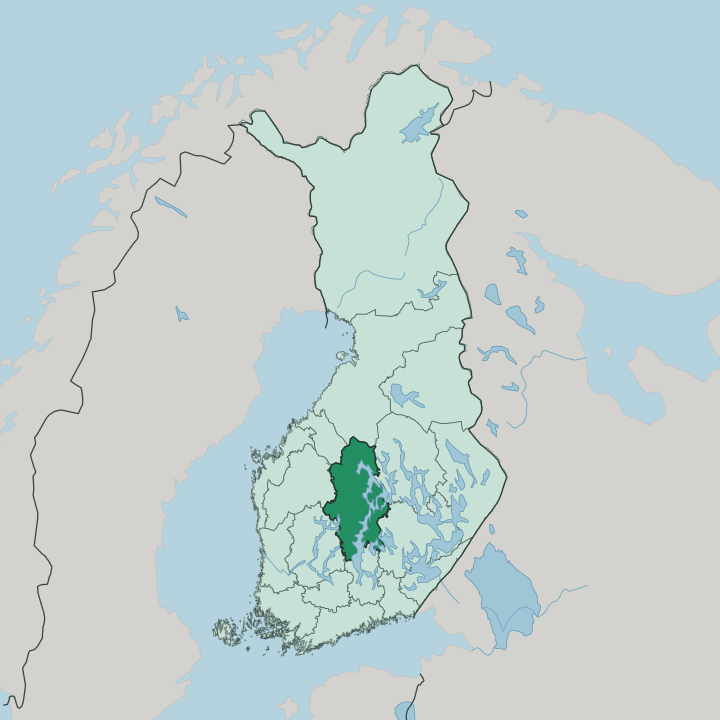
Central Finland lies in the Finnish Lakeland, a little south of the country's geographical centre. The land is hilly and thickly forested, broken by hundreds of lakes that are often deep and narrow for their size, gouged out by the ice and linked by short rivers and rapids. Jyväskylä sits at the southern end of this lake country, where the long waters of the Päijänne system reach up toward the central hills.
The region holds the upper basins that drain south through the great lakes toward the Gulf of Finland. Steep wooded ridges rise between the waters, and the rapids between the lakes once turned the mills of Äänekoski and Jämsänkoski. Central Finland borders Päijät-Häme and Pirkanmaa to the south, South Ostrobothnia and Central Ostrobothnia to the west, North Ostrobothnia and North Savo to the north, and South Savo to the east.
Lake, ridge, and forest repeat without end, and water lies in every hollow between the hills. Space and stillness shape the interior.
What is Central Finland like?
The region carries both a deep rural tradition and a strong student life. Generations of farmers and forest workers shaped the lakeland parishes, and the writer who first set Finnish village poverty into prose drew his world from the lakes around Saarijärvi. The dialect, the lake-fishing life, and the long sauna evenings on the shore run through the local identity.
Jyväskylä gives the region its modern, intellectual face. A teacher-training college founded in the nineteenth century grew into a full university, and the city earned a name as a centre of learning and of Finnish-language schooling. The architect Alvar Aalto spent his youth here and left a body of buildings that draws students of design from across the world.
Music, theatre, and a lively festival summer fill the warm months in the city, while out in the parishes the old churches, among them the wooden one at Petäjävesi, still stand over the water. The lake runs through it all. Deep waters, a forest livelihood, and a university city together give Central Finland its quiet, thoughtful character.
What is the history of Central Finland?
Farming and forestry long ruled the lakeland parishes of the interior. The rapids between the lakes drew sawmills and then paper mills to Äänekoski and Jämsänkoski as heavy industry pushed up into the forested north. Jyväskylä, chartered in the nineteenth century, became the seat of Finnish-language learning and grew into the regional hub.
The region is young. It took its present administrative form in 1994, gathering the lake country of the centre under one council around the university city.
What is the climate of Central Finland?
Keski-Suomi has a cool, snowy inland climate shaped by its lakes and hills. Firm snow settles over the forests and the frozen lakes for months, and skiers head for the fells at Jämsä all winter. The lakeland summer runs gentle.
It brings long northern light and warm spells that pull people onto the water and the forest trails through the season. The deep lakes hold their heat into autumn and soften the first frosts near the shore. Rain and snow fall steadily through the year.
When the season closes, the hills turn to colour.
How do you get to Central Finland?
Jyväskylä sits on the railway from Tampere, with direct trains that also run through to Helsinki. The journey is straightforward. Jyväskylä Airport handles light domestic traffic north of the city, and drivers come on the highways that climb into the lakeland from every direction toward the hub.
Regional buses link Jyväskylä with Jämsä, Äänekoski, and Saarijärvi across the forested hills. Rail from Tampere is simplest.
Common questions
What is the best area to stay in Central Finland?
Jyväskylä: lakeshore stays and university visitors.
Good for
More regions in Finland
Updated September 2026