Finland · Central Finland
Where to Stay in Pihtipudas, Central Finland
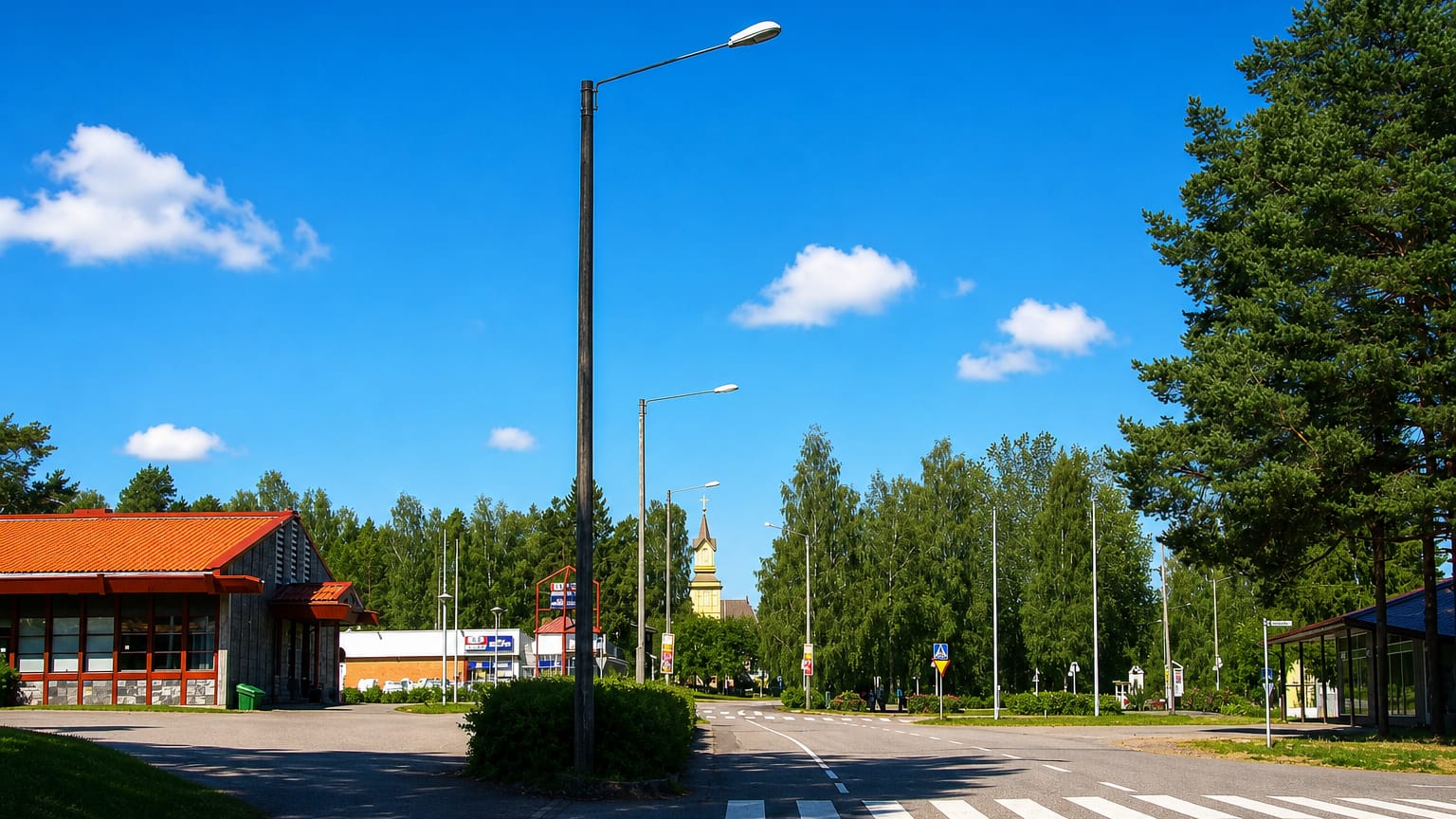
Pihtipudas is a broad rural municipality of Central Finland, in the lakeland, gathered around its church in the northern lakes.
Find your area →


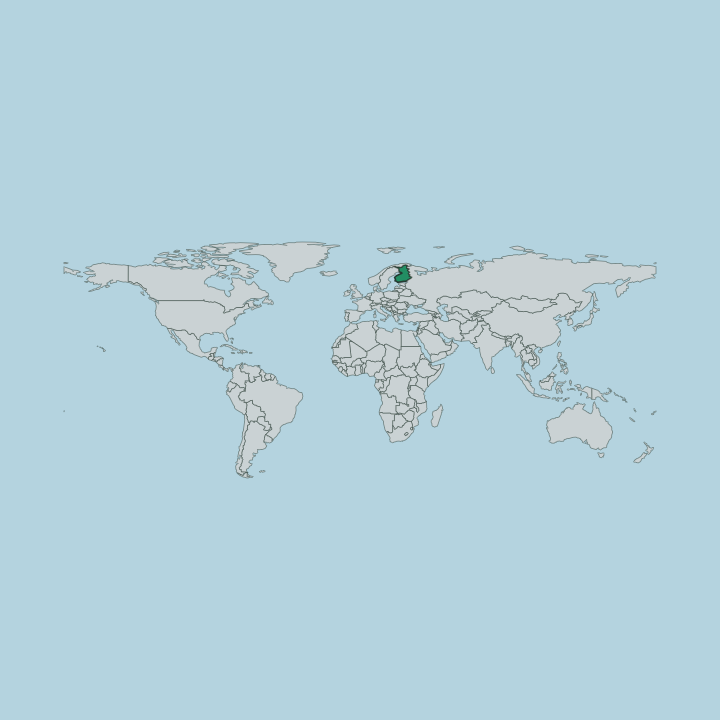
Where to stay in Pihtipudas
Not every neighbourhood fits every trip — here's what each one is good for.
Pihtipudas holds a thin stock of beds for a broad lakeland municipality of Central Finland, the kind of place where a lakeside cabin or a small guesthouse is the usual room rather than a hotel. The church village is the natural base, gathered around the Pihtiputaan kirkko and its belfry the Pihtiputaan kirkon tapuli, with the shops, the local museum and the services within an easy walk. Pihtipudas has little in the way of rooms.
Out across the lakes and forests of the municipality, near the village of Muurasjärvi with its Muurasjärven kirkko and the island of Pitkäsaari in the lake, cottages stand among the trees, a quiet base for touring the northern lakeland by car. Beds thin out fast beyond the centre. Many visitors instead sleep in the larger towns of Central Finland and drive in for the day, taking in the Pihtiputaan kotiseutumuseo and the old ironworks of Saaninkosken ruukki.
Book a cottage ahead in summer, when the lakeside cabins of Pihtipudas fill and the few village rooms go early.
About Pihtipudas
What is Pihtipudas known for?
Pihtipudas is known as a broad lakeland municipality at the northern edge of Central Finland, its life set among the lakes and forests. The Pihtiputaan kirkko gives the parish its centre, its separate belfry the Pihtiputaan kirkon tapuli standing beside it, while the village of Muurasjärvi keeps its own Muurasjärven kirkko to the side. Lakes everywhere.
The old ironworks of Saaninkosken ruukki recalls the early industry of the rapids, and the Pihtiputaan kotiseutumuseo holds the rural past of this corner of the lakeland.
What are the main landmarks in Pihtipudas?
The Pihtiputaan kirkko is the landmark at the heart of the parish, with its separate belfry the Pihtiputaan kirkon tapuli standing beside it in the church village of Central Finland. The village of Muurasjärvi keeps its own Muurasjärven kirkko by the lake. Three church buildings in all.
The old ironworks of Saaninkosken ruukki marks the early industry of the rapids, the Pihtiputaan kotiseutumuseo holds the farming past, and the wooded island of Pitkäsaari rises among the waters of this corner of the lakeland.
What is the history of Pihtipudas?
Pihtipudas grew as a backwoods parish of the northern lakeland, drawn out of the lakes and forests of Central Finland. Settlement gathered slowly around the water, the scattered farming families worshipping in the village church that became the Pihtiputaan kirkko, with its freestanding belfry the Pihtiputaan kirkon tapuli rising beside it. Water and forest came first.
Out at the lake the village of Muurasjärvi built its own Muurasjärven kirkko, the two parishes serving the broad land of holdings, islands and waters across this corner of the lakeland. Industry touched the rapids in time. The ironworks of Saaninkosken ruukki worked the water power of the district, one of the early ventures of this part of Central Finland.
Farms held the rest of the land. The long rural life of the lakeland, its tools, its boats and its memory, is now gathered at the Pihtiputaan kotiseutumuseo, the home-district museum that keeps the story of Pihtipudas among the islands and lakes, from Pitkäsaari out to the farther shores of the parish.
Where is Pihtipudas?
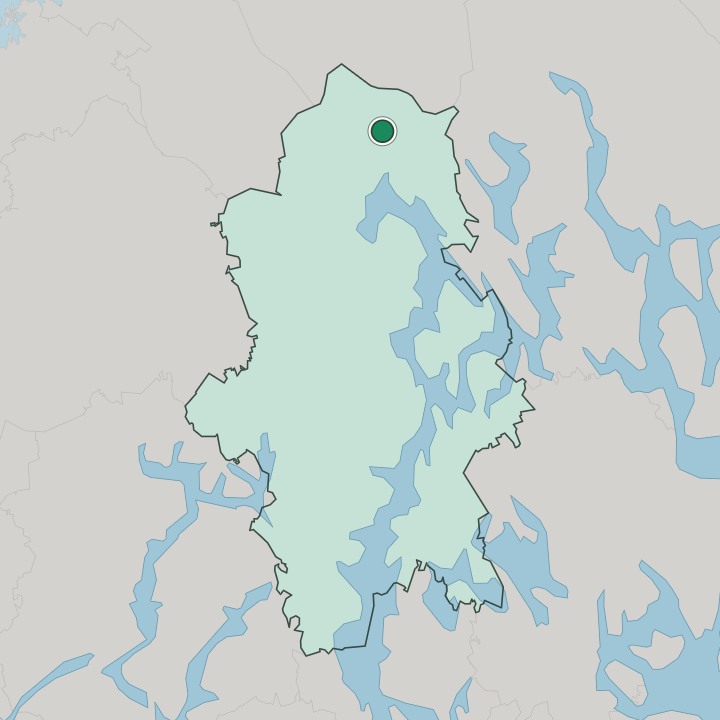
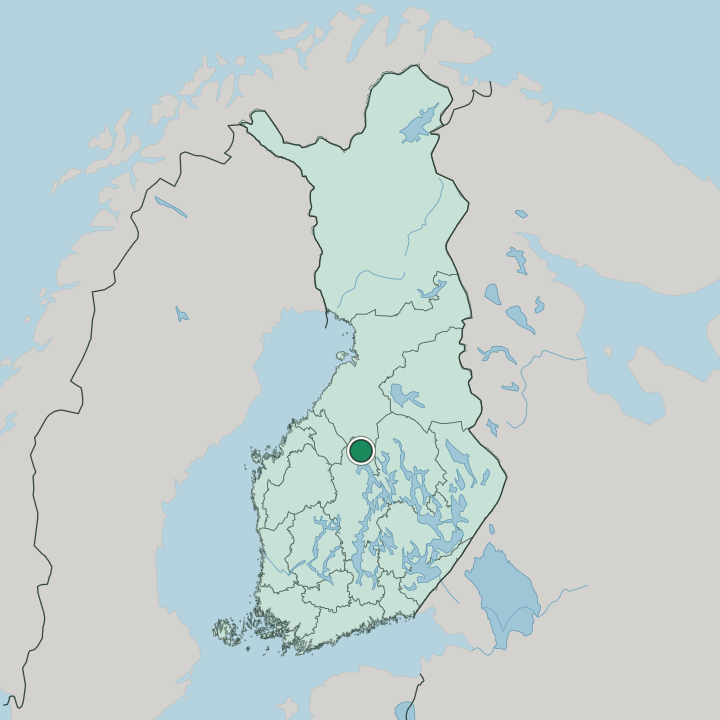
Pihtipudas lies in the lake-and-forest country at the northern edge of Central Finland, in the lakeland. Lakes, islands, bogs and pinewoods fill the broad municipality, the church village gathered by the water while the lakes spread out on every side. Water and woods reach in every direction.
The wooded island of Pitkäsaari rises from the lake by the village of Muurasjärvi, and the scattered holdings of the parish hold the old settled land of this corner of Central Finland, ringed by forest and broad water.
What is the climate of Pihtipudas?
Pihtipudas keeps the cold, snowy seasons of the northern lakeland, its weather set hard by the lakes and forests at the edge of Central Finland. Winters are long and deep, frost locking the water and the islands around the church village from early in the season until the late spring thaw breaks the ice across the lakes. The warm season is brief but luminous.
The long northern daylight warms the waters and pinewoods of the Pihtipudas lakeland through the brief growing season, the months when the lakeside cabins of this part of the lakeland see their visitors before the snow returns.
How do you get to Pihtipudas?
Pihtipudas sits at the northern edge of Central Finland on a main inland route, and the road is the way in. A trunk road runs through the church village, linking the parish to the larger towns of Central Finland to the south and the regions beyond to the north. The road carries you here.
Bus services follow the same route, and visitors from farther off come through the regional centres before the last stretch into the lakes and forests of the Pihtipudas lakeland.
Good for
More cities in Central Finland
Updated September 2026