Finland · Central Finland
Where to Stay in Jyväskylä, Central Finland
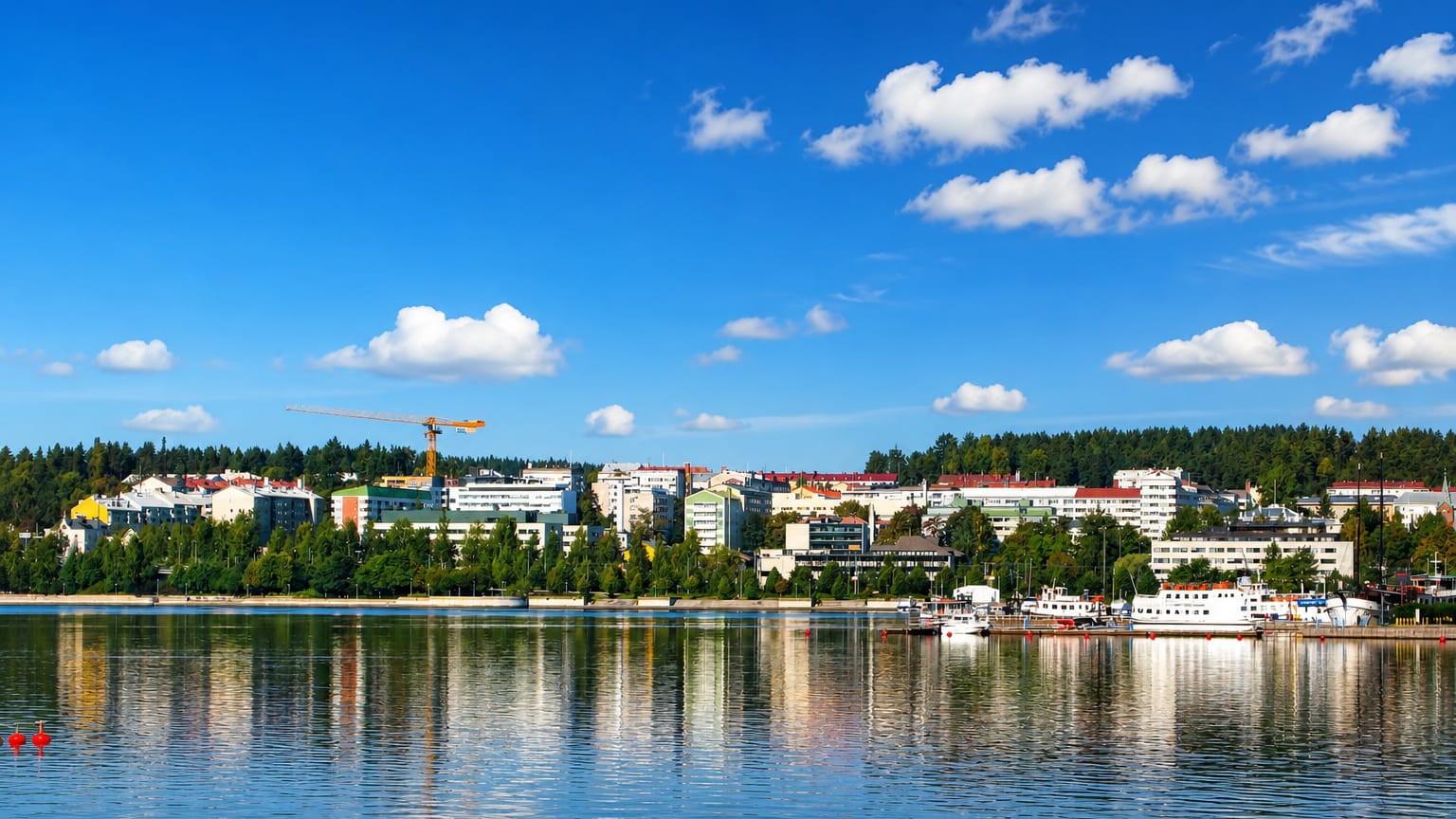
Jyväskylä is the regional capital of Central Finland, a university city set among the lakes and ridges of the lakeland.
Find your area →


Where to stay in Jyväskylä
Not every neighbourhood fits every trip — here's what each one is good for.
 JyväskyläFinland
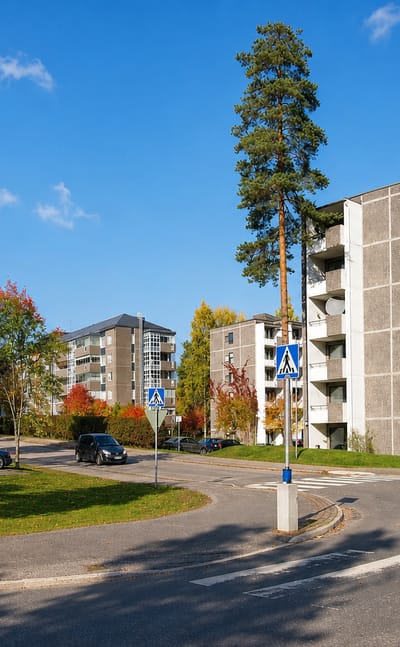
Huhtasuo
Huhtasuo is a district on the north-eastern side of Jyväskylä, a lakeland city in central Finland.Where to stay →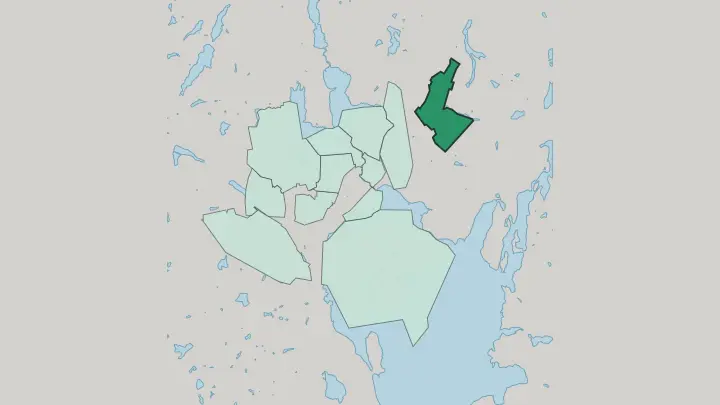
 JyväskyläFinland
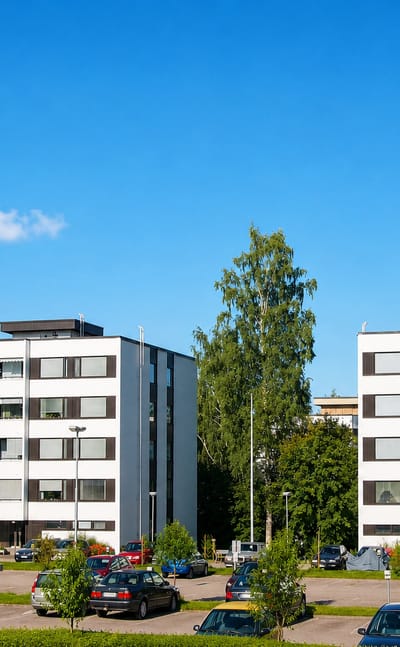
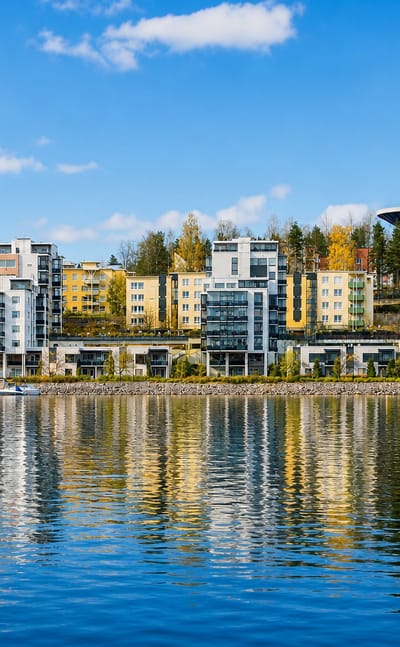
Kortepohja
Kortepohja is a district on the western side of Jyväskylä, a lakeland city in central Finland.Where to stay →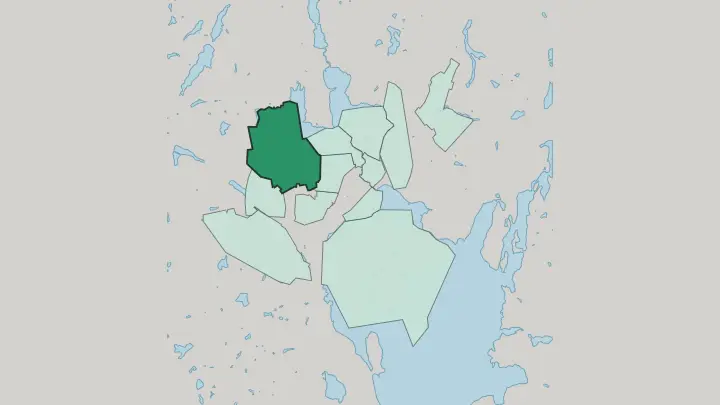
 JyväskyläFinland
Kuokkala
Kuokkala is a south-eastern district of Jyväskylä in central Finland, a residential quarter gathered around the Kuokkalan kirkko.Where to stay →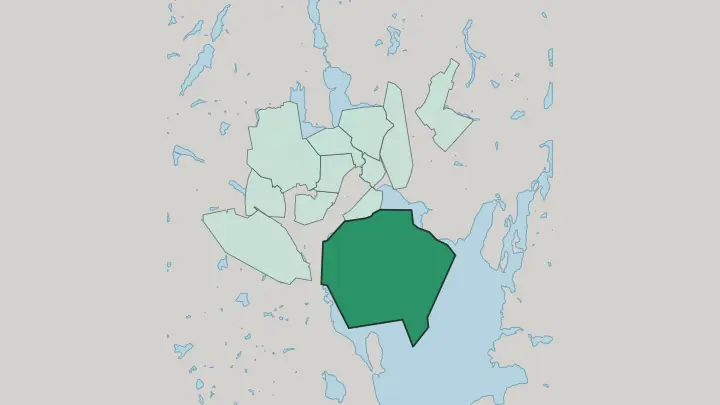
 JyväskyläFinland
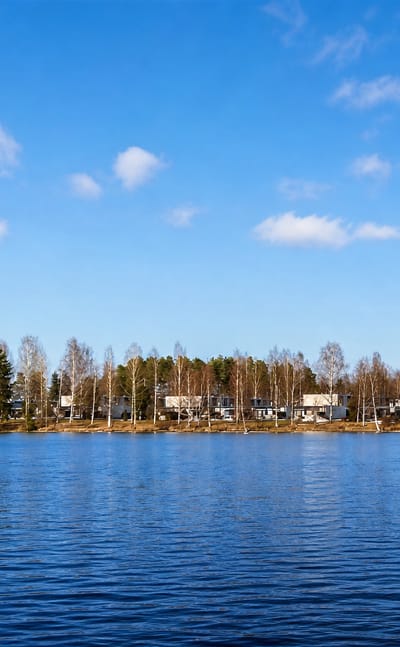
Lohikoski
Lohikoski is a district on the northern side of Jyväskylä, a lakeland city of central Finland.Where to stay →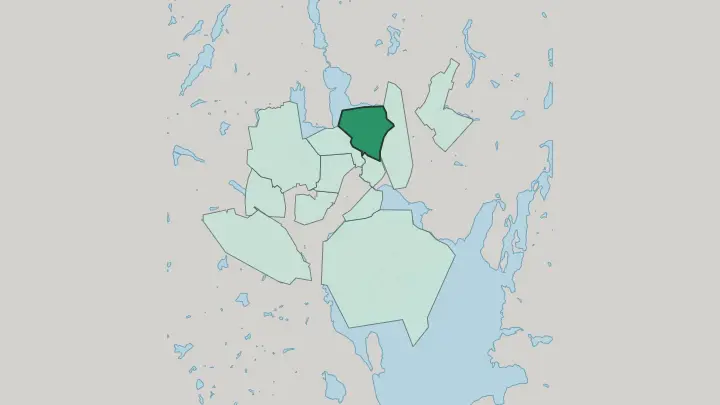
 JyväskyläFinland
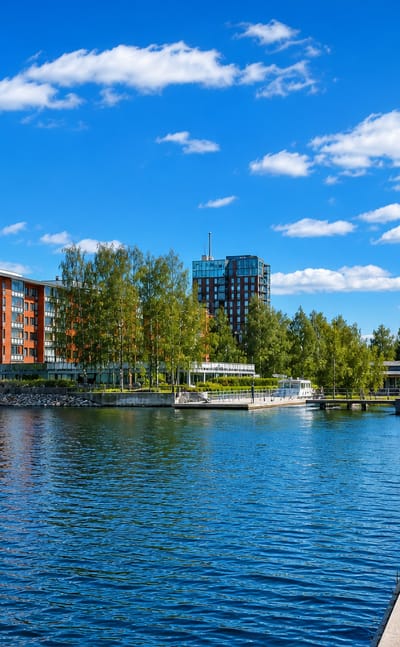
Lutakko
Lutakko is a lakeside cultural district in south-eastern Jyväskylä, in the central Finland lakeland.Where to stay →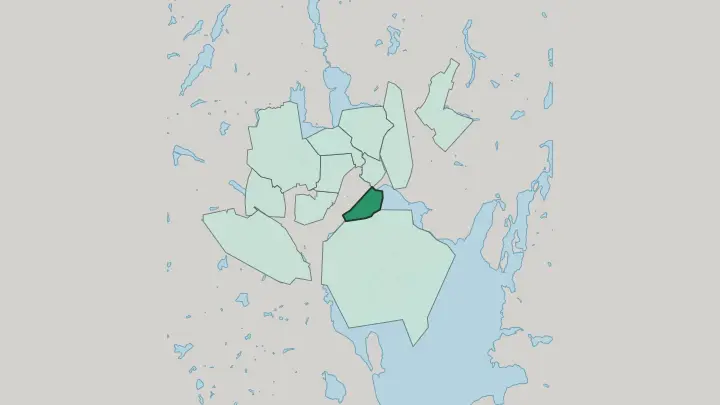
 JyväskyläFinland
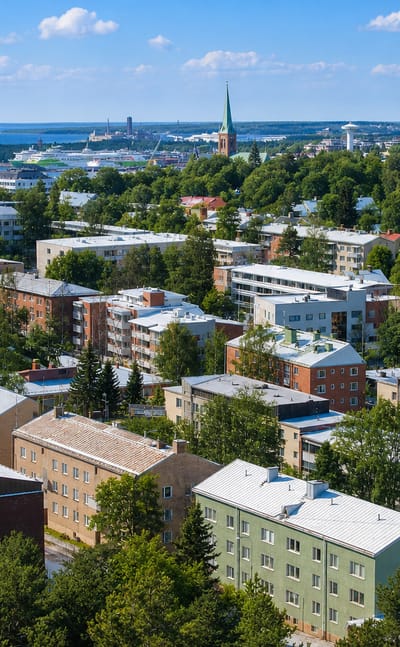
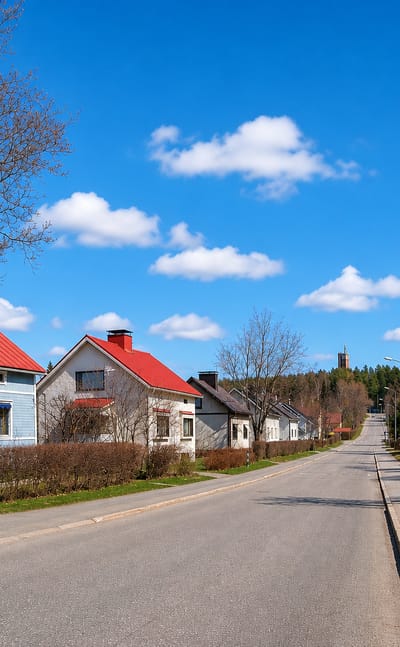
Mäki-Matti
Mäki-Matti is a western district of Jyväskylä in central Finland, the wooden-house quarter near the Alvar Aalto -museo.Where to stay →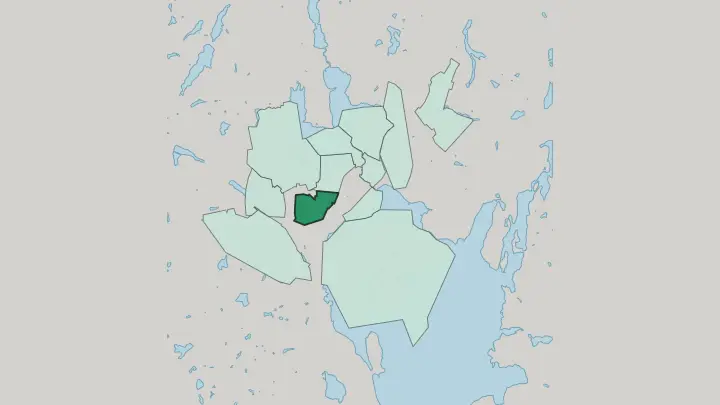
 JyväskyläFinland
Nisula
Nisula is a central district of Jyväskylä in central Finland, the museum quarter around Vesilinna and the Jyväskylän taidemuseo.Where to stay →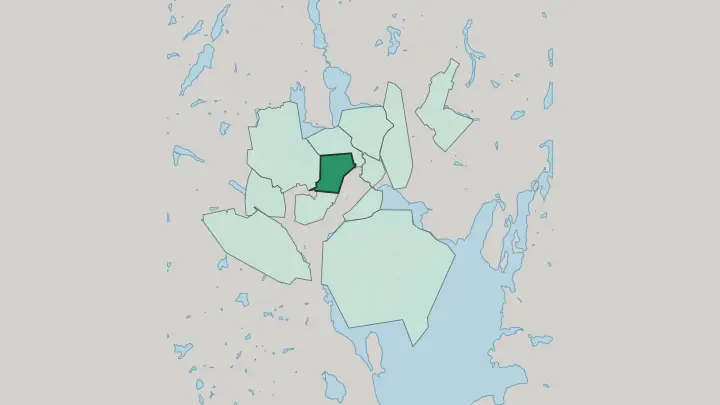
 JyväskyläFinland
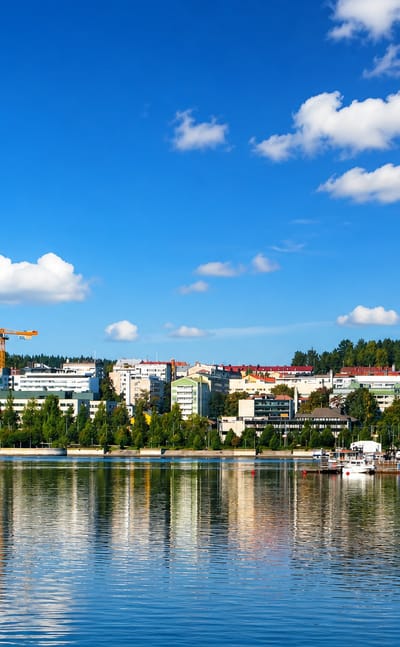
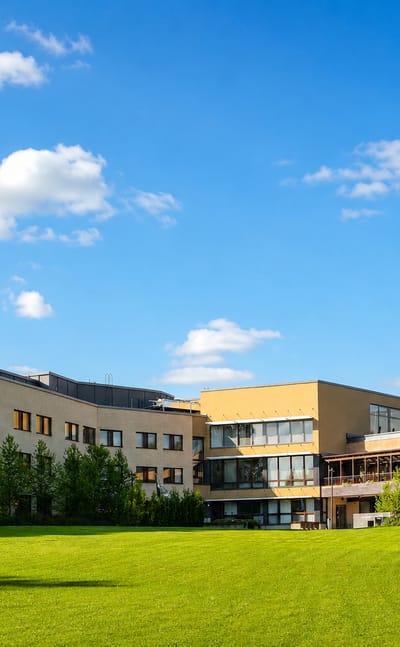
Seppälä
Seppälä is a district on the north-eastern side of Jyväskylä, a lakeland city in central Finland.Where to stay →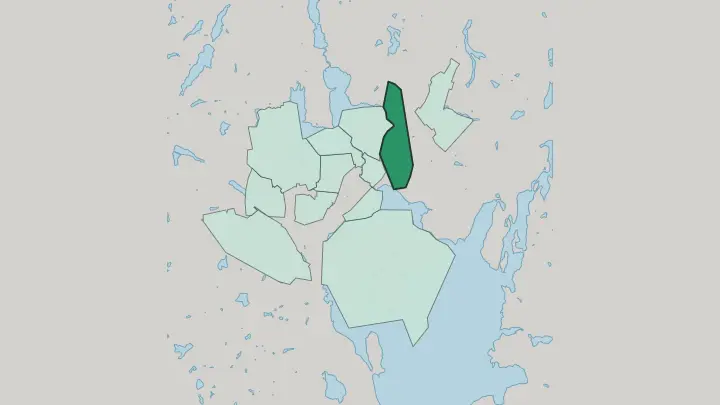
 JyväskyläFinland
Taulumäki
Taulumäki is a northern district of Jyväskylä in central Finland, the hill quarter around the brick Taulumäen kirkko.Where to stay →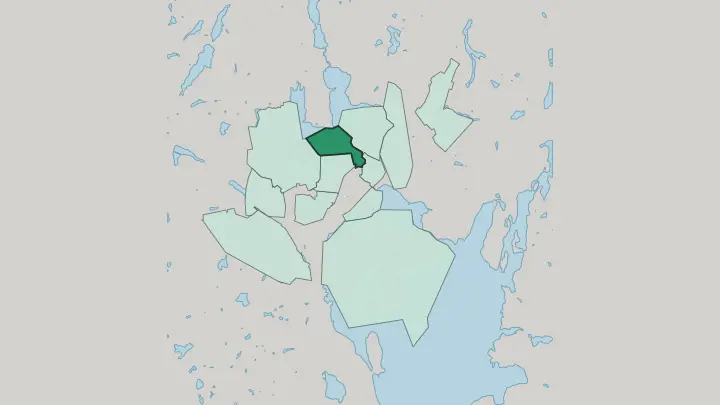
 JyväskyläFinland
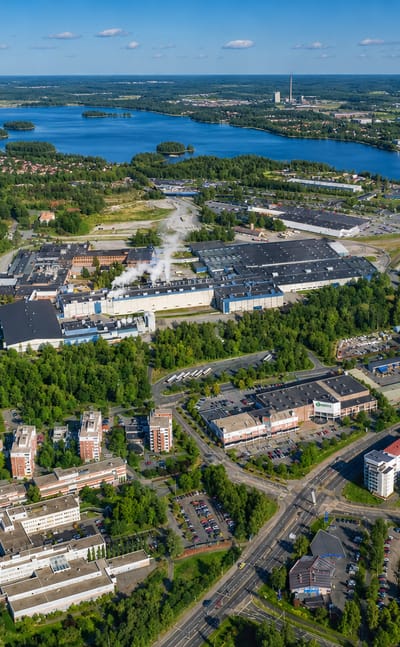
Tourula
Tourula is an eastern district of Jyväskylä in central Finland, an old industrial quarter below Vesilinna near Galleria Ratamo.Where to stay →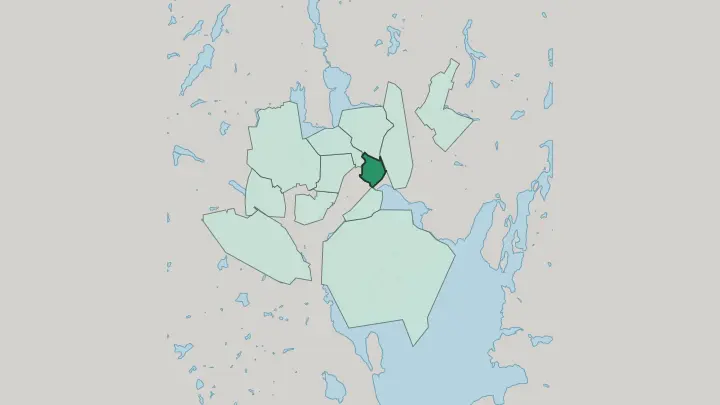
All neighbourhoods (20)
 JyväskyläFinland
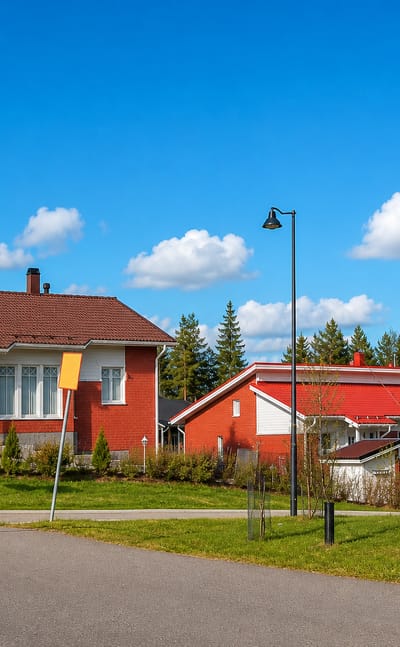
Keltinmäki
Keltinmäki is a district on the south-western side of Jyväskylä, a lakeland city in central Finland.Where to stay →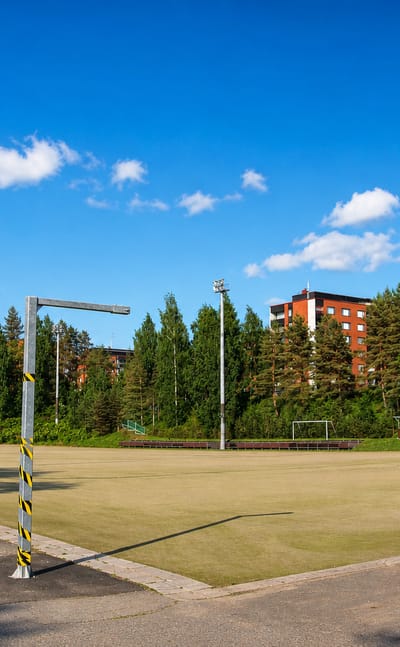 JyväskyläFinland
Viitaniemi
Viitaniemi is a north-western district of Jyväskylä in central Finland, a residential point near the Kristuksen ylösnousemuksen kirkko.Where to stay →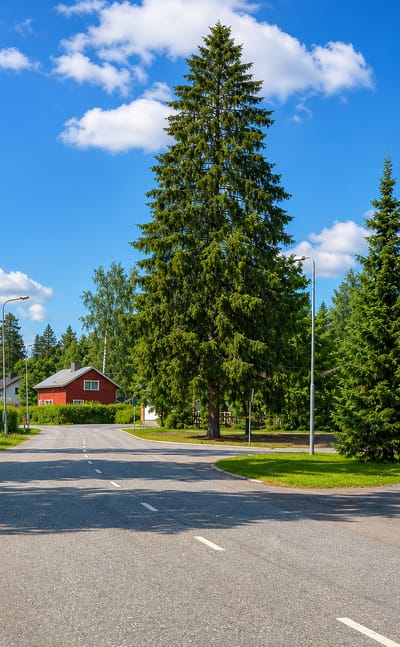 JyväskyläFinland
Köhniö
Köhniö is a district on the western side of Jyväskylä, set in the lakeland of central Finland.Where to stay →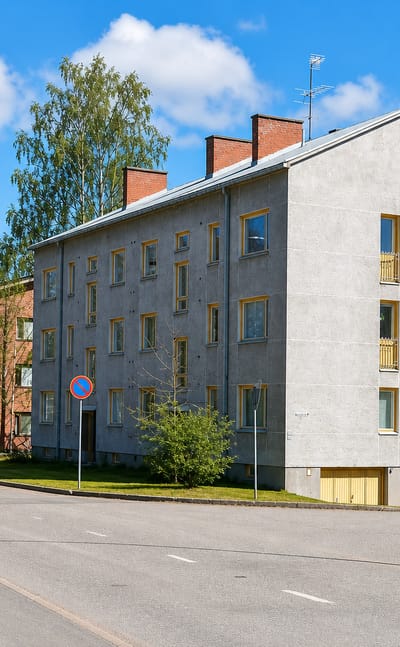 JyväskyläFinland
Kukkumäki
Kukkumäki belongs to Jyväskylä and appears in the district list under that city, with no landmark, extent or date recorded against the name.Where to stay →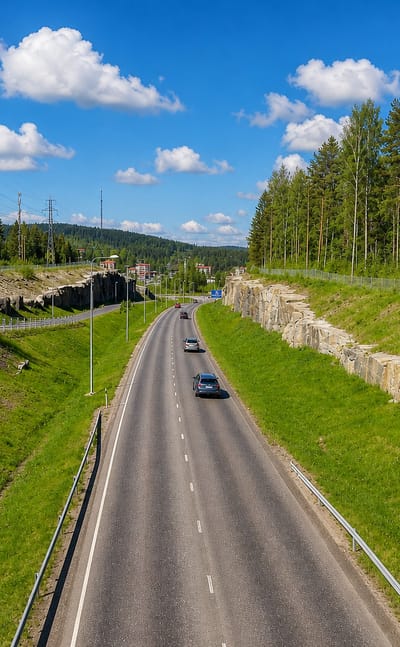 JyväskyläFinland
Ristonmaa
Ristonmaa is a named district of Jyväskylä, and the entry behind the name stops there, offering no landmark, no dated origin and no measured area.Where to stay →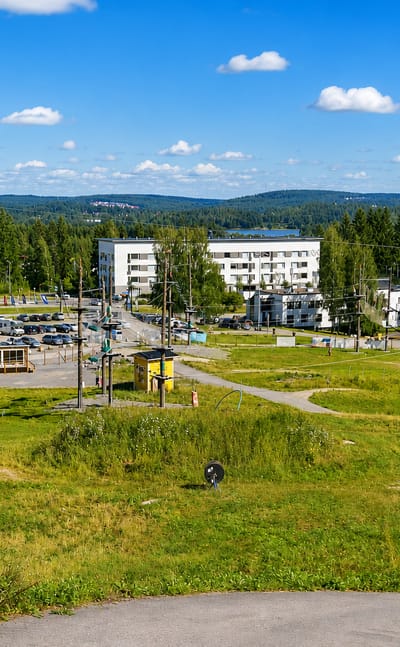 JyväskyläFinland
Laajavuori
Laajavuori is a district of Jyväskylä listed by name and little else: no landmark, no founding year, no boundary figure of its own.Where to stay →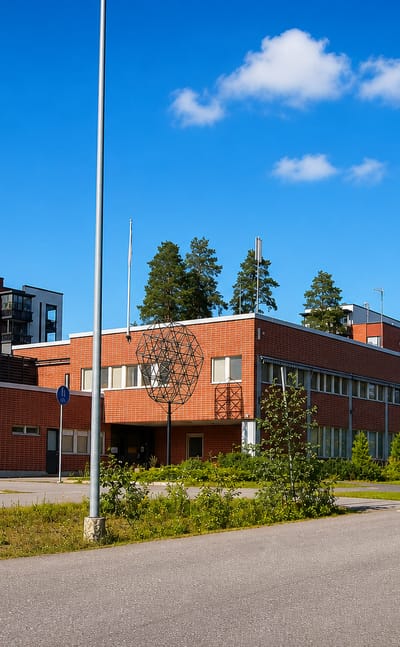 JyväskyläFinland
Savela
Savela is one of the districts that make up Jyväskylä, a name on the city plan without a landmark, a founding date or a measured extent behind it.Where to stay →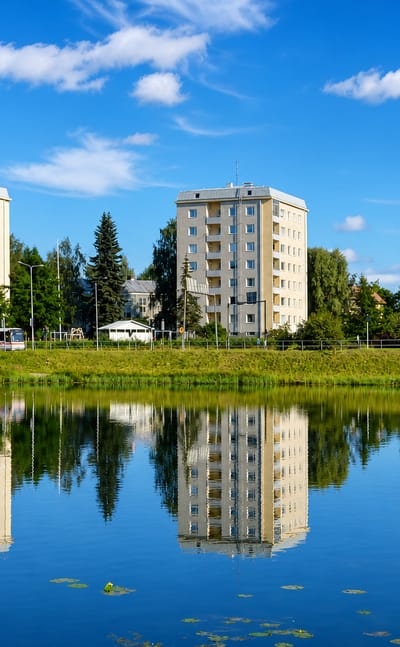 JyväskyläFinland
Mattilanpelto
Mattilanpelto is the Jyväskylä district holding the Alvar Aalto -museo, the Keski-Suomen museo and Heiskan taiteilijakoti on one piece of ground.Where to stay →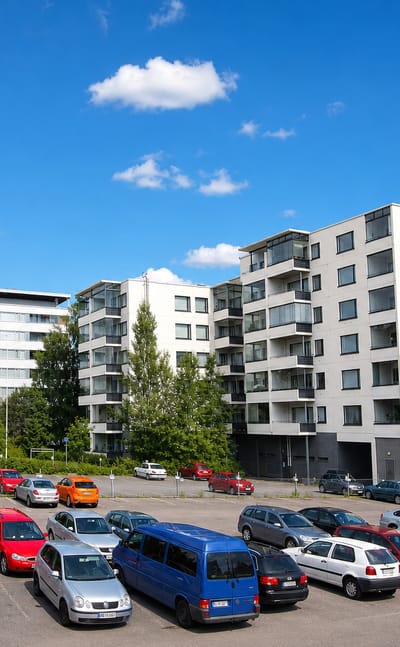 JyväskyläFinland
Puistola
Puistola is a narrow strip of Jyväskylä between the Tourujoki and Vapaudenkatu, carrying two churches and four museum and gallery addresses.Where to stay →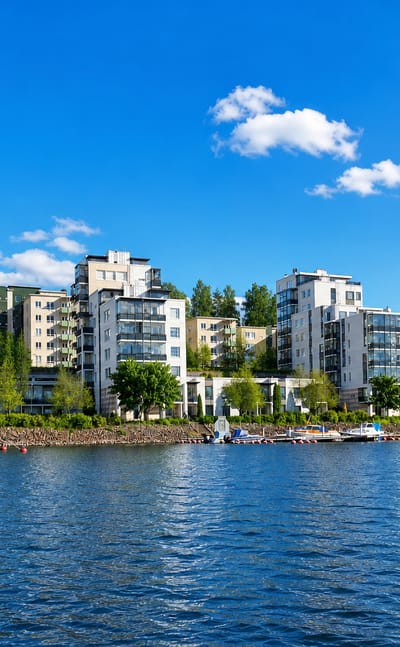 JyväskyläFinland
Ainolanranta
Ainolanranta is carried on Jyväskylä's list of districts as a bare name, without a landmark, a start date or a boundary recorded beside it.Where to stay →Things to do in Jyväskylä
Ranked by global recognition; descriptions from Wikidata (CC0).
Museums & Galleries
5- Keski-Suomen museo
- Suomen käsityön museo
- Keski-Suomen luontomuseo
- Galleria Ratamo art gallery
- Heiskan taiteilijakoti historic home museum
Churches & Religious Sites
3- Taulumäen kirkko Heritage
- Jyväskylän Kaupunginkirkko Heritage
- Pyhän Olavin kirkko
Stadiums & Sports
2- Jyväskylän jäähalli indoor arena
- Jyväskylän monitoimitalo community center
Parks & Gardens
1- Peukkula
Landmarks & Notable Places
2- Puutarhurin talo Heritage house
- Toivolan Vanha Piha
worth knowingacross 5 categories in Jyväskylä
About Jyväskylä
What is Jyväskylä known for?
Jyväskylä is known as the capital of Central Finland and the city of Alvar Aalto, whose architecture marks the lakeland town. The Alvar Aalto -museo holds the architect's legacy, set beside the Keski-Suomen museo near the university quarter that made Jyväskylä a city of students. Architecture defines it.
Above the centre the old water tower of Vesilinna looks out over the lakes, while the Pyhän Olavin kirkko, the Jyväskylän Kaupunginkirkko and the craft collection of the Suomen käsityön museo give the city its older landmarks.
What are the main landmarks in Jyväskylä?
The Alvar Aalto -museo is the landmark that marks Jyväskylä as the architect's city, holding the legacy of Alvar Aalto beside the Keski-Suomen museo in the heart of Central Finland. Vesilinna crowns the ridge. The old water tower looks out over the lakes from above the centre, while three churches, the Pyhän Olavin kirkko, the Taulumäen kirkko and the Jyväskylän Kaupunginkirkko, anchor the streets below.
Museums fill the rest, from the craft collection of the Suomen käsityön museo to the nature halls of the Keski-Suomen luontomuseo, and the Jyväskylän jäähalli draws the city's crowds to sport.
What is the history of Jyväskylä?
Jyväskylä was a town of learning from the start. Chartered in 1837 at the head of a lake in Central Finland, it grew quickly into a centre of Finnish-language schooling, the seminary on its ridge laying the ground for the university that would shape the city. Education built the place.
Around that core the older churches rose, the Pyhän Olavin kirkko and the Jyväskylän Kaupunginkirkko marking the parish above the water as the lakeland town spread. The twentieth century gave Jyväskylä its lasting signature. The architect Alvar Aalto worked here early, and his buildings still mark the city, gathered now around the Alvar Aalto -museo beside the Keski-Suomen museo.
Modern Jyväskylä grew outward. The water tower of Vesilinna rose over the ridge, the Taulumäen kirkko was raised for a growing parish, and museums of craft and nature, the Suomen käsityön museo and the Keski-Suomen luontomuseo among them, settled the capital of Central Finland into its modern role between the lakes.
Where is Jyväskylä?
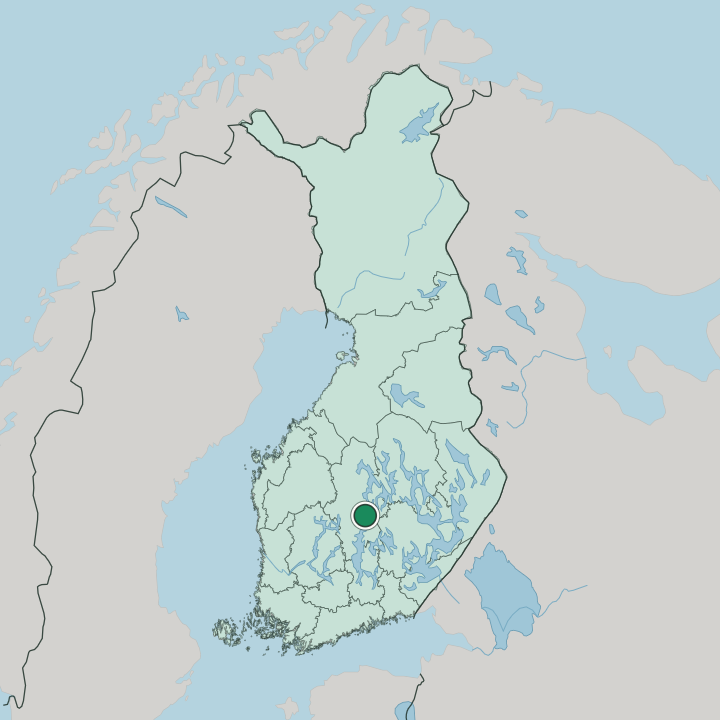
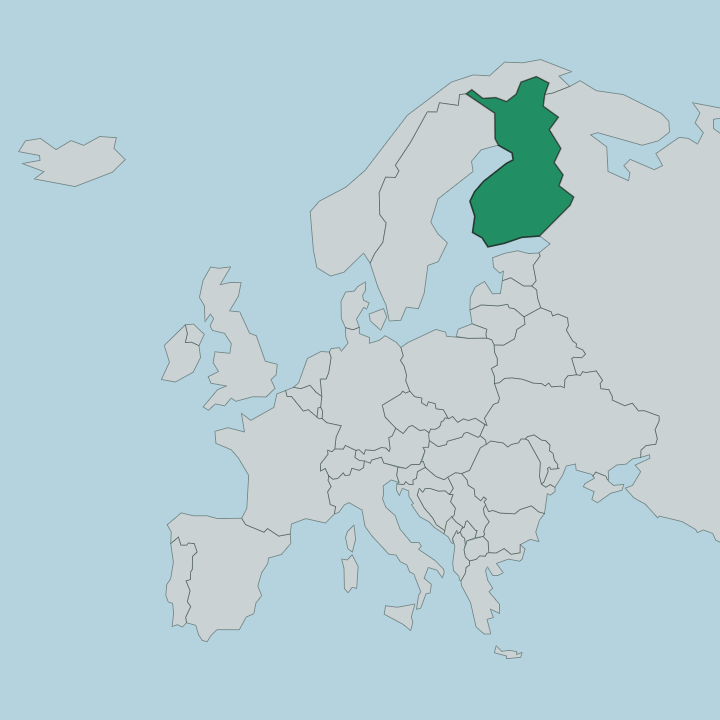
Jyväskylä sits at the head of a lake in Central Finland, hemmed by ridges in the heart of the Finnish lakeland. Water and hill shape the city. The centre gathers along the lakefront below the ridge that carries the Vesilinna water tower, while the broad municipality spreads out into the lakes, eskers and pinewoods of the region.
The lakeland runs in every direction here, the waters and forested ridges of Central Finland reaching far beyond the streets of Jyväskylä.
What is the climate of Jyväskylä?
Jyväskylä has a cold lakeland climate, its seasons set by the waters and ridges of Central Finland. Winters are long and snowy, ice covering the lake below the city and frost gripping the forested eskers from early in the season to the late thaw. Snow lingers for months.
Summer brings warm air and the long northern daylight, the bright season when the lakes around Jyväskylä open to boats and the ridges turn green before the cold returns.
How do you get to Jyväskylä?
Jyväskylä is the transport hub of Central Finland, the point most travellers reach first in the lakeland. The railway runs to the city, and trains stop in the centre within reach of the Jyväskylän Kaupunginkirkko and the museums. Rail ties it to the south.
Road and bus link Jyväskylä across the region and an airfield serves the longer hops, so the capital of Central Finland stays connected even as the lakes and ridges stretch far on every side.
Good for
More cities in Central Finland
Updated September 2026