Finland · Central Finland
Where to Stay in Luhanka, Central Finland
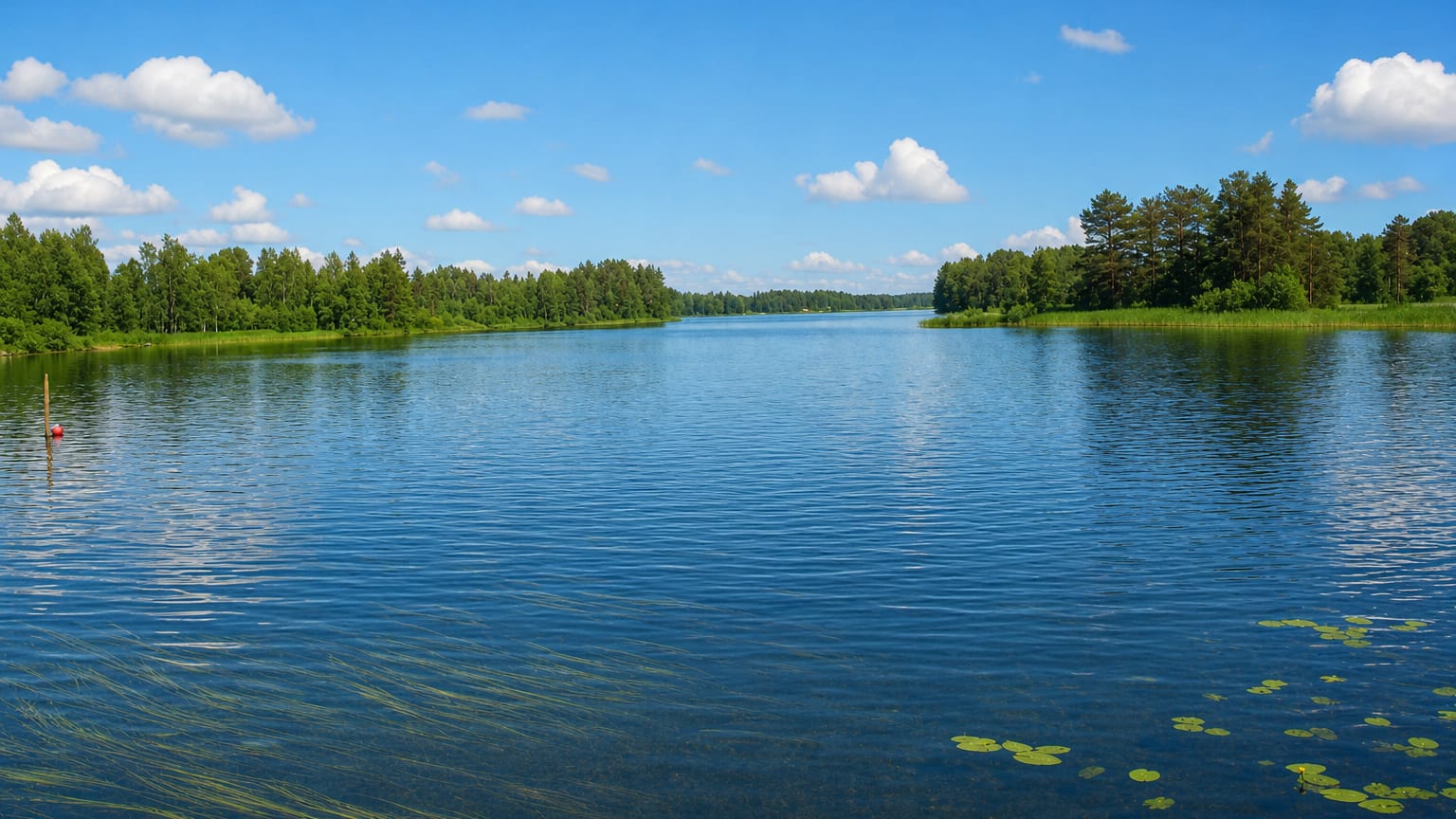
Luhanka is a small lakeland municipality in Central Finland, set among the waters and forests.
Find your area →


Where to stay in Luhanka
The right area depends on your trip — here's what each neighbourhood is best for.
Luhanka keeps very few beds, one of the smallest municipalities of Central Finland where a cottage by the water or a guesthouse near the church is about all there is. The parish centre around the Luhangan kesäkirkko suits the rare visitor who comes to stay, with the old summer church, the winter church and the lake shore all close together. It is a quiet base.
Out across the lakeland, cabins and cottages stand among the pinewoods and the islands near the village of Tammijärvi and its Tammijärven kirkko, a simple place to wake by the water of central Finland. Stock is thin everywhere here. Most visitors instead sleep in the larger towns of Central Finland and drive in for the day, since the rooms of this small lakeland municipality are few and scattered among the forests.
Book ahead in summer, when the lakeside cottages around Luhanka fill and the handful of central rooms go early.
About Luhanka
What is Luhanka known for?
Luhanka is known as one of the smallest municipalities of Central Finland, a quiet parish set among the waters of the lakeland. Two churches and a lake. The wooden Luhangan kesäkirkko, the old summer church, stands at the parish centre with the Luhangan talvikirkko, the winter church, beside it.
The village of Tammijärvi keeps its own Tammijärven kirkko at the head of its lake, and the ancient Avosaaren kalliomaalaus paints a cliff above the water in this corner of Central Finland.
What are the main landmarks in Luhanka?
The wooden Luhangan kesäkirkko is the landmark that marks Luhanka, the old summer church at the parish centre of this small lakeland municipality of Central Finland. Beside it stands the Luhangan talvikirkko, the winter church used in the cold months. Churches and old farms here.
The village of Tammijärvi keeps its own Tammijärven kirkko, the peasant farmhouses of the Mönkösmäen talonpoikaistalot recall the old rural life, and the ancient Avosaaren kalliomaalaus paints a cliff above the water in this corner of Central Finland.
What is the history of Luhanka?
Luhanka's history is the history of a small lakeland parish. Ancient hunters left the Avosaaren kalliomaalaus on a cliff above the water long before any church gathered, and old settlement clustered at the head of the lake where the Tammijärven pohjukan asutus still marks the early village, the land worked from scattered farms among the forests of central Finland. Water shaped the life.
The parish was set on its own footing when it was chartered in 1864 around the wooden summer church that became the Luhangan kesäkirkko, with the Luhangan talvikirkko raised for the cold months. Farm and faith shaped the years that followed. The peasant farmhouses of the Mönkösmäen talonpoikaistalot recall the old rural pattern of the holdings, and the village of Tammijärvi grew its own Tammijärven kirkko and in time a pentecostal congregation, the Tammijärven helluntaiseurakunta, among the lakeshore families.
The burial island of Ruumissaari kept the dead of the water parish. Luhanka settled into its role as one of the smallest municipalities of Central Finland, a quiet corner of the lakeland.
Where is Luhanka?
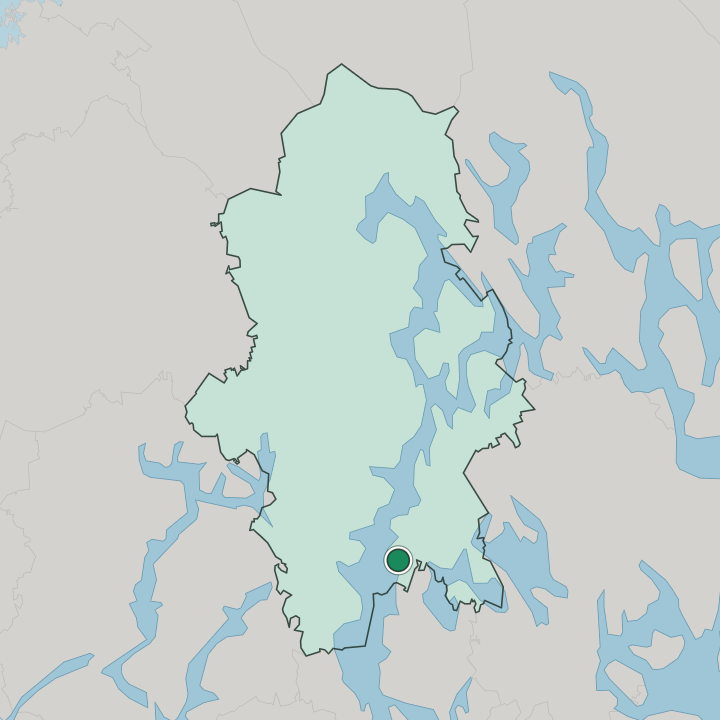
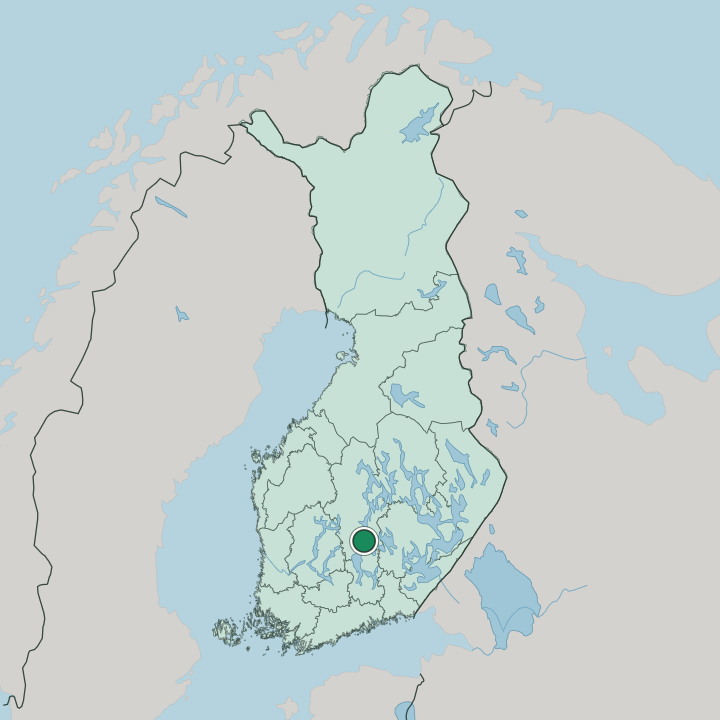
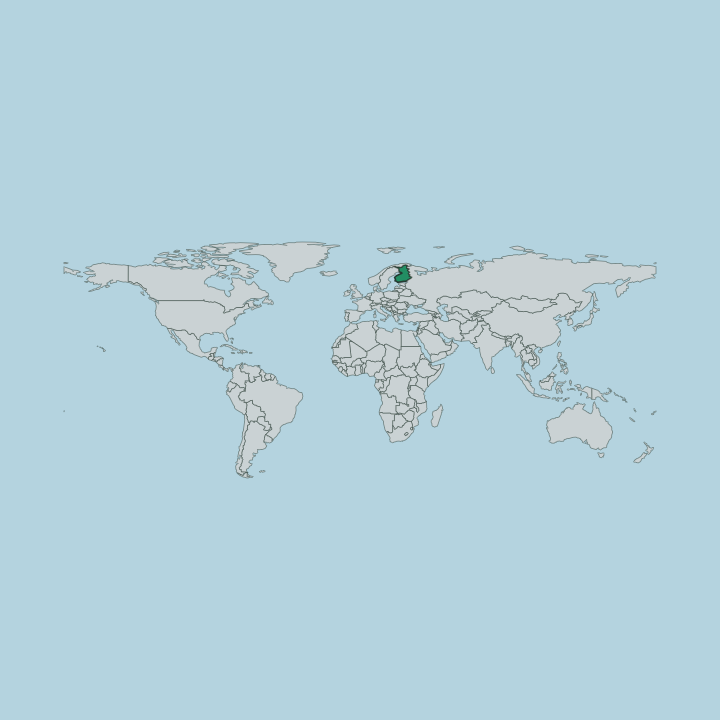
Luhanka lies deep in the lakeland of Central Finland, a small municipality of water, islands and pinewoods. Lakes press in on every side, the parish centre gathered by the Luhangan kesäkirkko while bays and skerries spread out among the forests. The water runs everywhere here.
The village of Tammijärvi sits at the head of its own lake to the south, the cliff of the Avosaaren kalliomaalaus rises above the shore, and the burial island of Ruumissaari lies offshore in this watery corner of central Finland.
What is the climate of Luhanka?
Luhanka keeps the cold inland seasons of the Central Finland lakeland. Winters draw out long. Thick ice and deep snow grip the lakes and the pinewoods around the parish from early in the season until a late spring thaw, the water frozen hard between the islands for months.
Summers turn warm and bright, the long northern daylight warming the lakes and the forests around Luhanka through a short growing season before the cold returns to this watery corner of central Finland.
How do you get to Luhanka?
Luhanka lies off the main lines deep in the lakeland of central Finland, and the drive in is the only real way. A long road in. Cars and buses come through the larger towns of Central Finland and along the lakeshore roads to the parish centre by the Luhangan kesäkirkko, the simplest route into this watery corner.
The roads wind between the lakes. Visitors heading for the village of Tammijärvi and its Tammijärven kirkko follow the shore on to the south, while the water itself carries summer boats across the lakeland.
Good for
More cities in Central Finland
Updated September 2026