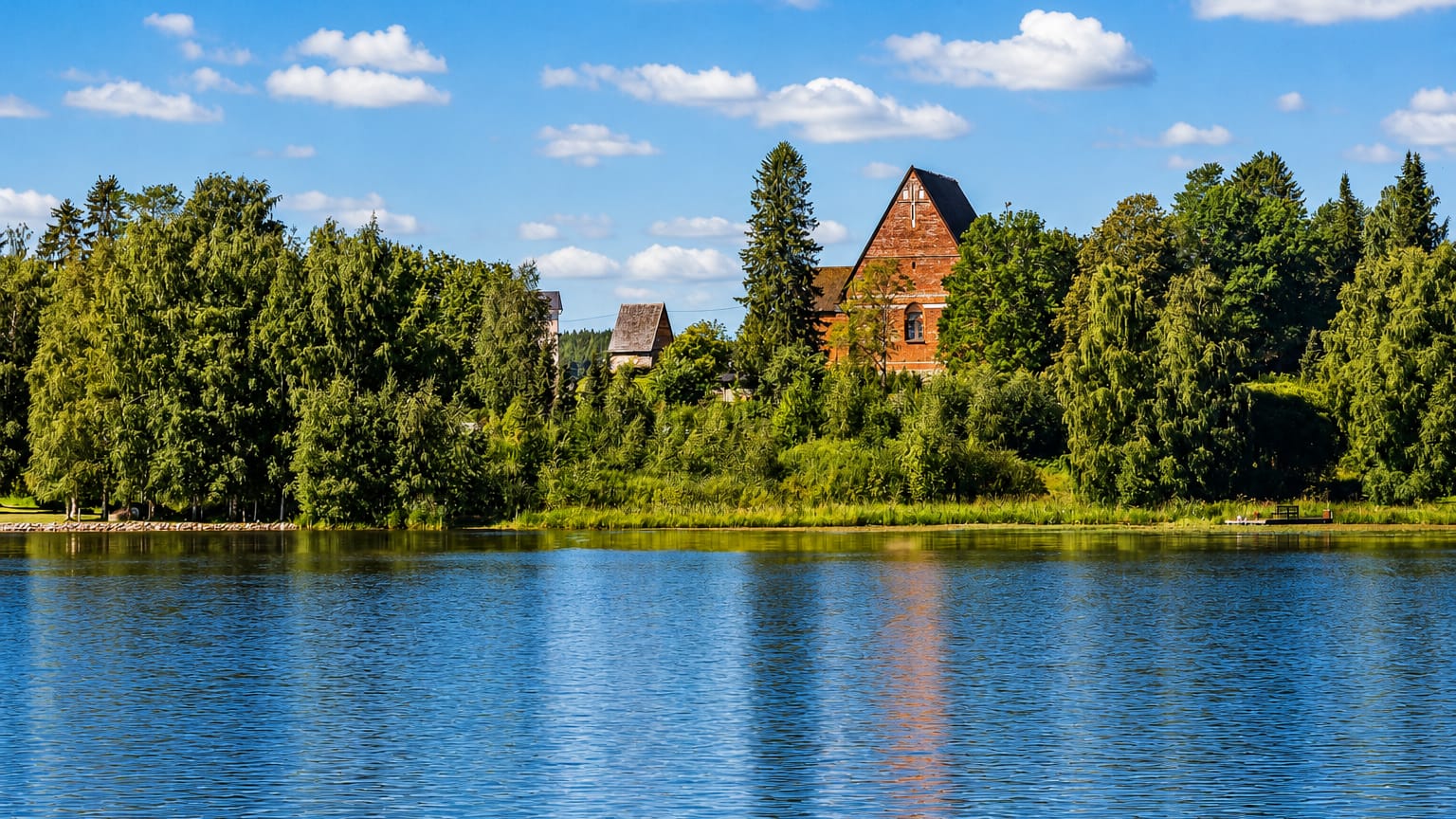
Finland · Kanta-Häme
Where to Stay in Parola, Kanta-Häme
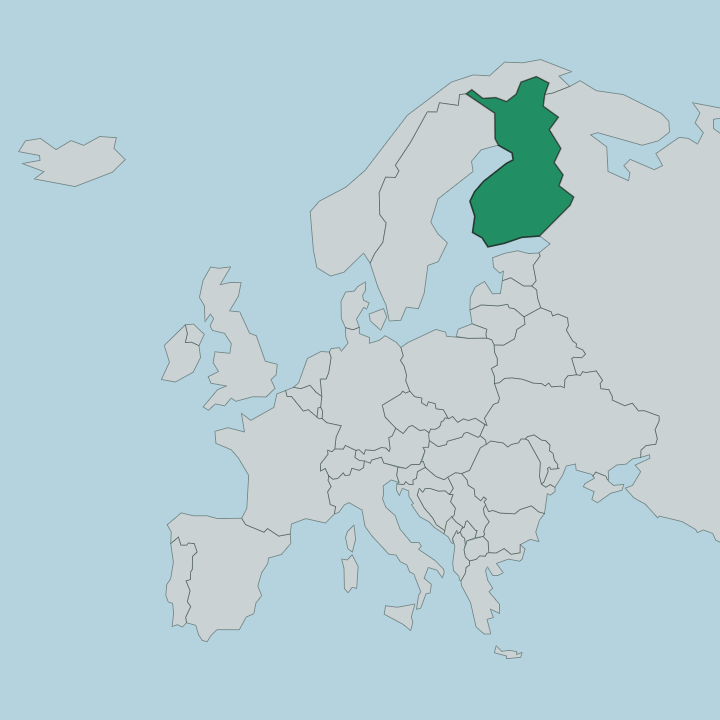
Parola is a village in Hattula, Kanta-Häme, in southern Finland, known for the Panssarimuseo and the Parolan leijona.
Find your area →


Where to stay in Parola
Each area has its own feel; here's who each one suits.
Parola carries the slight bed stock of a village in Hattula rather than that of a town in the wider Kanta-Häme country of southern Finland. The village centre is the natural base for a short stay, where the Panssarimuseo and the Parolan leijona sit within easy reach and the few rooms gather near the old army plain. Parola counts only a handful of rooms.
Travellers who come to see the rows of armour at the tank museum, to stand by the bronze lion, or to drive out to the medieval Pyhän Ristin kirkko at Hattula find the village the simplest place to pause before moving on across the region. Out beyond the houses, the parish runs to field and forest, where rural lodgings and the larger hotels of nearby Hämeenlinna stand within an easy drive. Secure a room in advance for summer.
The museum and the medieval church draw what visitors come to Parola in the warm weeks.
About Parola
What is Parola known for?
Parola is a village in Hattula, in the Kanta-Häme country of southern Finland, long tied to the army camp that has trained on its plain. The Panssarimuseo, the tank museum, draws most visitors to its rows of armour, and the Parolan leijona stands as the bronze lion that marks the old parade ground. Soldiers shaped the place.
Older still is the medieval Pyhän Ristin kirkko at Hattula, while the house called Ryysyranta keeps the memory of the singer who once lived in the village.
What are the main landmarks in Parola?
The Panssarimuseo is the chief landmark of Parola, the tank museum whose rows of armour line the old army plain in Hattula, in the Kanta-Häme country of southern Finland. Bronze marks the parade ground. The Parolan leijona, the Lion of Parola, stands as the monument of the camp, while the medieval Pyhän Ristin kirkko at Hattula keeps the older faith of the parish with its painted vaults.
The nineteenth-century Hattulan kirkko serves the village, and the house called Ryysyranta recalls the singer who lived among the farms of Parola.
What is the history of Parola?
Parola grew on the plain of Hattula, in the Kanta-Häme country of southern Finland, its name long bound to the open ground that armies used for their camps. Faith came to the parish first. The medieval Pyhän Ristin kirkko, the Holy Cross church at Hattula, rose centuries ago and still carries the painted vaults of its earliest builders, the oldest mark of settlement around the village.
The army made the modern place. Cavalry and later armour trained on the Parola plain, and the bronze Parolan leijona, the Lion of Parola, was raised to mark the parade ground where the troops drew up, the camp drawing the village around its gates. The armour stayed when the cavalry passed.
The Panssarimuseo gathered the tanks of the Finnish army into its rows on the old training ground, while the nineteenth-century Hattulan kirkko served the growing parish and the house called Ryysyranta kept the memory of the singer who made his home among the farms of Parola.
Where is Parola?
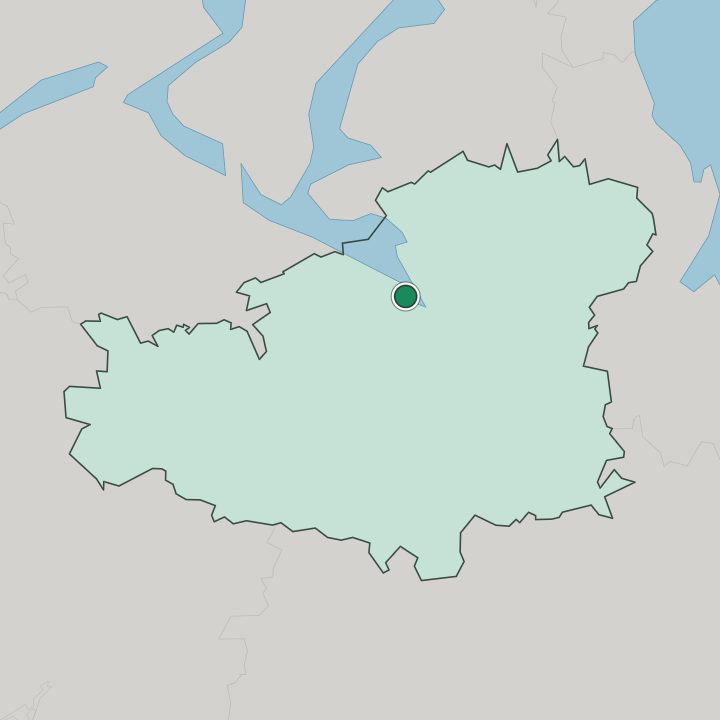
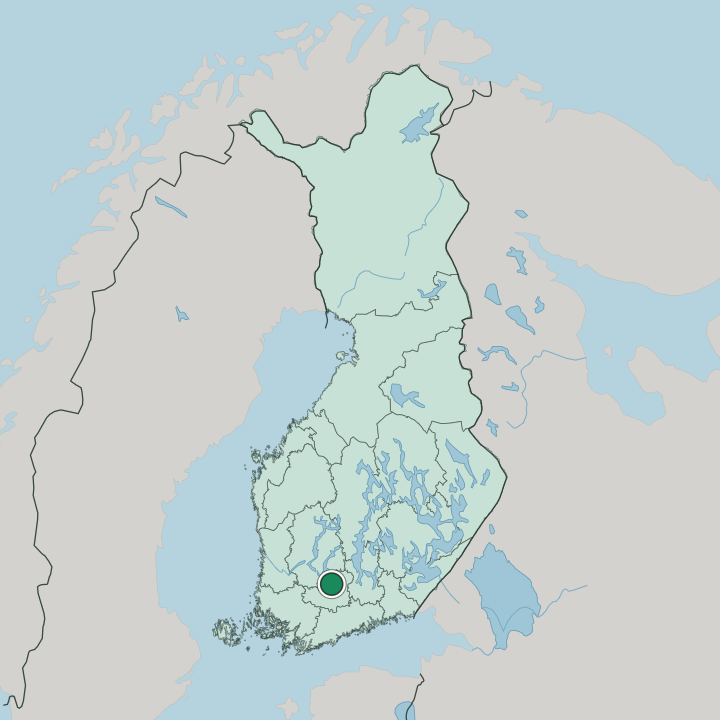
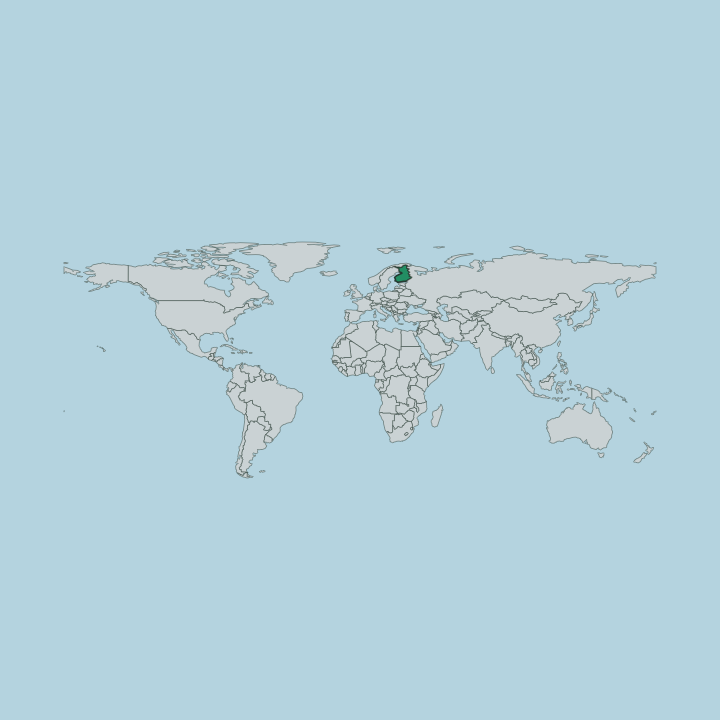
Parola lies in Hattula, in the Kanta-Häme country of southern Finland, set on an open plain among the lakes and ridges of the Häme heartland. Field and forest spread around the village, the flat training ground stretching beside the houses where the army has long drilled. The plain defines the place.
On its edge stand the Panssarimuseo and the Parolan leijona, the museum and the bronze lion set where the old camp meets the farmland of the southern interior.
What is the climate of Parola?
Parola has the cool, four-season year of the Häme interior in the Kanta-Häme country of southern Finland, milder than the far north yet firmly continental. Winters bring snow and frost to the plain and the surrounding forest through several months, holding the training ground white before the spring thaw. The warm season is gentle.
Summer opens the fields and the lakes of the region around Parola, the long light drawing visitors to the village in the green months.
How do you get to Parola?
Parola sits in Hattula in the Kanta-Häme country of southern Finland, reached by road and rail on the main line that runs north from the capital toward Tampere. Trains and buses stop at the village, set as it is on a busy corridor through the Häme interior. The rail line carries many in.
Nearby Hämeenlinna offers the larger station and services of the region, a short ride from the army plain of Parola.
Good for
More cities in Kanta-Häme
Updated September 2026