Finland
Pohjanmaa, Finland — Towns & Travel Guide
Pohjanmaa is the Ostrobothnia region of western Finland, a Swedish-speaking coast on the Gulf of Bothnia.
Find your area →


Towns & cities in Pohjanmaa
Pick a town or city — each links to where to stay.
 Finland
Vaasa
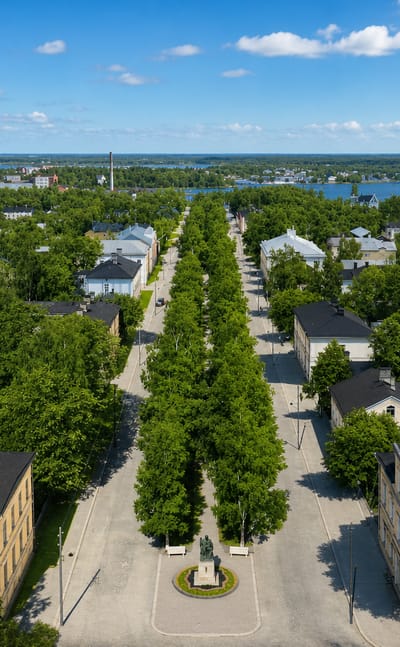
Vaasa is a bilingual coastal city on the Gulf of Bothnia, the regional capital of Ostrobothnia in western Finland.Where to stay →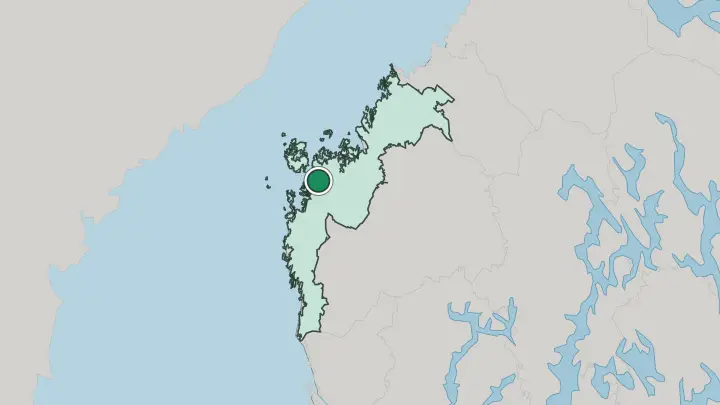
 Finland
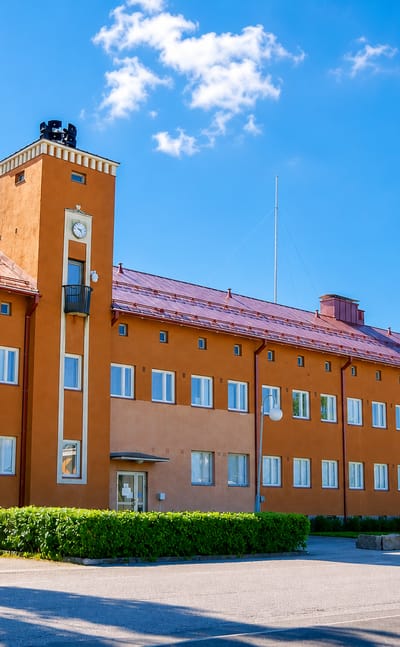
Jakobstad
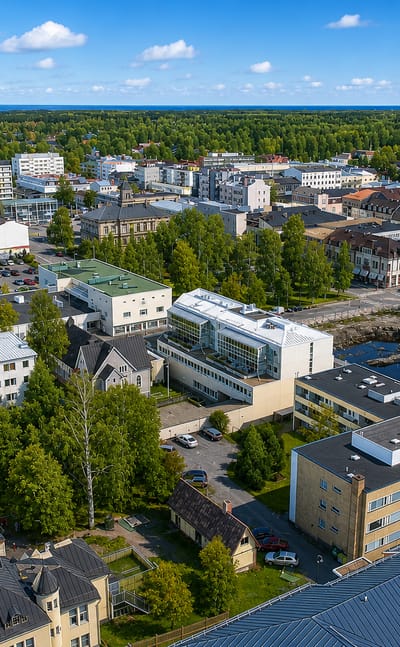
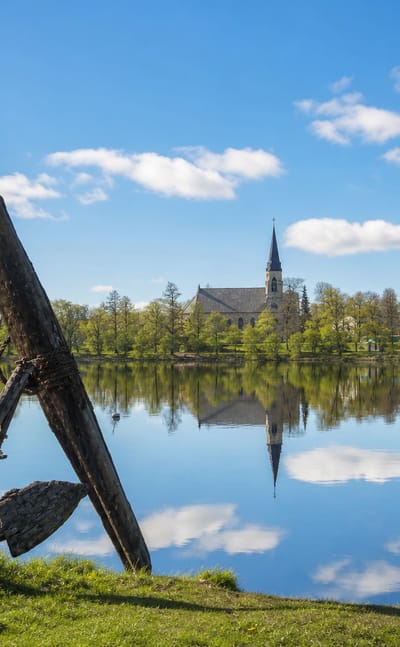
Jakobstad is a coastal town in Pohjanmaa, western Finland, on the Gulf of Bothnia, built around its old wooden church.Where to stay →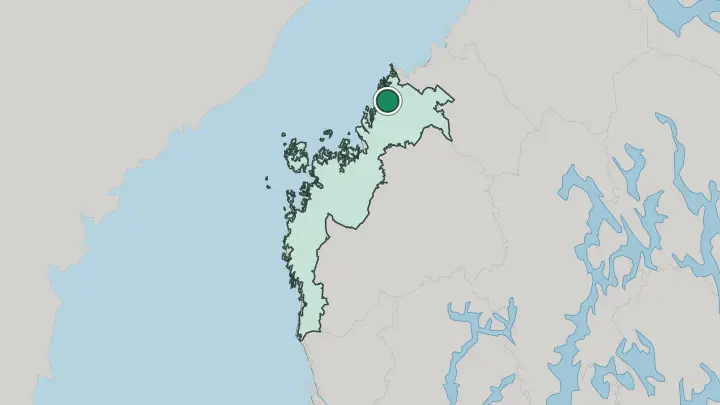
 Finland
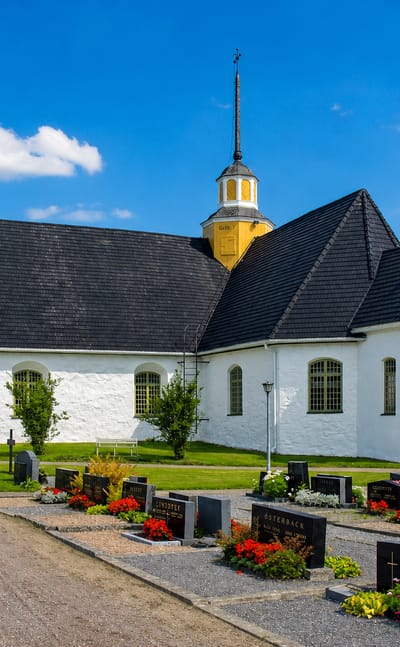
Pedersöre
Pedersöre is a Swedish-speaking rural municipality in Pohjanmaa, in western Finland's Ostrobothnia, set among old parish villages.Where to stay →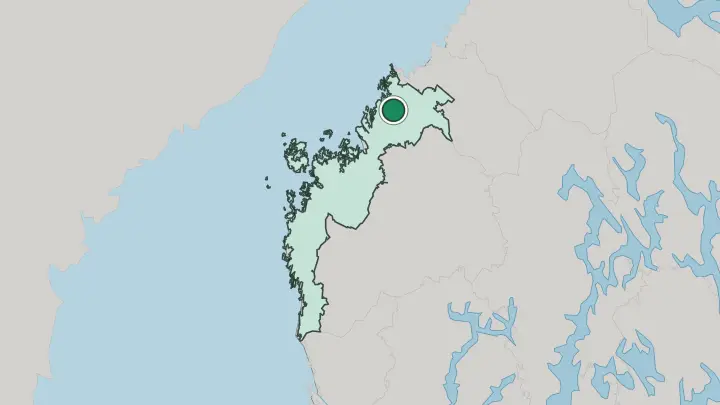
 Finland
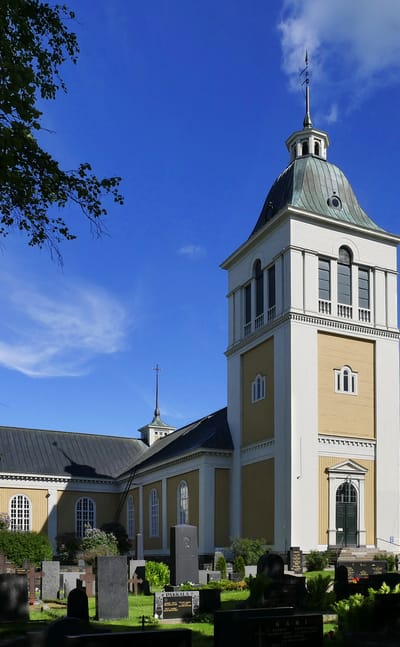
Närpes
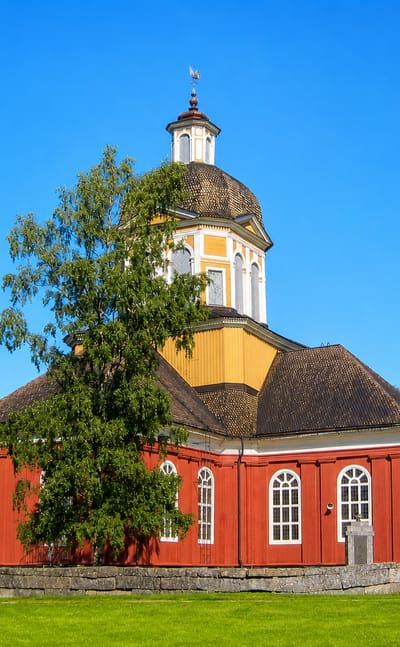
Närpes is a Swedish-speaking town in Pohjanmaa, western Finland (Ostrobothnia), known for its church and old church stables.Where to stay →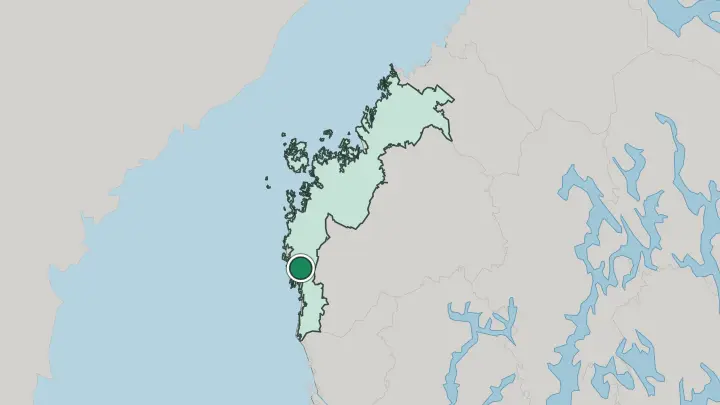
 Finland
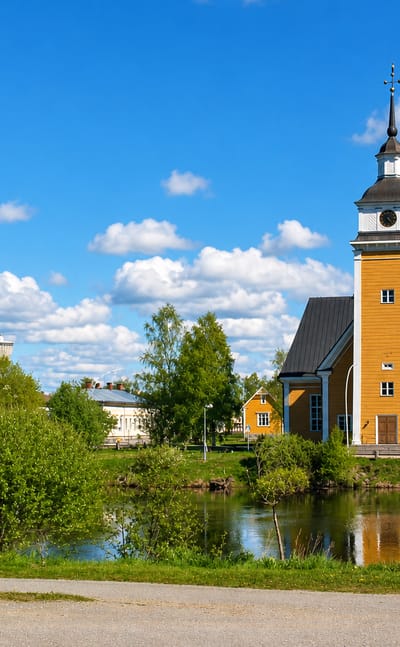
Laihia
Laihia is an Ostrobothnian farming municipality in Pohjanmaa, western Finland, strung along the Laihianjoki river.Where to stay →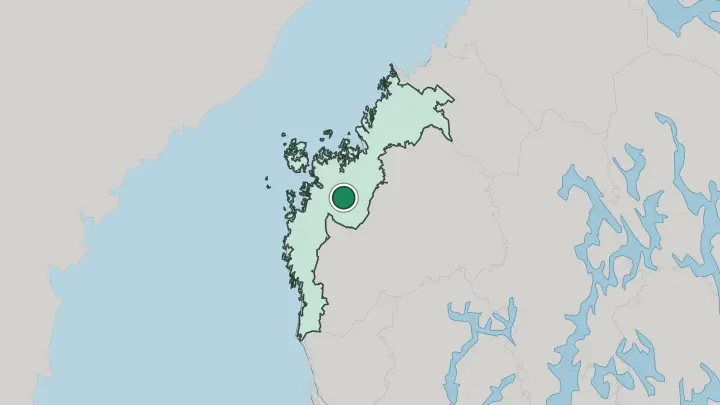
 Finland
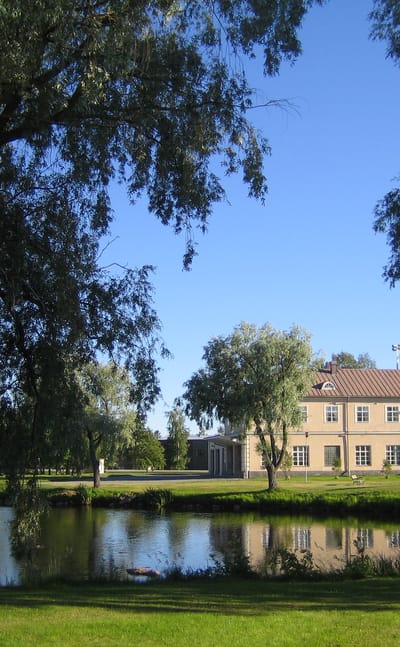
Nykarleby
Nykarleby is a small coastal town in Pohjanmaa, western Finland (Ostrobothnia), and the birthplace of Zachris Topelius.Where to stay →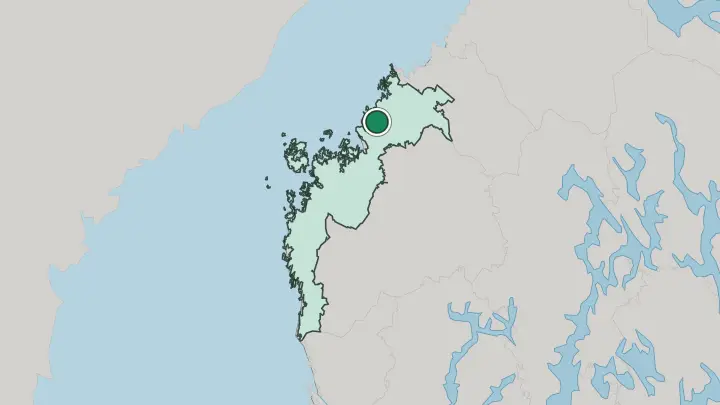
 Finland
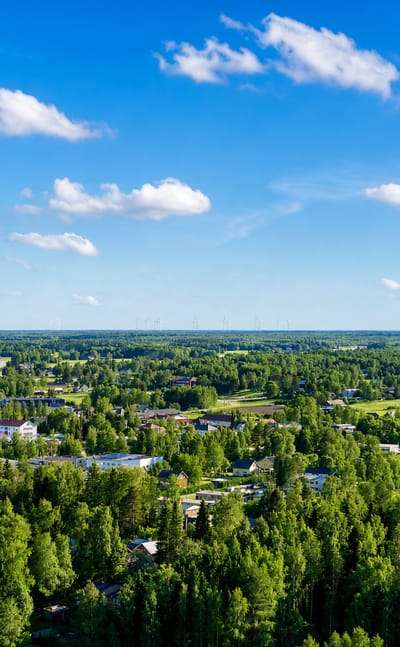
Kronoby
Kronoby is a coastal municipality of Ostrobothnia, in western Finland on the Gulf of Bothnia.Where to stay →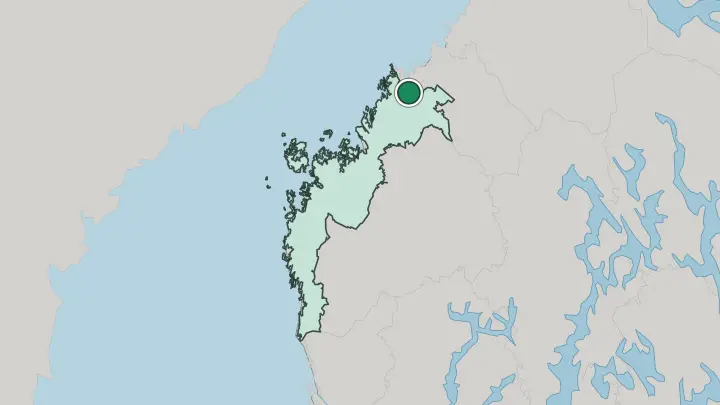
 Finland
Vörå
Vörå is a coastal municipality in western Finland, on the Gulf of Bothnia in Ostrobothnia, edged by the Kvarken Archipelago.Where to stay →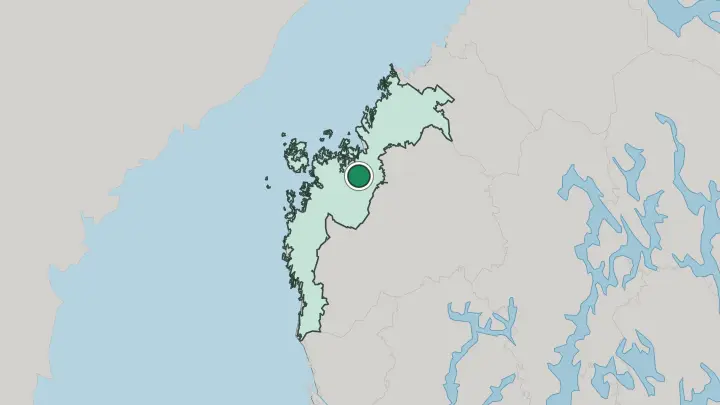
All towns & cities (15)
 Finland
Kristinestad
Kristinestad is an old wooden seaport in Ostrobothnia, western Finland, set on the Gulf coast.Where to stay →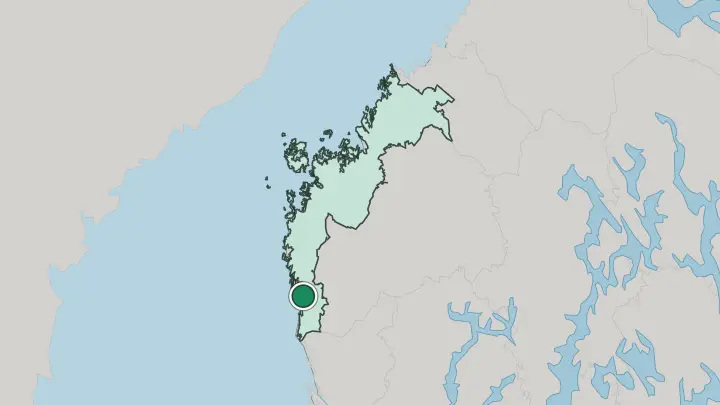
 Finland
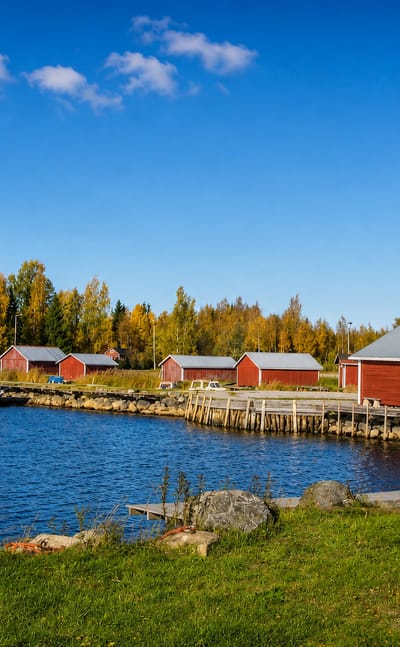
Larsmo
Larsmo is a Swedish-speaking island municipality in Pohjanmaa, western Finland, scattered across coastal skerries.Where to stay →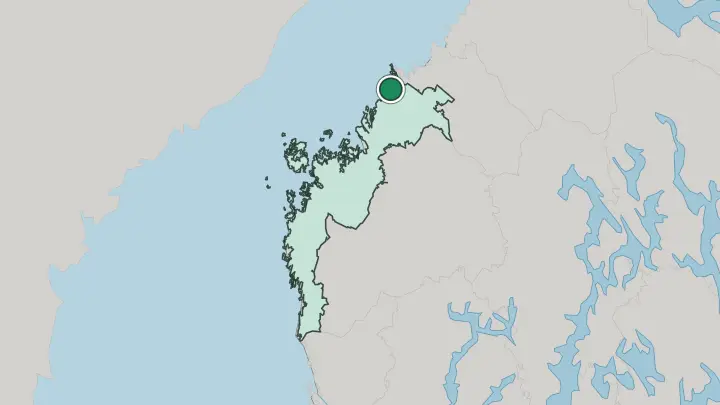
 Finland
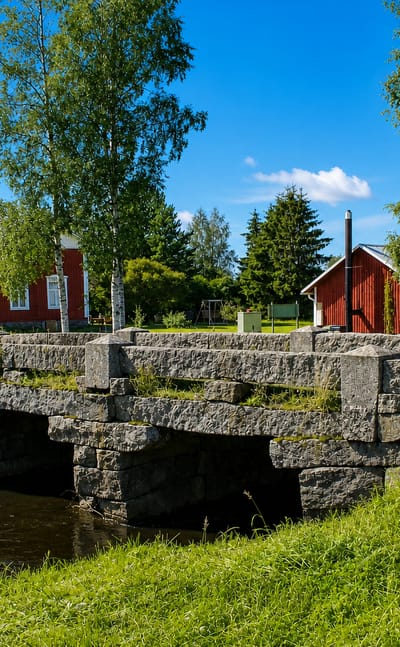
Malax
Malax is a coastal municipality in Pohjanmaa, western Finland (Ostrobothnia), on the Gulf of Bothnia.Where to stay →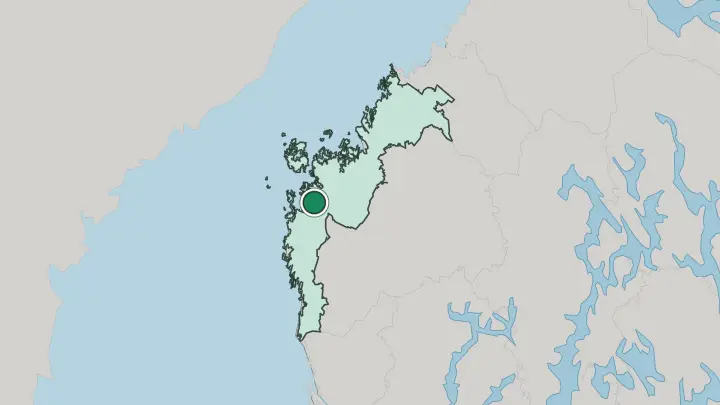
 Finland
Korsnäs
Korsnäs is a coastal municipality of Pohjanmaa in western Finland, on the Gulf of Bothnia by the Kvarken archipelago.Where to stay →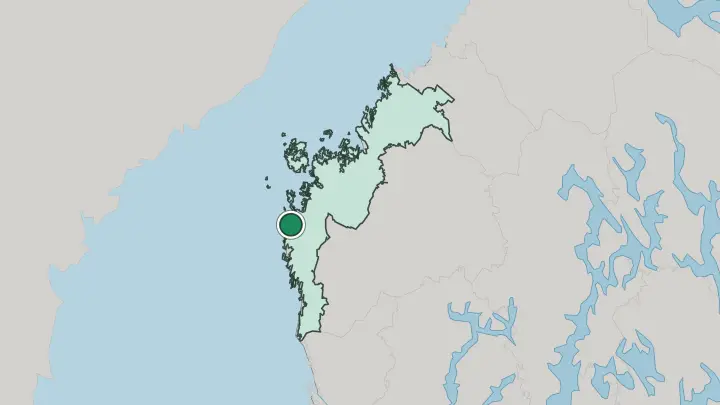 Finland
Kaskinen
Kaskinen is a small harbour town on the Gulf of Bothnia in Pohjanmaa, western Finland, set on a sheltered coastal peninsula.Where to stay →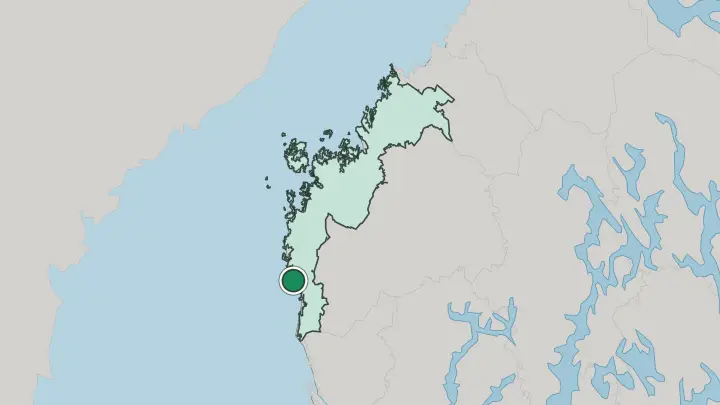
 Finland
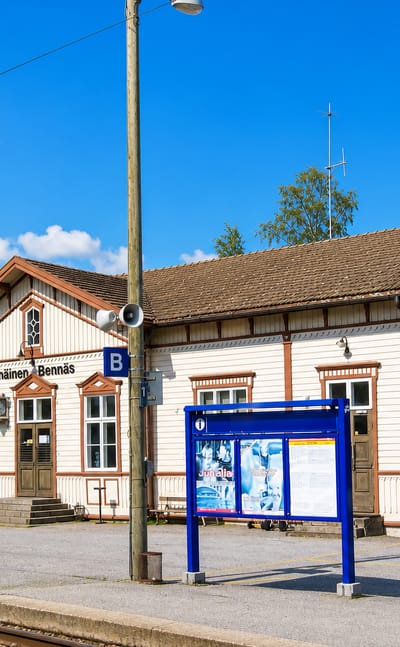
Bennäs
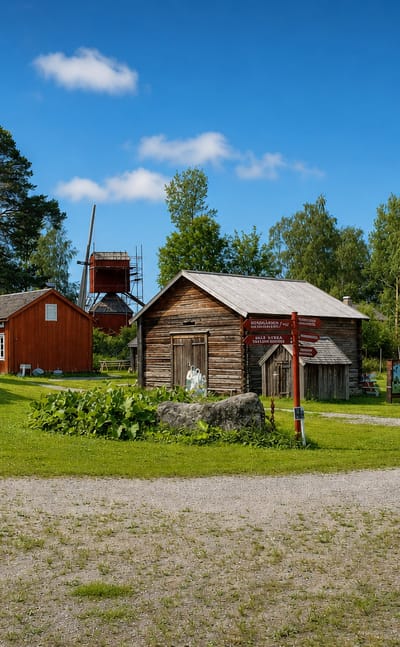
Bennäs, or Pännäinen, is a small railway village in Pedersöre, in the Pohjanmaa region of western Finland.Where to stay →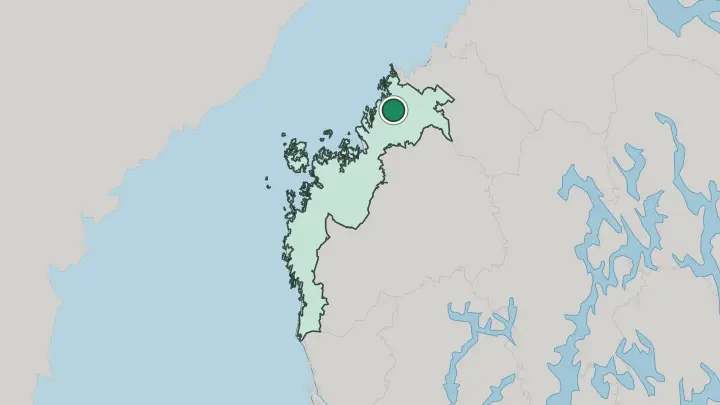
 Finland
Smedsby
Smedsby is a village in Korsholm, in western Finland (Ostrobothnia), the administrative seat of the bilingual coastal municipality.Where to stay →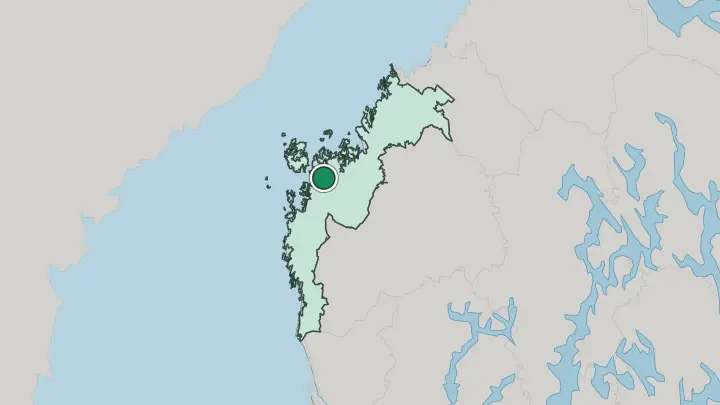
About Pohjanmaa
Pohjanmaa is the heartland of Swedish-speaking Finland.
What is Pohjanmaa known for?
The Ostrobothnia region runs along the Gulf of Bothnia in the west, a flat coast where the towns carry Swedish names and the second language is the everyday one. Vaasa is its centre. North along the shore lie Jakobstad and Nykarleby, and inland the bilingual communities of Närpes, Vörå, and Kronoby, all set on the wide Ostrobothnian plain that gives the region its open, sea-facing character.
Where is Pohjanmaa?
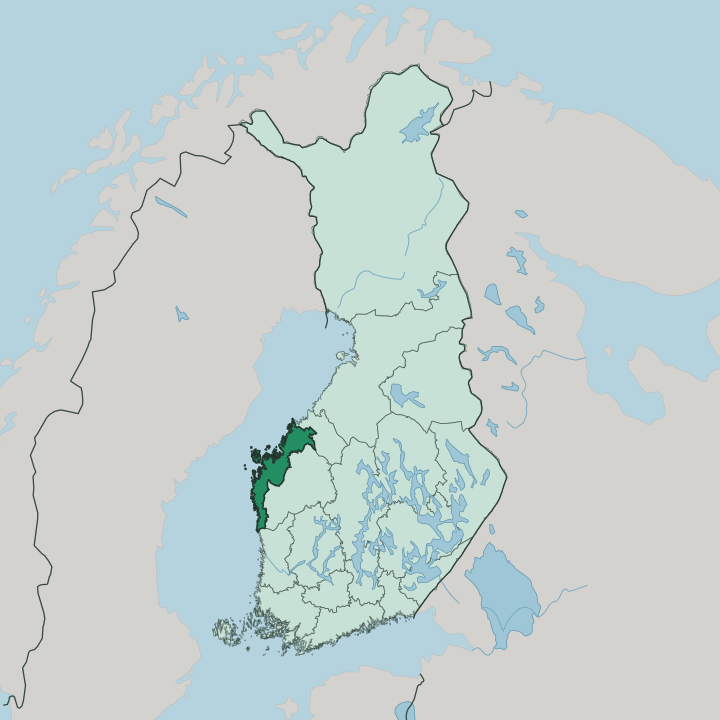
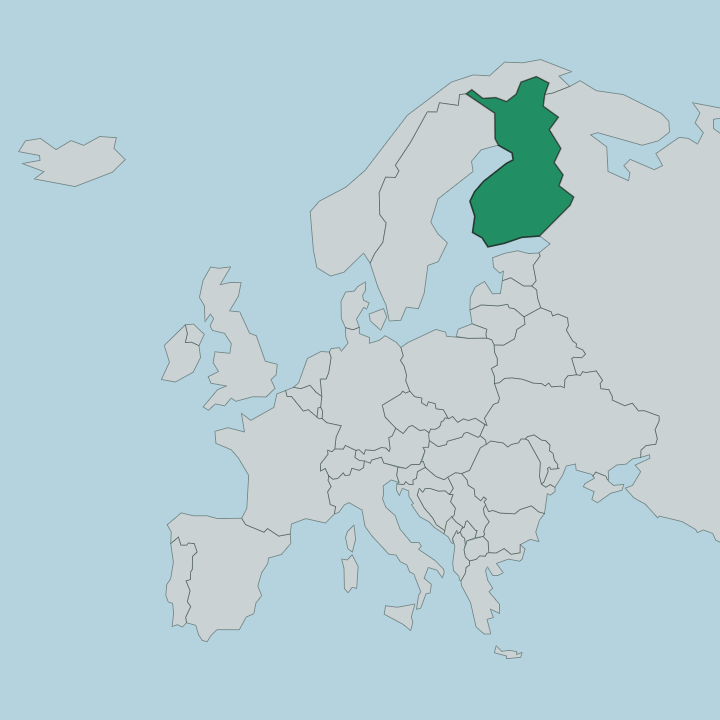
Pohjanmaa lies in western Finland, the seaward part of Ostrobothnia along the Gulf of Bothnia. The land is famously flat, the broad low plain of the Ostrobothnian coast, where slow rivers cross open farmland to reach a shore broken into thousands of low islands and skerries. It barely rises at all.
Vaasa sits midway down the coast, with Jakobstad and Nykarleby to the north and Närpes to the south, all strung along the same level shore. The sea is the region's defining edge. Across the Gulf of Bothnia lies Sweden, close enough that a ferry from Vaasa makes the crossing, and the shared water has shaped the coast's Swedish-speaking character.
Inland the plain runs back to forest. Keski-Pohjanmaa, Central Ostrobothnia, borders it to the north along the coast, while the flat farmed country around Laihia, Vörå, and Kronoby fills the gently rising ground behind the shore of this low western region.
What is Pohjanmaa like?
Pohjanmaa is the home of Finland's Swedish-speaking coast. Along the Gulf of Bothnia the towns of Vaasa, Jakobstad, Nykarleby, and Närpes have kept Swedish as the language of daily life for centuries, a tradition rooted in the old sea trade and the close ties across the water to Sweden. The plain shaped the rest.
Generations of farmers worked the flat Ostrobothnian land, and the open fields, wooden churches, and seafaring towns built a culture both rural and outward-looking on this western shore. Emigration marked the region deeply. From these Ostrobothnian harbours many sailed away in hard times, and the memory of that passage runs through the coast's towns and songs.
The bilingual life continues inland too. Communities like Vörå, Kronoby, and Laihia keep their own mix of Swedish and Finnish, and across the whole region, from the harbour at Vaasa to the farm villages behind it, Pohjanmaa holds a distinct coastal culture set apart by its language and its long face toward the sea.
What is the history of Pohjanmaa?
The sea trade built Pohjanmaa. Towns such as Vaasa, Jakobstad, and Nykarleby rose as seafaring ports on the Gulf of Bothnia, shipping tar, timber, and goods across to Sweden, and their wealth and Swedish speech came from that long traffic over the water. The plain fed the towns.
Farming villages like Närpes, Vörå, and Kronoby grew on the flat Ostrobothnian land behind the coast, and the whole region kept its bilingual, sea-facing character as it took its modern shape in western Finland.
What is the climate of Pohjanmaa?
Pohjanmaa has a cool coastal climate set by the Gulf of Bothnia. The sea tempers the shore at Vaasa and Jakobstad, holding off the deepest cold and giving snowy winters and mild, bright summers along the western coast. The flat land offers little shelter.
Wind off the open water sweeps the Ostrobothnian plain in every season, and inland toward Laihia and Vörå the sea's softening reach fades and the winters bite harder away from the coast.
How do you get to Pohjanmaa?
Vaasa is the gateway. The city has the region's airport, a station on the line in from southern Finland, and a ferry across the Gulf of Bothnia to Sweden, the shortest sea route between the two countries. Roads run along the coast.
The shore highway links Jakobstad and Nykarleby to the north and Närpes to the south, while inland routes reach the farm communities at Laihia, Vörå, and Kronoby and north toward Keski-Pohjanmaa.
Common questions
What is the best area to stay in Pohjanmaa?
Vaasa: first arrivals and ferry travellers from Sweden. Jakobstad coast: visitors after the old Swedish-speaking towns.
Good for
More regions in Finland
Updated September 2026