Finland · Pirkanmaa
Where to Stay in Hämeenkyrö, Pirkanmaa
Hämeenkyrö is an old farming parish in Pirkanmaa, south-western Finland, the home country of the writer F.E. Sillanpää.
Find your area →


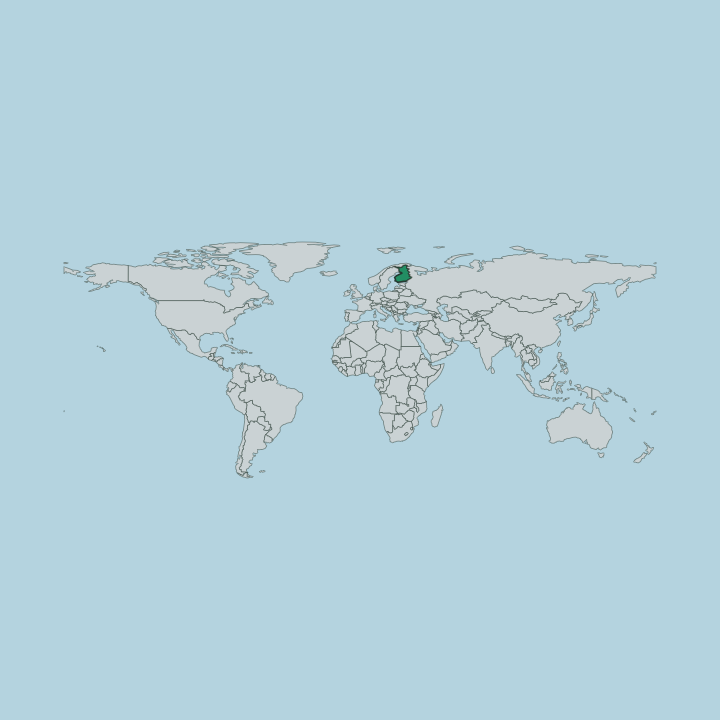
Where to stay in Hämeenkyrö
Not every neighbourhood fits every trip — here's what each one is good for.
Hämeenkyrö keeps a modest stock of beds for a parish of this size in Pirkanmaa, the kind of place where a small hotel, a guesthouse, or a lakeside cottage is the usual room. The church village is the natural base. Stay near the Hämeenkyrön kirkko and the old parsonage of the Pappila, within reach of the museum quarter and the homes of the writer at the F.E.
Sillanpään kodit. The water shapes where rooms gather. Cottages stand out along the lakes around the island of Iso-Tahkosaari and the falls at Kyröskoski, a quiet base for walkers touring the ridges and woods of south-western Finland.
Rooms grow sparse beyond the church village. Visitors drawn to the parish past often stay near the Hämeenkyrön kotiseutumuseo and the old croft of Töllinmäki, while many travellers instead sleep in the larger towns of Pirkanmaa and drive in for the day. Book ahead in summer, when the lakes and the festivals fill the few rooms of Hämeenkyrö early.
Things to do in Hämeenkyrö
Ranked by global recognition; descriptions from Wikidata (CC0).
Museums & Galleries
3- Ahlforsin aseverstas
- Hämeenkyrön kotiseutumuseo
- Urkin piilopirtti
Churches & Religious Sites
3- Hämeenkyrön kirkko Heritage
- Jumesniemen kirkko-koulu primary school
- Pentinmaan rukoushuone
Nature & Outdoors
1- Iso-Tahkosaari Heritage island
worth knowingacross 3 categories in Hämeenkyrö
About Hämeenkyrö
What is Hämeenkyrö known for?
Hämeenkyrö is known as the home landscape of the Nobel writer F.E. Sillanpää, an old parish of ridges and lakes in Pirkanmaa. Its fields run down to the water.
The Hämeenkyrön kirkko stands above the mill village, the homes of the writer survive as the F.E. Sillanpään kodit, and the falls of Kyröskoski drove the old factory community of the Kyröskosken tehdasyhdyskunta in this corner of south-western Finland.
What are the main landmarks in Hämeenkyrö?
The Hämeenkyrön kirkko anchors the parish, a church standing above the mill village on the ridges of Pirkanmaa, the old burial chapel and the parsonage of the Pappila near it. A writer's land draws more visitors still. The homes of F.E.
Sillanpää survive as the F.E. Sillanpään kodit across the farm country he wrote of, and the small church-school of the Jumesniemen kirkko-koulu serves an outlying village. Old work and old houses remain.
The Kyröskosken tehdasyhdyskunta grew at the falls, the Ahlforsin aseverstas kept a smith's workshop, and the croft of Töllinmäki and the Hämeenkyrön kotiseutumuseo hold the rural past of south-western Finland.
What is the history of Hämeenkyrö?
Hämeenkyrö is one of the old mother parishes of the Pirkanmaa interior. Settlement gathered early on the fertile ridges between the lakes, and the medieval parish grew around its church, the long line of pastors served from the parsonage of the Pappila beside the Hämeenkyrön kirkko. The old land route crossed here.
The ancient road of the Hämeenkankaan- ja Kyrönkankaantie ran through the parish, tying the farm villages of south-western Finland to the wider country. Industry came to the falling water of the Kyröskoski. A mill and factory community rose at the falls, the Kyröskosken tehdasyhdyskunta, drawing workers to the rapids while the farms kept their old ways on the ridges around.
The parish gave Finland its first Nobel writer. Frans Eemil Sillanpää grew up in this landscape and made its crofters and farms the matter of his books, and the homes he knew survive as the F.E. Sillanpään kodit, with the croft of Töllinmäki and the Hämeenkyrön kotiseutumuseo keeping the same rural memory.
Where is Hämeenkyrö?
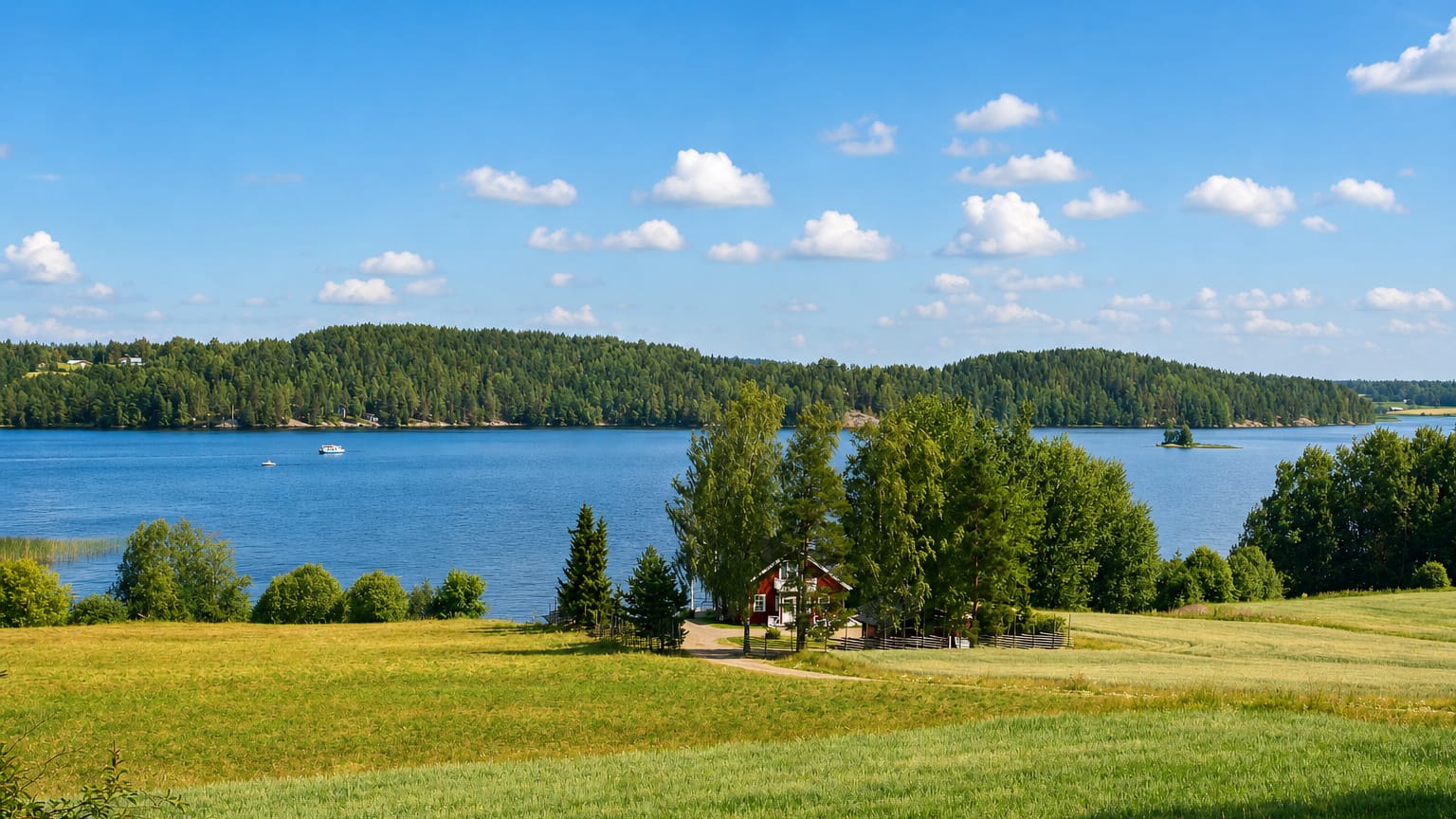
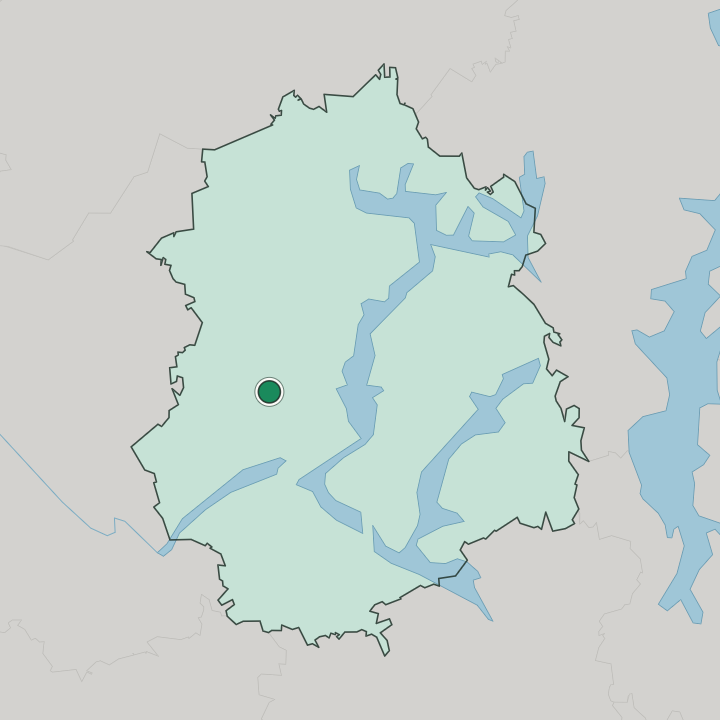
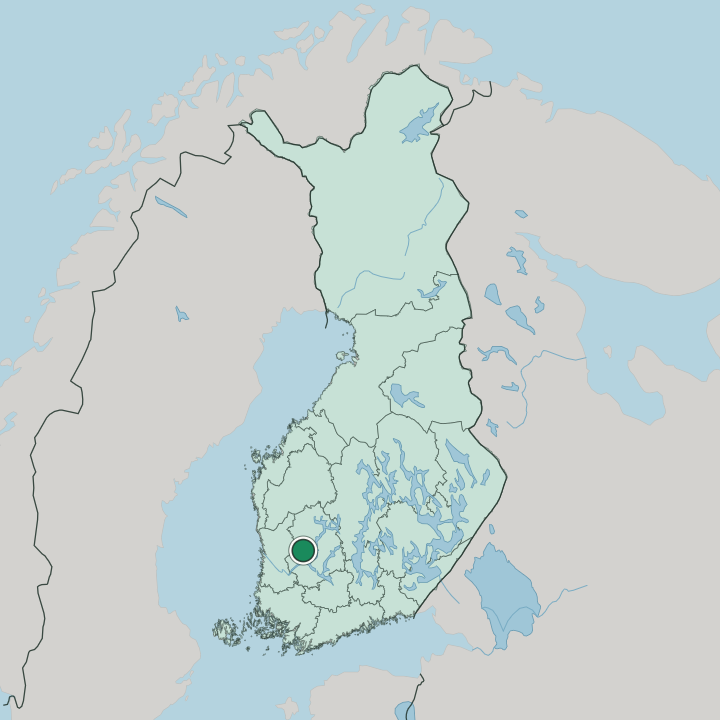
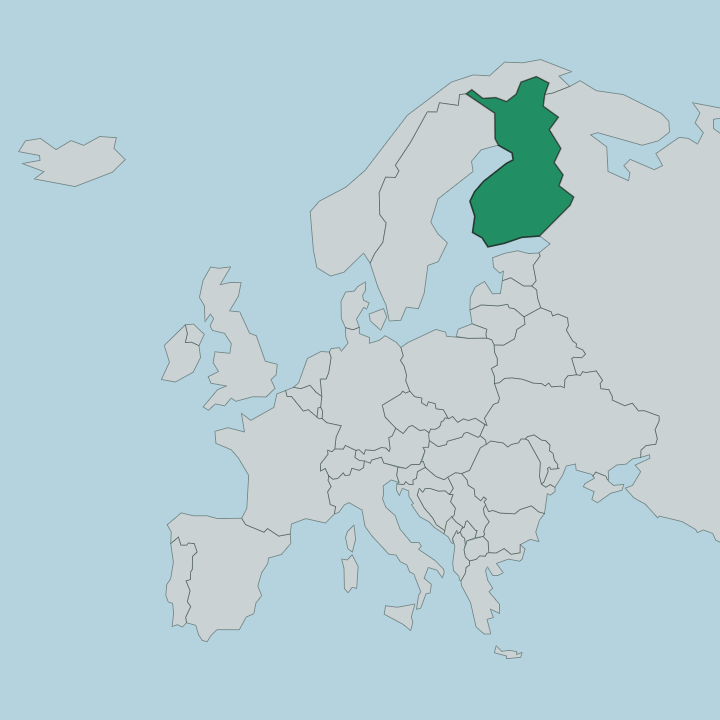
Hämeenkyrö lies in the ridge-and-lake country of northern Pirkanmaa, in south-western Finland, its fields draped over eskers between the waters. Lakes thread the parish. The settlement gathers on the higher ground above the shore while the island of Iso-Tahkosaari sits offshore and the falls of Kyröskoski drop between the lakes.
Forest covers the slopes around. Esker ridges and pine woods run out from the village, and the lakeland of south-western Finland stretches around Hämeenkyrö toward the neighbouring towns of the region.
What is the climate of Hämeenkyrö?
Hämeenkyrö has a cold inland climate shaped by the lake country of south-western Finland. Winters are long and snowy, ice locking the lakes around the parish while frost grips the ridges and the falls of Kyröskoski through the dark months of Pirkanmaa. Summers turn warm and bright.
The long northern daylight thaws the water and brings people to the shores and the eskers around Hämeenkyrö, the short green season the writer F.E. Sillanpää set down in his books before the snow returns.
How do you get to Hämeenkyrö?
Hämeenkyrö sits on the main road north-west from the regional centre of Pirkanmaa, on the old land route through the interior, and access is easy by road. Buses and cars come in along the highway that traces the ancient line of the Hämeenkankaan- ja Kyrönkankaantie, bringing visitors to the church village and the mill at Kyröskoski. The lakes once carried the trade.
Boats worked the connected waters in earlier times, while most travellers now drive in from the larger towns of south-western Finland to the parish of F.E. Sillanpää.
Good for
More cities in Pirkanmaa
Updated September 2026