Finland
Pirkanmaa, Finland — Towns & Travel Guide
Pirkanmaa is the Tampere Region of south-western Finland, lake country drained by the Kokemäki River and centred on its largest city.
Find your area →


Towns & cities in Pirkanmaa
Pick a town or city — each links to where to stay.
 Finland
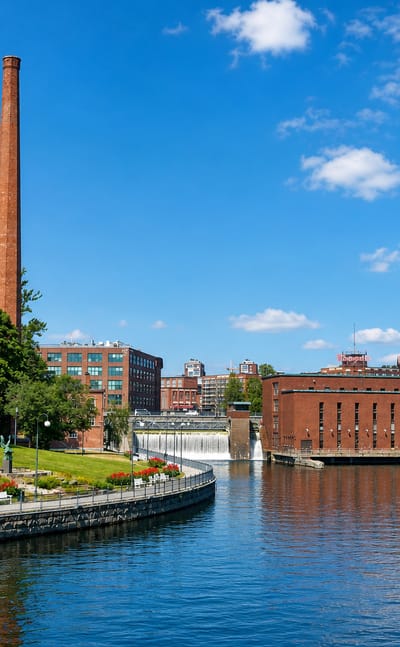
Tampere
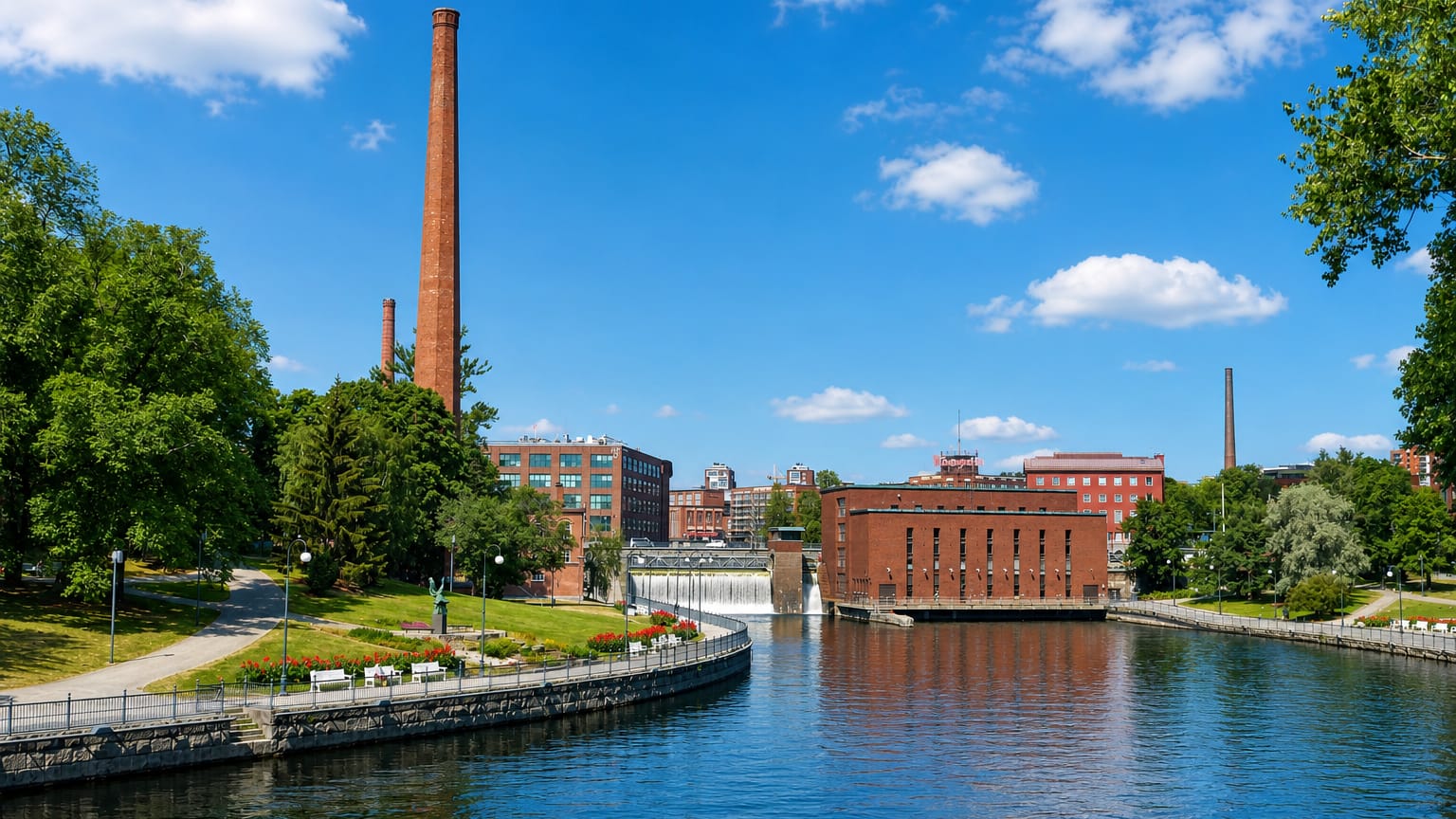
Tampere is the capital of Pirkanmaa, a major industrial and cultural city in south-western Finland.Where to stay →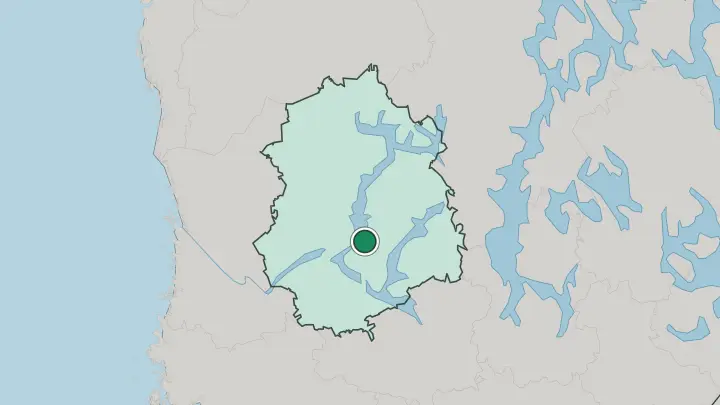
 Finland
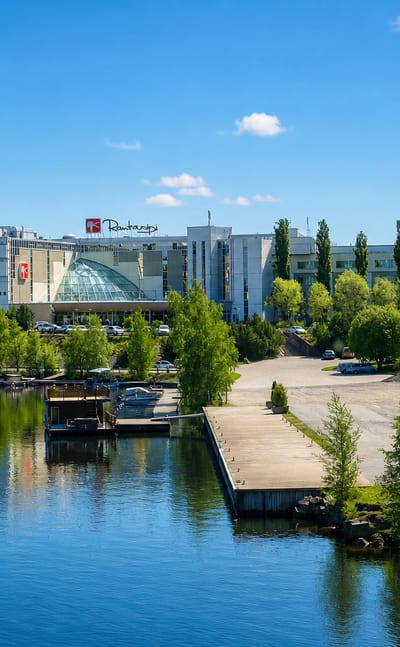
Nokia
Nokia is an industrial mill town in Pirkanmaa, south-western Finland, grown on the rapids that drove its works.Where to stay →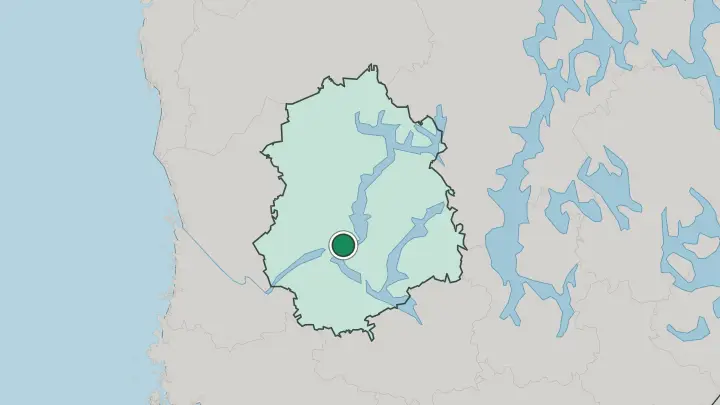
 Finland
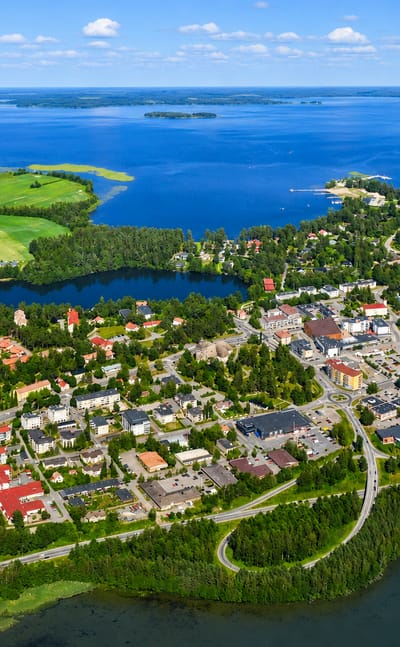
Kangasala
Kangasala is a lakeside town of Pirkanmaa in south-western Finland, spread along the Kirkkoharju ridge east of Tampere.Where to stay →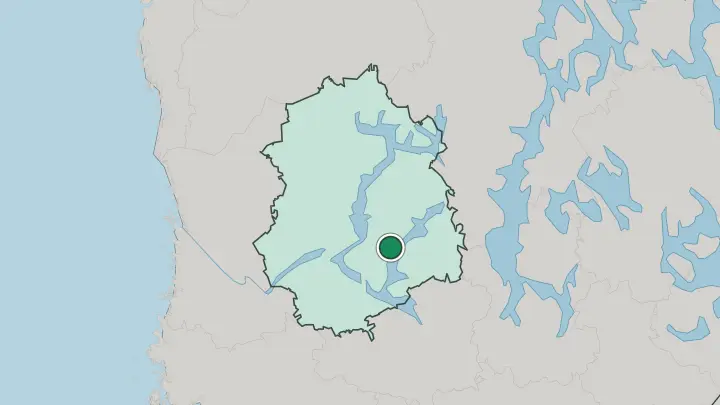
 Finland
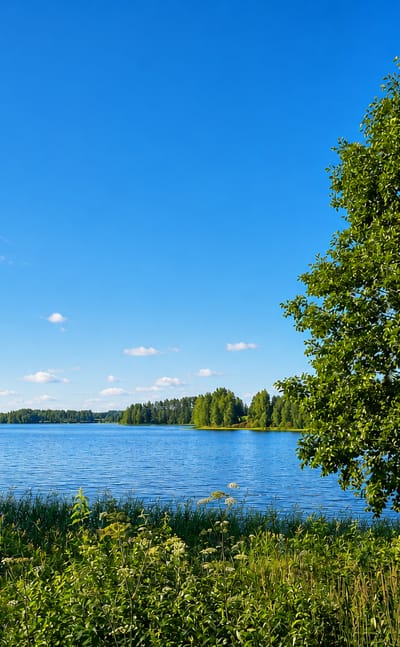
Ylöjärvi
Ylöjärvi is a town in the Pirkanmaa region of south-western Finland, set in the lake country just west of Tampere.Where to stay →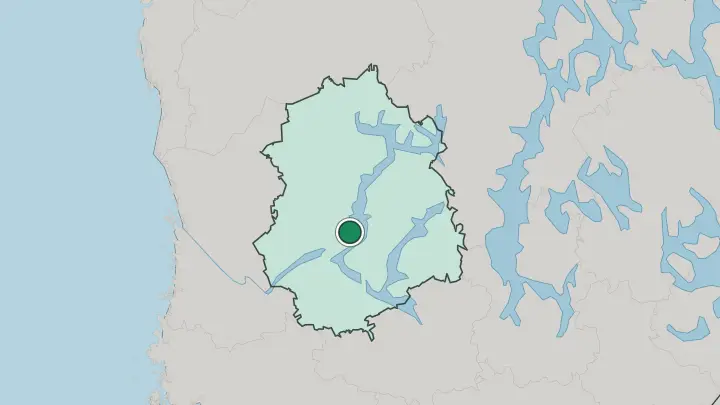
 Finland
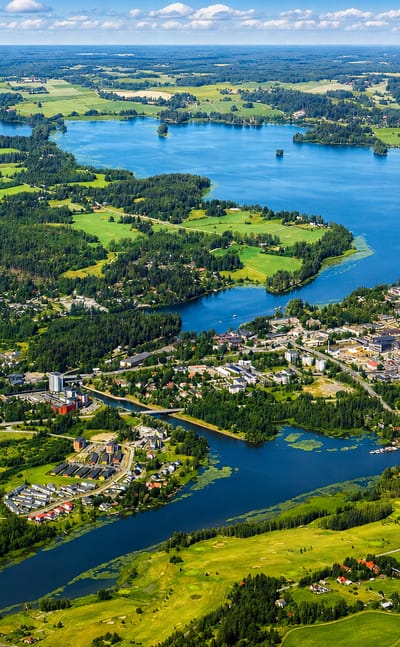
Lempäälä
Lempäälä is a municipality in Pirkanmaa, south-western Finland, ranged along the water between two lakes.Where to stay →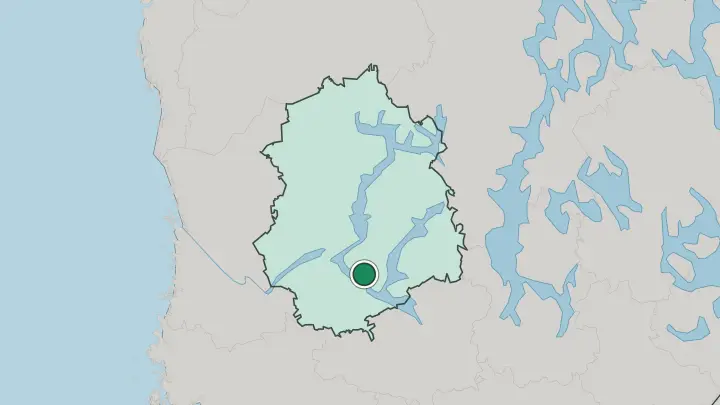
 Finland
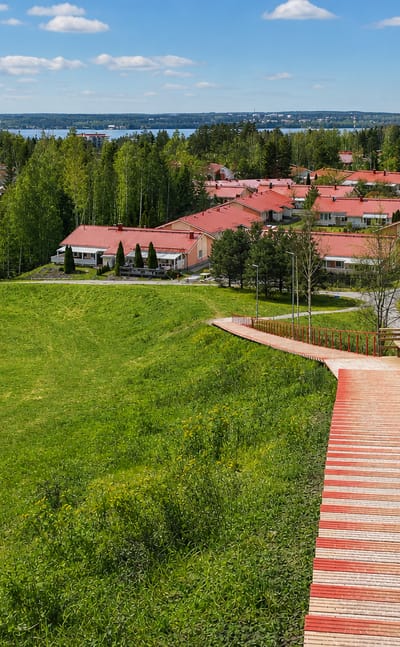
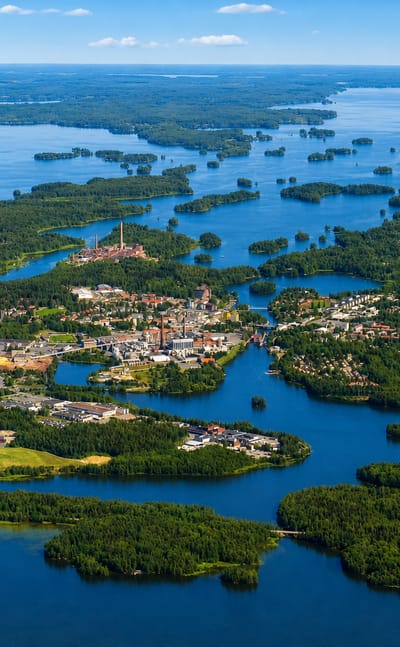
Pirkkala
Pirkkala is a municipality in Pirkanmaa, south-western Finland, set on the waters southwest of Tampere.Where to stay →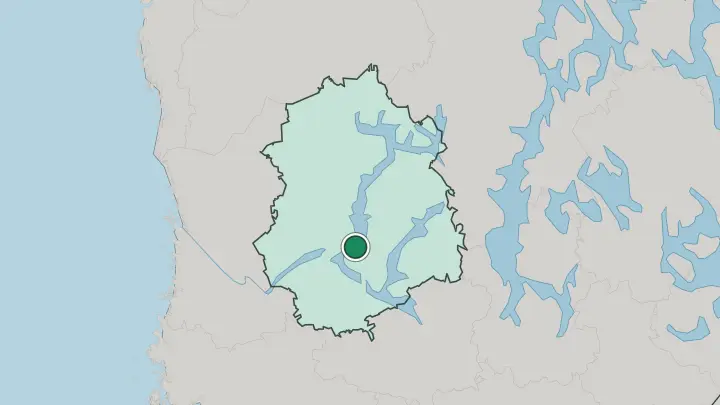
 Finland
Valkeakoski
Valkeakoski is a mill town in south-western Finland, in Pirkanmaa, home to the Suomen Jalkapallomuseo.Where to stay →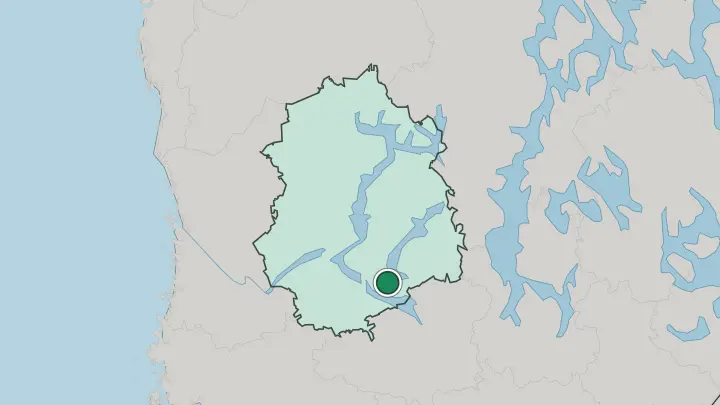
 Finland
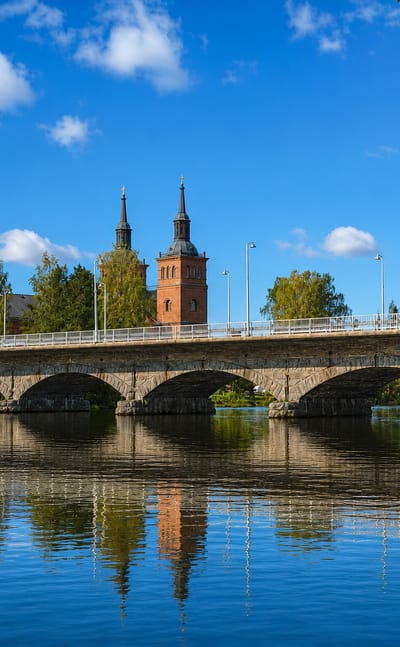
Vammala
Vammala is a town in south-western Finland, in Pirkanmaa, known for the medieval Tyrvään vanha kirkko.Where to stay →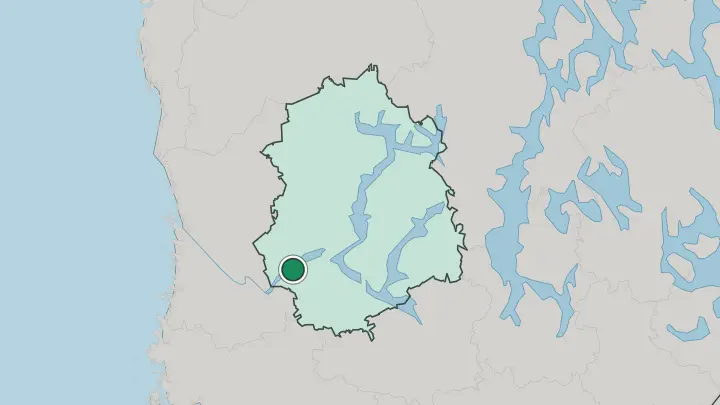
All towns & cities (25)
 Finland
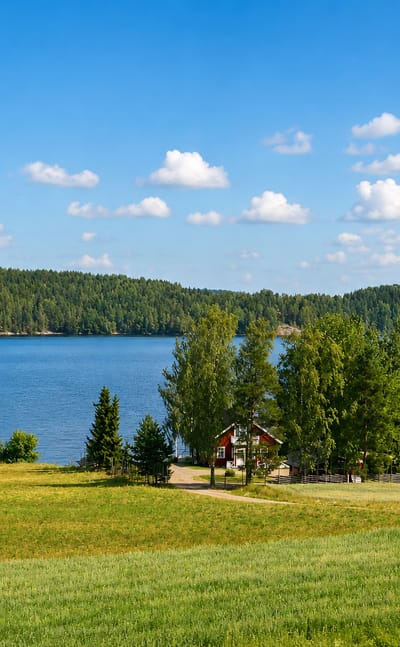
Hämeenkyrö
Hämeenkyrö is an old farming parish in Pirkanmaa, south-western Finland, the home country of the writer F.E. Sillanpää.Where to stay →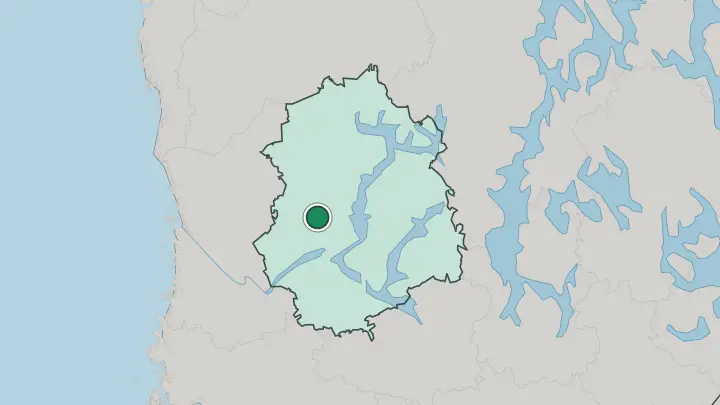
 Finland
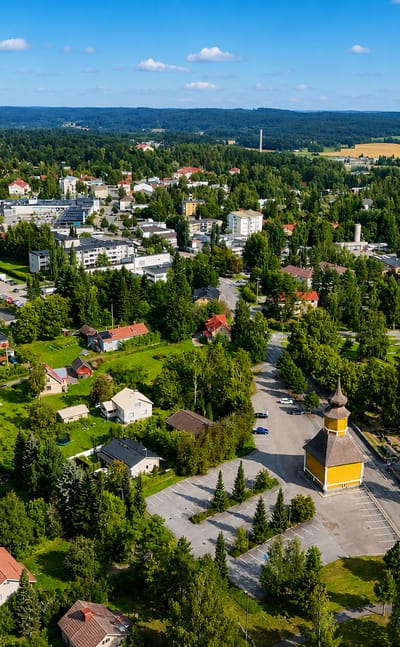
Orivesi
Orivesi is a railway town in Pirkanmaa, south-western Finland, grown around its heritage station and old parishes.Where to stay →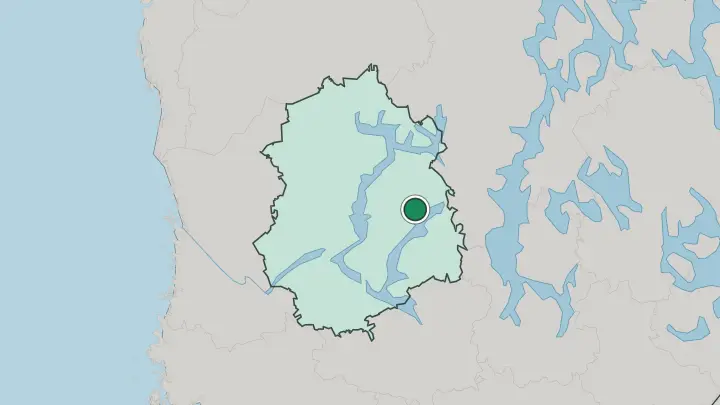
 Finland
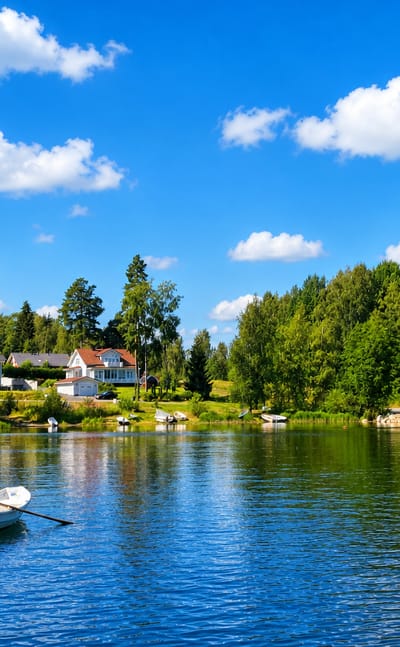
Ikaalinen
Ikaalinen is an old lakeside town in Pirkanmaa, south-western Finland, northwest of Tampere.Where to stay →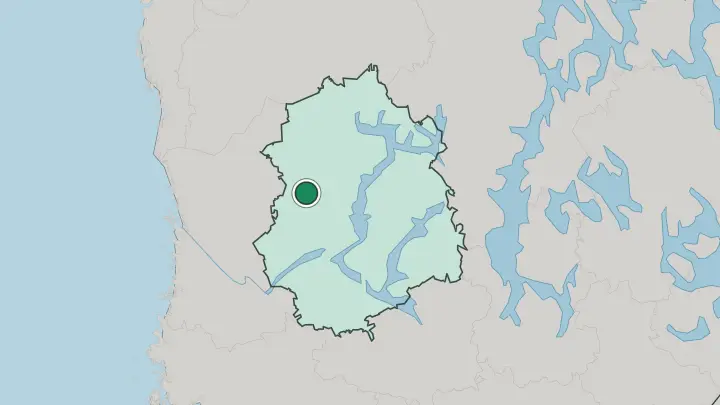
 Finland
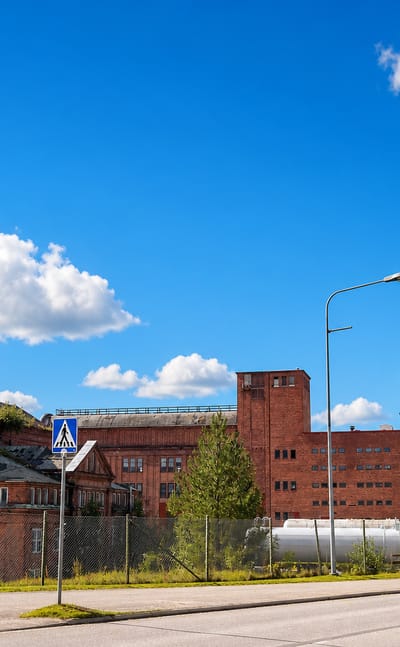
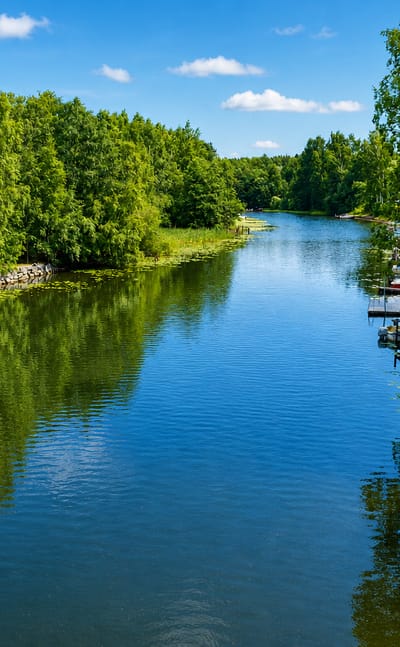
Mänttä
Mänttä is a mill town in Pirkanmaa, south-western Finland, known for the Serlachius art museums.Where to stay →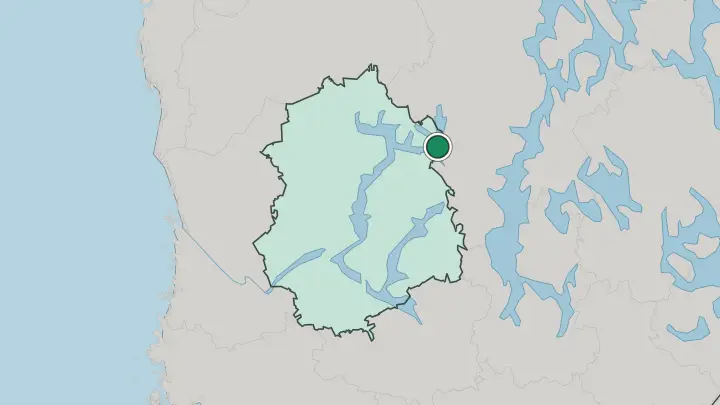
 Finland
Pälkäne
Pälkäne is a lakeside municipality in Pirkanmaa, south-western Finland, known for its medieval church ruin.Where to stay →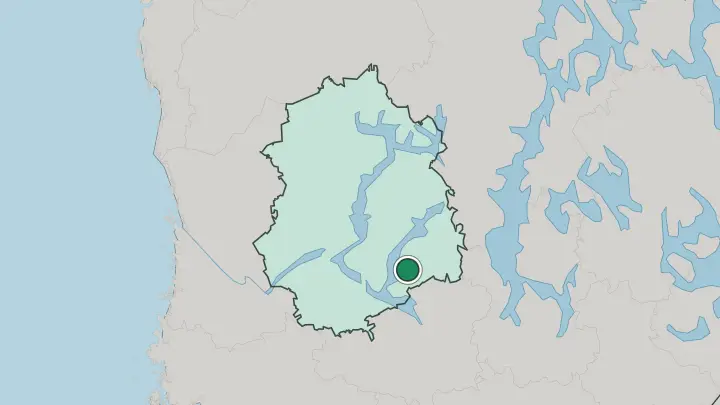
 Finland
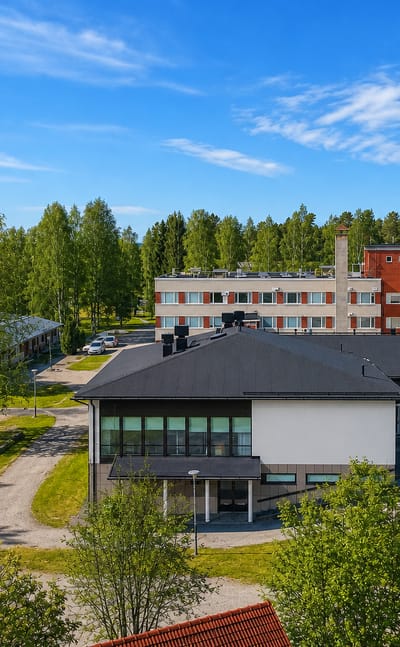
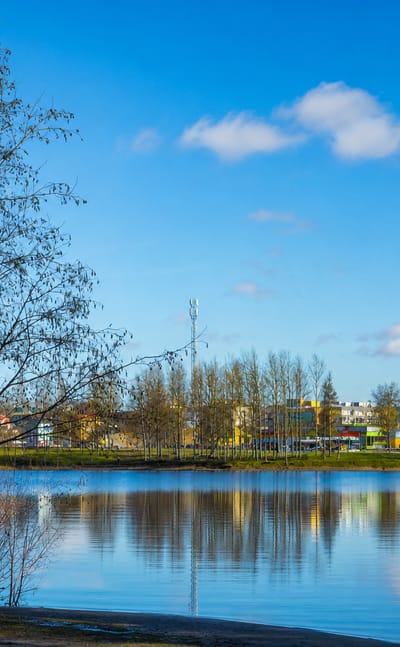
Virrat
Virrat is a lake-country town in south-western Finland, in Pirkanmaa north of Tampere, on the old Näsijärvi waterway route.Where to stay →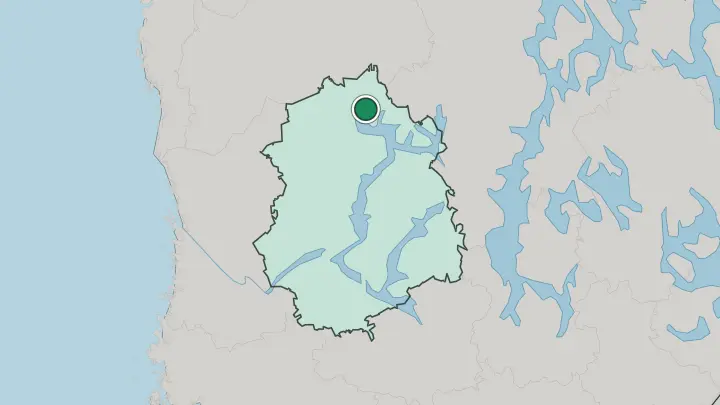
 Finland
Parkano
Parkano is a forest town in Pirkanmaa, in south-western Finland, chartered in 1867 around the Parkanon kirkko.Where to stay →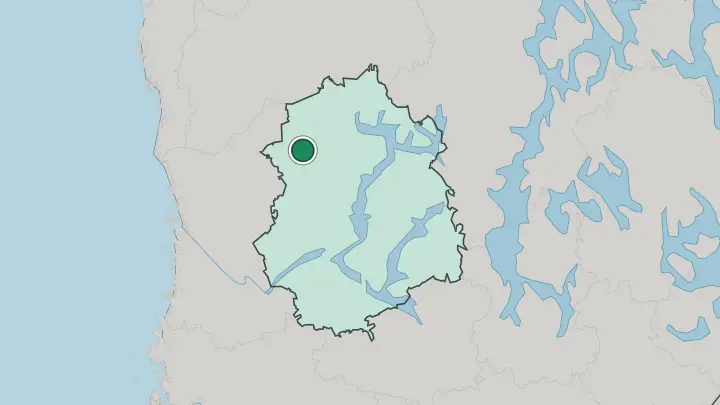
 Finland
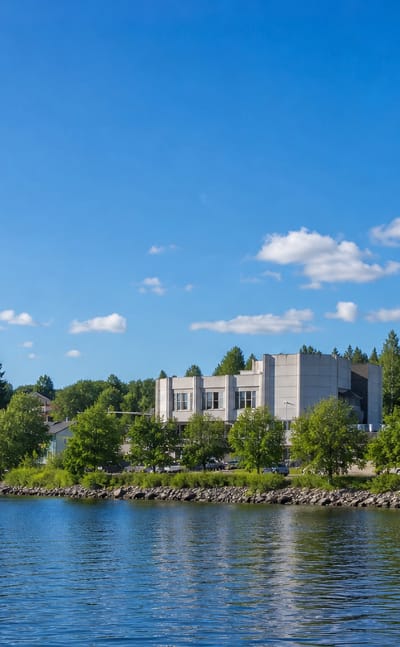
Vilppula
Vilppula is a former mill town in Pirkanmaa, south-western Finland, paired with Mänttä and its Serlachius art museums.Where to stay →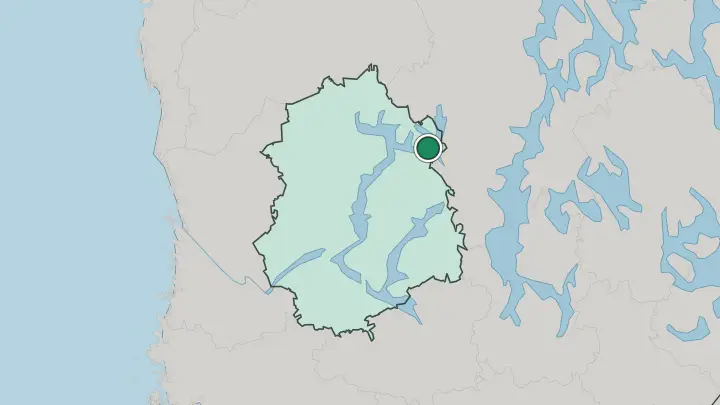
 Finland
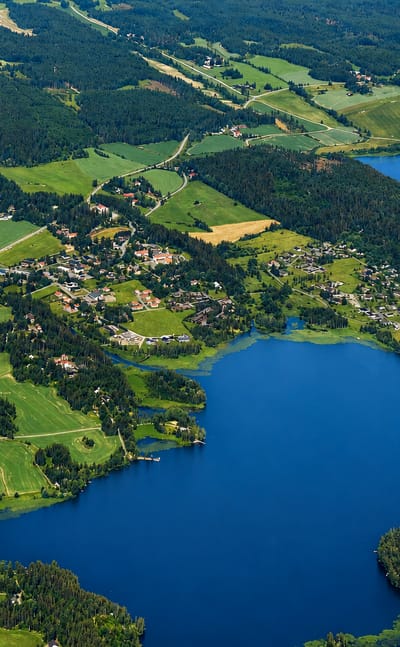
Vesilahti
Vesilahti is a lakeside municipality in Pirkanmaa, in south-western Finland, southwest of Tampere in the Finnish Lakeland.Where to stay →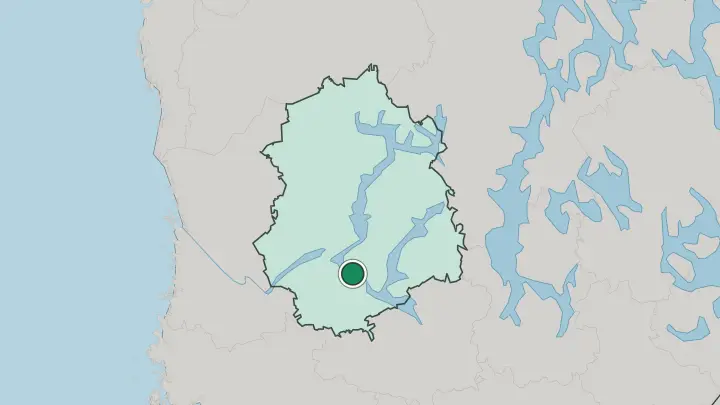
 Finland
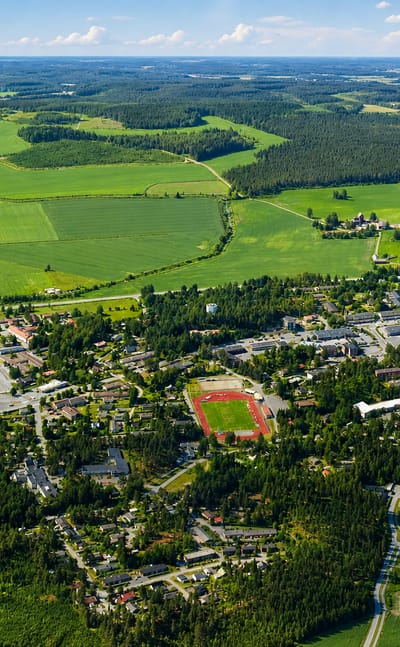
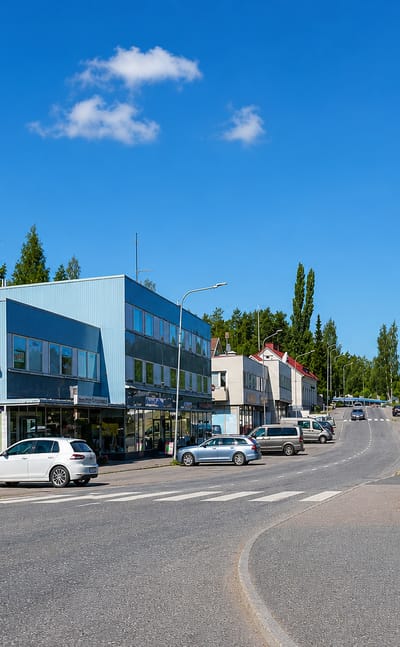
Urjala
Urjala is a rural municipality in south-western Finland's Pirkanmaa, known for the old glass village of Nuutajärvi.Where to stay →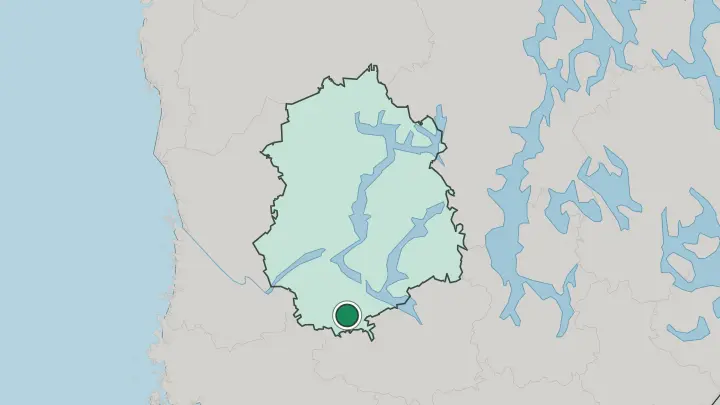
 Finland
Ruovesi
Ruovesi is a lakeside municipality in Pirkanmaa, south-western Finland, on the Näsijärvi waterway with Kalela on its shore.Where to stay →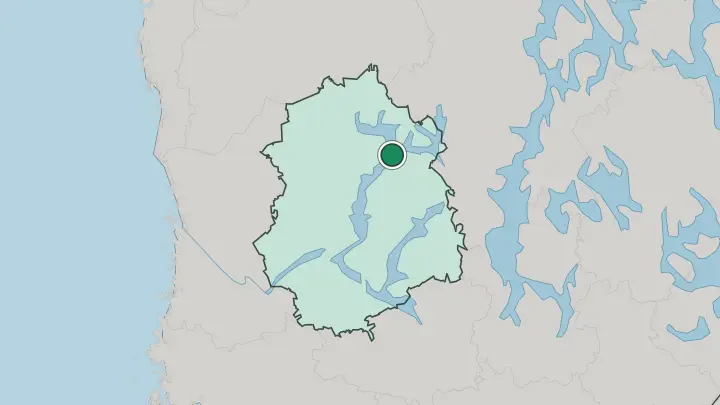
 Finland
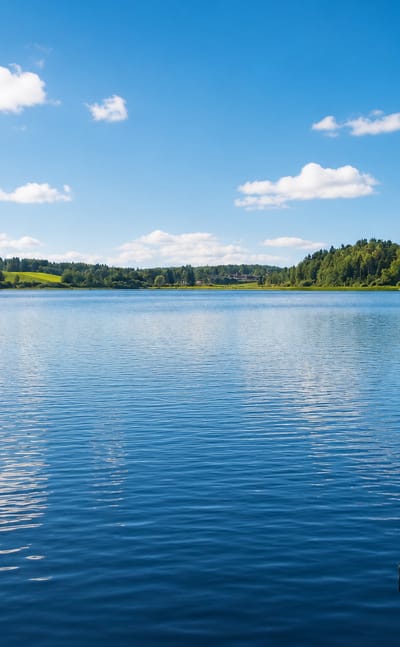
Mouhijärvi
Mouhijärvi is a lakeside parish in Pirkanmaa, south-western Finland, now part of Sastamala.Where to stay →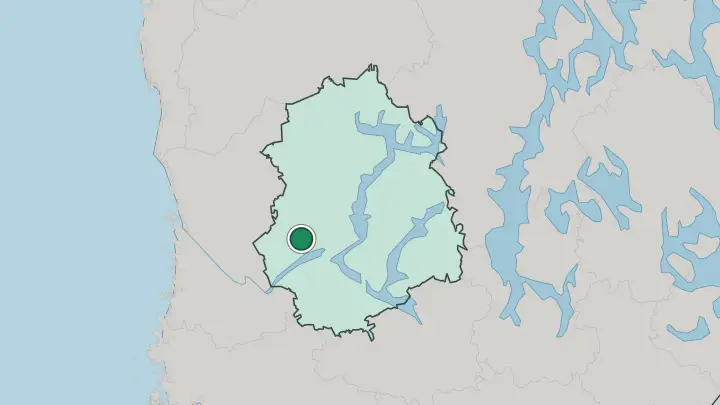
 Finland
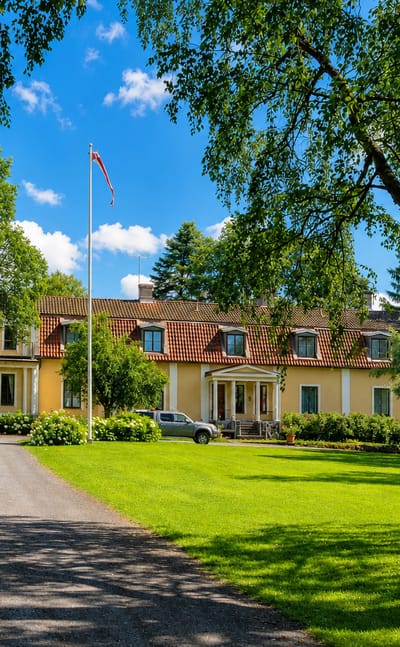
Kylmäkoski
Kylmäkoski is a rural church village in the Akaa country of Pirkanmaa, south-western Finland.Where to stay →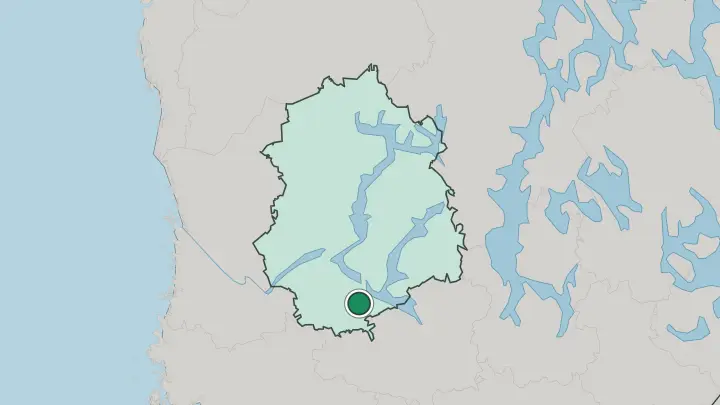
 Finland
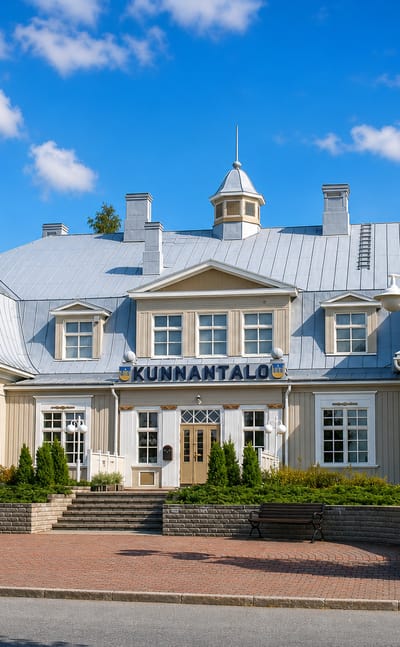
Punkalaidun
Punkalaidun is a rural parish in Pirkanmaa, south-western Finland, chartered in the 17th century.Where to stay →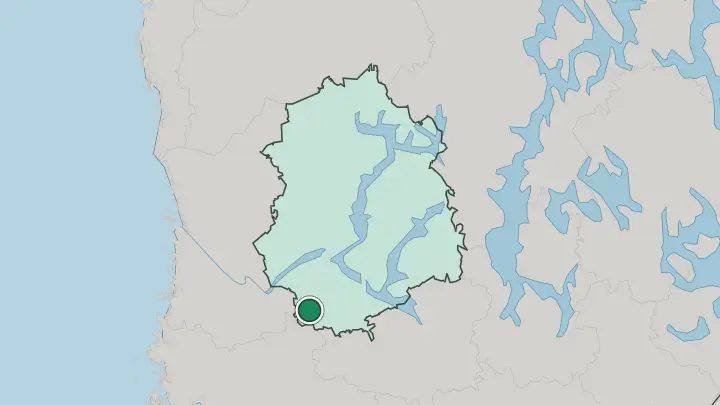
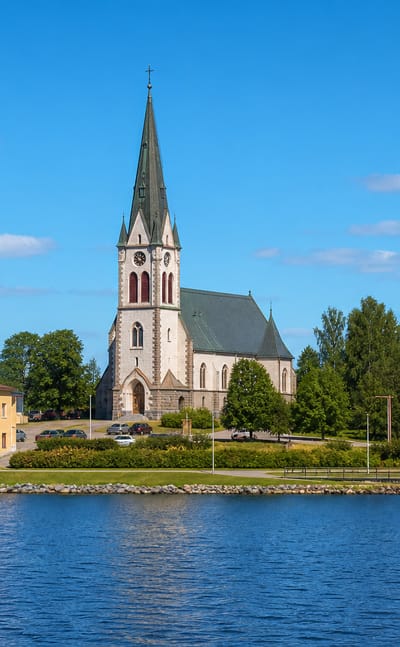 Finland
Kuhmoinen
Kuhmoinen is a lakeland municipality in Pirkanmaa, south-western Finland, gathered around its old church village.Where to stay →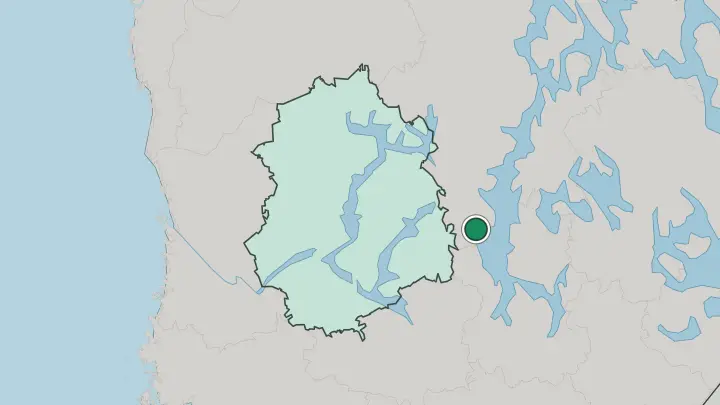
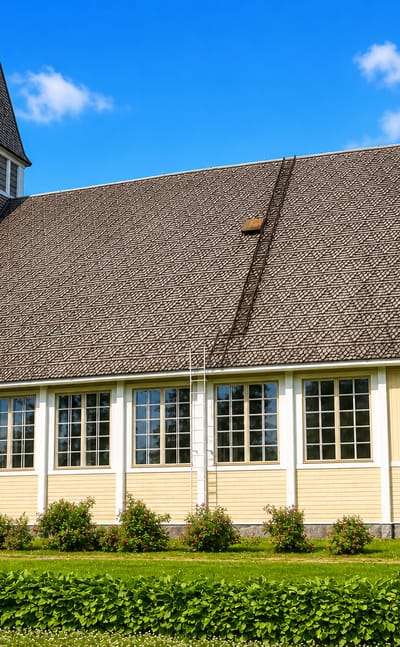 Finland
Kihniö
Kihniö is a small peat-bog municipality in Pirkanmaa, south-western Finland, set among forests and lakes.Where to stay →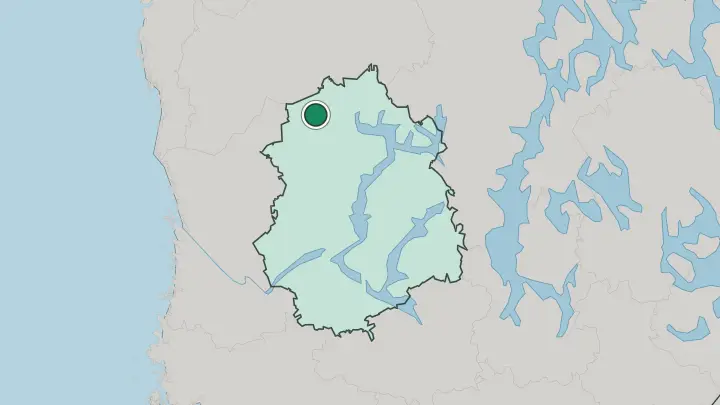
 Finland
Juupajoki
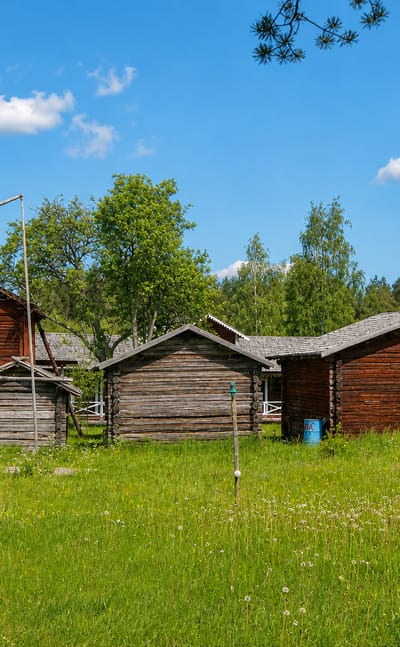
Juupajoki is a forest municipality of Pirkanmaa, its parish gathered at Korkeakoski beside the rapids that name it.Where to stay →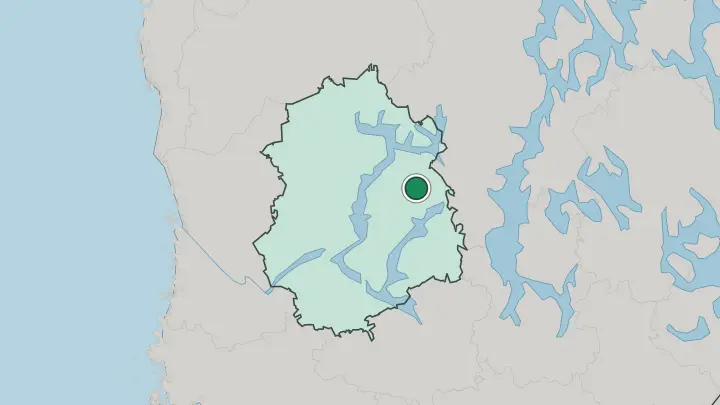
About Pirkanmaa
Pirkanmaa is known for Tampere and its lakes.
What is Pirkanmaa known for?
The region carries the Kokemäki River watershed across south-western Finland, a spread of water, ridge, and forest with Tampere as its regional centre and largest city. Its name comes from Pirkkala. That parish once covered most of the land.
Lake Vanajavesi reaches in from the neighbouring Kanta-Häme, and travellers know the region for its lake routes, its industrial heritage, and the pull of Tampere itself.
Where is Pirkanmaa?
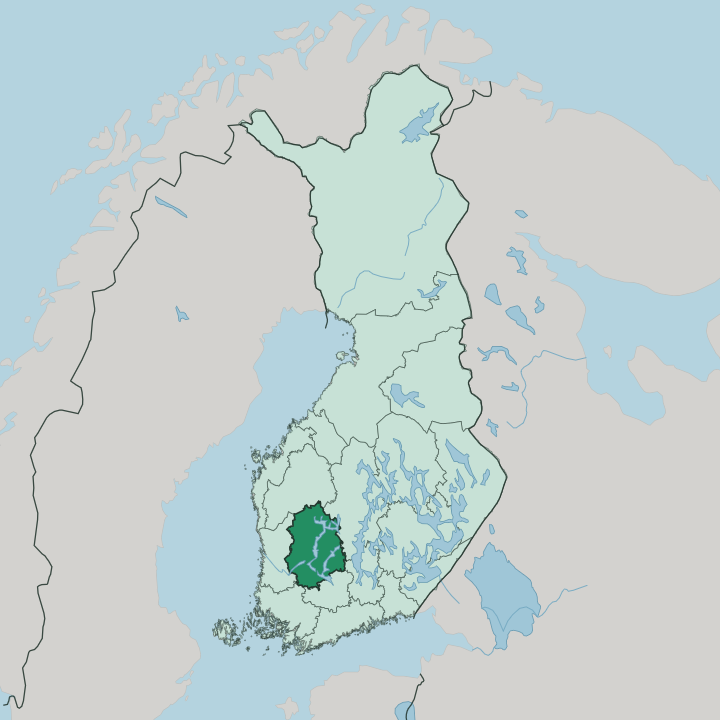
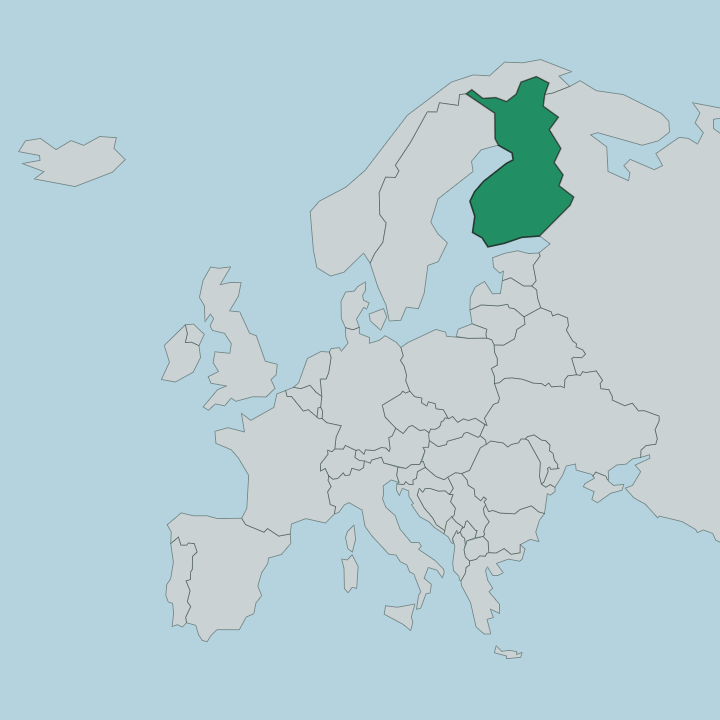
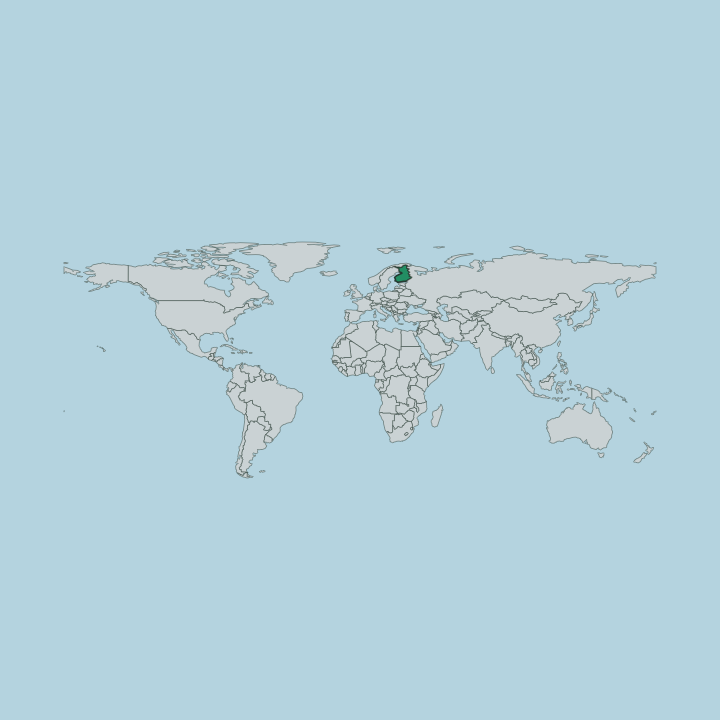
Pirkanmaa lies in south-western Finland, a broad inland region built around water. Most of the Kokemäki River watershed gathers here, a long chain of lakes, channels, and rapids that drains the land westward toward the sea, breaking the forest and ridge country into a mosaic of islands, shores, and narrow necks of land where the towns have grown. Tampere sits at the heart of it.
The city stands on the isthmus between two large lakes. Lake Vanajavesi reaches into the region from the east, shared with neighbouring Kanta-Häme, while the watershed spreads north and west through forest and farmland. The region borders many others.
Satakunta lies to the west, the Ostrobothnian and lakeland regions to the north and east, and Päijät-Häme, Kanta-Häme, and Southwest Finland to the south, so Pirkanmaa sits among them as an inland crossroads of lake and ridge. Woodland holds the ridges above the water. Water threads the valleys between.
What is Pirkanmaa like?
Pirkanmaa keeps a strong inland and industrial identity. The region grew up around Tampere, whose mills and factories drew people from the surrounding parishes and made the city a centre of work, music, and theatre that still shapes the cultural life of south-western Finland. The lakes run through it all.
Boats and summer cottages mark the warm season. The region's name carries its own history, taken from Pirkkala, the medieval parish that once covered most of present-day Pirkanmaa and gave the land its older identity. Festivals, theatre, and lakeside gatherings fill the summers, and the watershed of the Kokemäki River ties the towns together by water as it long has.
Tampere anchors the calendar. The smaller towns keep their own fairs and traditions through the year.
What is the history of Pirkanmaa?
Pirkanmaa takes its name from Pirkkala. In the Middle Ages that single parish comprised most of present-day Pirkanmaa, and the land was settled along the lakes and the Kokemäki River long before the modern region took shape. Tampere came later.
The city rose at the rapids between two lakes and grew into the industrial heart of the region and its largest city. The present maakunta of Pirkanmaa was drawn in 1994, binding the old parishes of south-western Finland into one administrative whole.
What is the climate of Pirkanmaa?
The region carries a cool, inland weather. Winters bring snow and ice across the lakes of the Kokemäki River watershed, freezing the channels around Tampere and holding the forests white through the dark months of the year. The season turns warm and long-lit.
The long days warm the lakes for swimmers and boats, and the water around Tampere draws people out across the region through the green height of the season.
How do you get to Pirkanmaa?
Pirkanmaa is reached through Tampere. The regional centre sits on the main lines and roads of south-western Finland, with rail and motorway running north from the capital region and an airport of its own near Pirkkala. Lake routes link the towns.
Roads thread out from Tampere across the Kokemäki River watershed toward Kanta-Häme and the neighbouring regions on every side.
Common questions
What is the best area to stay in Pirkanmaa?
Tampere: First stop between Pirkanmaa's two lakes. Pirkkala: The parish that named the region.
Good for
More regions in Finland
Updated September 2026