Finland · Pirkanmaa
Where to Stay in Pälkäne, Pirkanmaa
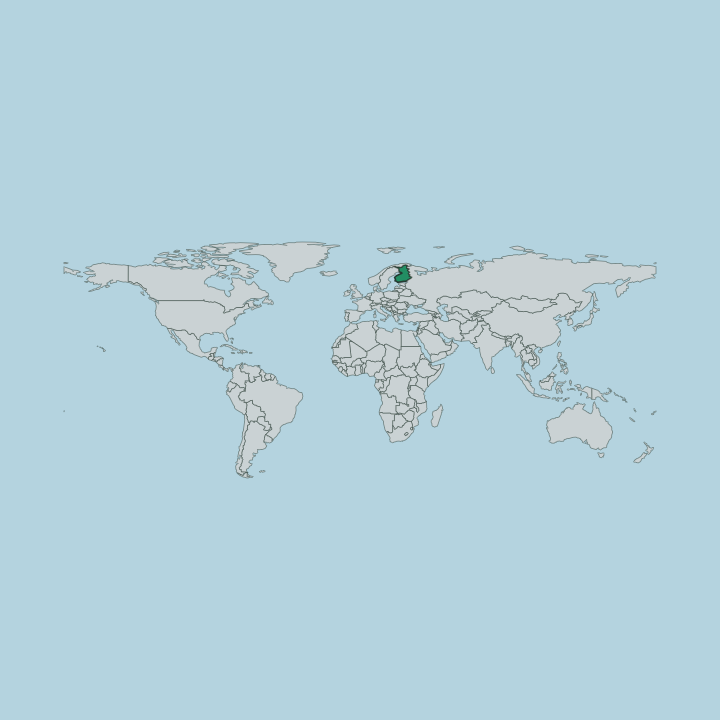
Pälkäne is a lakeside municipality in Pirkanmaa, south-western Finland, known for its medieval church ruin.
Find your area →


Where to stay in Pälkäne
The right area depends on your trip — here's what each neighbourhood is best for.
Pälkäne keeps a modest stock of beds for a lakeside parish of Pirkanmaa, the kind of place where a small guesthouse or a lakeside cottage is the usual room. The administrative village of Onkkaala suits first stays, with the shops, the Pälkäneen kirkko and the rural collection of Museo Salinmäki within an easy reach. It makes the easiest first base.
Out across the lakes and forests of the municipality, cabins and cottages stand among the trees near the church ruin of the Pälkäneen rauniokirkko and the windmill of the Tuulimyllymuseo, a good base for touring the southern Pirkanmaa lakeland by car. Beyond Onkkaala the rooms run sparse. Many visitors instead stay in nearby Tampere to the north-west and drive in for the day to see the medieval ruin above the water.
Reserve well ahead in summer, when the cottages around the lakes of Pälkäne fill and the handful of Onkkaala rooms go quickly.
About Pälkäne
What is Pälkäne known for?
Pälkäne is known across Pirkanmaa for its grey-stone church ruin and the lakeland that surrounds it. The roofless Pälkäneen rauniokirkko stands above the water, the shell of a medieval stone church that the parish left behind. Stone marks the place.
The newer Pälkäneen kirkko serves the village of Onkkaala, the windmill of the Tuulimyllymuseo and the homestead of Museo Salinmäki keep the rural past, and the whole municipality lies an easy reach south-east of Tampere in this south-western corner of Finland.
What are the main landmarks in Pälkäne?
The Pälkäneen rauniokirkko is the landmark that gives the place its fame, the roofless grey-stone ruin of a medieval church standing above the lake in this Pirkanmaa municipality. Its successor still serves the parish. The Pälkäneen kirkko gathers the village of Onkkaala, the windmill of the Tuulimyllymuseo turns over the rural past, and the homestead of Museo Salinmäki keeps the old farming life of the lakeland.
History fills the ground here. Together they trace the long story of a parish on the southern lakes of south-western Finland.
What is the history of Pälkäne?
Pälkäne's history is written in two churches. The medieval parish raised a grey-stone church above the lake, the building now standing roofless as the Pälkäneen rauniokirkko after the congregation outgrew and abandoned it. The old stone failed them.
A new and larger Pälkäneen kirkko rose for the parish in the village of Onkkaala, and the older ruin was left as a relic of the medieval lakeland in what is now Pirkanmaa. The wider parish lived by farming and the water. Homesteads spread across the lakes and ridges of the municipality, their tools and rooms now kept in the collection of Museo Salinmäki, while the windmill preserved as the Tuulimyllymuseo recalls the grinding of the local grain.
Chartered in the 19th century, Pälkäne took its modern municipal shape as a lakeside parish of southern Pirkanmaa, an easy reach south-east of Tampere, holding to the ruin and the church that have marked it for centuries.
Where is Pälkäne?
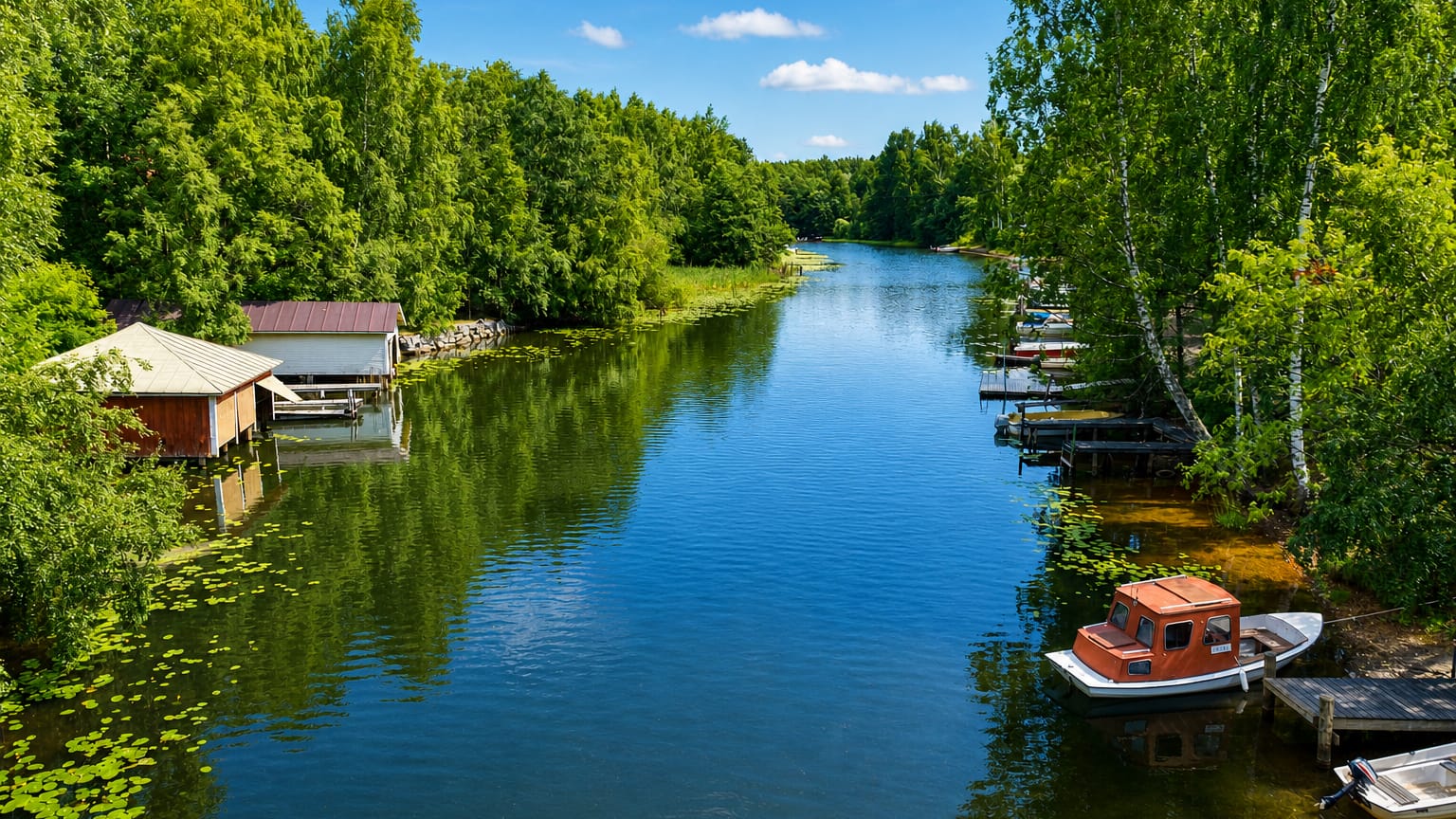
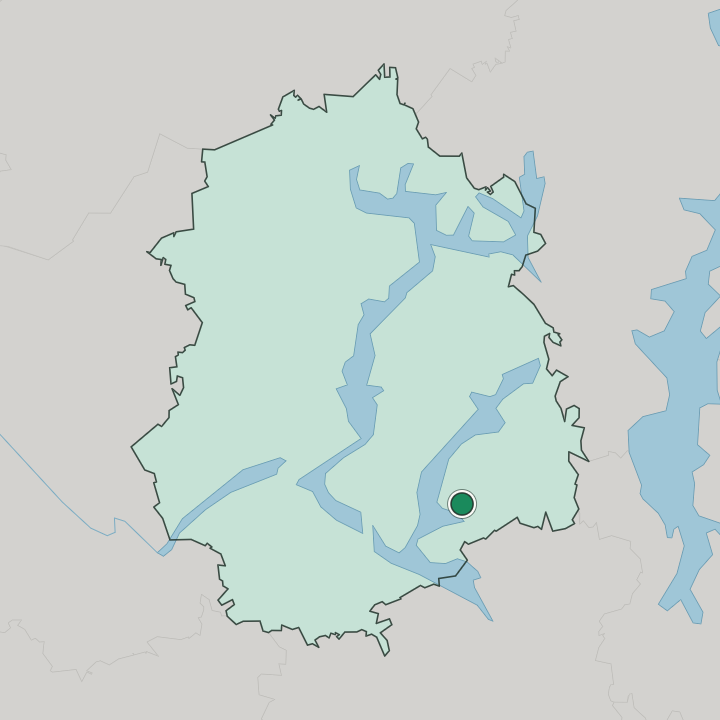
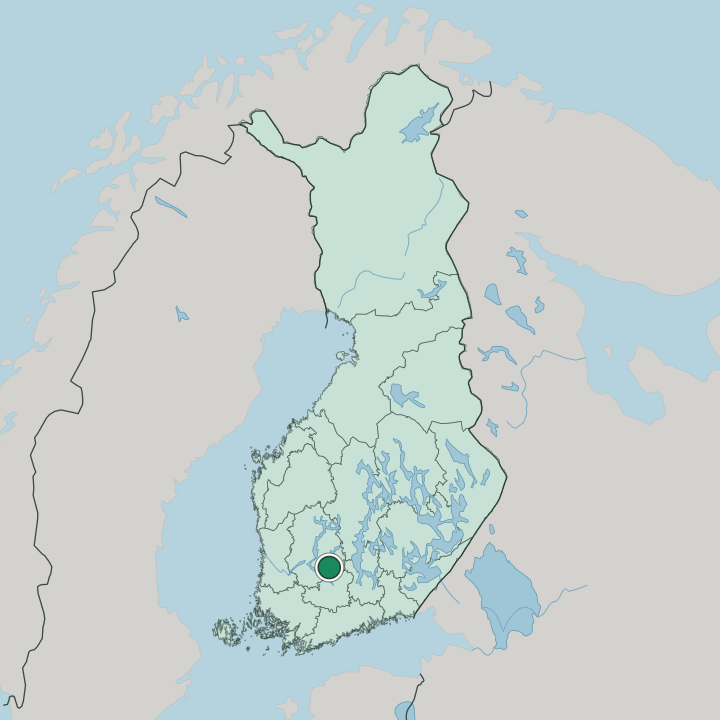
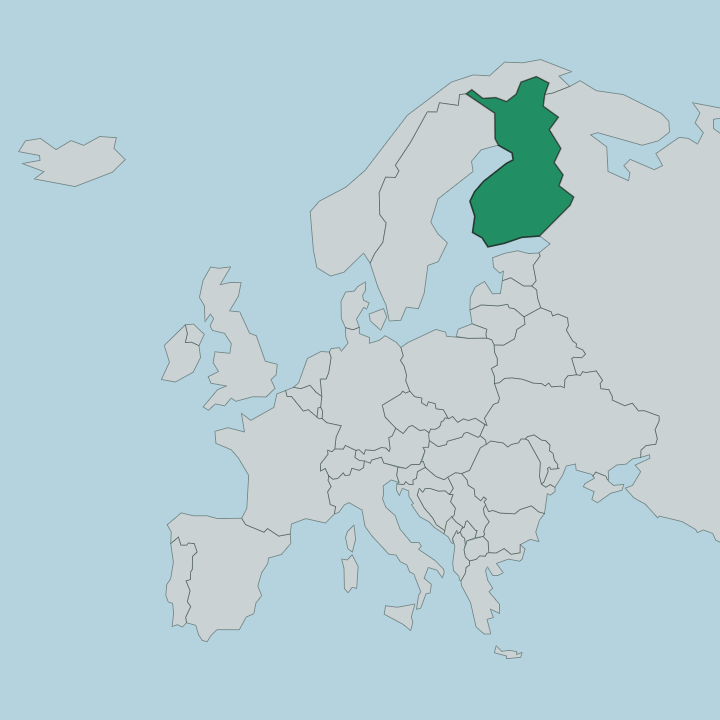
Pälkäne lies in the lake-and-ridge country of southern Pirkanmaa, in south-western Finland, where long waters break the forested land. Lakes, eskers and pinewoods fill the municipality, the church ruin of the Pälkäneen rauniokirkko set on a ridge above the water and the village of Onkkaala gathered nearby. Water and ridge dominate the country here.
Esker ridges thread between the lakes around the parish, and the whole municipality lies an easy reach south-east of Tampere in this south-western corner of Finland.
What is the climate of Pälkäne?
Pälkäne keeps the four sharp seasons of the southern Finnish lakeland, its weather softened a little by the long waters of Pirkanmaa. The cold sets in hard over Pälkäne. Snow lies over the church ruin and the esker ridges, and the lakes around the parish freeze hard from early in the season until the spring thaw breaks the ice.
The summers are warm and long and bright, when the northern daylight thaws the lakes and the lakeside cottages around Pälkäne fill through the green weeks before the autumn turns this south-western corner of Finland cold again.
How do you get to Pälkäne?
Pälkäne is reached by road from Tampere, a short drive to the north-west, with no railway of its own. The main road runs in to the administrative village of Onkkaala, close to the Pälkäneen kirkko and within reach of the church ruin above the lake. The car is the natural way in.
Regional buses of Pirkanmaa also serve the village, linking Pälkäne to Tampere and the larger towns, and most visitors from farther off come through Tampere before the last stretch into the southern lakeland.
Good for
More cities in Pirkanmaa
Updated September 2026