Finland · Pirkanmaa
Where to Stay in Lempäälä, Pirkanmaa
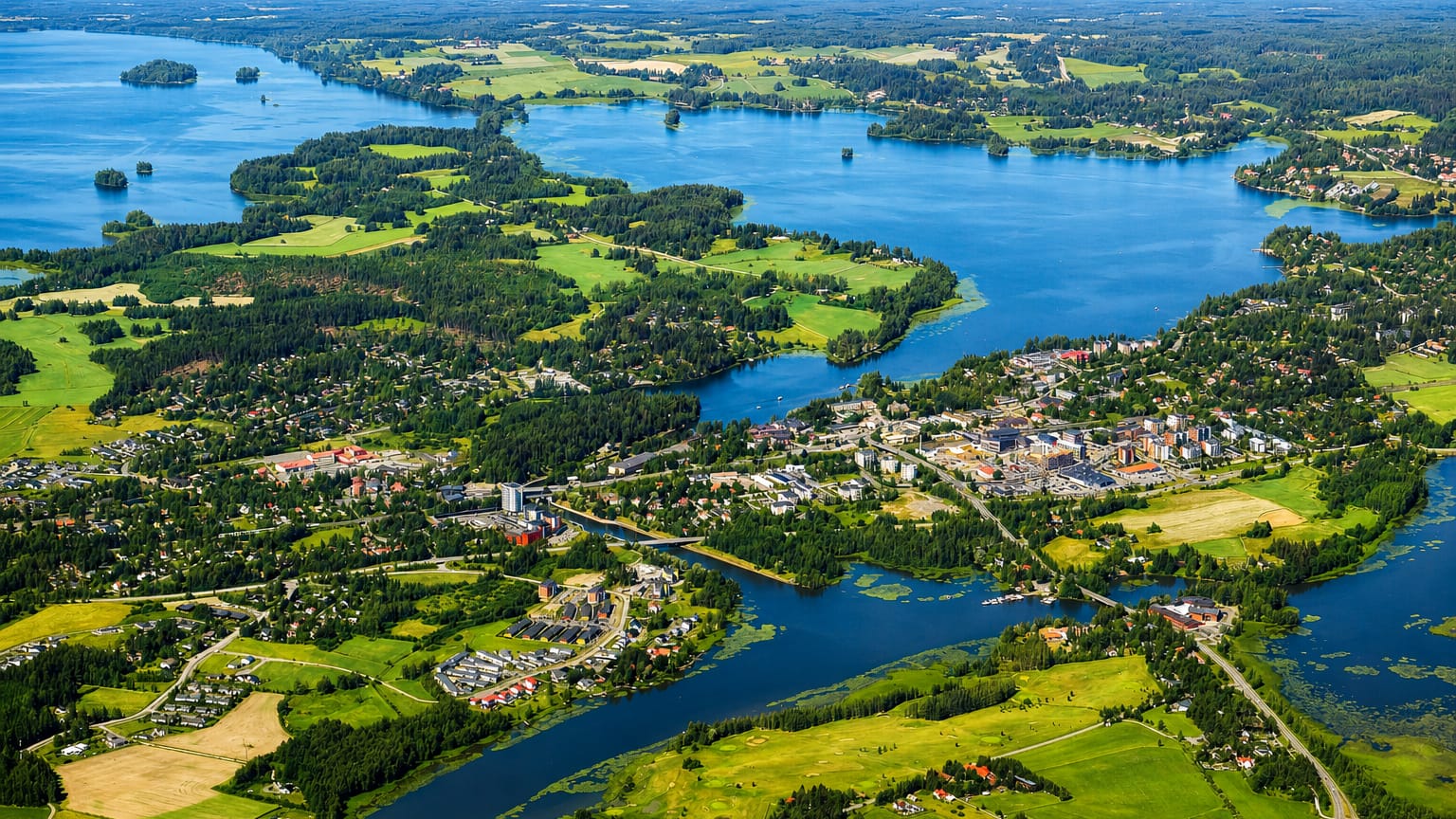
Lempäälä is a municipality in Pirkanmaa, south-western Finland, ranged along the water between two lakes.
Find your area →


Where to stay in Lempäälä
The right area depends on your trip — here's what each neighbourhood is best for.
Lempäälä works best as a quiet lakeside base in Pirkanmaa. Most beds cluster near the centre and the church, where Lempäälän kirkko and its bell tower mark the old core beside the water and the station at Lempäälän rautatieasema sits within walking reach. It suits you if you want a calm base on the main line with easy reach of the wider region.
You are never far from a lakeshore. A second cluster sits south around Sääksjärvi, near the halt at Sääksjärven rautatieasema, handy for travellers arriving by rail or road and for the lakeshore on that side of the municipality. Quieter rooms lie out toward the ridge at Vaihmalanharju and the burial ground of Päivääniemen kalmisto, away from the centre, for visitors who want countryside and the open-air lane of the Kuokkalan museoraitti rather than the town.
Many guests treat Lempäälä as a restful stop in Pirkanmaa, sleeping by the lake and riding the line on through the region by day.
About Lempäälä
What is Lempäälä known for?
Lempäälä is best known for its old parish church and its prehistoric hillfort. Lempäälän kirkko stands by the water with its separate bell tower, the Lempäälän kirkon tapuli, while the Iron Age rampart of Pirunlinna crowns a rocky cliff above the lakeside. The railway built the modern town.
Lempäälän rautatieasema and a second halt at Sääksjärvi put the municipality on the main line through Pirkanmaa, and the burial ground at Päivääniemen kalmisto and the open-air lane of the Kuokkalan museoraitti keep its older history within reach.
What are the main landmarks in Lempäälä?
Pirunlinna is the landmark visitors climb for. The Iron Age hillfort sits on a rocky cliff above the lakeside, a steep prehistoric refuge of piled stone. Faith and rail fill out the rest.
Lempäälän kirkko keeps its separate belfry in the Lempäälän kirkon tapuli, the stations at Lempäälän rautatieasema and Sääksjärven rautatieasema recall the line that made the town, and the Päivääniemen kalmisto, the Kuokkalan museoraitti and the local Sakkola-museo gather the older life of the parish into one walkable round.
What is the history of Lempäälä?
Lempäälä grew up around faith and water. People settled the narrow land between the lakes early, leaving the piled rampart of the Pirunlinna hillfort on its cliff and burials such as those gathered at Päivääniemen kalmisto, and a parish formed around the medieval church that became Lempäälän kirkko with its detached belfry, the Lempäälän kirkon tapuli. Water shaped daily life.
For centuries the people of the parish lived by farming the strips of land between the lakes and by moving goods and themselves along the chain of water that runs through Pirkanmaa, the parish church and its graveyard the fixed centre of a scattered rural community. Rails changed the pattern. A new municipality took shape after the parish was chartered in the 1860s, and the line through the region put stations at Lempäälän rautatieasema and at Sääksjärven rautatieasema, drawing settlement toward the rails and turning a farming parish into a place on the main route north.
The old core endures. Church, hillfort and the open-air lane of the Kuokkalan museoraitti still hold the long story together beside the lakeside.
Where is Lempäälä?
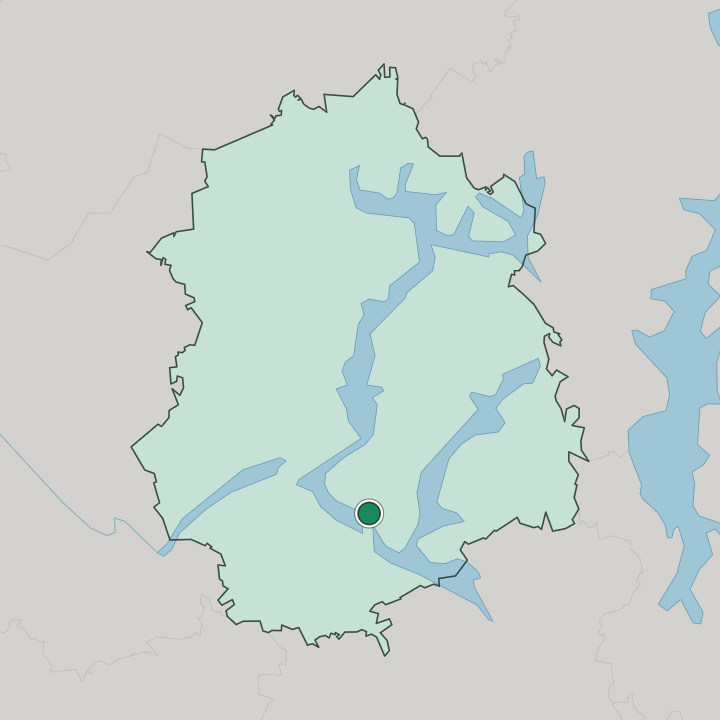
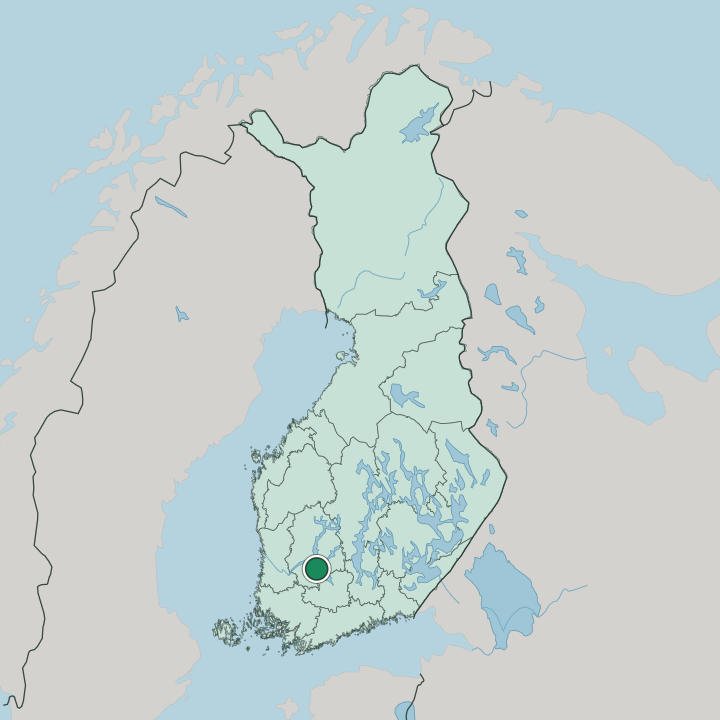
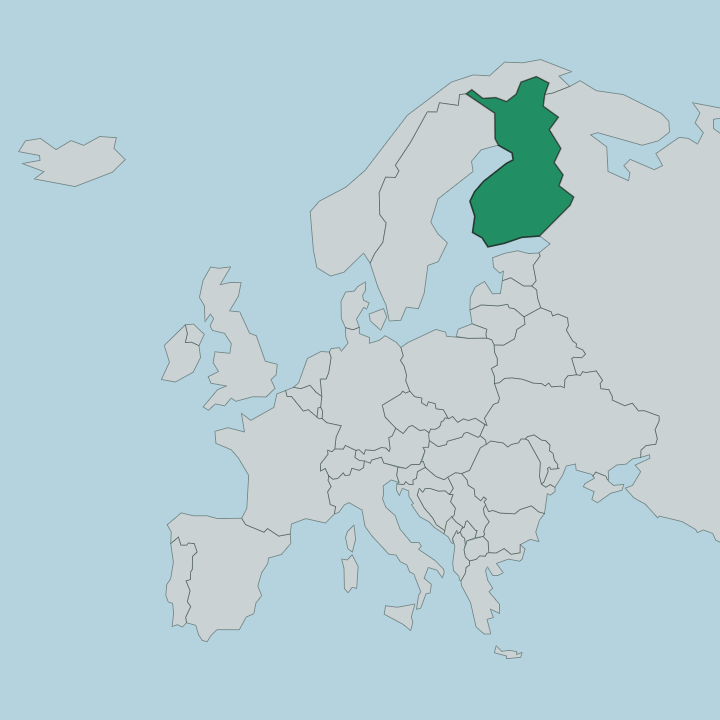
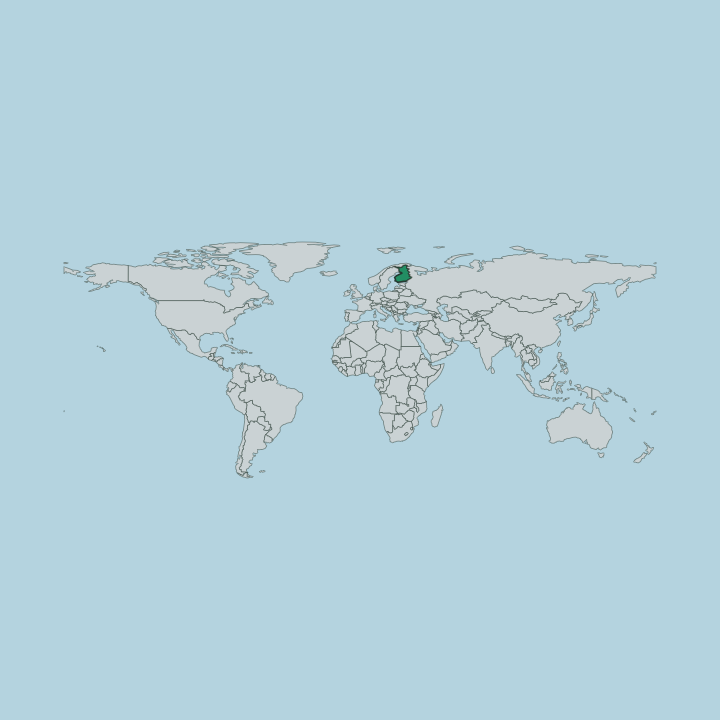
Lempäälä lies in south-western Finland, in the heart of Pirkanmaa, on the narrow neck of land where a chain of lakes is pinched into a waterway. The lakes set the shape. The old centre and Lempäälän kirkko sit by the shore, the ridge of Vaihmalanharju rises to the side as a wooded esker, and the settlement at Sääksjärvi spreads around its own lake to the south of the municipality.
Water runs through almost every part of town.
What is the climate of Lempäälä?
Lempäälä has the cool, four-season climate of inland Pirkanmaa. The lakes that wrap the town freeze hard through long, snowy winters, when ice covers the water below Lempäälän kirkko and the cliff of Pirunlinna. Spring comes slowly.
The thaw opens the chain of lakes again and warms the wooded ridge of Vaihmalanharju, before short, light summers draw people out onto the shores and into the open-air lane of the Kuokkalan museoraitti while the long northern days last.
How do you get to Lempäälä?
Getting to Lempäälä is easy by rail. The municipality sits on the main line through Pirkanmaa, with trains calling at Lempäälän rautatieasema in the centre and a second stop south at Sääksjärven rautatieasema. The line does the work.
Road routes run alongside the rails the length of the lakes, linking the church centre and Sääksjärvi to the wider region, so most visitors reach Lempäälä by train or car within easy distance of the heart of south-western Finland.
Good for
More cities in Pirkanmaa
Updated September 2026