Finland · Pirkanmaa
Where to Stay in Kihniö, Pirkanmaa
Kihniö is a small peat-bog municipality in Pirkanmaa, south-western Finland, set among forests and lakes.
Find your area →


Where to stay in Kihniö
Where you base yourself shapes the visit — here's the character of each area.
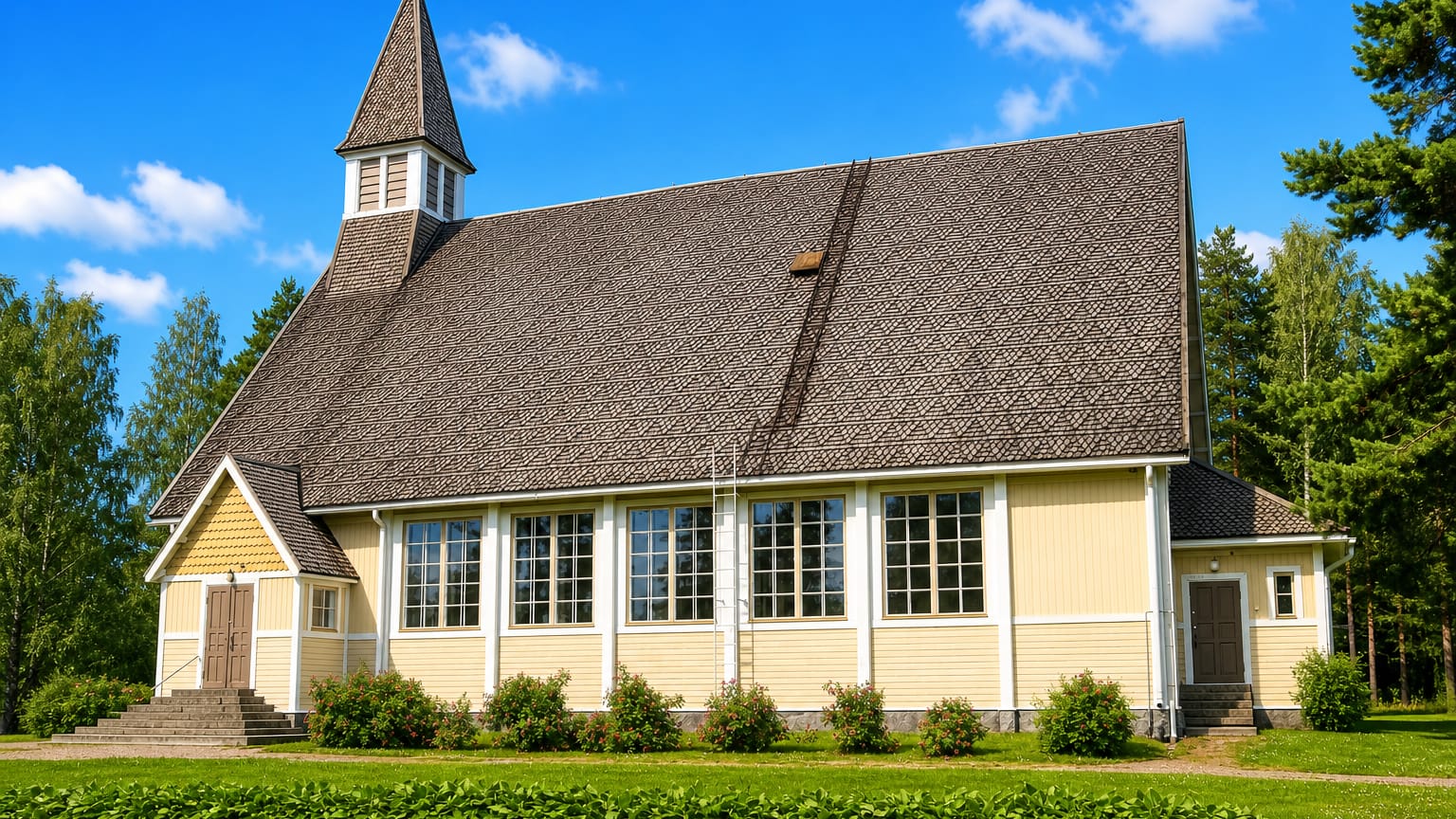
Kihniö keeps a thin stock of beds for a small peat-bog municipality in the north of Pirkanmaa, the kind of place where a guesthouse or a cottage is the usual room rather than a hotel. The village centre around the Kihniön kirkko suits visitors who want shops, the parish church and the Kihniön esinemuseo within an easy walk. For shops and church on foot, it sits easiest.
Out in the wider municipality the forests and lakes carry cottages and cabins among the trees, near the peatland ground at Aitoneva where the Aitonevan turvemuseo keeps the old bog-cutting trade and within reach of the island of Iso-Selkäsaari on the water. Stock is scarce once you leave the centre. Many travellers instead sleep in the larger towns of Pirkanmaa and drive up into this quiet corner of south-western Finland for the day, returning to fuller beds at night.
Reserve early for summer.
About Kihniö
What is Kihniö known for?
Kihniö is known for its peat bogs and forests, a quiet rural municipality in the north of Pirkanmaa, south-western Finland. The Aitonevan turvemuseo tells the story of that peatland work out at Aitoneva, the museum that gives the place much of its name. Peat made this corner.
The parish church of Kihniön kirkko stands over the village centre, the Kihniön esinemuseo keeps everyday objects of the local past, and the island of Iso-Selkäsaari lies out on the water among the lakes that ring the town.
What are the main landmarks in Kihniö?
The Aitonevan turvemuseo is the landmark that tells Kihniö's story, the peat museum out at Aitoneva that keeps the bog-cutting trade of this corner of Pirkanmaa. The parish church of Kihniön kirkko stands over the village centre, a wooden church of the south-western Finnish backwoods. Heritage runs through it.
The Kihniön esinemuseo gathers the everyday objects of the local past, the museosilta preserves an old museum bridge, and the island of Iso-Selkäsaari lies out among the lakes as a protected natural site of the municipality.
What is the history of Kihniö?
Kihniö's history runs through the bog and the forest. The scattered farms of this north Pirkanmaa backwoods were long part of older parishes, a settlement of cottages and clearings among the lakes before the place was set on its own footing when it was chartered in 1920. Land came hard here.
Forest and peatland, not rich field, made the living of the families who settled the watery ground of south-western Finland's edge. Peat work shaped the modern municipality. The bogs at Aitoneva were cut for fuel on an industrial scale, and the trade that the Aitonevan turvemuseo now keeps drew labour and gave the corner its name and its livelihood.
The parish gathered around the Kihniön kirkko at the village centre. Everyday life of those working years is held in the Kihniön esinemuseo and the old crossing of the museosilta, while the wider municipality settled into its quiet rural role among bog, water and pinewood out toward the island of Iso-Selkäsaari in this far corner of Pirkanmaa.
Where is Kihniö?
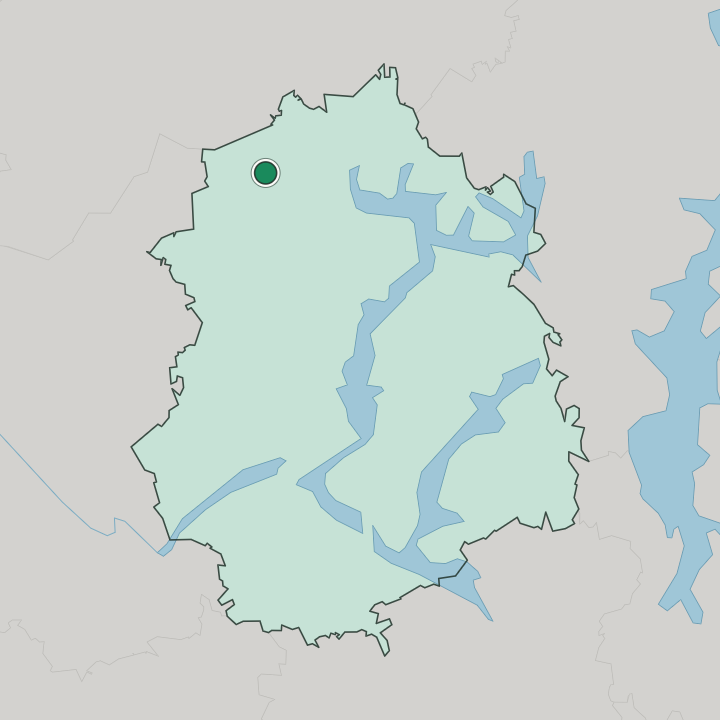
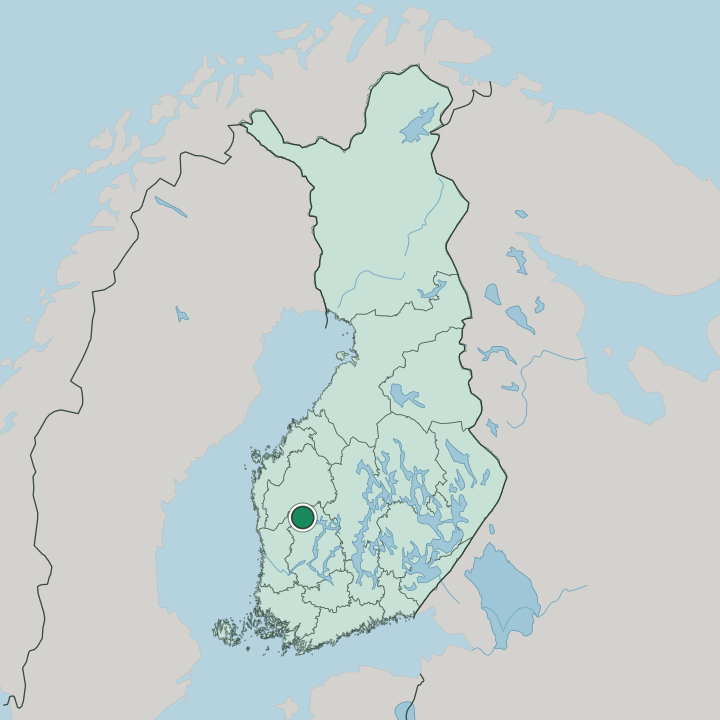
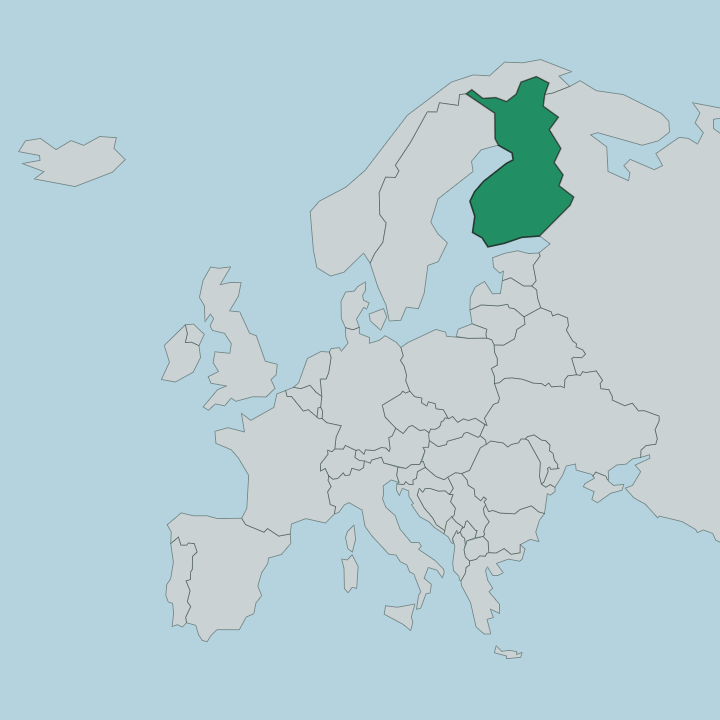
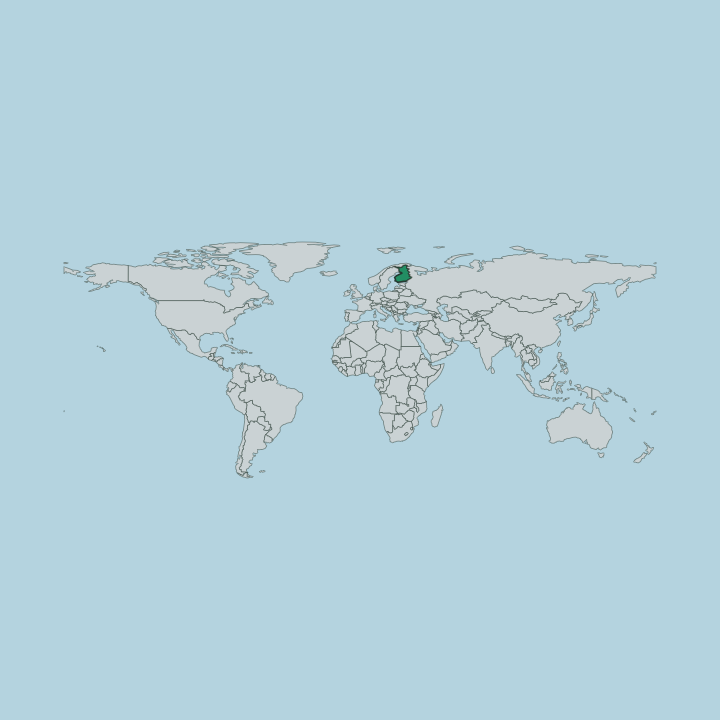
Kihniö lies in the bog-and-forest country of northern Pirkanmaa, in south-western Finland. Peatlands, lakes and pinewoods fill the broad municipality, the village centre gathered by the Kihniön kirkko while water and bog spread out on every side. The peatland runs deep here.
The cut bogs at Aitoneva lie out to one edge, the ground that the Aitonevan turvemuseo now keeps, and the island of Iso-Selkäsaari sits on the open water among the lakes of this quiet corner of Pirkanmaa.
What is the climate of Kihniö?
Kihniö has a cold inland climate, its seasons set hard by the bogs and forests of the north Pirkanmaa backwoods. Winters are long and snowy, deep frost gripping the peatlands and the pinewoods around the village from early in the season until the late spring thaw. Summers come warm and bright.
The long northern daylight warms the lakes and the cut bogs of Aitoneva through the short growing season around Kihniö, the season when the cottages of this corner of south-western Finland fill before the snow returns.
How do you get to Kihniö?
Kihniö sits off the main lines in the north of Pirkanmaa, and the road is the usual way in. Buses and cars reach the village centre by the Kihniön kirkko, linking the municipality to the larger towns of south-western Finland across the forests and bogs. The drive in is a quiet one.
Visitors from farther off come through the bigger Pirkanmaa towns before the last stretch up into this rural corner, the road running past lakes and peatland on the way to Aitoneva and the village.
Good for
More cities in Pirkanmaa
Updated September 2026