Finland · Pirkanmaa
Where to Stay in Ruovesi, Pirkanmaa
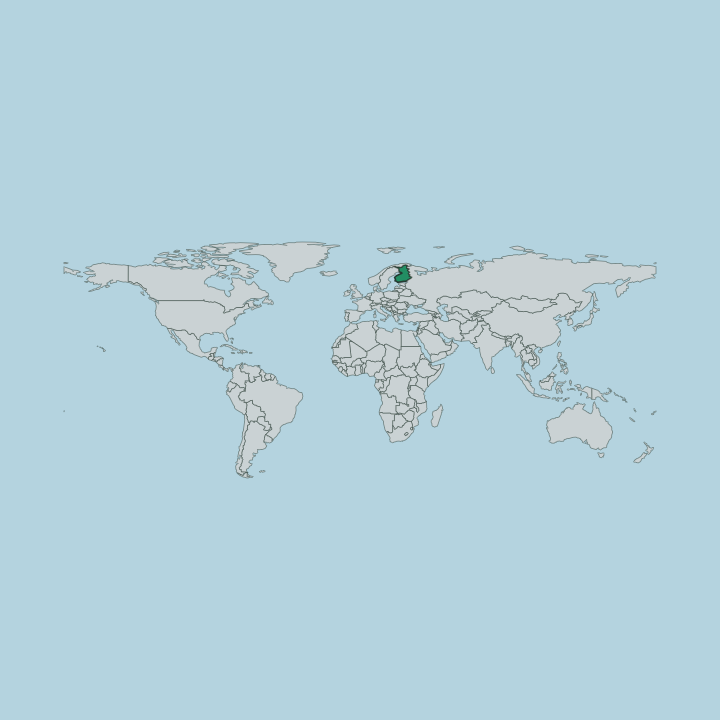
Ruovesi is a lakeside municipality in Pirkanmaa, south-western Finland, on the Näsijärvi waterway with Kalela on its shore.
Find your area →


Where to stay in Ruovesi
The right area depends on your trip — here's what each neighbourhood is best for.
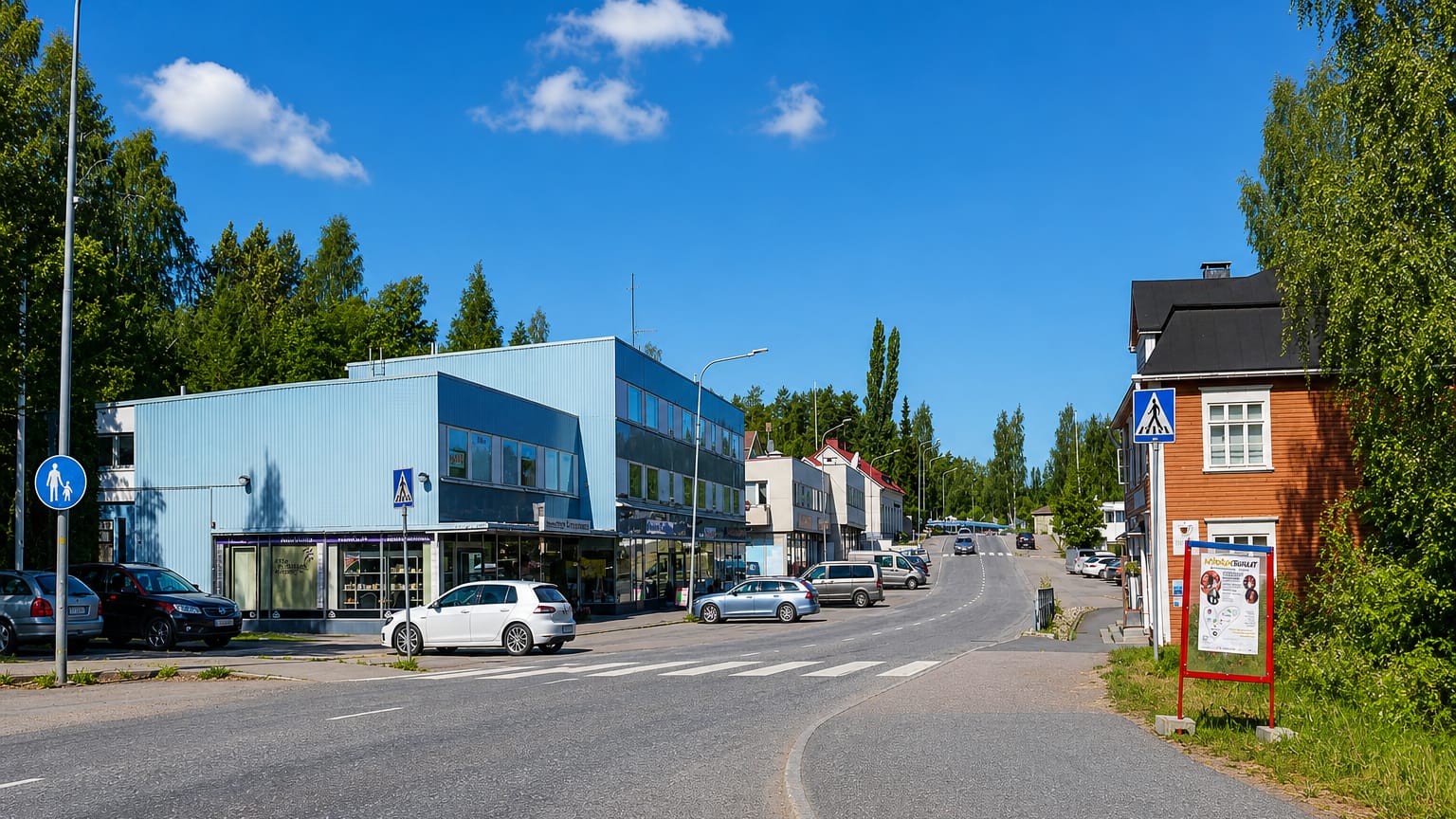
Ruovesi keeps a modest stock of beds for a lakeside parish of Pirkanmaa, the kind of place where a small hotel, a guesthouse or a lakeside cottage is the usual room. The heritage church village of Ruoveden kirkonkylä, around the wooden Ruoveden kirkko, suits visitors who want the old centre and the local museum on foot, with the Ruoveden kotiseutumuseo and the church close at hand. It is the easiest place to settle in on foot.
Out along the Näsijärvi waterway, cabins and waterside cottages stand among the pines near the painter's studio of Kalela and the Muroleen kanava, a fine base for touring the lakeland of south-western Finland by car and boat. Stock thins away from the centre. Visitors drawn to the wider parish often stay near the manor of Pekkalan kartano or the village of Murole with its church the Muroleen kirkko, while many travellers instead sleep in the larger towns of Pirkanmaa and drive in for the day.
Book ahead in summer, when the lakeside cottages around Ruovesi fill and the few central rooms go early.
About Ruovesi
What is Ruovesi known for?
Ruovesi is known as a lakeside parish of Pirkanmaa, set on the Näsijärvi waterway in south-western Finland. Its great draw is Kalela, the lakeshore studio home of the painter Akseli Gallen-Kallela, raised among the pines above the water. The old church village holds the centre.
The wooden Ruoveden kirkko stands in the heritage village of Ruoveden kirkonkylä, while the Muroleen kanava on the Näsijärven reitin kanavat carries boats through the route that ties this corner of the lakeland together.
What are the main landmarks in Ruovesi?
Kalela is the landmark that draws most, the lakeshore studio home that Akseli Gallen-Kallela raised among the pines above the Näsijärvi water. The old church village holds the rest. Its wooden Ruoveden kirkko, with the belfry of the Ruoveden kirkon tapuli, stands in the heritage village of Ruoveden kirkonkylä near the Ruoveden kotiseutumuseo, while the Muroleen kanava on the Näsijärven reitin kanavat carries boats through the route.
The manor of Pekkalan kartano and the church of Muroleen kirkko mark the wider parish of this part of Pirkanmaa.
What is the history of Ruovesi?
Ruovesi's history runs back to the early years of the Crown's parishes. The settlement was chartered in 1565, gathered around the church on the shore of the Näsijärvi waterway, and the wooden Ruoveden kirkko with its belfry the Ruoveden kirkon tapuli gave the scattered lakeland farms their centre. Water bound the parish together.
Boats moved goods and people along the route long before the roads, and the old highway of Peräkunnantie threaded the country, the heritage village of Ruoveden kirkonkylä growing as the heart of this corner of Pirkanmaa. The lake later drew artists as well as traders. Akseli Gallen-Kallela built his studio home Kalela on the Näsijärvi shore among the pines, and the manor of Pekkalan kartano and the village church of Muroleen kirkko marked the wider parish through the centuries.
The Muroleen kanava on the Näsijärven reitin kanavat opened the route to steamboats, binding the lakeland of south-western Finland, and the long memory of Ruovesi is gathered now in the Ruoveden kotiseutumuseo and across the old island sites of the parish.
Where is Ruovesi?
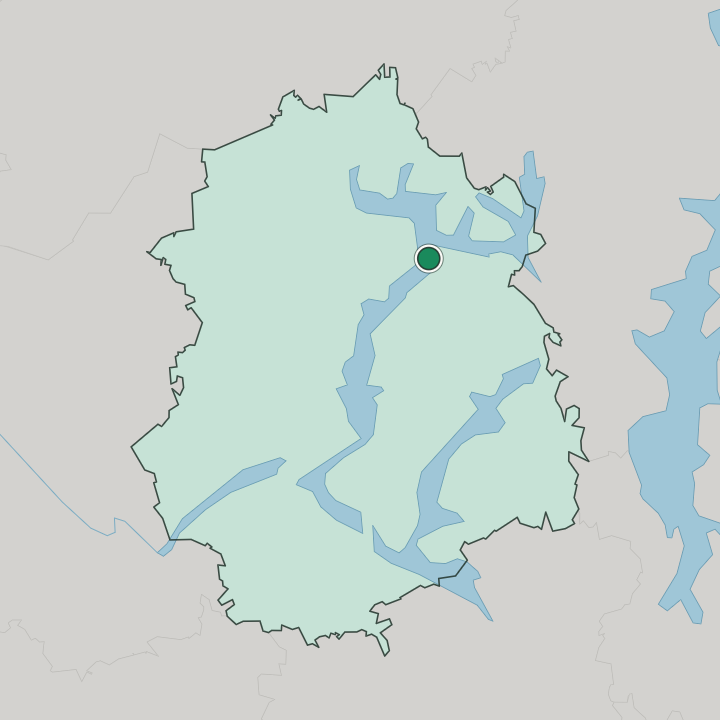
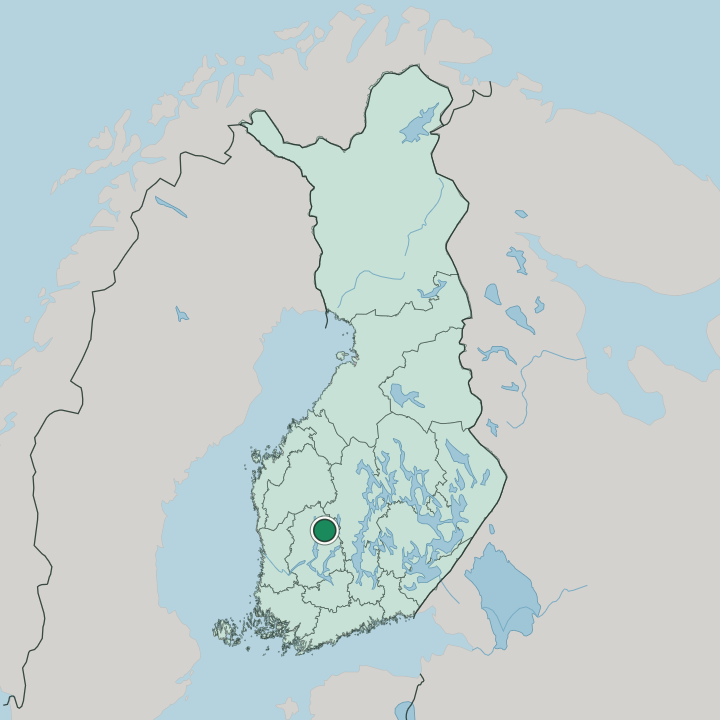
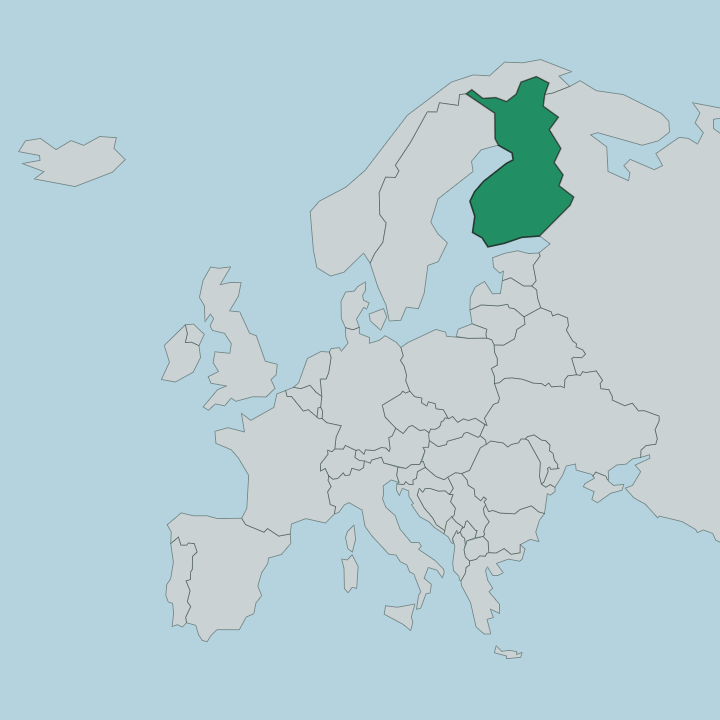
Ruovesi lies on the Näsijärvi waterway in the lakeland of Pirkanmaa, in south-western Finland, a country of long lakes, pine ridges and forest. Water shapes the parish on every side, the church village of Ruoveden kirkonkylä gathered by the shore while islands and headlands reach out into the lake. The waterway runs deep here.
The Muroleen kanava cuts through the Näsijärven reitin kanavat to join the lakes, the studio of Kalela stands among the pines on the water, and old island sites like Pilkanniemi and Sotkansaari lie scattered across this corner of Pirkanmaa.
What is the climate of Ruovesi?
Ruovesi carries the cold, continental seasons of the Pirkanmaa lakeland, its weather set hard by the long waters of Näsijärvi and the surrounding pinewoods. The frost comes early. Deep ice grips the lake and the forests around the church village from the start of the season until the late spring thaw, the water freezing over below the studio of Kalela through the dark months.
Snow holds the kirkonkylä for the better part of the year. The long northern daylight then warms Näsijärvi through a green and lengthening summer, the season when the cottages along the shore fill and boats move again on the Muroleen kanava before the snow returns.
How do you get to Ruovesi?
Ruovesi sits on the road and water routes of the Pirkanmaa lakeland, and the car is the usual way in. Roads run up the Näsijärvi waterway to link the church village with the larger cities of Pirkanmaa to the south. Water carries travellers too.
Summer boats work the Näsijärven reitin kanavat through the Muroleen kanava, and visitors from farther off come through the regional cities before the last stretch out to Ruovesi and the painter's studio of Kalela on the lake.
Good for
More cities in Pirkanmaa
Updated September 2026