Finland · Uusimaa
Where to Stay in Askola, Uusimaa
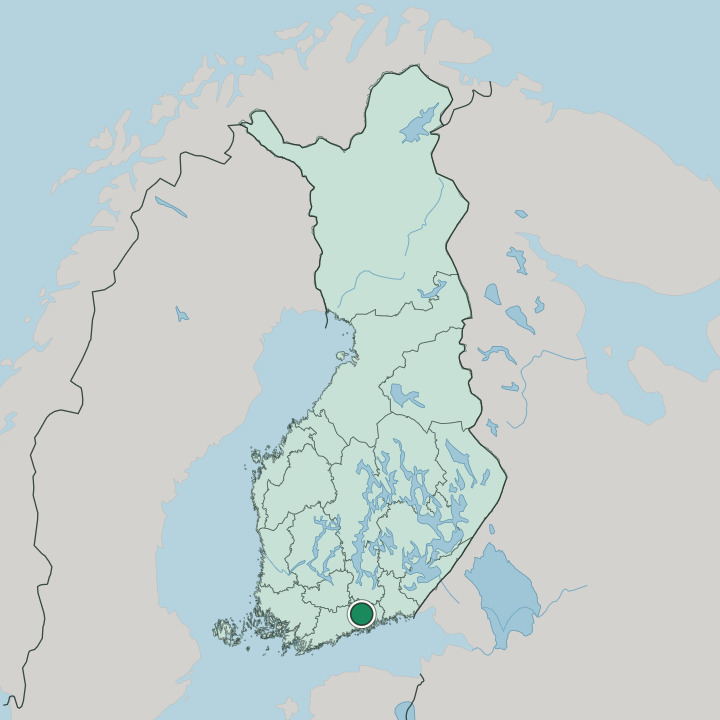
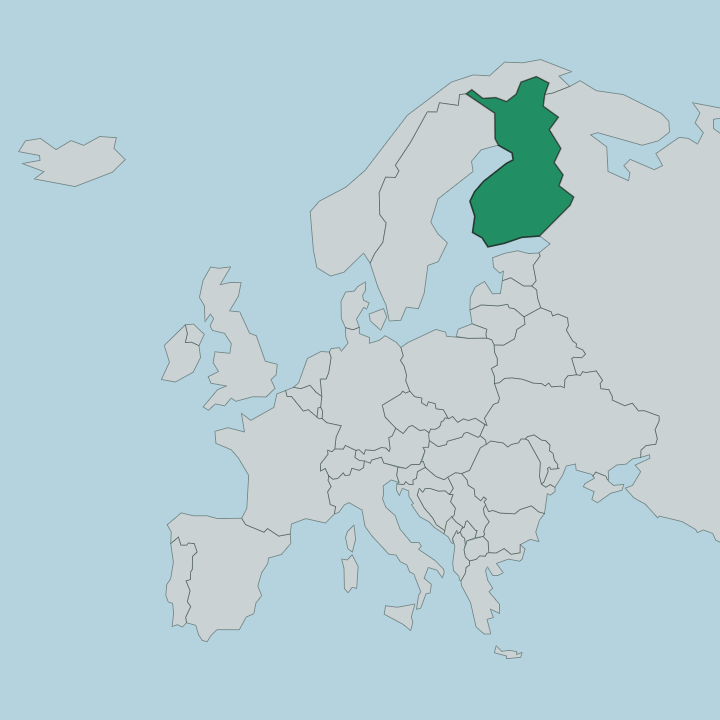
Askola is a rural inland municipality of Uusimaa in southern Finland, chartered in 1896 and known for its Stone Age finds.
Find your area →


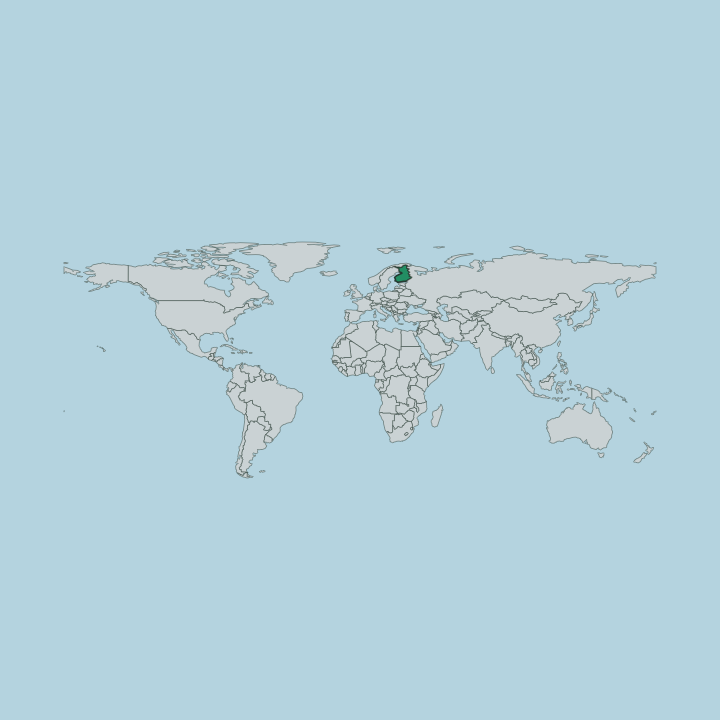
Where to stay in Askola
Each area has its own feel; here's who each one suits.
Askola keeps only a thin stock of beds for a rural municipality of southern Finland, where a guesthouse, a farm room, or a cottage is the usual lodging rather than a hotel. The village around the Askolan kirkko suits visitors who want the parish centre, with the church, the bell tower, and the local museum within an easy walk of the door. Rooms are thin on the ground in the parish.
Many travellers stay in the larger towns of Uusimaa nearby and come out to Askola for the day, while those who linger break the journey in the village or on a farm. Stock thins across the countryside. Out among the fields and woods toward the old village of Vakkola and the manor landscape of Särkijärven kylä- ja kartanomaisema, cottages and farm rooms stand in the quiet inland country, a base for walking and slow days.
Book ahead, since the few rooms of this corner of southern Finland fill quickly.
About Askola
What is Askola known for?
Askola is known as a rural parish of Uusimaa, a quiet inland municipality of southern Finland chartered in 1896 and famous for some of the oldest Stone Age finds in the country. Deep time marks the land here. The ancient site of Kopinkallio holds traces of the earliest settlers, while the Askolan kirkko with its bell tower, the old village of Vakkola, and the youth home of the writer Johannes Linnankoski draw the eye to the more recent story of the parish.
What are the main landmarks in Askola?
The Askolan kirkko is the chief landmark of the village, the parish church standing beside its freestanding bell tower, the Askolan kirkon tapuli. Stone and history fill the parish. The ancient site of Kopinkallio and the cup-marked stones of Paavola carry the deepest past, the manor of Prestbacka and the Särkijärven kylä- ja kartanomaisema hold the old estate country, and the museum and youth home of Johannes Linnankoski, with the old village of Vakkola, keep the more recent memory of this corner of Uusimaa in southern Finland.
What is the history of Askola?
Askola holds some of the oldest signs of human life in Finland, the Stone Age site of Kopinkallio bearing traces of settlers who came as the ice withdrew, and the cup-marked stones of Paavola and the burial ground of Kalmistomäki marking the long ages of habitation across this inland country of Uusimaa. The old village of Vakkola grew on the river as the heart of the early parish. Faith and estate followed.
The Askolan kirkko rose with its freestanding bell tower as the centre of the country folk, while the manor of Prestbacka and the village-and-manor landscape of Särkijärvi shaped the surrounding farms of southern Finland. The parish became a municipality in 1896, taking its own standing in the rural country east of the capital. Johannes Linnankoski, the writer, spent his youth here, and his childhood home is kept as a museum beside the parish, the Askolan kotiseutumuseo gathering the old tools and life of the country folk.
Through the centuries Askola has lived by its fields, forests, and river, the old farms and manors standing among the woods, and the municipality endures as a quiet rural corner of Uusimaa in southern Finland.
Where is Askola?
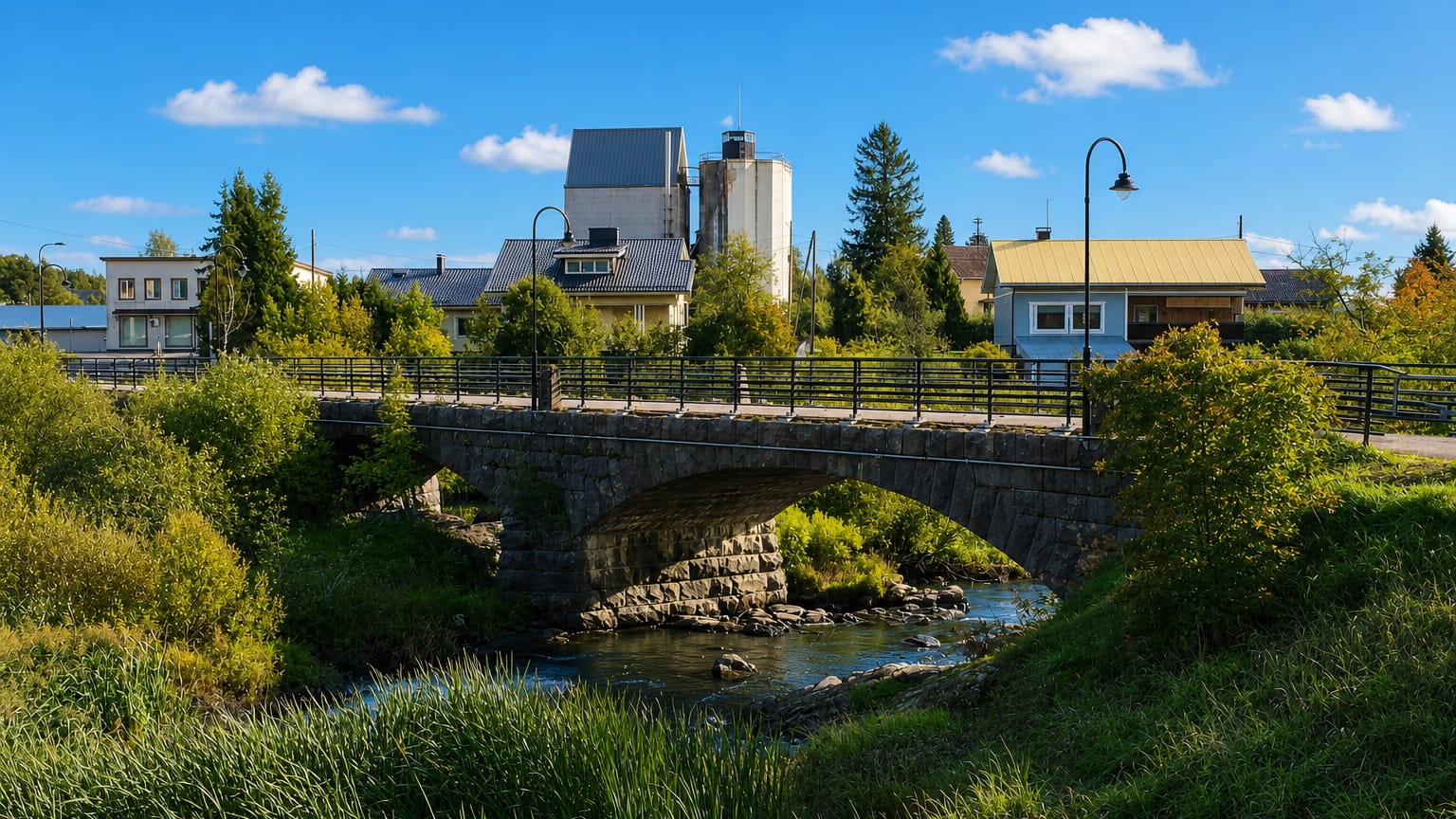
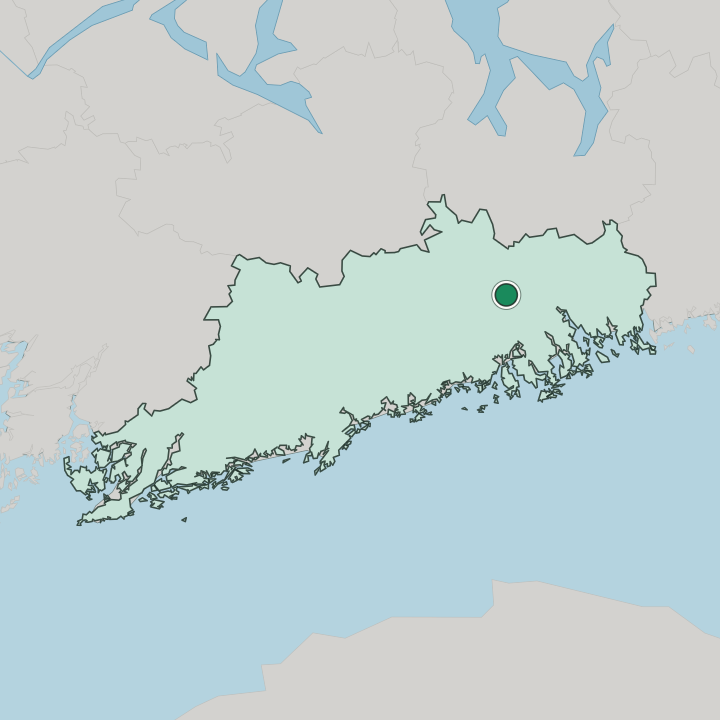
Askola spreads across an inland country of low ridges, fields, and forest in Uusimaa, set in the rural interior of southern Finland east of the capital. A river threads the parish. Cultivated fields follow the water through the land, with the village and the Askolan kirkko set among them and the old riverside village of Vakkola nearby.
Forest and rock close the edges. Wooded ridges and ancient outcrops such as Kopinkallio rise from the farmland, the scattered farms and the manor of Prestbacka lie among the woods, and the quiet rural landscape of Uusimaa fills this corner of southern Finland.
What is the climate of Askola?
Askola has a cool inland climate, set back from the coast in the rural interior of southern Finland where the seasons swing wide. Winter holds long and white. Snow covers the fields and the Askolan kirkko from late autumn into spring, the river ices over, and short dark days settle across the inland country of Uusimaa.
Summer breaks warm and green. The long northern daylight ripens the river fields and the forests, the warm weeks draw the parish back to life, and the woods and farms around Vakkola fill with the brief bright season of southern Finland.
How do you get to Askola?
Askola lies on the inland road network of Uusimaa, a short way north of the coast road, and the highway is the way in. Buses serve the village. Coaches run from the larger towns of southern Finland along the country roads to the parish centre near the Askolan kirkko, carrying travellers into the rural inland.
No railway reaches the parish. The nearest lines run through the towns to the south, and from their stations the road brings travellers on into Askola, while most drive the country routes through the fields and woods to reach the village and the old settlement of Vakkola.
Good for
More cities in Uusimaa
Updated September 2026