Finland · Uusimaa
Where to Stay in Lohja, Uusimaa
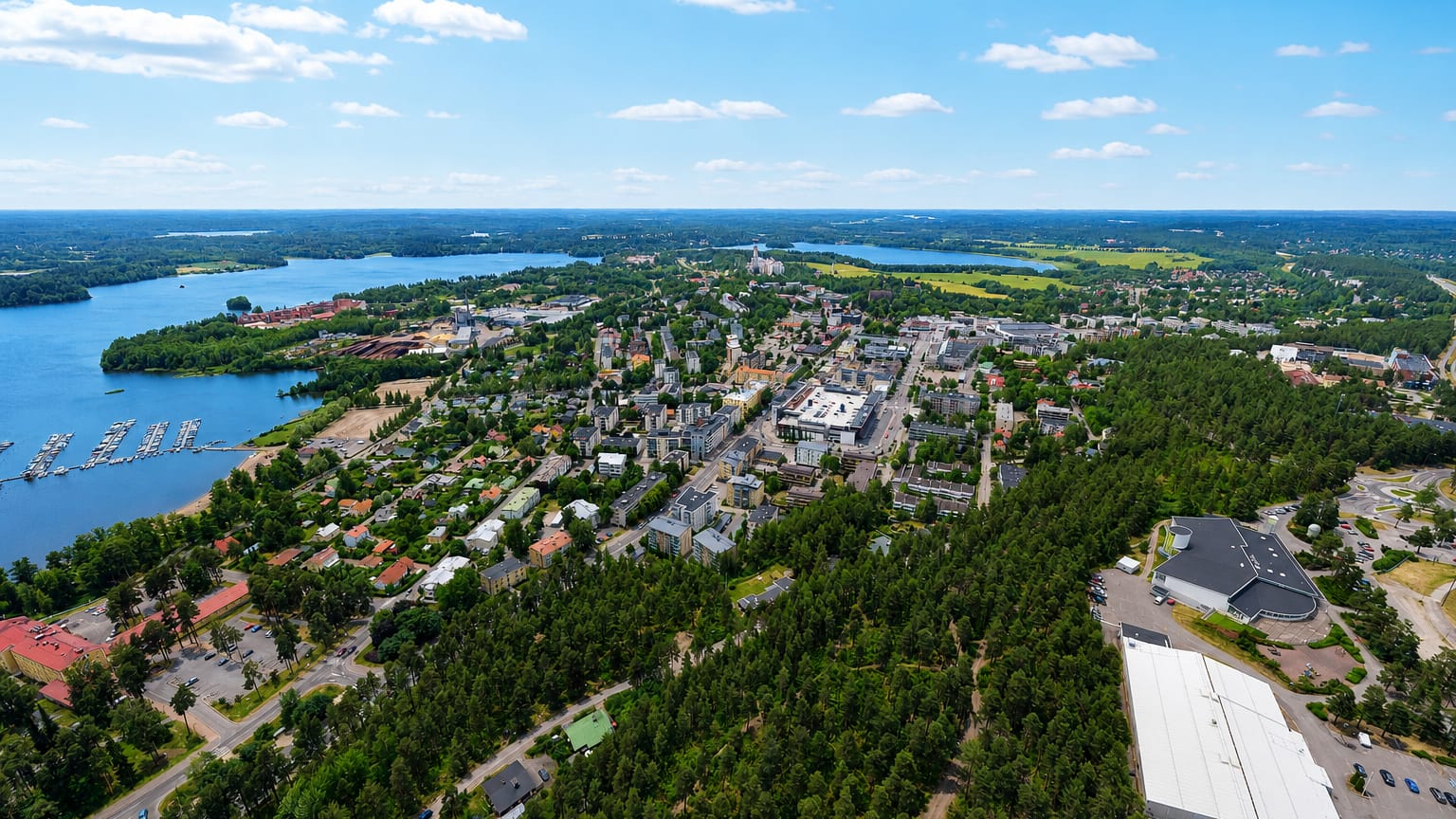
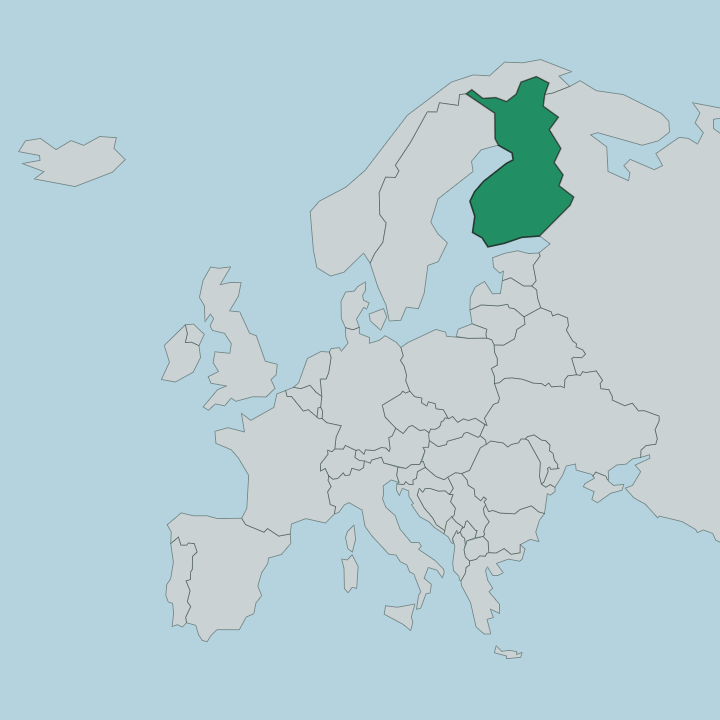
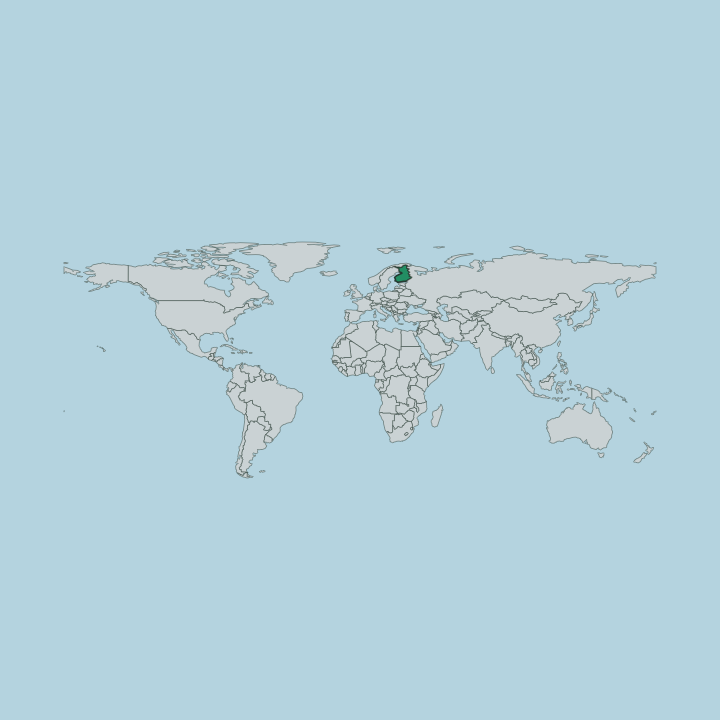
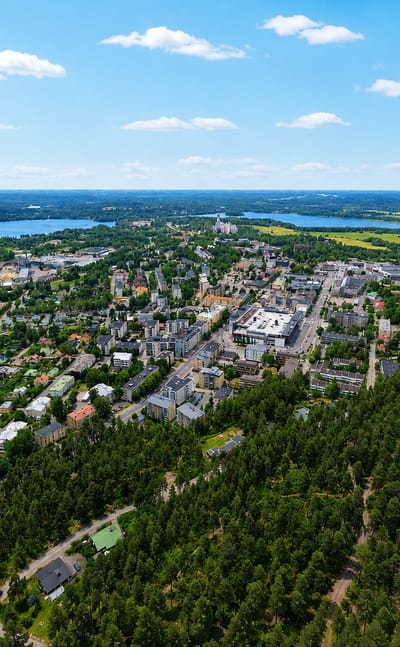
Lohja is a town in Uusimaa, southern Finland, an old church parish in lake-and-limestone country.
Find your area →


Where to stay in Lohja
Not every neighbourhood fits every trip — here's what each one is good for.
 LohjaFinland
Keskilohja
Keskilohja is the central district of Lohja, the lakeside city in southern Finland, holding its old church and museum.Where to stay →LohjaFinlandVappula
Vappula is a western district of Lohja, the lakeside city in southern Finland, out past the city centre.Where to stay →Things to do in Lohja
Ranked by global recognition; descriptions from Wikidata (CC0).
Museums & Galleries
2- Lohjan museo
- Tytyrin elämyskaivos mining museum and tourist attraction
Churches & Religious Sites
3- Pyhän Laurin kirkko Heritage Medieval church
- Metsolan siunauskappeli
- Lohjan vapaaseurakunta
Landmarks & Notable Places
1- Luoman talo Heritage house
worth knowingacross 3 categories in Lohja
About Lohja
What is Lohja known for?
Lohja is known as a town of Uusimaa built on its medieval church and its limestone, in the lake country of southern Finland. The greatest of its sights is the Pyhän Laurin kirkko, the medieval Church of St. Lawrence whose painted vaults draw visitors to the old centre. Stone runs under the town.
The Tytyrin elämyskaivos takes travellers down into a working limestone mine, while the Lohjan museo keeps the wider story of this corner of Uusimaa.
What are the main landmarks in Lohja?
The Pyhän Laurin kirkko is the landmark above all others in Lohja, the medieval Church of St. Lawrence whose vaults carry some of the finest church paintings in Uusimaa. Beneath the town, the Tytyrin elämyskaivos opens a working limestone mine to visitors. Stone and faith shaped the place.
The Lohjan museo keeps the town's heritage, the cemetery chapel of the Metsolan siunauskappeli, the old Luoman talo and the chapel of the Lohjan vapaaseurakunta add to it, and together they mark Lohja as an old parish of southern Finland.
What is the history of Lohja?
Lohja's history rests on its medieval church. The parish grew up around the Pyhän Laurin kirkko, the Church of St. Lawrence raised in stone in the Middle Ages, its painted vaults a record of the faith of an old parish in southern Finland. It was the stone church that came before everything else.
A farming and fishing community gathered in the lake country of Uusimaa around it, the heart of a district that would carry the name of Lohja for centuries. Limestone then gave the town a second life. The pale stone of the ridges was quarried and burned for lime, and the workings deep underground, now opened to visitors as the Tytyrin elämyskaivos, drew industry and labour to Lohja.
The wider story of the town and its parish is kept in the Lohjan museo, while older buildings such as the Luoman talo and the cemetery chapel of the Metsolan siunauskappeli still stand from earlier days, layers that mark Lohja as both an old church town and a place of stone in Uusimaa.
Where is Lohja?
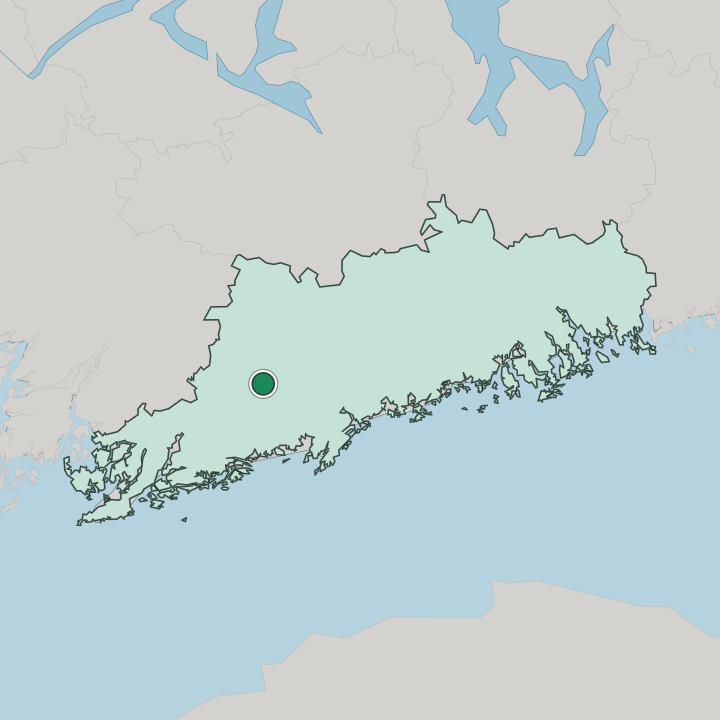
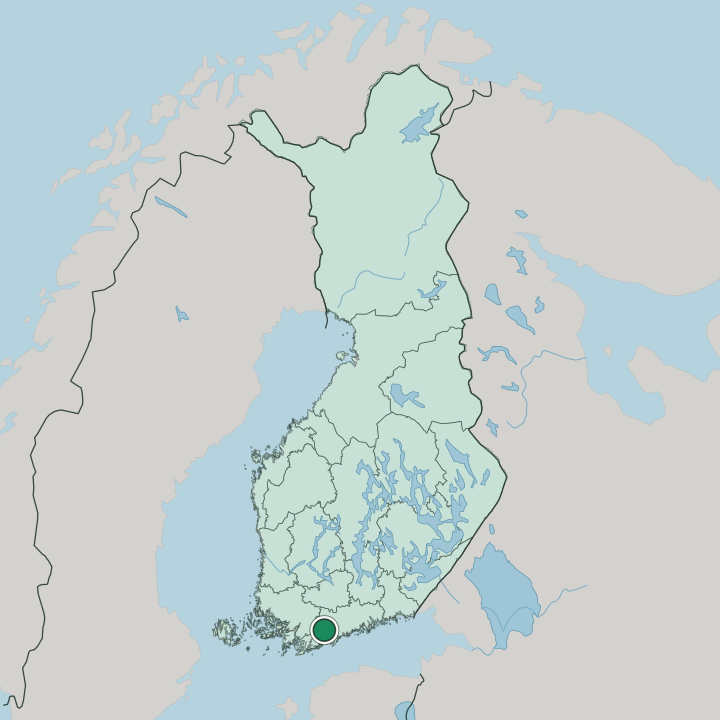
Lohja lies in the lake country of western Uusimaa, in southern Finland. The town centre gathers on a ridge above the water, the Pyhän Laurin kirkko set high over the old core, while lakes, bays and limestone ridges spread out across the wide municipality. Stone lies close beneath the soil here.
The pale rock that feeds the Tytyrin elämyskaivos runs under the ground, and woods, water and farmland fill the rest of this corner of southern Finland around Lohja.
What is the climate of Lohja?
Lohja has a cool inland climate, its seasons softened a little by the lakes that ring the town in southern Finland. The cold season brings hard frost and deep snow to Lohja. The lakes of the district freeze over from midwinter until the slow spring thaw across the lake country of Uusimaa.
Spring frees the lakes. Summers are mild, and the long northern daylight greens the ridges and lakeshore and warms the water around Lohja through the short growing season, the months when the lakeside cottages of this corner of Uusimaa fill before the cold returns.
How do you get to Lohja?
Lohja sits inland in western Uusimaa, and the car or bus is the usual way in. The main road west from the capital region runs close to the town, with buses reaching the old centre below the Pyhän Laurin kirkko in southern Finland. There is no passenger railway in the centre.
Travellers from farther off come through the larger cities of Uusimaa before the last stretch of road into the lake country, where Lohja gathers above the water.
Good for
More cities in Uusimaa
Updated September 2026