Finland · Uusimaa
Where to Stay in Espoo, Uusimaa
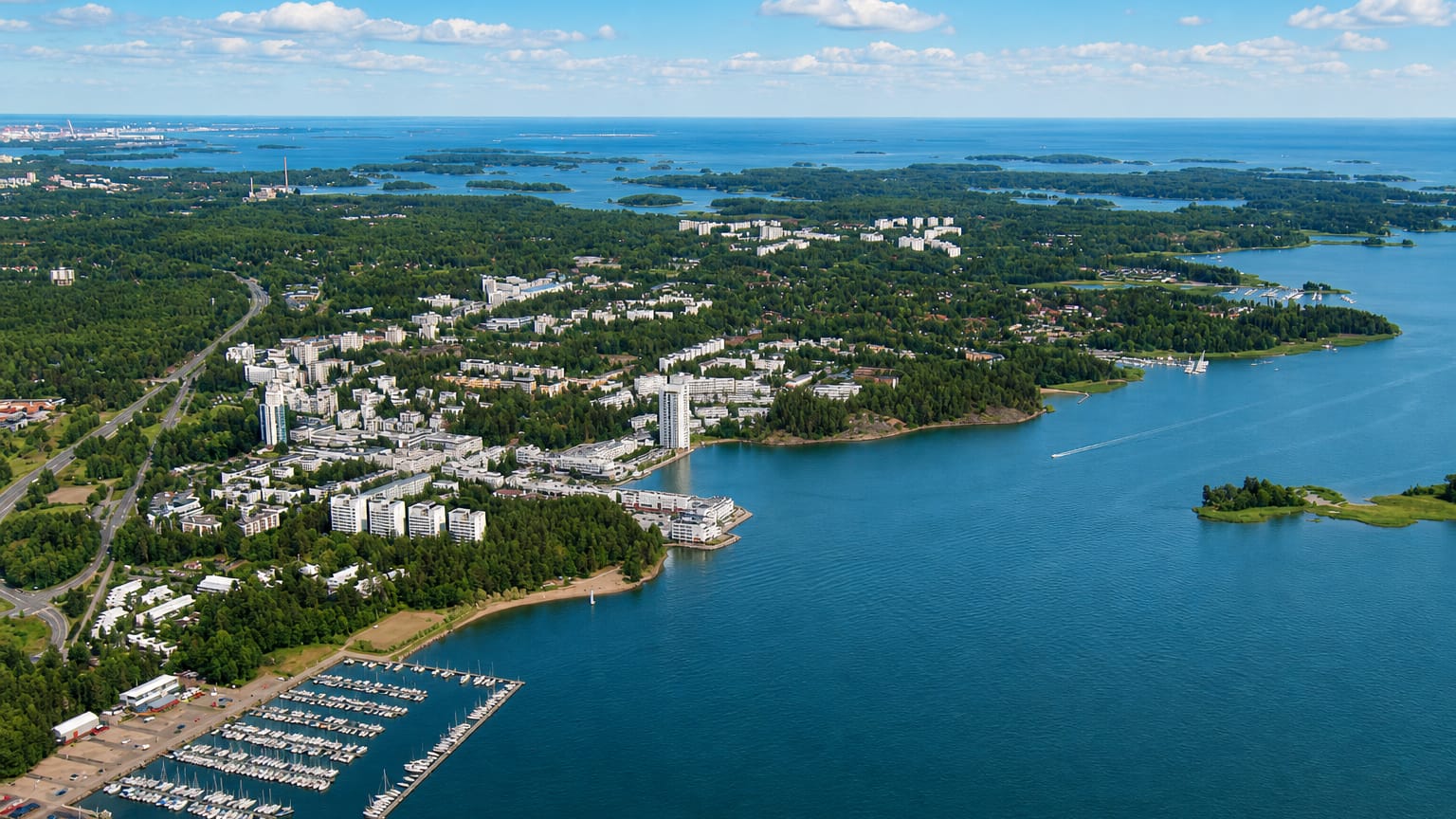
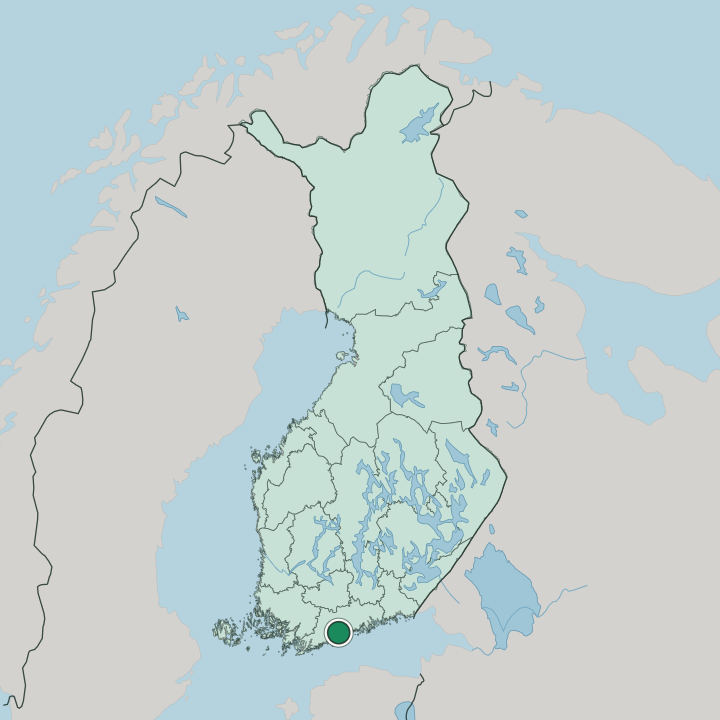
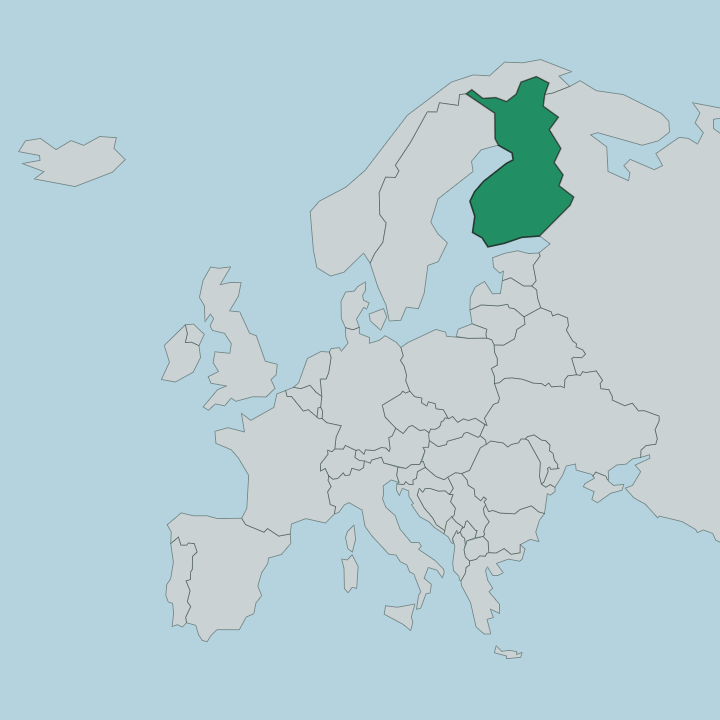
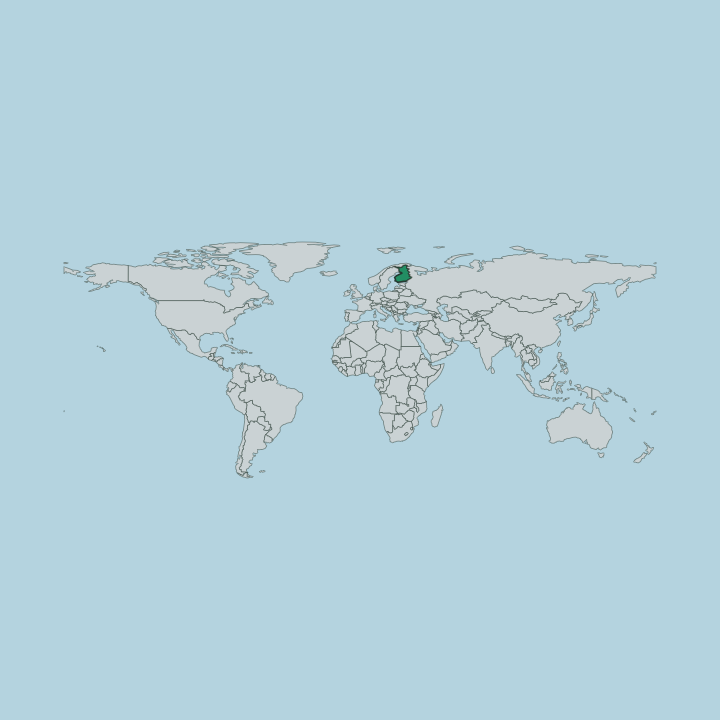
Espoo is a city in Uusimaa, southern Finland, the country's second largest, west of the capital.
Find your area →


Where to stay in Espoo
The right area depends on your trip — here's what each neighbourhood is best for.
 EspooFinland
Leppävaara
Leppävaara is a major centre of eastern Espoo, the busy western anchor of the city around its rail and bus interchange.Where to stay →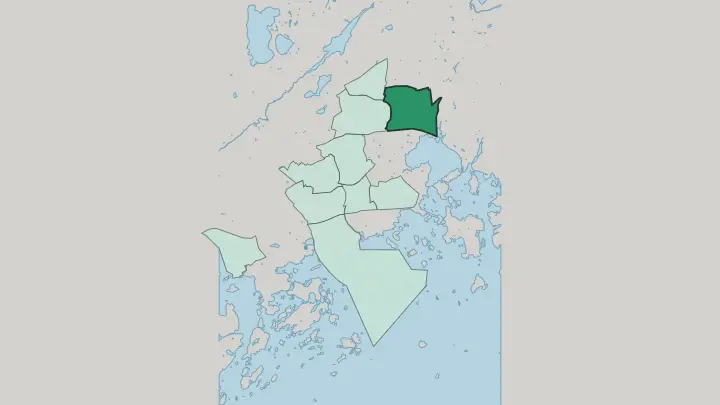
 EspooFinland
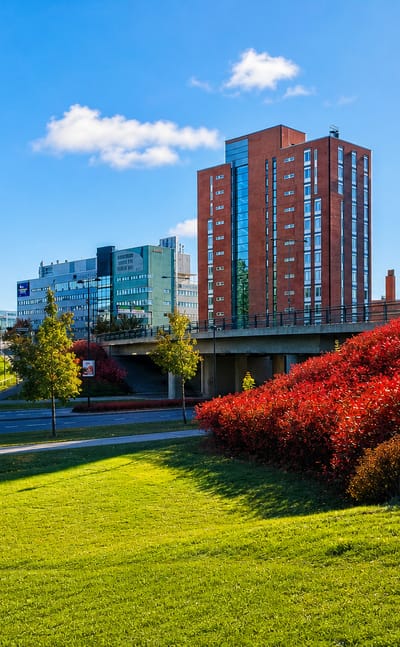
Matinkylä
Matinkylä is a district of south-eastern Espoo, a residential and shopping centre on the city's coastal side.Where to stay →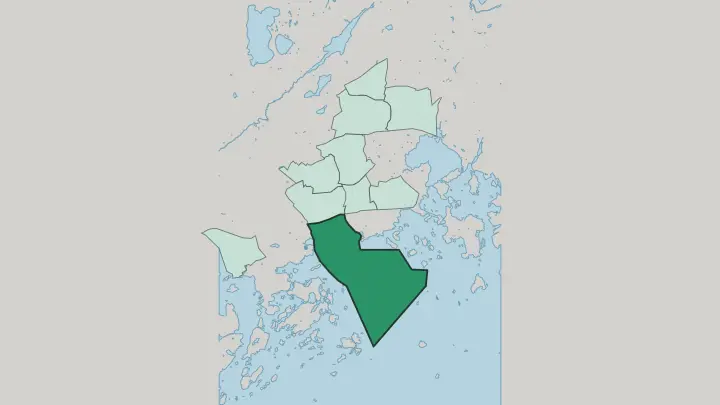
 EspooFinland
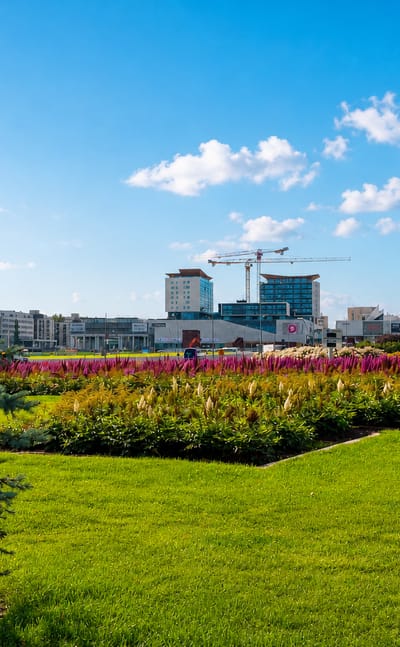
Olari
Olari is a residential district of south-eastern Espoo, an inland suburb of churches and housing behind the coast.Where to stay →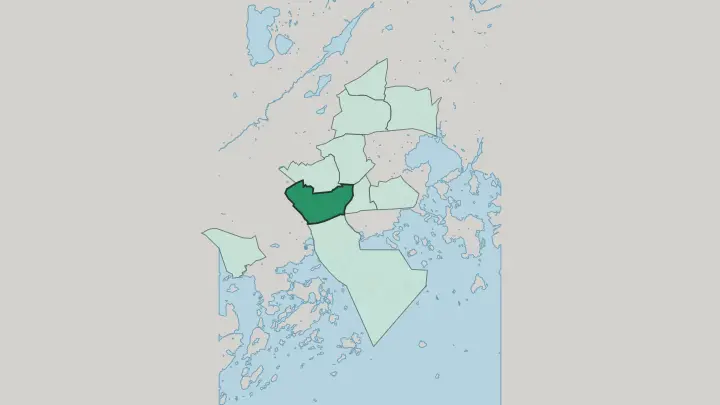
 EspooFinland
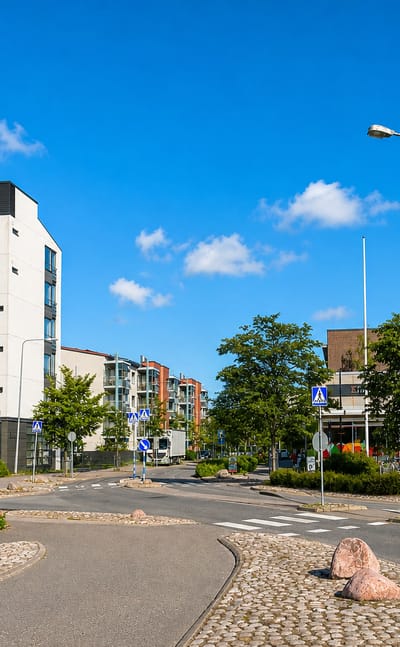
Tapiola
Tapiola is a garden-city district of south-eastern Espoo, a planned modernist centre and the city's cluster of museums.Where to stay →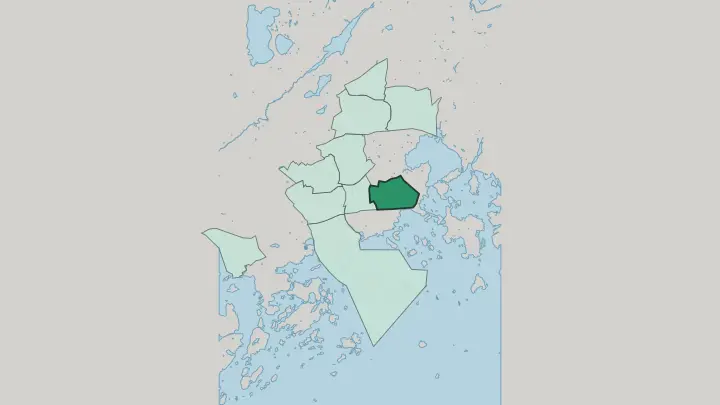
 EspooFinland
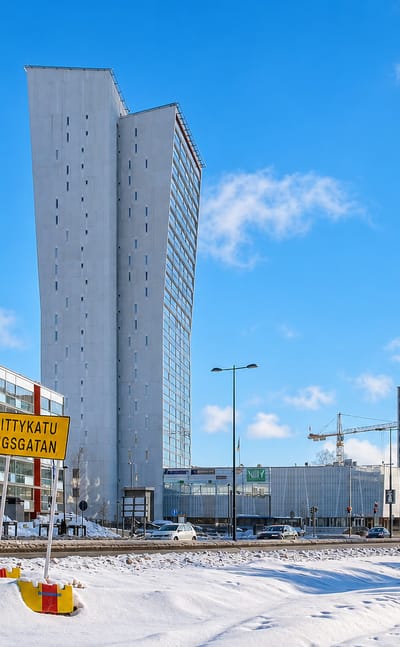
Kilo
Kilo is a small residential district of eastern Espoo, set close to the larger centre of Leppävaara.Where to stay →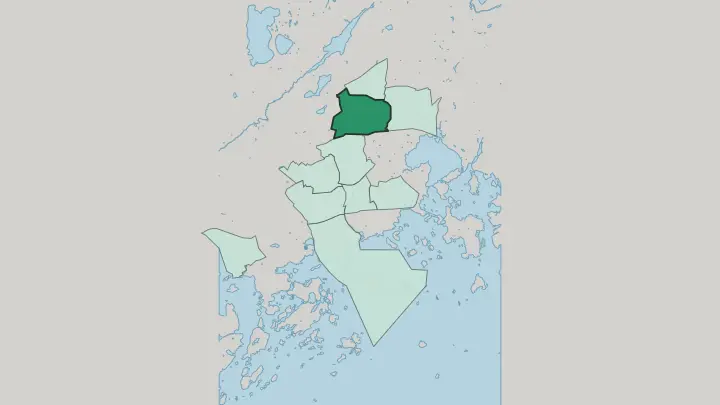
 EspooFinland
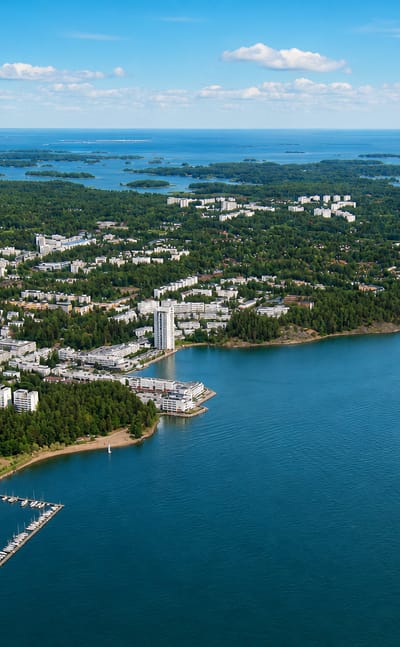
Niittykumpu
Niittykumpu is a district of Espoo in south-eastern Espoo, a metro-served residential quarter between Tapiola and Olari.Where to stay →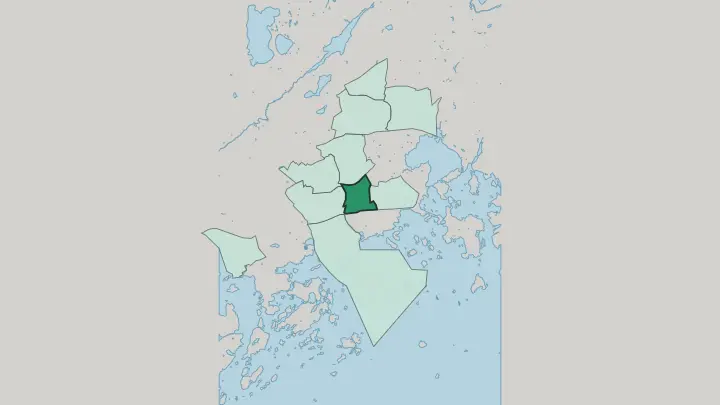
 EspooFinland
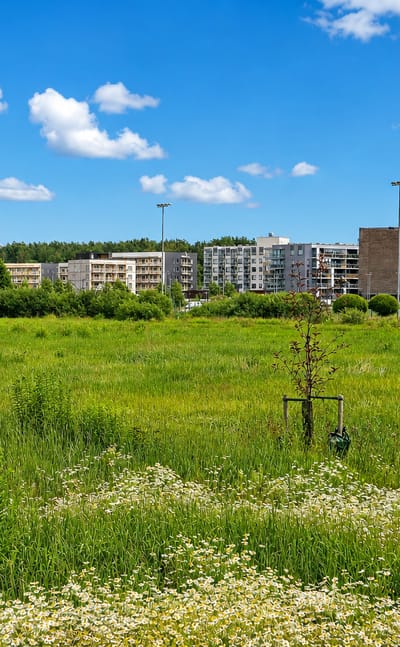
Mankkaa
Mankkaa is a district of Espoo in eastern Espoo, a leafy residential area between Tapiola, Leppävaara, and the smaller quarter of Henttaa.Where to stay →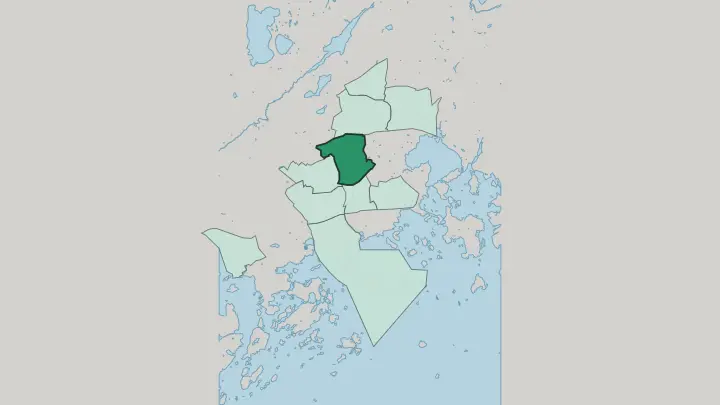
 EspooFinland
Henttaa
Henttaa is a district of Espoo in eastern Espoo, a small inland quarter set between Mankkaa, Olari, and Matinkylä.Where to stay →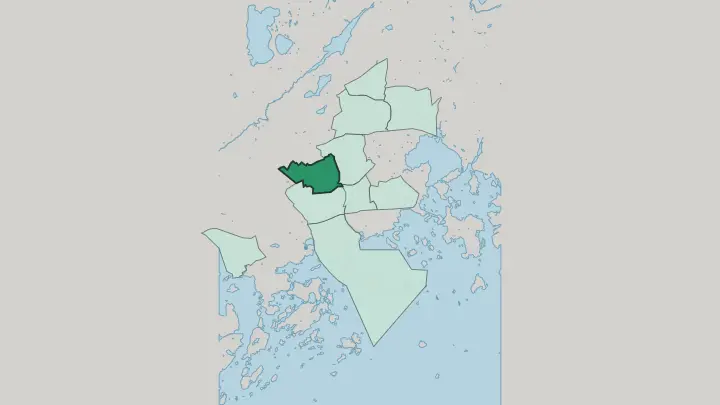
 EspooFinland
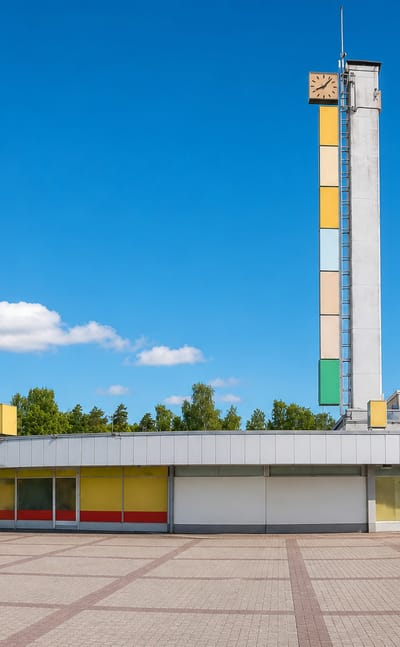
Karakallio
Karakallio is a district of Espoo in north-eastern Espoo, a hillside housing area just west of the Leppävaara centre.Where to stay →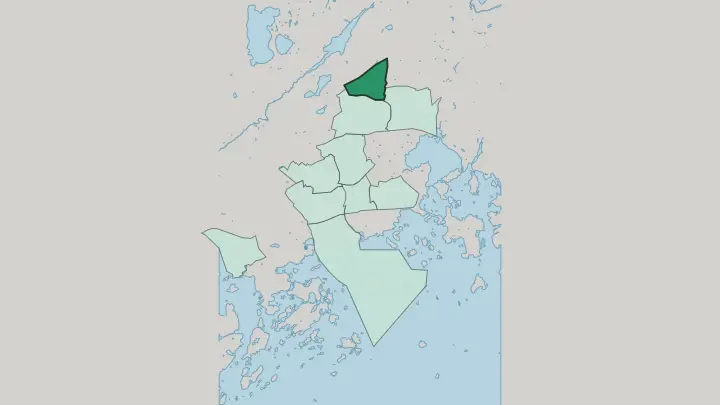
All neighbourhoods (15)
 EspooFinland
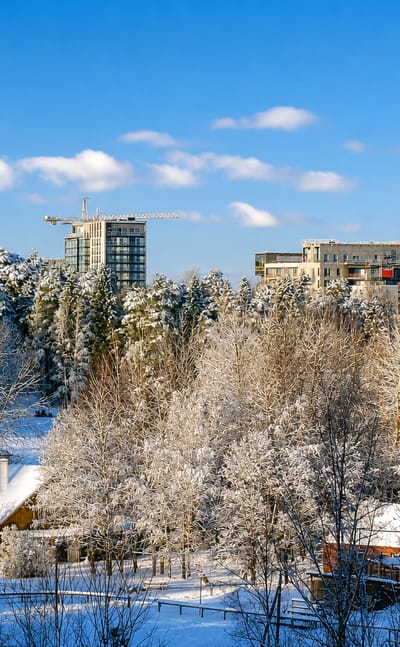
Espoonlahti
Espoonlahti is a coastal district of southern Espoo, a residential area gathered around its own bay and shopping centre.Where to stay →EspooFinlandEspoon Keskus
Espoon keskus is the central district of Espoo, seat of the city hall and of the Espoon tuomiokirkko, on just over five square kilometres.Where to stay →EspooFinlandSepänkylä
Sepänkylä, Smedsby in Swedish, is a district of Espoo in Finland, a residential name on the city map rather than a destination of its own.Where to stay →EspooFinlandNihtisilta
Nihtisilta is a district of Espoo in Finland, a residential piece of the city that carries the same name in Finnish and in Swedish.Where to stay →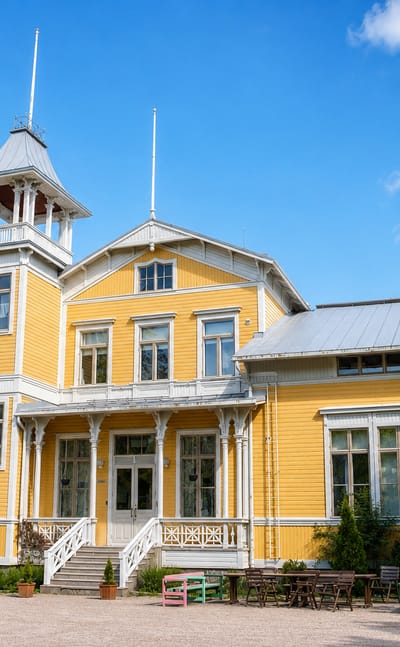 EspooFinland
Espoonkartano
Espoonkartano is one of the districts of Espoo, and Mankki is the single entry the record files beside its name.Where to stay →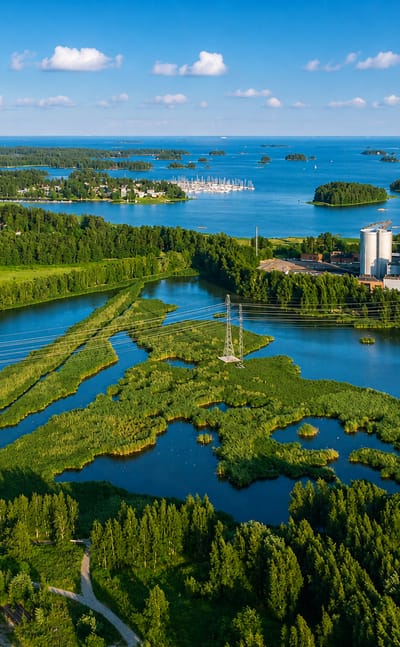 EspooFinland
Finnoo
Finnoo is an Espoo neighbourhood divided between the districts of Kaitaa and Nöykkiö, strung along the Länsiväylä highway.Where to stay →Things to do in Espoo
Ranked by global recognition; descriptions from Wikidata (CC0).
Museums & Galleries
3- Talomuseo Glims Heritage
- WeeGee-talo art museum building
- Suomen kellomuseo
Churches & Religious Sites
3- Espoon tuomiokirkko Heritage cathedral church building
- Tapiolan kirkko
- Olarin kirkko
Castles & Historic Sites
1- Mankki Heritage
Stadiums & Sports
1- Tapiolan liikuntahalli
worth knowingacross 4 categories in Espoo
About Espoo
What is Espoo known for?
Espoo is known as the second city of Finland, a sprawling municipality of Uusimaa spread across southern Finland just west of the capital. The medieval Espoon tuomiokirkko stands at its old heart, the cathedral that gives the modern city a thread back to the parish of Espoon kaupunki. Old church, new city.
Visitors who come to Espoo find the farmstead of the Talomuseo Glims and the collections of the Helinä Rautavaaran museo and the Koulumuseo Lagstad, the museums that keep the long story of this corner of Uusimaa.
What are the main landmarks in Espoo?
The Espoon tuomiokirkko is the landmark that anchors Espoo, the medieval stone cathedral that served the old parish of Espoon kaupunki long before the modern city of Uusimaa grew around it. The farmstead of the Talomuseo Glims keeps the rural past at the edge of southern Finland's second city. Old farm, old school.
The Helinä Rautavaaran museo holds collections gathered from far beyond Finland, the Koulumuseo Lagstad preserves an old schoolhouse, and the parish life of the Keski-Espoon Lähiseurakunta carries the church tradition of Espoo forward through the spreading districts of Uusimaa.
What is the history of Espoo?
Espoo's history runs from a medieval country parish to the second city of Finland. The Espoon tuomiokirkko marks the beginning, the stone cathedral whose parish of Espoon kaupunki was set on its own footing in the 15th century, in 1458, when the church gathered the farms of this corner of Uusimaa under one roof. The fields predate everything else in Espoo.
For centuries the place was a scattered rural parish of southern Finland, its life turning on the fields and the manor estates, the kind of countryside the farmstead of the Talomuseo Glims still preserves in timber and tools. The modern city grew late and fast. Where farms had stood, the spreading suburbs and centres of greater Helsinki pushed west into Espoo through the last century, and the rural municipality of Uusimaa became a metropolis of many districts rather than one old town.
The museums tell the change. The Helinä Rautavaaran museo, the Koulumuseo Lagstad and the parish of the Keski-Espoon Lähiseurakunta keep the older threads as the city of Espoo went on growing across southern Finland into the country's second largest.
Where is Espoo?
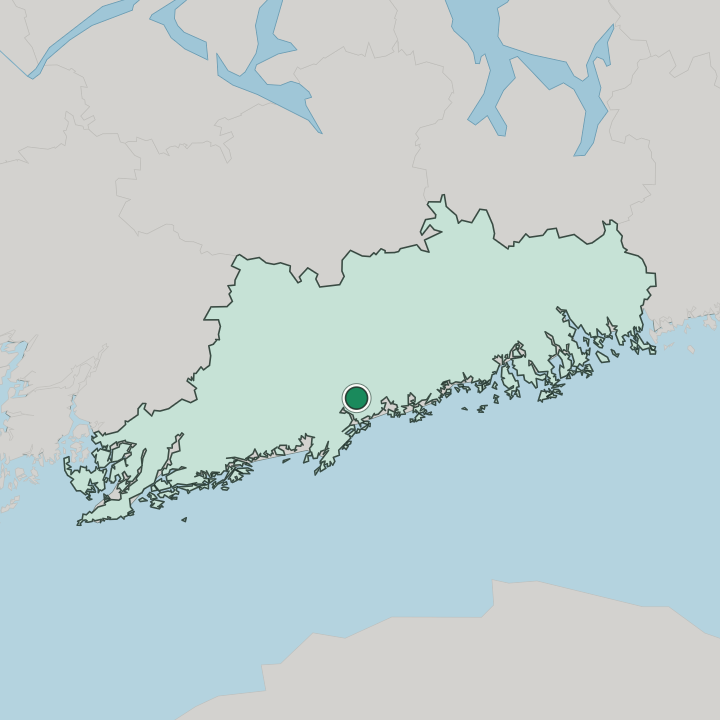
Espoo spreads across the coast and forest of Uusimaa, in southern Finland, immediately west of the capital. The municipality has no single centre but many, the districts strung out from the shore of the Gulf of Finland inland over wooded ridges and lakes toward the country beyond. Many centres, one city.
The old parish core gathers near the Espoon tuomiokirkko of Espoon kaupunki, the farmstead of the Talomuseo Glims keeps the rural northern edge, and the built districts of southern Finland's second city run on across the whole broad sweep of Espoo.
What is the climate of Espoo?
Espoo keeps the mild coastal weather of Uusimaa, its seasons tempered by the sea on the southern edge of Finland. Winters are cold but eased by the Gulf of Finland, the snow lying over the districts and the wooded ridges yet thinner here than in the cold interior of the country. Summers are long and light.
The northern daylight warms the coast and the forests of southern Finland through a generous season, the weather around Espoo gentler than inland Uusimaa, before the early grey of autumn settles over the city.
How do you get to Espoo?
Espoo is easily reached, woven into the transport of greater Helsinki across Uusimaa. Trains, the metro and motorways run west from the capital into the districts of southern Finland's second city, and the airport of the metropolitan area lies a short way off. The city is well connected.
Buses and the rail network link the centres of Espoo to one another and to Helsinki, while visitors bound for the Espoon tuomiokirkko of Espoon kaupunki or the farmstead of the Talomuseo Glims ride out to the older corners of Uusimaa from the modern hubs.
Good for
More cities in Uusimaa
Updated September 2026