Finland · Uusimaa · Espoo
Tapiola, Espoo — Area Guide & Where to Stay
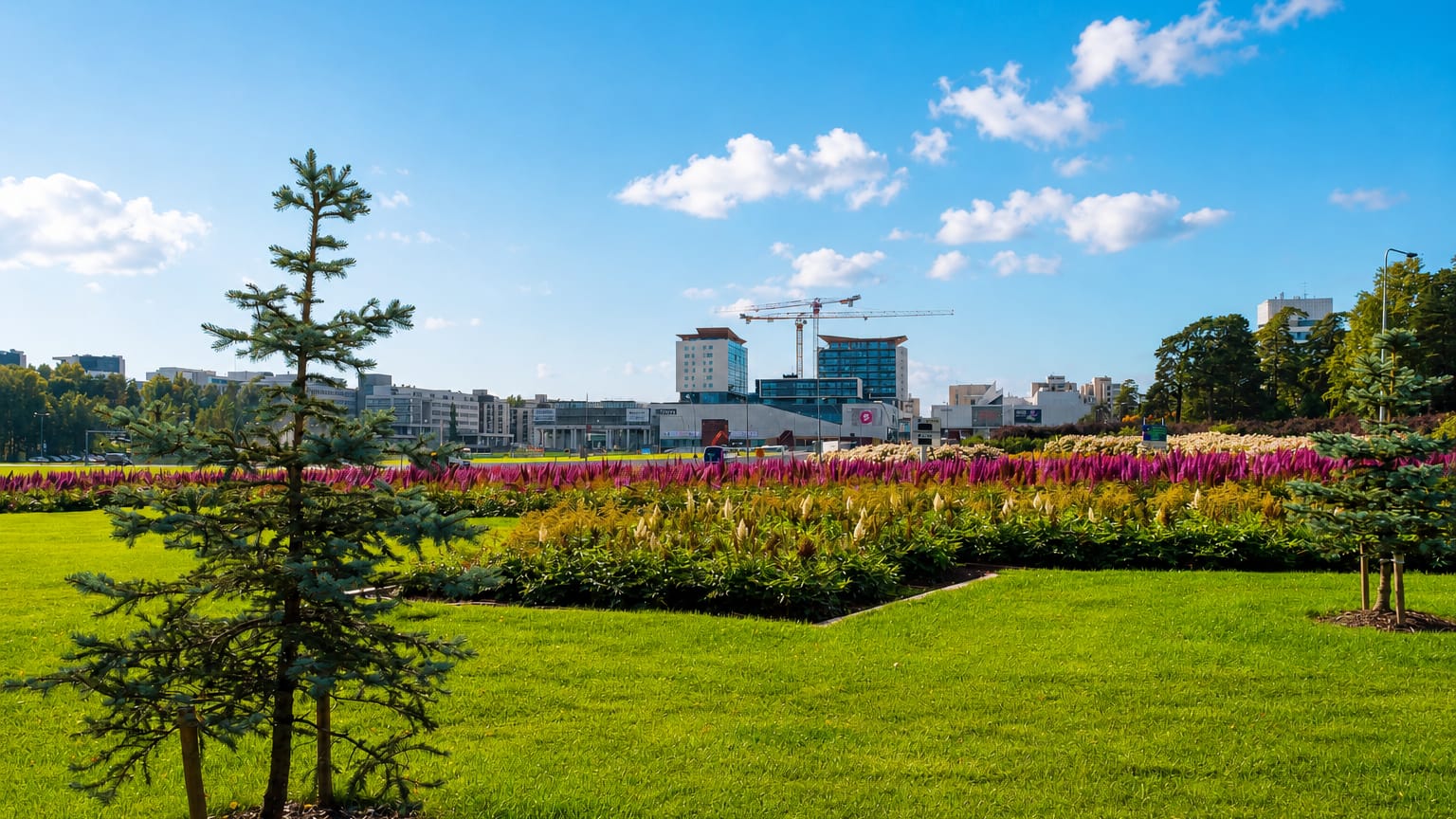
Tapiola is a garden-city district of south-eastern Espoo, a planned modernist centre and the city's cluster of museums.
About Tapiola


Where to stay in Tapiola
The right area depends on your trip — here's what each neighbourhood is best for.
Tapiola is the strongest cultural base in Espoo, a green centre built around its museums. The setting sells itself. Beds here sit within walking reach of the WeeGee-talo, EMMA, Espoon modernin taiteen museo, and Tapiolan kirkko, with the metro carrying you east into central Helsinki and the wooded squares of the garden city all around.
You want art, museums, and modernist planning at the door.
Things to do in Tapiola
Ranked by global recognition; descriptions from Wikidata (CC0).
Museums & Galleries
4- WeeGee-talo art museum building
- Suomen kellomuseo
- Espoon kaupunginmuseo KAMU
- Suomen Lelumuseo Hevosenkenkä specialised museum
Churches & Religious Sites
1- Tapiolan kirkko
Stadiums & Sports
1- Tapiolan liikuntahalli
worth knowingacross 3 categories in Tapiola
About Tapiola
What are the main landmarks in Tapiola?
Museums crowd Tapiola. The WeeGee-talo holds several at once, led by EMMA, Espoon modernin taiteen museo and joined by the Espoon kaupunginmuseo KAMU, the Suomen kellomuseo, and the play museum Museo Leikki. Nearby stand the Suomen Lelumuseo Hevosenkenkä and the Suomen kello- ja korumuseo Kruunu.
Faith and sport have their houses too, in Tapiolan kirkko and the Tapiolan liikuntahalli. No other district of Espoo gathers so much under one roof.
What is the history of Tapiola?
Tapiola was conceived as a garden city, a planned modernist district built when Espoo grew into one of the urban centres of the Helsinki capital region. The forest gave it its name. The district was called for Tapio, the woodland god of the Kalevala, and its layout wove housing among trees and open space.
Culture took root early, and the WeeGee-talo, a former printing house, became the home of EMMA, Espoon modernin taiteen museo and several smaller collections, while Tapiolan kirkko rose to serve the parish.
Where is Tapiola?
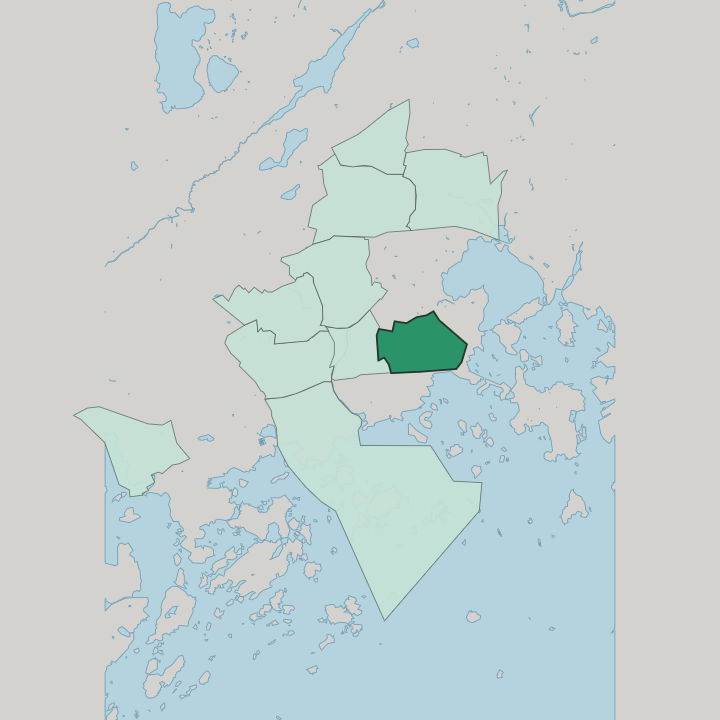
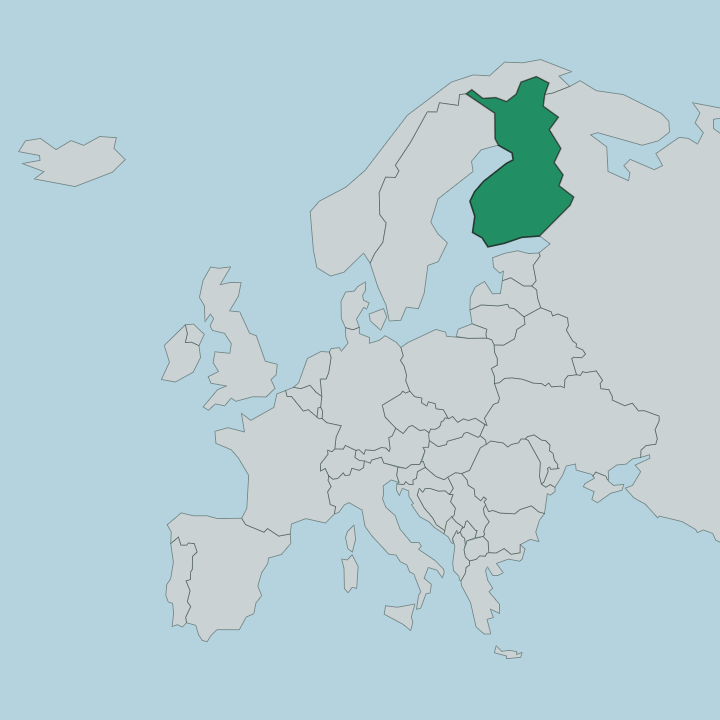
Tapiola lies in south-eastern Espoo, one of the major urban centres of the city, laid out as a green garden city within the Helsinki capital region. Its name comes from Tapio, the forest god of the Kalevala.
Good for
More areas in Espoo
Updated September 2026