Finland · Uusimaa
Where to Stay in Ingå, Uusimaa
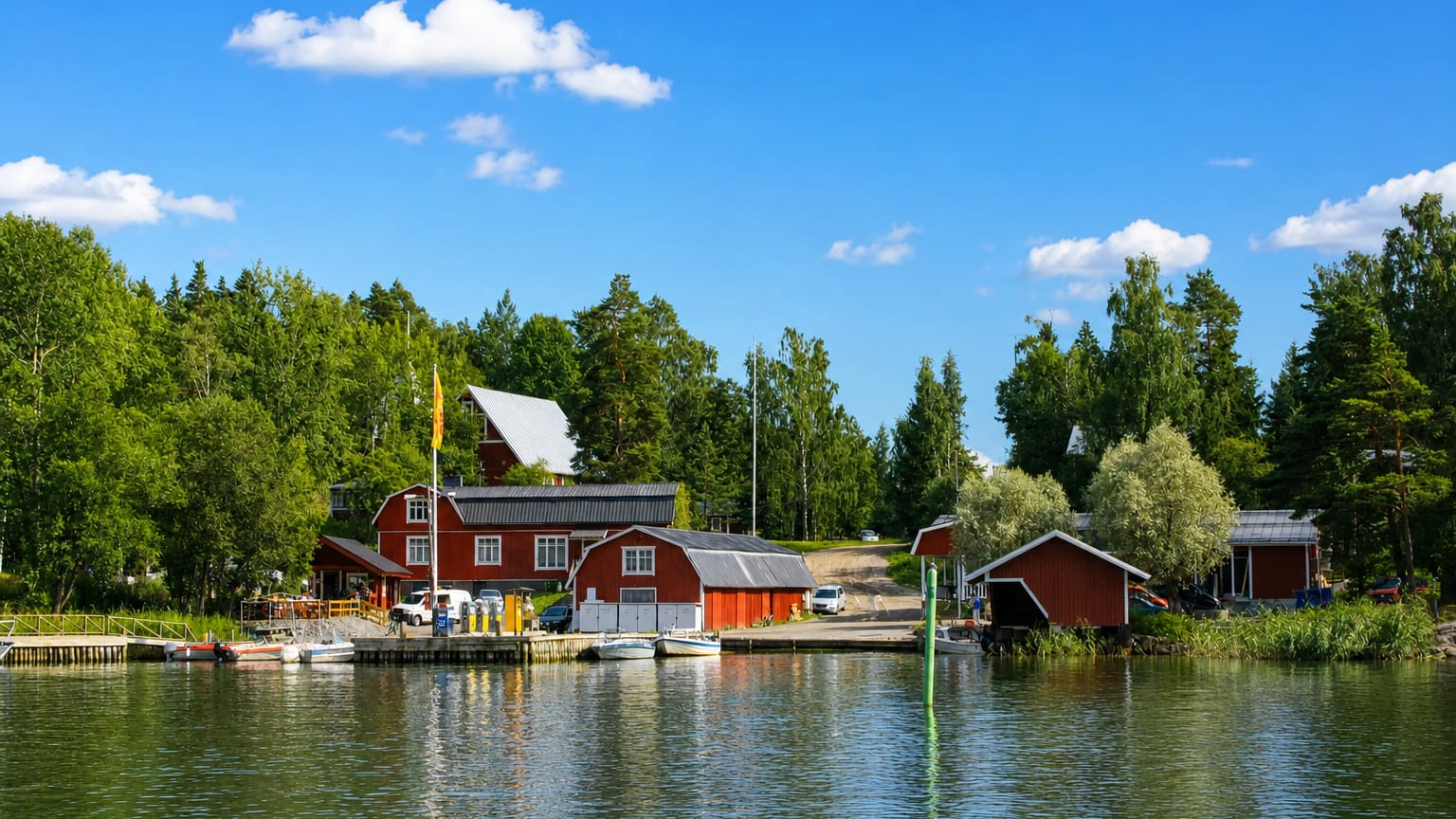
Ingå is a coastal municipality in Uusimaa, southern Finland, with a medieval church and the Fagervik manor estate.
Find your area →


Where to stay in Ingå
Each area has its own feel; here's who each one suits.
Beds are modest here. Ingå is a coastal municipality in Uusimaa, and most visitors base themselves near the church village around Inkoon kirkko, the medieval church that gathers the centre, or out toward the manor country of Fagervik and the archipelago shore. Book ahead in the quiet season.
The church village suits travellers who want walking reach of Inkoon kirkko, the Inkoon kotiseutumuseo, and the harbour, while the inland village of Degerby and the manor estate at Fagervikin kartano draw those after the older country. Rooms are limited across this part of southern Finland, so plan early, and the wider Uusimaa coast offers larger bases. Choose between church village and manor shore.
Things to do in Ingå
Ranked by global recognition; descriptions from Wikidata (CC0).
Museums & Galleries
2- Museo Torpin Tykit war history museum
- Degerby Igor -museo museum in Degerby
Churches & Religious Sites
3- Inkoon kirkko Heritage
- Fagervikin kirkko Heritage
- Degerbyn kirkko
Nature & Outdoors
1- Fagervikin ruukinkartanon ranskalainen puisto ja puutarha Heritage
Landmarks & Notable Places
1- Fagervikin ruukinkartanon rakennukset Heritage house
worth knowingacross 4 categories in Ingå
About Ingå
Ingå is a coast of old stone.
What is Ingå known for?
The municipality in Uusimaa, southern Finland, is known for Inkoon kirkko, the medieval St Nicholas church, and for the Fagervik manor and ironworks estate, Fagervikin kartano, set deep among the bays. The strait village of Barönsalmi marks its archipelago edge. A shore parish with manors and skerries.
What are the main landmarks in Ingå?
Churches and a manor lead. Inkoon kirkko, the medieval St Nicholas church, crowns the village, while Degerbyn kirkko and Fagervikin kirkko serve other parts of Ingå. The Fagervik ironworks estate gathers Fagervikin kartano and Fagervikin ruukinalue in one manor landscape, and the war museum Museo Torpin Tykit recalls the coastal defences.
Stone, manor, and gun by the sea.
What is the history of Ingå?
Ingå was chartered in the 14th century. The parish was established by 1335 on the coast of Uusimaa, in southern Finland, with the medieval Inkoon kirkko, the church of St Nicholas, rising in stone to serve a settlement of farmers and fishers along the bays. A medieval coast parish, very old.
Manors and iron later shaped the country. The Fagervik estate grew from the 17th century as an ironworks, leaving the manor house Fagervikin kartano and the industrial ground of Fagervikin ruukinalue, while the inland village of Degerby and the strait village of Barönsalmi held their own coastal life. Generations of that older world are gathered in the Inkoon kotiseutumuseo.
From a 1335 parish the municipality kept its place on the Uusimaa shore.
Where is Ingå?
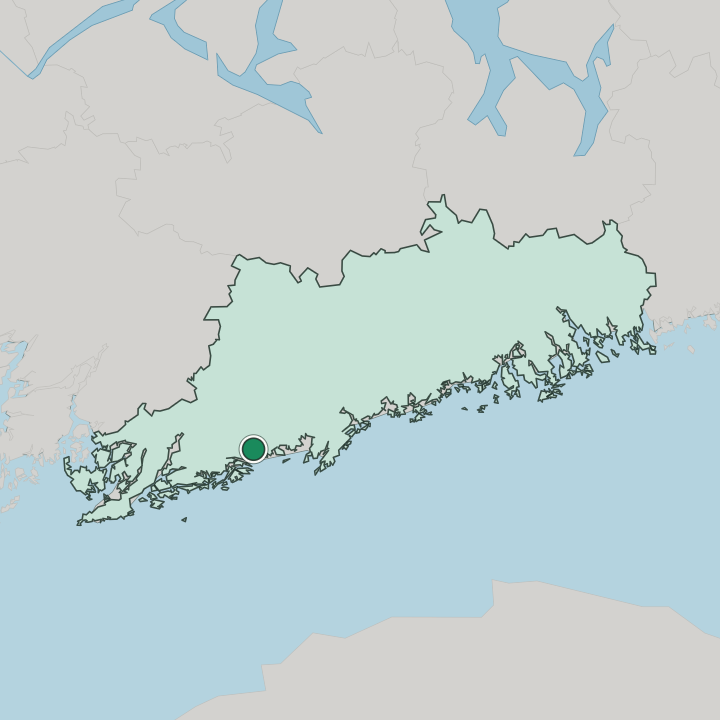
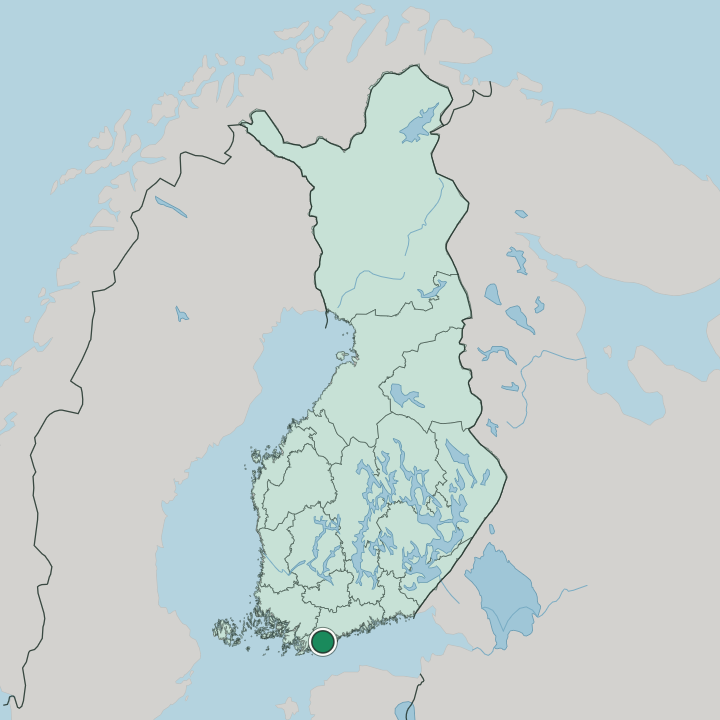
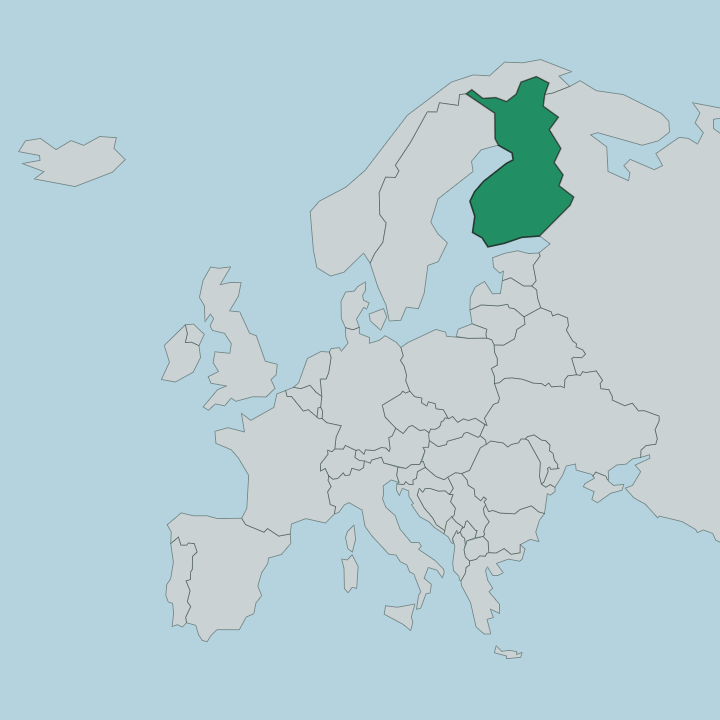
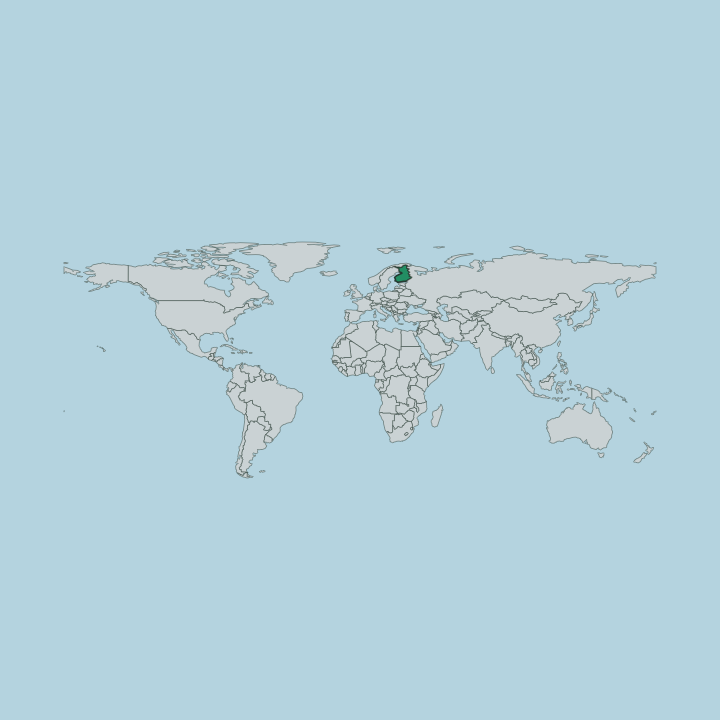
Ingå meets the sea. The municipality lies on the coast of Uusimaa, in southern Finland, where a low shore of bays and islands gives way inland to wooded country and manor farmland. The church village around Inkoon kirkko sits near the water, with the strait village of Barönsalmi out among the skerries and Degerby set inland.
Coast in front, forest behind.
What is the climate of Ingå?
The sea softens Ingå. Lying on the coast of Uusimaa, in southern Finland, the municipality sees mild light summers and winters tempered by the surrounding water, though ice still gathers along the bays in the hard months. Snow and sea wind cross the shore around Inkoon kirkko and the skerries near Barönsalmi through the turning year.
A maritime climate by a southern coast.
How do you get to Ingå?
Roads run along the coast. Ingå sits on the shore of Uusimaa, in southern Finland, reached by the coastal routes that thread the southern seaboard, with the church village around Inkoon kirkko as the place to aim for. The archipelago waters around Barönsalmi reach out to the smaller islands.
Most visitors arrive overland into this Uusimaa coast.
Good for
More cities in Uusimaa
Updated September 2026