Finland · Uusimaa
Where to Stay in Kauniainen, Uusimaa
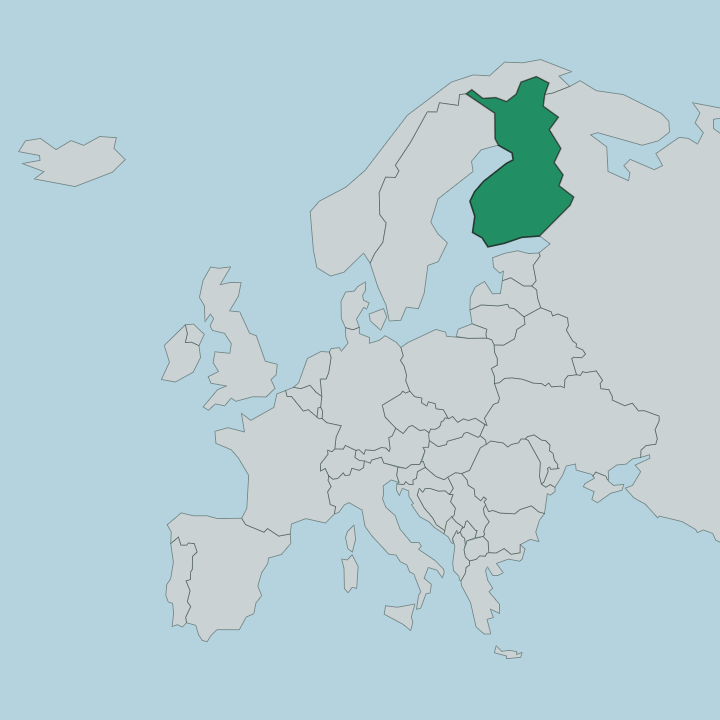
Kauniainen is a small villa town in southern Finland, in the Uusimaa region, an enclave wholly surrounded by Espoo near Helsinki.
Find your area →


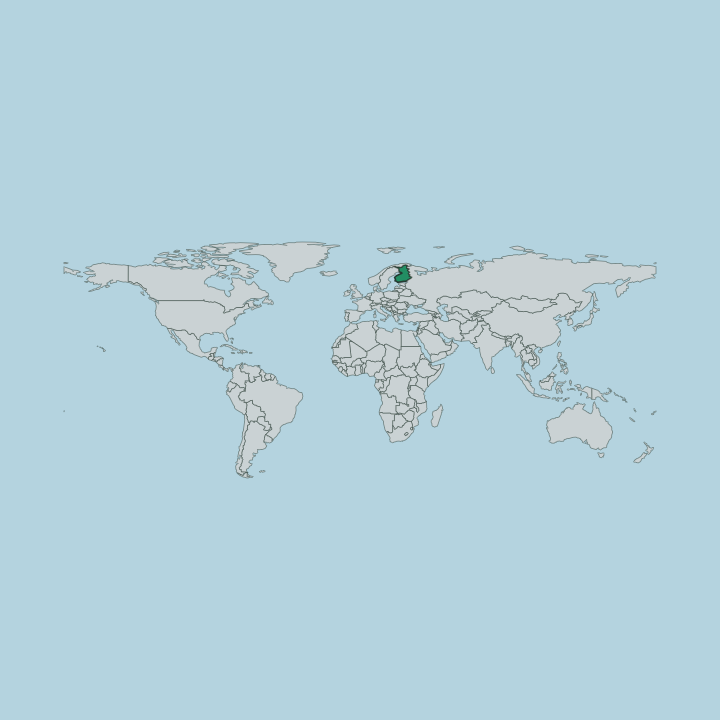
Where to stay in Kauniainen
Where you base yourself shapes the visit — here's the character of each area.
Kauniainen carries very few beds, a small residential enclave of Uusimaa where the villa streets hold little lodging of their own. The town centre by the Kauniaisten rautatieasema keeps what there is, near the shops and the church, the easy base for a visitor wanting the quiet villa quarter and the train to Helsinki on foot. Beds in the villa quarter are scarce.
Because the town is wholly ringed by Espoo, most travellers instead sleep in the larger hotels of the surrounding city or in Helsinki itself, a short ride along the rail line, and come into Kauniainen for the gardens and the museums. The metropolitan area is close. The Helinä Rautavaaran museo and the heritage garden quarter of the Kauniaisten huvilakaupunki lie within easy reach of a base anywhere in the Helsinki region of southern Finland.
For a stay in the town itself, book ahead, since the few rooms in Kauniainen go quickly.
About Kauniainen
What is Kauniainen known for?
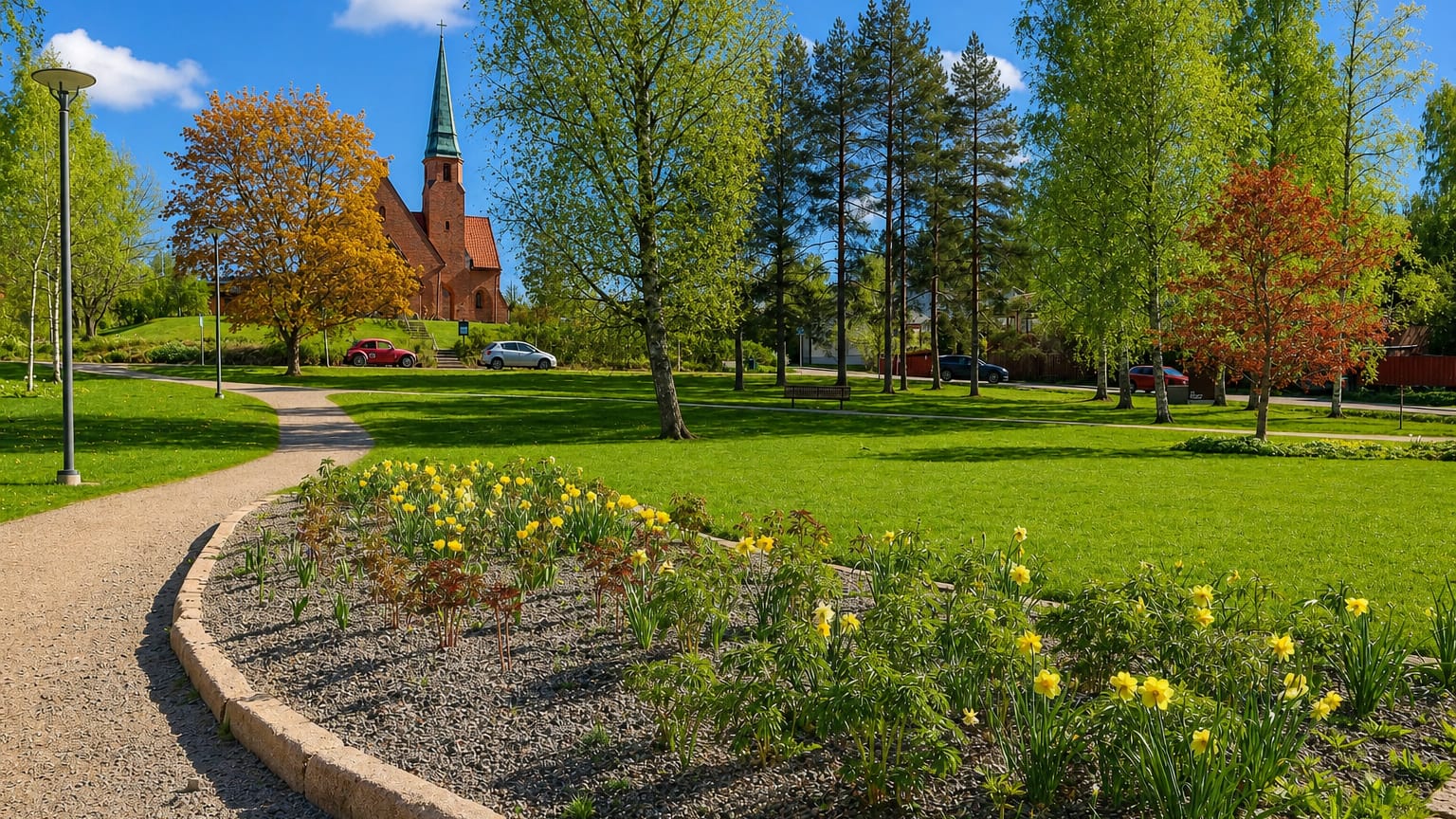
Kauniainen is known as a leafy villa town, an enclave of Uusimaa wholly ringed by Espoo in the Helsinki region of southern Finland. It is the smallest town around. Built as the planned garden suburb of the Kauniaisten huvilakaupunki, the place grew around its railway, and the heritage Kauniaisten rautatieasema still marks the centre on the line out from Helsinki.
Quiet streets of villas spread under the trees, with the Kauniaisten kirkko and the Helinä Rautavaaran museo set among them, a well-to-do residential town held inside the larger city of Espoo.
What are the main landmarks in Kauniainen?
The Kauniaisten rautatieasema is the landmark at the heart of the town, a heritage railway station on the line out from Helsinki that gave the villa town its start. Villas are the real sight. The whole quarter of the Kauniaisten huvilakaupunki is a protected garden-town landscape, set with the Kauniaisten kirkko and the Helinä Rautavaaran museo, while the Kauniaisten palloiluhalli serves the sport of this small enclave of Uusimaa ringed by Espoo in southern Finland.
What is the history of Kauniainen?
Kauniainen began as a planned garden suburb on the railway west of Helsinki. The land was laid out as a villa town in the early years of the century, the Kauniaisten huvilakaupunki of detached houses and gardens built for families drawn out of the capital, and the Kauniaisten rautatieasema brought the train that made it possible. A new town took shape.
The settlement was chartered as its own municipality in 1920, an independent enclave set within the surrounding parish that would become the city of Espoo in this corner of Uusimaa. Kauniainen kept its separate life through the modern age, a small bilingual town that never merged with the city around it. Villas filled the streets.
The community grew around the Kauniaisten kirkko and its schools as the Helsinki region spread, and the garden-town plan of the huvilakaupunki was protected as heritage. The metropolis closed in. Espoo and the wider capital area grew up to its borders on every side, yet Kauniainen held its own town status, settling into its modern role as a well-to-do residential enclave of southern Finland wholly encircled by Espoo.
Where is Kauniainen?
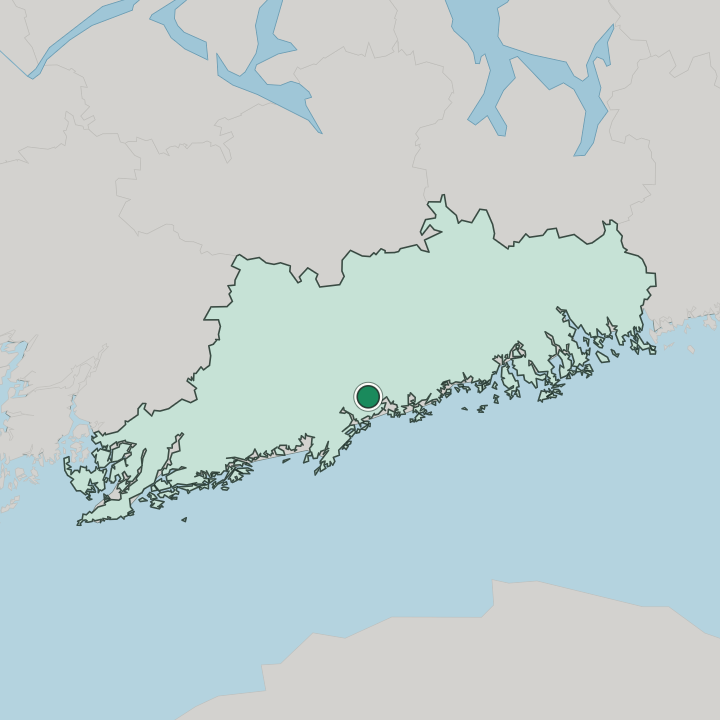
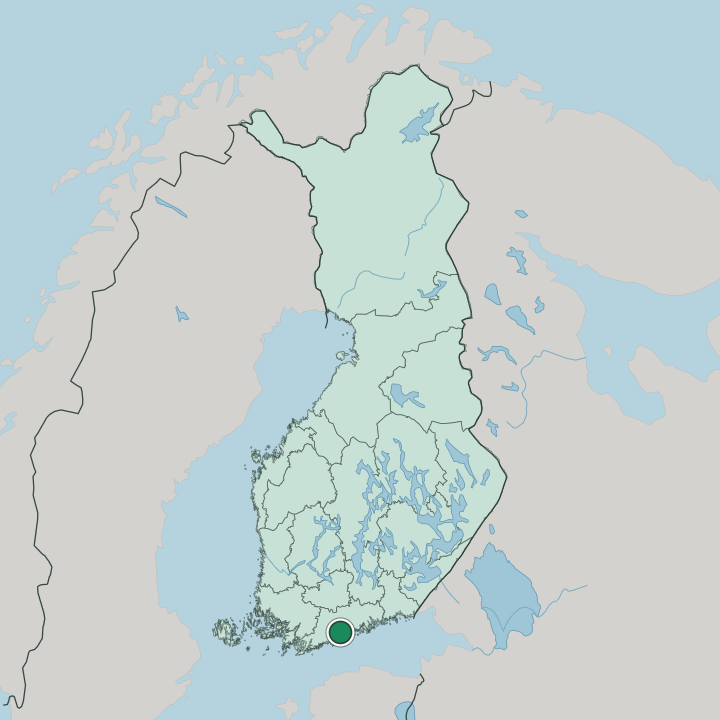
Kauniainen lies in the southern interior of Uusimaa, in the Helsinki region of southern Finland, a tiny town wholly enclosed by the city of Espoo. It is a town within a city. The leafy streets of the Kauniaisten huvilakaupunki spread across low wooded ground, the railway running through the centre toward Helsinki, with the surrounding districts of Espoo pressing up to the boundary on every side.
There is no open country here. Gardens, rock outcrops and a few small ponds break the built-up land of this corner of Uusimaa, the compact villa-town geography that has defined Kauniainen since it was laid out.
What is the climate of Kauniainen?
Kauniainen has the cool coastal climate of southern Finland, tempered a little by the nearness of the sea below the Helsinki region. Winters are cold and snowed, the gardens of the villa town lying white from late autumn into the long thaw, the trees of the huvilakaupunki bare above the quiet streets. Snow softens the town.
A mild leafy summer follows, the long northern daylight bringing the gardens of Kauniainen into green through a warm season that draws people out under the trees of this corner of Uusimaa before the cold returns.
How do you get to Kauniainen?
Kauniainen is easily reached, sitting on the main rail line west of Helsinki in the heart of the metropolitan area. Commuter trains stop at the Kauniaisten rautatieasema in the centre, a short ride from the capital, the simplest way into the town. The roads run through Espoo.
Because the town is wholly ringed by Espoo, every road in crosses the surrounding city, and visitors come by train, bus or car from across the Helsinki region of southern Finland to reach the villa streets of Kauniainen in Uusimaa.
Good for
More cities in Uusimaa
Updated September 2026