Finland · Varsinais-Suomi
Where to Stay in Askainen, Varsinais-Suomi
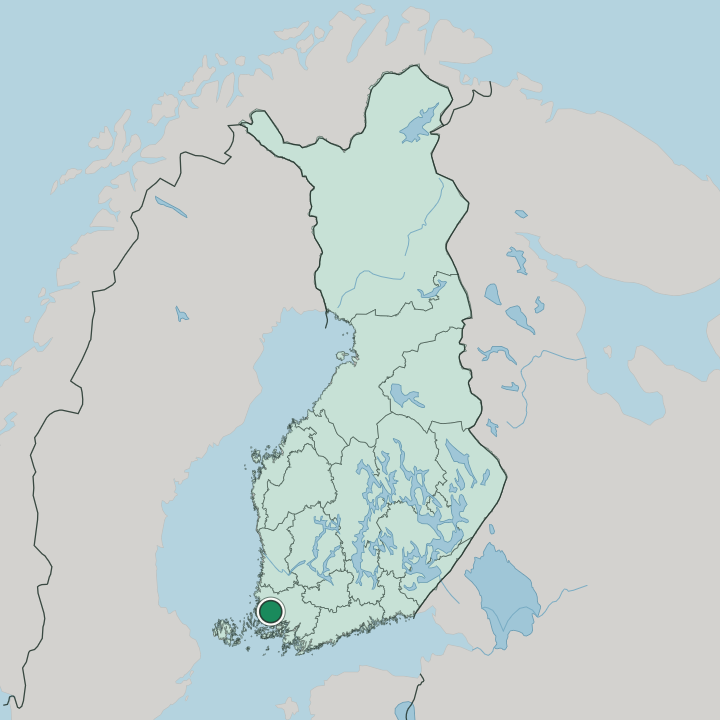
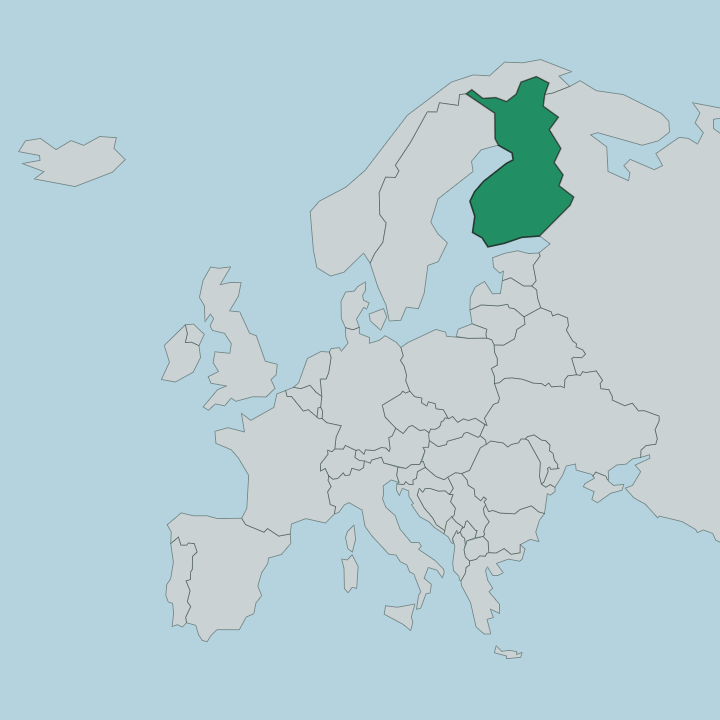
Askainen is a former coastal municipality of Varsinais-Suomi in south-western Finland, on the Archipelago Sea, now part of Masku.
Find your area →


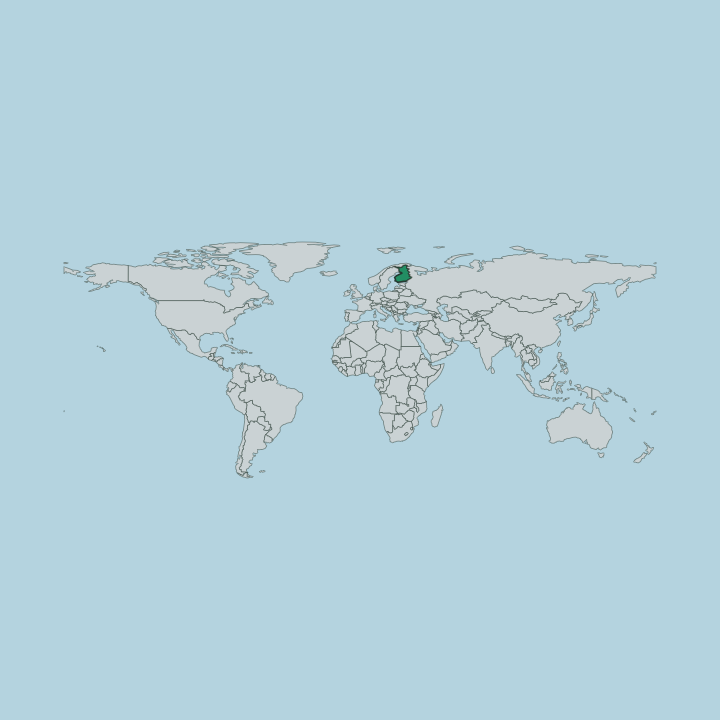
Where to stay in Askainen
Each area has its own feel; here's who each one suits.
Askainen keeps only a thin stock of beds for a former coastal municipality of south-western Finland, where a guesthouse, a farm room, or a cottage is the usual lodging rather than a hotel. The village around the Askaisten kirkko suits visitors who come for the manor, with the church and the road to the Louhisaaren kartano close at hand. Lodging in the village stays sparse.
Many travellers stay in the larger towns of Varsinais-Suomi and drive out to Askainen for the day to see the great house on the Archipelago Sea. Stock thins along the shore. Out among the coast and islands toward the ruins of Stenbergan linna and the wider Vakka-Suomi country, cottages and farm rooms stand by the water, a quiet base for boating and walking in the coastal parish now part of Masku.
Book ahead in the short summer, when the few rooms of this corner of south-western Finland fill early.
About Askainen
What is Askainen known for?
Askainen is known above all for the Louhisaaren kartano, the grand manor that was the birthplace of Marshal Mannerheim, set on the coast of Varsinais-Suomi by the Archipelago Sea. A great house defines the parish. The manor stands above the water in this corner of south-western Finland, while the Askaisten kirkko serves the village and the castle ruins of Stenbergan linna recall the older lords of the Vakka-Suomi country, a former municipality joined to Masku in 2009.
What are the main landmarks in Askainen?
The Louhisaaren kartano is the chief landmark, the grand manor and birthplace of Marshal Mannerheim standing above the coast of the Archipelago Sea. Old stone fills the parish. The Askaisten kirkko serves the village as the parish church, the medieval ruins of Stenbergan linna recall the early lords of Varsinais-Suomi, the nearby Lemun kirkko marks the joined parish of Lemu, and the old cottage museum of Kemppien tupa keeps the rural life of this corner of south-western Finland.
What is the history of Askainen?
Askainen grew as a coastal parish of Varsinais-Suomi on the inner waters of the Archipelago Sea, its people living by the soil, the shore, and the great estates that ruled the land. The medieval ruins of Stenbergan linna mark the early lords who held this stretch of the Vakka-Suomi coast, a castle raised in the long centuries of Swedish rule. The Askaisten kirkko rose as the centre of faith for the country folk, a stone church among the manor lands of south-western Finland.
Estates shaped the parish. The Louhisaaren kartano, the grandest of the houses, was built above the water as the seat of a noble family, and its rooms gave the parish its lasting fame. A child of that house changed the country.
Carl Gustaf Emil Mannerheim, the Marshal who led Finland through its wars, was born at the Louhisaaren kartano, tying the small coastal parish to the nation's story. The manor is kept as a museum of the old noble life, and the cottage of Kemppien tupa holds the rural side of the same world. Askainen was joined with Lemu and consolidated into Masku in 2009, ending its separate life, yet the old name endures along the shore of the Archipelago Sea in this corner of south-western Finland.
Where is Askainen?
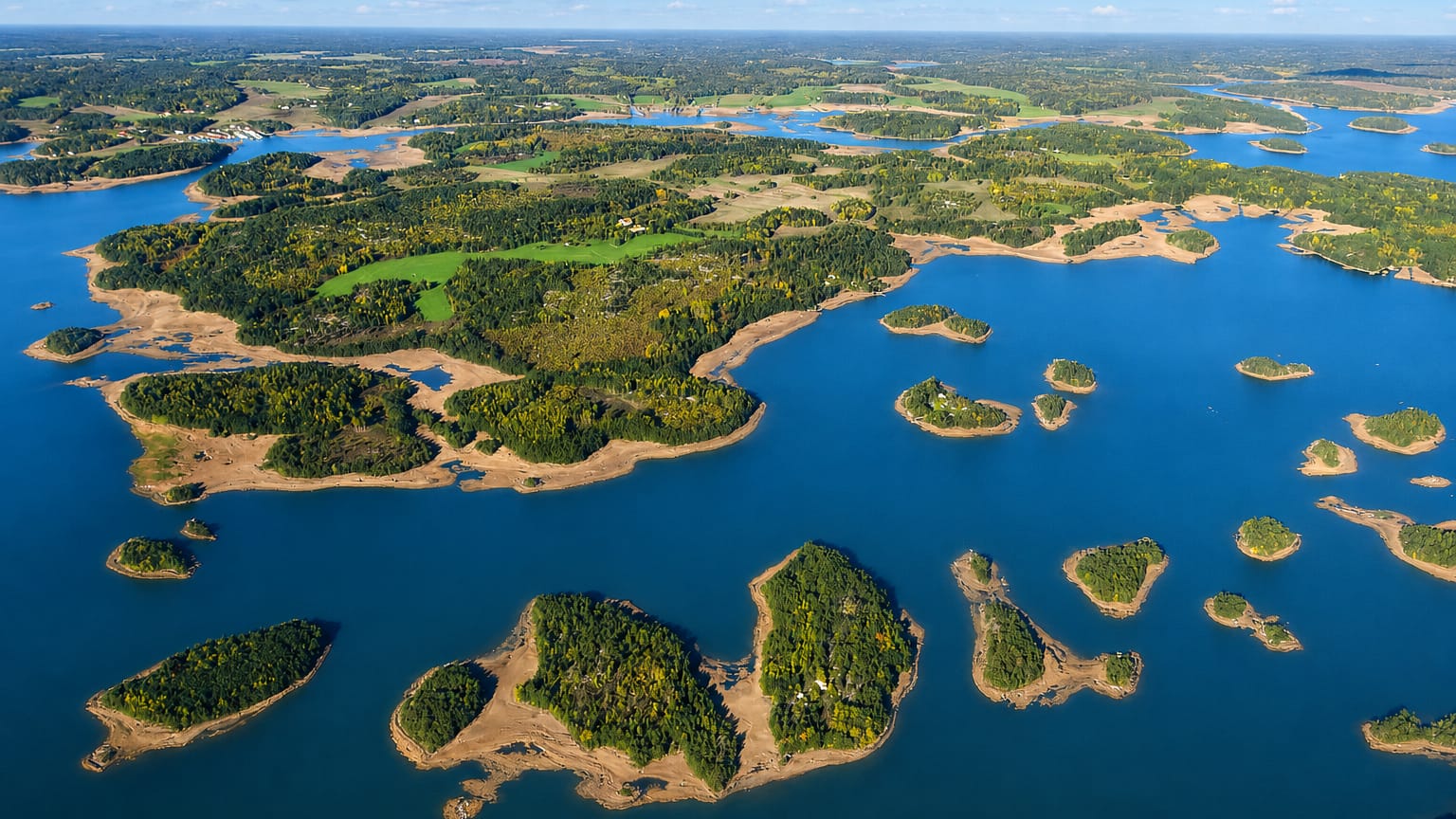
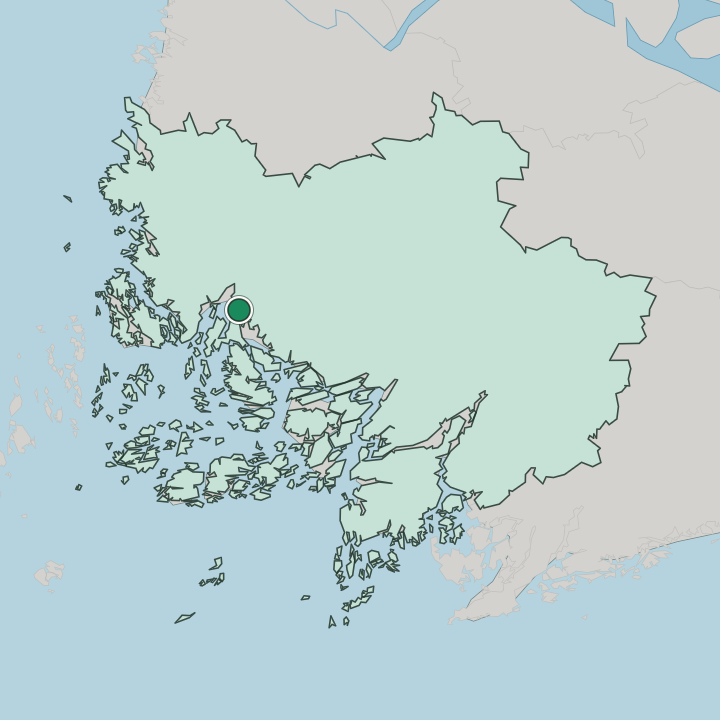
Askainen lies on the coast of the Archipelago Sea, a low country of shore, fields, and islands on the western edge of Varsinais-Suomi in south-western Finland. The sea reaches in everywhere. Bays and sounds cut into the land, scattered islands lie off the shore, and the manor of Louhisaaren kartano stands above the water at the heart of the parish.
Fields and woods fill the inland. Behind the shore the cultivated land and forest of the Vakka-Suomi country spread toward the neighbouring parishes, the farmsteads lie among them, and the broken coastal landscape of Masku reaches across this corner of south-western Finland.
What is the climate of Askainen?
Askainen has a cool maritime climate softened by the surrounding waters of the Archipelago Sea, milder than the inland of south-western Finland. The sea tempers the cold. Through winter the coastal water slows the freeze, though the inner bays near the Louhisaaren kartano can still lock under ice in the hardest spells of the season.
Summer comes gentle and bright. The long northern daylight warms the shore and islands of Varsinais-Suomi, the sea breeze cools the warm weeks, and boats move out across the open water of the Vakka-Suomi coast.
How do you get to Askainen?
Askainen sits on the coast road of Varsinais-Suomi, west of the regional towns, and the road is the way in. Cars and buses lead out. Roads thread along the shore of the Archipelago Sea from the larger towns to the village and the Askaisten kirkko, carrying travellers to the manor country of the Vakka-Suomi coast.
No railway runs to the shore. The nearest lines lie inland, and from their stations the road brings travellers on into Askainen, while most drive the coast routes through this corner of south-western Finland to reach the Louhisaaren kartano.
Good for
More cities in Varsinais-Suomi
Updated September 2026