France · Normandie
Where to Stay in Le Havre, Normandie
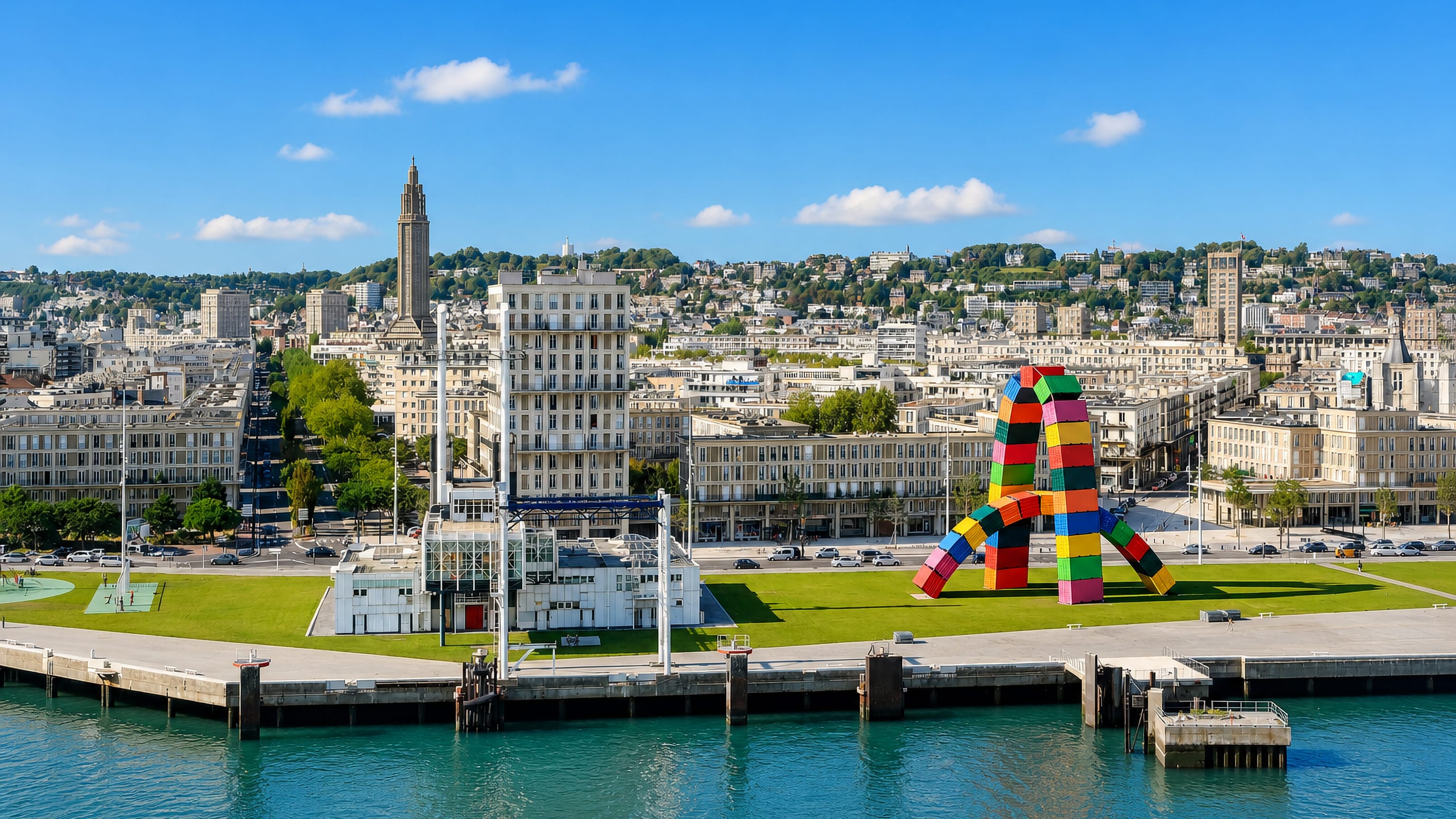
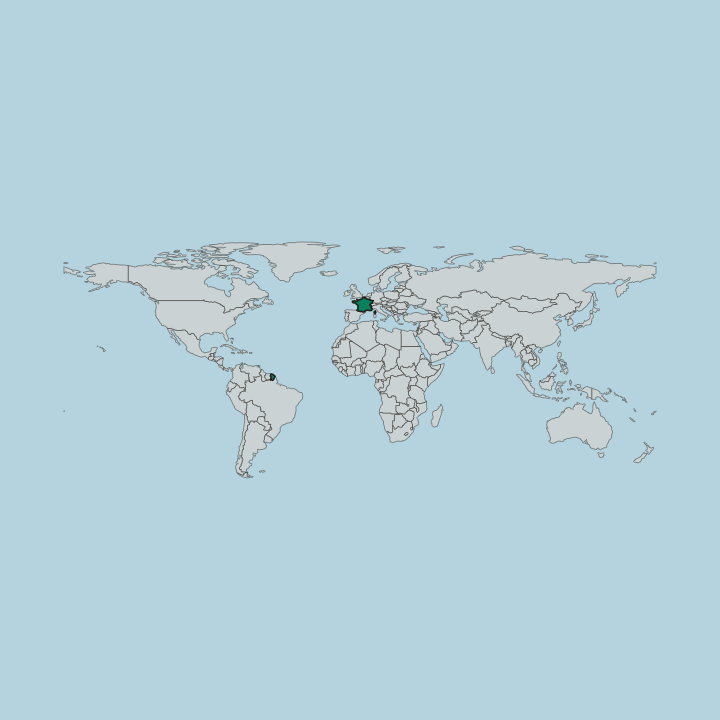
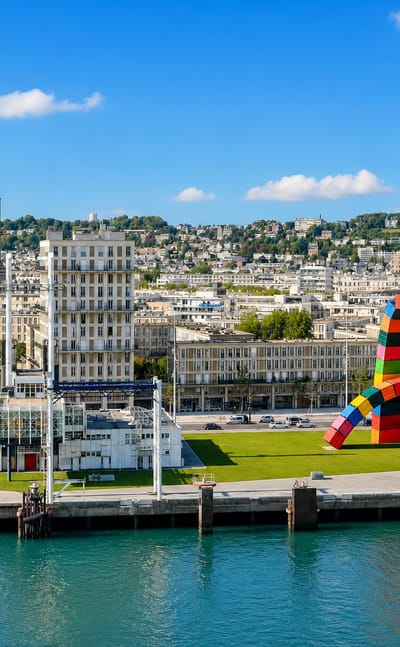
The Seine meets the English Channel at Le Havre, a port city in Normandy founded in 1517, known for the concrete tower of St. Joseph's Church.
Hotel links are affiliate links: booking through them may earn us a commission, at no extra cost to you. It never affects how places are ranked. How this works


Where to stay in Le Havre
One neighbourhood here has its own guide — here's what it is best for.
 Le HavreFrance
Graville
Graville holds two of Le Havre's stadiums, the Stade Océane and the Stade Jules Deschaseaux, along with the église Saint-Paul d'Aplemont.Where to stay →Hotel links are affiliate links: booking through them may earn us a commission, at no extra cost to you. It never affects how places are ranked. How this works
Find hotels in Le Havre
Direct booking searches for these neighbourhoods.
The Perret rebuilt centre
The concrete town-hall grid keeps St. Joseph's Church and the Appartement témoin Perret within one walk of the reconstructed avenues.Find hotels in The Perret rebuilt centresea-front stays near the MuMa museumThe beach and estuary front
The Channel edge gathers the MuMa Museum of modern art André Malraux and Les Bains Des Docks where the Seine estuary meets open water.Find hotels in The beach and estuary frontHotel links are affiliate links: booking through them may earn us a commission, at no extra cost to you. It never affects how places are ranked. How this works
Things to do in Le Havre
Ranked by global recognition; descriptions from Wikidata (CC0).
Museums & Galleries
3- Maison de l'Armateur (Le Havre) Heritage
- MuMa Museum of modern art André Malraux
- Appartement témoin Perret
Churches & Religious Sites
8- St. Joseph's Church Heritage
- Église Saint-Michel Heritage
- Église Saint-Vincent du Havre Heritage
- église Saint-François du Havre Heritage
- Chapelle Saint-Michel d'Ingouville Heritage
Show 3 more →
- église Sainte-Cécile du Havre Heritage
- église Sainte-Anne du Havre Heritage
- église du Sacré-Cœur du Havre Heritage
Stadiums & Sports
3- Stade Océane
- Stade Jules Deschaseaux
- Stade de la Cavée Verte
worth knowingacross 3 categories in Le Havre
About Le Havre
What is Le Havre known for?
Le Havre is known as a major port city on the estuary of the Seine, where the river meets the English Channel in Normandy. Its name means the harbour. Founded in 1517, it rebuilt in concrete after the war, and the tower of St. Joseph's Church rises over that reconstructed centre, near the MuMa Museum of modern art André Malraux on the waterfront.
What are the main landmarks in Le Havre?
Le Havre is marked most by its concrete rebuild. The tower of St. Joseph's Church rises over the reconstructed centre, and the Appartement témoin Perret preserves a furnished flat from that era. Water draws the rest.
The MuMa Museum of modern art André Malraux stands on the sea front, Les Bains Des Docks fills an old dock, and the Maison de l'Armateur, the Musée Dubocage de Bléville, and the Muséum d'histoire naturelle du Havre hold the older heritage that survived the war, alongside the Église Saint-Michel among the parish churches.
What is the history of Le Havre?
Le Havre was founded in 1517 as a harbour at the mouth of the Seine, and its name simply means the harbour. The estuary port grew through the centuries of Atlantic trade, and the Maison de l'Armateur survives from the days of the shipowners who ran it. War undid much of that.
Bombing flattened the centre, and the city rebuilt from the rubble in a single planned scheme of reinforced concrete. That reconstruction gave Le Havre the wide grid, the town hall, and the tower of St. Joseph's Church that define its centre. The Appartement témoin Perret keeps a room of the rebuild as it was furnished.
As a major port in the Seine-Maritime, it stands the second-largest city in Normandy, its life still tied to the Channel and the estuary. The MuMa Museum of modern art André Malraux later gathered the modern painting drawn to that light. The sea made it and remade it.
Where is Le Havre?
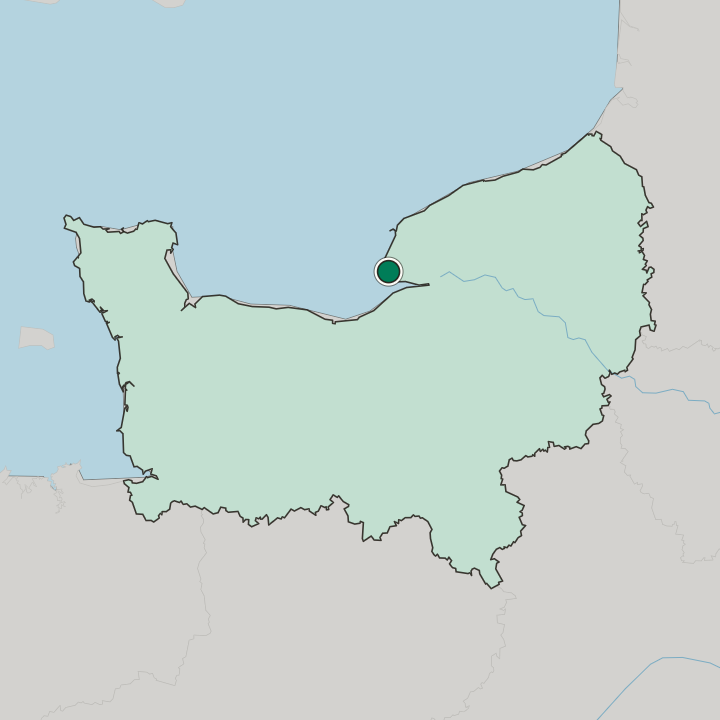
Le Havre stands on the right bank of the Seine estuary where the river meets the English Channel, in Seine-Maritime in northern Normandy. Chalk cliffs edge the coast. The city holds the northern shore of the estuary, its harbour open to the Channel and the sea traffic that founded it.
Estuary and coast define the ground.
What is the climate of Le Havre?
Le Havre has a mild maritime climate off the English Channel. Sea air rules it. Winters stay cool and wet with wind driving off the water, while summers turn mild along the estuary of the Seine and the beach front.
Rain and cloud come with the Channel through much of the year.
How do you get to Le Havre?
Le Havre sits at the mouth of the Seine in northern Normandy, reached by rail and road from inland. Trains run down the valley. The line and the roads follow the Seine from the interior out to the estuary, while cross-Channel shipping ties the port to the English Channel and the sea routes beyond.
The estuary carries the approach.
Common questions
What is the best area to stay in Le Havre?
The Perret rebuilt centre: first-time visitors near St. Joseph's Church. The beach and estuary front: sea-front stays near the MuMa museum.
Good for
More cities in Normandie
Updated October 2026