United Kingdom · England · London
Battersea, London — Area Guide & Where to Stay
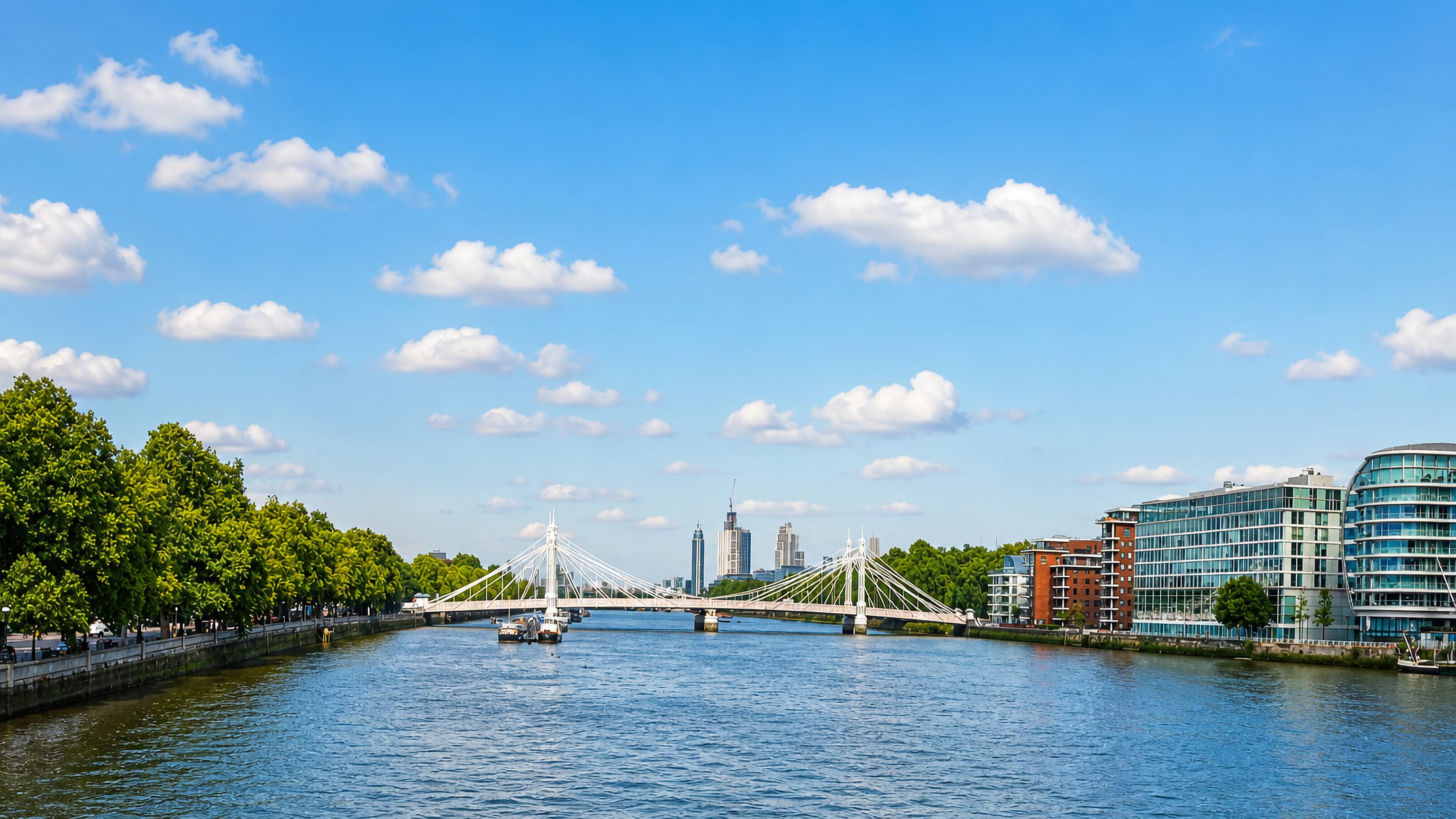
Battersea climbs from Clapham Junction up Lavender Hill and Battersea Rise, a district of London known for its parish churches and old houses.
Hotel links are affiliate links: booking through them may earn us a commission, at no extra cost to you. It never affects how places are ranked. How this works


Map data © OpenStreetMap contributors

Where to stay in Battersea
The practical side of choosing where to sleep.
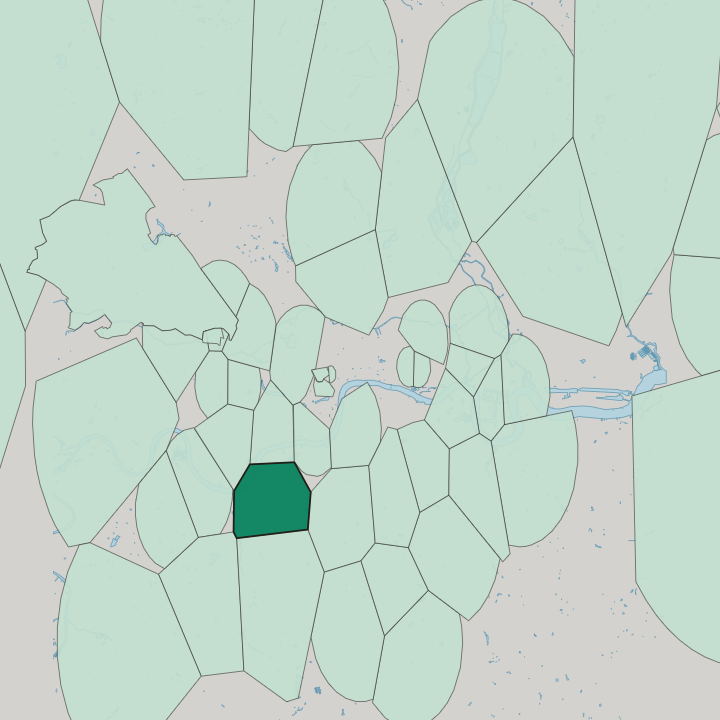
Battersea works as a base around Clapham Junction, a major rail interchange. Trains fan out from here. Rooms cluster along Lavender Hill and Battersea Rise, within walking distance of the shops and the parish churches.
Stay near the junction for fast links across London, or up the hill for quieter streets. The Ascension on Lavender Hill marks the higher ground.
Find hotels in Battersea
Direct booking searches for these neighbourhoods.
Clapham Junction
The interchange end of Battersea, with rooms near the platforms and the shopping streets.Find hotels in Clapham Junctionthe hill and its churchesLavender Hill
Rising streets past The Ascension, quieter than the junction below.Find hotels in Lavender Hillleafy residential staysBattersea Rise
The slope by St Mark's, lined with terraces away from the traffic.Find hotels in Battersea RiseHotel links are affiliate links: booking through them may earn us a commission, at no extra cost to you. It never affects how places are ranked. How this works
Things to do in and around London
Ranked by global recognition; descriptions from Wikidata (CC0).
Churches & Religious Sites
6- The Ascension, Lavender Hill Heritage
- St Mark's, Battersea Rise Heritage
- Church of St Michael Heritage
- Church of St Luke Heritage
- Church of St Barnabas Heritage
Show 1 more →
- East Hill United Reformed Church Heritage
Landmarks & Notable Places
8- Old Battersea House Heritage
- Gilmore House Heritage
- Frankfort House Heritage
- Maitland House Heritage
- Springwell House Heritage
Show 3 more →
- Springwell House Coach House Heritage
- The Station Masters House Heritage
- Western Lodge Heritage
worth knowingacross 2 categories in and around London
About Battersea
What are the main landmarks in Battersea?
Battersea's landmarks are mostly its churches and old houses. Old Battersea House stands as the district's oldest survival, while St Mark's on Battersea Rise, the Church of St Luke, and the Church of St Barnabas mark its parish life. The Ascension crowns Lavender Hill.
Near Clapham Junction, a memorial recalls the rail disaster of the line below.
What is the history of Battersea?
Battersea grew from a village into a district of London. Old Battersea House survives from that older settlement, one of the few buildings to predate the streets around it. The railway remade the place.
As lines gathered at Clapham Junction, terraces and parish churches spread up Lavender Hill and Battersea Rise, among them St Mark's and the Church of St Barnabas. Gilmore House dates from the same growth.
Where is Battersea?
Battersea fills the rise between Clapham Junction and Lavender Hill, a district of London bounded by East Hill and Battersea Rise.
Common questions
What is the best area to stay in Battersea?
Clapham Junction: rail links and shopping. Lavender Hill: the hill and its churches. Battersea Rise: leafy residential stays.
Good for
More areas in London
Updated October 2026