United Kingdom · England
Where to Stay in London, England
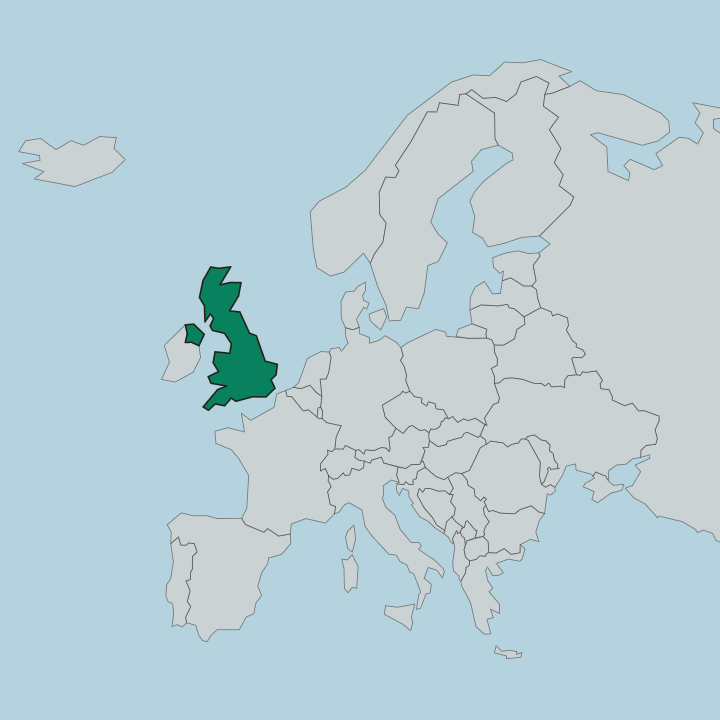
London is the capital of England and the United Kingdom, a city on the River Thames founded by the Romans as Londinium.
Hotel links are affiliate links: booking through them may earn us a commission, at no extra cost to you. It never affects how places are ranked. How this works


Where to stay in London
Each area has its own feel; here's who each one suits.
 LondonUnited Kingdom
St James's
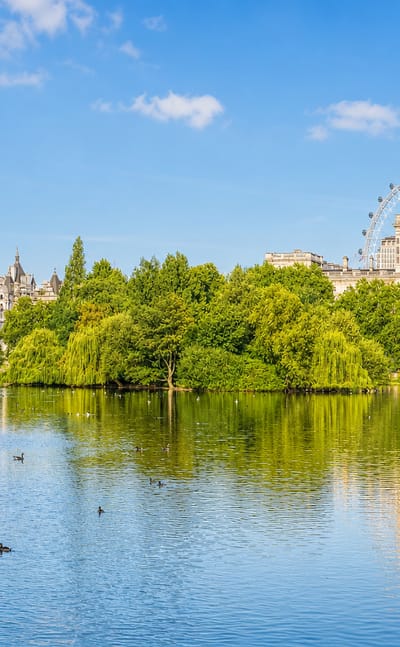
St James's spreads around Buckingham Palace and the Victoria Memorial, a royal district of central London near Piccadilly Circus.Where to stay →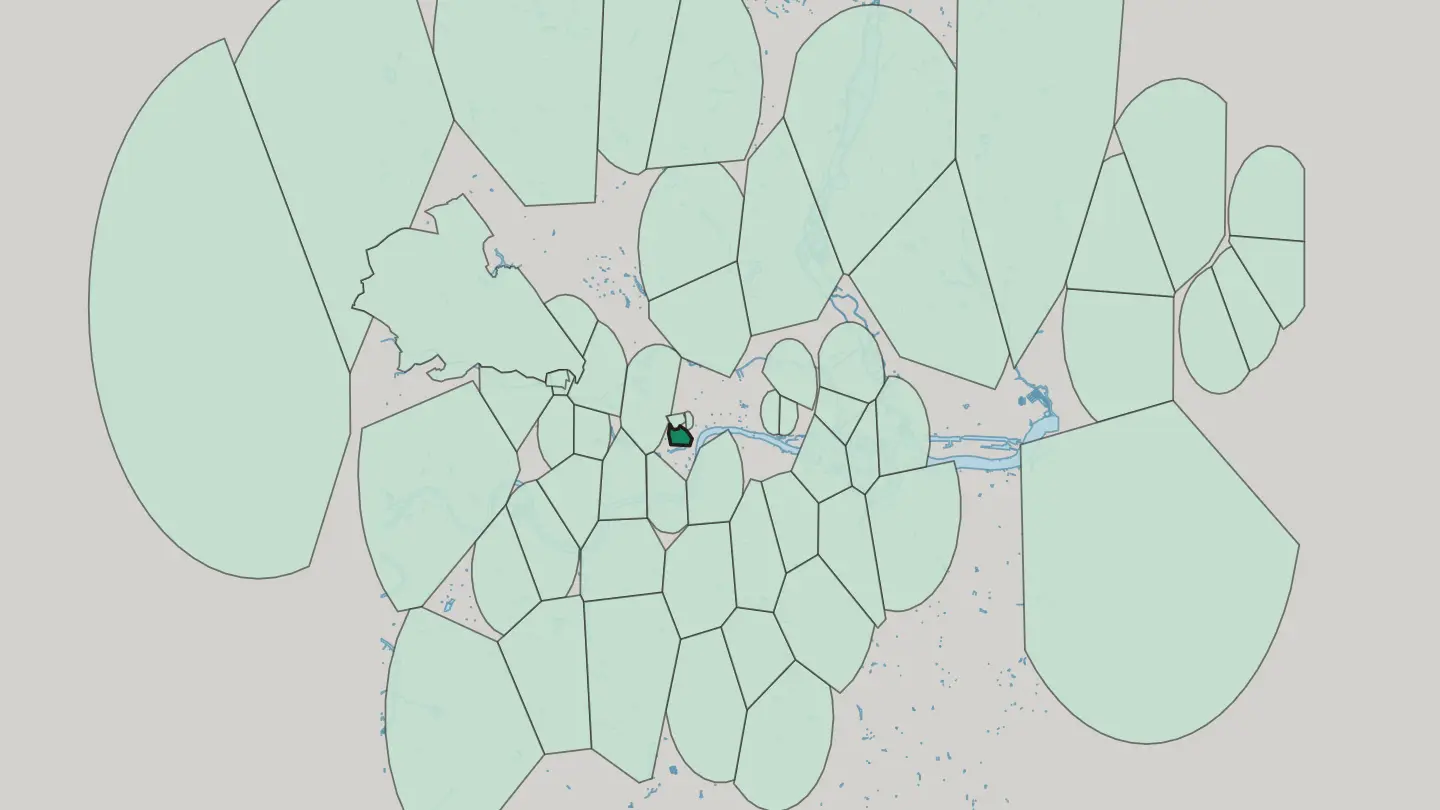
 LondonUnited Kingdom
Soho
Soho is the entertainment heart of the West End of London, a district in the City of Westminster set between Piccadilly Circus and Covent Garden.Where to stay →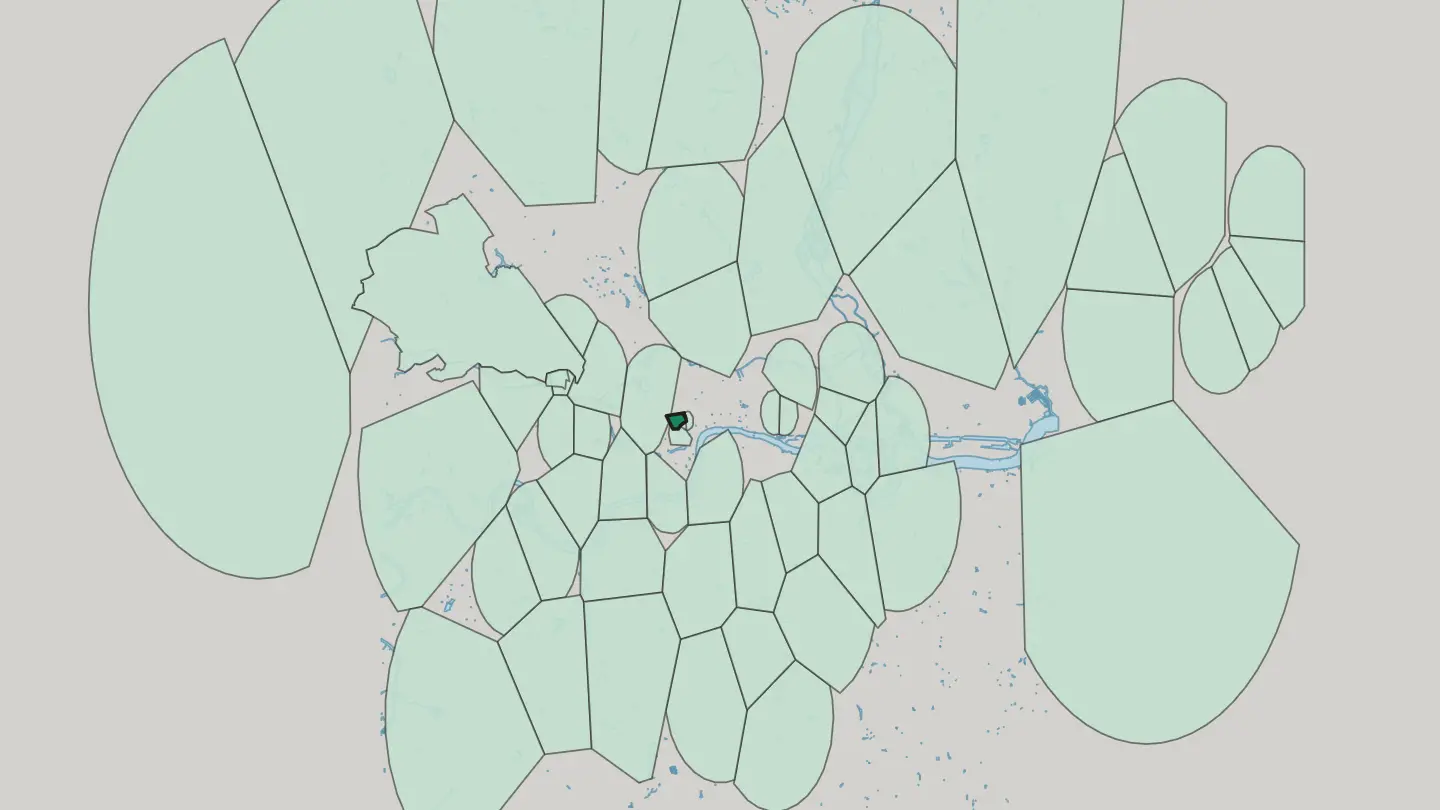
 LondonUnited Kingdom
City of Westminster
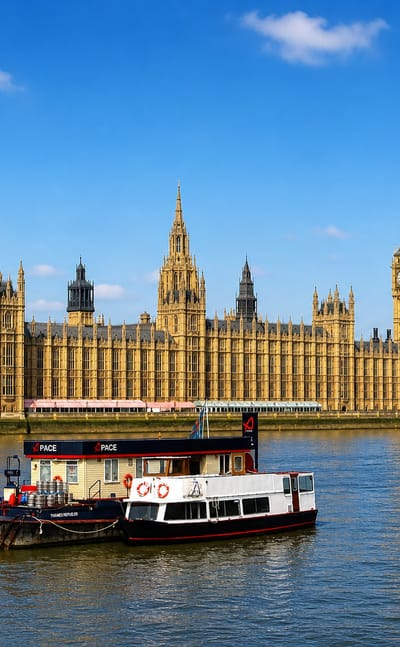
Stone crowns central London at the City of Westminster, a royal and governmental borough in Greater London, known for Buckingham Palace and Big Ben.Where to stay →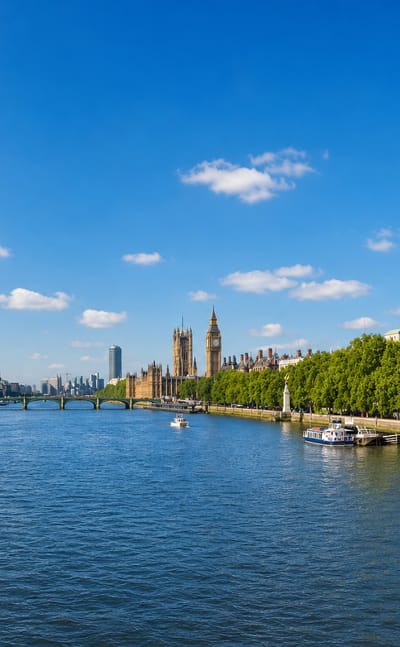 LondonUnited Kingdom
West End
West End is an electoral ward of the City of Westminster, taking in Buckingham Palace, the National Gallery and St Martin-in-the-Fields.Where to stay → LondonUnited Kingdom
Vincent Square
Vincent Square is a grass-covered square in Westminster, London, and at 13 acres the capital's largest privately owned square.Where to stay →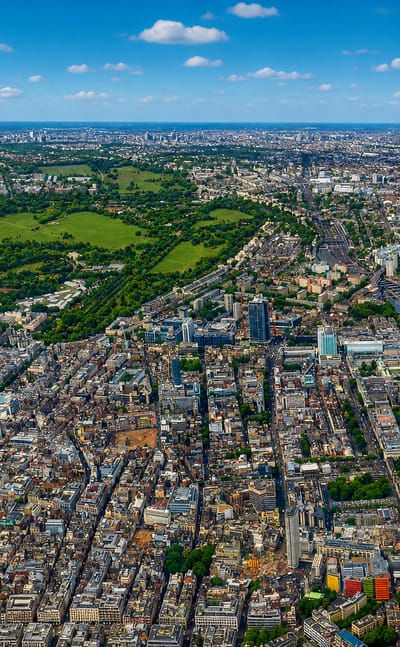 LondonUnited Kingdom
Marylebone
Marylebone is a district of London built around galleries and museums, known for the Wallace Collection, the Sherlock Holmes Museum and Madame Tussauds.Where to stay →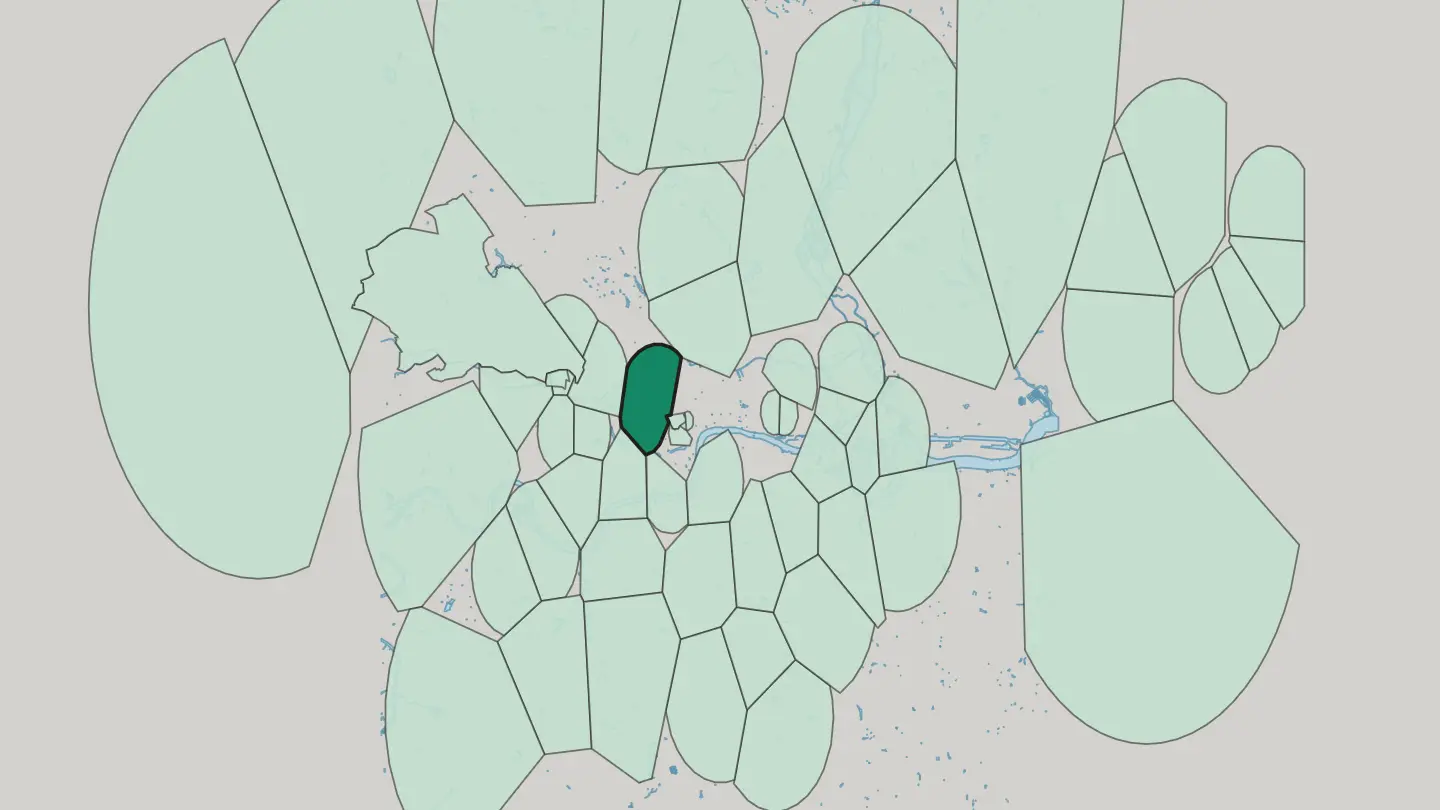
 LondonUnited Kingdom
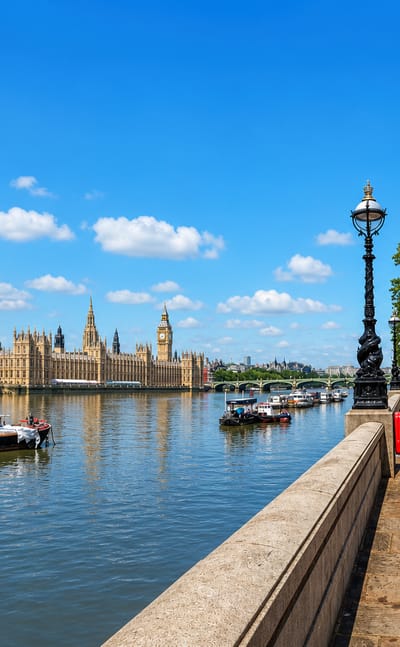
Lambeth
Lambeth is a district of London on the south bank of the River Thames, home of Lambeth Palace and the London Eye, facing Westminster.Where to stay →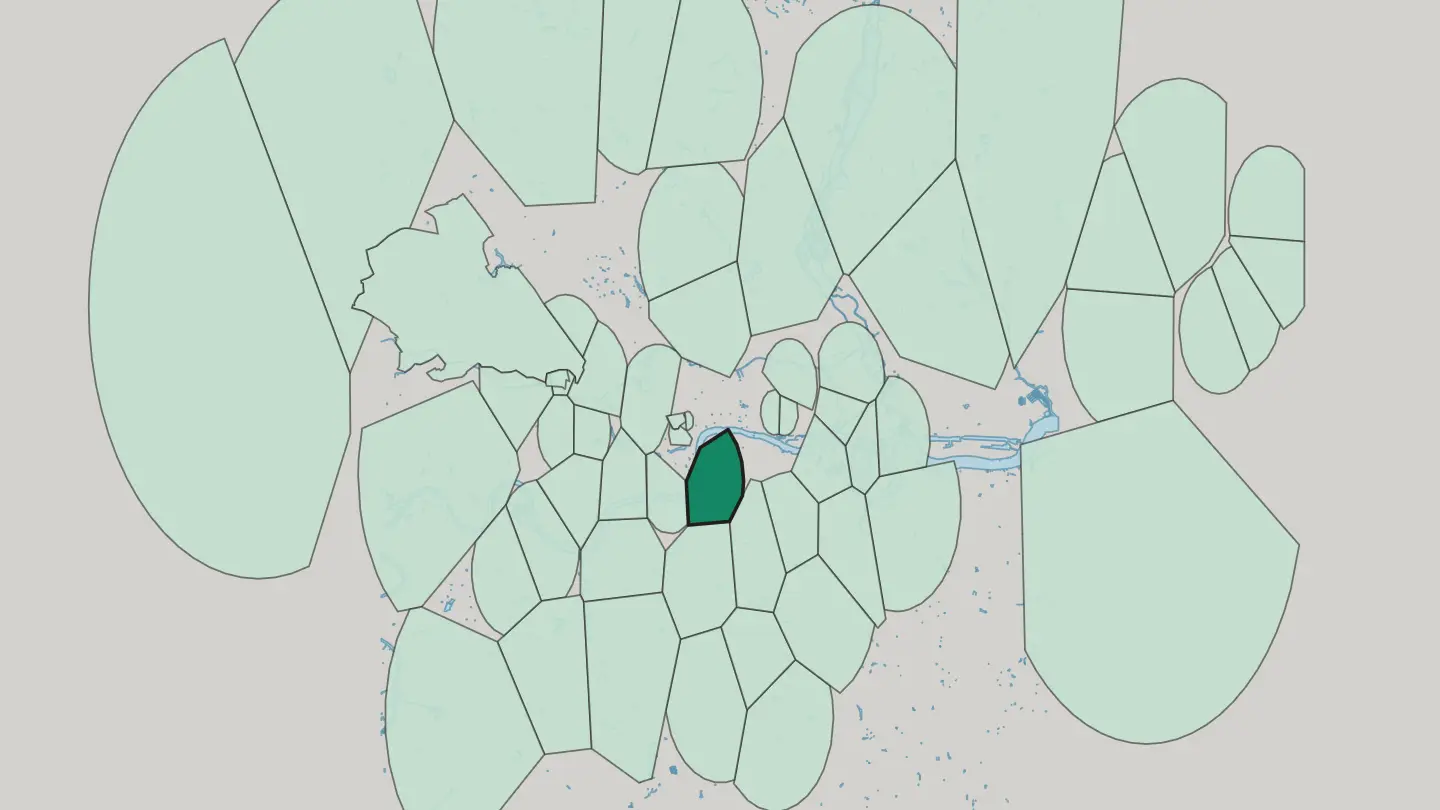
 LondonUnited Kingdom
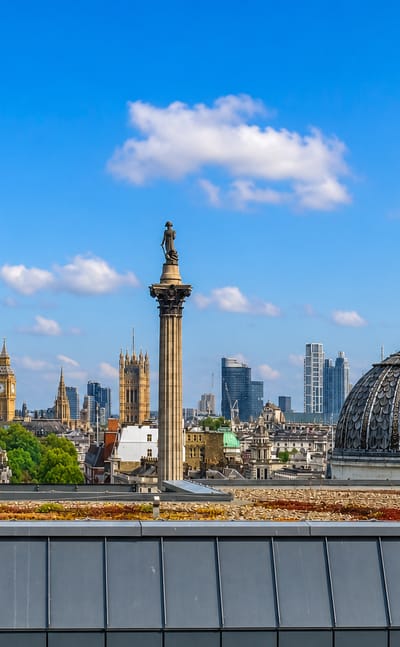
West End of London
Theatre crowds fill the West End of London, a district of the City of Westminster north of the River Thames, known for Covent Garden and Trafalgar Square.Where to stay →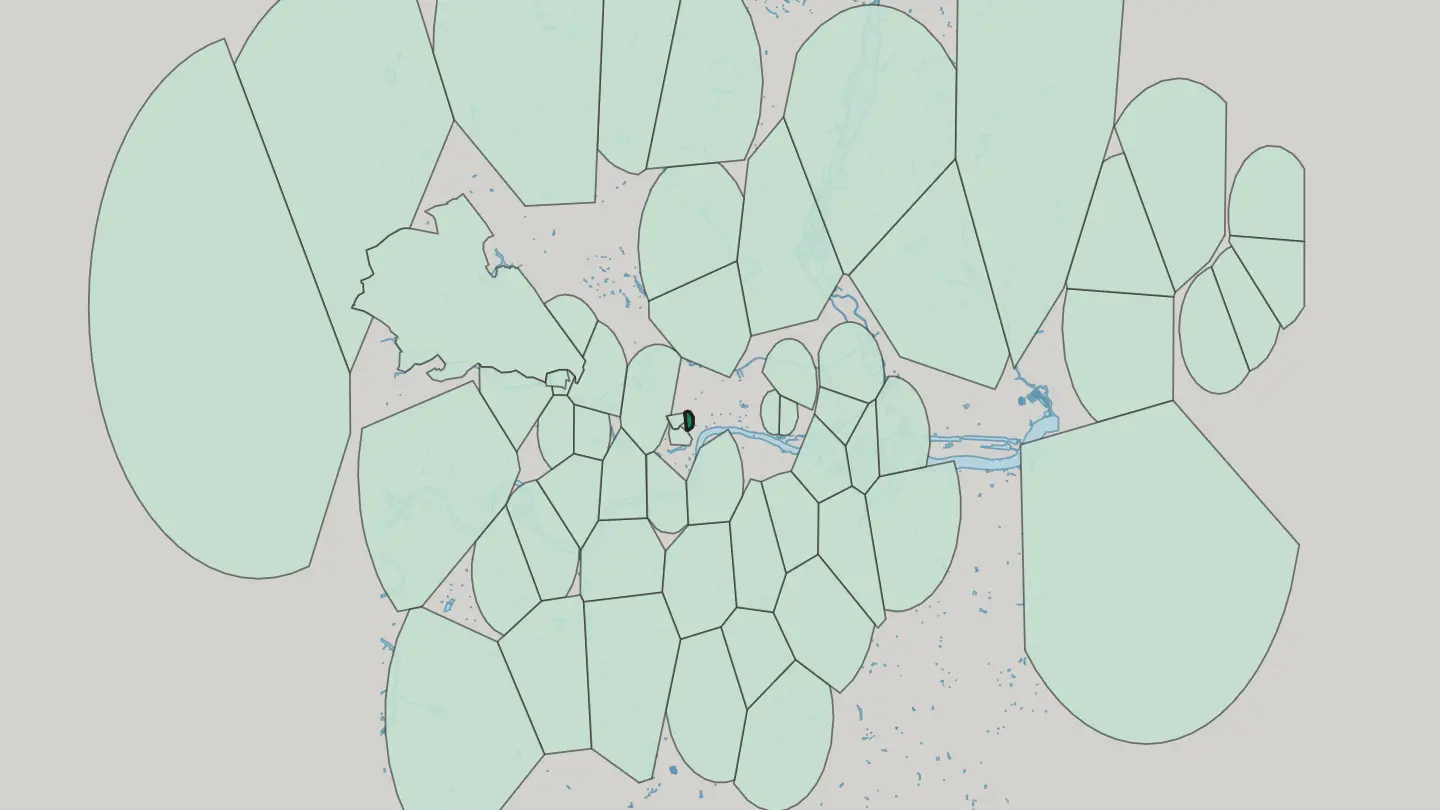
 LondonUnited Kingdom
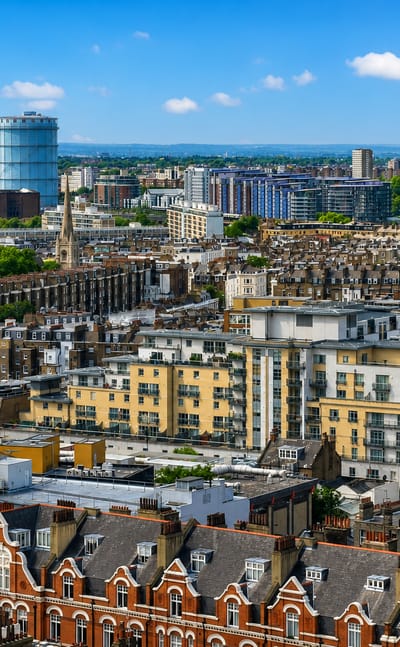
Pimlico
Pimlico is a district of Central London in the City of Westminster, built as a southern extension of Belgravia, with Tate Britain at its edge.Where to stay →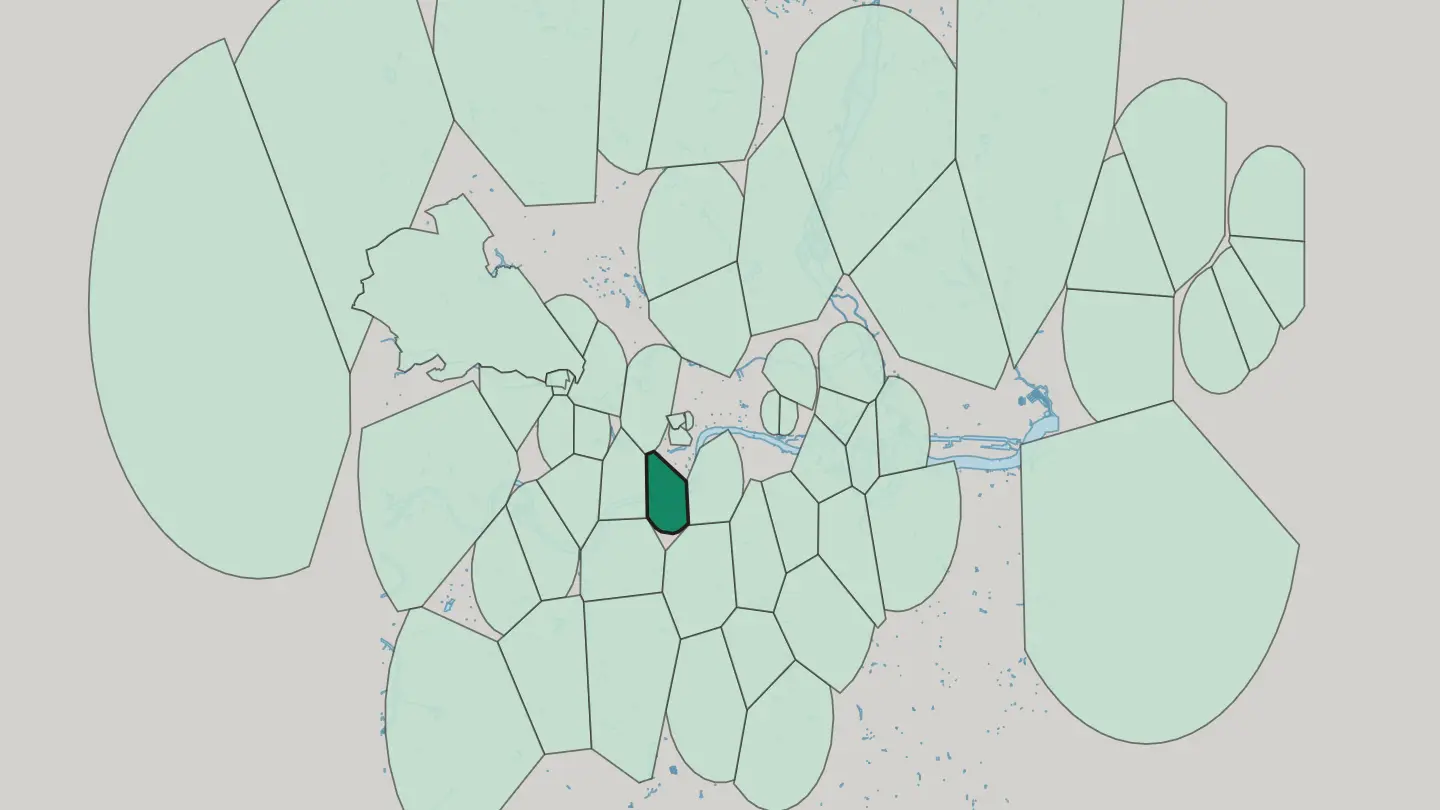
 LondonUnited Kingdom
Regent's Park
The Regent's Park is one of the Royal Parks of London, with London Zoo and Regent's University on the edge of its parkland and ornamental lake.Where to stay →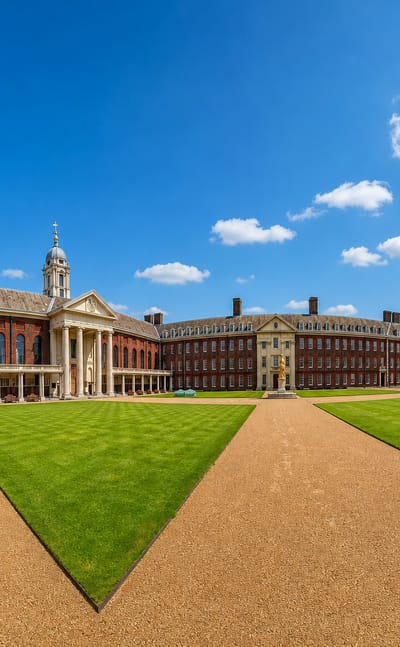 LondonUnited Kingdom
Chelsea
Chelsea is a district of London known for the Royal Hospital Chelsea, the Saatchi Gallery and the old houses along Cheyne Walk.Where to stay →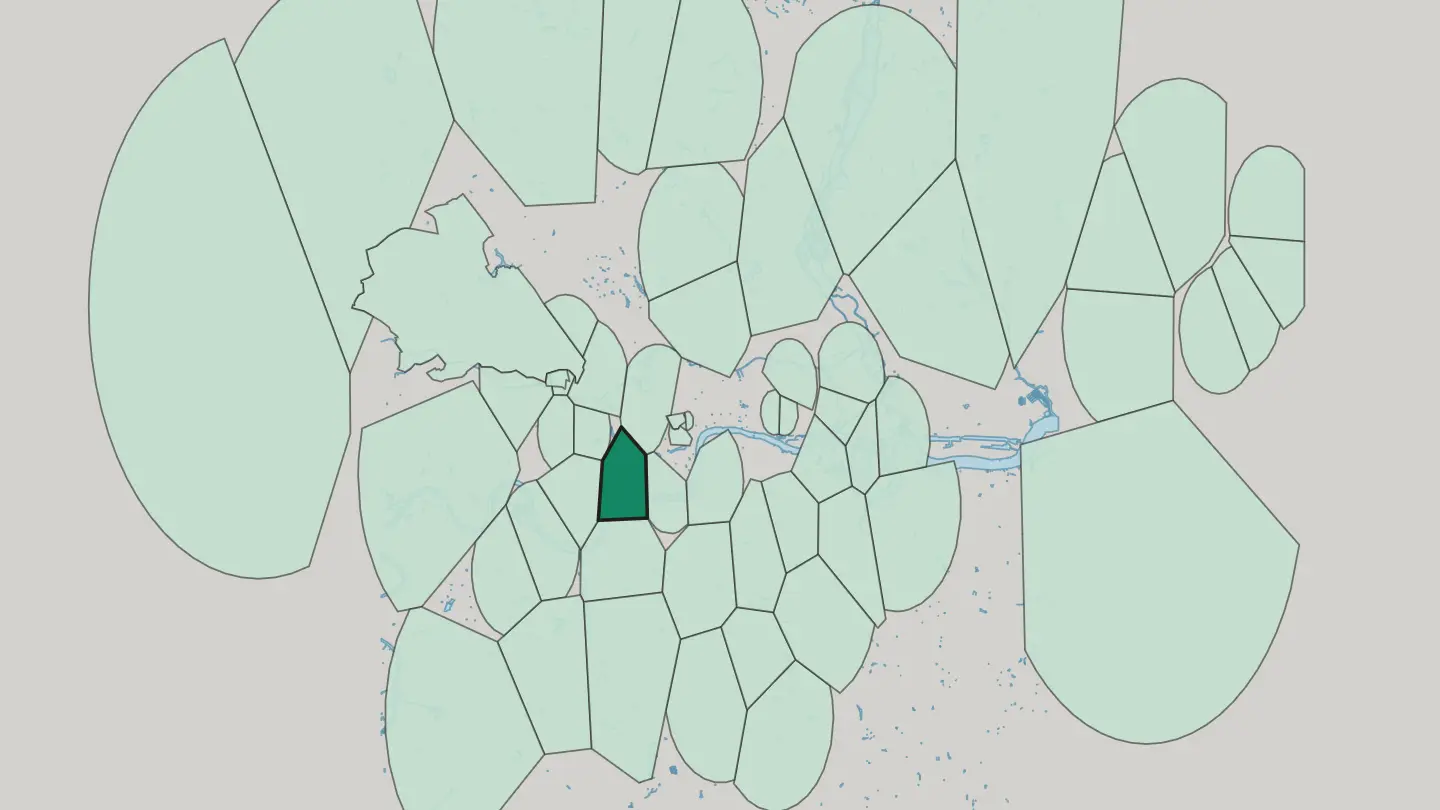
 LondonUnited Kingdom
Lancaster Gate
Lancaster Gate stands on Bayswater Road in Paddington, north of Kensington Gardens, with a Central line station and the Royal Lancaster Hotel.Where to stay →All neighbourhoods (71)
 LondonUnited Kingdom
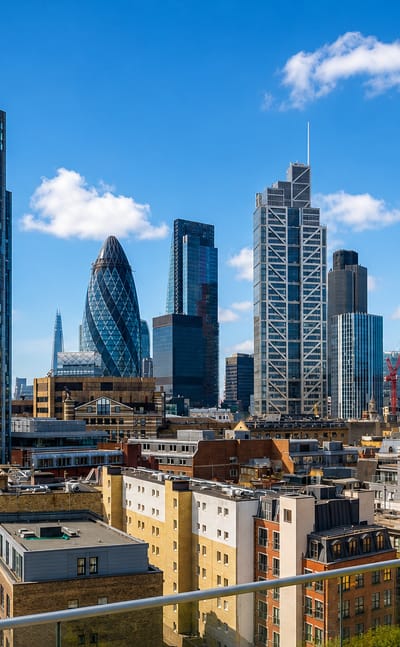
Spitalfields
Market stalls and old streets fill Spitalfields, a district of London's East End in Tower Hamlets, built around Commercial Street and Brick Lane.Where to stay →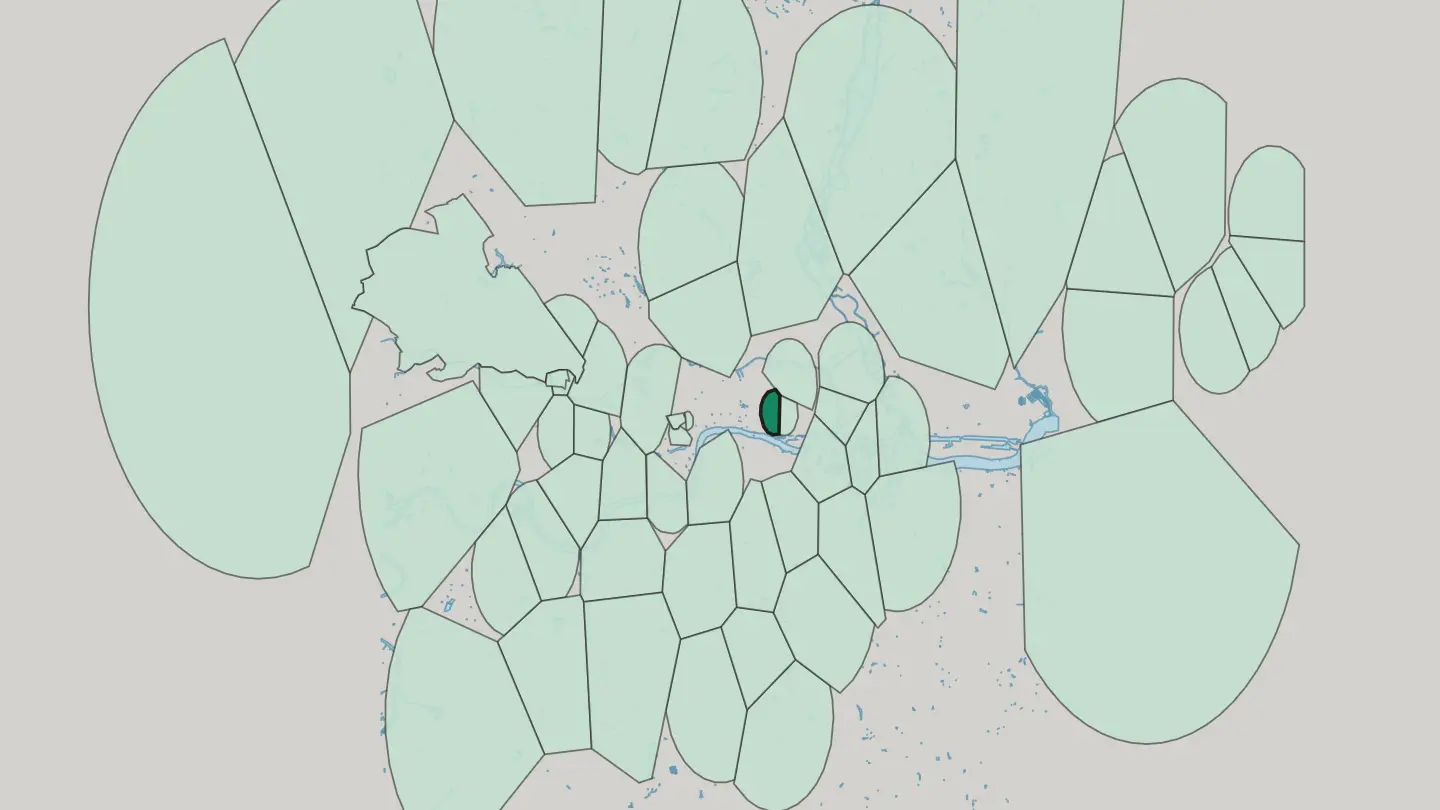
 LondonUnited Kingdom
Little Venice
Little Venice gathers around the canal junction of the Paddington Arm and the Regent's Canal, a Regency stucco district north-west of Paddington.Where to stay →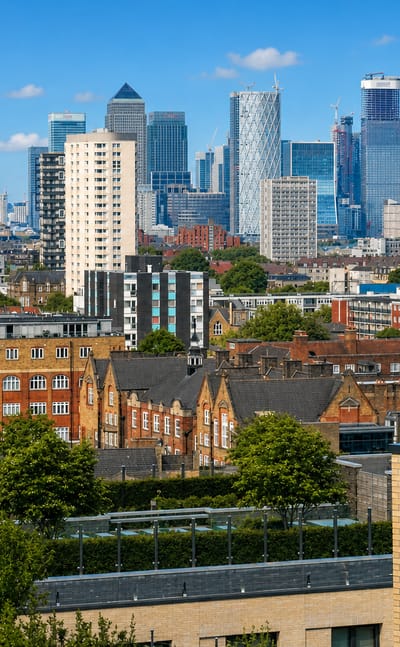 LondonUnited Kingdom
Whitechapel
Market stalls line Brick Lane in Whitechapel, an East End district of the London Borough of Tower Hamlets, known for the Whitechapel Gallery.Where to stay →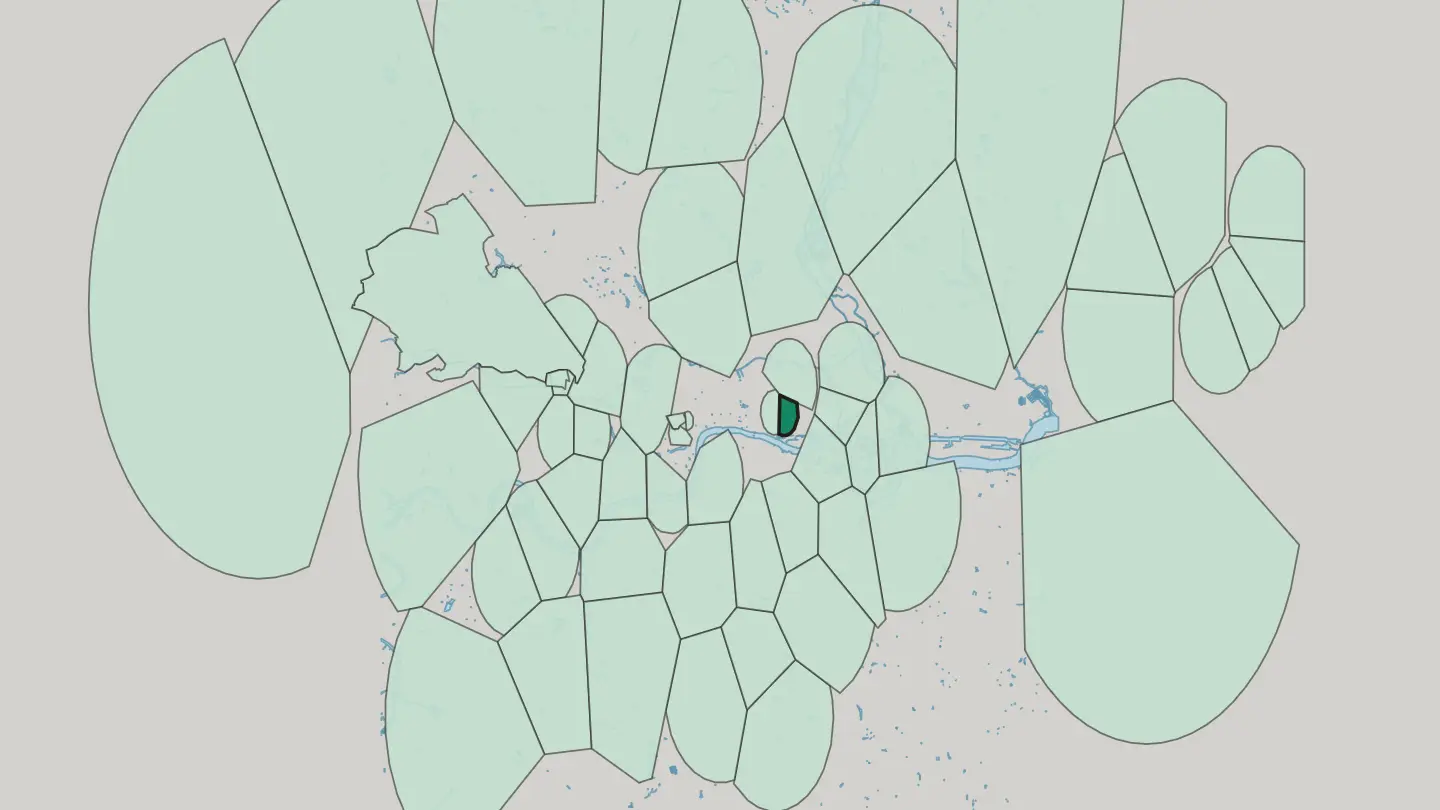
 LondonUnited Kingdom
Bayswater
Bayswater is a densely built district of London in the City of Westminster, ringed by Kensington Gardens, Paddington, and Notting Hill.Where to stay →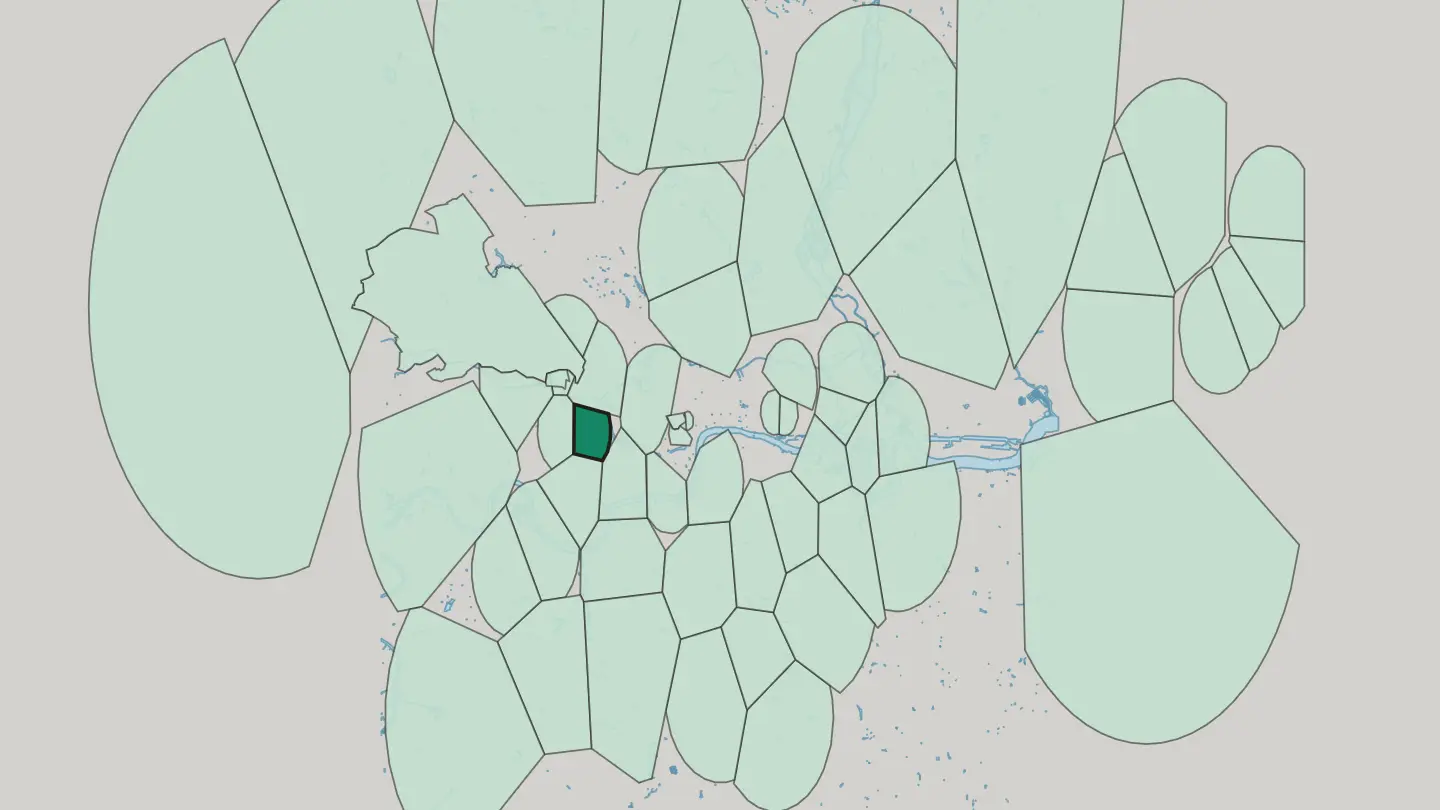 LondonUnited Kingdom
Abbey Road
Abbey Road runs through St John's Wood past Abbey Road Studios and the album cover the Beatles made on it, close to Lord's Cricket Ground.Where to stay →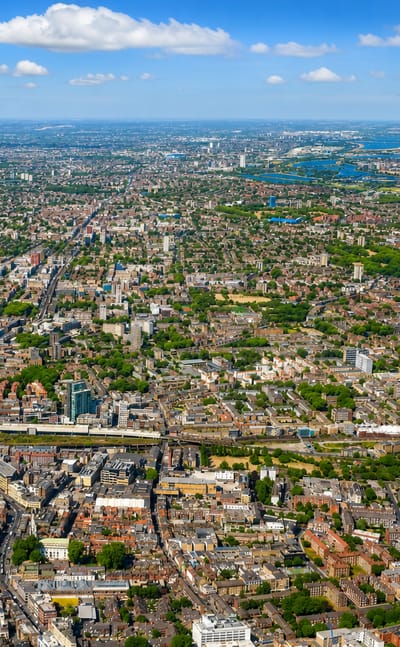 LondonUnited Kingdom
Bethnal Green
Bethnal Green is an inner district of London, its streets set around the church of St Matthew and the boxing ring at York Hall.Where to stay →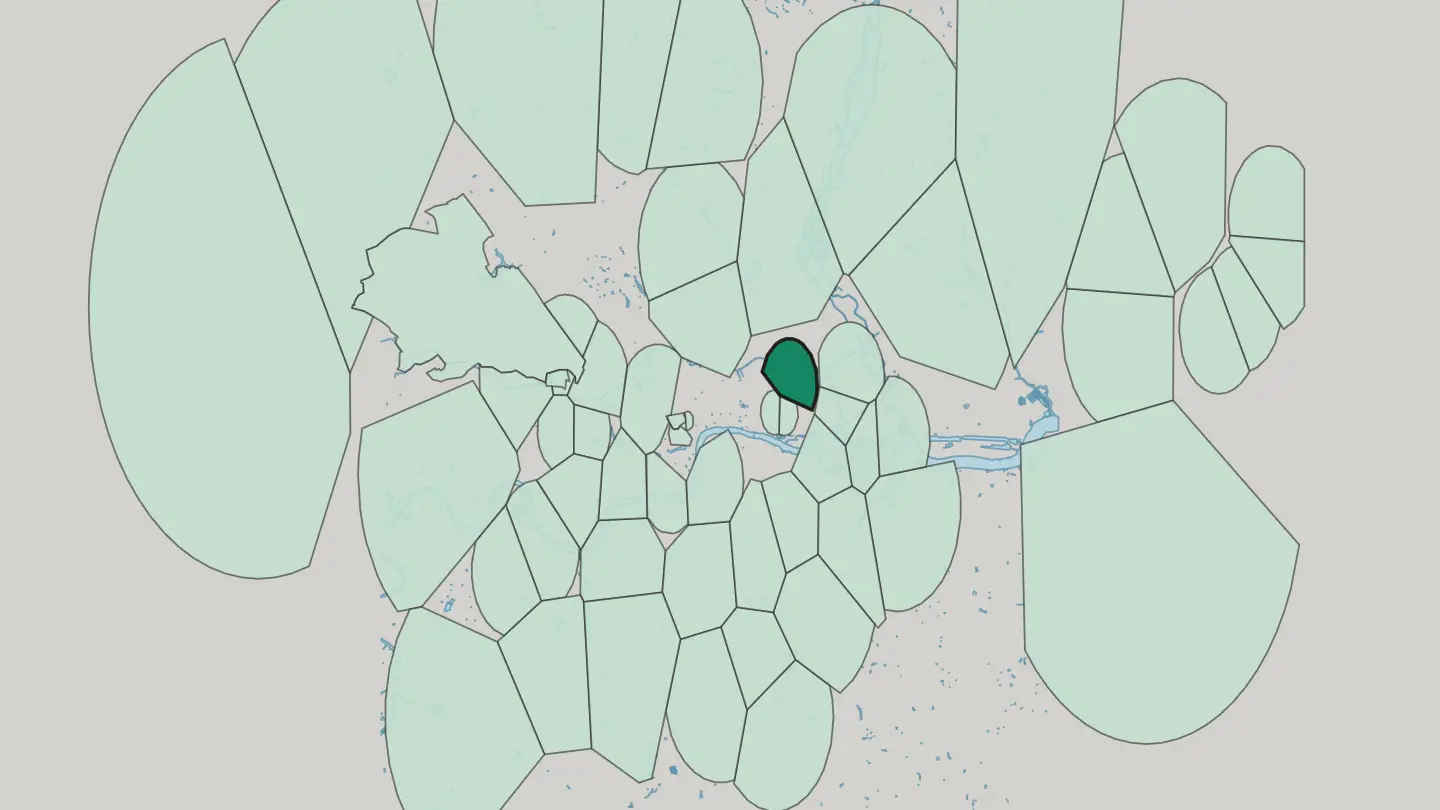 LondonUnited Kingdom
Westbourne
Westbourne is an old manor of West London around Westbourne Green, once counted within Paddington, named after the River Westbourne.Where to stay →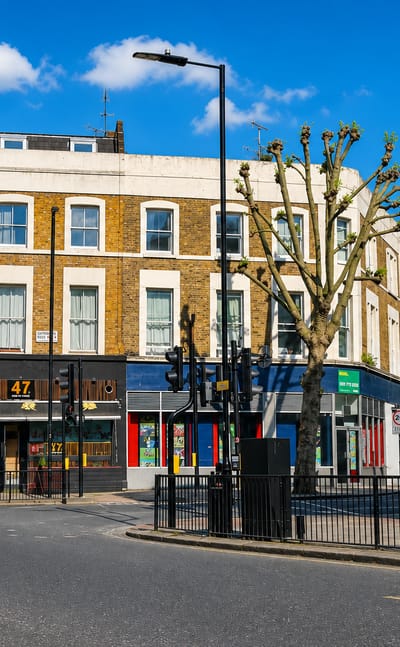 LondonUnited Kingdom
Maida Hill
Maida Hill is a quiet residential district of London, ranged near the churches of St Mary Magdalene, Paddington and St Augustine's, Kilburn.Where to stay →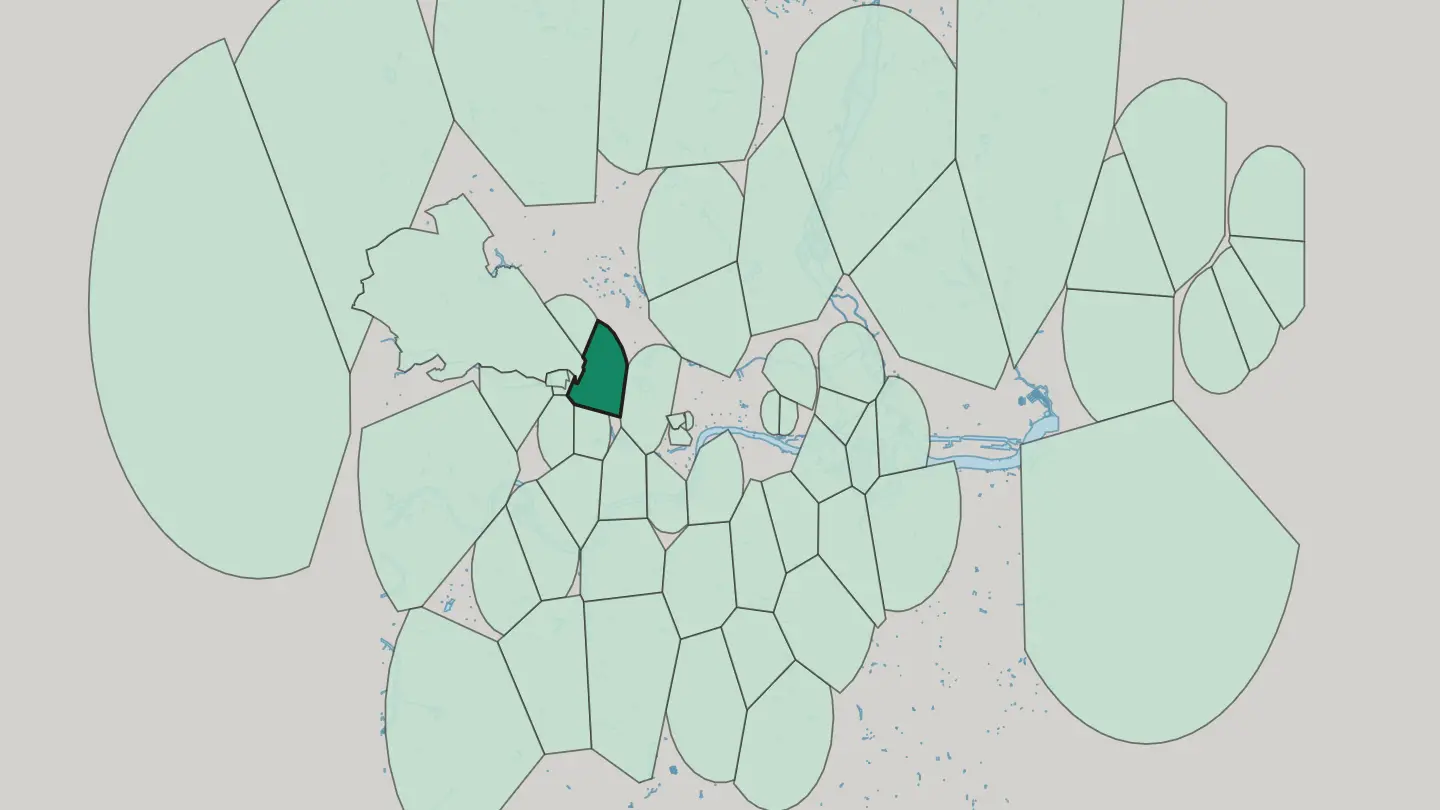
 LondonUnited Kingdom
Earls Court
Parish churches and the grand museums of neighbouring South Kensington frame Earls Court, a district of London beside Kensington.Where to stay →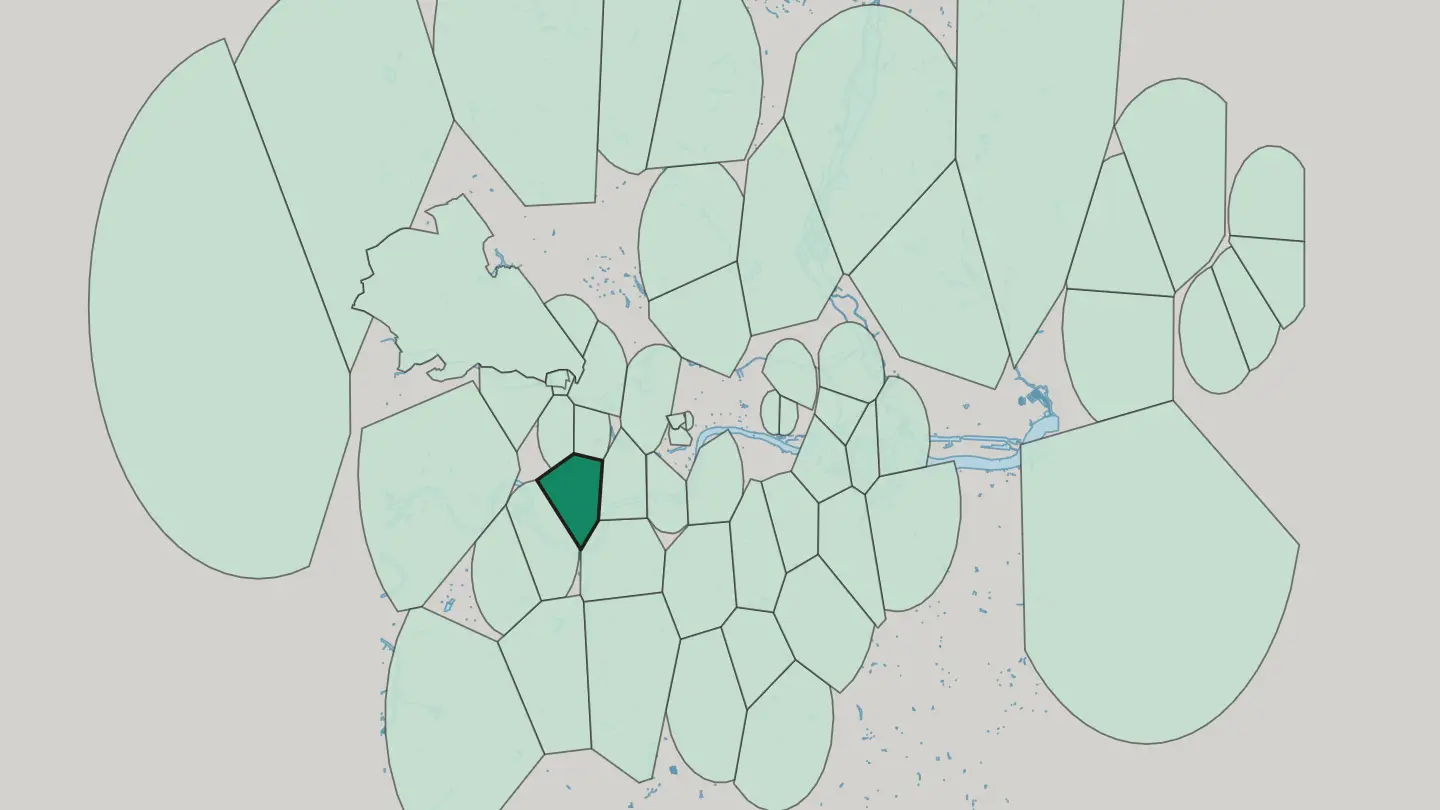
 LondonUnited Kingdom
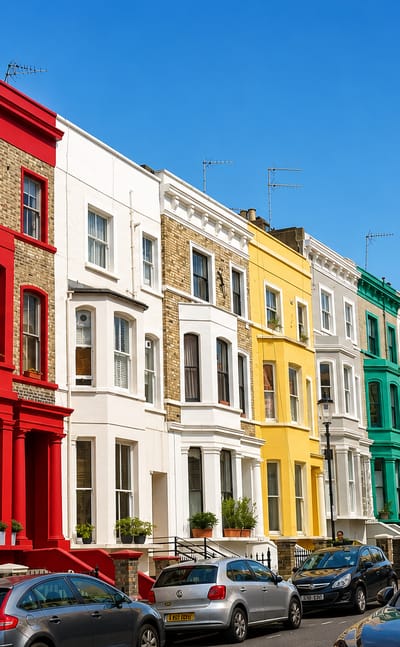
Notting Hill
Notting Hill is a district of West London in the Royal Borough of Kensington and Chelsea, known for the Notting Hill Carnival and Portobello Road.Where to stay →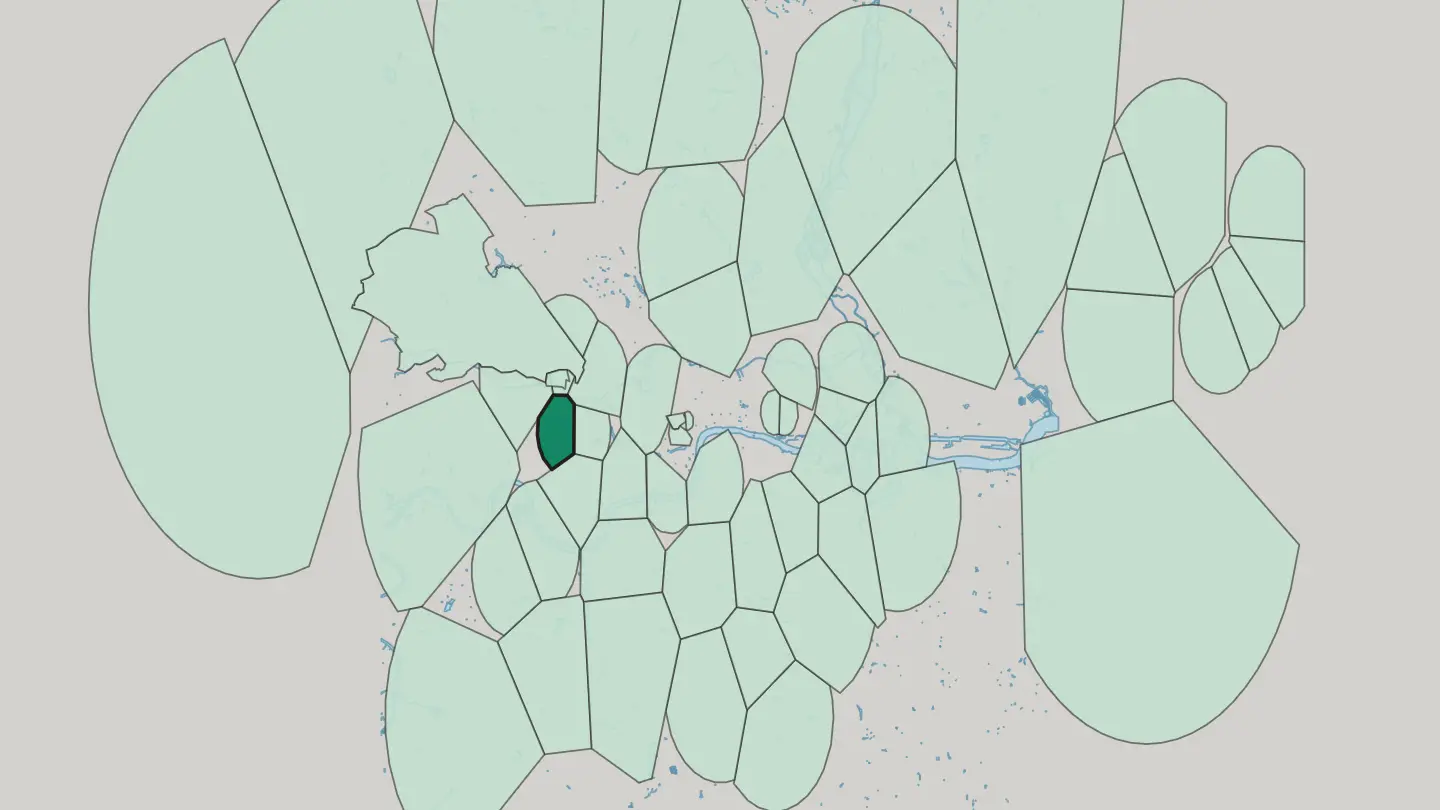
 LondonUnited Kingdom
Harrow Road
An ancient route across north west London, Harrow Road runs from Paddington towards Harrow and names the streets around Queens Park and Kensal Green.Where to stay →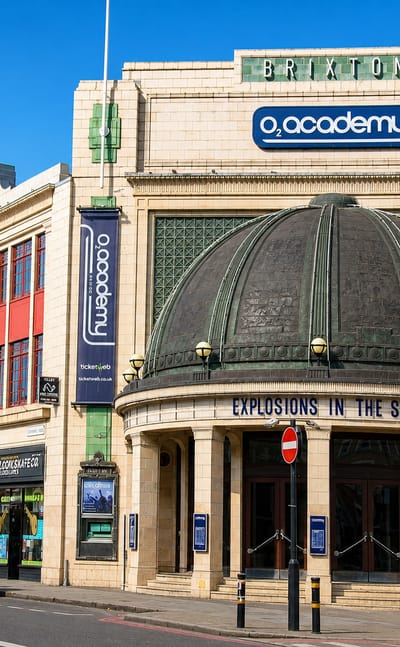 LondonUnited Kingdom
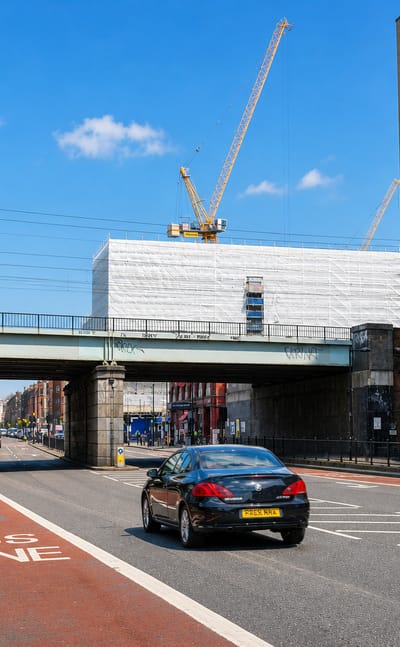
Brixton
Brixton is a district of London in the borough of Lambeth, its churches led by St Matthew's and the Cherry Groce Memorial Pavilion at its heart.Where to stay →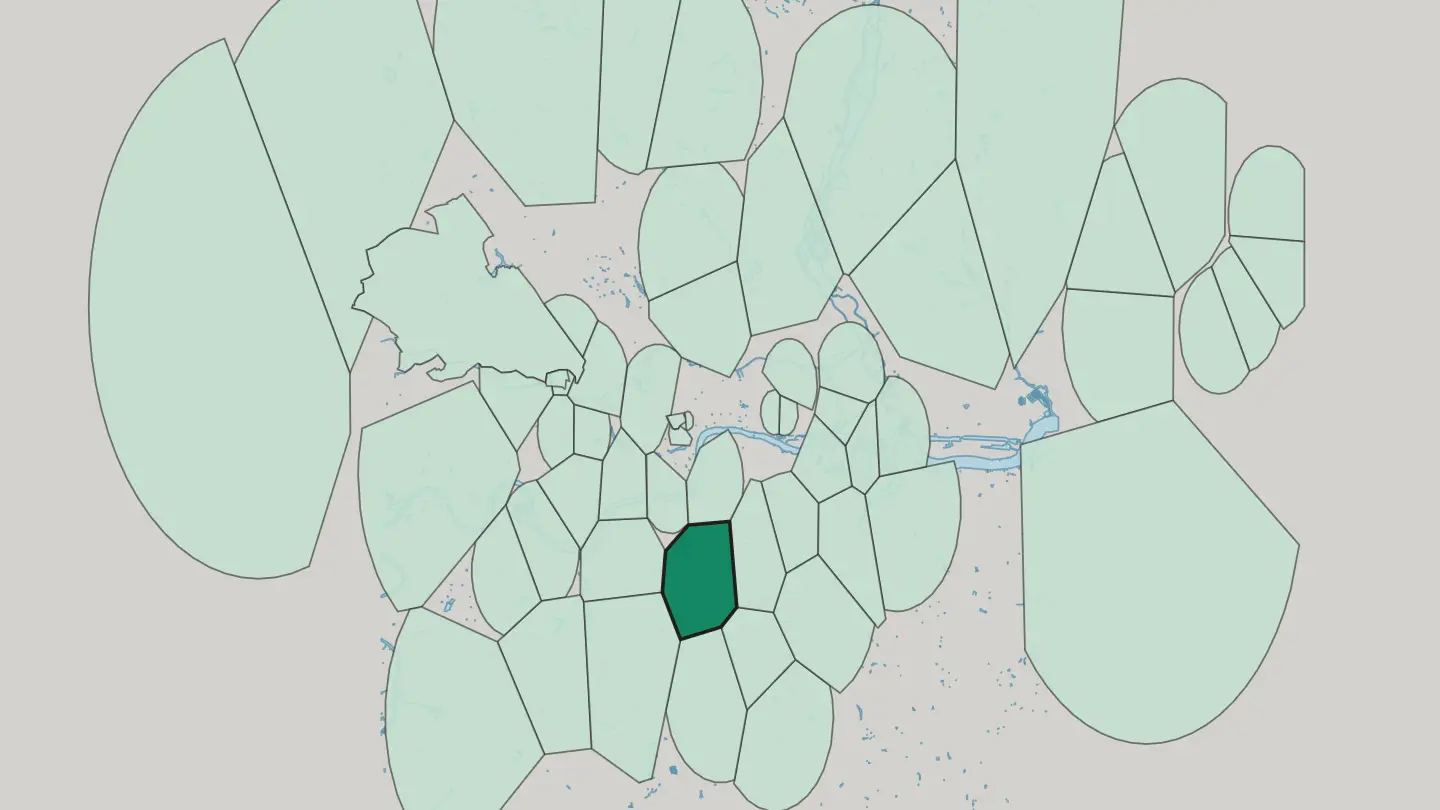
 LondonUnited Kingdom
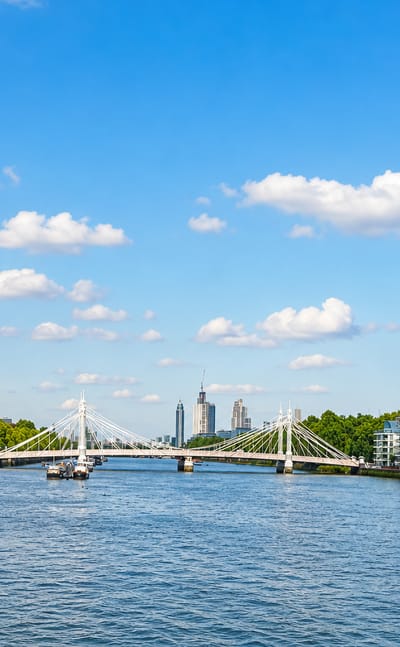
Battersea
Battersea climbs from Clapham Junction up Lavender Hill and Battersea Rise, a district of London known for its parish churches and old houses.Where to stay →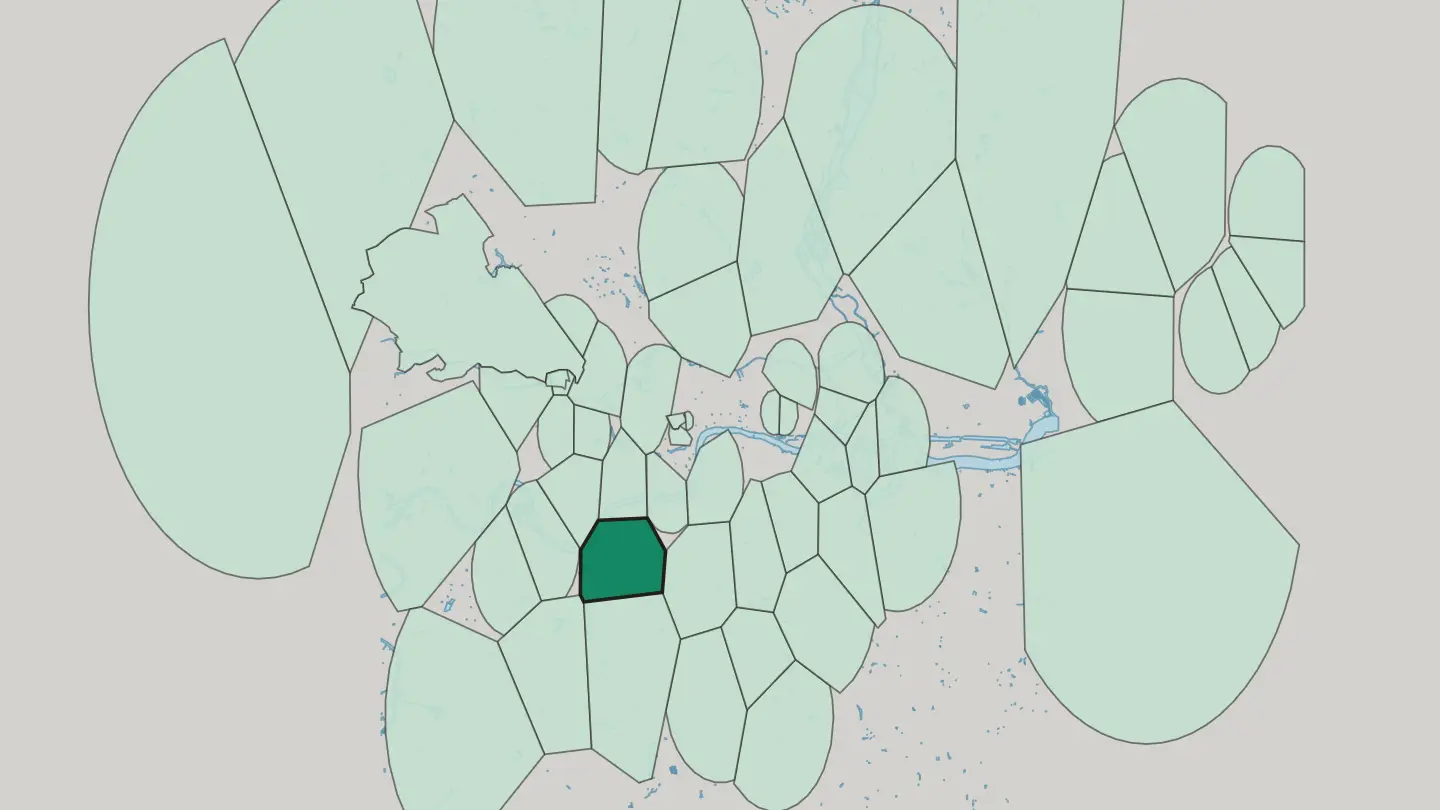
 LondonUnited Kingdom
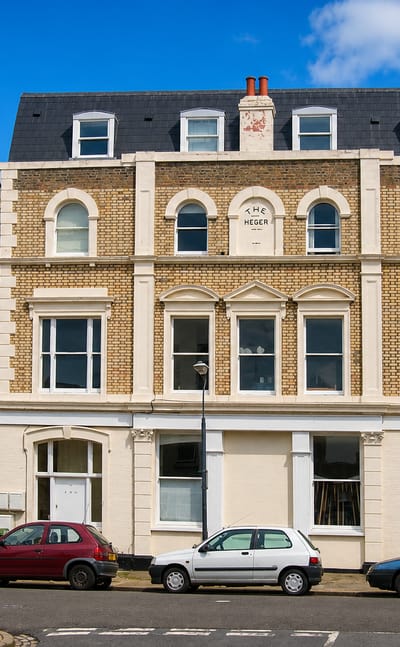
Holloway
Holloway is a district of London strung along Holloway Road, holding the Rainbow Theatre and the Arsenal Football Club Museum.Where to stay →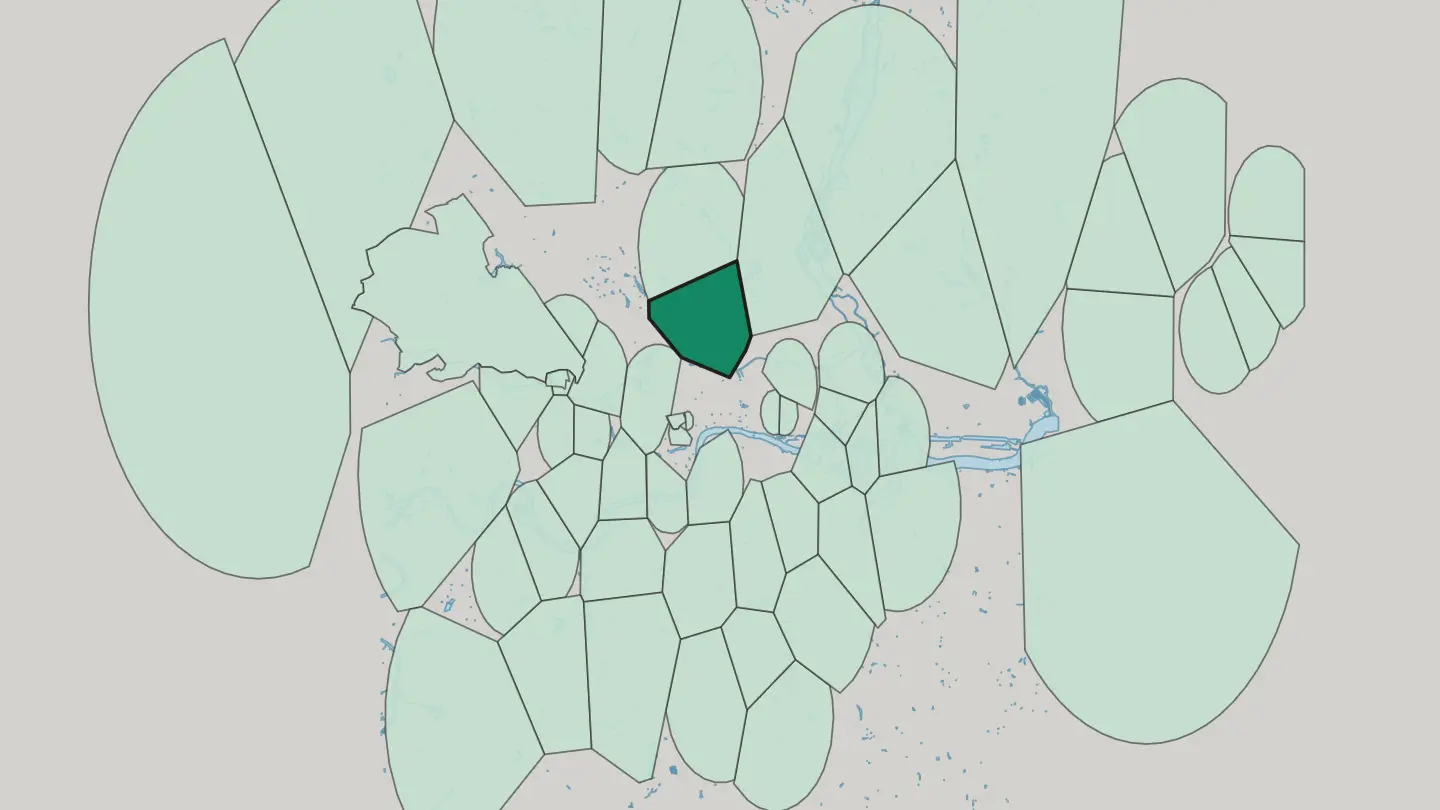
 LondonUnited Kingdom
East Dulwich
Nineteenth-century streets and the Dog Kennel Hill statue mark East Dulwich, a South East London suburb in the London Borough of Southwark.Where to stay →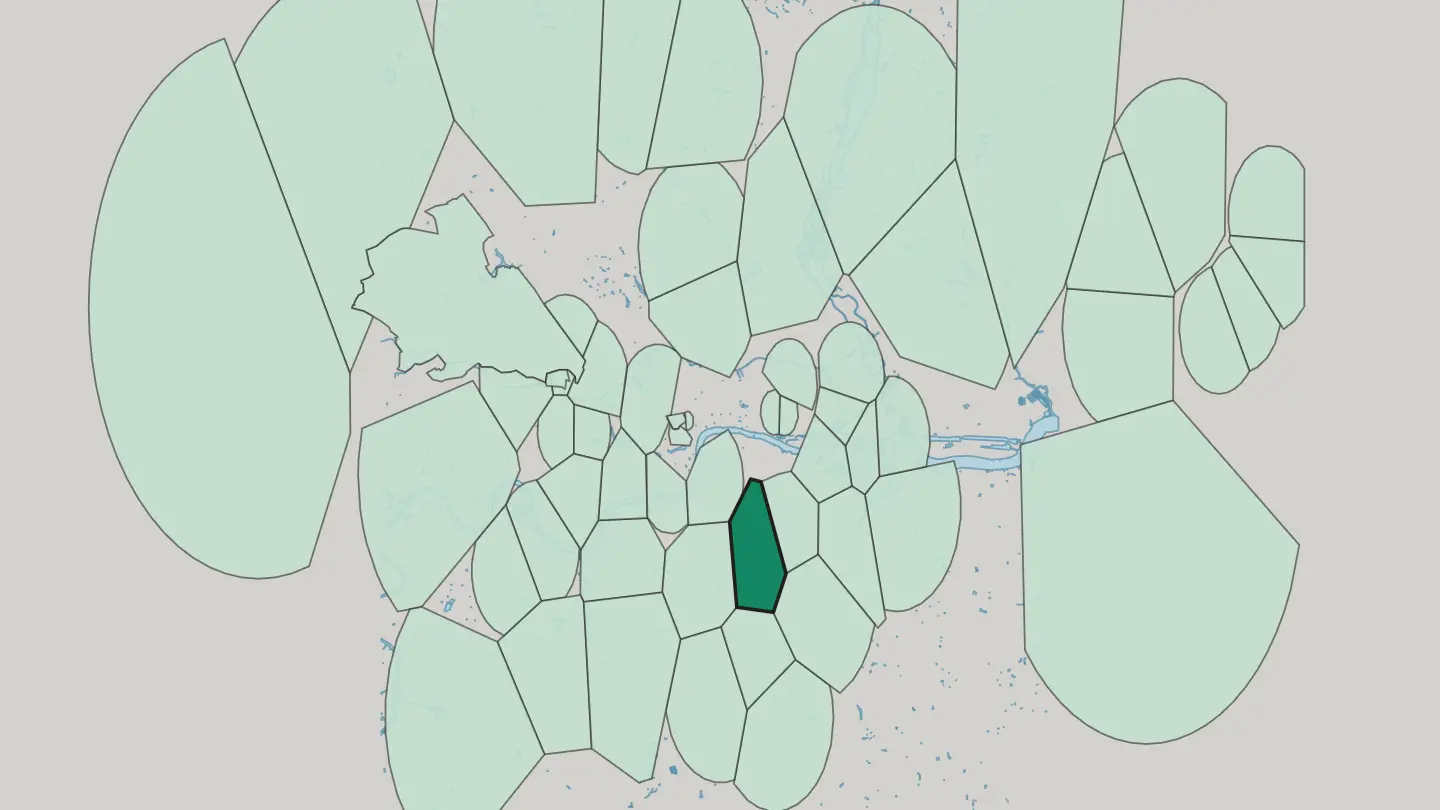
 LondonUnited Kingdom
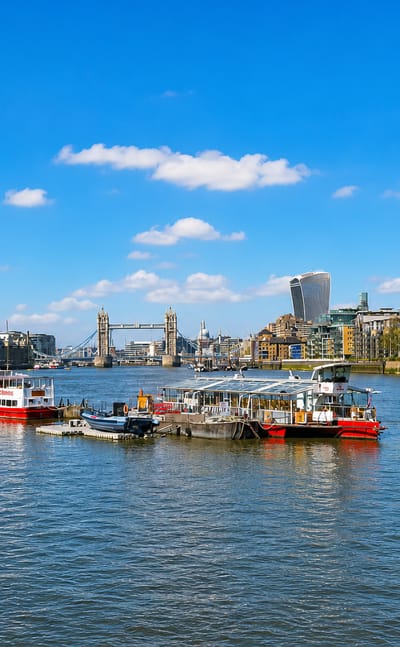
Rotherhithe
The Thames bends past Rotherhithe, a riverside district of London known for the Brunel Museum and St Olav's Norwegian Church.Where to stay →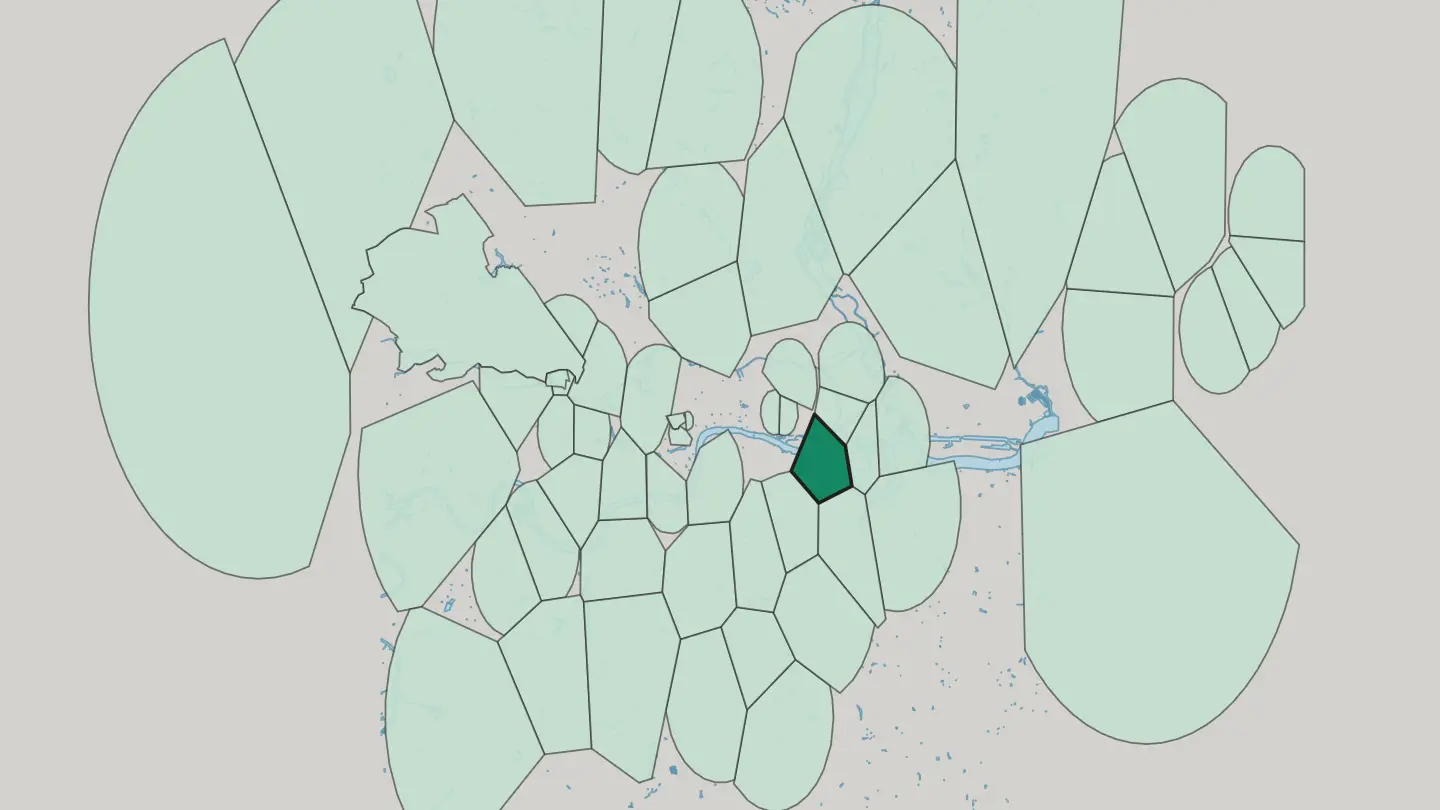
 LondonUnited Kingdom
Queen's Park
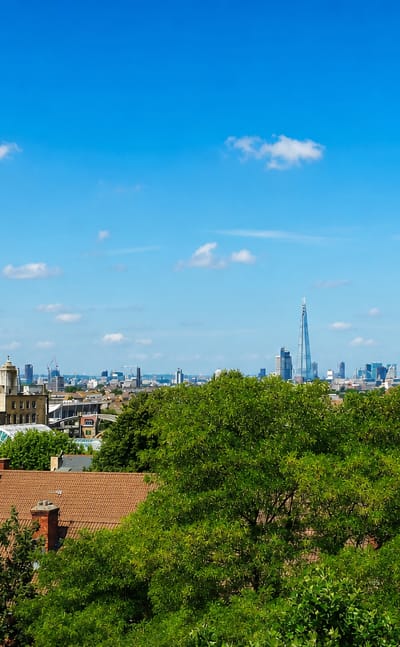
Queen's Park surrounds a park opened in 1887 and named for Queen Victoria, split between the London Borough of Brent and the City of Westminster.Where to stay →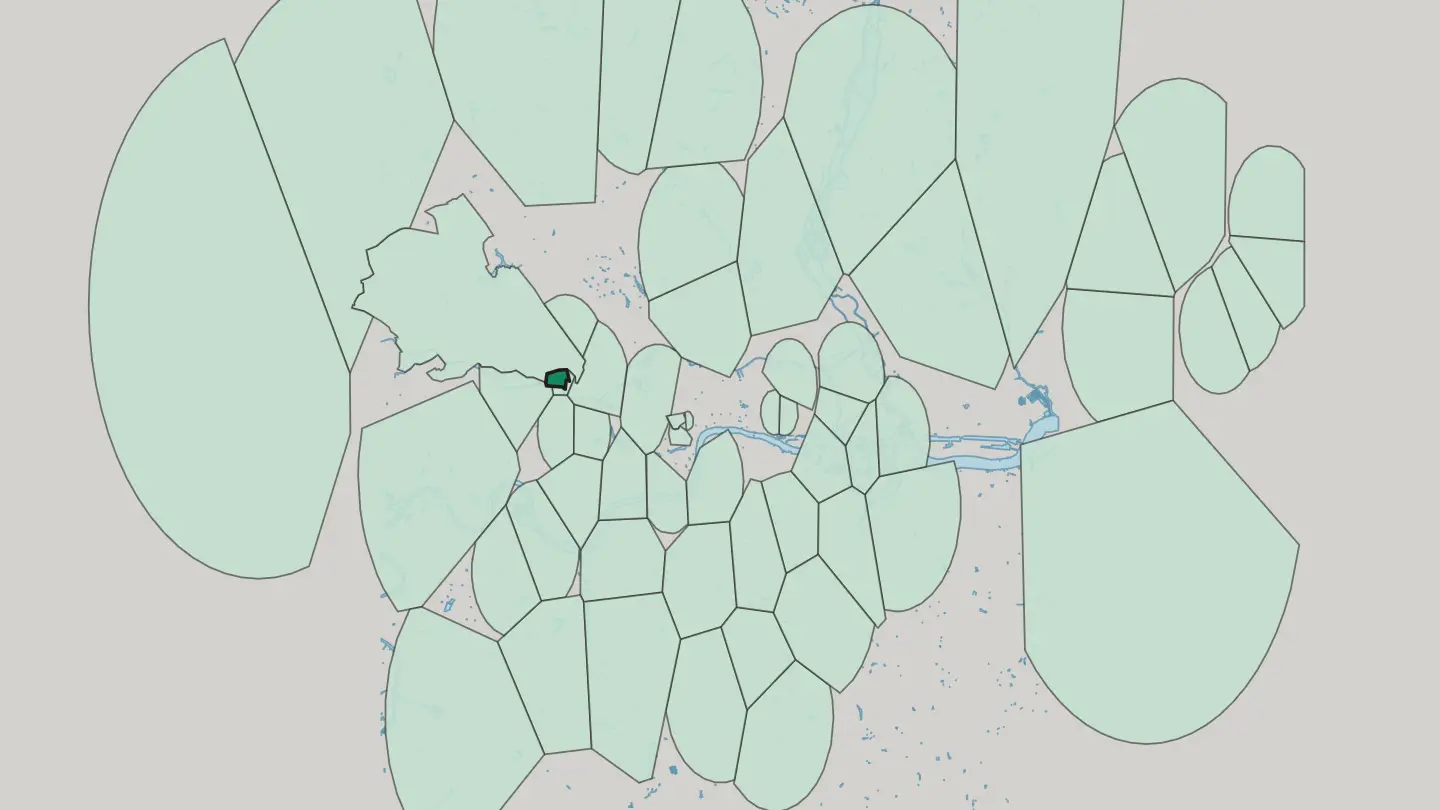
 LondonUnited Kingdom
Peckham
Peckham is a district of London whose streets run past the South London Gallery, Peckham Platform, and the tombs of Nunhead Cemetery.Where to stay →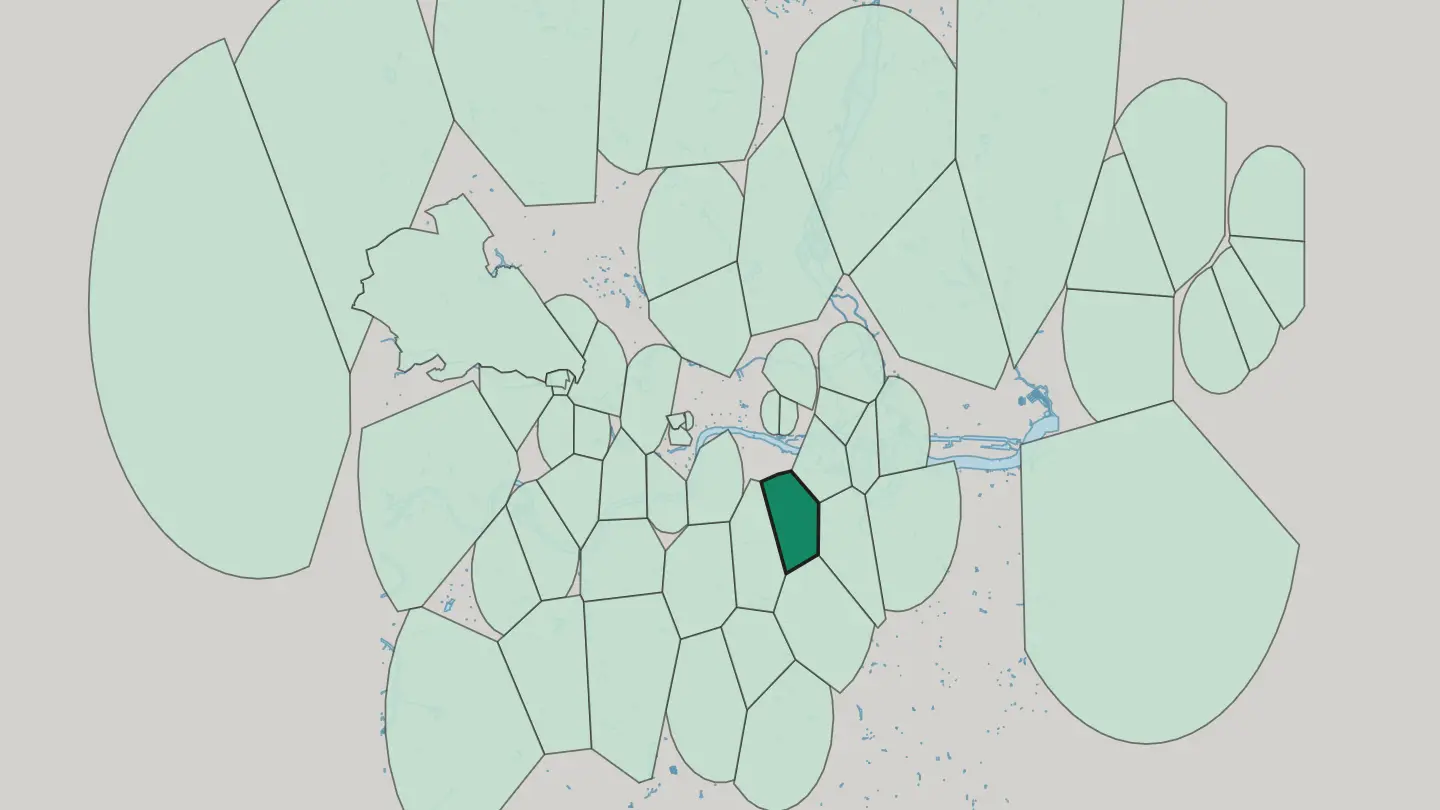
 LondonUnited Kingdom
Kilburn
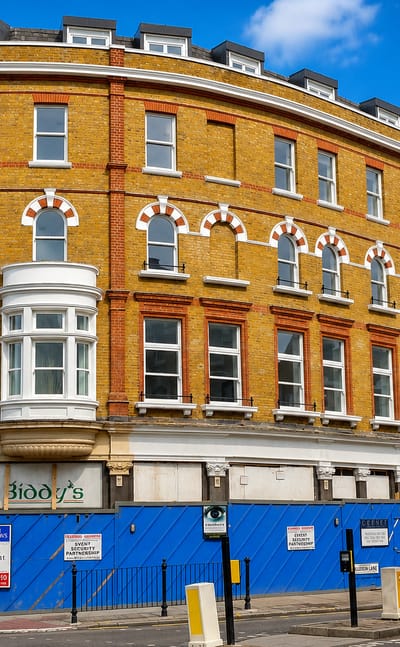
Kilburn is a residential district of London built around St Augustine's, the Ben Uri Gallery and its parish churches.Where to stay →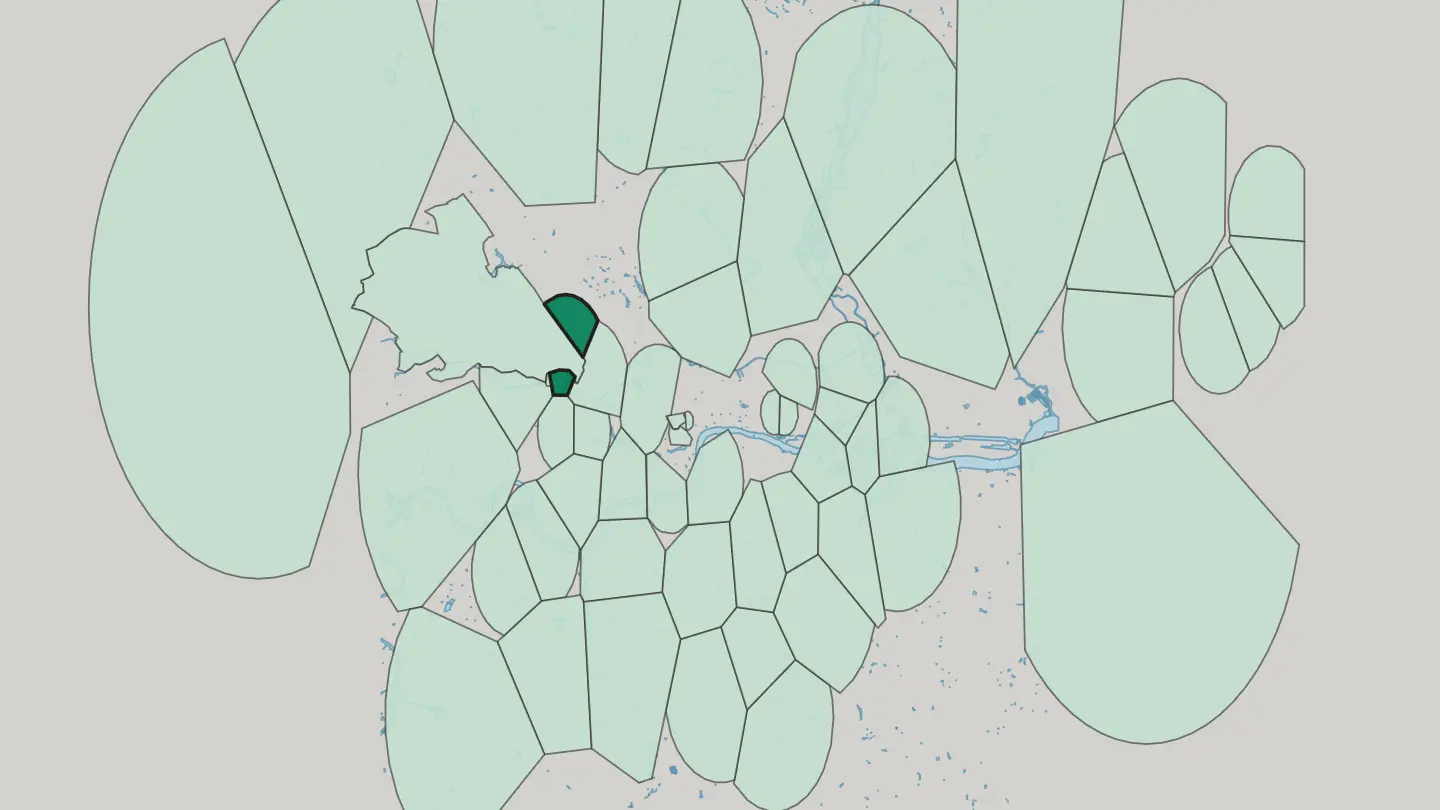
 LondonUnited Kingdom
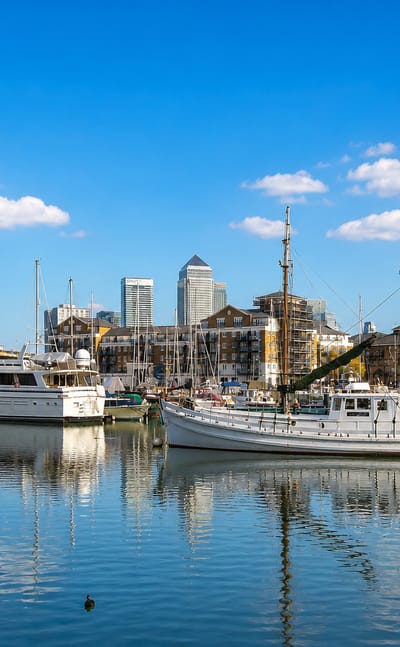
Limehouse
Limehouse is a district on the northern bank of the River Thames in East London, known for St Anne's Limehouse and the riverside pub The Grapes.Where to stay →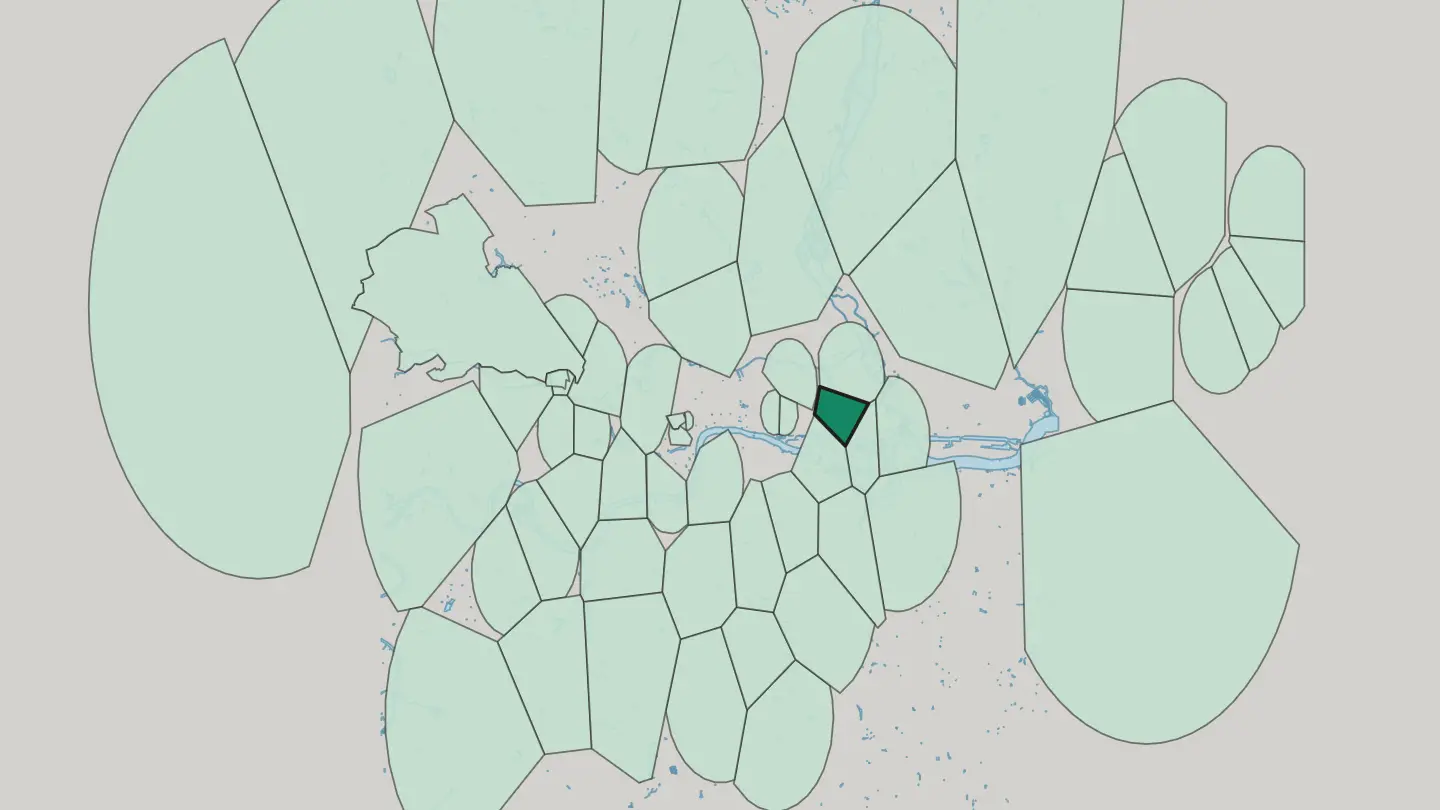
 LondonUnited Kingdom
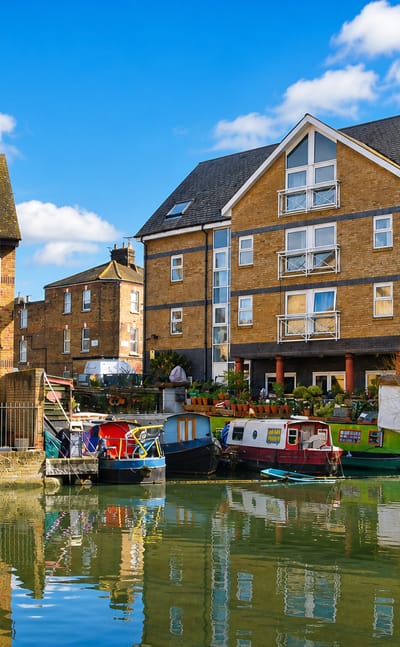
Kensal Green
Kensal Green is a district of London defined by Kensal Green Cemetery, with its Dissenters' Chapel and the Linford Christie Stadium nearby.Where to stay →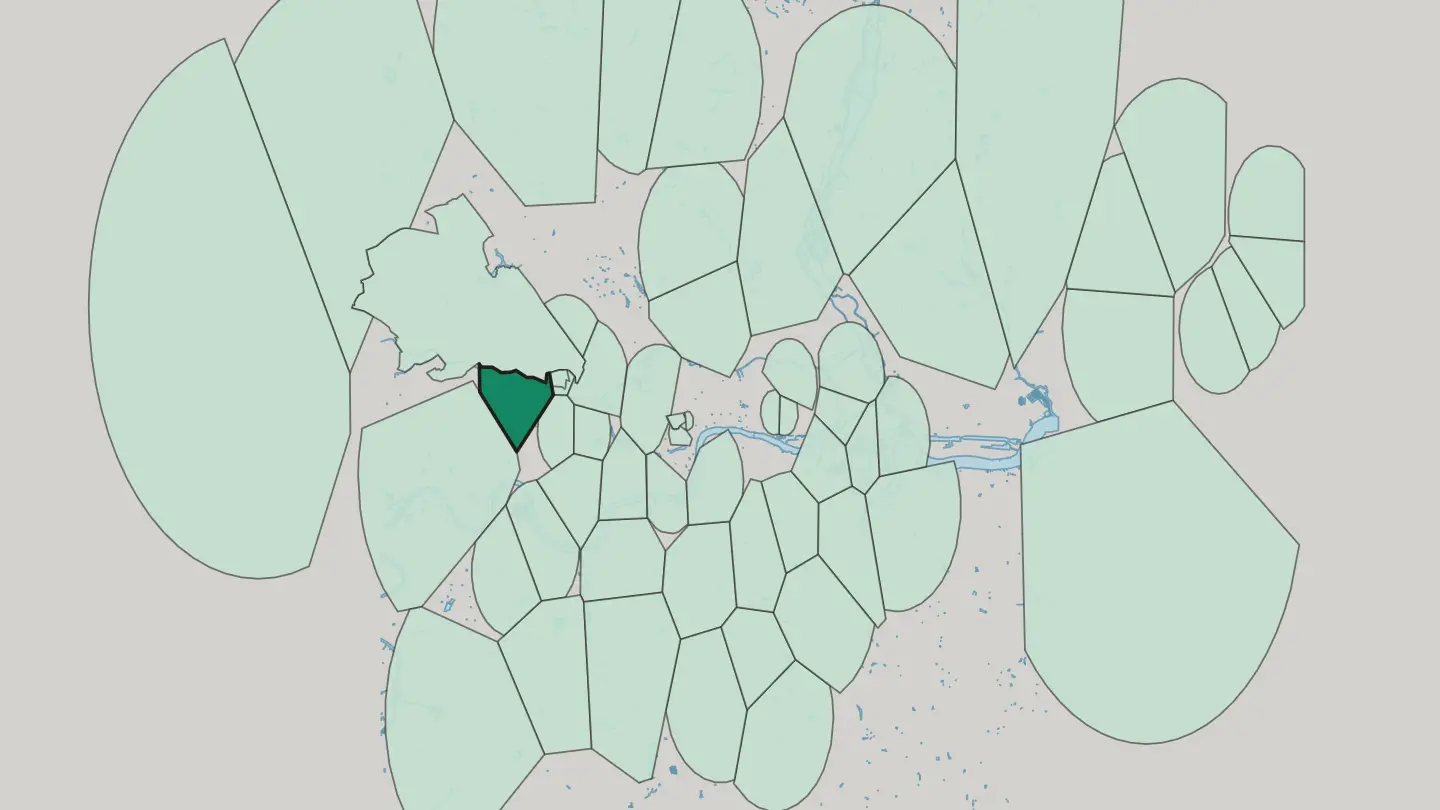 LondonUnited Kingdom
Bow
Bow is a district of London, gathered around Bow Church on Bow Road and the memorials to Sylvia Pankhurst and George Lansbury.Where to stay →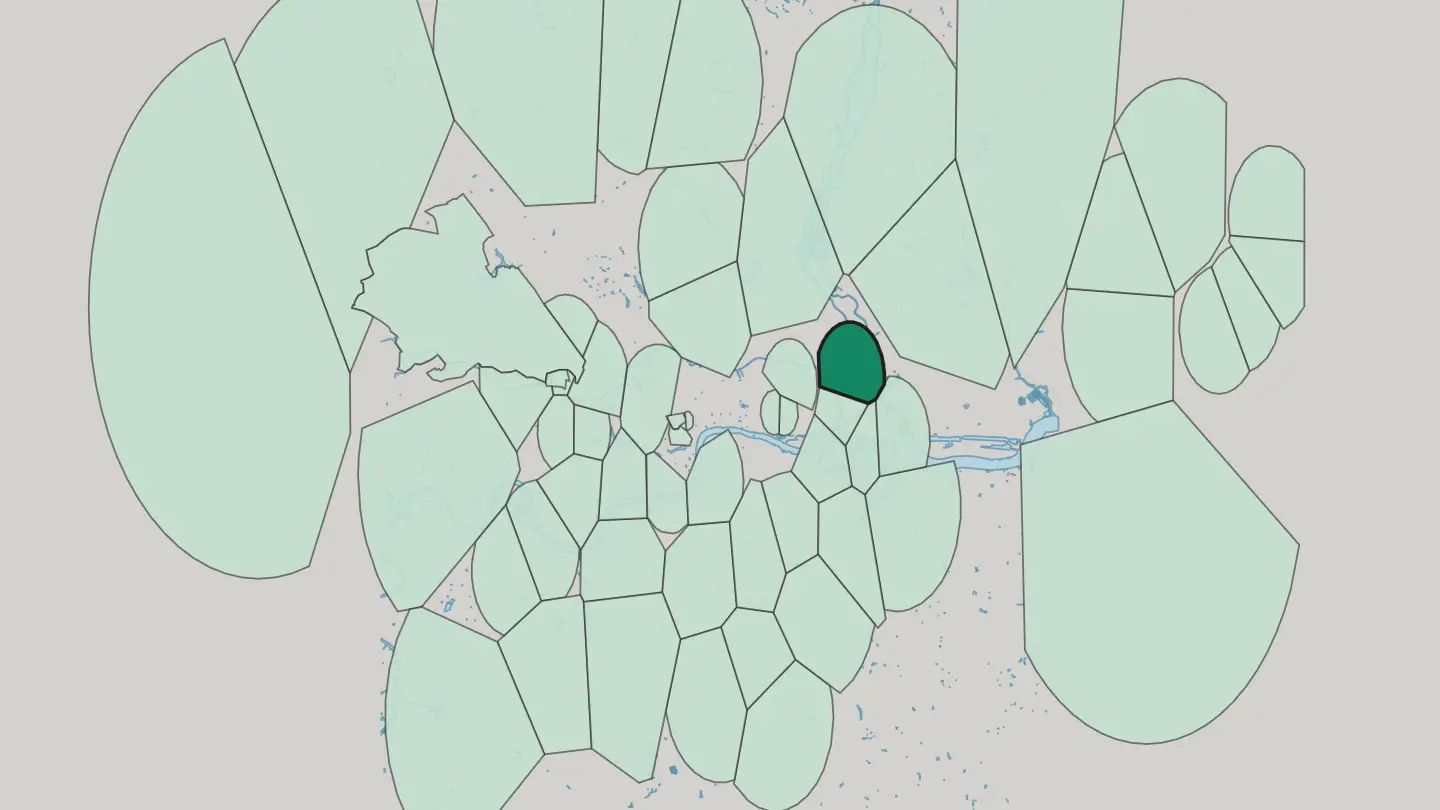
 LondonUnited Kingdom
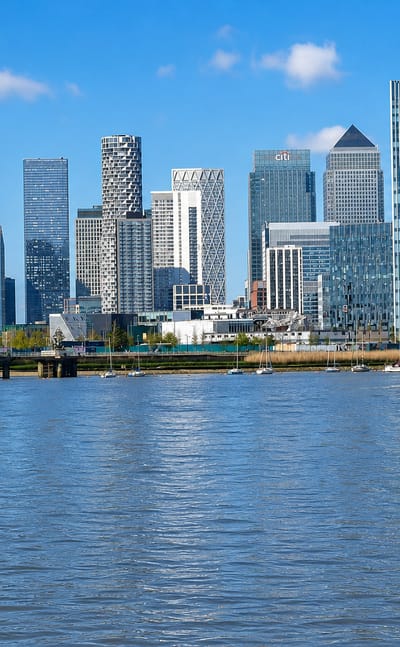
Canary Wharf
Canary Wharf is a district of London built on former dockland, its quayside past held in London Museum Docklands and the wharves by Poplar Dock.Where to stay →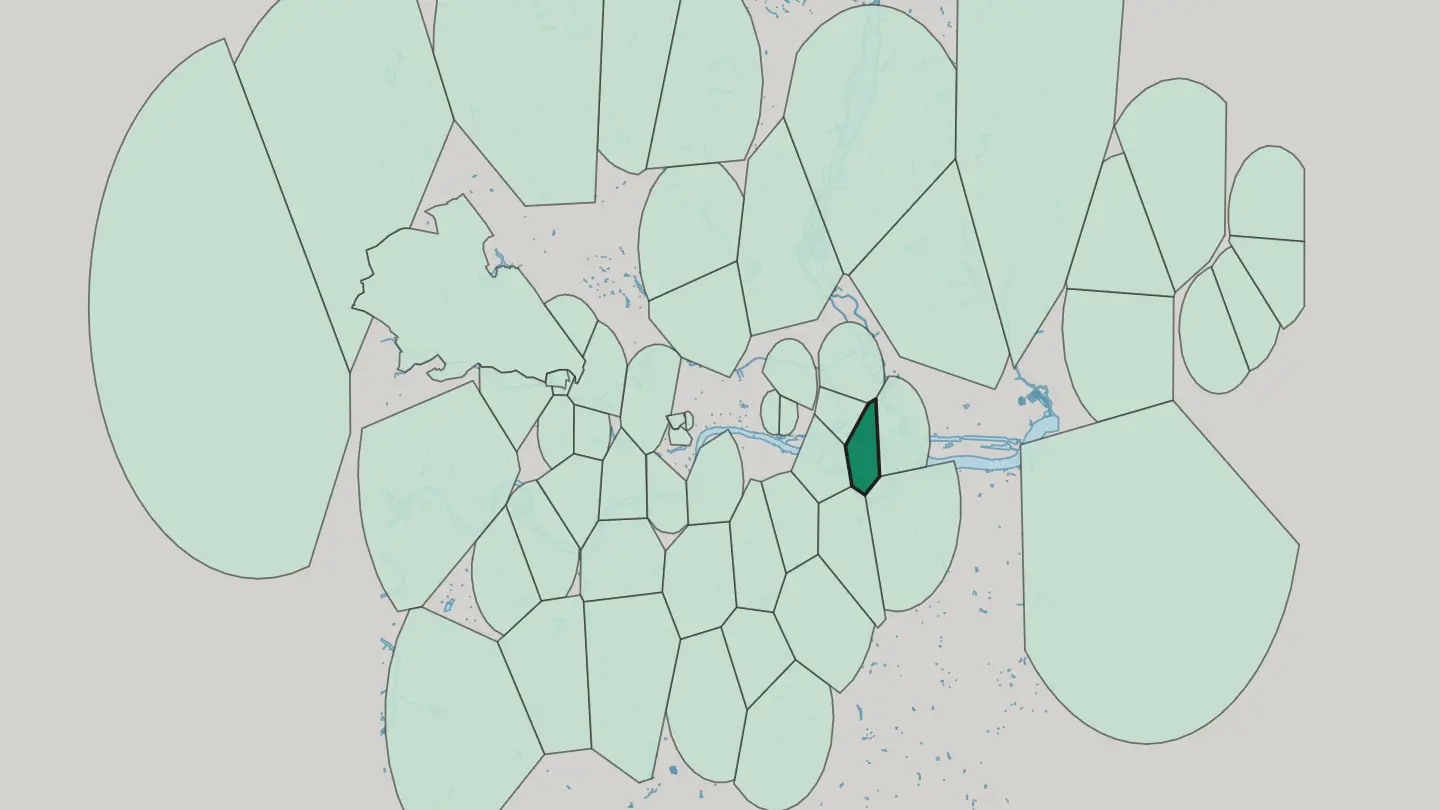
 LondonUnited Kingdom
New Cross
New Cross is an area of south-east London shaped by Goldsmiths, University of London, known also for the church of St Catherine's Hatcham.Where to stay →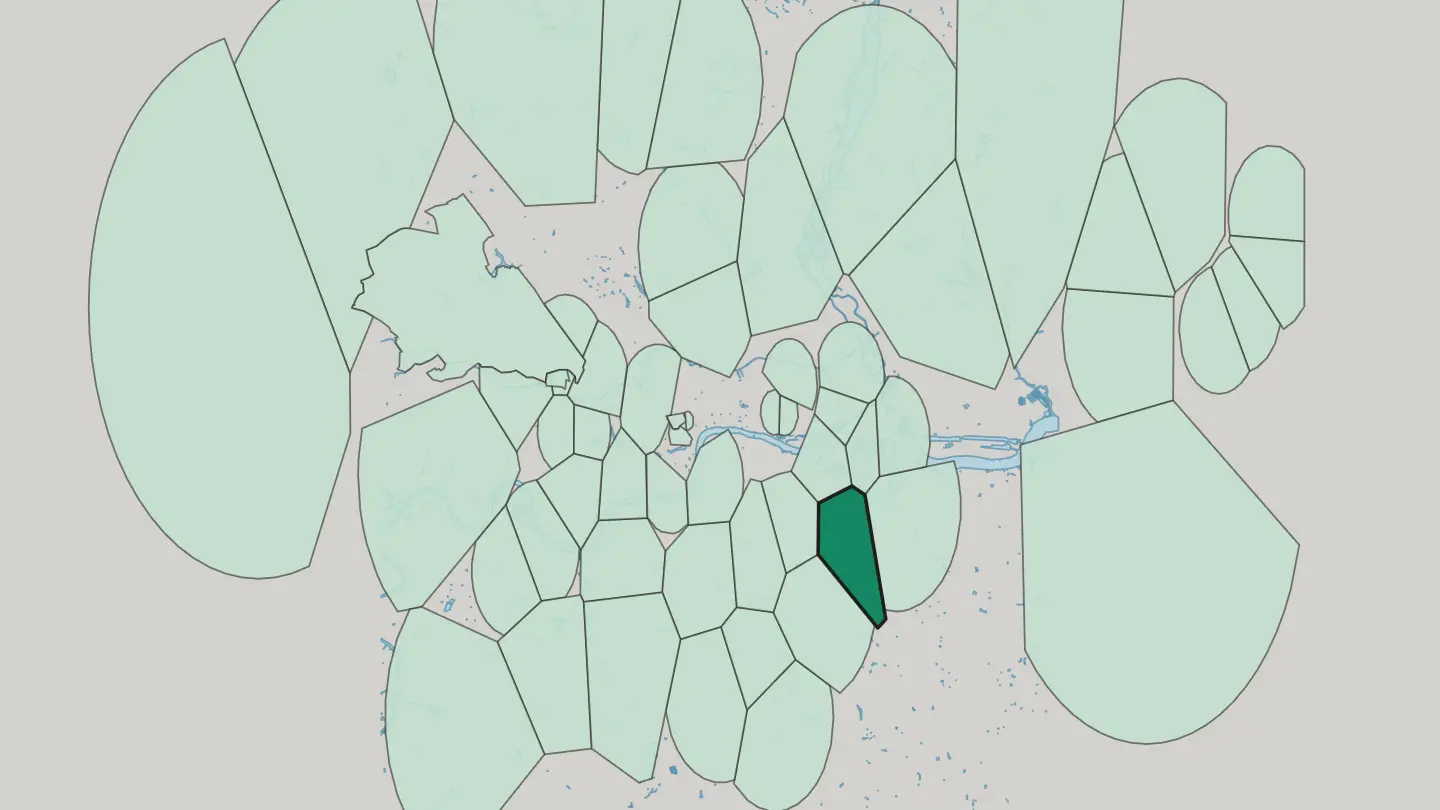
 LondonUnited Kingdom
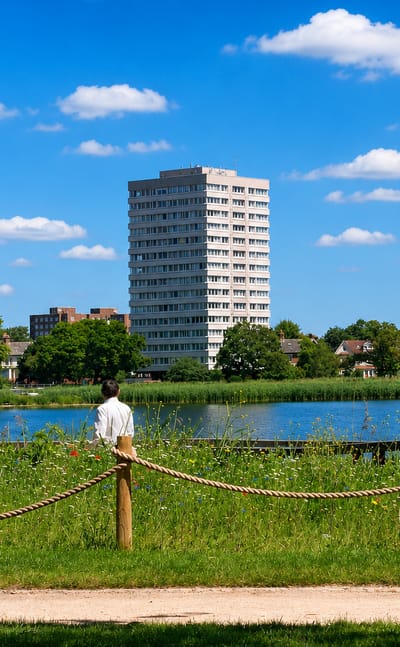
Stamford Hill
Stamford Hill rises above Stoke Newington in London, a district defined by the wooded graves of Abney Park Cemetery.Where to stay →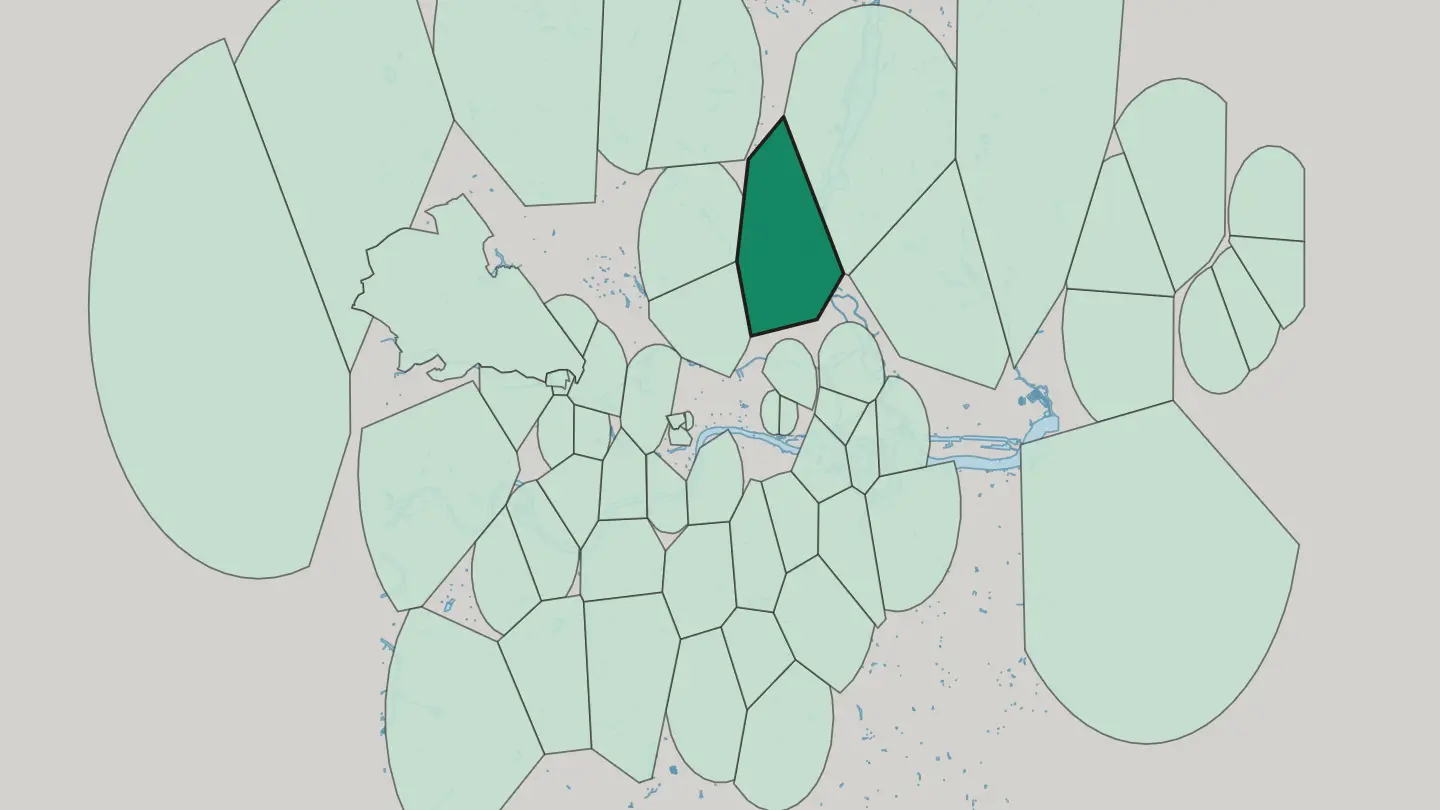
 LondonUnited Kingdom
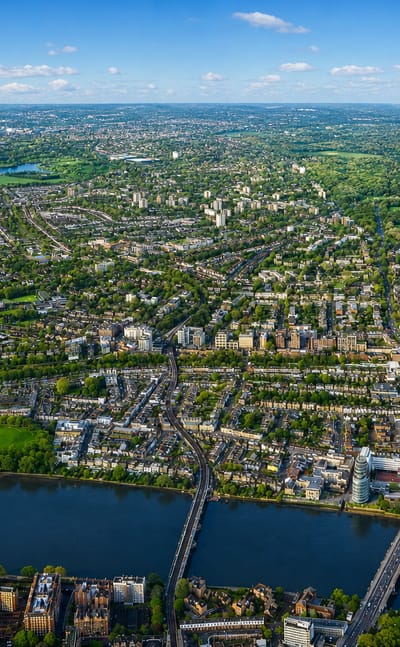
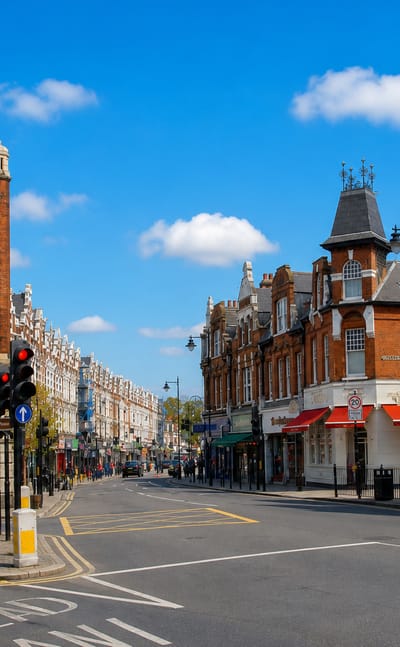
Putney
Putney is an affluent district of southwest London in the London Borough of Wandsworth, known for Putney Common and St Mary's Church.Where to stay →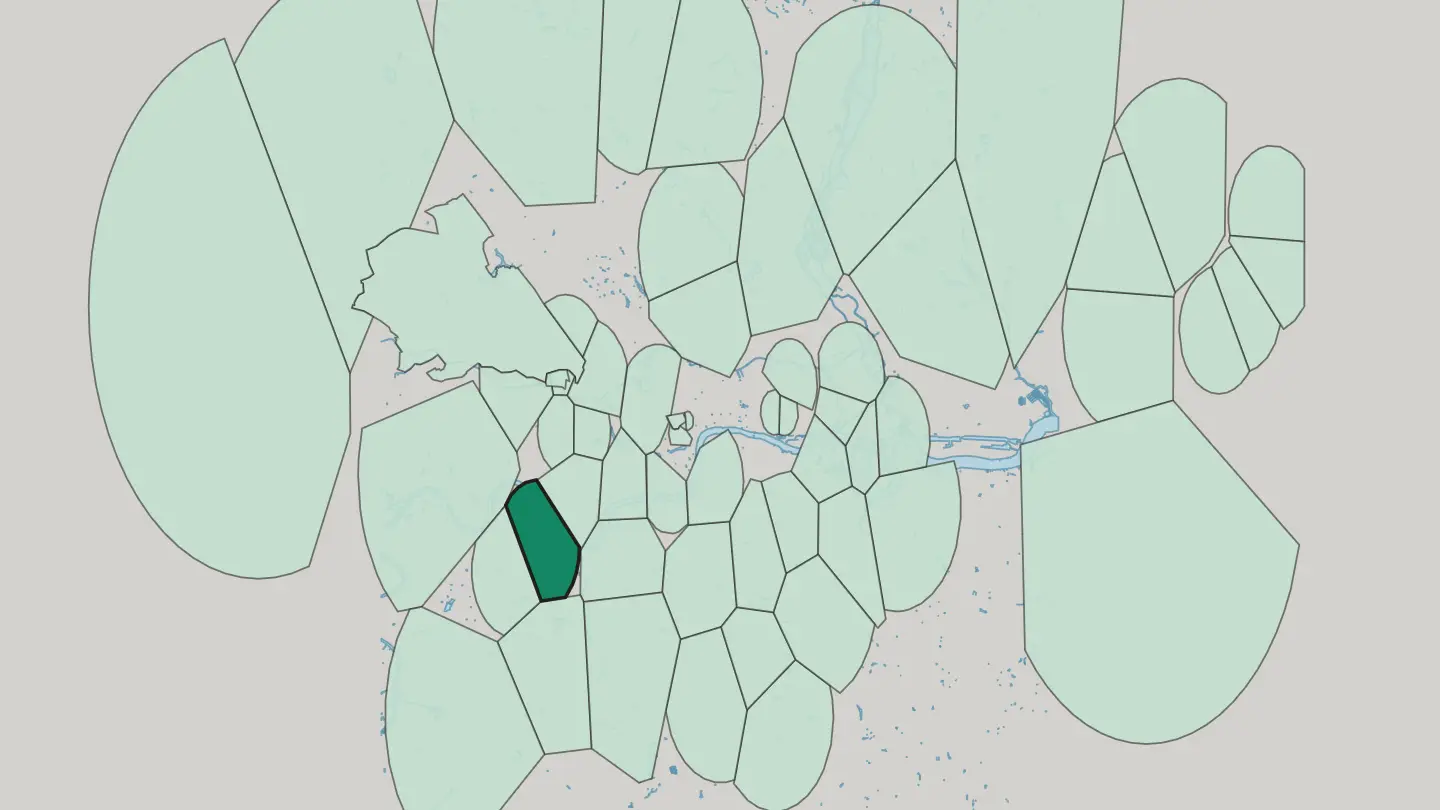
 LondonUnited Kingdom
Crouch End
Church spires and the green of Priory Park mark Crouch End, an urban-village quarter of north London in the borough of Haringey.Where to stay →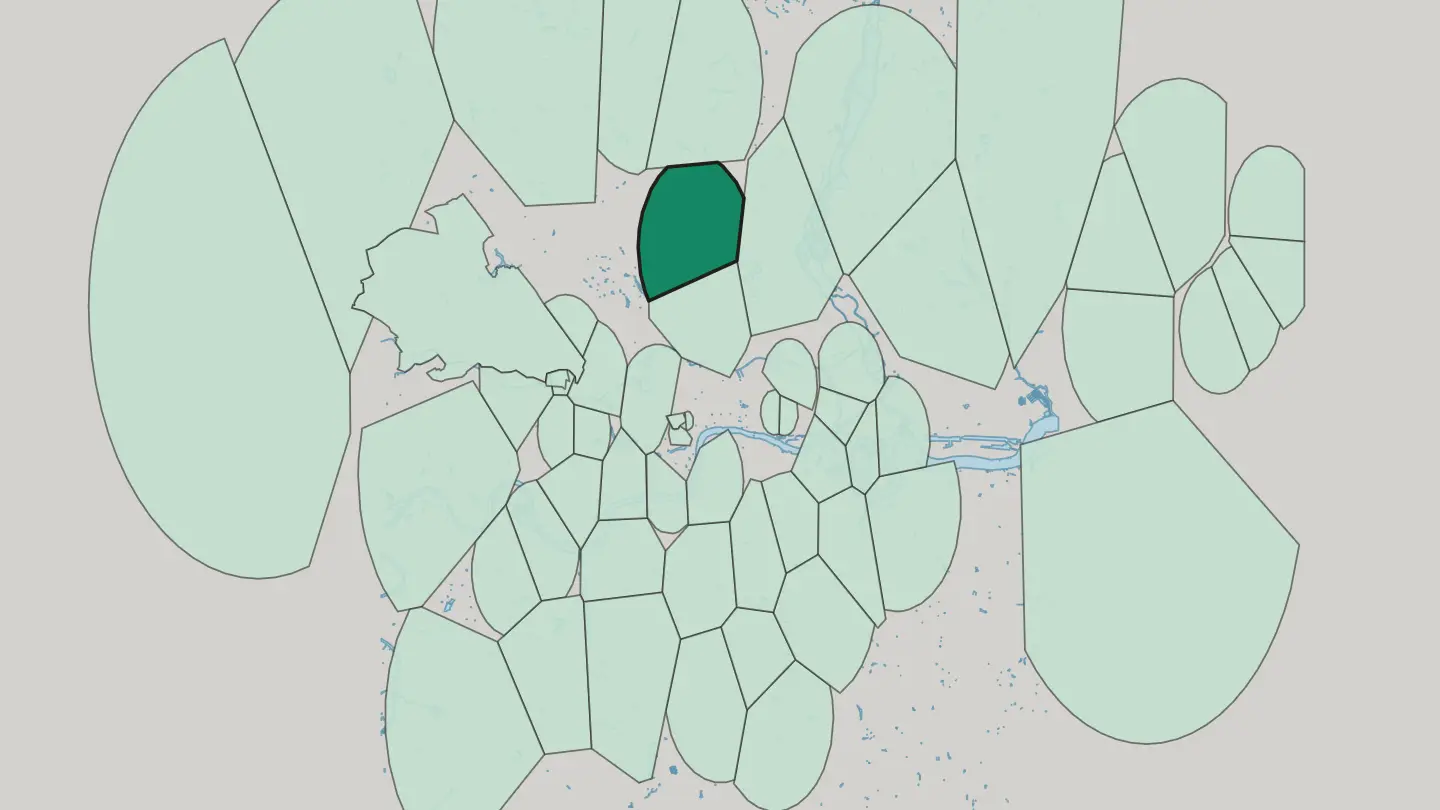
 LondonUnited Kingdom
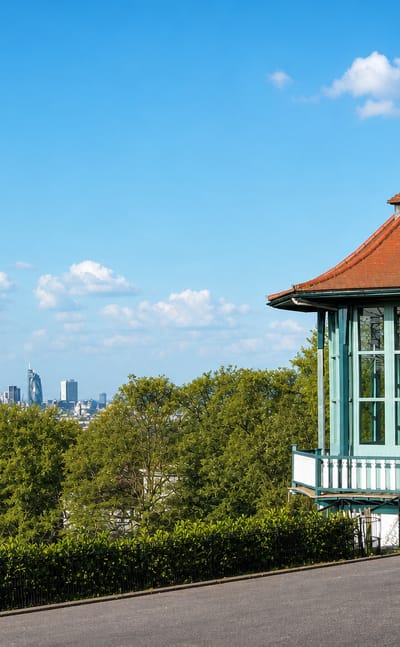
Forest Hill
Forest Hill rises around the Horniman Museum and Gardens, a district of London known for hilltop parkland and its parish churches.Where to stay →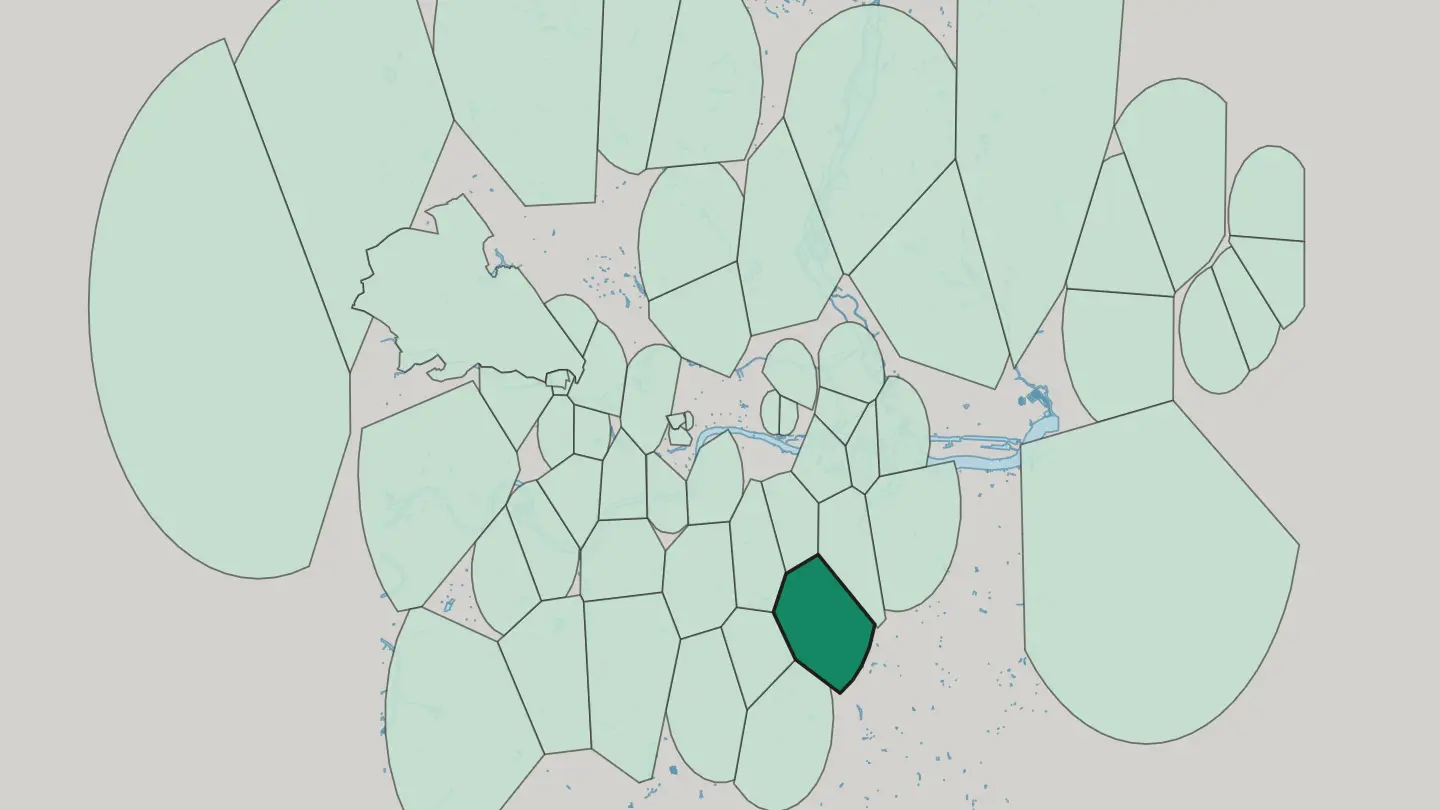
 LondonUnited Kingdom
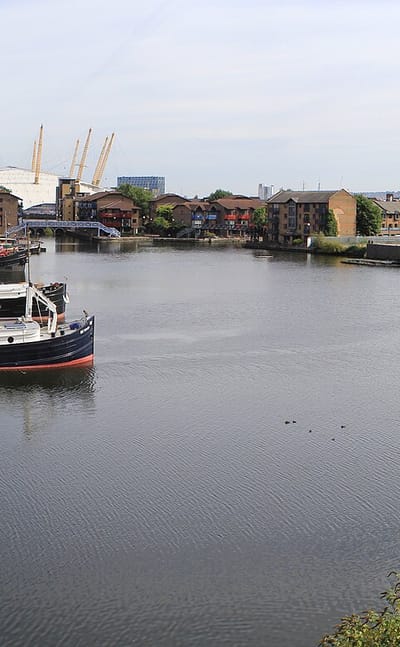
Blackwall
Blackwall is a former dockland district of London, known for the old houses of Coldharbour and the accumulator towers of Poplar Dock.Where to stay →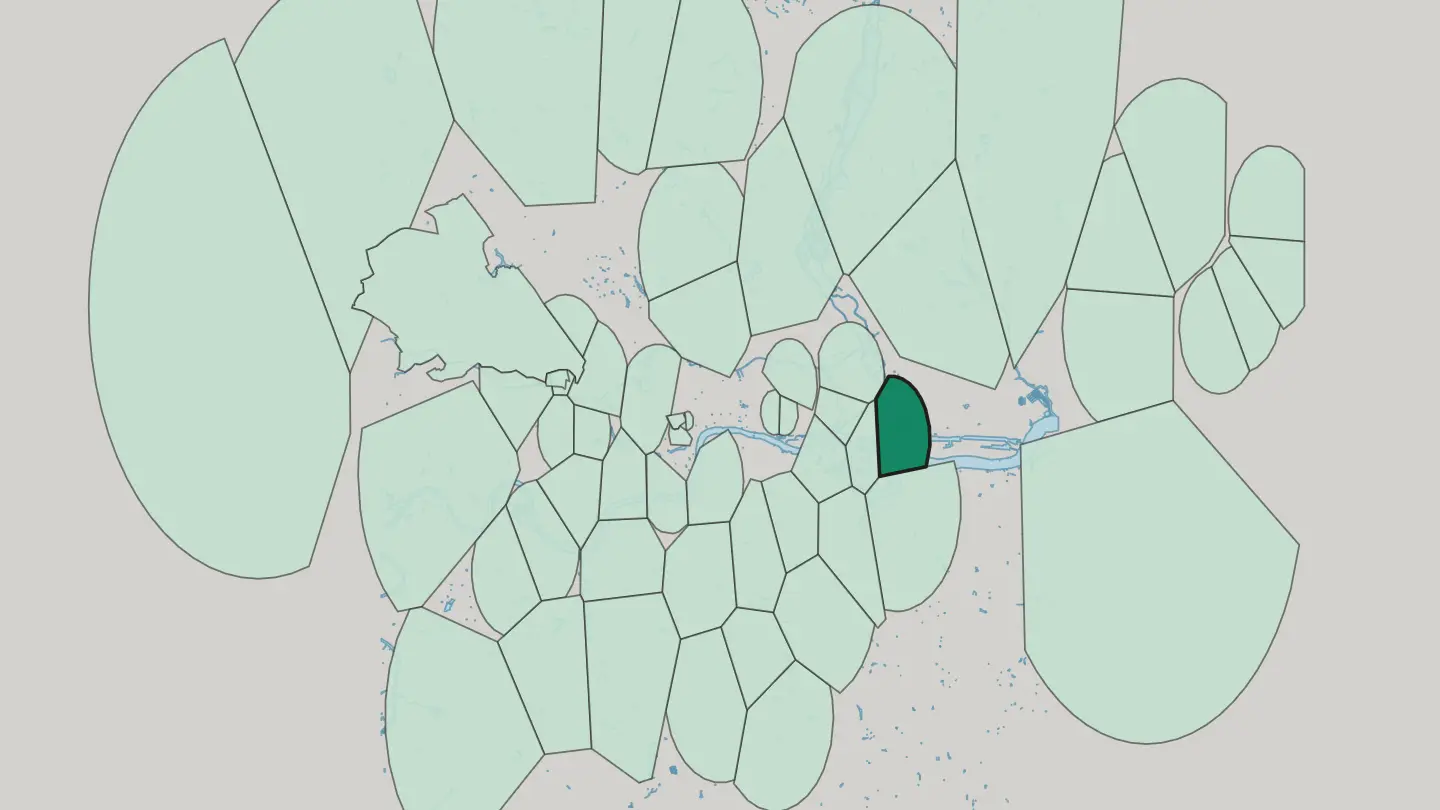
 LondonUnited Kingdom
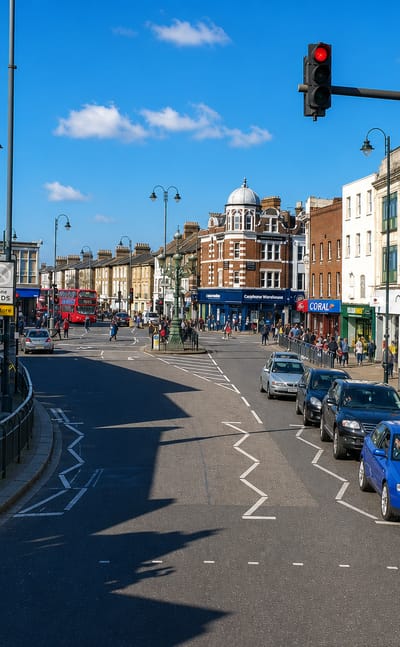
Tooting
Tooting is a district in London, its streets holding parish churches such as St Nicholas and the quirky London Sewing Machine Museum.Where to stay →LondonUnited KingdomFurzedown
A residential pocket of the London Borough of Wandsworth, Furzedown sits between Streatham and Tooting beside the open ground of Tooting Commons.Where to stay →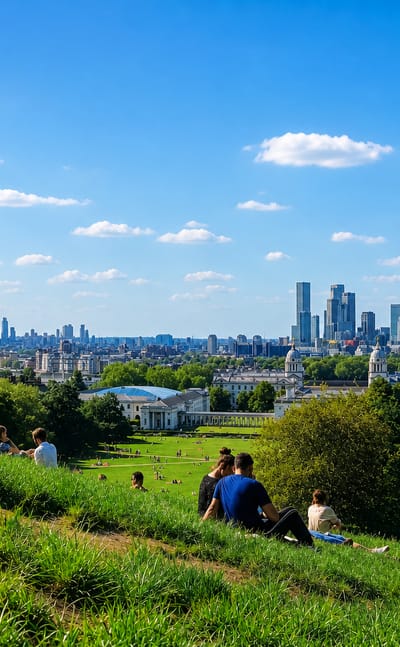 LondonUnited Kingdom
Greenwich
Greenwich rises from the Cutty Sark to the Royal Observatory, a district of London known for Maritime Greenwich and Greenwich Park.Where to stay →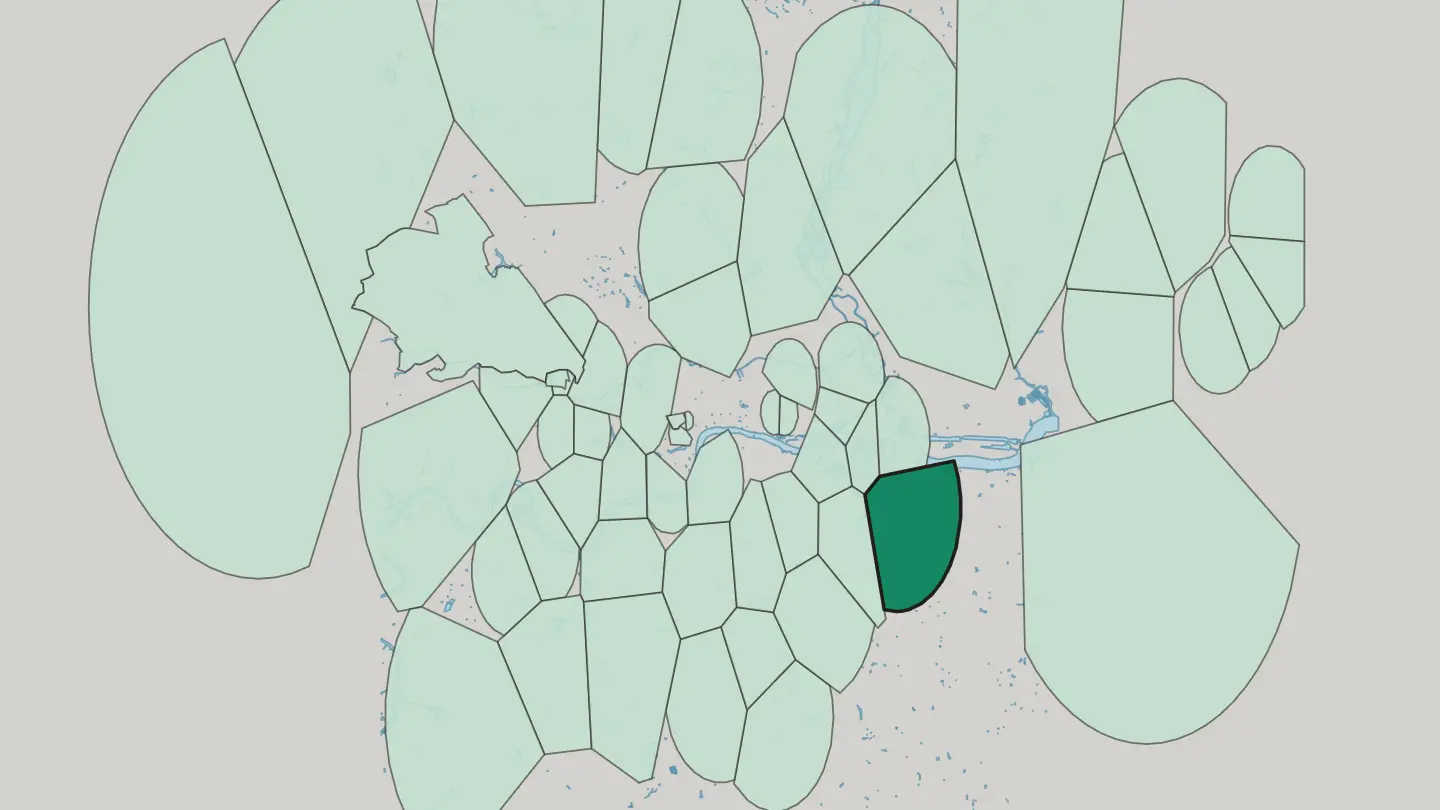
 LondonUnited Kingdom
Roehampton
Old houses stand along the quiet streets of Roehampton, a district of London ranged around Putney Park House and the Church of Holy Trinity.Where to stay →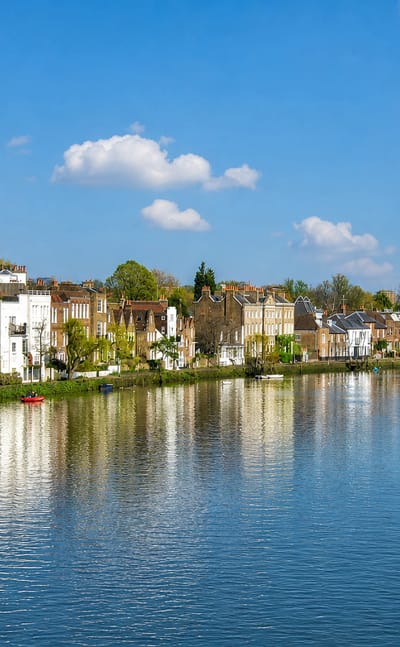 LondonUnited Kingdom
Chiswick
Chiswick is a district of West London on a meander of the River Thames, known for Chiswick House, Hogarth's House and the Boat Race finish.Where to stay →LondonUnited KingdomPerry Vale
Perry Vale is a Lewisham neighbourhood beside Forest Hill railway station, named for the road running through it as part of the B227.Where to stay → LondonUnited Kingdom
Upper Norwood
Upper Norwood is a district of London beside Crystal Palace Park, ringed by the churches of Gipsy Hill and West Norwood.Where to stay → LondonUnited Kingdom
Norbury
Norbury is a suburban district of London, marked by the church of St Oswald and the monument to Vice Admiral Robert Fitzroy in All Saints' Churchyard.Where to stay →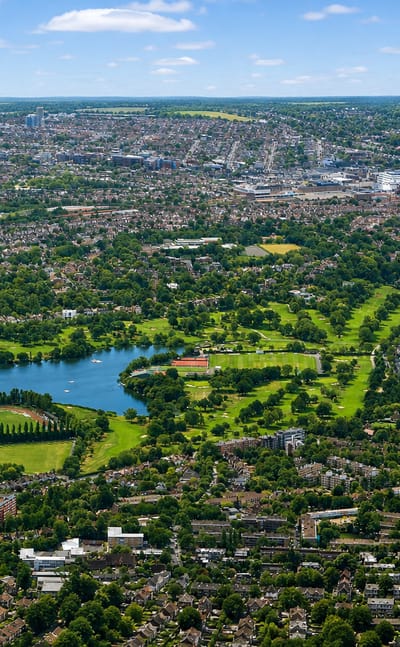 LondonUnited Kingdom
Wimbledon
Grass courts draw the world to Wimbledon, a district of south-west London and host of the Wimbledon Championships, the world's oldest tennis tournament.Where to stay →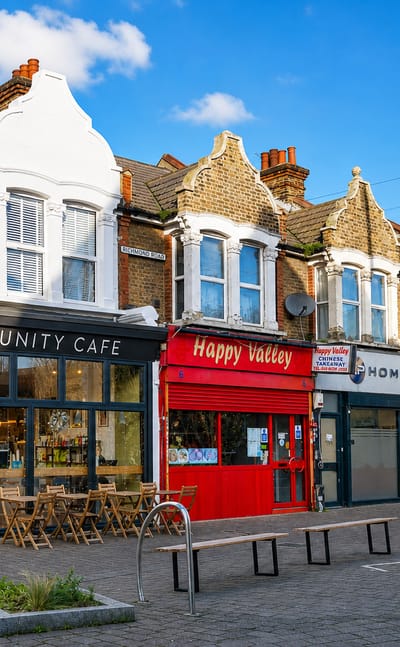 LondonUnited Kingdom
Leytonstone
Leytonstone is a suburban district of London centred on the Church of St John the Baptist and the old Leytonstone House.Where to stay →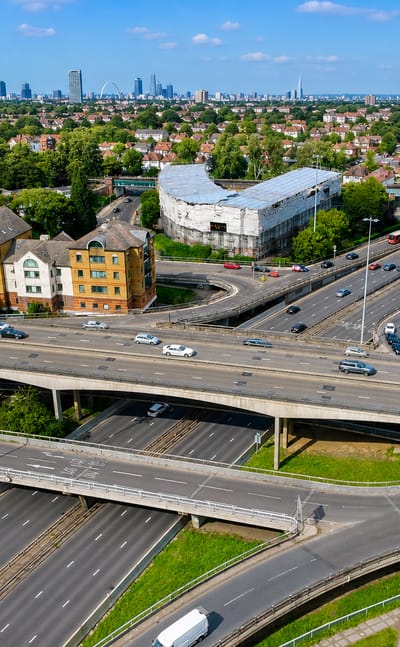 LondonUnited Kingdom
Brent
Brent is a London borough centred on Wembley Park, formed in 1965 and once crowned by the Twin Towers of the old stadium.Where to stay →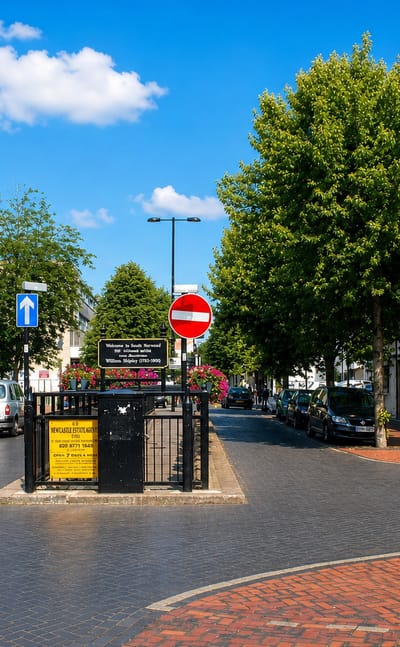 LondonUnited Kingdom
South Norwood
Quiet residential streets run through South Norwood, a district of south London in the Borough of Croydon near Christ Church and Thornton Heath.Where to stay →LondonUnited KingdomHighams Park
Highams Park lies at the edge of Epping Forest, a district of London in the borough of Waltham Forest, known for its woodland and parish churches.Where to stay →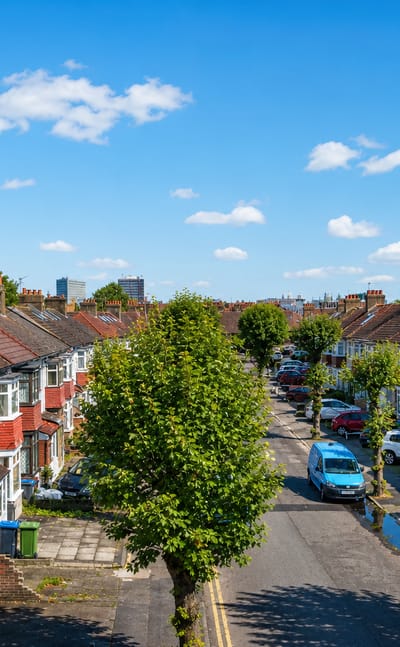 LondonUnited Kingdom
New Malden
New Malden is a quiet suburban district of London, marked by the spires of Christ Church New Malden and Holy Cross.Where to stay →LondonUnited KingdomOakwood
Oakwood is a residential district of London, its quiet streets gathered around Grovelands House and St Andrew's Church.Where to stay →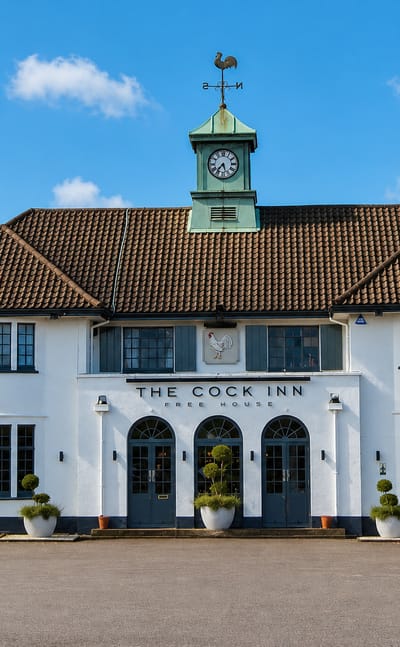 LondonUnited Kingdom
Cockfosters
Cockfosters is a district of London on the edge of Trent Park, gathered around Christ Church and Oak Hill College.Where to stay → LondonUnited Kingdom
Wealdstone
Wealdstone is a suburban district of London, gathered around the old Headstone Manor and its cluster of parish churches.Where to stay →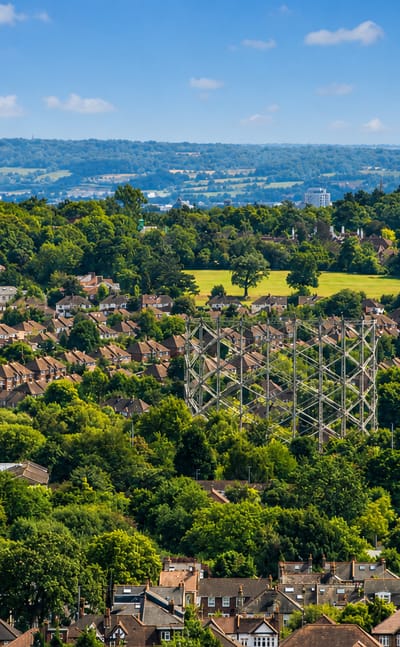 LondonUnited Kingdom
High Barnet
High Barnet climbs to St John the Baptist Church, a market town of London built around a 12th-century settlement in the borough of Barnet.Where to stay →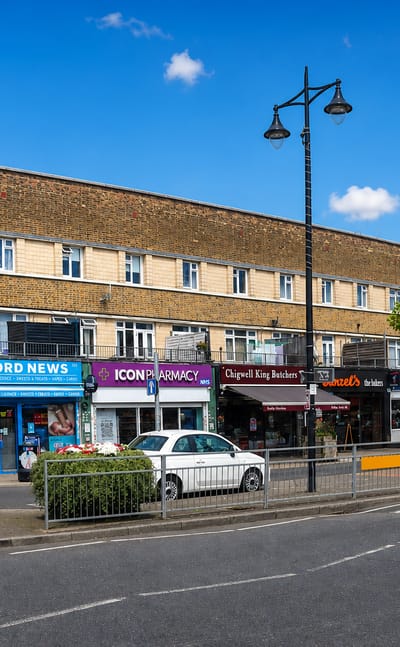 LondonUnited Kingdom
Hainault
Hainault edges Hainault Forest on the Central line, a suburban district of London known for its country park and the Hainault Lodge reserve.Where to stay →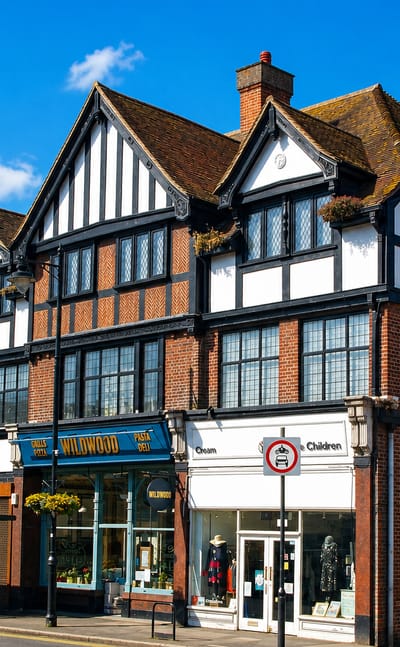 LondonUnited Kingdom
Cheam
Cheam is a district of London centred on the Church of St Dunstan, with Lumley Chapel and the Cheam Cricket Club Ground close by.Where to stay →LondonUnited KingdomBelmont
Belmont is a district of London on the high ground by Gally Hills, where two Saxon burial mounds and the Church of St Andrew stand among its streets.Where to stay →LondonUnited KingdomSouth Ruislip
Residential streets spread across South Ruislip, an area of the London Borough of Hillingdon at the southern end of Ruislip, near the Church of St Mary.Where to stay →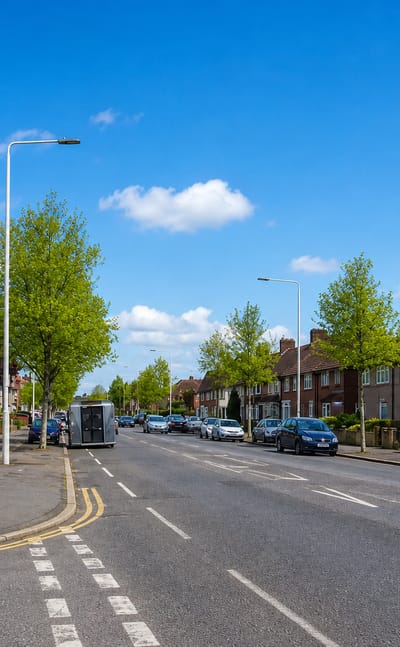 LondonUnited Kingdom
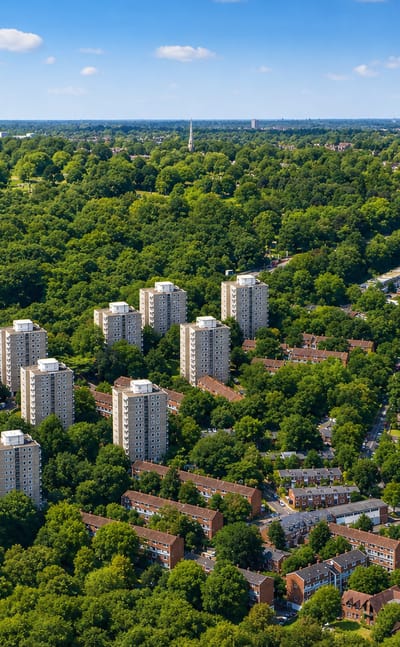
Becontree
Becontree is a cottage estate in the London Borough of Barking and Dagenham, built from 1921 as the world's largest public housing estate.Where to stay → LondonUnited Kingdom
Belvedere
Belvedere is a district of London beside Erith, known for its parish churches and old buildings like St Augustine's Church and The Belvedere.Where to stay →LondonUnited KingdomChadwell Heath
Chadwell Heath is an area of East London between Ilford and Romford, split across the boroughs of Barking and Dagenham and Redbridge.Where to stay →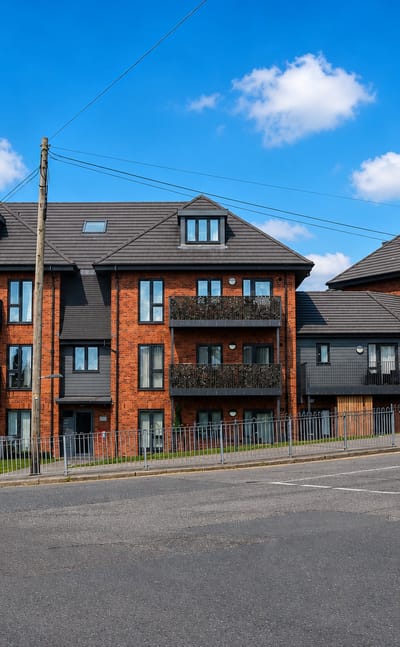 LondonUnited Kingdom
Collier Row
Collier Row is a district of London gathered around its churches, St James, The Ascension and The Good Shepherd.Where to stay → LondonUnited Kingdom
Elm Park
Parish churches and the RAF Hornchurch Heritage Centre mark Elm Park, a quiet suburban district of London beside Hornchurch.Where to stay →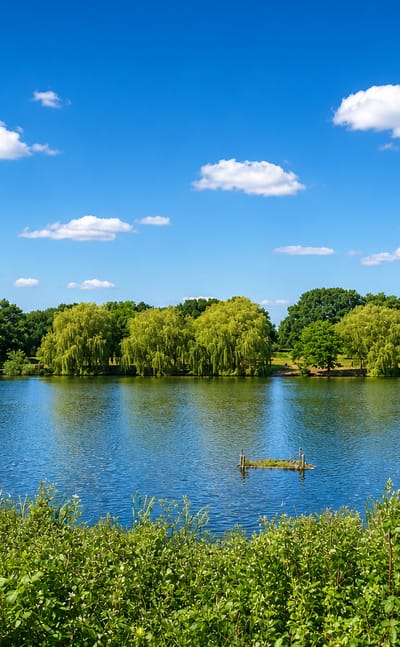 LondonUnited Kingdom
Hornchurch
Hornchurch is a suburban town in the London Borough of Havering, gathered around St Andrew's Church and the Queen's Theatre.Where to stay → LondonUnited Kingdom
Emerson Park
The house of Langtons and the green of Langton Park edge Emerson Park, a leafy suburban district of London beside Hornchurch.Where to stay →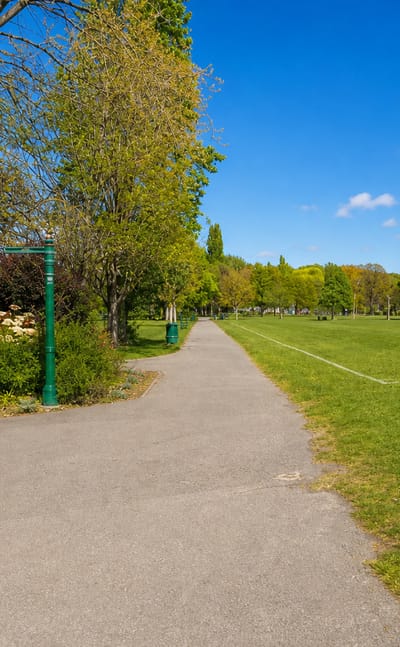 LondonUnited Kingdom
Harold Wood
Harold Wood sits at the Essex edge of London, a suburban district in the borough of Havering, once part of the old parish of Hornchurch.Where to stay →Hotel links are affiliate links: booking through them may earn us a commission, at no extra cost to you. It never affects how places are ranked. How this works
Find hotels in London
Direct booking searches for these neighbourhoods.
The City of Westminster
West-central London around Buckingham Palace, Westminster Abbey and Big Ben, the seat of the crown and parliament.Find hotels in The City of Westminsterthe historic and financial coreThe City of London
The ancient Roman core to the east on the River Thames, the old financial centre of the city.Find hotels in The City of Londontheatres and central nightlifeCovent Garden and the West End
Between the two cities around Covent Garden and Piccadilly Circus, closest to the theatres.Find hotels in Covent Garden and the West Endriverside walks and modern artThe south bank of the Thames
Across the river by Tate Modern and the London Eye, a short walk along the water.Find hotels in The south bank of the Thamesthe great national museumsThe museum quarter
Westward around the Victoria and Albert Museum, the Natural History Museum and the Science Museum, near Harrods.Find hotels in The museum quarterHotel links are affiliate links: booking through them may earn us a commission, at no extra cost to you. It never affects how places are ranked. How this works
Things to do in London
Ranked by global recognition; descriptions from Wikidata (CC0).
Museums & Galleries
8- Tower of London UNESCO
- British Museum Heritage
- Natural History Museum Heritage
- National Gallery Heritage
- Royal Observatory Heritage
Show 3 more →
- Imperial War Museum London Heritage
- Barbican Centre Heritage
- Royal Academy of Arts Heritage
Churches & Religious Sites
8- Westminster Abbey Heritage
- Temple Church, London Heritage
- Church of St Peter ad Vincula, Tower Hamlets Heritage
- St Martin-in-the-Fields Heritage
- St Mary-le-Bow Heritage
Show 3 more →
- Rainbow Theatre Heritage
- Metropolitan Tabernacle Heritage
- All Hallows-by-the-Tower Heritage
Castles & Historic Sites
8- Buckingham Palace Heritage
- Kensington Palace Heritage
- Victoria Memorial Heritage
- Albert Memorial Heritage
- Lambeth Palace Heritage
Show 3 more →
- Queen's House Heritage
- Monument To Vincent Figgins, Nunhead Cemetery Heritage
- Monument To The Molyneux Family, Kensal Green Cemetery Heritage
Stadiums & Sports
3- York Hall Heritage
- Walthamstow Stadium
- Romford Greyhound Stadium
Landmarks & Notable Places
8- Somerset House Heritage
- The Tower House Heritage
- 11 Downing Street Heritage
- Lansdowne House Heritage
- Hanover Lodge Heritage
Show 3 more →
- Twin Towers Heritage
- Ranger's House Heritage
- St John's Lodge Heritage
worth knowingacross 5 categories in London
About London
What is London known for?
London is the capital of both England and the United Kingdom. The River Thames runs through the middle of it. Its landmarks are known the world over, from the Tower of London and Big Ben to Westminster Abbey, Buckingham Palace and Tower Bridge along the river.
The museums match them. The British Museum, the National Gallery and Tate Modern draw visitors from everywhere, and the City of London, the ancient Roman core, remains a centre of world finance.
What are the main landmarks in London?
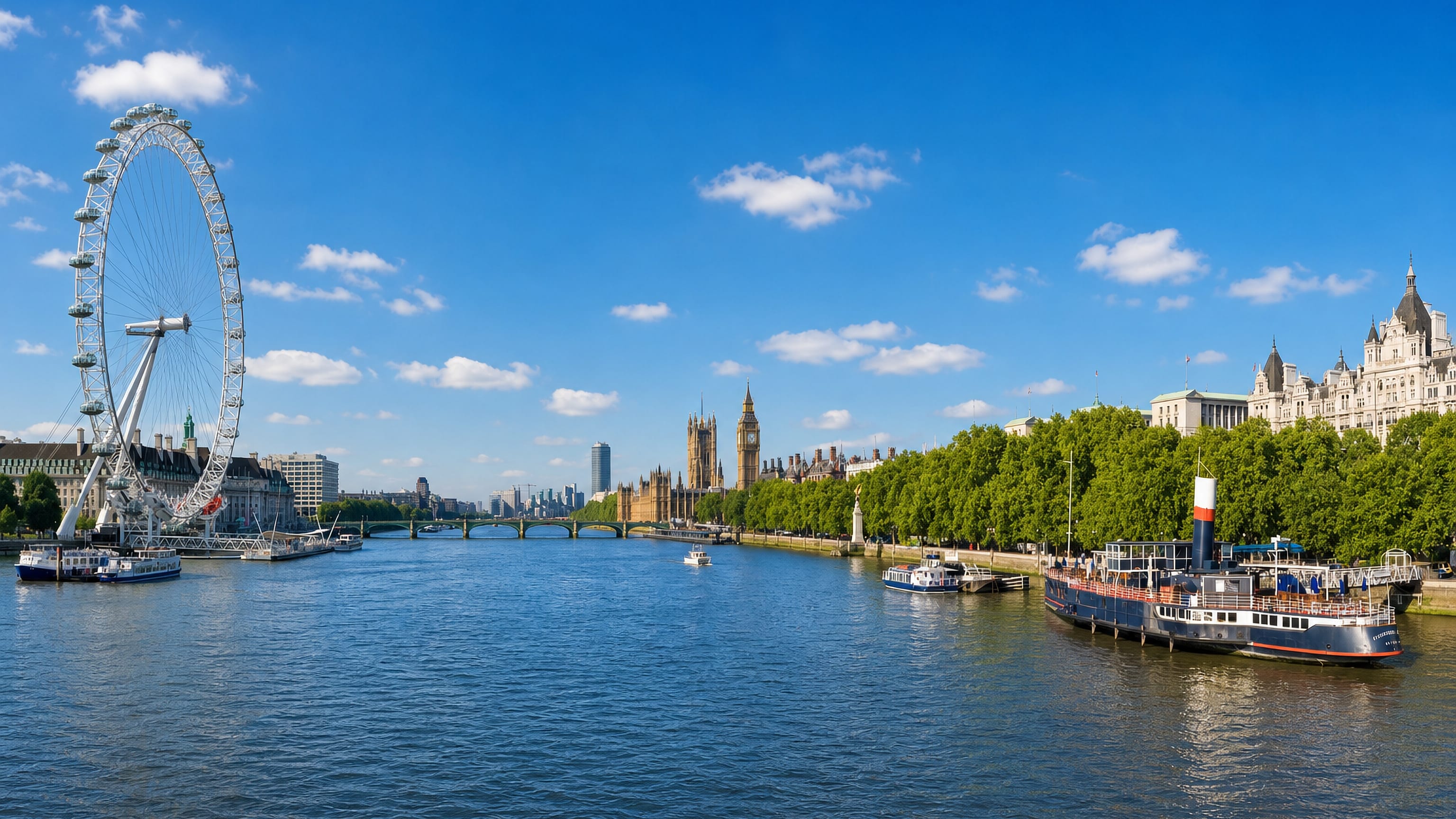
London's landmarks run the length of the Thames and fill the streets between. The Tower of London and Tower Bridge guard the river to the east, while Big Ben and Buckingham Palace mark the west. World collections fill the British Museum and the National Gallery on Trafalgar Square, with Tate Modern across the river.
The London Eye turns above the south bank. Westminster Abbey has stood beside the river for centuries.
What is the history of London?
London began as a Roman town. The Romans founded Londinium on the north bank of the Thames around the year 47, and the City of London still keeps the medieval boundaries that grew from that first core. It has been a settlement for close to two thousand years.
The river carried it from the start. West of that Roman core, the City of Westminster became the seat of the crown and the national parliament, and has held that role for centuries. The city grew slowly, then all at once.
In the nineteenth century London expanded faster than any city before it, becoming the largest in the world of its day. As it spread it swallowed land from the old counties around it, Middlesex, Essex, Surrey, Kent and Hertfordshire. Since 1965 that whole spread has been governed as Greater London.
Thirty-three local authorities and the Greater London Authority share its government between them. The city's outline on the map is a record of every stage of that long growth. What began as one Roman town on the Thames became the vast city of these many boroughs.
Where is London?
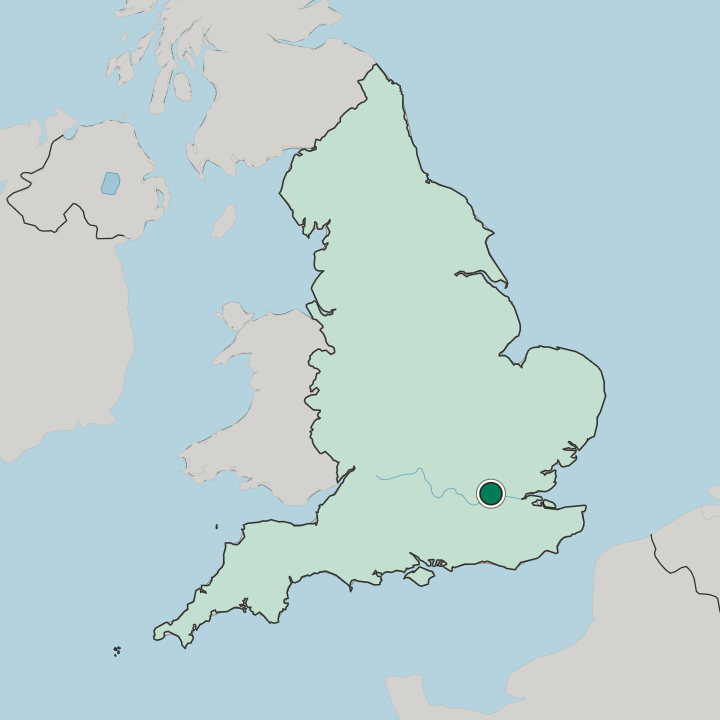
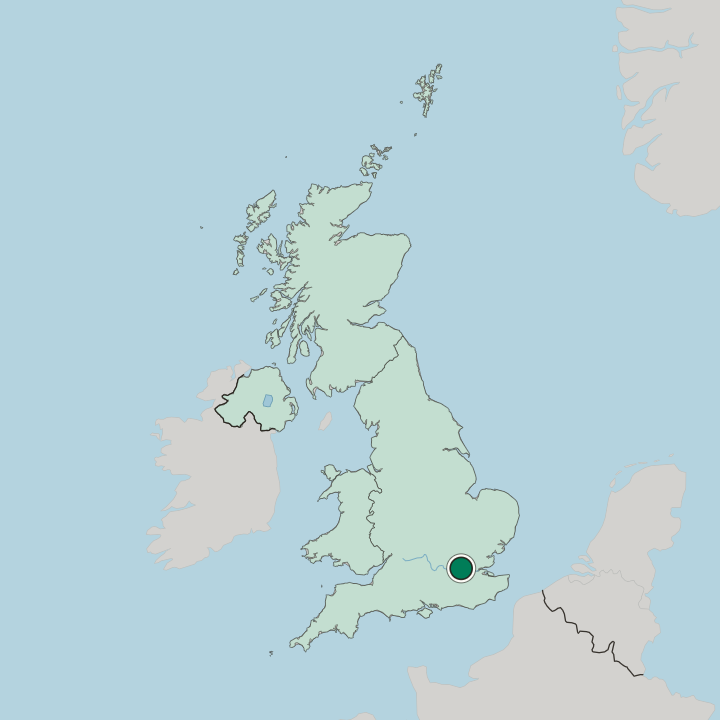
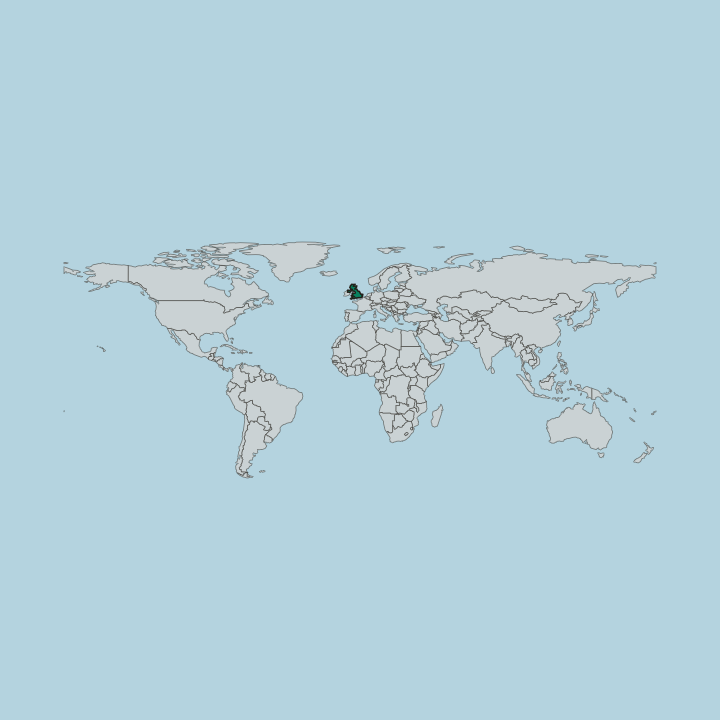
London stands on the River Thames in south-east England, near the head of a long tidal estuary that runs down to the North Sea. The river winds through the middle of the city, dividing a northern side from a southern one. The old core, the City of London, sits on the north bank, with the City of Westminster just to its west.
Beyond them, Greater London spreads for miles. The North Sea lies downstream to the east.
What is the climate of London?
London has a mild, temperate climate, drier than much of the rest of the country. Sheltered inland from the worst of the sea, it sees less rain than the west of England, though showers can fall in any month. Winters are cool and rarely freeze hard; summers are warm rather than hot.
The Thames and the city's own warmth keep frosts short. Grey, even skies are the usual backdrop.
How do you get to London?
London is the country's busiest point of arrival. Travellers come from around the world by air, and trains run in from every direction to its central stations, among them Charing Cross beside the Thames. The river links the city to the North Sea downstream, once the route by which trade arrived.
Roads and rail fan out across England. Once here, the question is how to cross the city, not how to reach it.
Common questions
What is the best area to stay in London?
The City of Westminster: the government, royal and first-timer sights. The City of London: the historic and financial core. Covent Garden and the West End: theatres and central nightlife. The south bank of the Thames: riverside walks and modern art. The museum quarter: the great national museums.
Good for
More cities in England
Updated October 2026