United Kingdom · England · London
Becontree, London — Area Guide & Where to Stay
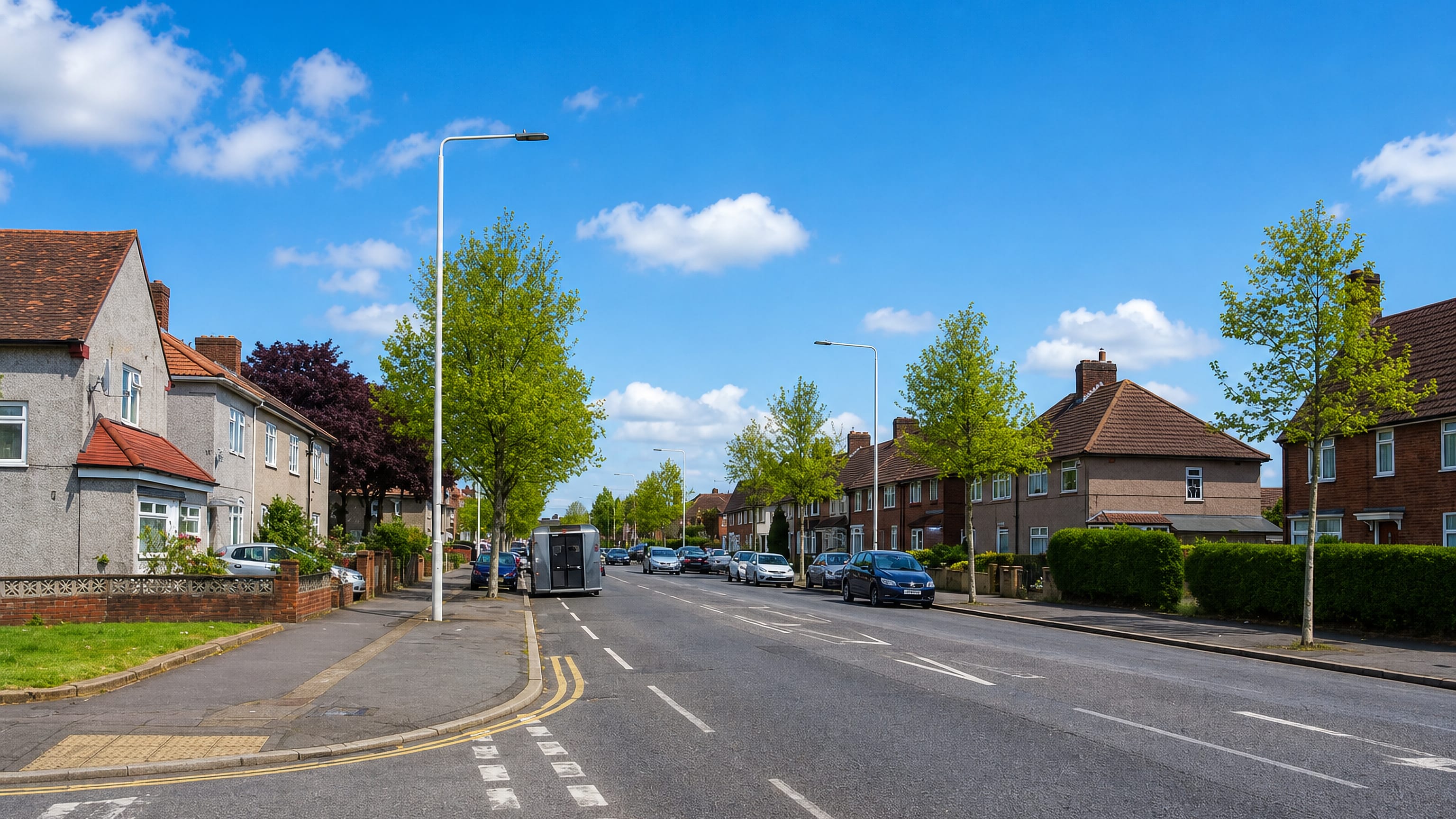
Becontree is a cottage estate in the London Borough of Barking and Dagenham, built from 1921 as the world's largest public housing estate.
Hotel links are affiliate links: booking through them may earn us a commission, at no extra cost to you. It never affects how places are ranked. How this works


Where to stay in Becontree
Where the beds are, and what that means for the visit.
Becontree is a residential cottage estate rather than a hotel district. Places to stay are thin on the ground in Becontree. Its low houses and long avenues sit north-east of central London, closer to Barking and Dagenham than to the centre, so most visitors base themselves in central London and travel out.
Stay nearby for value and quiet, or for the Valence House Museum. The estate keeps a settled, suburban calm.
Few places to stay in Becontree — most visitors book in London nearby.
Things to do in and around London
Ranked by global recognition; descriptions from Wikidata (CC0).
Churches & Religious Sites
3- Church of St Mary Heritage
- St Elisabeth's, Becontree
- St George's, Becontree
Landmarks & Notable Places
2- Valence House Museum Heritage
- Bentry Heath House Heritage
worth knowingacross 2 categories in and around London
About Becontree
What are the main landmarks in Becontree?
Becontree's landmarks are few, set among its houses. The Valence House Museum survives in its own park, a house older than the estate around it. St George's and St Elisabeth's serve the estate as its churches, and the Church of St Mary stands nearby.
Bentry Heath House marks the older ground.
What is the history of Becontree?
Becontree was built between 1921 and 1935 as the world's largest public housing estate. London County Council raised it under the Housing and Town Planning Act of 1919, which let the council build beyond the County of London. Cottage-estate plans shaped it.
The new avenues spread across Barking, Dagenham, and Ilford, then part of the administrative county of Essex, and the completed estate was marked in 1935. Valence House Museum stood here before any of it.
Where is Becontree?
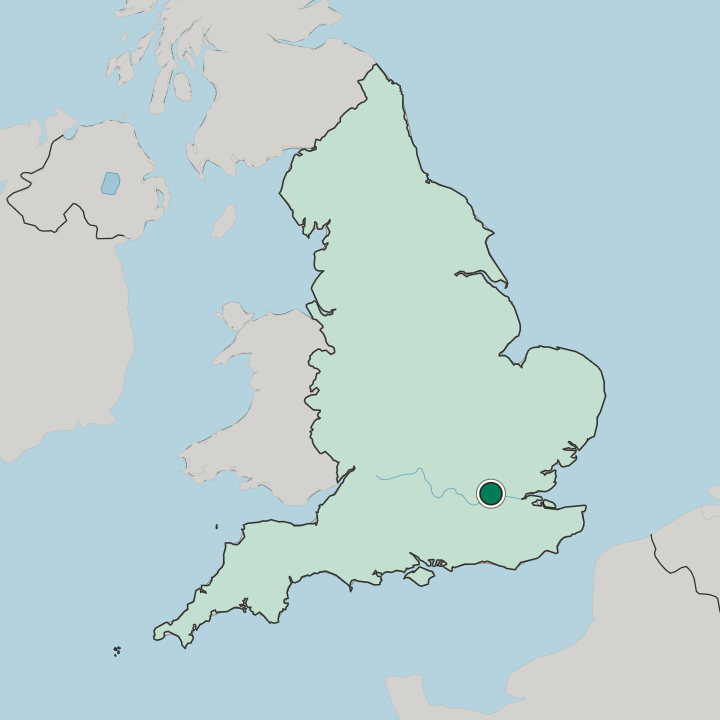
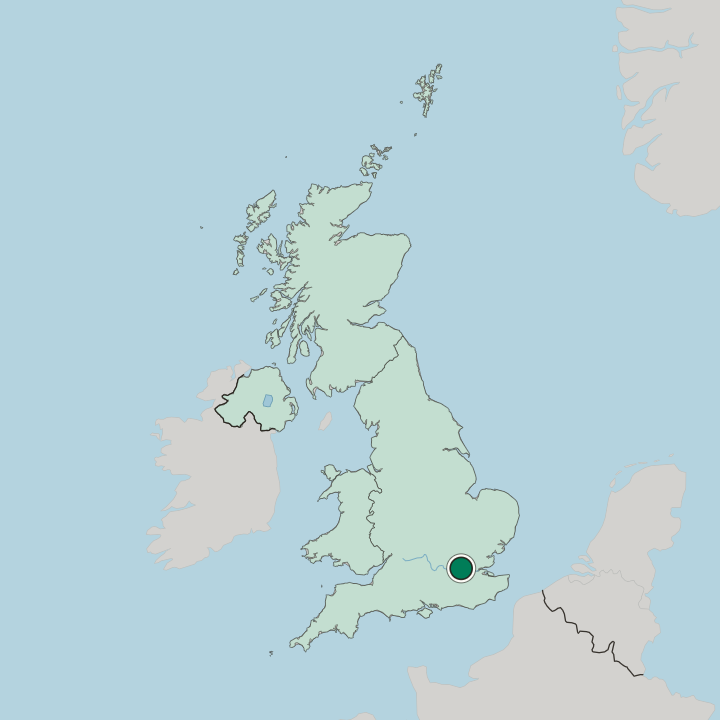
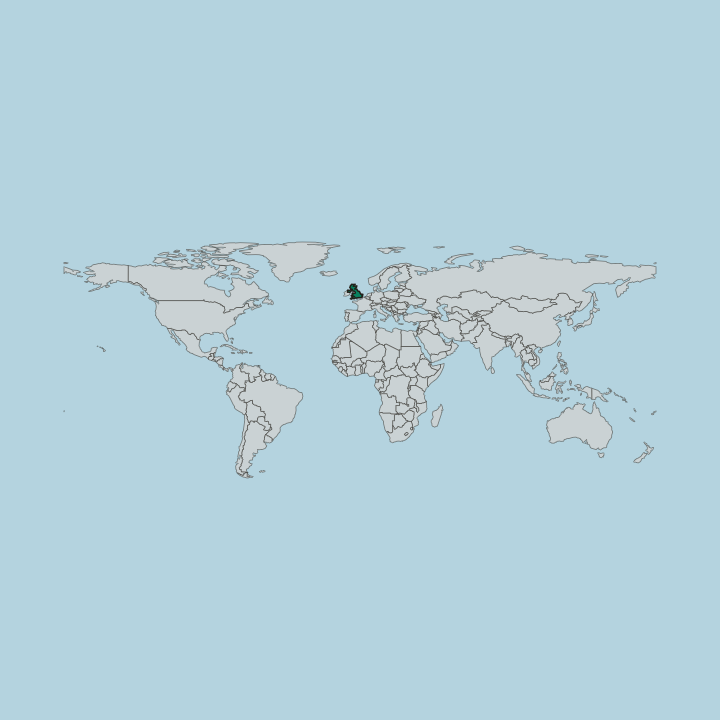
Becontree stretches across the London Borough of Barking and Dagenham, north-east of Charing Cross between Barking, Dagenham, and Ilford.
Common questions
What is the best area to stay in Becontree?
Becontree estate: quiet, low-cost suburban stays.
Good for
More areas in London
Updated October 2026