United Kingdom · England · London
Canary Wharf, London — Area Guide & Where to Stay
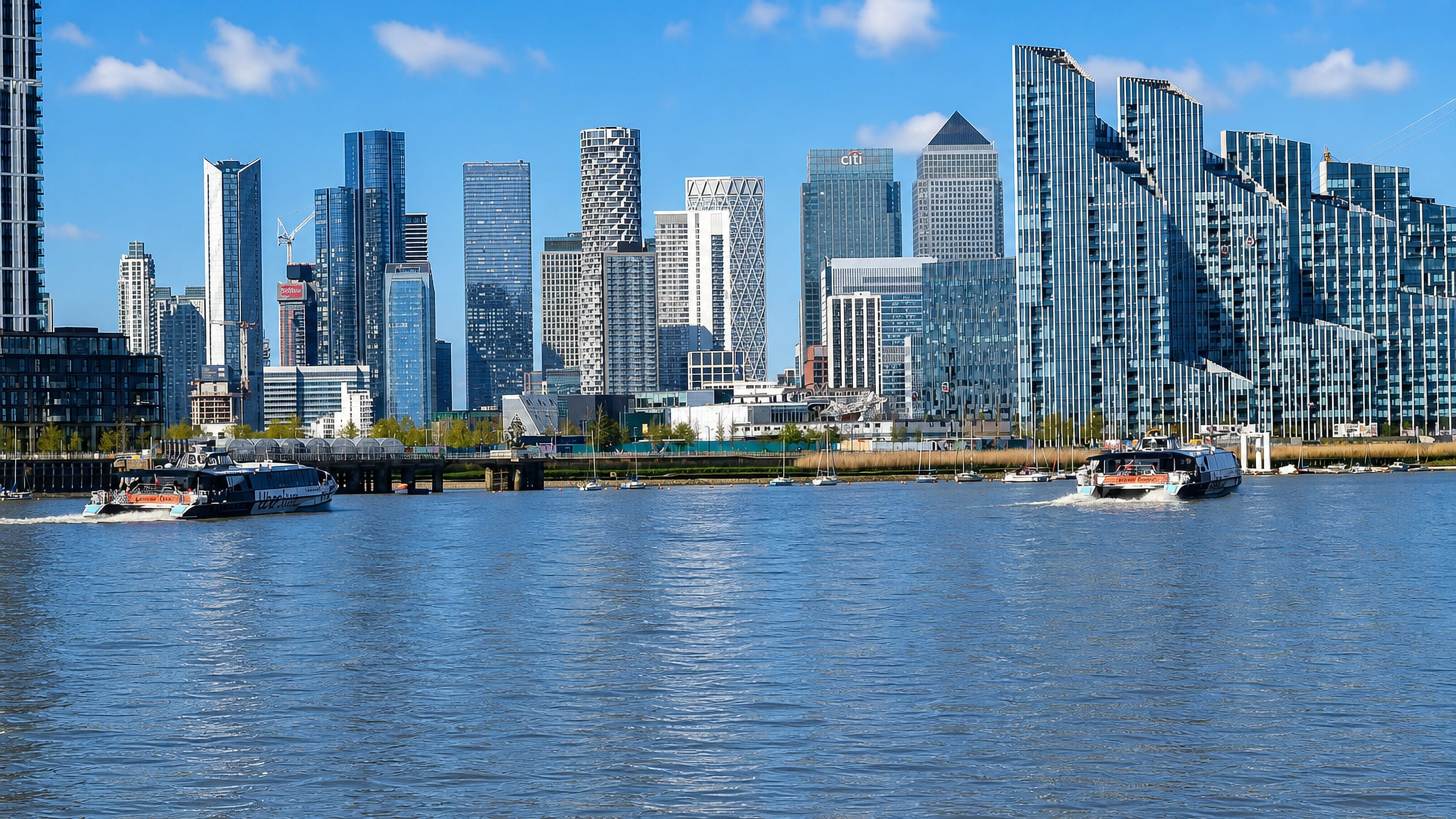
Canary Wharf is a district of London built on former dockland, its quayside past held in London Museum Docklands and the wharves by Poplar Dock.
Hotel links are affiliate links: booking through them may earn us a commission, at no extra cost to you. It never affects how places are ranked. How this works


Map data © OpenStreetMap contributors
Where to stay in Canary Wharf
The practical side of choosing where to sleep.
Canary Wharf offers guests a modern base in London, set on the water among the old docks. The old wharves are close. Visitors who want the exhibits of London Museum Docklands on the doorstep, with the walkways of Poplar Dock and the historic houses of Coldharbour nearby, will find Canary Wharf an easy place to sleep and move on from.
Water frames it on every side.
Things to do in and around London
Ranked by global recognition; descriptions from Wikidata (CC0).
Museums & Galleries
1- Museum of the Book
Churches & Religious Sites
3- All Saints Church, Poplar Heritage
- Trinity Independent Chapel Heritage
- Church of St Saviours Heritage
Castles & Historic Sites
1- Statue of Robert Milligan
Landmarks & Notable Places
6- 8 Beccles Street and area railings Heritage
- Accumulator Tower On The West Side Of Poplar Dock Heritage
- Accumulator Tower To South East Corner Of Poplar Dock Heritage
- Accumulator Tower and Chimney Heritage
- Bridge House Heritage
Show 1 more →
- Isle House 1 Coldharbour Heritage
worth knowingacross 4 categories in and around London
About Canary Wharf
What are the main landmarks in Canary Wharf?
Canary Wharf keeps its dock heritage close. London Museum Docklands fills a Georgian sugar warehouse with the story of the trade, while the surviving accumulator towers and chimney stand by Poplar Dock. Coldharbour holds the old quayside houses, among them Bridge House and Isle House.
St Anne's Limehouse and All Saints Church, Poplar rise on the fringes. The Church of St Saviours serves the parish.
What is the history of Canary Wharf?
Canary Wharf grew out of London's docks. Georgian merchants built the great sugar warehouses, one of which holds London Museum Docklands, to handle the trade that passed through the port. Victorian engineers added hydraulic power, whose accumulator towers still stand by Poplar Dock.
When the docks closed, a new district rose. The old houses of Coldharbour survive from that earlier world.
Where is Canary Wharf?
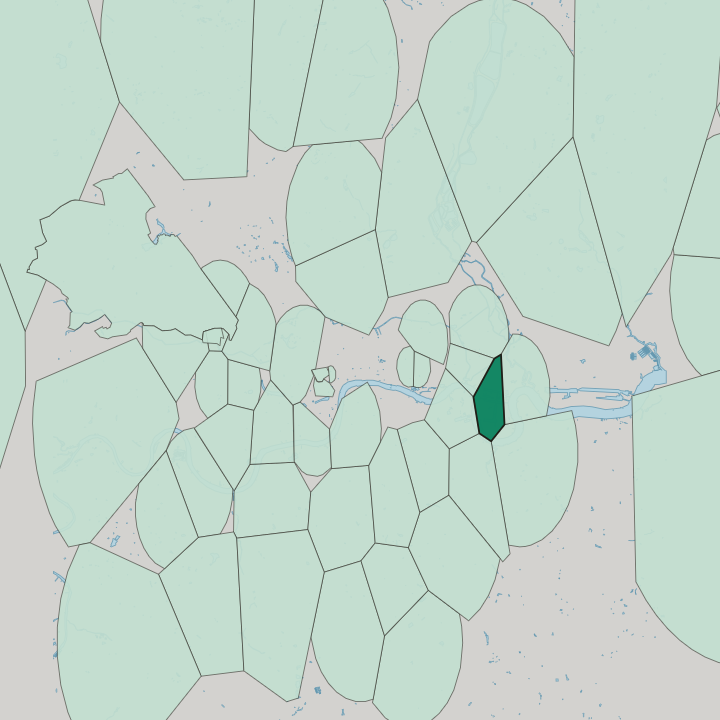
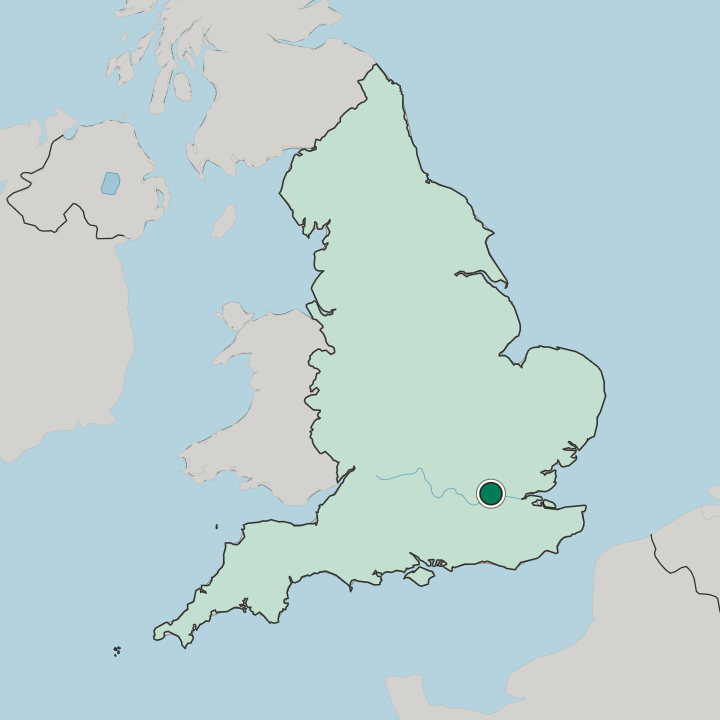
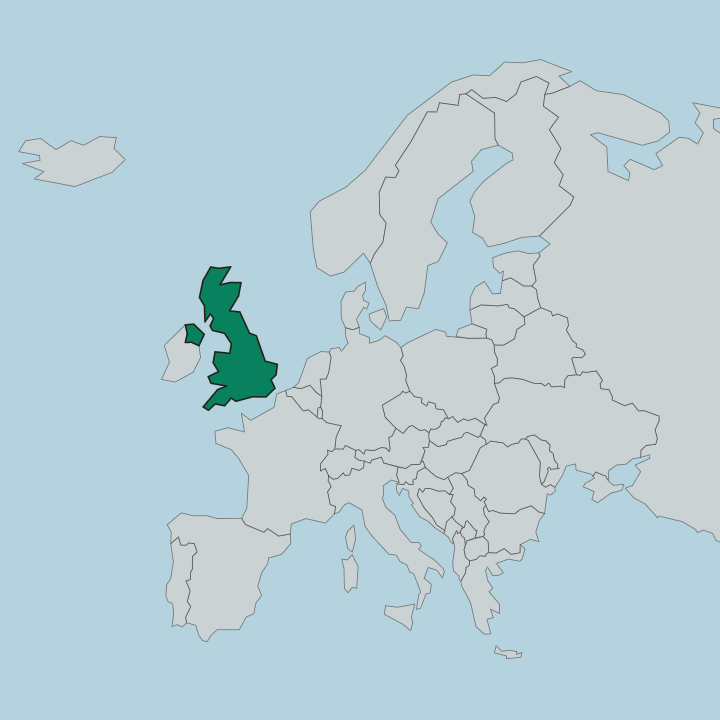
Canary Wharf lies within London on the old docks, with Limehouse and Poplar close by and Rotherhithe across the water.
Good for
More areas in London
Updated October 2026